Nobody hands you a manual when a puppy comes home, and the shampoo aisle is where that gap shows up fastest. The question of dog shampoo vs puppy shampoo sounds like marketing hair-splitting until you set two bottles side by side and read the back panel: one is built to cut through a full adult undercoat, and the other is diluted for skin that has not finished thickening yet. Both can be right for the same household at different stages. This comparison puts four oatmeal and medicated formulas next to each other and sorts out which one belongs in the tub, and when the puppy label is doing real work instead of selling a word.
The short answer: a mild oatmeal shampoo, diluted the way the label instructs, covers most puppies and most adult dogs, and the puppy label matters most in the first six months, when the skin is thinner and the coat has not filled in. Past that first year, what separates two bottles is usually surfactant strength, fragrance load, and how much oatmeal the formula actually carries.
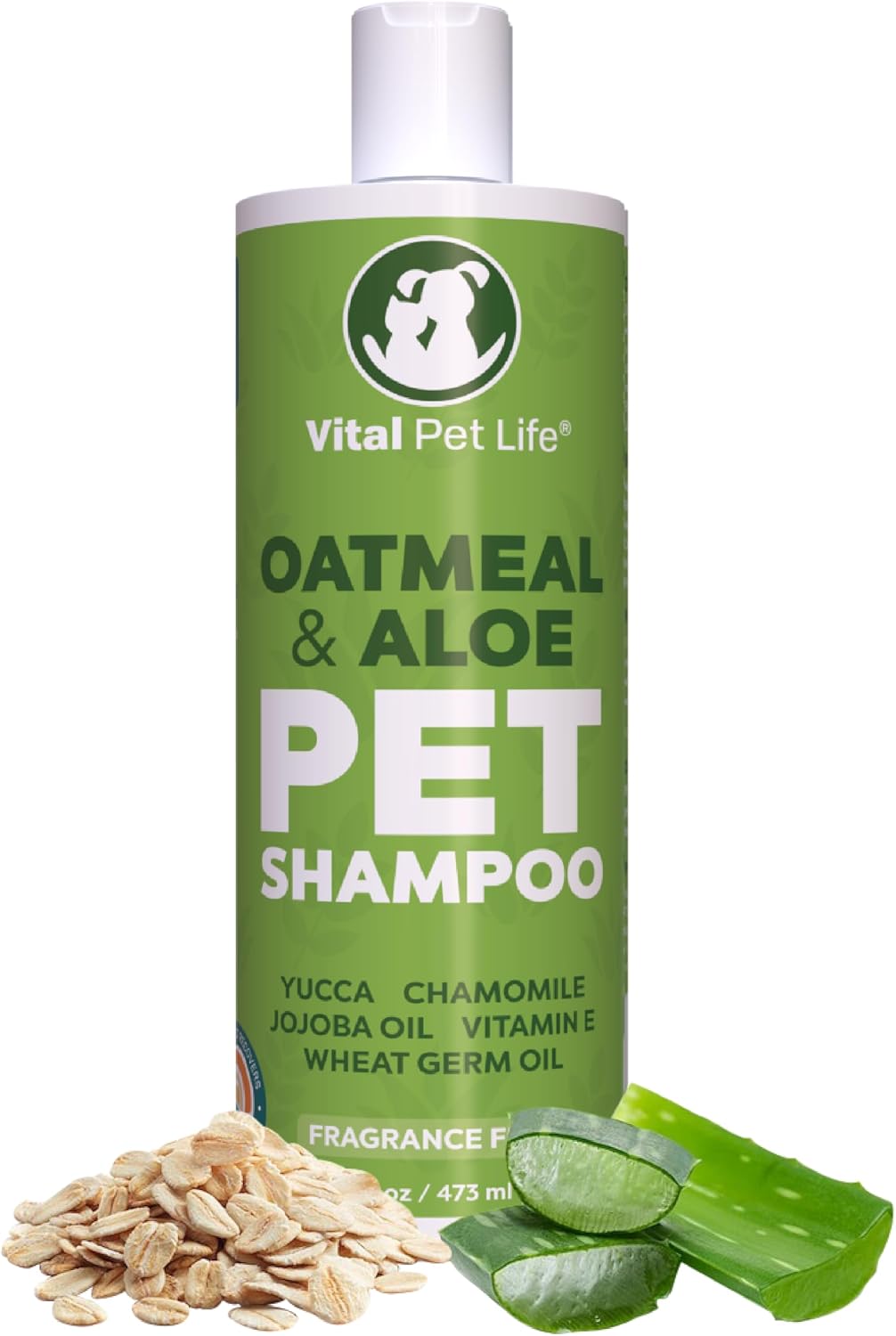
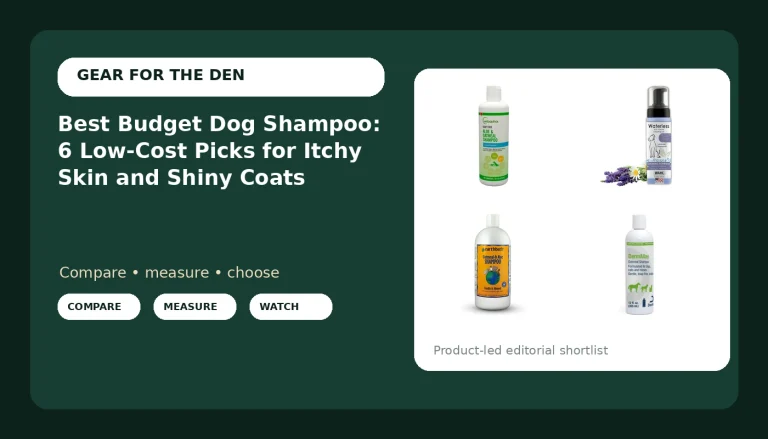
Oatmeal Shampoo for Dogs – Helps Dry Coats & Itchy Sensitive Skin, 16 oz
Straight oatmeal-first formula aimed at dry coats and itchy skin, in a size that suits a single dog
Smallest oatmeal bottle in this group, so frequent bathers will rebuy sooner
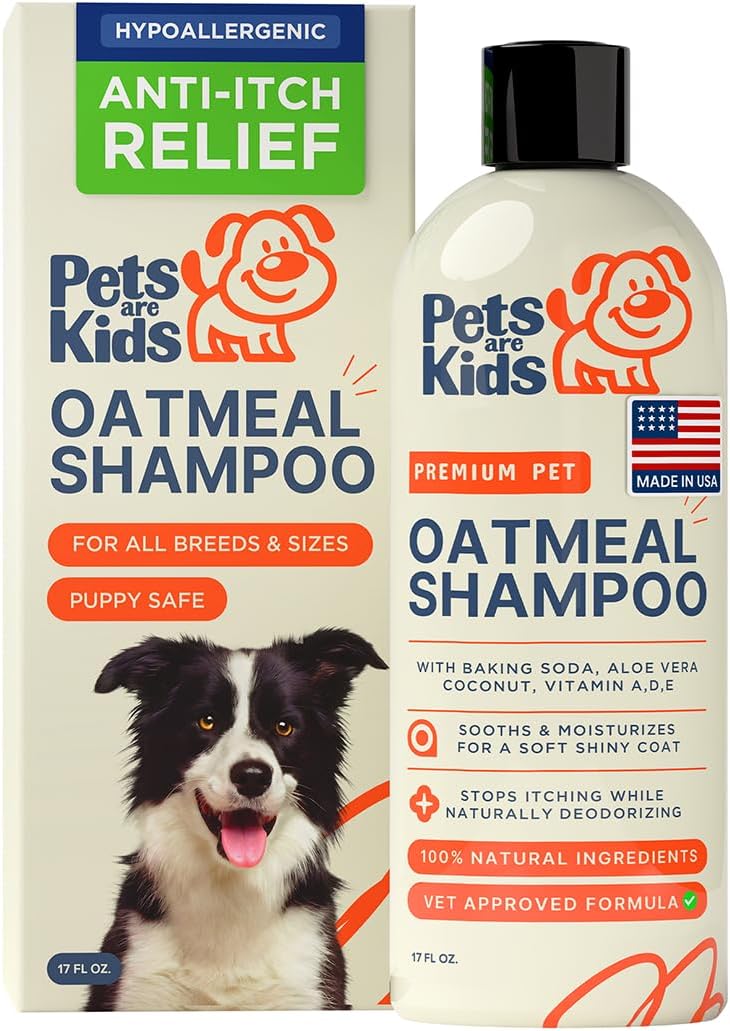
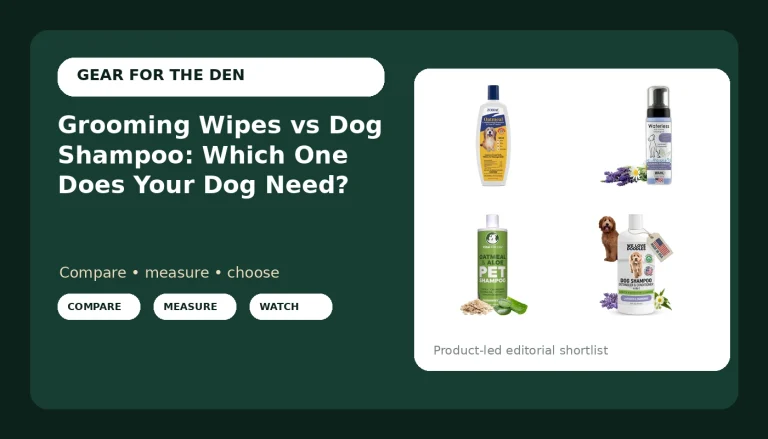
Pets are Kids Premium Oatmeal Shampoo for Itch Relief & Shiny Coat, 17 oz
Premium oatmeal positioning with shine as a stated goal, and one ounce more than its closest rival
No conditioner claim, so long or curly coats may still want a second step
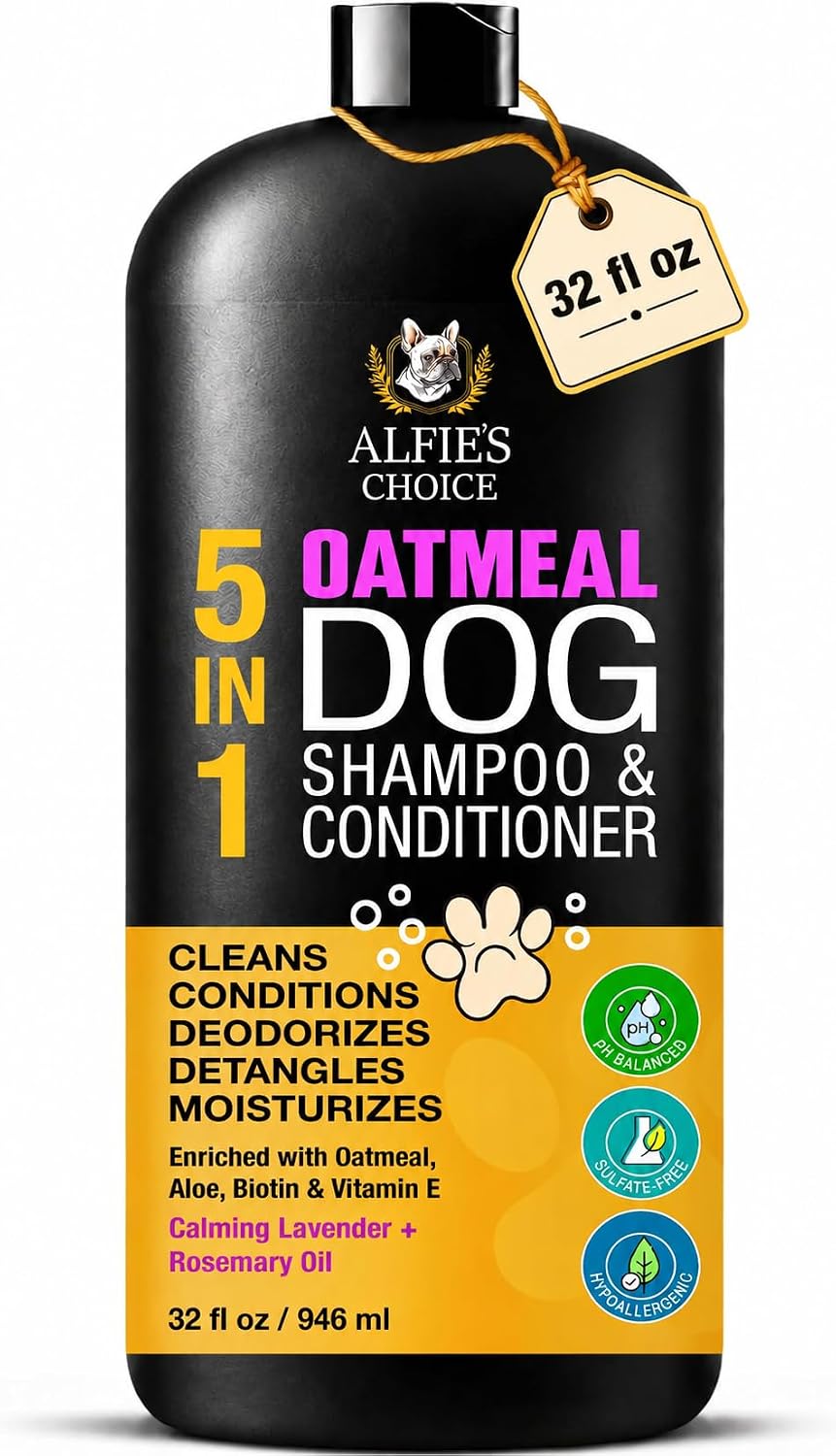
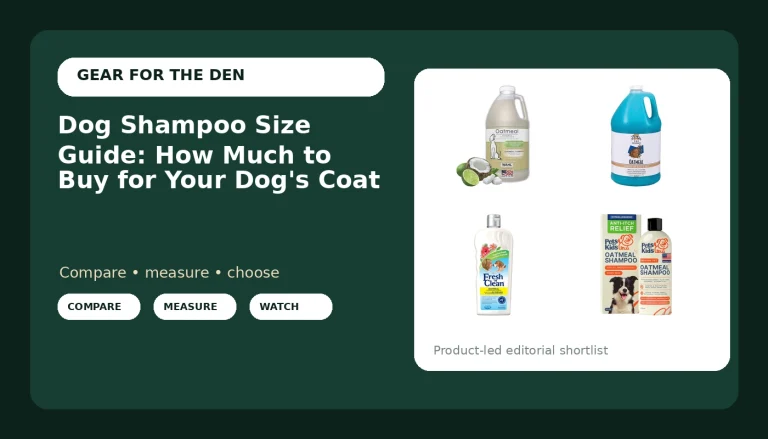
Oatmeal Dog Shampoo and Conditioner for Sensitive Skin with Aloe 32 fl oz
Largest bottle here and the only one that pairs oatmeal with a conditioner and aloe
Bulk size means storing more product and being disciplined about dilution
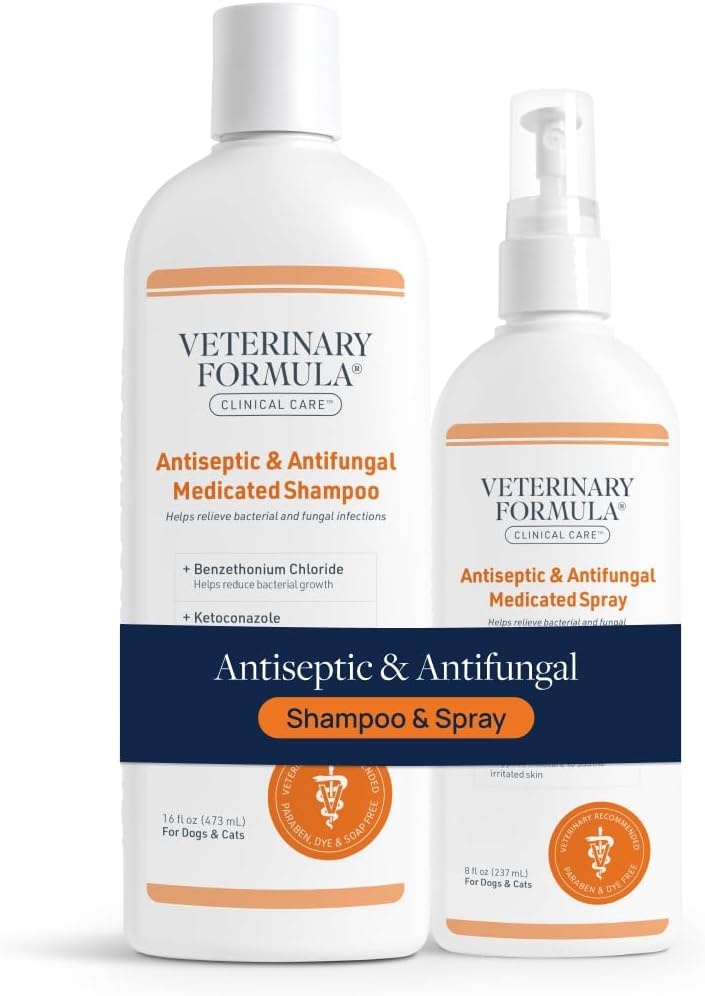
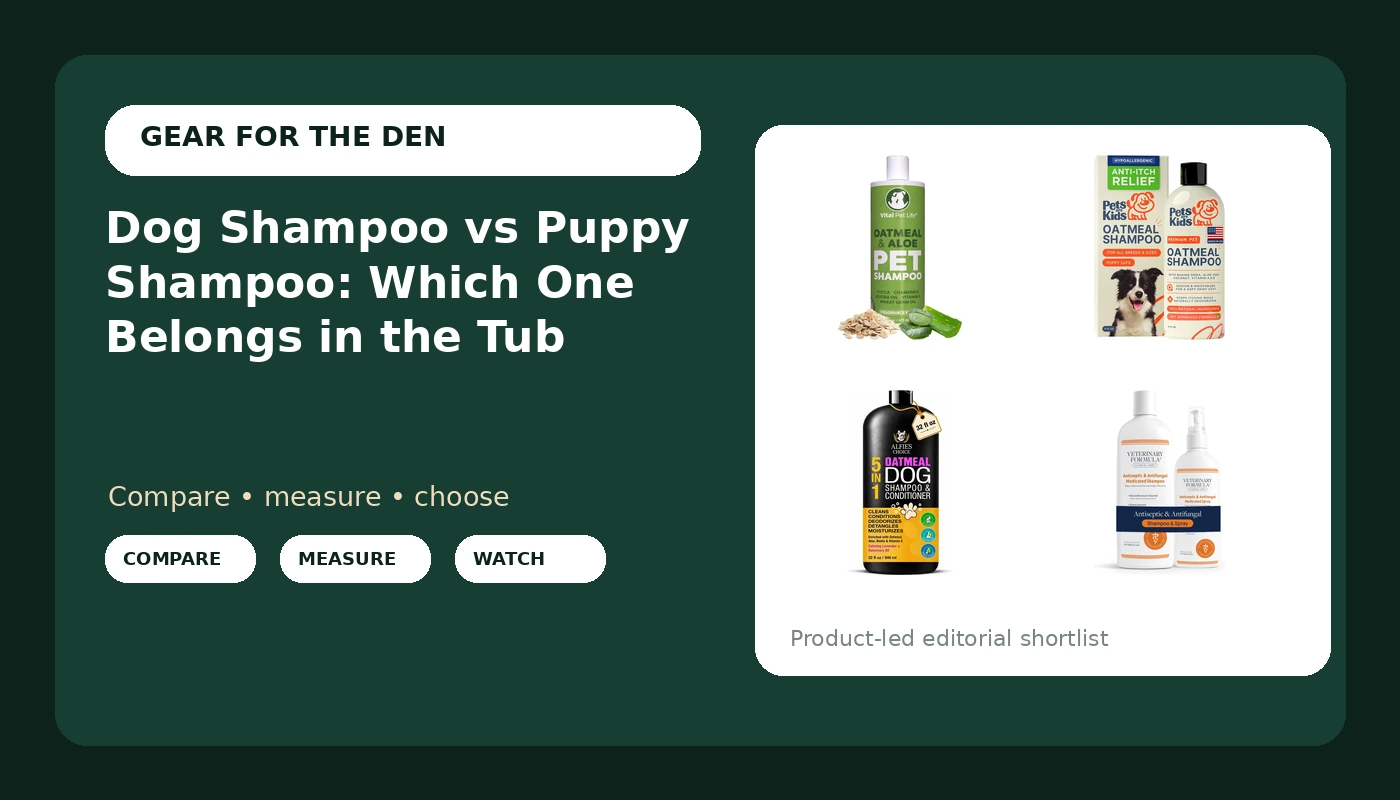
Veterinary Formula Clinical Care Antispetic and Antifungal Shampoo and Spray
Antiseptic and antifungal actives plus a spray for targeted spots, for problem skin rather than routine washing
Not a routine puppy bath product, and medicated actives deserve a vet conversation first
Prices and availability may change.
What dog shampoo vs puppy shampoo actually changes
The word "puppy" on a bottle is not a regulated claim, so treat it as a design intent rather than a guarantee. What it usually signals is a gentler surfactant system, a shorter and more forgiving ingredient list, and a fragrance level that will not overwhelm a nose that is still developing. Puppy skin is thinner and produces less sebum than adult skin, which means the same degreasing power that strips a greasy adult coat can leave a puppy dry and itchy for days afterward.
Coat type is the other half of the equation. A puppy in a single coat, which is typical of poodles, schnauzers, and many terriers, has less insulation and less oil to lose, so a strong adult shampoo has nothing useful to grab. A breed that will eventually carry a dense double coat, like a husky or a golden retriever, grows into a coat that genuinely needs more cleaning power. The bottle that fits the dog in front of you at eight weeks is often not the bottle that fits the same dog at eighteen months.
There is also a practical difference in how often you bathe. Puppies get into more mess and generally need fewer full baths, because their skin has not built up the oil layer that adult coats rely on. An adult dog with an outdoor life might need a bath every few weeks. Frequency changes which formula makes sense more than the label does, and it is the reason a gentle bottle that seems too mild for an adult can be exactly right for a puppy.
The difference between dog shampoo and puppy shampoo is mostly dilution and surfactants
Strip away the labels and most of the gap comes down to three things: the surfactant, the pH, and the dilution ratio printed on the back. Once you understand those three, the dog shampoo vs puppy shampoo gap narrows to a question of how strong a cleanser your dog's skin can tolerate.
Surfactants do the cleaning. Puppy formulas tend toward gentler, often plant-derived surfactants, while adult formulas are more willing to use stronger cleansers, degreasers, and chelating agents that bind minerals from hard water. On a greasy adult coat that is exactly what you want. On a puppy it can be too much, and the result is a coat that feels squeaky for a day and dull for a week.
pH is where human shampoo goes wrong for dogs of any age. Human skin sits around pH 5.5 and dog skin sits closer to neutral, so a human shampoo pushes a dog's skin in the wrong direction and invites irritation. Puppy formulas are usually buffered closer to that neutral range, which is one of the few label claims worth trusting at face value.
Dilution is the part most owners skip. Many concentrates are meant to be mixed with water before they touch the dog, and a diluted adult oatmeal shampoo can be perfectly reasonable on a puppy. Read the ratio, mix it in a cup, and use it the same day. Skip that step and you are applying a concentrate that was never designed to go on undiluted.
Rinsing matters as much as the formula. Residue left in a puppy's coat is the most common cause of post-bath itching, and a thin puppy coat holds fewer suds, so it is easy to think you are finished while there is still product in the fur. Budget twice as much rinse time as you think you need.
Oatmeal concentration, coat type, and the ingredient list
Oatmeal is on nearly every bottle in this category, but oatmeal concentration varies enormously. Some formulas use colloidal oatmeal near the top of the ingredient list; others use an oatmeal extract or a fragrance that simply smells like oats. If itch relief is the goal, look at where oatmeal sits in the order, and look for a formula that also lists omega 3 and epa dha, the fatty acids that support the skin barrier from the outside in.
The ingredient list also tells you what to avoid. Fragrance and essential oils are the usual culprits behind a puppy that scratches after a bath, and a limited ingredient formula with a short list is easier to troubleshoot than a bottle with twenty botanicals. If your puppy has known sensitivities, a limited ingredient approach lets you change one variable at a time instead of guessing which of a dozen plant extracts caused the reaction.
Coat type drives how much lather you need. Short, smooth coats need very little product and rinse fast. Curly and double coats hold shampoo and need more rinsing time, not more shampoo. Long coats benefit from a conditioner step, which is why a shampoo and conditioner in one bottle is a reasonable shortcut for owners who do not want a two-bottle routine on a wiggling dog.
Finally, think about whether the formula is realistically lick safe. Dogs lick themselves, especially puppies, and whatever is left in the coat ends up in the mouth. A short, food-adjacent ingredient list plus a thorough rinse is the practical answer here, regardless of what the front of the bottle promises about gentleness.
Medicated formulas, and when puppy shampoo vs dog shampoo is the wrong question
Some skin problems are not a shampoo-choice problem at all. The Veterinary Formula Clinical Care Antispetic and Antifungal Shampoo and Spray is built around antiseptic and antifungal actives and comes with a spray for targeted spots, which puts it in a different category from the oatmeal bottles. If a dog has a diagnosed bacterial or yeast issue, that kind of medicated formula is a treatment rather than a bath product.
That distinction matters for the dog shampoo vs puppy shampoo question, because a puppy with flaking, odor, or an angry hot spot does not need a milder routine, it needs a diagnosis. Medicated actives are not something to apply on your own schedule without guidance, and they are not the right default for a healthy puppy coat that just needs a wash.
The spray in that set is the part people overlook. Between baths, a targeted spray lets you treat a specific patch instead of washing the whole dog again, which is easier on skin that is already irritated. Used as directed and with a vet in the loop, that is a genuinely useful tool. Used as a substitute for a diagnosis, it is a delay.
For routine bathing, the oatmeal formulas in this group do the ordinary work: loosening dirt, calming mild itchiness, and leaving the coat soft enough to brush. Keep the medicated bottle for the specific job it was made for, and let the gentle bottles handle the weekly and monthly baths.
Bottle size, dilution, and what a bath really uses
Bottle size is the least glamorous spec and one of the few that changes the math. A 16 ounce bottle, a 17 ounce bottle, and a 32 fluid ounce bottle look similar on a shelf, but the largest one here holds roughly twice what the others do. For a single small dog that is a long supply. For a multi-dog household, or a dog that gets bathed every couple of weeks, the bigger bottle means fewer reorders and fewer panicked mid-bath trips to the cupboard.
The catch is concentrate versus ready-to-use. A concentrate stretches further per ounce but adds a mixing step and starts a shelf-life clock once it has been diluted. A ready-to-use formula costs more per bath and removes the guesswork entirely. Neither approach is wrong, but you should know which one you are buying before you pour it into a cup.
Storage matters too. Large bottles are awkward in a shower caddy, and a pump top beats a flip cap once you are juggling a wet, unhappy dog with one hand. Whatever you buy, keep it out of freezing temperatures and check the date, because preservatives have a shelf life and a shampoo that has separated is not worth the risk on a dog with sensitive skin.
The four bottles here and who each one fits
Oatmeal Shampoo for Dogs (16 oz) is the straightforward pick for dry coats and itchy, sensitive skin. It is the smallest of the oatmeal bottles in this group, which makes it a good single-dog size and a less good fit for a household bathing several animals. Visit on Amazon
Pets are Kids Premium Oatmeal Shampoo (17 oz) leans on itch relief and a shiny coat, and it is positioned as the premium option in the oatmeal group. It does not claim a conditioner step, so a long or curly coat may still want a separate conditioner afterward. Visit on Amazon
Oatmeal Dog Shampoo and Conditioner for Sensitive Skin with Aloe (32 fl oz) is the convenience and value pick: the largest bottle here, with a conditioner built in and aloe aimed at sensitive skin. The trade-off is storage space and dilution discipline in a bottle that will last a long time. Visit on Amazon
Veterinary Formula Clinical Care Antispetic and Antifungal Shampoo and Spray is the medicated option, and it belongs in the cupboard for problem skin rather than weekly baths. The included spray is the useful extra for spot treating between washes. Visit on Amazon
None of these four are puppy-only or adult-only by definition. What changes is how strong a formula you want on a thin coat, and how much cleaning power the adult coat in your house actually needs.
Is dog shampoo or puppy shampoo the right default?
For a puppy under about six months, start with the mildest option you can find, dilute it if the label says to, and keep baths infrequent unless a vet says otherwise. A gentle oatmeal formula is usually a better choice than a harsh adult shampoo, even if the bottle does not say puppy on the front.
Once the adult coat comes in, usually somewhere between six and twelve months depending on breed and size, you can move to a standard adult oatmeal formula and adjust from there. Double coats need more cleaning power and more rinsing. Short coats need very little product at all. Dogs with ongoing itchiness need a vet and possibly a medicated formula, not a different fragrance.
The honest version of the dog shampoo vs puppy shampoo debate is that the label is a starting point and the dog in front of you is the deciding factor. If a formula leaves the coat dull, the skin flaky, or the dog scratching at midnight, it does not matter what age group the bottle claims to serve. Change one thing at a time and let the coat tell you whether it worked.
What to check before you buy
- Read the dilution ratio first, because a concentrate and a ready-to-use bottle behave very differently on a puppy.
- Check where oatmeal sits in the ingredient list, not just whether the word appears somewhere on the label.
- Look for omega 3 and epa dha if skin support is part of what you are buying.
- Prefer a short, limited ingredient list for a puppy with a history of reactions.
- Match the bottle size to how many dogs you bathe and how often, since a 32 ounce bottle is a commitment.
- Patch test a small area and wait a day before a full bath on a sensitive dog.
- Rinse longer than feels necessary, because leftover residue is the usual cause of post-bath scratching.
Buy the mild bottle for the puppy, the bigger bottle for the household, and keep the medicated formula for the problem the vet actually names. That is the whole decision, and it does not require a shelf full of shampoo.