A GPS dog collar and a dog car seat cover land in the same search results, and plenty of shopping lists treat them as one errand, but the gps dog collar vs dog car seat cover question is really two purchases wearing a single label. One answers where your dog is once the leash comes off. The other answers what your back seat looks like after a wet retrieve or a muddy trail. Buy the wrong one first and you end up either driving a car that smells like pond water or standing at a trailhead calling a dog that has already crossed into the next county.
For most people the cover comes first and the collar comes second. That order only flips if your dog already works off leash in unfenced country, where a live position reading matters more than a clean bench seat. The four covers in the table below are the ones worth comparing in this category, and the rest of this article explains how a gps dog collar vs dog car seat cover budget should actually be split between the two.
| Product | Price | Why it won | Why it lost |
|---|---|---|---|
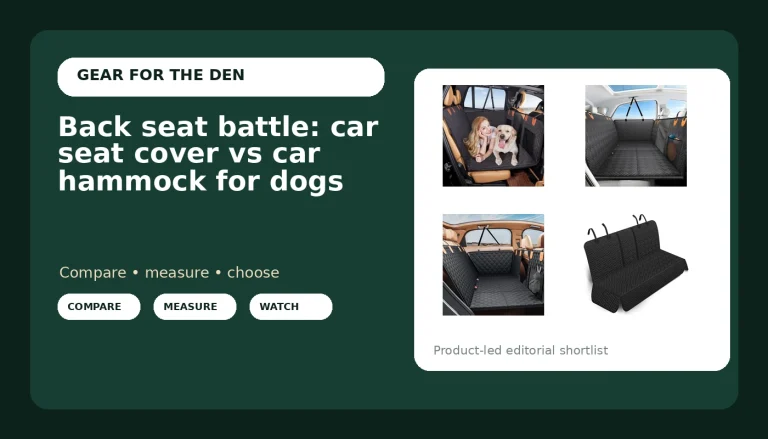
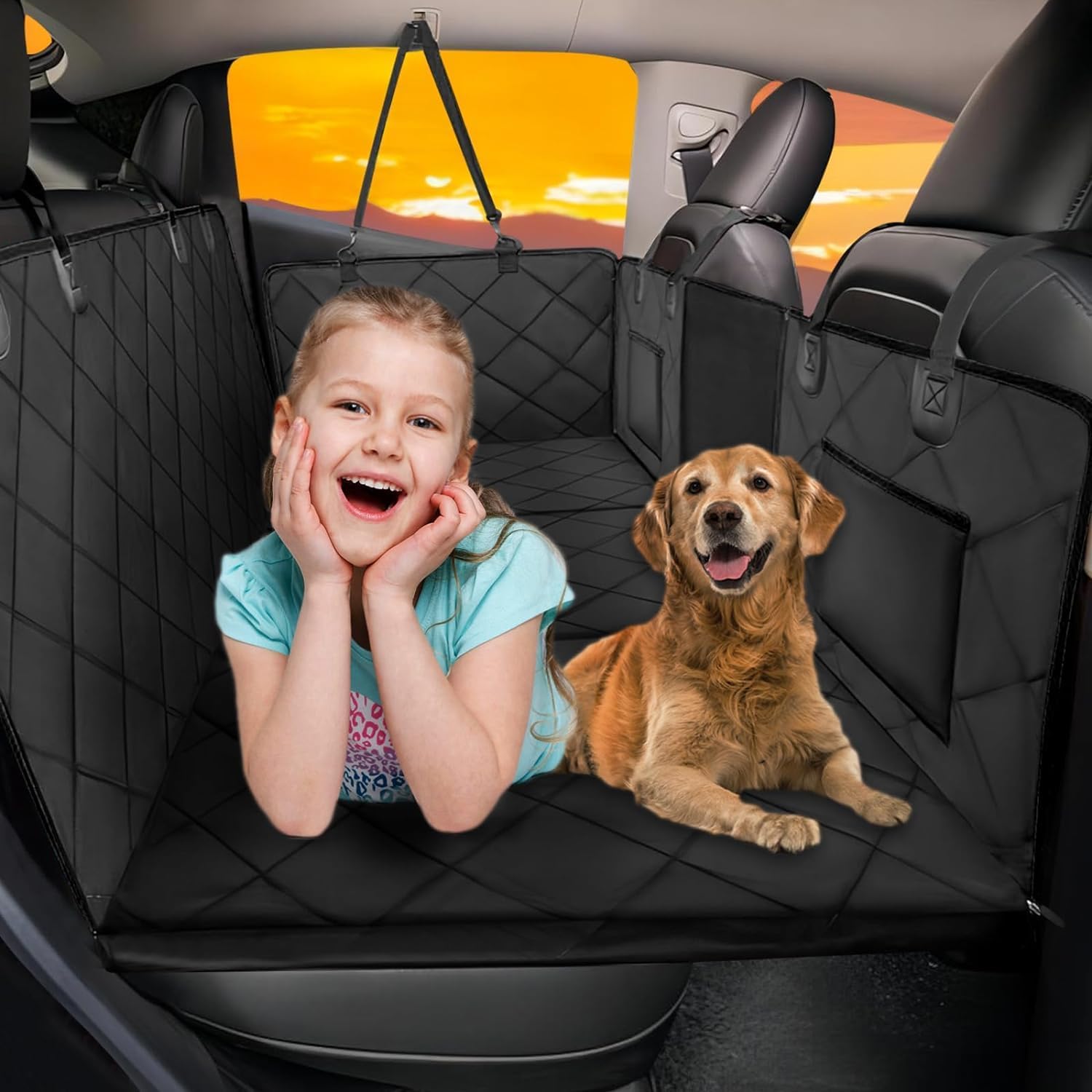 ROUWINNE Hard Bottom Dog Car Seat Cover for Back Seat, Back Seat Extender | Check current Amazon price | Rigid deck bridges the footwell gap so a large dog rides on a flat platform instead of a sagging fabric pit | The heaviest build and the bulkiest to fold away when the dog stays home |
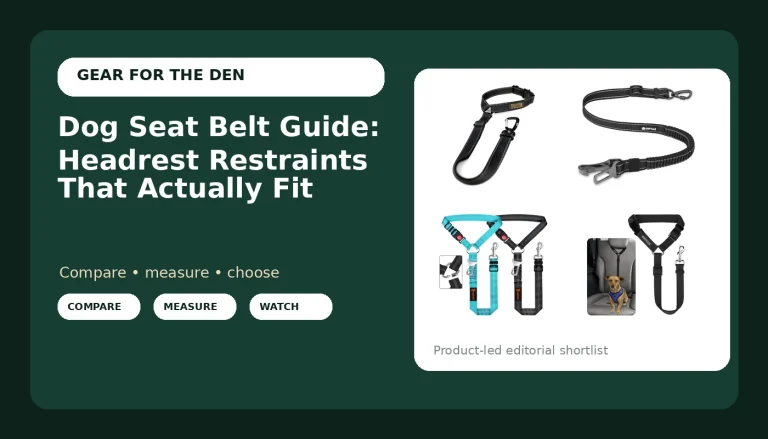
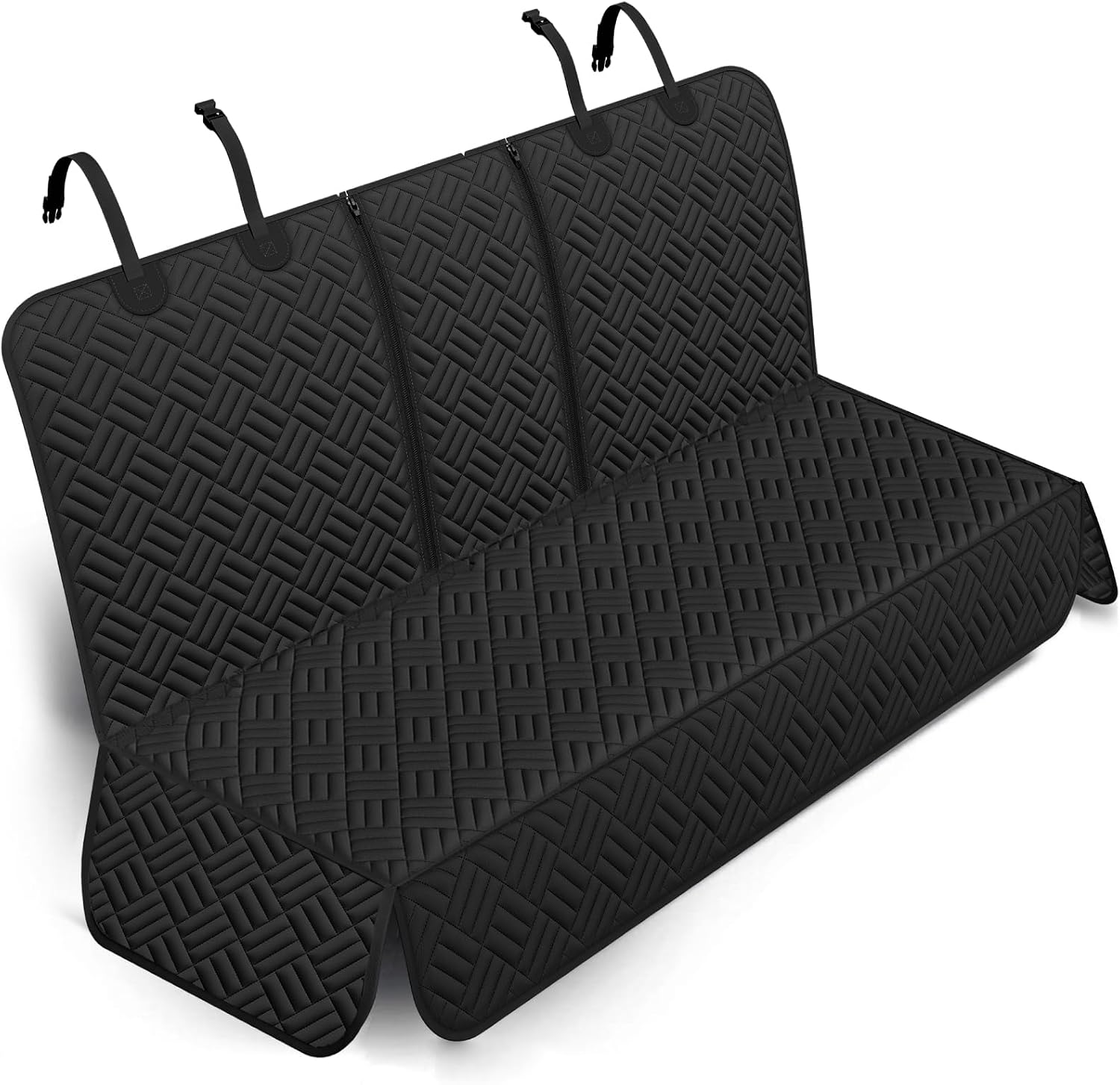 Brlako Dog Car Seat Cover for Back Seat, Waterproof 600D Oxford Protector | Check current Amazon price | 600D Oxford shell shrugs off mud and hair, installs in minutes, and shakes clean | No rigid floor, so the bench contour stays and the footwell stays open |
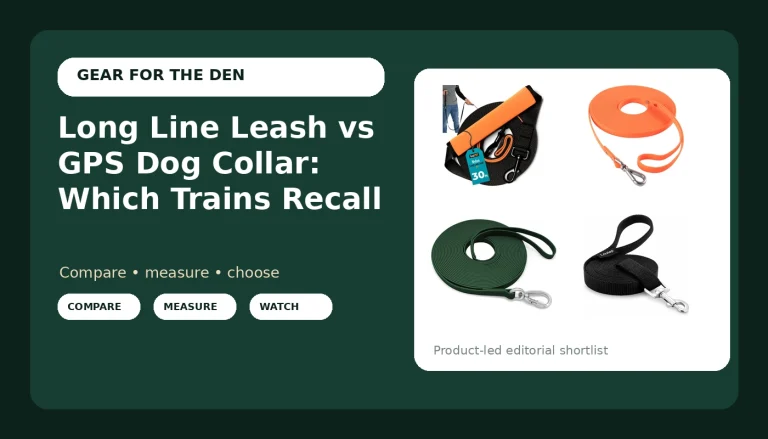
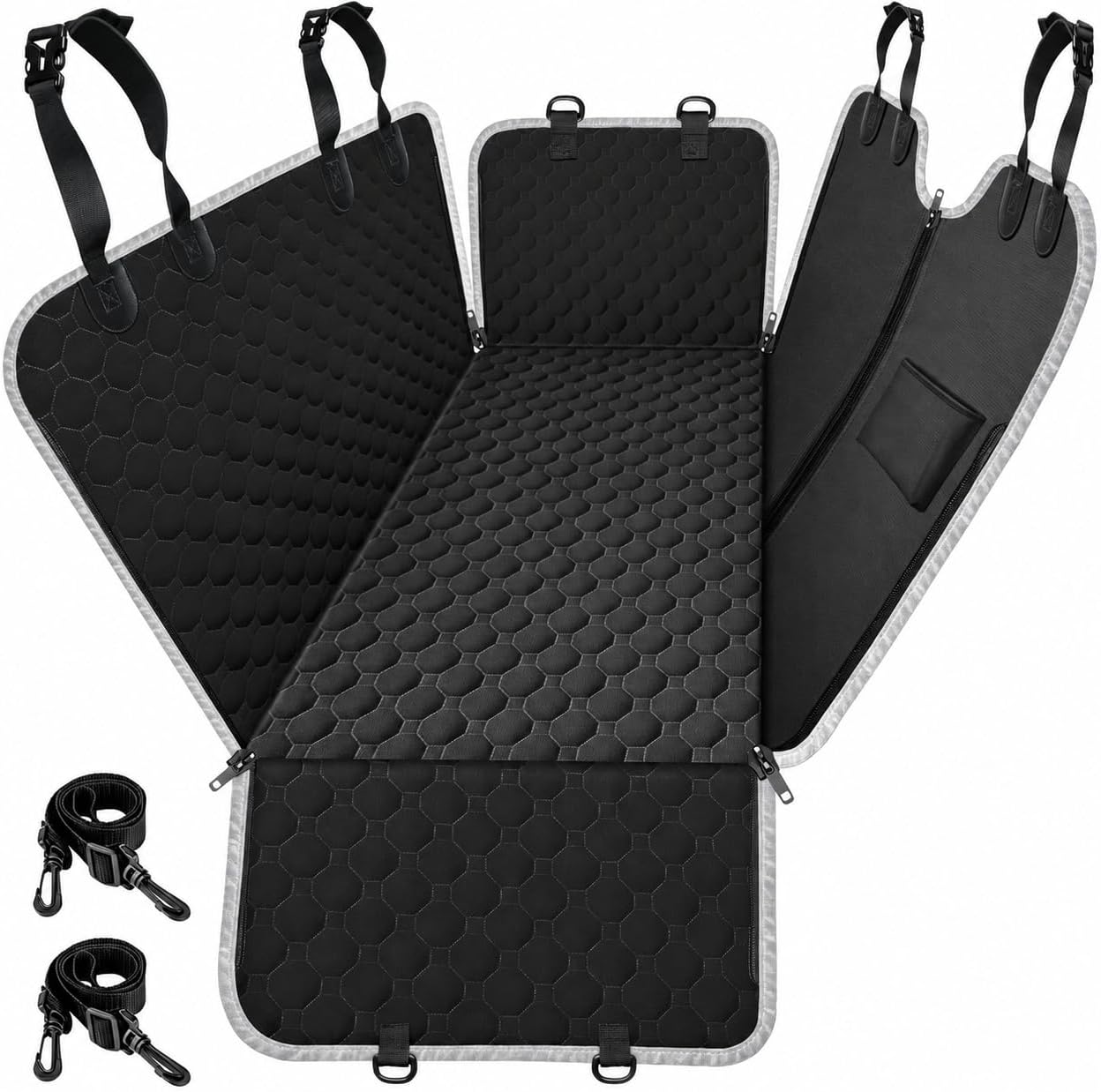 Mancro Dog Car Seat Cover for Back Seat, Waterproof Dog Hammock for Car | Check current Amazon price | Hammock shape blocks the footwell with fabric and the waterproof layer keeps wet dogs off upholstery | Fabric suspension sags, so a heavy dog can still slide toward the middle |
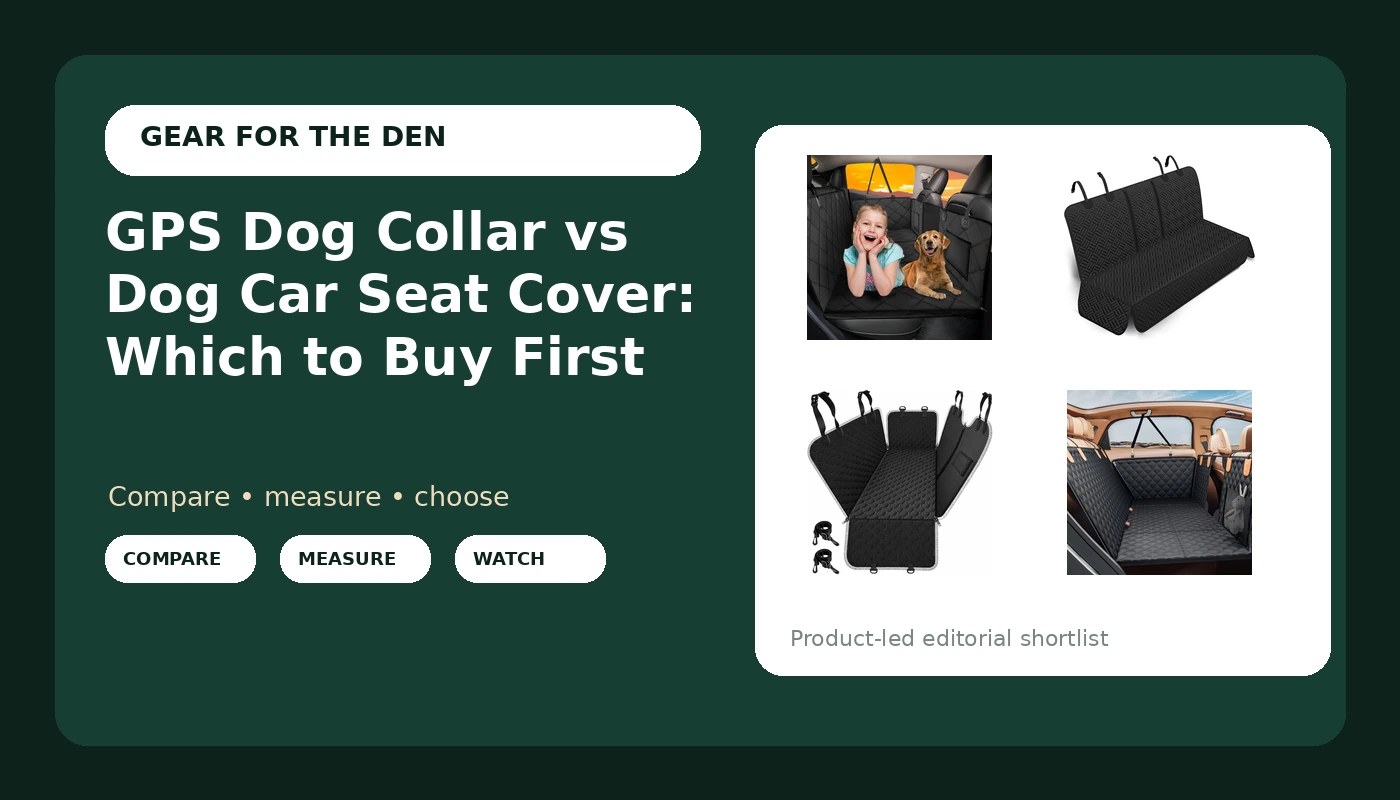
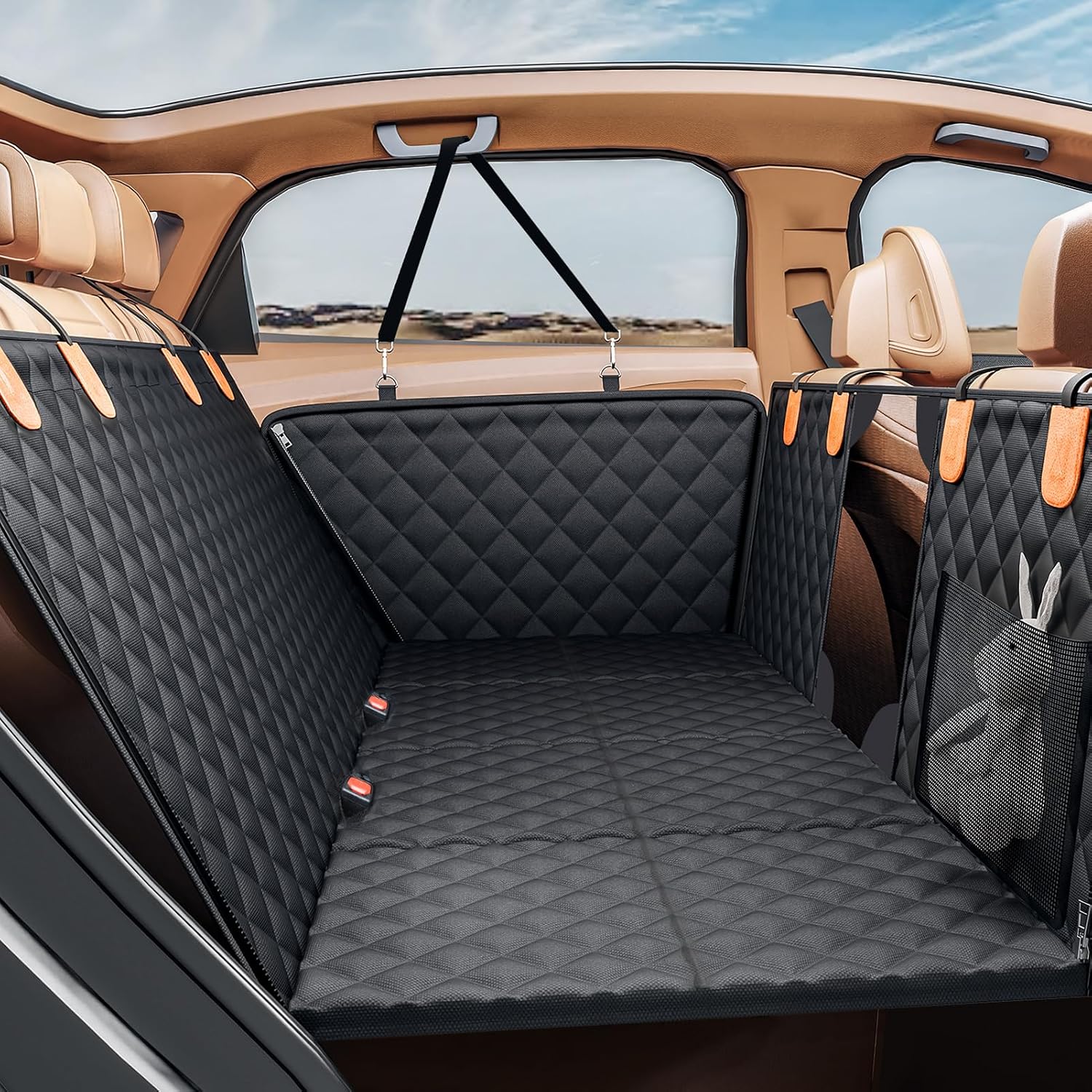 PETICON Dog Car Seat Cover for Back Seat, Hard Bottom Back Seat Extender | Check current Amazon price | Same flat deck idea as the ROUWINNE at a friendlier point in the market | Still a solid panel to store, and rear passengers lose the bench while it is installed |
Why the gps dog collar vs dog car seat cover question has two answers
Start with what each object is. A GPS dog collar is an electronic device with a radio or cellular module inside, which means it has a gps range that depends on terrain and network coverage, a battery life measured in hours or days depending on the tracking interval, and usually a subscription attached to the app that shows you the dot on the map. A dog car seat cover is fabric, straps, anchors, and sometimes a rigid panel. No firmware, no battery, no monthly fee.
There is no overlap in the engineering, which is why the gps dog collar vs dog car seat cover search tends to produce articles that talk past each other. Most people typing it are answering a budget question, not a spec question. They have a fixed amount to spend on the dog this month, and they want to know which purchase prevents the bigger disaster.
Ask it as dog car seat cover vs gps dog collar and the honest answer depends on which problem is currently ruining your week. A shredded bench seat full of embedded hair is annoying and expensive to fix but survivable. A dog that slips a collar at a trailhead in unfenced country is a different category of problem entirely.
The difference between gps dog collar and dog car seat cover is how often you use it
Frequency is the tiebreaker. A cover earns its place on every single drive, including the ten minute trip to the vet and the errand where the dog comes along for no reason. A GPS collar earns its place only when the dog is off leash and out of sight, which for many owners is a weekend activity rather than a daily one.
Cost per use follows from that. A cover that lives in the car from spring through fall gets used dozens of times a month. A tracker that sits on a charging dock and goes out on Saturday hikes gets used four or five times a month. Neither is a bad buy, but if you are choosing one this month, the cover has far more chances to prevent a mess.
There is also a safety asymmetry worth naming. A cover prevents damage to property. A collar can prevent the loss of the animal itself, but only if the battery is charged and the collar is actually on the dog. That is a responsibility, not a feature, and it is why trackers fail people who buy them and then treat them like insurance they never have to maintain.
Hard bottom back seat extenders: the ROUWINNE and the PETICON
These two take the same position: fabric alone is not enough, so the cover includes a rigid deck that spans the rear bench and the footwell. Picture a dog standing in a moving car. A fabric hammock hangs, so the dog's weight pulls the middle down and creates a soft pit between the seats. A hard bottom extender trades that softness for a flat surface that does not move when the dog shifts.
The ROUWINNE Hard Bottom Dog Car Seat Cover for Back Seat is the heavier build of the two. The hard bottom is written into the product name, and that is the whole design argument: the panel extends the seat forward so a large dog has somewhere to stand, turn, and lie down without its legs sliding into the gap. For an older dog with stiff hips, or a young dog that has not learned to brace itself, that flat deck is the difference between a settled passenger and one that scrambles for footing at every turn.
The cost of that structure is bulk. A rigid panel has to be folded, lifted, and stored when you need the back seat for people, and it takes up more room than a fabric cover that rolls into a bundle. It also changes how the rear seat feels, because the deck sits above the upholstery, and passengers will notice immediately.
The PETICON Dog Car Seat Cover for Back Seat takes the same hard bottom, back seat extender approach at a friendlier point in the market. The trade is in materials and finish rather than the concept. You still get a deck that levels the footwell, and you still give up the convenience of a cover that folds flat.
If your dog is large, senior, or visibly unsteady in a car, the deck style is the right call. If your dog curls up on the seat and sleeps for the whole drive, you are paying for structure you will never use.
Waterproof hammocks and Oxford protectors: the Mancro and the Brlako
The other two products solve the problem with fabric and straps rather than structure.
The Mancro Dog Car Seat Cover for Back Seat is the classic version of a waterproof dog hammock for car use. It anchors to the front and rear headrests, lifts the middle of the cover off the seat, and forms a shallow bowl that keeps a dog from stepping down into the footwell. Install takes a couple of minutes, and the waterproof layer means a wet dog, a spilled bowl, or muddy paws stay off the upholstery. For a small or medium dog that sleeps on the drive, the hammock shape works well, and it blocks the gap next to the doors where hair and grit collect.
The limitation is structural. With no rigid panel, the middle of a hammock sags, and a heavy dog that shifts its weight can slide toward the lowest point. Owners of big dogs who want a level floor should be looking at the extenders above rather than a hammock, no matter how good the fabric is.
The Brlako Dog Car Seat Cover for Back Seat is the simplest product in this comparison: a waterproof 600D Oxford protector. Oxford is a woven fabric, and the denier number describes the weight of the yarn. 600D is the workhorse weight for pet gear because it resists tearing and wipes clean with a damp cloth. There is no deck and no bowl, just a protective shell over the bench, which is exactly what some owners want. It installs fast, shakes out fast, and a single layer of shell has nothing hidden inside it to hold odor.
If you have a small dog, drive an older car, or you are covering a seat that is already scuffed, this style makes sense. If your dog outweighs the fabric's ability to stay flat, you want the deck instead.
Budget math: gps dog collar or dog car seat cover first
When the question is gps dog collar or dog car seat cover, the useful framing is to compare what each purchase prevents. A cover prevents a cleaning bill, a smell that never quite leaves, and upholstery that loses value at resale. A collar prevents the worst case: a dog out of sight in country you do not know.
The cover is the cheaper of the two in almost every realistic combination, and it is used more often. That is why the default advice is cover first. There is a second reason, too. A GPS collar works best on a dog that already has a routine around the car. If the dog panics on the drive to the trail, a tracker does not fix that, and you spend the first part of every hike managing a stressed animal instead of walking.
A sensible order looks like this. First, a waterproof cover if the dog rides at all. Second, a hard bottom extender instead of a fabric hammock if the dog is large, stiff in the hind end, or unsteady in a moving car. Third, a GPS collar once the dog travels calmly and you have off leash ground to justify it, with the monthly app cost and the charging routine folded into the decision. Anyone who says a tracker replaces a cover, or the reverse, has not thought about which failure they would rather clean up.
What a GPS collar needs before it earns a place in the car
There is no collar in the table above, and that is deliberate. Collar shopping deserves its own checklist rather than a slot next to seat covers.
gps range comes first, and it is the number most likely to disappoint. A quoted range assumes open ground and clear sky. Add a treeline, a hill, a canyon, or a subdivision full of houses, and the practical distance shrinks. Buy for the terrain you actually walk in, not the terrain in the marketing photos.
battery life is the second number to check. The tracking interval decides how long a charge lasts, because a collar reporting every few seconds drains far faster than one reporting every few minutes. A long battery life matters more for a dog that works all day than for a dog that loops a field, but a dead tracker is a useless tracker, so build the charging routine into your week.
Then there is the walking gear the collar sits on top of. A dog that pulls needs a harness with a front clip, because a front clip redirects forward pull sideways and gives you steering instead of a tug of war. The chest strap should sit behind the shoulder, not across the throat. leash length is the last piece, since a long line gives a dog room to explore while you keep control, and the tracker is the backup for the day the long line is not enough. A tracking collar is not a substitute for recall training, and treating it as one is how dogs get lost wearing expensive hardware.
The dog car seat cover vs gps dog collar call on hot hike days
Summer changes the math, because heat decides how long a dog can be out at all. On a hot day the gear that matters is the gear that manages temperature and footing, and the car cover is what protects the seats from all of it: water, mud, and the soaked towel you threw over the dog at the trailhead.
A cooling fabric mat or vest helps a dog dump heat, though shade, water, and timing do more than any product. Boots are the other piece people buy for hot and rough ground. A traction sole matters on slick rock and wet roots, and boot sizing is measured rather than guessed: paw width and length, plus a snug fit that does not rotate. A loose boot rubs and comes off in the first mile.
The tracker question returns here too. Summer trails are busy, scents carry, and a dog that follows its nose into cover can be gone before you finish calling. That is the day the collar earns its keep. The cover still got used on the drive out and the drive home, and it is still the purchase that changes the car rather than the walk. If you are choosing between the two this month, look at the season ahead and pick the one whose worst case you would rather avoid.
Fitment checks that decide whether a cover survives the first month
Measure the rear bench from door panel to door panel before you buy, then measure depth from the seatback to the edge of the cushion. A cover that is too narrow leaves the corners exposed, which is exactly where grit and hair end up.
Check the headrests. Every hammock style needs headrest posts to anchor to, and fixed or integrated headrests make that impossible without an adapter. Check the seat belt layout too. If the buckles sit in the cushion, straps can block them, and if the buckles come out of the seatback, the cover has to leave a clean path through.
Think about your bench at home. A 60/40 split means you want a cover that folds or zips so one side can drop, and anyone who regularly carries a passenger in the back should look at the deck style extenders with clear eyes, because they take over the seat.
Finally, plan for cleaning before you buy. A cover that cannot be hosed off, wiped down, or machine washed on a gentle cycle is a cover you will stop installing. Waterproof fabric and a shell that shakes clean are what keep the product in the car instead of in the garage.
The bottom line
A cover and a tracker solve two unrelated problems, and most dog owners eventually own both. The order depends on frequency. The cover works on every drive, while the collar only matters when the dog is off leash and out of sight.
In this group of four, the hard bottom extenders are the pick for large, stiff, or nervous dogs, with the ROUWINNE as the heavier build and the PETICON as the middle of the market. The Mancro waterproof hammock and the Brlako Oxford protector are the right answer for smaller dogs, tighter budgets, and anyone who wants an install that takes minutes and folds into nothing.
Buy the cover first, add the collar when you have off leash ground to justify it, and keep both in working order. That is the short version of the gps dog collar vs dog car seat cover debate, and it is far more useful than ranking two products that were never competing in the first place.