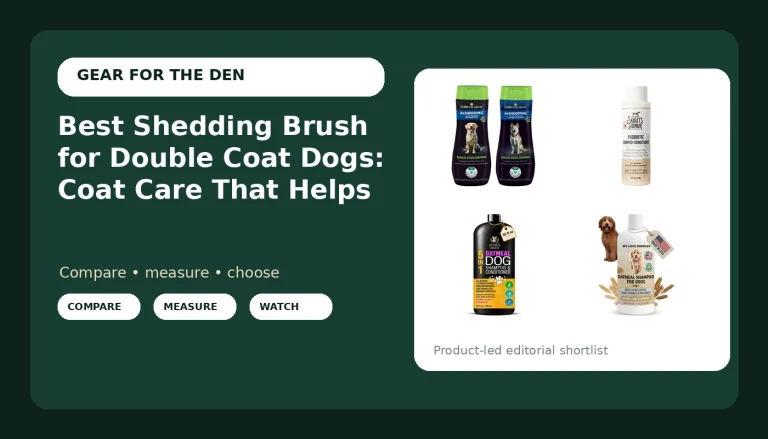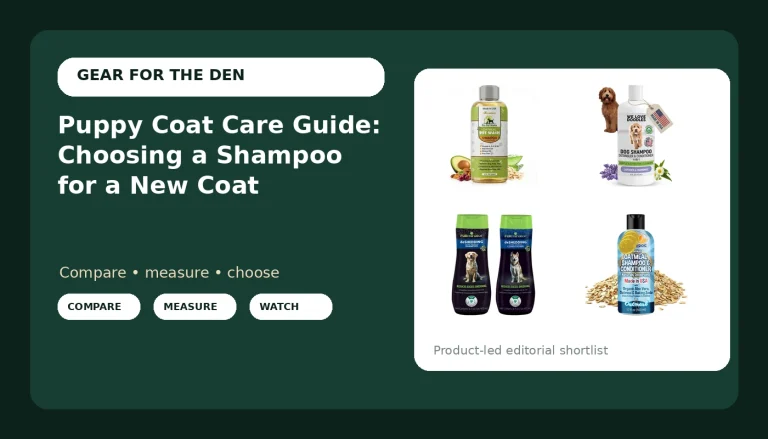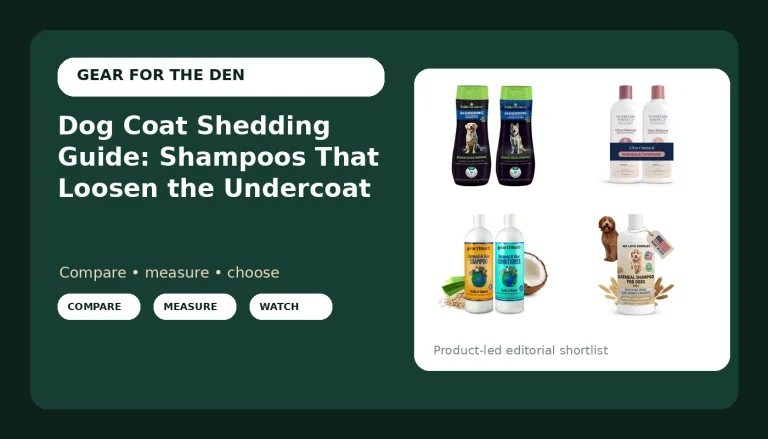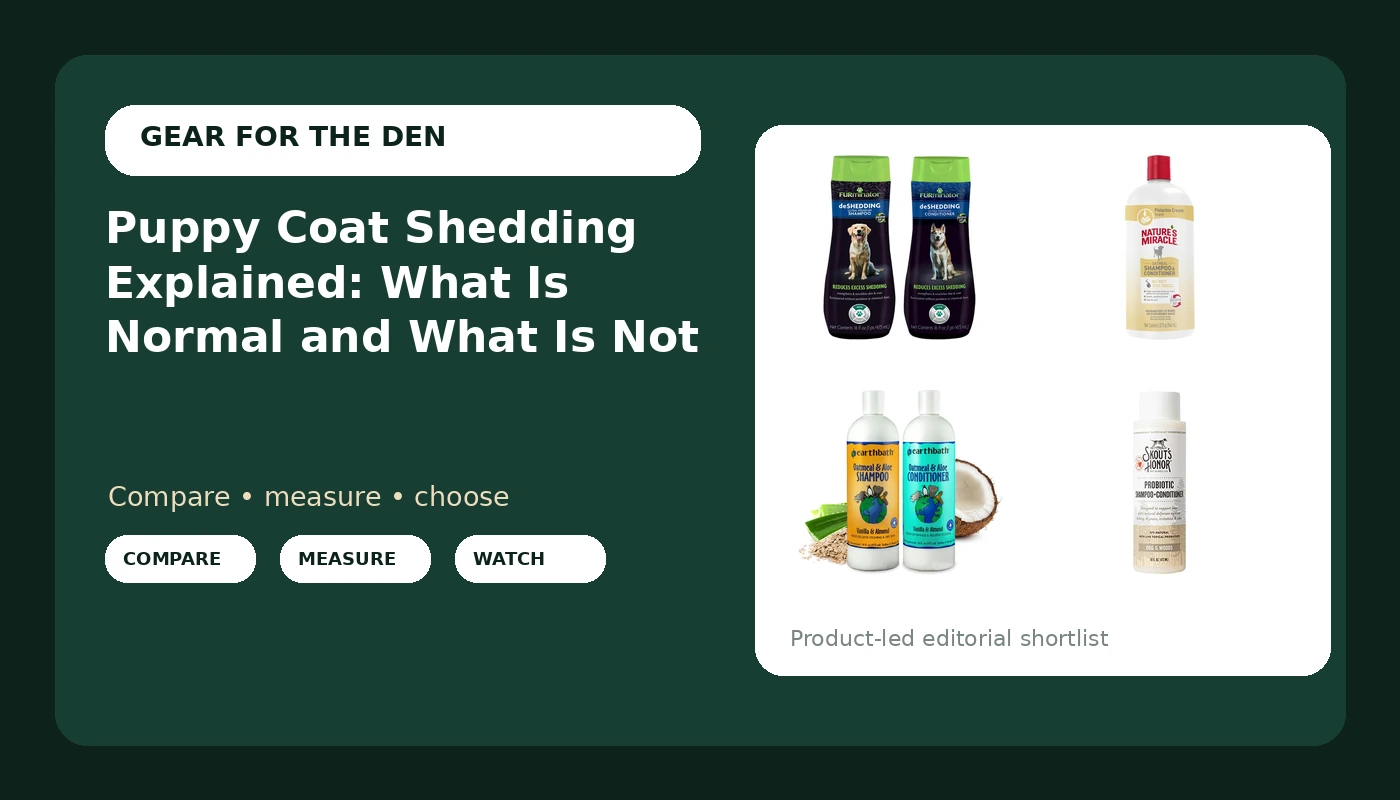
A new puppy arrives with a soft, fuzzy coat, and for a few weeks nothing much ends up on the couch. Then the brush starts filling up, the crate blanket turns gray, and every dark sweater in the house becomes a hair magnet. That first big shed is where most owners go looking for answers, and puppy coat shedding is the phrase they end up typing. The short version: most puppies are not losing their coat because something is wrong. They are trading a puppy coat for an adult one, and how much hair lands on your floor during that trade depends on breed, coat type, and timing. What you can control is how you manage the transition, and that is where grooming habits and shampoo choices come in.
Quick answer
Puppy coat shedding explained in one line: the hair on your floor is usually a coat change, not a health problem. Most puppies begin the switch from puppy coat to adult coat somewhere between four and eight months of age, though small breeds often start earlier, large breeds later, and double-coated breeds tend to shed far more visibly than single-coated ones. A shampoo can support skin health and help lift loose hair, but no wash stops a coat change. If you see bald patches, red or broken skin, a greasy coat, or constant scratching, that is a veterinary question rather than a grooming one.
4 useful options
| Model | Best fit | What stands out |
|---|---|---|
| Furminator® Deshedding Ultra Premium Shampoo & Conditioner Bundle. 16oz. | Puppies with a heavy double coat that need a shedding-focused wash | Shampoo and conditioner sold together as a matched deshedding bundle |
| Nature's Miracle 2-in-1 Oatmeal Dog Shampoo & Conditioner, 32 oz | Owners who expect to bathe often and want one bottle to do both steps | 2-in-1 formula in the largest bottle of this group |
| earthbath Oatmeal & Aloe Dog Shampoo and Conditioner, 16 Oz (1 Set) | Puppies with dry or itchy skin | Oatmeal and aloe named on the label, sold as a separate shampoo and conditioner set |
| SKOUT'S HONOR Probiotic Dog Shampoo and Conditioner – DOTW, 16 oz | Owners who want a probiotic-forward formula | Probiotic positioned as the headline feature in the product name |
Deshedding-first pick: Furminator® Deshedding Ultra Premium Shampoo & Conditioner Bundle. 16oz.
This is the one to look at first if your puppy's coat is thick enough that you can pull a cloud of hair off it with your fingers. Deshedding washes are aimed at hair that has already let go of the follicle, which is exactly the situation during a coat change, and pairing the wash with a conditioner keeps the coat from drying out when you bathe more often than usual. The trade-off is fit rather than quality: a deshedding wash is a poor starting point for a puppy with visibly dry, flaky, or irritated skin, where a gentler oatmeal or limited ingredient formula makes more sense. It is also worth being realistic about what a bath can do, because no shampoo removes a double coat's undercoat. A brush does most of that work, and the shampoo simply makes the job easier.
Large-bottle pick: Nature's Miracle 2-in-1 Oatmeal Dog Shampoo & Conditioner, 32 oz
Bottle size is the real argument here. A puppy in the middle of a coat change may need a bath every week or two for a couple of months, and a 32 oz bottle goes further than a 16 oz set before you have to reorder. The 2-in-1 format saves a step and a shelf slot, which matters if you are bathing in a sink or a shower stall with limited space. The trade-off is control: when the shampoo and the conditioner are the same product, you cannot dial the conditioning up or down on its own, so a puppy with a coarse or curly coat may still want a separate conditioner later. This is also the oatmeal option to compare against the earthbath set if oatmeal is your main reason for choosing a wash, since the two approach that ingredient differently.
Oatmeal and aloe pick: earthbath Oatmeal & Aloe Dog Shampoo and Conditioner, 16 Oz (1 Set)
Oatmeal and aloe is the classic pairing for a puppy that scratches, has dry flaky patches, or gets a little pink after a bath. Because the shampoo and conditioner are separate bottles, you can use the shampoo alone on a quick rinse or follow with the conditioner when the coat feels rough, which is more flexibility than a 2-in-1 gives you. The trade-off is volume and steps: it is a 16 oz set rather than a single large bottle, and it asks for two applications per bath instead of one. If your puppy has no skin complaints at all, the oatmeal focus may be more than you need, and a straightforward deshedding or general puppy wash will do the same job for less effort.
Probiotic pick: SKOUT'S HONOR Probiotic Dog Shampoo and Conditioner – DOTW, 16 oz
Probiotic language has moved into pet grooming quickly, and this is the option for an owner who wants to try that direction rather than another oatmeal wash. The honest caveat is that a shampoo is rinsed off after a few minutes, which limits how much of anything it can leave on the skin, so the ingredient list is a better guide than the word on the front of the bottle. Treat the probiotic angle as a preference rather than a proven advantage, and judge the product on how the coat looks and feels a week after the bath. The 16 oz size sits in the middle of this group, between the large 2-in-1 bottle and the earthbath set.
Prices and availability may change. Product images, names, and retailer links are matched to verified listings. No current price, rating, stock status, or measured result is stated here without current evidence.
How puppy coat shedding changes through the first year
Puppies do not keep the coat they are born with. The soft, dense puppy coat is gradually replaced by an adult coat, and the shedding that comes with that swap is what most people mean by puppy coat shedding. The timing is a range rather than a date. Many puppies start somewhere between four and eight months, small and toy breeds often earlier, large and giant breeds later, and a puppy born in autumn can look like it is shedding off schedule simply because daylight and temperature are shifting at the same time.
Coat type drives how dramatic the change looks. A double-coated breed grows a dense undercoat and blows the puppy version of it in visible tufts that collect along baseboards and in crate corners. A single-coated breed sheds steadily and lightly, with less of a single event. Curly and wire coats hold shed hair instead of dropping it, so it comes out in the brush rather than on the floor. There is no single ideal puppy coat shedding calendar that applies across breeds, and a puppy that sheds more than the puppy next door is not automatically a problem.
What is worth watching is the skin, not the hair count. Normal coat turnover comes with a coat that still looks full, skin that is not red or broken, and a puppy that is not scratching constantly. Bald patches, a greasy or sour-smelling coat, scabs, or symmetrical hair loss are reasons to call a veterinarian rather than to buy a stronger shampoo. The adult coat usually arrives with a different texture than the puppy coat, sometimes a different color, and often a different grooming requirement, so plan on more brushing through the change rather than less.
Reading the label: oatmeal concentration, ingredient list, and coat type
A shampoo label is a short document, and the useful information sits in the ingredient list rather than on the front of the bottle. Oatmeal concentration is the clearest example: a product can put oatmeal in its name and still carry it far down the ingredient list, where it contributes less than the first few ingredients do. If oatmeal is the reason you are buying, look for it near the top.
Aloe, oatmeal, and similar ingredients are common in washes aimed at dry or itchy skin. Probiotic positioning is newer and harder to evaluate, partly because a shampoo is rinsed off after a few minutes, which limits how much of anything it can leave behind. The same logic applies to omega 3 and EPA DHA: those are dietary ingredients, and a wash is a poor delivery route compared with a complete diet or a supplement your vet recommends. A limited ingredient formula is worth considering when you are trying to isolate a trigger, since fewer ingredients means fewer variables to rule out.
Two practical labels matter as much as the marketing. Lick safe matters because puppies lick their legs, flanks, and paws after a bath, and a residue they swallow is a residue you should have chosen on purpose. Bottle size matters because a puppy in the middle of a coat change may need more frequent baths than usual, and a larger bottle stretches further between orders.
Coat type decides which details you actually need. A correct puppy coat shedding routine for a double-coated puppy leans on a deshedding-focused wash plus brushing. For a puppy with dry, flaky skin, the priority is a gentle oatmeal or limited ingredient formula. For a puppy with no skin issues at all, a simple, well-rinsed bath is usually enough.
- Rule out a skin problem first. Bald patches, redness, or constant scratching are veterinary questions, not shampoo questions.
- Identify your puppy's coat type. Double, single, curly, and wire coats shed and hold hair differently, and the coat type sets the whole grooming plan.
- Match the wash to the job. A deshedding formula suits a heavy double coat, an oatmeal formula suits dry or itchy skin, and a limited ingredient formula suits a suspected trigger.
- Read the ingredient list and check the bottle size against how often you plan to bathe. Oatmeal concentration and bottle size matter more than the front label.
- Bathe, rinse thoroughly, dry the coat, brush out the loose hair, and give it a month before you judge the result.
Practical guidance for shedding season
- Brush before the bath, not after. Loose hair that comes out in the brush will not sit against the skin or clog the drain during the wash.
- Dilute the shampoo if the label allows it, and use lukewarm water. Puppy skin is thinner and more sensitive than adult skin.
- Rinse longer than feels necessary. Shampoo residue left in a double coat is a common cause of dull, clumpy hair after a bath.
- Dry the puppy thoroughly, especially the chest, armpits, and between the back legs, then brush again once the coat is dry.
- Keep expectations steady. Shedding is driven by the coat change, not by the shampoo, so judge a product on skin condition and coat feel rather than on how much hair the vacuum collects.
Which option should you choose?
Choose the Furminator® Deshedding Ultra Premium Shampoo & Conditioner Bundle. 16oz. when your puppy has a heavy double coat and the shedding is arriving in visible tufts. Choose the Nature's Miracle 2-in-1 Oatmeal Dog Shampoo & Conditioner, 32 oz when you expect to bathe often through the coat change and want one large bottle that handles both steps. Choose the earthbath Oatmeal & Aloe Dog Shampoo and Conditioner, 16 Oz (1 Set) when dry or itchy skin is part of the picture and you want the shampoo and the conditioning step kept separate. Choose the SKOUT'S HONOR Probiotic Dog Shampoo and Conditioner – DOTW, 16 oz when you would rather try a probiotic-forward formula than a deshedding or oatmeal one.
None of these is a treatment for a skin condition, and none of them stops a coat change. The evidence behind most shampoo marketing is thinner than the packaging suggests, which is why the ingredient list and your puppy's skin condition are better guides than the words on the front of the bottle. If shedding comes with itching, odor, or bare patches, ask a veterinarian before you change products again.
The bottom line
Puppy coat shedding is a normal transition, and the hair on your floor during the first year is mostly a sign that the adult coat is arriving on schedule. Bathing supports skin health and helps move loose hair, but brushing does the heavy lifting, and diet covers the omega 3 and EPA DHA side of coat condition better than any wash. Pick the option that matches your puppy's coat type and skin, use it as often as your puppy tolerates, and let the coat change run its course.