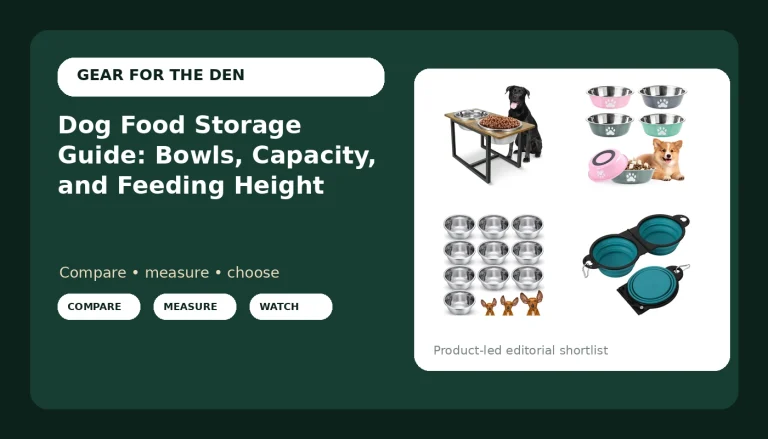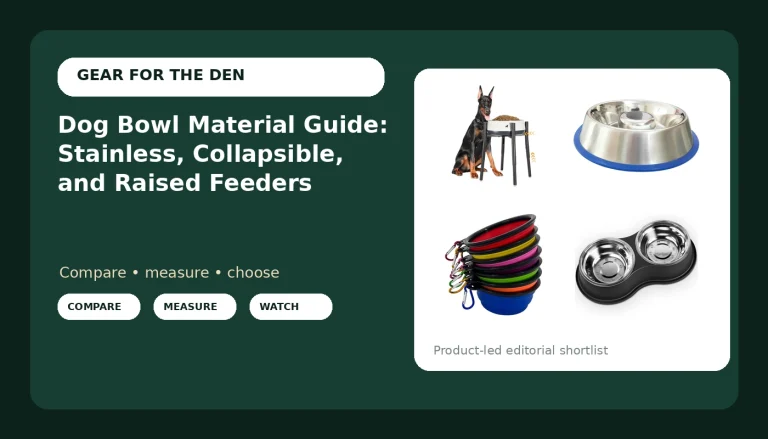
I bought my first stainless dog bowl back when I assumed a bowl was a bowl. Then I watched a 90 pound shepherd try to eat dinner out of a shallow 2 cup dish, shove it across the kitchen floor, and walk away from a half finished meal. That was the day I started caring about bowl geometry. This raised dog bowl size guide is the result: how to match bowl capacity and feeding height to the dog in front of you, and which of the four bowls in my rotation is actually worth your money.
The math is not complicated, but it is specific. Get the raised dog bowl size right and your dog eats with a level neck and a bowl that stays where you put it. Get it wrong and you get gulped air, a soaked floor, and a dog who loses interest in dinner. I keep four bowls in rotation, and each one solves a different part of that problem.
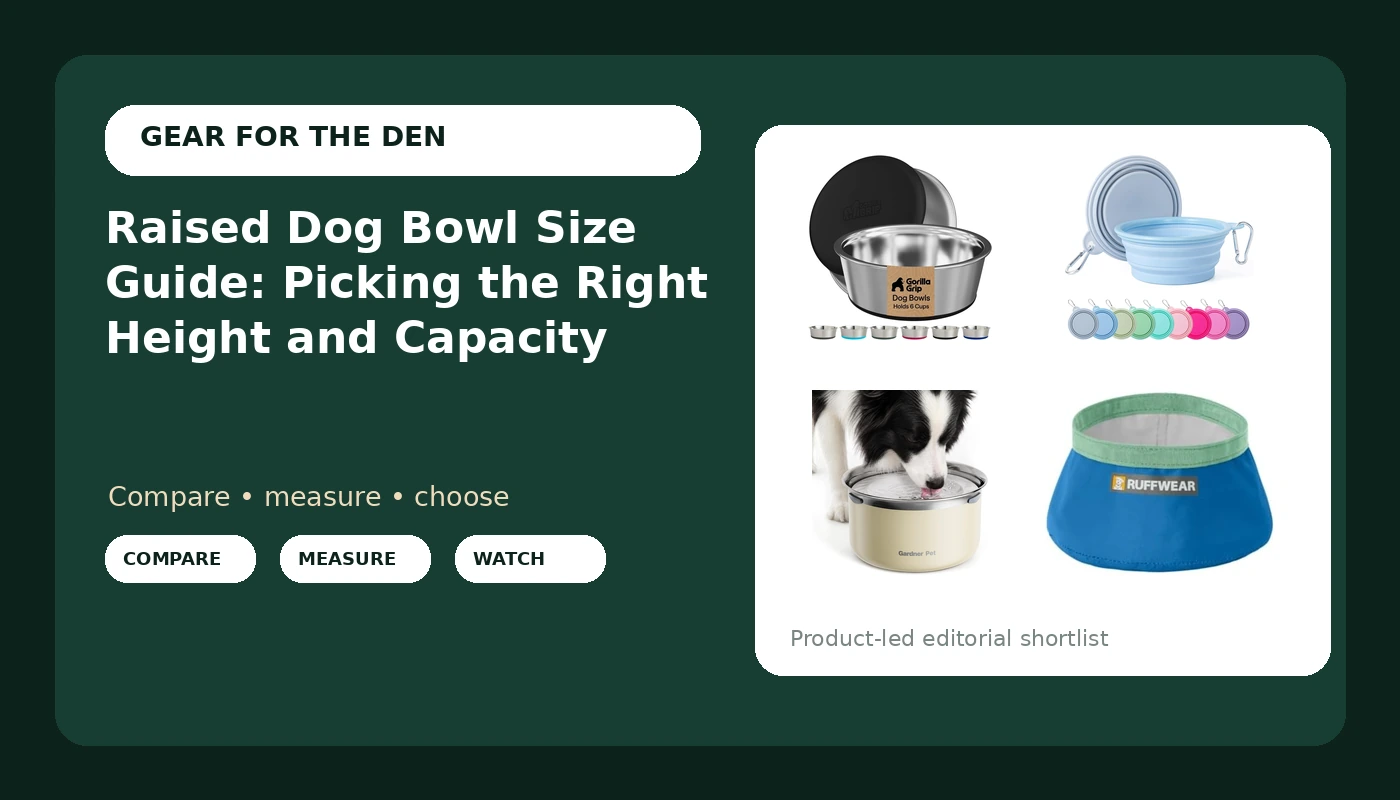
Best Overall: GORILLA GRIP Dog Bowl Set, Food Grade 304 Stainless Steel, 6 Cup, Black
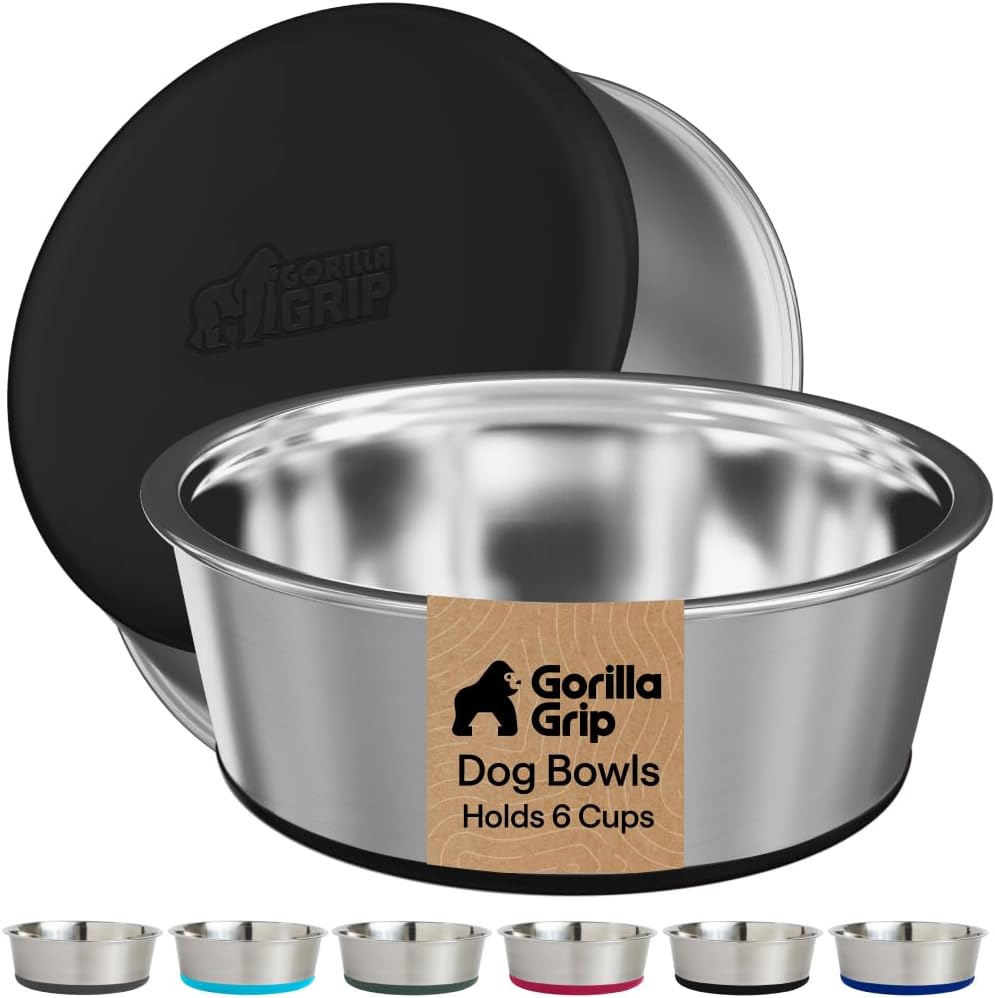
This is the set I reach for first. Six cups of bowl capacity is the sweet spot for a medium or large dog: enough that a Lab is not chasing the last few kibbles around the rim, not so much that you are dumping half a bag of food in at once. The 304 stainless steel is food grade, which matters more than people give it credit for. Stainless does not hold onto odors the way plastic does, it does not scratch into a bacteria farm, and it does not stain from a little leftover salmon oil.
The non slip base is the part I appreciate most at 6 a.m., when a hungry dog hits the bowl before I have had coffee. It stays put on tile and on hardwood. The black finish makes it easy to see how much food is left, and because it is a set, your food and water bowls match instead of looking like two separate purchases.
If you are building a raised setup, this is the bowl to build around. A 6 cup bowl sits nicely in a standard large elevated stand, and the wide base means it does not wobble when a dog eats with enthusiasm. It is also the easiest of the four to keep clean. Stainless takes a dishwasher run without complaint, and a quick rinse handles most days.
The honest downside is that stainless is loud. A dog who noses an empty bowl across a hard floor will announce it to the whole house. That is a small price for a bowl that will outlast the dog's puppy phase and probably the next one too.
Best Value: SLSON Collapsible Dog Bowl Silicone, 2Pack Macaron Color Pet Travel Bowls
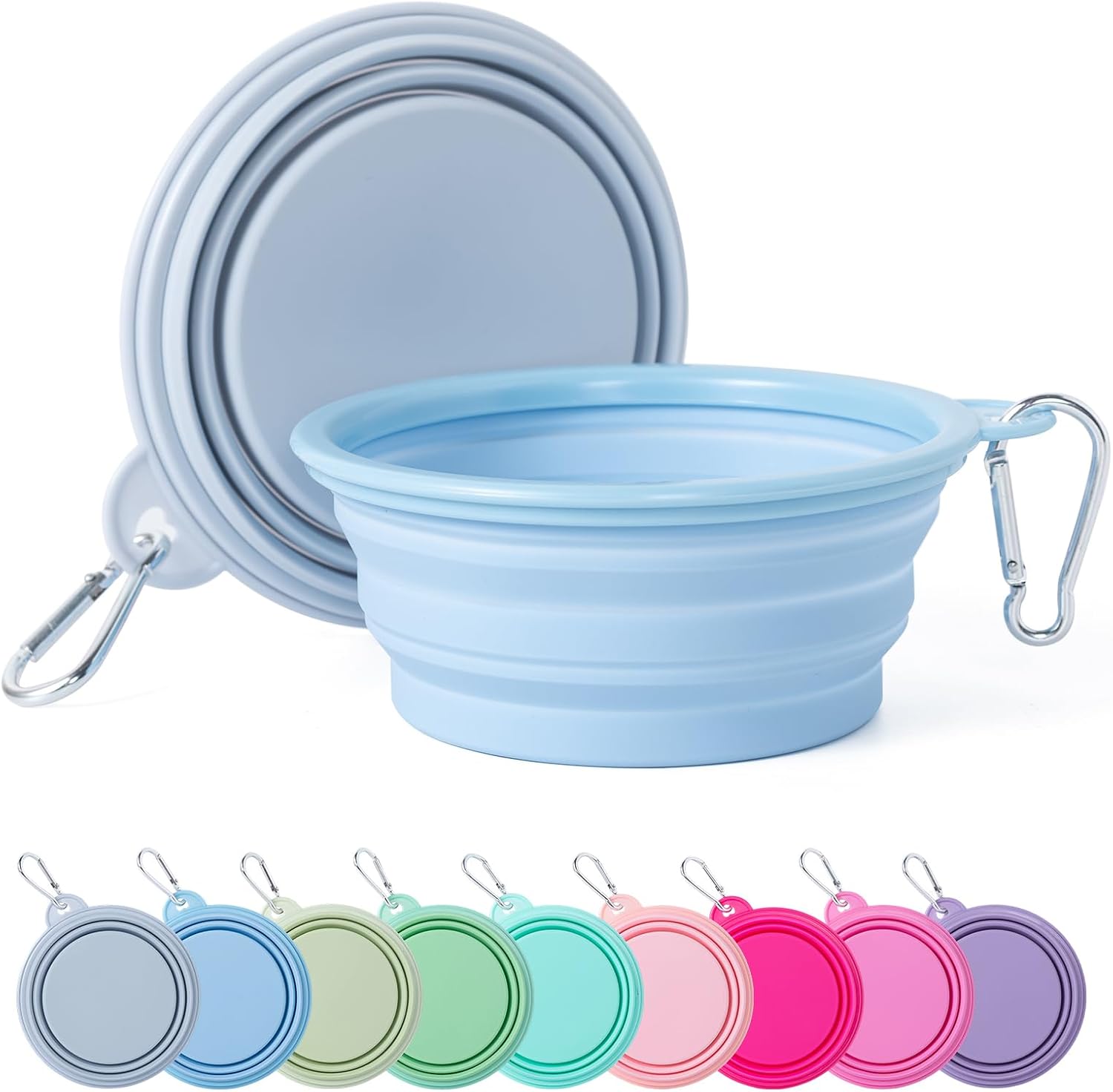
Two silicone bowls for the price of a coffee is the kind of value that makes you buy a second pair for the car. These collapse flat, so the pair takes up less room in a bag than one stainless bowl, and the macaron colors mean I can spot them at the bottom of a backpack instead of digging past a leash and a bag of treats. They are the bowls that go to the park, the trailhead, and the patio.
Silicone is the right material for travel and the wrong material for a chewer. It is soft, it flexes, and a determined puppy can worry a corner loose if you leave it out unattended. For a dog who drinks politely and eats from a bowl you set down for ten minutes, they are exactly what you want, and they rinse clean in a sink or a stream.
The catch is feeding height. A collapsible bowl sits on the ground by design, so it does nothing for a dog who needs a raised setup. Use these for water on the go and for travel meals, and keep a proper raised bowl at home. That split is how I run it, and it costs less than one bag of premium kibble.
How I tested
I judge every bowl on the same five things, in the order that affects a dog's dinner.
First, bowl capacity against the dog. I fill each bowl to the level a normal meal would reach and watch how much working room the dog has left. A bowl that is more than half full at mealtime is a bowl that ends up on the floor.
Second, feeding height. A raised bowl only helps if the rim lands between the dog's lower chest and shoulder, close to elbow height for a standing dog. Too low and the neck drops. Too high and the dog reaches up and back, which is worse than eating off the floor.
Third, stability. I nudge each bowl the way a dog's tongue does and see whether it slides. A non slip base is the difference between a quiet meal and a chase.
Fourth, cleaning. Anything that goes into a dog's mouth twice a day should be dishwasher safe or genuinely easy to hand wash.
Fifth, real life. I leave the bowls out, fill them, carry them, pack them, and see which one I actually reach for after a week. That last test has killed more well reviewed bowls than any of the others.
Analysis and test results
Finding the ideal raised dog bowl size starts with the dog, not the bowl. As a rough guide, toy and small breeds eat 1 to 2 cups per meal, medium dogs 3 to 4, large dogs 6 to 8, and giant breeds 8 or more. Water capacity should run about double the food, because a dog drinks more than it eats by volume, especially in summer. Buy the bowl that is about two thirds full at mealtime, and you will rarely guess wrong.
The correct raised dog bowl size is the one that lets your dog stand with a level spine. Measure the elbow height of a standing dog and aim for a rim within an inch or two of that line. This is where people go wrong most often: they buy a handsome elevated stand first, then discover that a deep bowl pushes the food line up near the dog's shoulder. Pick the stand, then pick the bowl, not the other way around.
Stability is underrated. A wide base and a non slip base matter more than bowl weight, because a dog's tongue delivers a surprising amount of lateral force. The GORILLA GRIP set stayed put on tile through every meal I put in front of it. The collapsible bowls moved when a dog ate from them, which is fine outdoors and annoying in a kitchen.
If your dog inhales dinner in forty seconds, slow feed ridges help, but they cost you usable capacity and they fight with a deep raised bowl. A 6 cup bowl with ridges may only hold 4 cups of food in practice, and a dog eating from a high stand can bang its muzzle on the ridges with every bite. Fix the height first, then decide whether you need ridges. If gulping is the real problem, see slow feeder bowls for dogs who eat too fast.
On water, be honest about what you want. If you are after a filter cartridge and an airtight seal, you are shopping for a fountain, not a bowl. A plain stainless bowl with good water capacity and a fresh refill twice a day is simpler, quieter, and far easier to keep clean than a fountain you have to take apart every weekend.
The raised dog bowl size chart: matching capacity and feeding height
This is the chart I keep in my notes, and it is the same one I use when someone asks me what to buy. Capacities are the ones the makers publish. Feeding height notes are about how each bowl fits a raised setup, not about the bowl's own height.
| Bowl | Bowl capacity | Raised setup note | Best for | Price |
|---|---|---|---|---|
GORILLA GRIP Dog Bowl Set | 6 cups | Sits well in a large stand, wide non slip base | Medium and large dogs, home feeding | Check current Amazon price |
SLSON Collapsible Dog Bowl Silicone, 2Pack | Not published, two bowls | Ground level only, collapses flat | Travel, parks, water on the go | Check current Amazon price |
 Gardner Pet Dog Bowls 1 Gallon Stainless Steel Dog Water Bowl | 1 gallon (3.85 L) | Deep bowl, keep the stand low | All day water capacity for big dogs | View on Amazon → |
 Ruffwear Trail Runner Collapsible Dog Bowl | 4.2 cups (1 L) | Packs flat, ground level | Hiking, camping, road trips | View on Amazon → |
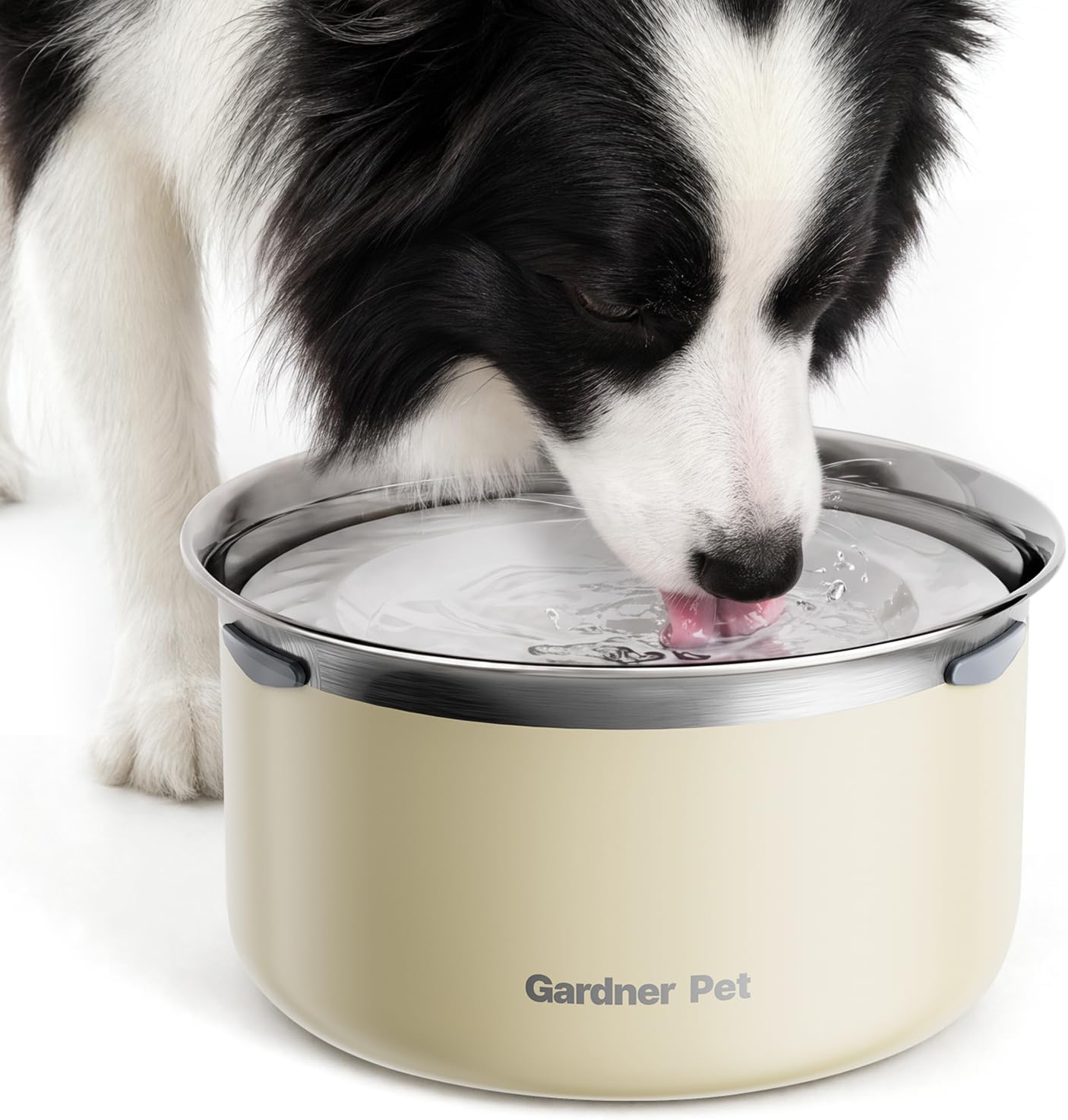
Gardner Pet Dog Bowls 1 Gallon (3.85L) Stainless Steel Dog Water Bowl
Water is the half of the raised dog bowl size question that people skip. A large dog can drink well over a gallon on a hot day, which means a 6 cup water bowl is a refill waiting to happen. This one holds a gallon (3.85 L) in a single stainless bowl, so a big dog has water from morning until you get home, and you are not topping it up every time you walk past the kitchen.
The trade off is depth. A bowl this size sits low in any stand, and if you raise it too high you are asking your dog to drink from a bucket. Use it at ground level or in a low stand, keep it rinsed, and refill daily. Stainless means no lingering smell and no plastic taste, which is exactly what you want from the bowl that holds the most water in the house.
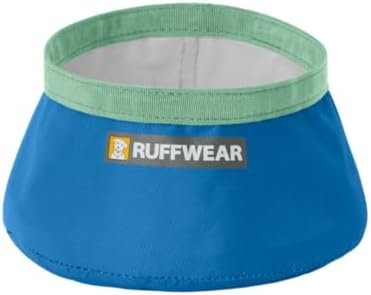
Ruffwear, Trail Runner Collapsible Dog Bowl, 4.2 Cups (1 L), Blue Pool
This is the bowl that lives in my pack. Ruffwear built it for the trail: it holds 4.2 cups (1 L), which is a full meal and a long drink for a medium dog, and it collapses down flat enough to slide into a side pocket. The Blue Pool color is bright enough to find in a dark car trunk, which sounds trivial until you are hunting for a bowl at a trailhead at dusk.
It is not a raised bowl and it is not trying to be. Treat it as the travel half of a feeding setup: raised stainless at home for daily meals, this one for the trail, the campsite, and the road trip. For a dog who hikes with you, it earns its place in the bag.
Should you buy the GORILLA GRIP Dog Bowl Set, Food Grade 304 Stainless Steel, 6 Cup, Black?
Yes, and it is the bowl I would buy first for almost any medium or large dog. Six cups of bowl capacity keeps a normal meal from filling the bowl to the brim, the food grade 304 stainless steel is easy to clean and does not hold odors, and the non slip base keeps dinner in one place on a hard floor.
It is not the cheapest bowl on this list and it is not the quietest. If you want a bowl for a backpack, buy the collapsible pair instead. If you want one bowl that does daily duty at home for years, this is the one.
Should you buy the SLSON Collapsible Dog Bowl Silicone, 2Pack Macaron Color Pet Travel Bowls?
Yes, as a second set, not as your only set. For a few dollars you get two bowls that fold flat, rinse clean, and live in the car or the day bag without adding clutter. If your dog needs a raised bowl for a level neck, these will not do that job, and no amount of silicone changes that.
Buy them for travel, water breaks, and the patio. Keep a proper raised bowl at home. That combination covers everything a dog actually needs, and the total cost is less than a single bag of good kibble.