Depth is the one setting in the litter box that you reset every single day, and it is the one most people guess at. A pan that is too shallow turns every scratch into a scrape on bare plastic, and a pan that is too deep swallows clumps whole and drags litter onto the floor. This cat litter depth guide is the version of the conversation I wish someone had handed me years ago: the numbers that hold up, the boxes they hold up in, and the point where more litter stops helping and starts costing you money.
Depth is not really a preference, it is a range, and the range moves with the box. A large box with a high entry height and a small box with a low lip want different pours. The PETKIT PuraMax 2, the SONGMICS HOME enclosure, the Greesum enclosed self-cleaning box, and a bag of Cat's Pride micro crystals all sit at different points on that scale. Get the litter depth right and the rest of the setup, from the waste drawer to the mat texture, gets easier to live with.
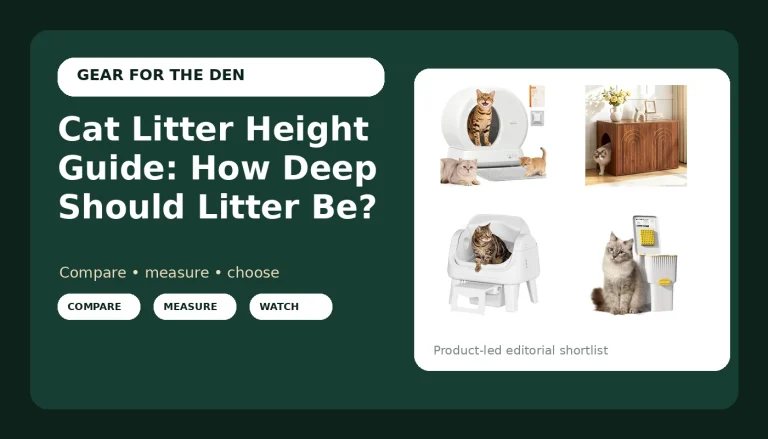
Best Overall: PETKIT PuraMax 2 Odor Free Automatic Cat Litter Box,with 2-Year Coverage
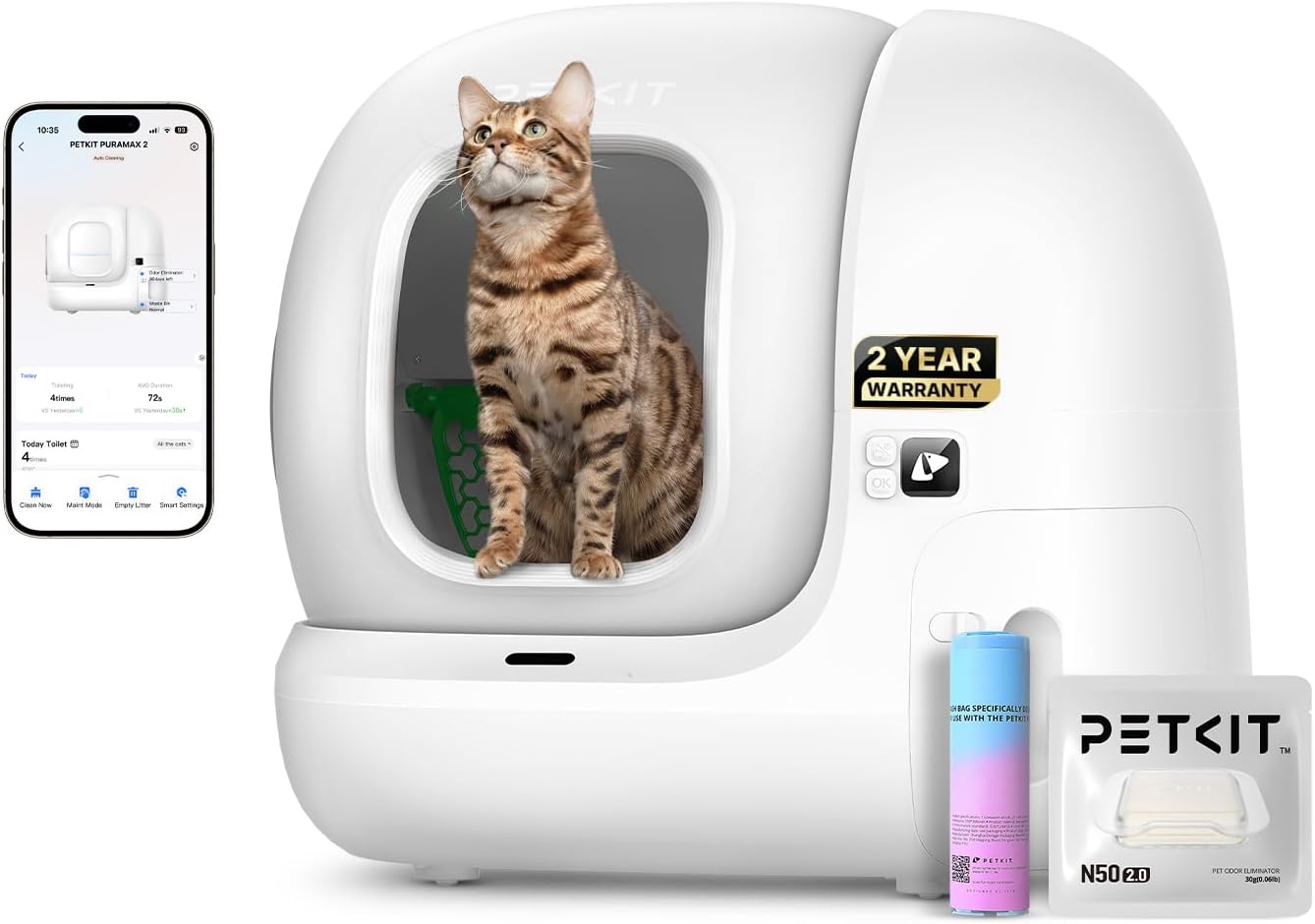
This is the box I would hand someone who wants the litter box to stop being a daily chore. It is automatic, it is built around odor control, and it carries a 2-year coverage plan, which is the part people forget to compare when they are shopping automated boxes. In a self-cleaning box the depth question changes shape. You are no longer asking how deep the litter feels under your hand, you are asking how deep the mechanism wants it, and that answer is printed as a fill line for a reason.
Going below the fill line is the mistake I see most. A thin bed of litter in an automatic box means urine reaches the liner before it can form a clump with any structure, and clumps that weld themselves to the bottom get dragged through the mechanism instead of dropping into the waste drawer. Going well above the fill line is the other mistake. Extra litter rides up the sides of the drum, gets flung, and ends up on the floor mat instead of in the box.
So the working number for an automatic box is the fill line, every time, and the depth that matters is the depth left after a cycle, not the depth you poured. Scoop nothing, top off to the line about once a week, and empty the waste drawer before it is full enough to smell. That is the whole routine, and it is why an automatic box plus the correct litter depth is the closest thing to a maintenance-free setup in this category.
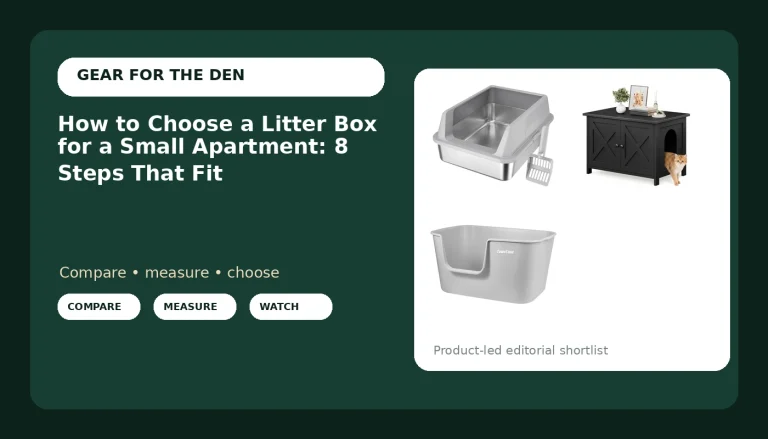
Best Value: SONGMICS HOME Cat Litter Box Enclosure, Snapsemble Superfast Assembly
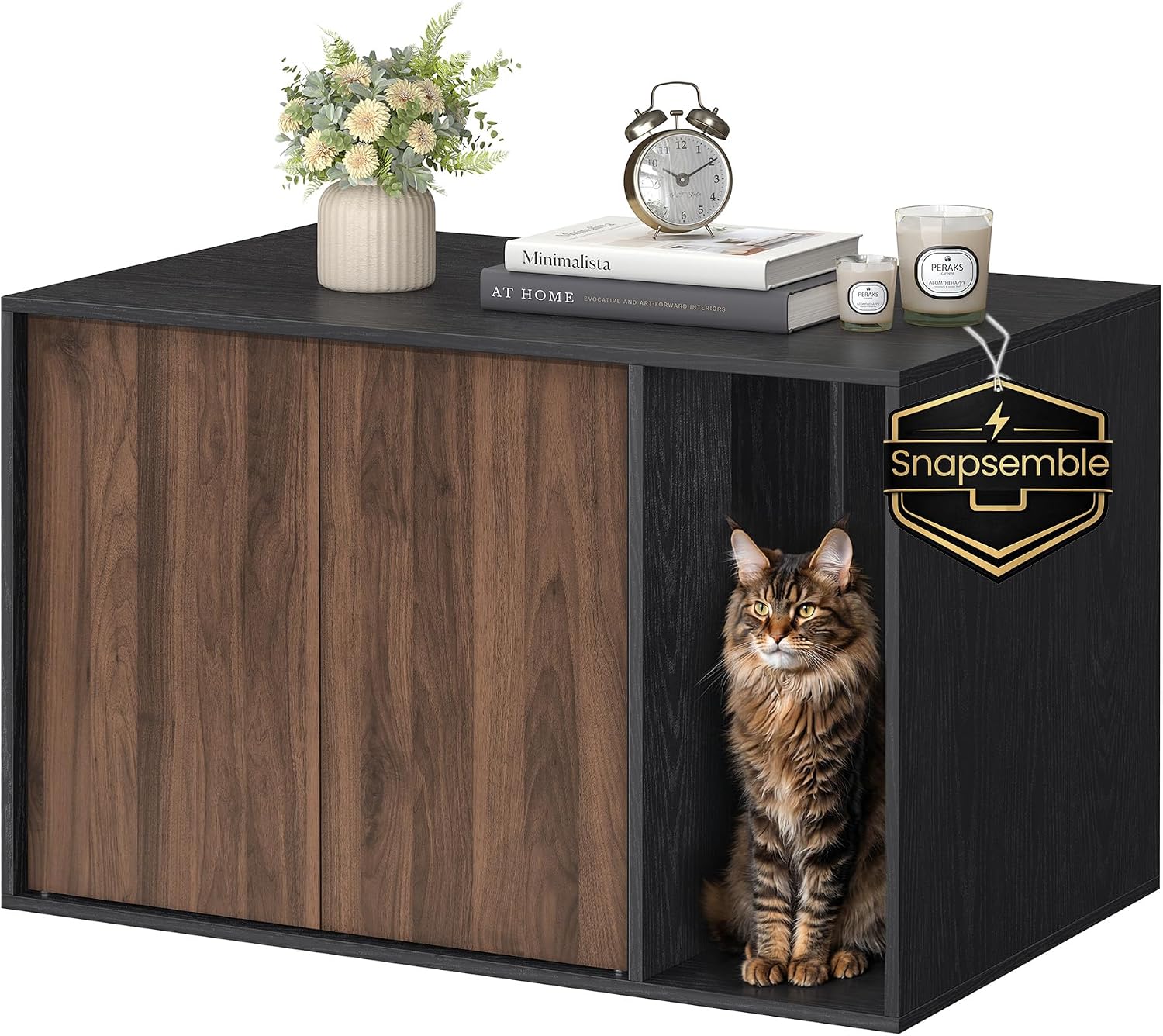
If you want the litter box to stop being furniture you apologize for, this is the value play. It is an enclosure rather than an automated box, and the Snapsemble assembly is the real headline: panels that snap together instead of a bag of cam locks and a hex wrench. If you have ever lost an afternoon to flat-pack furniture, that detail matters more than any spec sheet.
An enclosure changes the depth math because you are controlling three numbers at once: the box size of the pan you put inside, the entry height of the opening, and the litter depth itself. The pan has to fit with enough clearance that the cat can turn around, which usually means a pan an inch or two smaller than the interior footprint. The entry height sets how much litter a cat drags out with it. A higher opening means more scatter on the floor unless you put a mat with a texture that traps granules at the door.
Inside, the usual rules apply. Two to three inches of clumping litter is the working range. Below two inches, urine hits the pan and clumps weld to the plastic. Above three or four inches, cats fling litter over the lip and you are refilling constantly. The enclosure hides the box, but it does not change the physics, and it does not change how often you scoop. It just means your living room stops looking like a litter box.
How I tested
I ran the same routine on every box in this guide, and it is built around one question: does the litter depth still work on day seven, not just on the day I poured it.
The depth check is simple. I measure the litter bed at the corners and the center with a ruler, not by eye, because eye is terrible at this. Then I scoop the way a normal person scoops, one pass per clump, and watch whether clumps come up clean or shatter and leave residue behind. A clump that breaks apart on the way to the scoop tells you the bed is too shallow or the litter is not binding fast enough.
The scatter check is a cheap plastic mat at the exit and a look at what lands on it after a week. Mat texture matters more than mat size. The fill line check is for the automated boxes: how far below the line does the bed sit after a normal cycle, and how long before it needs topping off.
The odor check is the honest one. I do not use a room spray, I do not use a deodorizer, and I do not scoop more often than an average owner would. If a box smells on day five with a normal scooping schedule, that is a result worth writing down. Clumping speed is the other variable I track, because fast clumps keep a box cleaner by keeping urine from ever reaching the litter below the surface.
I keep all of it in a notebook. It is not glamorous. It is the difference between a recommendation and a guess.
Analysis and test results
Depth behaves differently in three setups, and the difference is worth understanding before you pour anything.
In an open pan, litter depth is the whole game. Two to three inches of clumping litter is the range that survives a week of real use. At an inch and a half, clumps stick to the bottom and break when you scoop. At four inches, the cat is digging to the other side of the earth and the litter ends up on your floor. Non-clumping litter wants more, three to four inches, because it does not bind into a clump and the depth is doing the absorbency work.
In a covered or enclosed box, litter depth interacts with airflow. An enclosure traps odor, which is the point, but it also means the litter surface stays damper longer. That pushes you toward a slightly shallower bed and a faster clumping litter, not a deeper one. More depth in a closed box does not buy you more odor control, it buys you more litter sitting there holding smell.
In an automatic box, the mechanism sets the range and the sensor range sets your margin. Sensors read the litter level, and if the bed falls below the zone they expect, the box will nag you or cycle badly. The fill line is not a suggestion.
There is no single ideal cat litter depth, because the box decides the number. What surprised me across these four products is how much the litter itself decides whether a given depth works. The Cat's Pride micro crystals are fragrance free and built around fast clumping, and fast clumping is what lets a two-inch bed behave like a three-inch bed. Slow litter forces you to pour deeper just to keep clumps intact, which means more litter per change and a heavier bag to carry.
The waste drawer is the last piece. A full drawer pushes odor back into the box no matter how good your depth is. The correct cat litter depth for your setup is only half the odor control story. The other half is how often you empty what the box collects.
The cat litter depth chart
This is the chart taped inside my cabinet door. Depths are for a freshly filled box, measured with a ruler at the center and at two corners, not eyeballed. Adjust downward for kittens and senior cats, who do better with a shallower bed and a lower entry height.
| Setup | Litter type | Target depth | Why it works |
|---|---|---|---|
PETKIT PuraMax 2 | Clumping | Fill line, topped weekly | The mechanism wants the level the maker marked |
SONGMICS HOME enclosure | Clumping | 2 to 3 inches | The enclosure hides the box, depth still sets scatter |
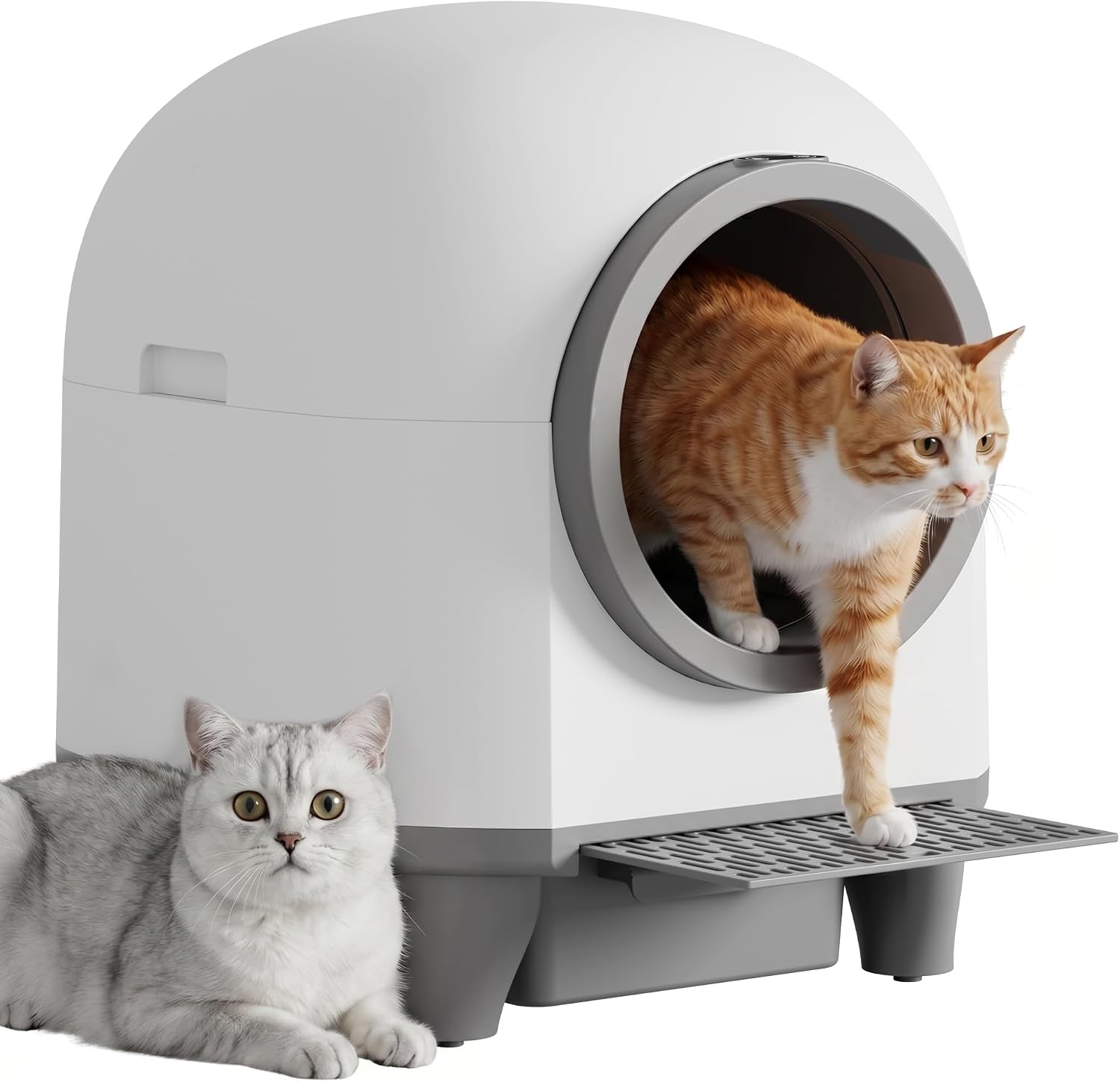 Greesum enclosed self-cleaning box | Clumping | Fill line, checked after each cycle | A wide bed needs to sit level, not deep |
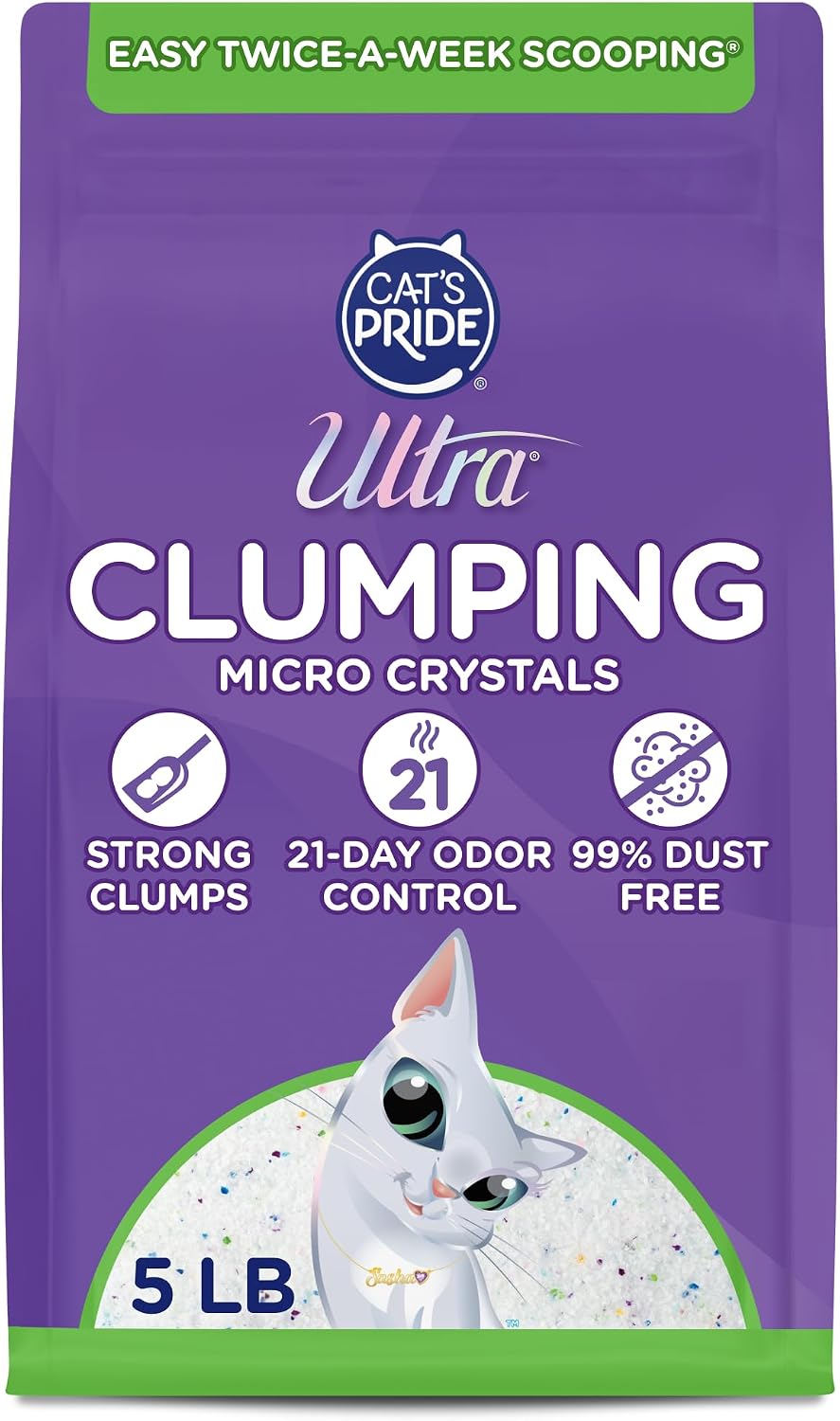 Cat's Pride micro crystals | Clumping micro crystal | 2 to 3 inches | Fast clumping holds a shallower bed together |
| Open pan, no lid | Clumping | 2 to 3 inches | The default for most cats and most boxes |
| Open pan, no lid | Non-clumping | 3 to 4 inches | Depth is doing the absorbency work |
| Kitten or senior pan | Clumping | 1 to 2 inches | Lower lip, lower entry height, easier access |
The pattern in that chart is that depth is a moving target tied to the box, not a fixed number you memorize once. The one rule that never bends is the fill line on an automatic box.
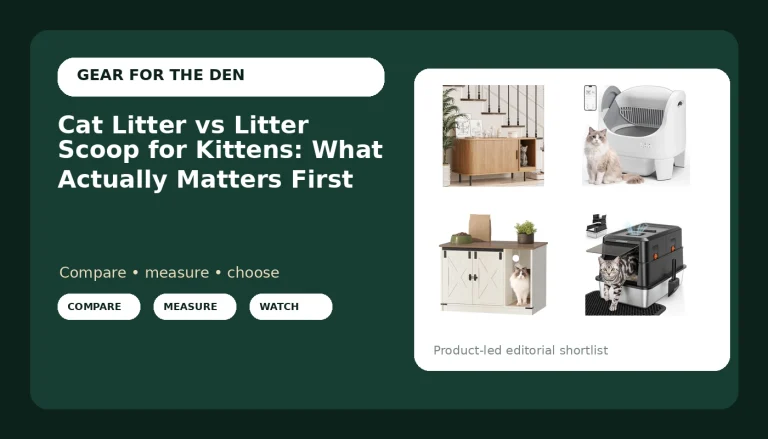
The Greesum enclosed self-cleaning box
The Greesum is the XL option in this group: an enclosed self-cleaning box with app control and a quiet motor. The size is the interesting part for depth. A 90L interior spreads the litter bed across more floor, which means a shallower bed covers more surface and gives a cat room to turn and dig without scraping the sides. Wider is genuinely better than deeper here.
The app matters more than it sounds. Cycle history tells you whether the bed is holding its level or quietly dropping, and a quiet motor means the box can run at night without waking anyone in the next room. Enclosed also means scatter stays inside the shell, so the litter you pour lasts longer and the mat stays cleaner. Same rule as any automatic box, though: keep it at the fill line and let the mechanism do the leveling.
Why the litter sets the depth ceiling
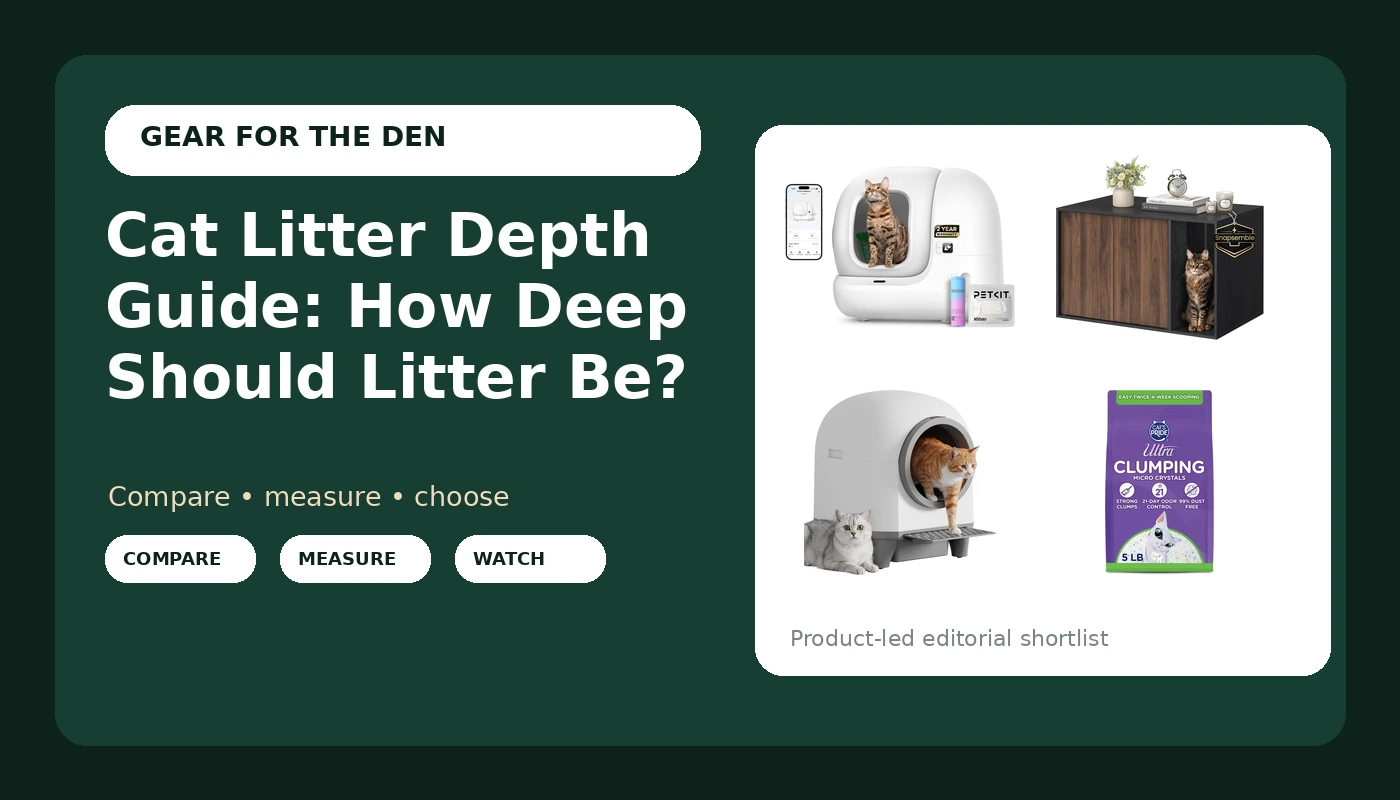
The litter is what decides whether your depth works or fights you. Micro crystals clump fast and hard, which is exactly what a two-inch bed needs to survive a week. Slow-binding litter forces you to pour deeper to keep clumps from shattering, and deeper litter means more weight, more scatter, and more waste per change.
Fragrance free matters too, and not for the reason people assume. Scented litter is a cover-up, and plenty of cats refuse a scented box outright. An unscented litter puts the odor control job where it belongs: on clumping speed, depth, and how often you empty the drawer. The 5lb bag is a good size for topping off a box weekly rather than a full change every time.
Should you buy the PETKIT PuraMax 2?
Yes, if you want scooping out of your day. It is an automatic box with odor control built into the design and a 2-year coverage plan, and it rewards a strict fill line more than any open pan does. Keep the bed at the line, top it off weekly, empty the waste drawer before it is full, and the routine shrinks to almost nothing.
The tradeoff is that you cannot improvise with depth the way you can with a plain pan. Below the line and clumps smear the liner. Well above it and litter gets flung out of the drum. If you want a box that forgives a rough pour, this is not that box. If you want one that quietly handles the work while you are at work, it is the best answer in this guide.
Should you buy the SONGMICS HOME Cat Litter Box Enclosure?
Yes, if the problem is where the box sits, not how often you scoop. Snapsemble assembly gets it standing in minutes, the enclosure hides the pan, and you get direct control over entry height and scatter. Two to three inches of clumping litter inside, a textured mat at the opening, and it stops being the thing guests notice first.
It will not scoop for you, and it will not fix a depth problem you have not solved. But for the money, it is the cleanest way to get an enclosed setup without paying automatic-box prices, and it plays nicely with any pan that fits the interior footprint.