Cat litter vs litter scoop for odor is the wrong fight, and I say that as someone who has watched a lot of households buy the wrong half of the equation. A scoop does not neutralize anything. It removes the clump before bacteria get to work on it. The litter decides how fast that clump forms and how well it holds together, and the box decides how much air the waste sits in while you are at work. Ask me about the difference between cat litter and litter scoop for odor and my honest answer is that neither one wins alone. The gear around them, the box and the mat, is where most homes lose the battle.
The best setup for most homes in 2026 is a box you can clean in under a minute, a deep bed of fast clumping litter, and a mat at the exit, which together beat any single product you can buy. That is the short version. The long version runs through box size, entry height, litter depth, clumping speed, and whether a charcoal filter or a waste drawer is doing the real work.
Framing this as litter scoop for odor vs cat litter also hides a third variable that shoppers rarely budget for, which is the box itself. Plastic scratches, and scratched plastic holds urine long after you have scrubbed it. Stainless does not. A hood traps odor until the filter is spent. An automatic box moves clumps out of the litter on a schedule, but only if the drawer gets emptied. Here is how the four pieces I would put in a cart compare.
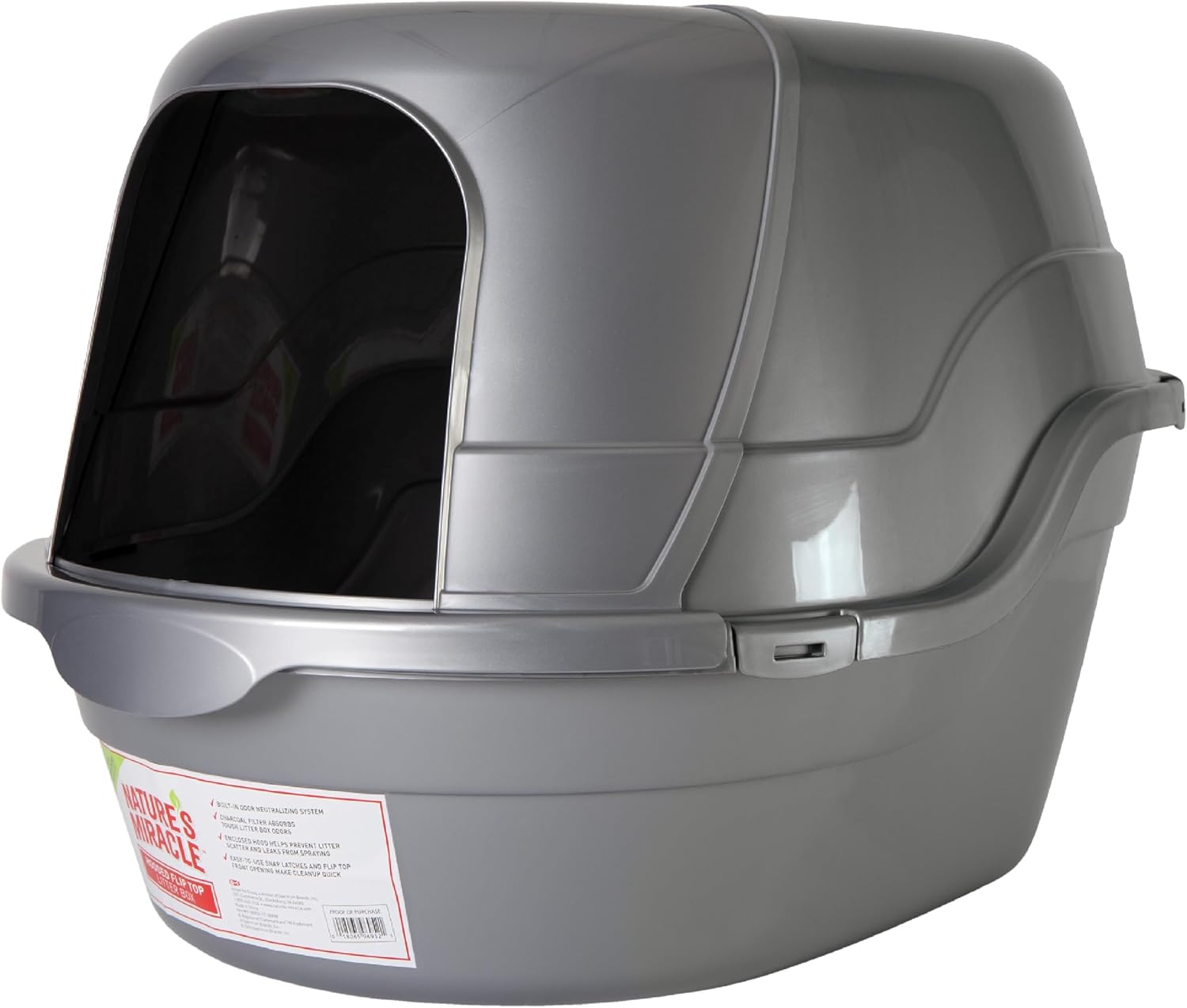
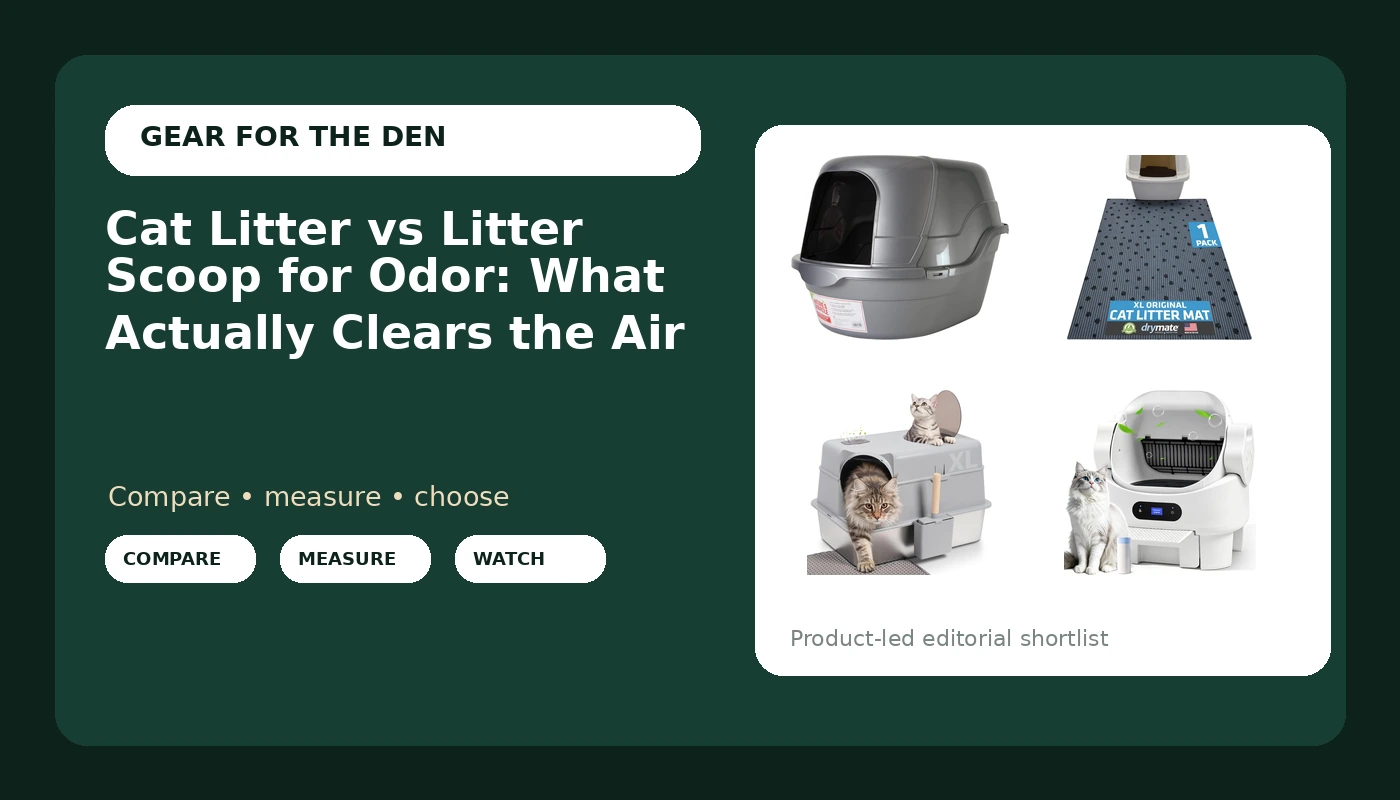
Nature's Miracle Hooded Flip Top Cat Litter Box with Charcoal Filter
A hood plus a charcoal filter adds an odor stage that works between scoopings, and the flip top makes a fast clean genuinely fast
Enclosed air goes stale once the filter is spent, and plastic walls scratch over time
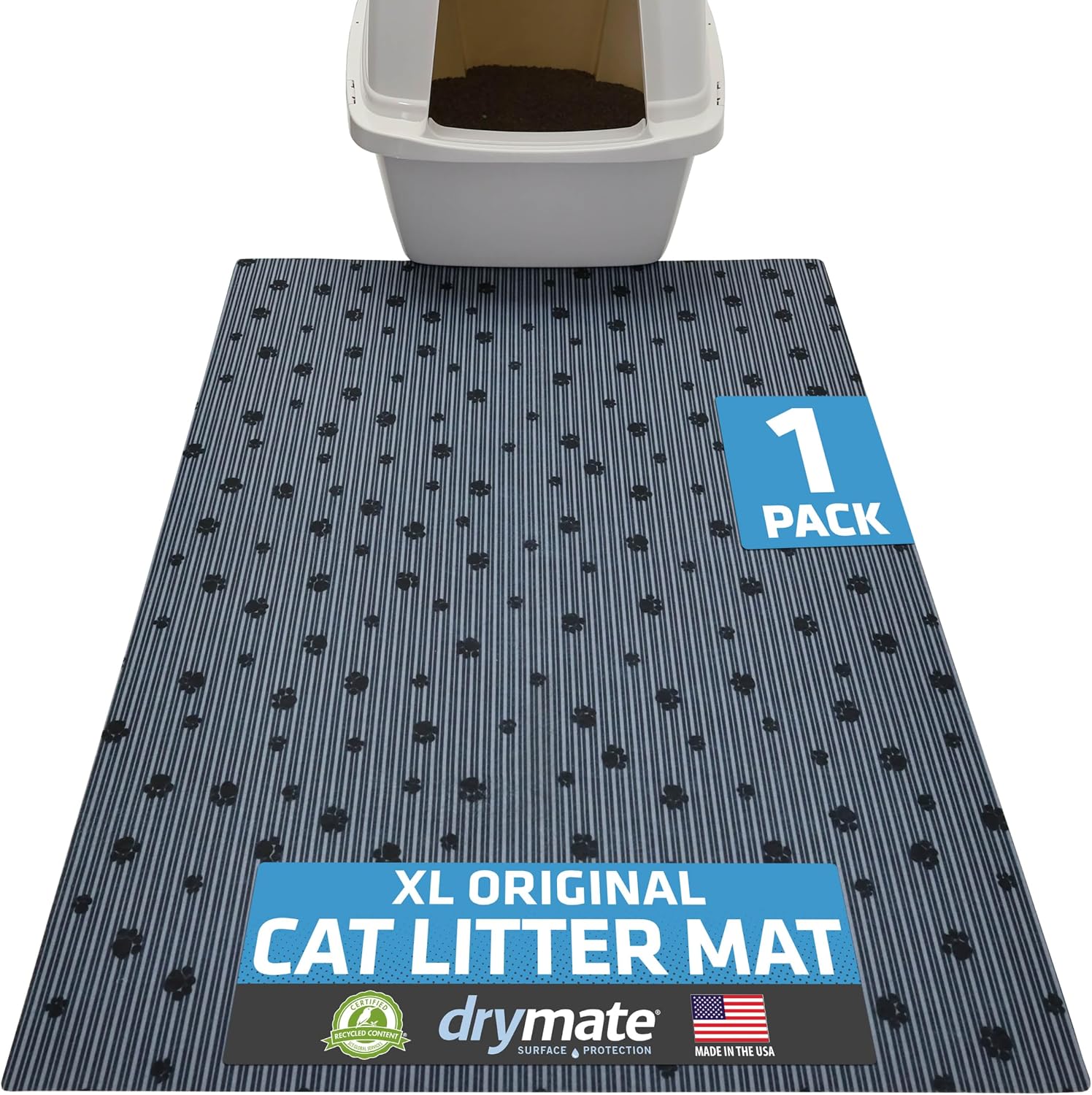
Drymate Cat Litter Box Mat, Litter Trapping Mat, Dark Grey, 28×36 XL
Traps tracked litter at the exit, and tracked litter is a smell source most people never think to clean; the XL footprint suits large boxes
Does nothing inside the box, and it needs shaking out and washing
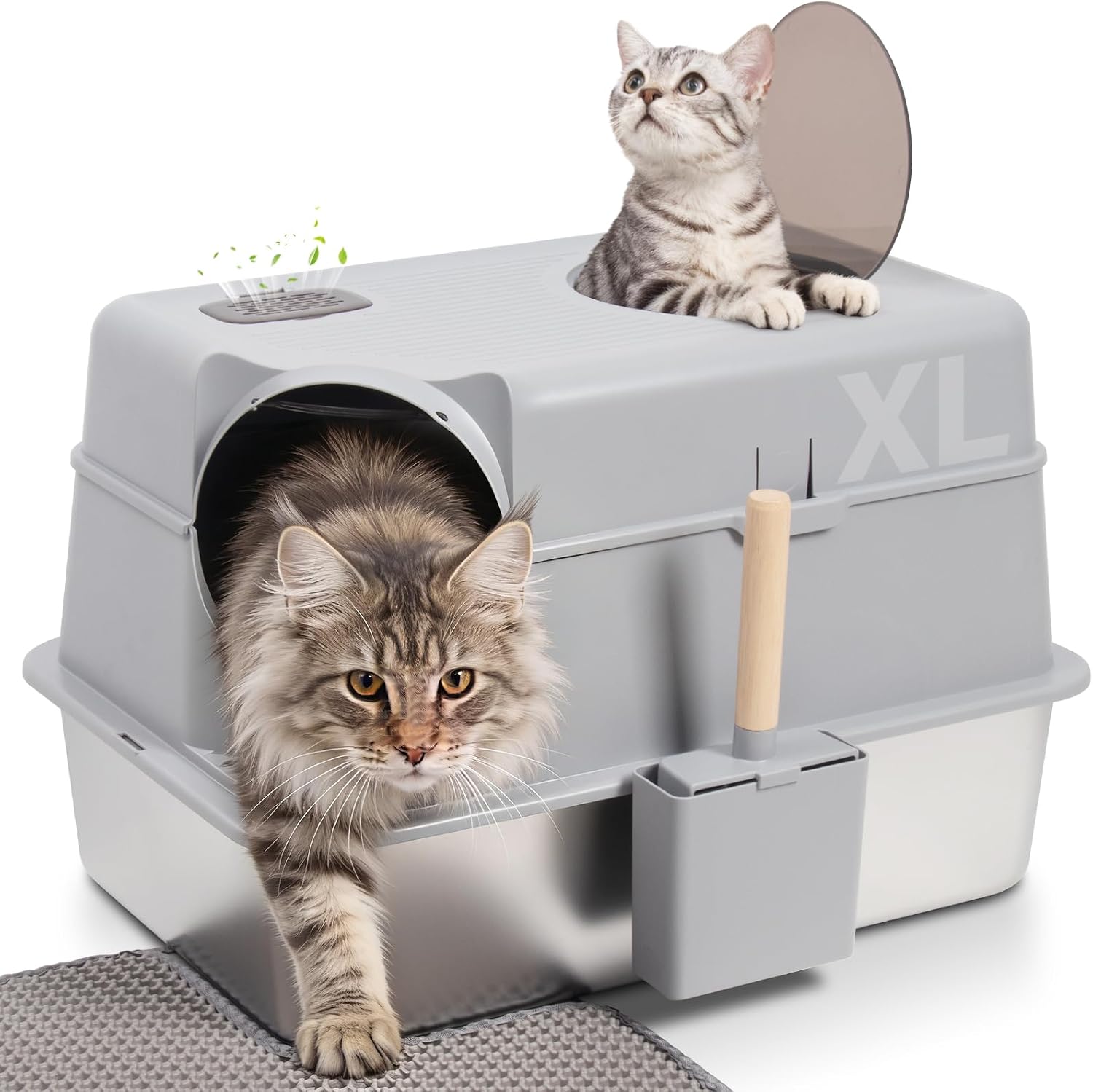
Exovyn Stainless Steel Litter Box with Lid,XL Large Enclosed Cat Litter Box
Stainless gives odor fewer places to live than scratched plastic, and the XL enclosed footprint allows real litter depth
Costs more, and it still needs the same scooping schedule as a cheap pan
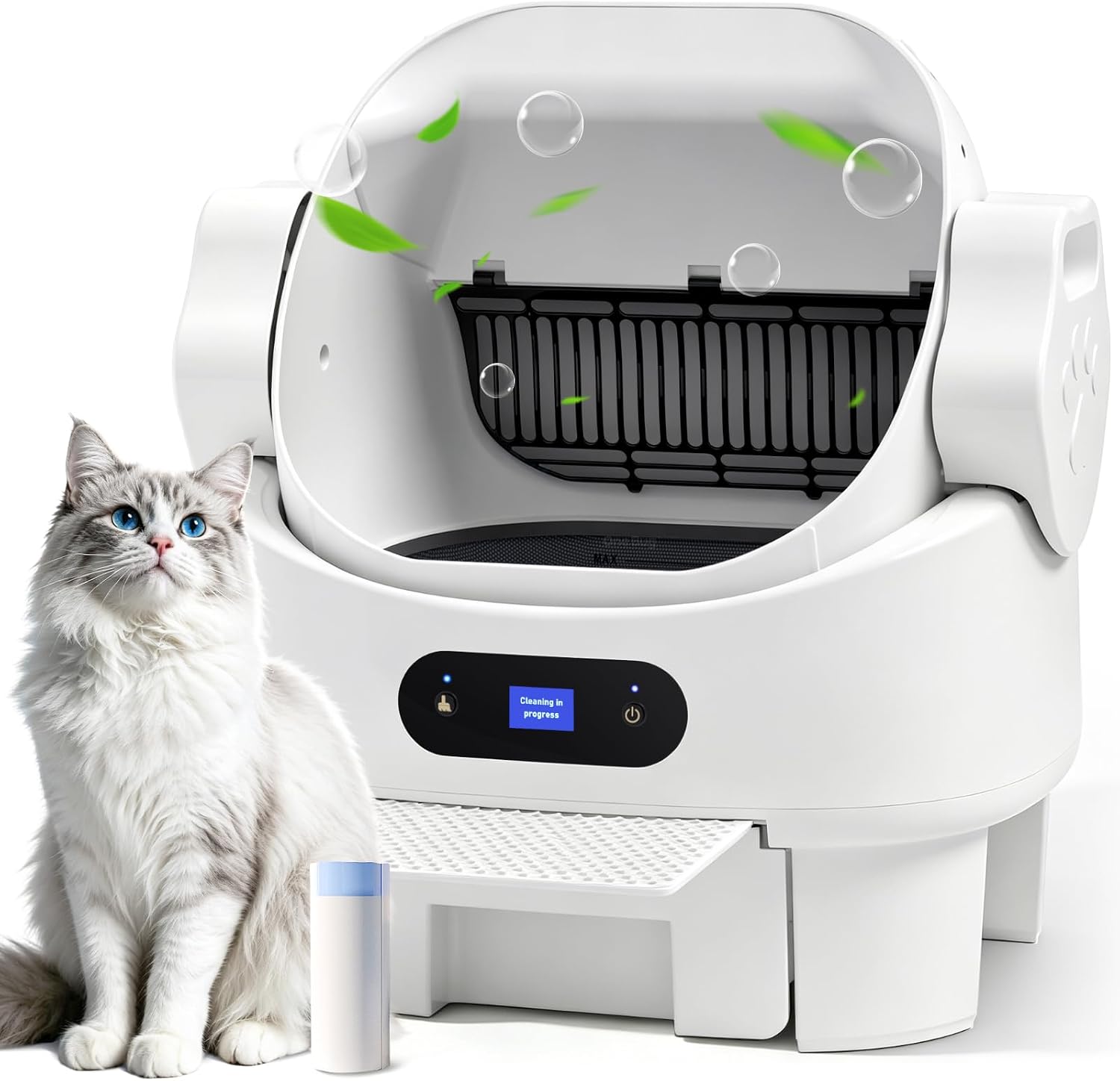
OneBug Self Cleaning Open Top Automatic Multiple Cat Litter Box, White
Automated raking sends clumps to a waste drawer faster than most people scoop, which suits multi-cat homes
An open top has no hood or filter, so odor control depends on the drawer and the litter
Prices and availability may change.
The short answer to cat litter vs litter scoop for odor
If you want one sentence, the scoop is a delivery mechanism and the box is the environment. A scoop with a thin edge lifts a clump out in one piece, but a fast scoop in a box that has absorbed years of urine will not fix the room. So the order I recommend is box first, litter second, scoop third, mat fourth.
For one calm cat in a small apartment, the hooded box with a charcoal filter, a deep litter bed, and a daily scoop is the cheapest complete answer. For a large cat, or a cat that stands tall in the pan, the stainless steel enclosure gives you the room and the non-porous walls that plastic cannot. For a home with three or more cats, or for anyone who works long shifts, the automatic box with a waste drawer changes the math, because clumps leave the litter on a timer instead of on your schedule.
Where the scoop itself matters: a small scoop turns a forty-second job into a two-minute job, and the two-minute job is the one that gets skipped. Where it does not matter: the material, the color, and the handle shape, as long as the edge slides under a clump without breaking it. Broken clumps leave fragments behind, and fragments are what you smell.
How I judge odor control without a lab
Odor in a litter area comes from four places, and each one has its own fix. Urine soaked into scratched plastic is the hardest to solve. Clumps sitting in the litter are the most common. Tracked litter on the floor is the most ignored. The waste drawer of an automatic box is the most preventable.
So I sort gear on a short list. Box size relative to the cat, because a cat that cannot turn around will hang over the edge and miss. Entry height, because a low entry helps a senior cat while a high wall keeps a digger from throwing litter onto the floor. Litter depth, because a shallow bed lets urine reach the bottom of the pan, and the bottom of the pan is where the smell starts. Clumping speed, because a clump that forms in seconds reaches the scoop intact while a slow clump spreads through the bed.
Then the odor control design: a hood and filter, a non-porous surface, or a sealed waste drawer. Mat texture matters more than people expect, since a coarse mat grips granules at the door and a smooth one lets them walk into the room. On automatic boxes I also weigh sensor range, because a sensor that misses a cat entering fast leaves you with a mess and a smell. None of this needs a lab, just a routine and a nose.
Enclosed boxes: what a hood and filter actually do
The Nature's Miracle Hooded Flip Top Cat Litter Box with Charcoal Filter is the oldest odor control design in the category, and it still works when you respect its limits. The hood keeps the smell in one place and the charcoal layer in the lid catches some of what rises. The flip top is the part I care about most, because it lets you scoop without unclipping an entire lid, and the box you can open in one motion is the box that gets scooped twice a day.
The limits are real. An enclosed box with a spent filter is worse than an open pan, because the air inside has nowhere to go and every scooping session releases the whole room's worth of odor at once. Change the filter on a schedule rather than when you notice the smell, and treat it as a consumable rather than an accessory. The plastic is the second limit. Scratching is inevitable, and once the surface is scored, urine has somewhere to sit.
Where it wins: price, weight, and a footprint that fits a normal bathroom corner. For one calm cat and a person who scoops daily, a hooded box with a filter is a complete answer at a fraction of what stainless or automatic gear costs.
Stainless steel and the scratch problem
The Exovyn Stainless Steel Litter Box with Lid,XL Large Enclosed Cat Litter Box attacks odor at the material level instead of the air level. Stainless is non-porous, so urine does not soak into it, and the scratches that turn a plastic pan into a permanent smell source have far less to grab onto here. The enclosed design keeps the wall height and the privacy that nervous cats want, while the XL footprint leaves room for a genuinely deep litter bed.
The trade-offs are honest ones. It costs more than plastic, it is heavier to carry to the tub, and the metal surface runs cool, which a few cats take a week to accept. Stainless also shows every speck of dust, so you will wipe it more often than a plastic pan. That is arguably the point: a box that looks dirty gets cleaned, and cleaning is the only odor control that never expires.
Check the entry height against your cat before you commit. A tall lip keeps litter inside, but a senior cat with sore joints needs a step or a lower entrance. Set the litter depth so urine clumps below the surface rather than running to the floor of the pan, and this box will outlast two or three plastic ones.
Automatic boxes: the waste drawer trade-off
The OneBug Self Cleaning Open Top Automatic Multiple Cat Litter Box, White solves the problem that actually causes most odor, which is time. Clumps sit in the litter because nobody got home until nine. A self cleaning box rakes them into a waste drawer on a cycle, so waste leaves the litter hours earlier than a human would manage, and in a multi-cat home that gap is the difference between a faint litter smell and a room you avoid.
The open top is the trade-off to understand. There is no hood to trap air and no filter to pass it through, so odor control rests on three things: how fast the litter clumps, how well the drawer seals, and how often you empty it. A full drawer in a warm room smells exactly like what it is.
Sensor range is the other spec I would look at, especially with several cats. A sensor that reads a cat entering quickly and stops the rake is doing safety work, and a sensor that misses one creates a mess and a smell in the same motion. Power, a level floor, and a cat willing to use a machine all matter too. For a household that is out of the house for ten hours a day, though, nothing else on this list reduces daily odor exposure the same way.
The mat is part of the odor system
The Drymate Cat Litter Box Mat, Litter Trapping Mat, Dark Grey, 28×36 XL is the cheapest piece here and the one people skip, which is a mistake. Litter that leaves the box carries urine with it. On carpet, that granule keeps smelling long after the box is spotless, and no amount of scooping fixes a floor. The mat texture is what does the work, gripping granules as the cat steps out so they drop before they travel.
Size matters as much as texture. The 28 by 36 inch footprint covers the jump-out zone of a large box, which a small mat simply does not, and the dark grey hides the mess well enough that you will actually notice when it needs a shake. Shake it out daily into the trash, vacuum it, and wash it on the schedule the maker gives you. A damp mat left in place is its own odor source.
What a mat cannot do is anything inside the box. It will not slow clumping, add litter depth, or filter air. It is the last ten percent of an odor plan, and the first thing to add if your floor is the part of the room that smells.
What actually predicts odor success
Step back to the cat litter vs litter scoop for odor question and you can see why the scoop gets too much credit. The strongest predictor of a clean-smelling room is how long waste stays in the litter, not what brand the litter is or how ergonomic the handle feels. A cheap litter with a fast clumping speed and a twice-daily scoop beats a premium litter and a weekend-only routine, every time.
The second predictor is litter depth. A shallow bed means urine hits the pan instead of forming a clump you can lift, and the pan is the part you cannot wash while the cat is using it. Depth also protects the clump from breaking, which keeps fragments out of the bed.
The third is box size. A box that is too small for the cat produces misses, and misses are the smell you blame on the litter. A related rule that holds up in practice is one box per cat plus one, so no single pan becomes the overloaded one. Add a mat if tracking is the issue, and add a hood, filter, or sealed drawer if the smell is coming from the box itself. Match the fix to the source and you stop buying products that solve nothing.
For more on matching the pan to the cat, see Cat Litter Box Size for Large Cats.
Should you replace the box or the litter first?
If you are weighing cat litter or litter scoop for odor upgrades on a fixed budget, spend it in this order. First, replace a scratched plastic box, because no litter on earth fixes a pan that has absorbed urine. Second, change the litter depth and the litter itself if clumps are breaking or forming slowly. Third, add the mat if the floor near the box is the problem. Fourth, buy a better scoop, because it is the cheapest upgrade and the smallest gain.
The order flips in one case: if you are away from home for long stretches, the automatic box with a waste drawer moves to the top, since it changes when waste leaves the litter rather than how well you remove it later. A multi-cat home gets the same treatment, because the math on scooping four cats by hand twice a day rarely survives a busy week.
And if you already scoop twice a day, already use a deep bed of fast clumping litter, and still smell the box, the answer is almost never a new scoop. It is the pan material, the filter, or the drawer.
What I am watching next
Three things are moving in this category. Stainless boxes with lids keep appearing at lower prices, which is good news for anyone tired of replacing scratched plastic every couple of years. Self cleaning boxes keep improving sensor range, and the good ones now stop the rake reliably for cats that enter fast or approach from an odd angle.
The quieter shift is in consumables. Charcoal filters are becoming standard on hooded boxes rather than an add-on, and waste drawer seals are getting more attention than they used to. Those are unglamorous parts, and they are exactly where odor control is won or lost.
The pattern I keep coming back to is simple. The scoop is the tool, the litter is the medium, and the box is the system. Buy the system first, then the medium, and let the scoop be the last thing you worry about.