Most shedding problems get solved by the wrong tool bought at the wrong time, and the dog grooming gloves vs dog brush question is the clearest example I know. They are not competitors. One is a finishing tool you wear on your hand, the other is a removal tool you grip, and a dog with a dense double coat rarely gets real relief from the first one. This comparison covers the two deshedding brushes that belong in a normal grooming kit, plus the two supporting products that solve problems no brush can reach: a daily chew sized for a large dog, and a hind-leg sling for dogs who cannot stand through a full session.
For most shedding dogs, a deshedding brush does the heavy lifting and a glove is the add-on you buy later. The MIU COLOR Pet Grooming Brush is the cheapest way in, and the EquiGroomer 5-Inch Undercoat Deshedding Brush is the one to buy first if your dog has a genuinely dense undercoat.
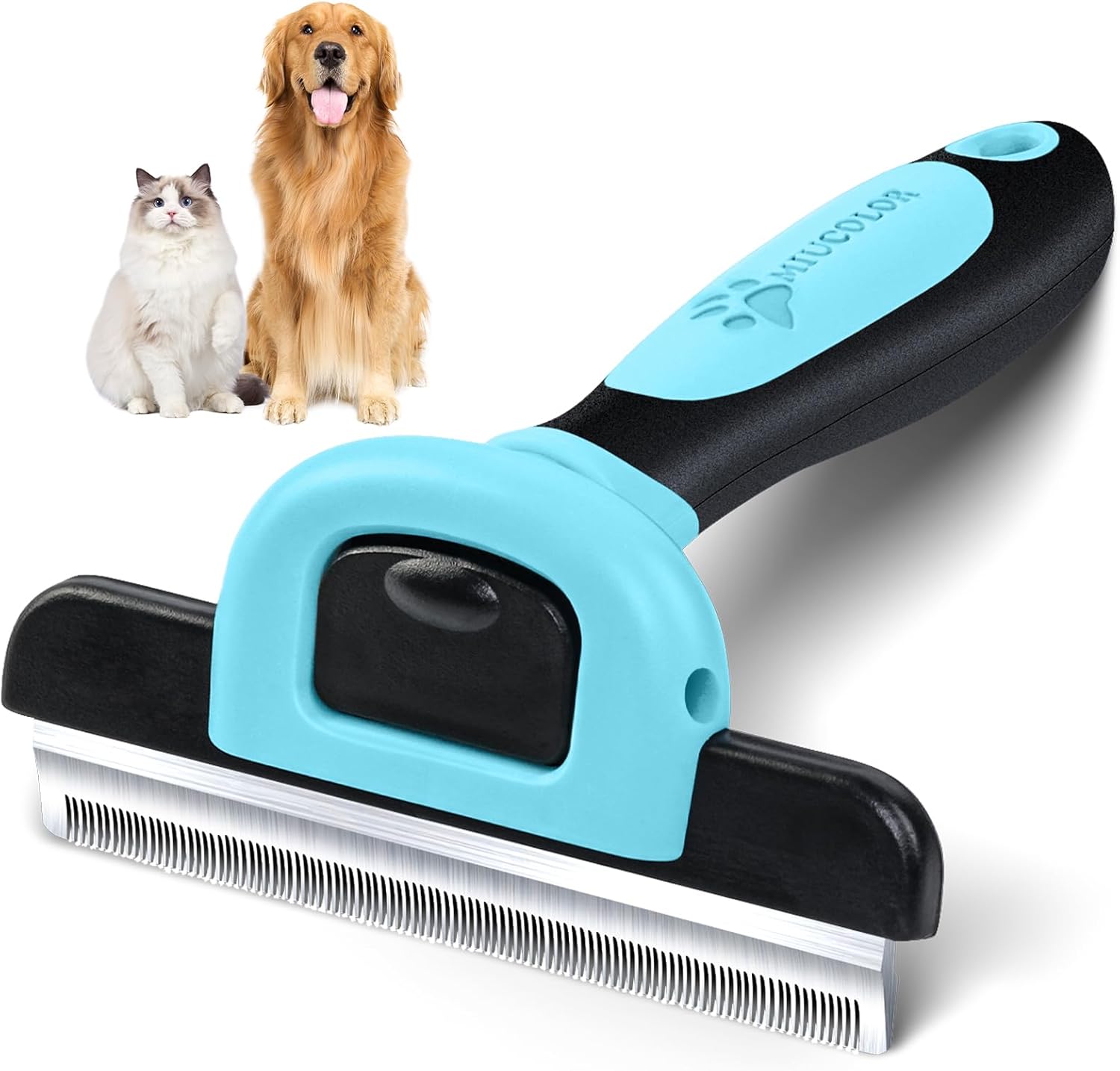
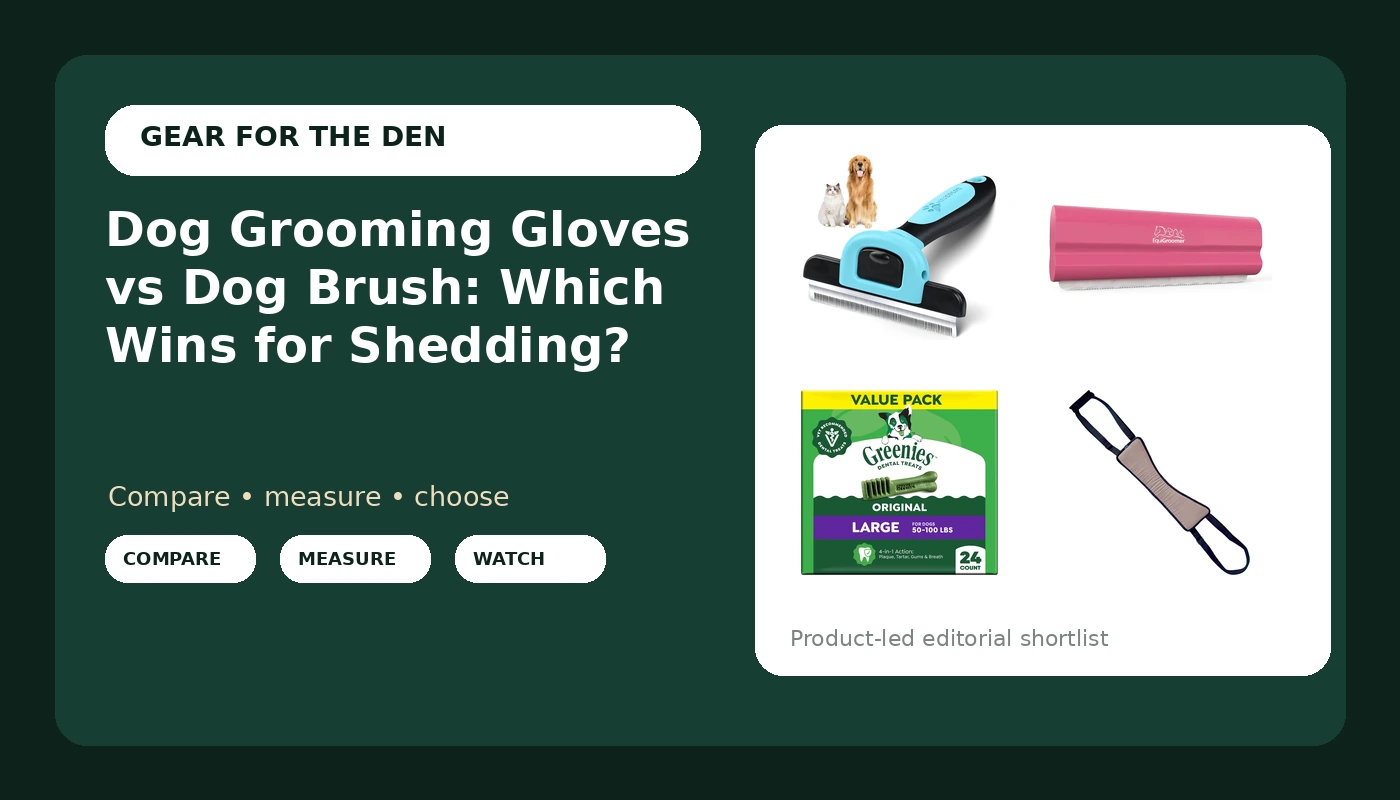
MIU COLOR Pet Grooming Brush, Deshedding Tool for Dogs & Cats, Blue
Small head reaches legs, tails, and the spots behind the ears; the lowest-cost way into a deshedding routine
Small surface area means more passes on a large dog, and a dense winter undercoat fills it fast
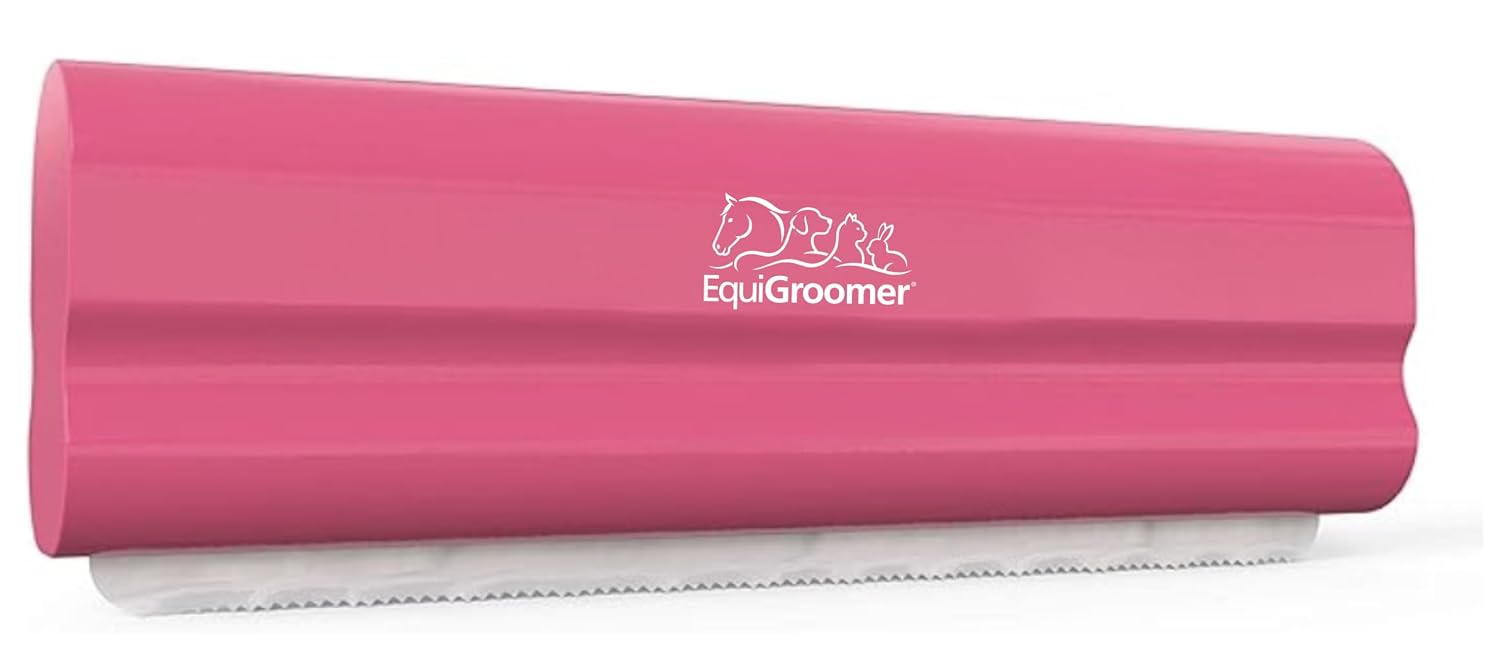
EquiGroomer 5-Inch Undercoat Deshedding Brush for Dogs & Cats, Pink
Wider 5-inch working edge covers more coat per stroke and is shaped for undercoat rather than topcoat
Costs more, and a wide edge is easy to overuse on a thin, single, or aging coat
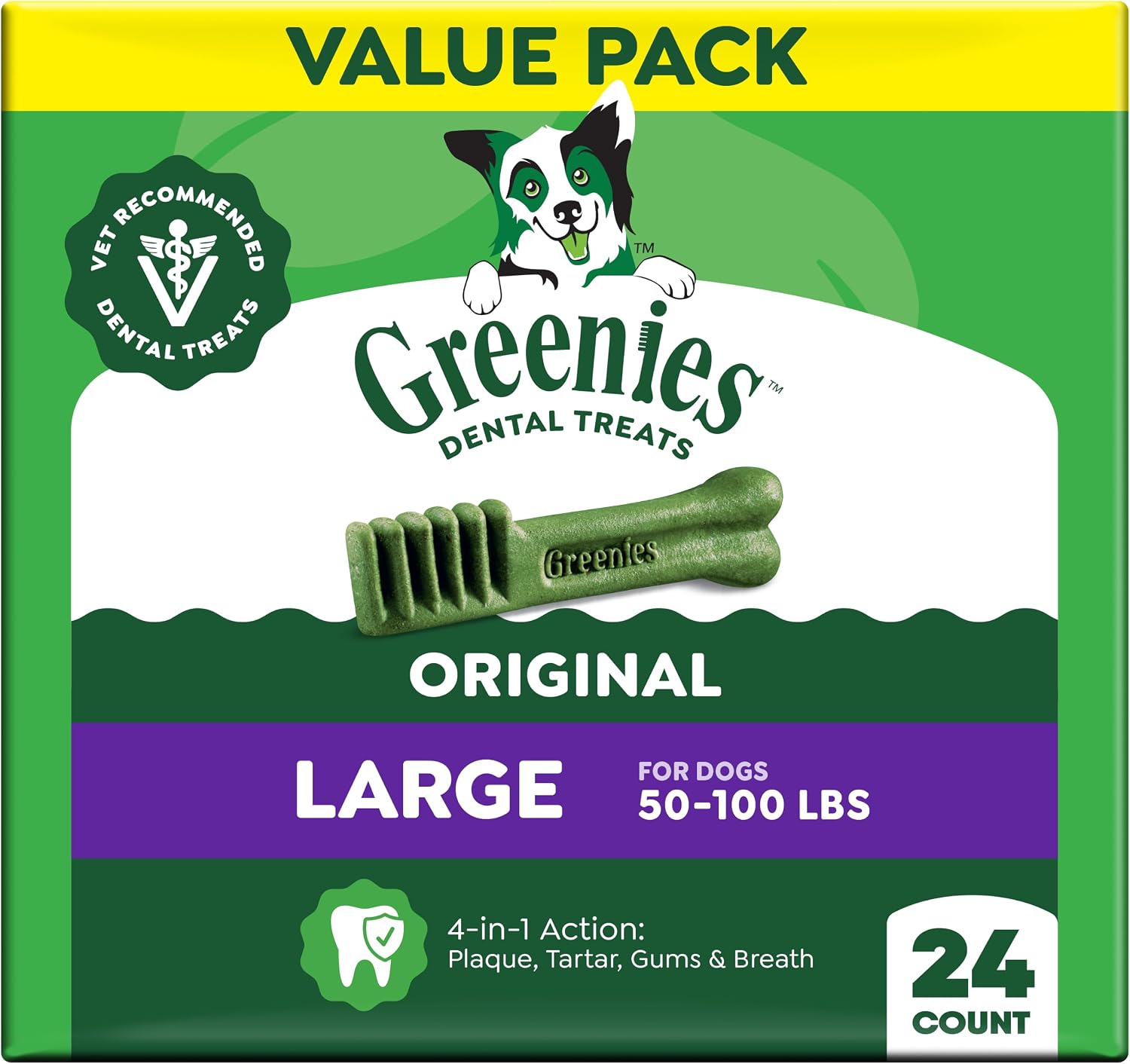
Greenies Large Natural Dental Dog Treats, Original Flavor, 24 Count
A daily dental chew sized for a large dog keeps the mouth busy and makes the grooming session calmer
Not a grooming tool at all, and no chew replaces brushing or bathing
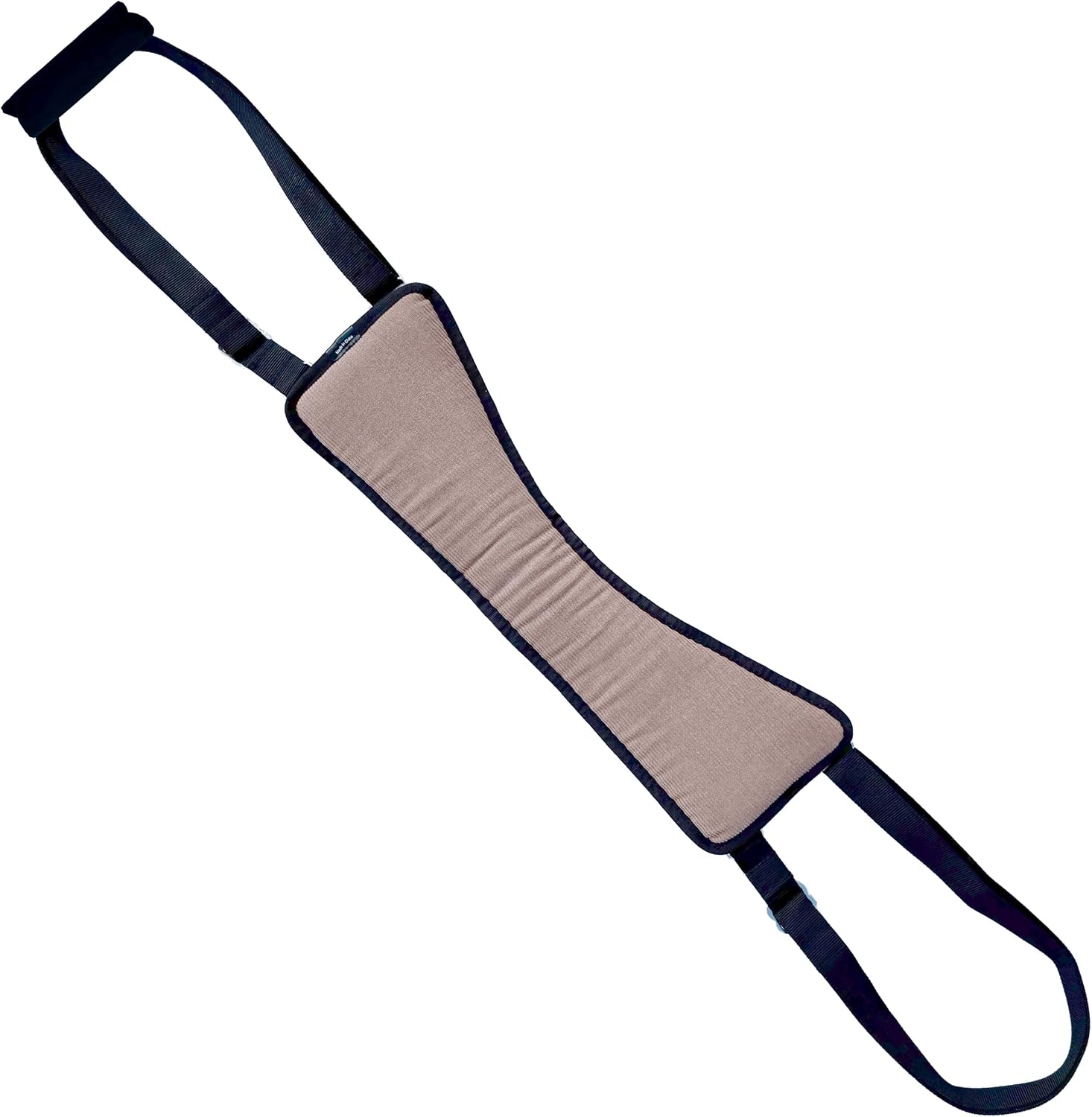
Easy Lift® Dog Hind Leg Support Slings, Medium, Machine Wash & Dry
Keeps the rear end steady so one person can brush a senior dog without a second pair of hands
Only worth buying if mobility, not shedding, is the real problem
Prices and availability may change.
What the dog grooming gloves vs dog brush choice really changes
Both tools do the same basic job: get an edge into the coat, drag it with the grain, and collect the hair that has already shed. What changes is where your hand puts pressure and how much coat each stroke covers. A glove moves the working surface onto your palm, so the pressure spreads across your whole hand and the motion ends up looking like petting. A brush puts the working edge at the end of a handle, which lets you lean into a thick coat and pull one long, even stroke from shoulder to hip. On a short single coat, the two are close enough that the dog's tolerance decides the winner. On a dense undercoat, the difference between dog grooming gloves and dog brush designs stops being cosmetic, because the glove rides over the topcoat while a deshedding edge gets underneath it.
The time cost is the part people underestimate. A glove on a short, labrador-style coat is a five-minute job. The same glove on a husky in full coat blow is a forty-minute job with a break in the middle, which is why glove-first advice falls apart so quickly in double-coated breeds. Brushes win on volume, gloves win on tolerance, and if you are deciding where to spend your first twenty dollars, spend it on the tool that matches your dog's coat rather than the one that matches your patience.
Gloves: contact, feedback, and a hand-shaped tool
Gloves are the tool people buy first, usually right after a dog flinches at a brush. The appeal is honest. Your hand is already a shape the dog trusts, you can work the face and the legs without a plastic handle knocking into anything, and you feel every mat and every sore spot through your palm before you pull on it. For puppies in their first grooming sessions, and for anxious dogs that hate the sight of a handle, that is worth a lot. Owners of short-coated dogs often find a glove does the whole job in five minutes.
The trade-offs arrive as soon as the coat gets serious. The nubs are short, so they lift what is already loose near the surface and leave the undercoat mostly where it is. Hair sticks to the glove, which means stopping to peel it off. And because your hand only covers a small area, a large dog takes a long time to finish. None of that makes gloves a bad purchase. It makes them a finishing tool instead of the main event. If your search started as dog brush vs dog grooming gloves, this is usually the missing half of the answer: the brush removes, the glove finishes.
There is also a version of this tool built for the bath. Rubberized gloves with longer nubs are popular for lathering shampoo, because you can scrub a dog without losing your grip on the bottle or the dog, and they rinse clean. That is a different job from deshedding a dry coat, and it is worth keeping the two uses separate in your head, since a glove that works well in the tub tells you nothing about how it handles a winter undercoat.
Brushes: reach, leverage, and the two deshedding tools here
A handle buys you three things a glove cannot offer: leverage, a longer stroke, and an edge shaped for a specific job. Both products in this comparison are deshedding tools rather than slickers or pin brushes, which means their edges are built to catch undercoat instead of fluffing topcoat.
The MIU COLOR Pet Grooming Brush is the budget pick and the one I would hand to a first-time owner with a short or medium coat. The head is small, which makes it useful around legs, tails, and the tight spots behind the ears where a wide blade is clumsy and the dog is least patient. Small also means more passes on a big dog, and a winter undercoat will fill it quickly. Visit on Amazon
The EquiGroomer 5-Inch Undercoat Deshedding Brush makes the opposite set of choices. The working edge is wider, so each stroke covers more coat, and the shape is aimed at undercoat rather than surface hair. That width is the reason to spend more, and it is also the reason to slow down. A tool that removes undercoat efficiently can thin a coat that never needed thinning, so on a fine, single, or aging coat the smaller brush is the safer pick. Visit on Amazon
The part nobody mentions in the listing photos: both tools work better on a dry, mostly clean coat. Dirt and dander dull the edge and clog the teeth, and a coat that has just been bathed and dried tends to release undercoat more readily than one that has been rained on all week. One buying detail is worth checking before you commit, too. Run your thumb along the edge. Teeth or a fine blade should be smooth, evenly spaced, and free of burrs, because a ragged edge is what turns a grooming session into a scratch. The tools that look the most aggressive are rarely the ones that remove the most hair; the ones that collect the most hair per stroke are.
Deshedding tools are easy to overuse
The most common grooming mistake is not a cut, it is a bald patch from enthusiasm. Deshedding edges work, and because they work, people keep going until the coat looks thin. Work in short sessions, use light pressure, and stop when the tool stops picking up hair rather than when the dog looks smooth. Over-brushing roughens the topcoat and leaves skin irritated, and the dogs most at risk are the ones whose coat type never needed a deshedding tool in the first place: single coats, curly coats, and seniors with thinning hair.
Pressure matters more than tool choice. A glove with a firm hand behind it can do more damage than a brush used gently, because there is no handle to remind you how hard you are pressing. Stop at the first sign of redness, and if your dog starts turning to look at the tool, that is a signal rather than an inconvenience. Skin and coat work is slow work, and a session that ends while the dog is still relaxed is a session you can repeat tomorrow.
Mats are the other place enthusiasm backfires. Brushing over a tight mat pulls skin and teaches a dog to hate the tool. Work mats loose from the outside in with your fingers first, use a detangling spray if you keep one on the shelf, and if a mat is tight against the skin, that is a job for a groomer rather than a longer session at home.
Coat care that no tool replaces
Tools remove hair that has already shed. They do not change what the body produces, and that is where most disappointing grooming routines go wrong. If your dog sheds year-round, blows coat twice a year, or carries a dull, dry coat, the tool is the last step rather than the first.
Start with food and any supplement you add. The terms worth knowing are omega 3 and epa dha, the fatty acids most often discussed in dog nutrition for skin and coat condition. Read the ingredient list rather than the front of the bag, and check whether the label states an actual amount or simply names an ingredient. If your dog has a sensitive stomach or a history of reacting to new proteins, a limited ingredient formula is easier to judge, because there are fewer variables to blame when something changes. Supplements follow the same logic, and bottle size is part of the decision: a large bottle of something your dog refuses is money in the bin, so buy a small one first.
Bathing deserves the same skepticism. If you wash your dog often, an oatmeal concentration high enough to matter is worth paying for, and a shampoo labeled lick safe saves you from chasing a wet dog around the house. Bottle size matters more than it sounds here too, since a big bottle is only a bargain if the formula suits your dog's coat type.
Shedding season is the same story in a different shape. A coat blow is a seasonal event, and no tool stops it, it only shortens the mess. What a tool can do is keep loose undercoat from matting against the skin, which is the real risk during a blow, and that is a job for a deshedding edge rather than a glove.
Then there is the part of coat care that happens at the other end of the dog. The Greenies Large Natural Dental Dog Treats, Original Flavor, 24 Count, are not a grooming tool and should never be sold as one. What they are is a daily dental chew sized for a large dog, and a dog that spends ten minutes working on a chew is a dog that is not fighting the brush. Visit on Amazon
The senior dog exception
The Easy Lift® Dog Hind Leg Support Slings, Medium, Machine Wash & Dry, sits in a different category from everything else here, and it earns its place for one reason: a lot of older dogs stop getting brushed because of their legs, not their coat. A dog with weak hind legs sits down halfway through a session, and the back half of the dog is exactly where the undercoat is thickest and the mats form first. A sling takes weight off the rear end so one person can hold the dog steady and brush with the other hand, and the machine washable construction matters more than it sounds when you are using it on a dog in the middle of a grooming session. Visit on Amazon
Be honest about whether you need it. If your dog stands comfortably for ten minutes, this is a product for someone else. If your dog cannot hold a stand long enough to finish one side, it is the difference between a brushed dog and a matted one, and no brush on this list fixes that on its own.
Which one should you buy first
Choosing dog grooming gloves or dog brush tools comes down to coat type, patience, and how long your dog will stand still, not to which one is better in the abstract.
- Short or single coat, tolerant dog: start with a glove or the MIU COLOR brush, whichever the dog accepts first.
- Dense double coat, heavy shedder: the EquiGroomer first, then add a glove for faces, feet, and finishing.
- Dog that panics at handles: glove first, and introduce a brush on a day when nothing else is happening.
- Senior dog that cannot hold a stand: the hind-leg sling plus the smaller brush.
- Dull coat that never seems to improve: fix the food and the bathing routine before you buy another tool.
The dog grooming gloves vs dog brush decision is also not permanent. Most people end up owning both, and that is the right outcome: a brush for the coat, a glove for the parts of the dog that a brush never reaches well.
What I am comparing next
Next on the list is slicker brushes against undercoat rakes, and whether a bath before or after a deshedding session changes how much hair actually comes off, because the folklore is louder than the evidence. After that I want to look at whether coat supplements with a stated epa dha amount are worth the money compared with simply changing food, and at what a washable sling does for a dog recovering from surgery. If you have a dog that hates the whole process, the sibling guide on grooming a dog that hates being brushed is a better starting point than any tool on this page.