A hideout is usually the first piece of small-pet furniture an owner buys, and it is often chosen by appearance rather than by measurement. This hamster hideout explained guide covers what a hide actually does for a burrowing rodent, how hideout size interacts with cage size and floor area, and which of four current listings suits which animal. If you have watched a hamster stuff bedding into a house that looks too small, or ignore a castle that looks generous, you have already met the problem: the animal decides whether a hide works, not the product photo. The aim here is a practical buying framework rather than a verdict on which hide is best. Each product below is described only by what its listing states, and any measurement you cannot verify should be checked against your own cage before you order.
Quick answer
A good hideout does three jobs: it blocks light, it holds a pocket of nesting material, and it gives the animal somewhere to retreat when the cage is busy. Choose by internal space first and material second. Measure the floor area your cage can spare, then compare that number with the hide's stated dimensions rather than with the product photo. A hide that is too large can feel exposed, and one that is too small often ends up slept on rather than slept in. Whichever you pick, plan for at least two hides in a cage with meaningful floor area so the animal can choose between a warm nest and a cooler retreat, and keep the hide away from the wheel, the hay rack, and the water bottle so nothing disturbs the animal while it rests.
Four useful options
| Model | Best fit | What stands out |
|---|---|---|
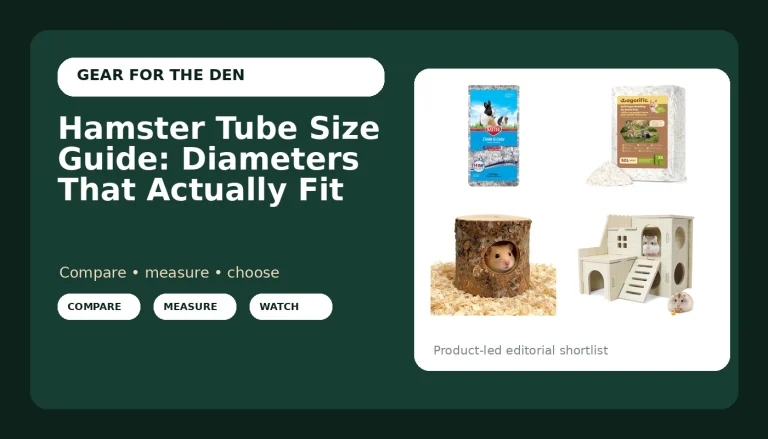
| Obantrsz Hamster Hideout, 3.14" x 2.75" Natural Wooden Habitat House | Dwarf hamsters and mice in tight setups | Natural wood build with a listed footprint of 3.14 by 2.75 inches |
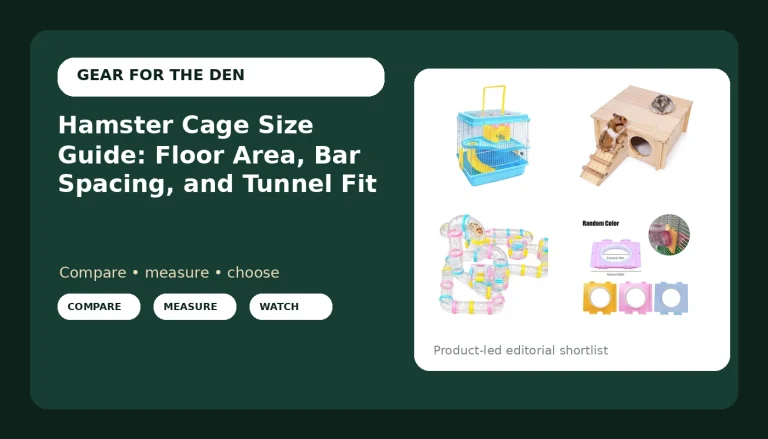
| TANOMA Habitat House Hideout for Hamster Mice, Gerbils Mouse and Other Small Size Animal Pets | One central house for a small species | Listed for several small pets rather than a single species |
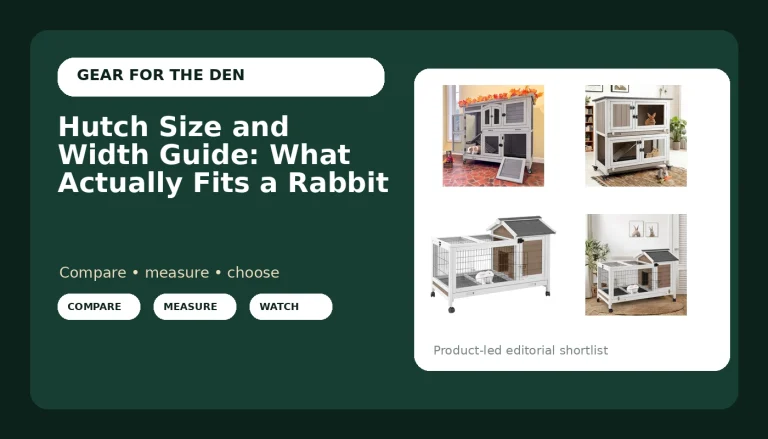
| HIIMALEX Large Sturdy Bunny House with Spacious Balcony Hidey Detachable Playhouse for Rabbit Hideout Castle Tower Toys for Indoor Bunnies Guinea Pig Hamster Chinchilla Gerbil | Rabbits, guinea pigs, and other larger small pets | Multi-level build with a balcony and a detachable playhouse |
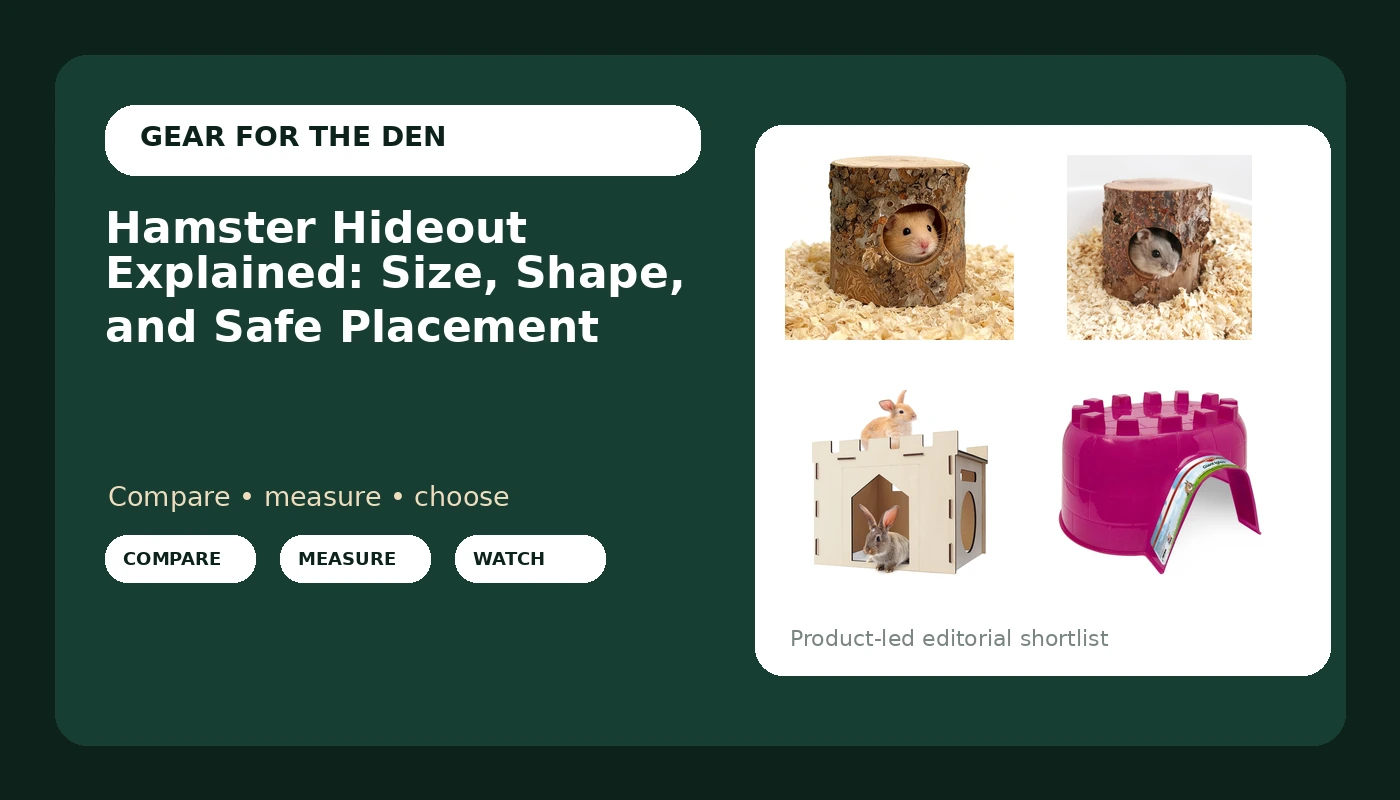
| Kaytee Igloo Habitat Hideout for Hamster, Gerbil, Rat, Giant | Hamsters, gerbils, and rats | Familiar dome igloo shape, with a giant size named in the listing |
Compact wooden option: Obantrsz Hamster Hideout, 3.14" x 2.75" Natural Wooden Habitat House
A listed footprint of roughly three inches by under three inches is at the small end even for a dwarf hamster, so treat this as a secondary retreat or a mouse-sized house rather than the main nest for a Syrian hamster. Wood has two practical consequences: it holds warmth, which helps in a cool room, and it absorbs urine over time, which means you should check the base regularly and replace the hide if the smell survives cleaning. Because the opening and the internal space are not stated in the listing, measure before you buy if this hide is meant to be the animal's primary sleeping spot.
Species-flexible house: TANOMA Habitat House Hideout for Hamster Mice, Gerbils Mouse and Other Small Size Animal Pets
A listing that names several species is a starting point, not a size guarantee. Multi-species hides tend to sit in the middle of the size range, which means they usually work for a mouse or a dwarf hamster and can feel cramped for a rat. The single-house shape has one advantage over a multi-level structure: there is less to clean and fewer edges to catch bedding. Check the stated dimensions against your floor area, and remember that the ideal hamster hideout is one the animal can enter, turn around in, and fill with nesting material.
Large multi-level option: HIIMALEX Large Sturdy Bunny House with Spacious Balcony Hidey Detachable Playhouse for Rabbit Hideout Castle Tower Toys for Indoor Bunnies Guinea Pig Hamster Chinchilla Gerbil
This is the pick for a rabbit or guinea pig enclosure with real floor area to spare. For a hamster, the same structure is oversized, and a large open balcony can feel exposed to a prey animal that prefers a tight, dark pocket. The detachable playhouse is the useful part of the design, because you can run it as a single hide and keep the balcony section for floor time outside the cage. Before buying, measure both the assembled footprint and the height, since a multi-level house changes what fits under a shelf or a cage lid.
Classic dome option: Kaytee Igloo Habitat Hideout for Hamster, Gerbil, Rat, Giant
The dome shape wipes clean and does not soak up odor the way bare wood can, which matters if you keep an animal that soaks its bedding. The trade-off is insulation: plastic does not hold warmth like wood, so a dome may need more nesting material in a cold room. A dome also tends to be lighter, which means a determined digger can shift it against the cage wall overnight. Check where it ends up after a few nights before you decide it is in the right spot.
Prices and availability may change. Product images, names, and retailer links are matched to verified listings. No current price, rating, stock status, or measured result is stated here without current evidence.
What a hamster hideout actually does
A hideout stands in for the burrow a wild hamster would dig. It blocks light, holds a pocket of nesting material in one place instead of letting it drift across the cage, and gives the animal a fixed point it can scent mark and defend. That last part matters more than most owners expect: a hide the animal uses regularly becomes a landmark, and moving it during a cage clean can unsettle a hamster for a day or two.
A hide is not the same thing as a tunnel. Tunnels add travel routes and enrichment, and if you connect them to a hide, match the tunnel diameter to the animal's body so it cannot wedge itself. Bedding dust is the other hidden variable. Loose substrate that looks fine in the bag can concentrate dust once it is packed into an enclosed space, and a hide full of dusty bedding is where a sensitive animal will spend most of its day. Shake bedding out before you pack it, and change the contents of the hide more often than you change the rest of the cage.
How to size a hideout for your cage
Size is where most hideout purchases go wrong, because listings quote outer dimensions and animals live in the inner space. Work from the cage outward:
- Measure the usable floor area of the cage, then subtract the footprint of the wheel and the litter corner. What remains is the space you can give to hides.
- Read the hide's stated dimensions and treat them as outer measurements. If the listing gives no internal figure, assume the inner space is smaller than the outer one.
- Match the hide to the species rather than to the cage. A dwarf hamster needs less internal room than a Syrian, and a rat needs more again.
- Place the hide in the quietest corner, away from the wheel, the hay rack, and the water bottle.
- Check bar spacing and the hide's position against it. A hide pushed up against the bars can become a step toward the top of the cage.
If two hides will fit, use two. A single hide forces the animal to choose between a warm nest and a cool retreat, and giving it both options is one of the cheapest improvements you can make to a small-pet cage.
Practical guidance: setting up and maintaining the hideout
- Shake bedding dust out of the substrate before you pack it into the hide, and switch to a lower-dust bedding if the animal sneezes after a change.
- Keep one hide warm and one cool. Wood holds warmth, while a plastic dome stays cooler and wipes clean.
- Check a wooden hide for absorbed urine every time you clean the cage, and replace it if the smell survives a wash.
- Match tunnel diameter to the animal's body size if you connect tunnels to the hide, so it cannot get stuck.
- Track bottle capacity and refill timing so you are not reaching past the hide every day and disturbing a sleeping animal.
Which option should you choose?
Choose the Obantrsz Hamster Hideout, 3.14" x 2.75" Natural Wooden Habitat House when you want a natural material and a small secondary retreat for a dwarf hamster or a mouse. Choose the TANOMA Habitat House Hideout for Hamster Mice, Gerbils Mouse and Other Small Size Animal Pets when you need one central house for a small species and would rather not manage a multi-level structure. Choose the HIIMALEX Large Sturdy Bunny House with Spacious Balcony Hidey Detachable Playhouse for Rabbit Hideout Castle Tower Toys for Indoor Bunnies Guinea Pig Hamster Chinchilla Gerbil when you keep a rabbit, guinea pig, or chinchilla and have the floor area for a large build. Choose the Kaytee Igloo Habitat Hideout for Hamster, Gerbil, Rat, Giant when you want the dome shape for a hamster, gerbil, or rat and prefer a hide that wipes clean.
There is no single correct hamster hideout for every cage, and none of the four listings states a verified internal measurement or has been tested for this article. Treat the dimensions above as a starting point, confirm them against your own cage, and expect to adjust placement once you see where the animal actually chooses to sleep.
The bottom line
A hamster hideout is a small purchase with an outsized effect on how settled a small pet looks, and the four listings here cover the useful range: a compact wooden house for a dwarf hamster or mouse, a single-house option listed for several small species, a large multi-level structure for rabbits and guinea pigs, and the familiar dome that most owners recognize. None of them is right for every cage. Measure your floor area, pick the hide whose stated size leaves the animal room to turn around, and place it away from the wheel, the hay rack, and the water bottle. Do that, and the hide will do the rest of the work on its own.