The orthopedic dog bed vs slow feeder bowl for dogs question sounds like a mismatch, and in one sense it is. One product supports a dog's hips for the twenty or so hours a day he is not moving. The other slows down the eight minutes he spends eating. But the question keeps coming up, because the owners asking it are usually standing in the same spot: an older large breed dog who is stiff in the morning and who inhales his kibble, and a budget that covers one purchase this month, not two.
That is the honest version of the orthopedic dog bed vs slow feeder bowl for dogs debate. It is not really a rivalry between two products doing the same job. It is a sequencing problem, and sequencing problems have answers. The good news is that the order is usually obvious once you look at what your dog actually struggles with.
Senior dogs change in ways that are easy to miss until they are obvious. A dog who used to launch onto the couch starts putting his front paws up first and waiting. A dog who used to graze at his bowl starts finishing in under a minute and then looking around for more. Both changes are normal, and both are gear problems as much as they are vet problems. The bed addresses the first one. The bowl addresses the second.
For most senior dogs, buy the orthopedic bed first. Hip support and joint mobility shape every hour of an older dog's day, and a bed that is too thin, too soft, or too high to climb onto is the most common comfort mistake in a senior dog household. Buy the slow feeder bowl first only if your dog gulps his food, vomits after meals, or has been flagged for bloat risk, because that is a health problem rather than a comfort problem.
What the orthopedic dog bed vs slow feeder bowl for dogs comparison actually measures
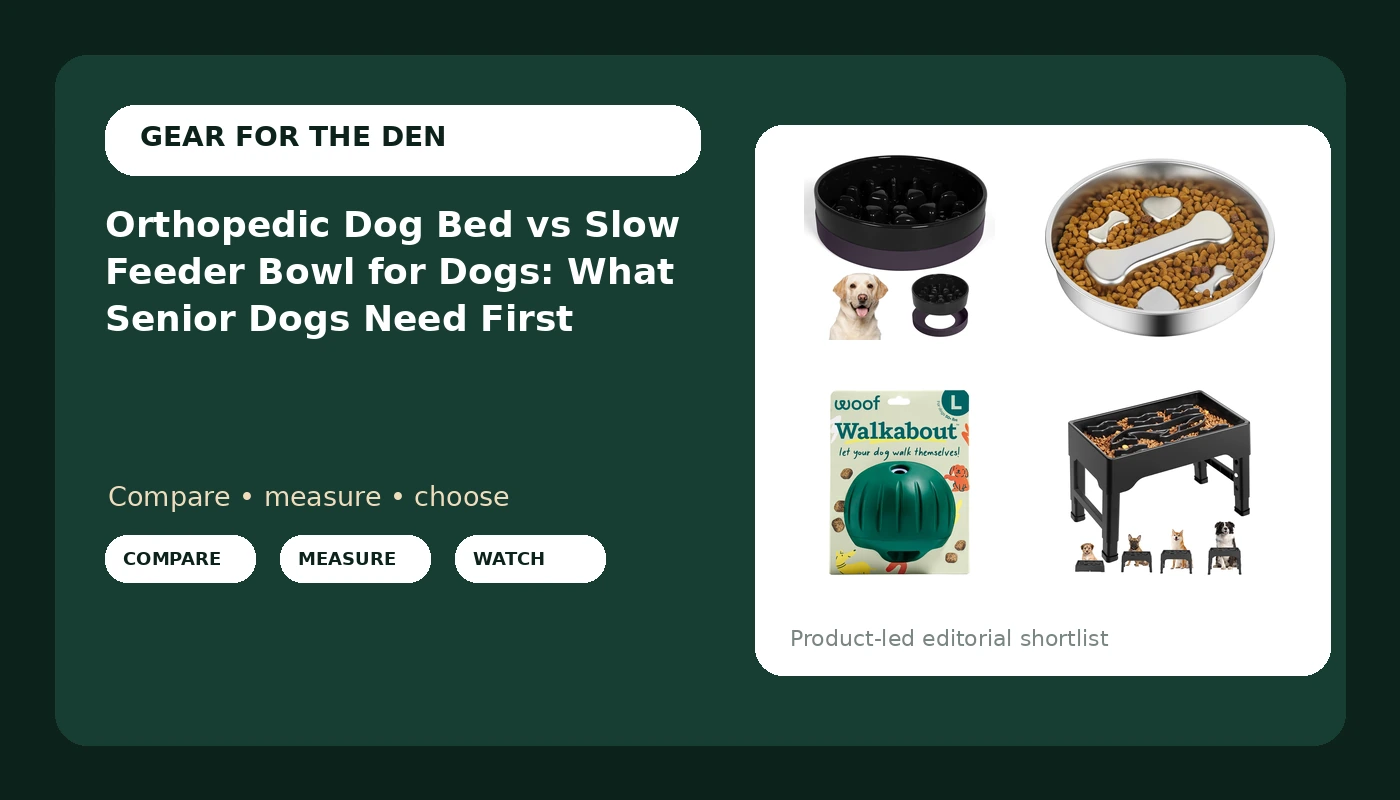
The four bowls below are the slow feeder options worth considering for a large or senior dog today. Each one solves the eating-speed problem differently, which is why the table is worth reading before the sections that follow. None of them replaces a bed, and none of them substitutes for a vet visit if your dog is losing weight or limping.
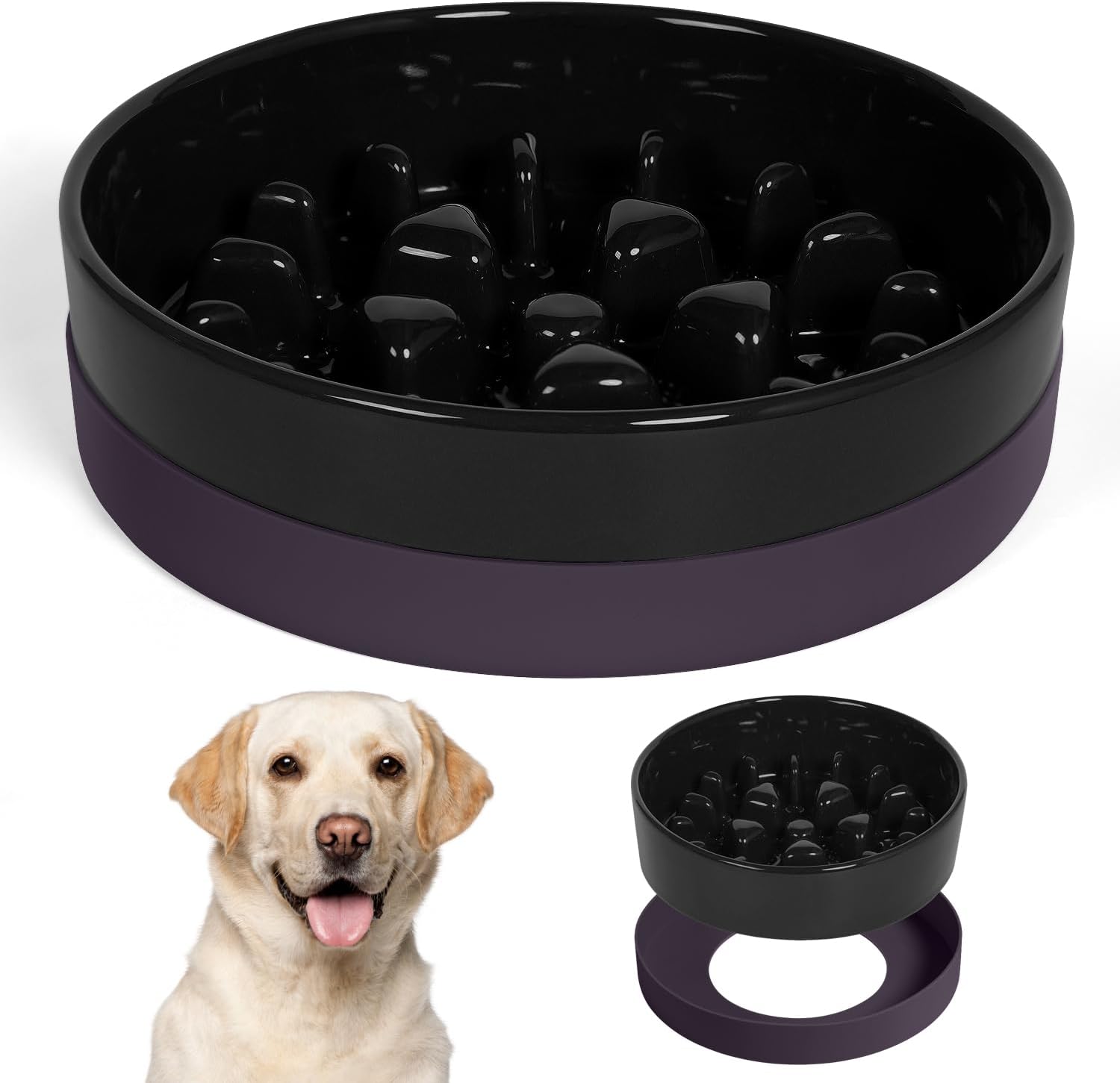
Sted Ceramic Slow Feeder Dog Bowls for Medium Large Breed
Heavy ceramic stays put under a pushing eater and is sized for medium and large breeds
Heavy to lift and handle, can chip on tile, not travel friendly
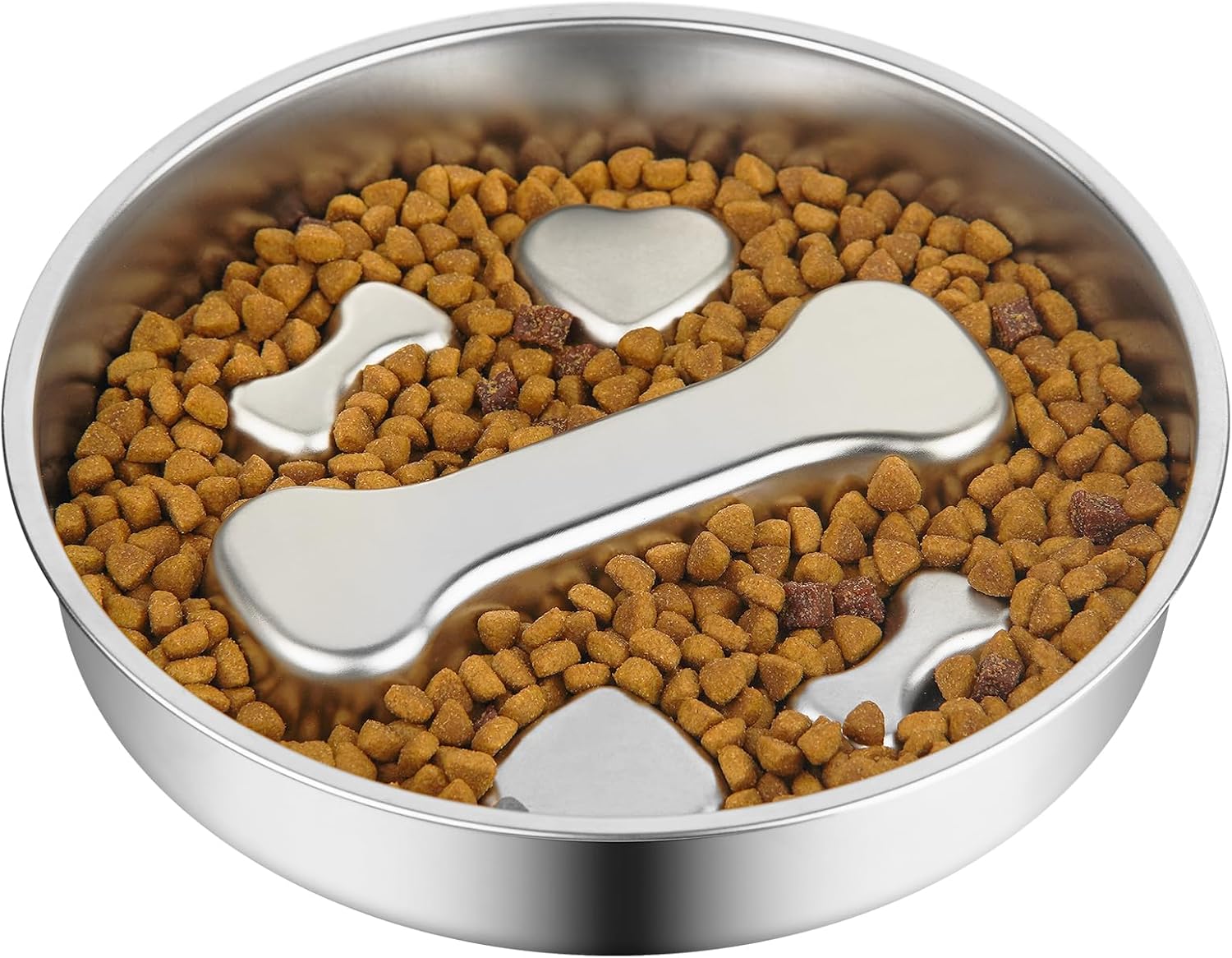
Novery Non-Slip Stainless Steel Slow Feeder Dog Bowl, 2-Cups
Stainless steel is the easiest to clean, and the non-slip base holds it steady
Two-cup capacity means a refill for a large breed meal
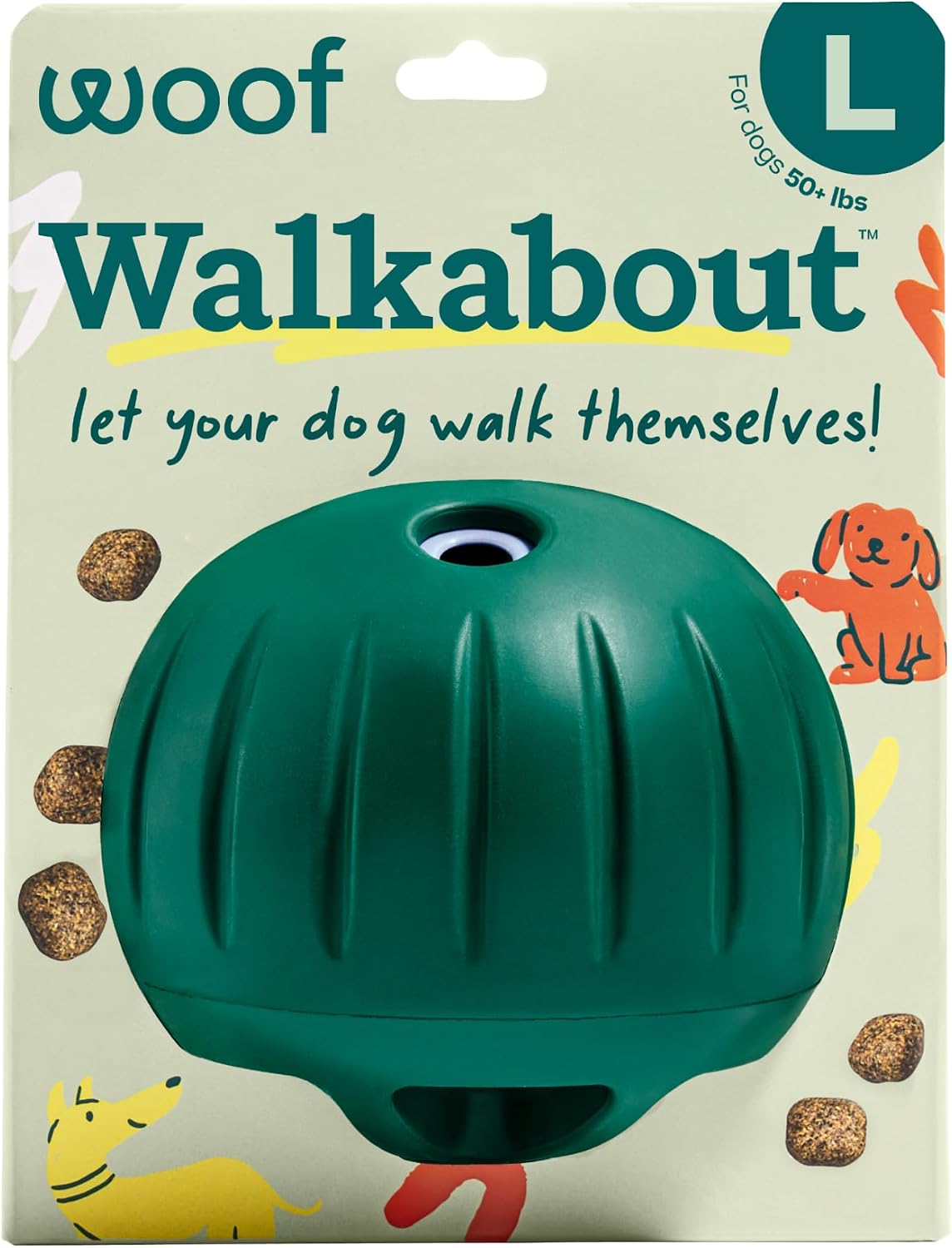
WOOF Walkabout Dog Puzzle Slow Feeder Toy for Dogs 40 lbs & Up
Turns a meal into minutes of problem solving, sized for dogs at 40 lbs and up
More parts to rinse, and a dog who gets frustrated may walk away
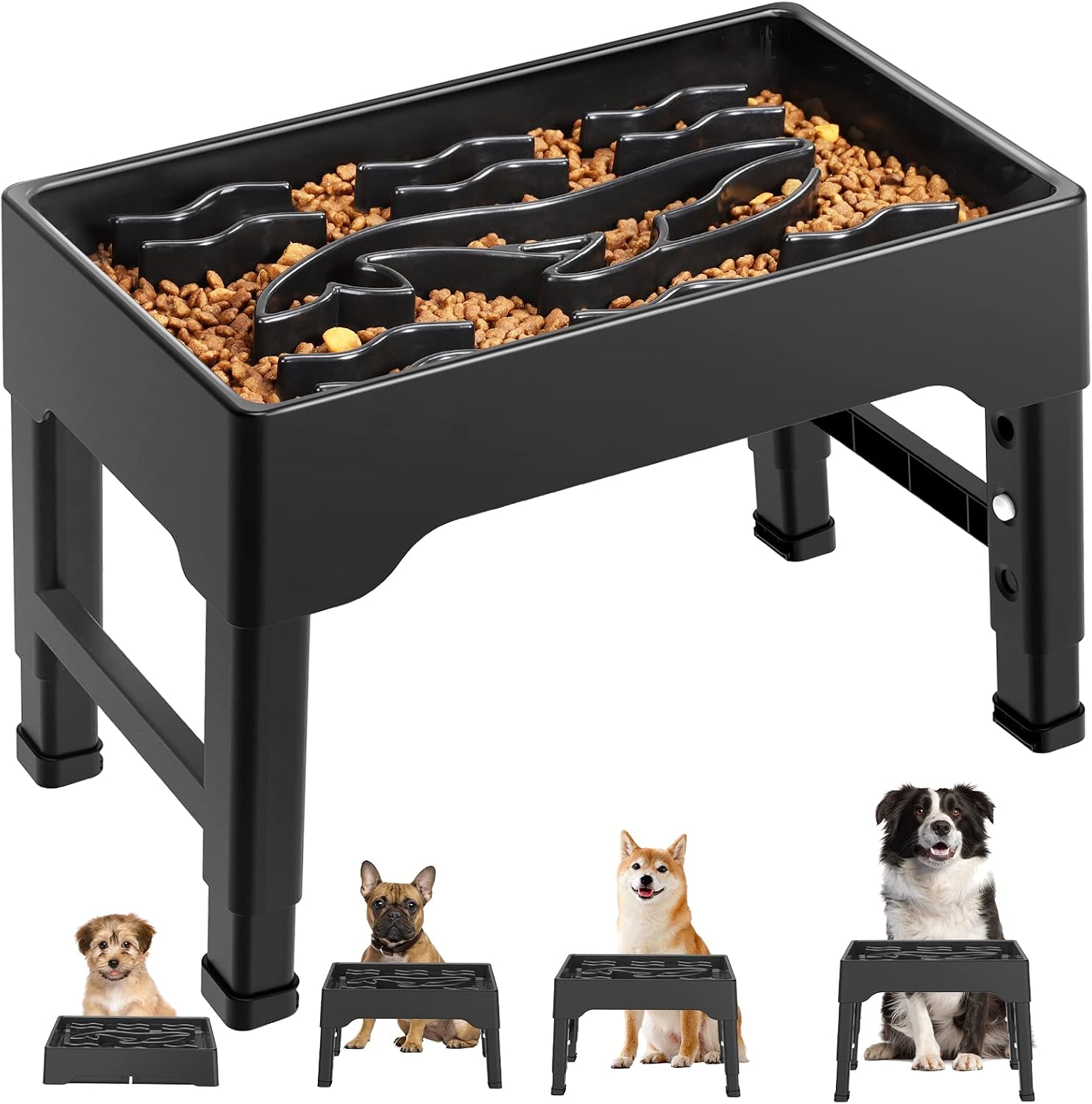
Tivray 9 Cups Elevated Slow Feeder Dog Bowls 4 Adjustable Heights, Black
Nine-cup capacity plus four adjustable heights for a dog who should not drop his head to the floor
Bulkiest footprint of the four, and the black finish shows scratches
Prices and availability may change.
The four slow feeder bowls, one by one
Each of these four solves the same problem with a different set of trade-offs, and the right one depends on your dog's size, his meal, and how much cleaning you are willing to do.
Sted Ceramic Slow Feeder Dog Bowls for Medium Large Breed is the heavyweight of the group, and that is the point. Ceramic holds its position on a hard floor in a way that thin plastic does not, which matters for a dog who pushes his bowl around the kitchen. The trade-off is the same thing that makes it good: ceramic is heavy to lift, it can chip if it is dropped on tile, and it is not the bowl you pack for a weekend trip.
Novery Non-Slip Stainless Steel Slow Feeder Dog Bowl, 2-Cups is the practical, easy-clean pick. Stainless steel does not hold odors the way plastic can, it goes into the dishwasher without a second thought, and the non-slip base keeps it from skating across the floor. The catch is capacity. For a small or medium dog, two cups is a full meal. For a large breed, it is a portion that needs refilling, which partly defeats the purpose of slowing a meal down.
WOOF Walkabout Dog Puzzle Slow Feeder Toy for Dogs 40 lbs & Up treats the meal as a puzzle rather than a portion. The dog works the food out of the design, which stretches dinner into several minutes of problem solving instead of thirty seconds of vacuuming. It is built for dogs at forty pounds and up, so it lands in the right size bracket for a large breed household. The cost is complexity: more surfaces to rinse, and a dog who gets frustrated rather than engaged may simply walk away from it.
Tivray 9 Cups Elevated Slow Feeder Dog Bowls 4 Adjustable Heights, Black is the one that overlaps most with the bed conversation. Nine cups of capacity means a single fill for a big dog, and the four adjustable heights let you raise the bowl so a stiff dog does not have to fold his front legs and drop his head to the floor. That elevation is the same principle behind raised feeding for dogs with neck or shoulder issues. The trade-off is bulk: it takes up more floor space than the others, and the black finish shows scratches.
If you want to go deeper on height specifically, there is a separate guide to elevated dog bowls for large breeds on the site.
The bed side of the equation
If you are shopping for the bed half of this comparison, the specs that matter are not the ones printed in the largest font. Foam density comes first. A bed described as orthopedic should use foam that holds its shape under the dog's weight instead of compressing to the floor within a month, and density is what separates the two. A thick-looking bed built on low-density foam is a pillow with good marketing.
Weight capacity is the second spec. A large breed dog puts more mass onto that foam than the product photos suggest, and a bed rated below your dog's weight will flatten at exactly the spots that need support: the hips, the elbows, and the shoulders. Hip support is the phrase to look for, but the honest test is whether the bed keeps its loft under load.
Size matching matters as much as density. A bed that is too small forces a large breed dog to curl up or to hang his elbows off the edge, which defeats the hip support you paid for. Measure your dog nose to tail while he is stretched out, then add a few inches of margin, because a senior dog shifts position through the night far more than a young one does. If your dog sleeps sprawled on his side, a longer bed beats a thicker one.
Then there is the question of whether your dog can get onto the bed at all. Bed height matters more than most owners expect, because a thick orthopedic mattress can become a barrier for a dog with sore hips. That is where a low-profile design or a ramp earns its place. If you go the ramp route, check ramp angle and lift capacity together: too steep and the dog will refuse it, too light a capacity and the ramp flexes under a big dog. A non slip backing on the bed itself is a small detail that stops the whole thing from sliding when your dog pushes off it.
The bowl side of the equation
Slow feeders work by putting obstacles between the dog and the food. The dog has to navigate around them, which stretches a meal from under a minute to several minutes. That matters for digestion, for dogs who vomit after eating too fast, and for the ones who swallow air along with their kibble.
Three things separate the bowls in the table. Capacity is the first, and it is the most important. A two-cup bowl and a nine-cup bowl are aimed at different dogs, and matching capacity to your dog's actual meal size matters more than any other feature. Elevation is the second. An elevated bowl changes the angle of the dog's neck and shoulders while he eats, which is why the adjustable-height option in this group pairs best with an older dog. Material is the third, and it is mostly about your kitchen rather than the dog: ceramic is stable and heavy, stainless steel is easy to clean, plastic is light and cheap, and puzzle feeders trade convenience for engagement.
Portion size is worth measuring before you buy. If your dog's meal is three cups, a two-cup bowl means a refill halfway through, which teaches him to eat faster at the start. If his meal is one cup, a nine-cup bowl is more surface area to clean for no benefit. Match the bowl to the meal, then decide whether you want the elevation that comes with it.
The difference between orthopedic dog bed and slow feeder bowl for dogs
The difference between orthopedic dog bed and slow feeder bowl for dogs is not a difference in quality. It is a difference in what problem each one solves. A bed is a passive comfort product. It works while the dog sleeps, which for an older dog is most of the day, and its payoff accumulates. A slow feeder is an active feeding tool. It works for a few minutes, twice a day, and its payoff is immediate: a slower meal, less gulped air, and a dog who is not finished eating in forty seconds.
Choosing orthopedic dog bed or slow feeder bowl for dogs: a simple order of operations
Start with the problem you can name out loud. If your dog is stiff when he stands up, hesitates on stairs, or has stopped sleeping through the night because he cannot get comfortable, the bed is the purchase. If your dog finishes his bowl before you sit down, burps, retches, or has a history of bloat, the bowl is the purchase, and the bed can wait a month.
If neither problem is obvious, look at weight and age together. Large breeds age faster in the joints, and a dog over fifty pounds who is eight years old is a senior in every way that matters. For that dog, a bed with real hip support does more for daily quality of life than any feeding accessory. If your large breed dog is young but eats like he has been starved, the bowl is the cheaper fix and it is worth doing now rather than later.
What the search results get wrong
Search slow feeder bowl for dogs vs orthopedic dog bed and you will find pages that treat the two as direct competitors, complete with a declared winner. That framing sells both products short. They are not alternatives; they are two answers to two different problems, and the only real competition is for your budget. A dog can need both, and many older large breed dogs do: the bed for the hours he is horizontal, the bowl for the minutes he is eating. The comparison that actually matters is not which product wins, it is which one your dog needs this month, and that answer comes from watching him for a day rather than reading a ranking.
Trade-offs worth naming
Every pick in the table asks you to give something up. Ceramic stability costs you weight and fragility. Stainless steel convenience costs you capacity in the two-cup size. The puzzle feeder buys minutes of mental work and charges you in cleaning time, plus the risk that one particular dog simply refuses to play along. The elevated bowl buys height adjustment and a nine-cup fill, and charges you floor space.
The bed side runs the same way. A thicker, denser bed with genuine hip support costs more, weighs more to move, and takes up more room. A low bed is easier for a stiff dog to enter but offers less cushioning. A ramp solves the height problem and introduces a new one, which is that some dogs will not use it no matter how gentle the ramp angle is. None of that is a reason to skip the purchase. It is a reason to buy the version that matches your dog rather than the one with the best photos.
Should you buy the bowl before the bed?
There is one case where the answer is an easy yes: a dog who eats fast enough to vomit or to swallow significant air. That is not a comfort issue, it is a health issue, and a slow feeder bowl is a cheap intervention next to a vet bill for bloat. The two-cup stainless bowl or the ceramic bowl for a medium or large dog will both do the job for a modest outlay, and the puzzle feeder adds mental work for a dog who needs occupying.
For most households, the orthopedic dog bed vs slow feeder bowl for dogs question resolves the way it did above: bed first, bowl second. The reason is arithmetic. A senior dog sleeps between twelve and eighteen hours a day. Improving the surface he sleeps on touches all of those hours. Improving his bowl touches ten minutes. If you can fix only one thing this month, fix the thing your dog uses while he is not even awake.
What to watch in this category
Two trends are worth watching for anyone buying gear for an older large breed. The first is adjustable elevation, which is spreading from feeding stands into the bowls themselves. The four-height design in this comparison is a good example, and it is the feature that lets one bowl follow a dog from middle age into his senior years without a second purchase. The second is the puzzle feeder used as a meal rather than a treat toy. Treating dinner as enrichment solves two problems at once for a dog who eats too fast and needs more mental work, and it is the direction more large-breed products are moving.
What has not changed is the underlying math. Comfort gear for a senior dog is judged over months. Feeding gear is judged over minutes. Both matter, and both are cheaper than the problems they prevent.