Every puppy household I have helped set up hits the same fork in the road: buy a bottle of cleaner, or buy something that catches the mess before it lands. The short answer to pet stain remover vs pee pads is that they are not rivals. One is prevention, the other is recovery, and the homes that stay ahead of the smell own both and know which job belongs to which. I have cleaned up after a senior beagle, two foster litters, and a cat with a stubborn urinary tract infection, and the difference between pet stain remover and pee pads only becomes obvious when you are standing over a wet spot at two in the morning with a towel in one hand. This comparison covers the four products I would actually put in a cart, and the order I would buy them in.
The best setup for most homes in 2026 is a washable pad on the spot your dog actually uses, plus a small bottle of enzyme cleaner for the accidents that miss it. That is the whole strategy. The pad handles the ninety percent of messes that happen in a predictable place. The bottle handles the ten percent that land on carpet, upholstery, or the one rug you cannot put in a machine.
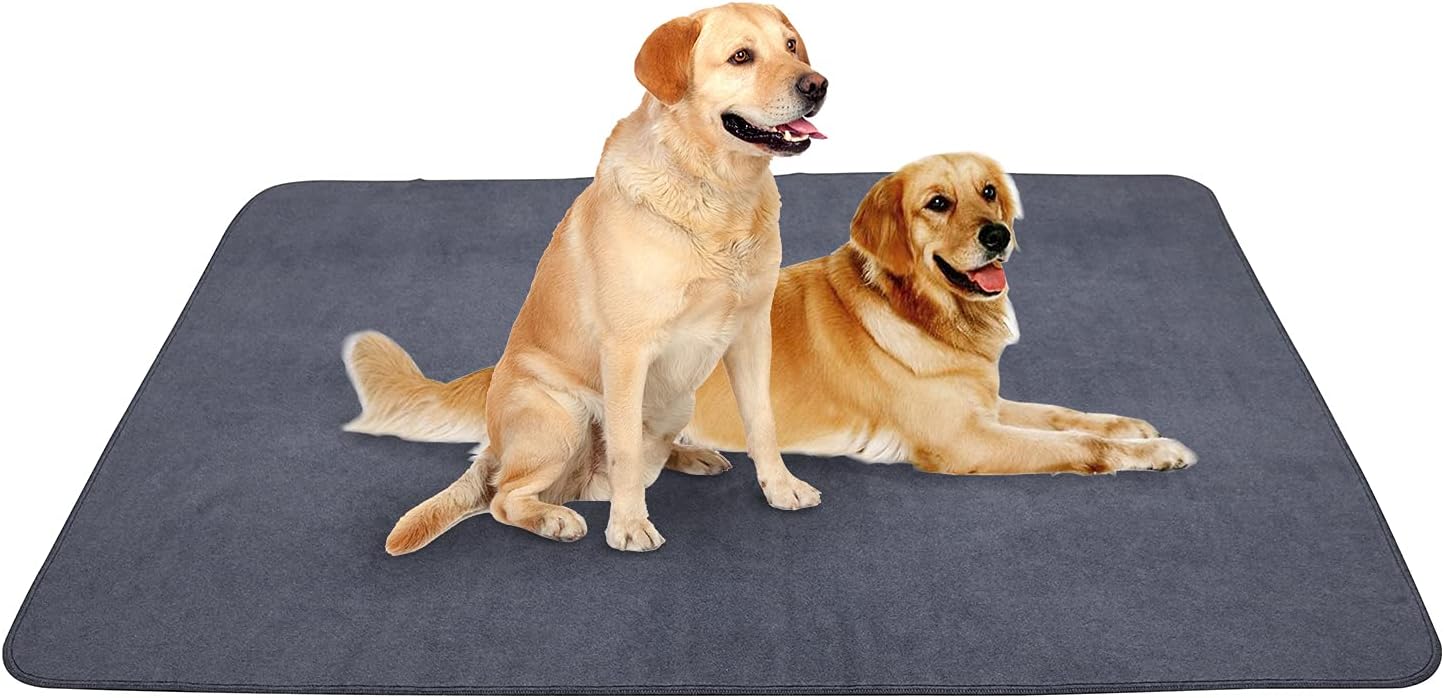
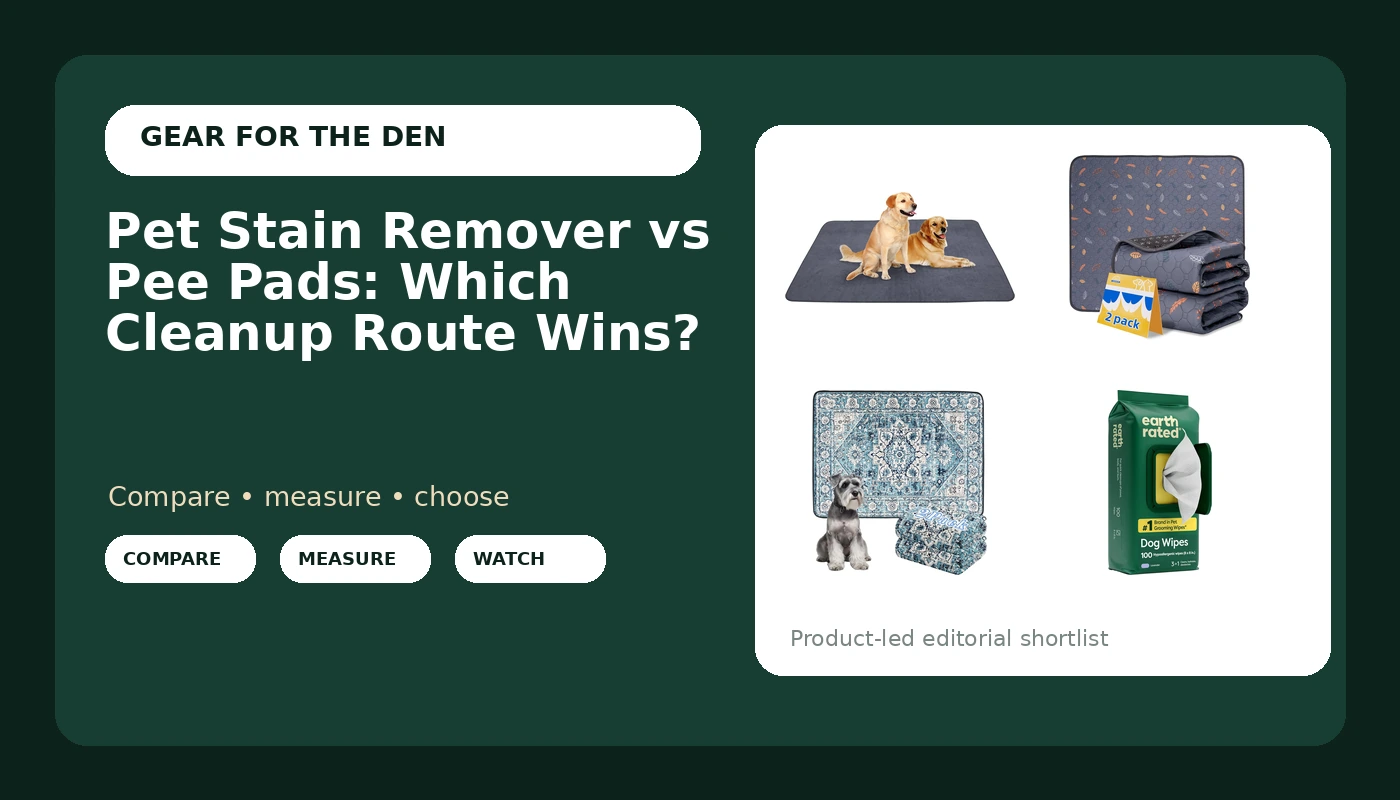
Peepeego Non-Slip Dog Pad 72"x72", Washable Pee Pad Waterproof for Training, Whelping
Largest coverage here at 72 by 72 inches, non-slip backing, one-piece laundry load
Huge to store and slow to dry, overkill for a single small dog
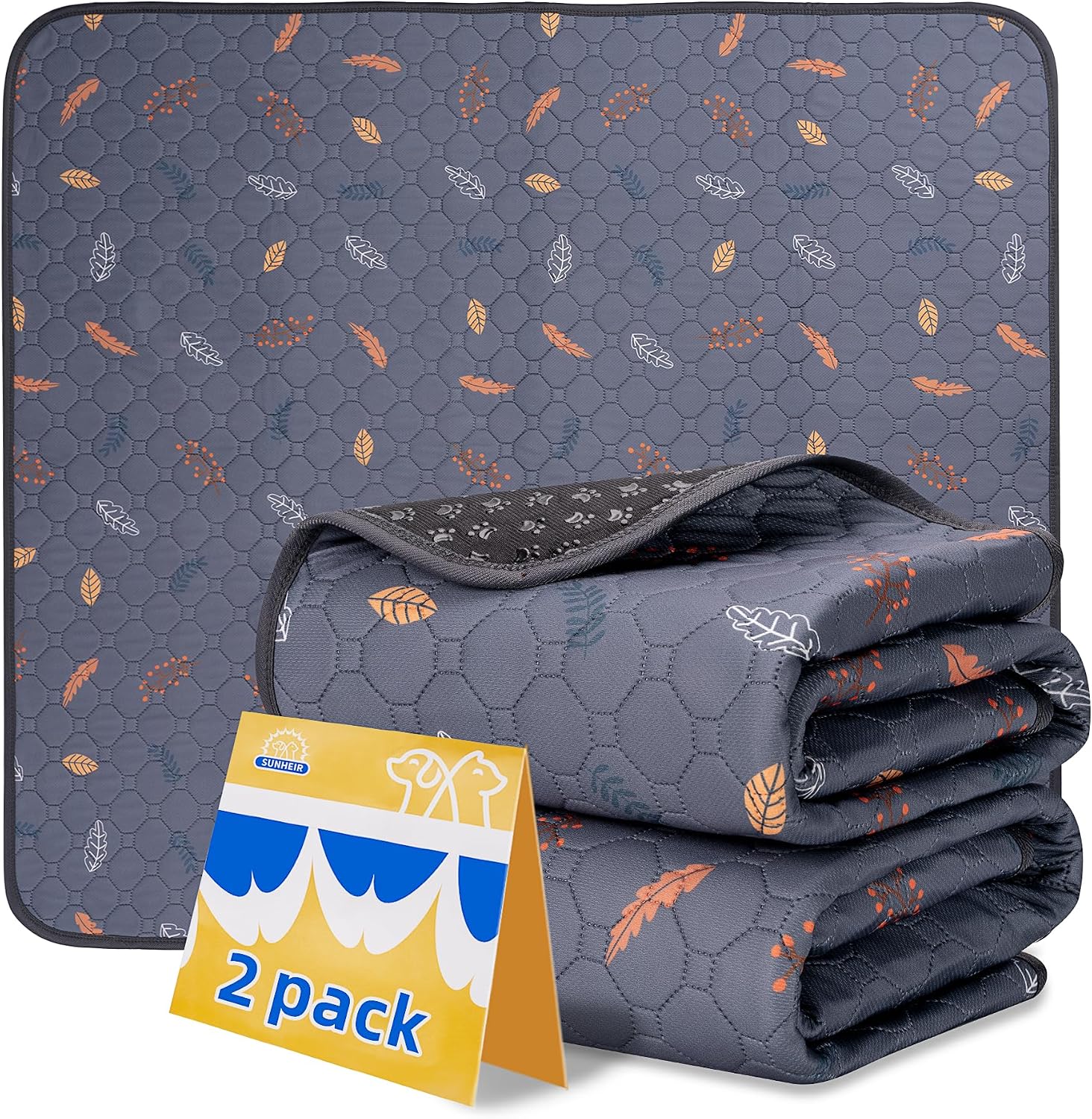
Sunheir Washable Pee Pads for Dogs, Reusable Puppy Pads for Dog Playpen 2PC
Two pads means one on the floor while the other washes, playpen sized
Modest coverage per pad, gaps appear when both are dirty
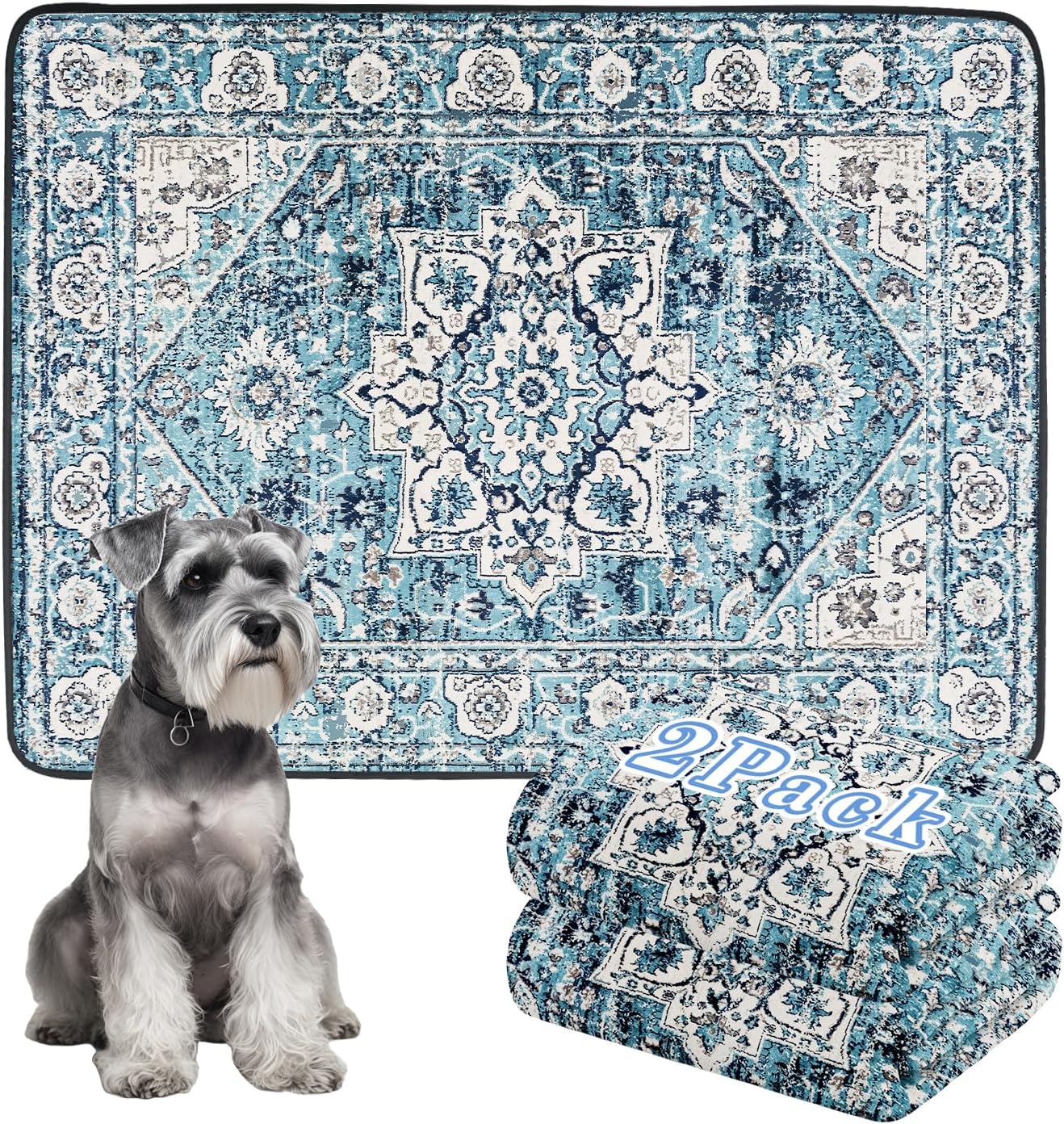
Thicken Washable Pee Pads for Dogs, 2 Pack Super Absorbent Dog Mats, 36"x48"
Thick, super absorbent build, 36 by 48 fits crates and small pens, two-pack rotation
Thick fabric takes longer to dry, too small for a large breed
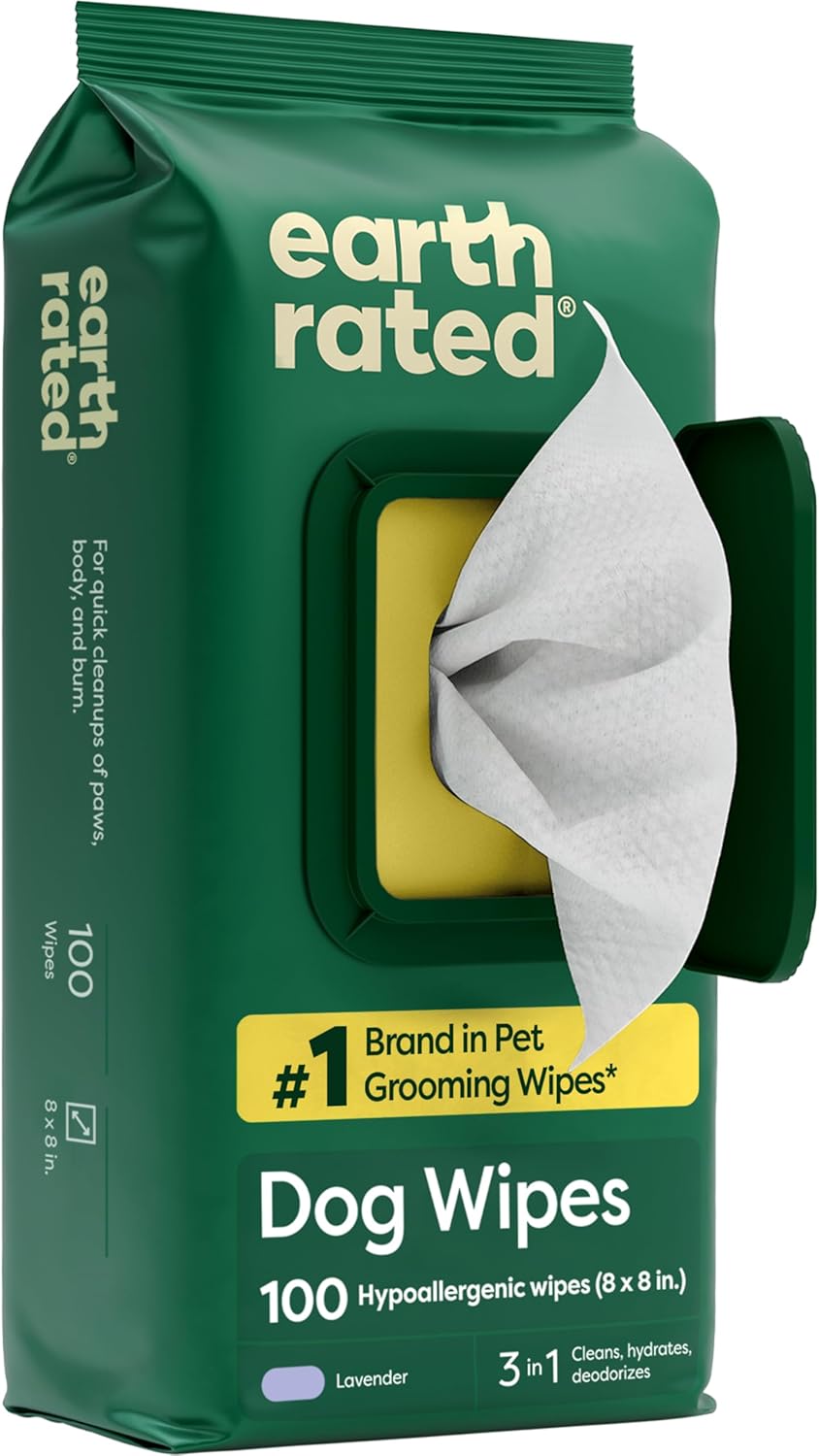
Earth Rated Dog Wipes for Paws & Butt, Deodorizing, Lavender, 100ct
100 deodorizing wipes, handy for paws, coats, and hard floors
Not a stain remover, does nothing for urine already in carpet fiber
Prices and availability may change.
How I evaluate pads, wipes, and liners
Four specs decide whether a pad stays on the floor or goes in the donate bin, and none of them are printed in large type on the package.
Pad absorbency comes first. A pad that lets liquid sit at the surface is a pad your dog walks through, and then you have paw prints across three rooms instead of one puddle in one place. Thickness is a rough proxy for how much liquid a mat holds before it feels wet underfoot, which is why the Thicken set leads with that word.
Pad size is second, and it is the spec people get wrong most often. A pad should be bigger than your dog's aim, not the same size. For a puppy in a playpen, a 36 by 48 inch mat covers most of the floor of a small pen. For a whelping box or a large breed, you want something closer to the 72 by 72 inch Peepeego (Visit on Amazon).
Liner waterproofing is third. Every reusable pad in this comparison is sold as waterproof, and that liner is the only thing standing between urine and your subfloor. A pad with a weak liner is a wet rug with extra steps.
Machine washable construction is fourth. If a pad cannot survive a hot wash and a dryer cycle without curling at the edges, it is a consumable pretending to be reusable. Reusability only pays off if the laundry routine survives month three.
Two more terms matter on the bottle side. Enzyme concentration tells you how much of the active ingredient is in the spray. Odor neutralizer means the product breaks down the source of the smell rather than covering it with perfume. A cleaner that only masks odor will have your dog marking the same spot next week.
Pee pads: the containment layer
Washable pads do what a rug does, minus the part where the rug absorbs the accident and keeps it. The three reusable options here split by size and by how much laundry you are willing to run.
The Peepeego pad is the biggest piece of floor protection in this group at 72 by 72 inches, with a non-slip backing and a waterproof build aimed at training and whelping setups. One pad covers an entire pen floor or a whelping box, and there is no seam for liquid to travel through. The trade-off is practical: a pad that size is awkward to hang dry and takes up real shelf space.
The Thicken Washable Pee Pads arrive as a two pack of 36 by 48 inch mats described as super absorbent, which is the size that fits a crate, a pen, or the corner where your dog already goes. Two mats means one on the floor while the other is in the wash, and that rotation is what keeps a reusable system working.
The Sunheir set is also a two piece kit, sized for a dog playpen (Visit on Amazon). Smaller pads are easier to handle, easier to fit around furniture, and easier to stack in a cabinet. They also cover less, and when both are in the wash you are back to a bare floor.
Framing this as pee pads vs pet stain remover misses what the category is for. A pad does not clean anything. It stops the cleaning job from existing in the first place.
Reusable pads and the sizing math
Here is the arithmetic that decides which pad you buy. A 36 by 48 inch mat covers 12 square feet. The Thicken two pack gives you 24 square feet of coverage, split across two items you can rotate. The Peepeego at 72 by 72 covers 36 square feet in a single piece, which is more coverage than the two pack and one item to launder instead of two.
Which one is better depends on your floor plan. A single large pad lies flatter and is harder to bunch up, so it stays put under a dog that paces. Two smaller pads fit a crate, a playpen, or the foot of a couch, and you can swap one out while the other dries. If your dog only uses one corner, two small pads are the more flexible buy. If you have a whelping box or a large breed puppy, the big single pad wins on coverage alone.
One laundering note that applies to all three: shake solids into the toilet, rinse the pad in the tub until the water runs clear, then hot wash with a normal detergent and skip the fabric softener. Softener coats the fibers and the liner, and coated pads stop absorbing the way they did on day one. That is true of any machine washable pad, regardless of brand. If you want the longer version of that routine, it lives in our guide to washing reusable pee pads.
Wipes and spot cleanup: the layer that saves fabric
The Earth Rated wipes are the odd product in this group because they are not floor protection at all. They are a 100 count pack of deodorizing wipes in lavender, sold for paws and rear ends (Visit on Amazon). They are the tool you grab for the stuff that is not a puddle: muddy paws after a walk, a messy tail, a quick pass over a hard floor where something dripped.
What they are not is an enzyme cleaner, and that distinction is the reason this category confuses people. A wipe passes over the surface of a carpet fiber. Urine has already wicked past the surface, into the backing and often into the pad underneath. Wiping the top of that spot makes the room smell better for an hour and changes nothing about the source.
Where wipes earn their keep is on fabric safe surfaces and hard floors, and on the dog itself. Keeping a pack by the door means you are not dragging a damp dog across a clean rug, which is half of what people mean when they say their house smells like a kennel. The other half is old accidents nobody neutralized.
Waterproof liners are non-negotiable
If you take one thing from this comparison, take this: the liner is the product. Absorbency gets the marketing, but liner waterproofing is what keeps a mistake from becoming a floor repair.
A non-slip backing matters almost as much. A pad that slides across tile is a pad your dog will bunch into a corner and miss entirely. The Peepeego pad leads with its non-slip build for exactly that reason, and it is the detail I would check first on any pad, including the two two-packs here.
Carpet safe is a phrase that shows up on cleaner bottles, and it usually means the formula will not bleach or stain the fibers. On the pad side, the equivalent question is whether the liner holds under repeated washing. A pad that leaks on wash forty is a pad that leaked onto your subfloor on wash forty.
Fabric safe matters for the wipes and for any spot cleaner you pair with them. Lavender wipes are fine on paws and coats, but a heavily perfumed product used on a cat's bedding can be a problem for a cat that grooms itself. Match the product to the surface.
What the specs say about pet stain remover vs pee pads
Read the two categories side by side and the pet stain remover vs pee pads decision gets simpler. A cleaner is a consumable with an ongoing cost and a limited job: neutralize what has already soaked in. A pad is a one-time purchase with a laundry cost, and its job is to make sure the soaking never happens.
That is why enzyme concentration matters more than bottle size on the cleaner side. You want a formula that breaks down the uric acid, because that is the component that keeps smelling after everything visible is gone. On the pad side, pad absorbency and liner waterproofing are the two specs that predict whether the system actually works, and pad size is the spec that predicts whether your dog will use it at all.
Put together, the two categories cover each other's weaknesses. Pads fail when the accident happens somewhere unpredictable. Cleaners fail when the accident happens every day in the same place, because you end up buying bottle after bottle to fight a problem a mat would have solved for the price of one.
Should you buy a stain remover first?
Yes, and the cheap version. A small bottle of enzyme cleaner costs less than most pads, fits in a cabinet, and handles the carpet and upholstery accidents that no mat can catch. Buy it first because it solves the problem you cannot plan around.
Then buy a pad for the spot your dog already uses. Start with the size that matches your space rather than the biggest one on the page: a 36 by 48 two-pack for a crate or small pen, the 72 by 72 Peepeego for a whelping box or a large breed. Add the wipes last, as a convenience item rather than a cleaning strategy.
Whether you land on pet stain remover or pee pads, the failure mode is identical: waiting. A spot that sits for a day sets, and a puppy that keeps hitting bare floor never learns the pad is where the job goes. Buy one bottle, buy one pad, and put both to work this week.
What I am looking at next
Two things are on my list for the next round of coverage. The first is whether a larger reusable pad beats two smaller ones for a whelping setup, which is mostly a laundry question rather than an absorbency question, and I want to compare the drying time of a thick 36 by 48 mat against a single 72 by 72 sheet.
The second is refill economics on the wipe side. A 100 count pack is the right starting size, but households with two dogs burn through it faster than they expect, and the per-wipe cost changes the math on whether wipes or a spray bottle and a cloth belong by the door. I will have notes on both, along with an updated pad sizing chart, in the next few weeks.