I have spent a decade writing about pet gear, and the plastic food bin vs metal food bin argument is one of the few that never resolves, because both sides are describing a real failure. Plastic scratches, holds onto oils and odors, and eventually smells faintly of the food it stored. Metal dents, conducts heat, and clangs against a hard floor at six in the morning. Neither material is a mistake, and neither one is a moral choice. What decides it is the job the vessel is doing: holding water, holding kibble, or slowing down a dog that inhales dinner in ninety seconds.
The short answer for most households in 2026 is stainless steel for anything that holds food or water, and plastic for puzzle feeders, because metal wins on odor, scratching, and dishwasher safe cleanup while plastic wins on price and on the shapes metal cannot be stamped into.
| Product | Price | Why it won | Why it lost |
|---|---|---|---|
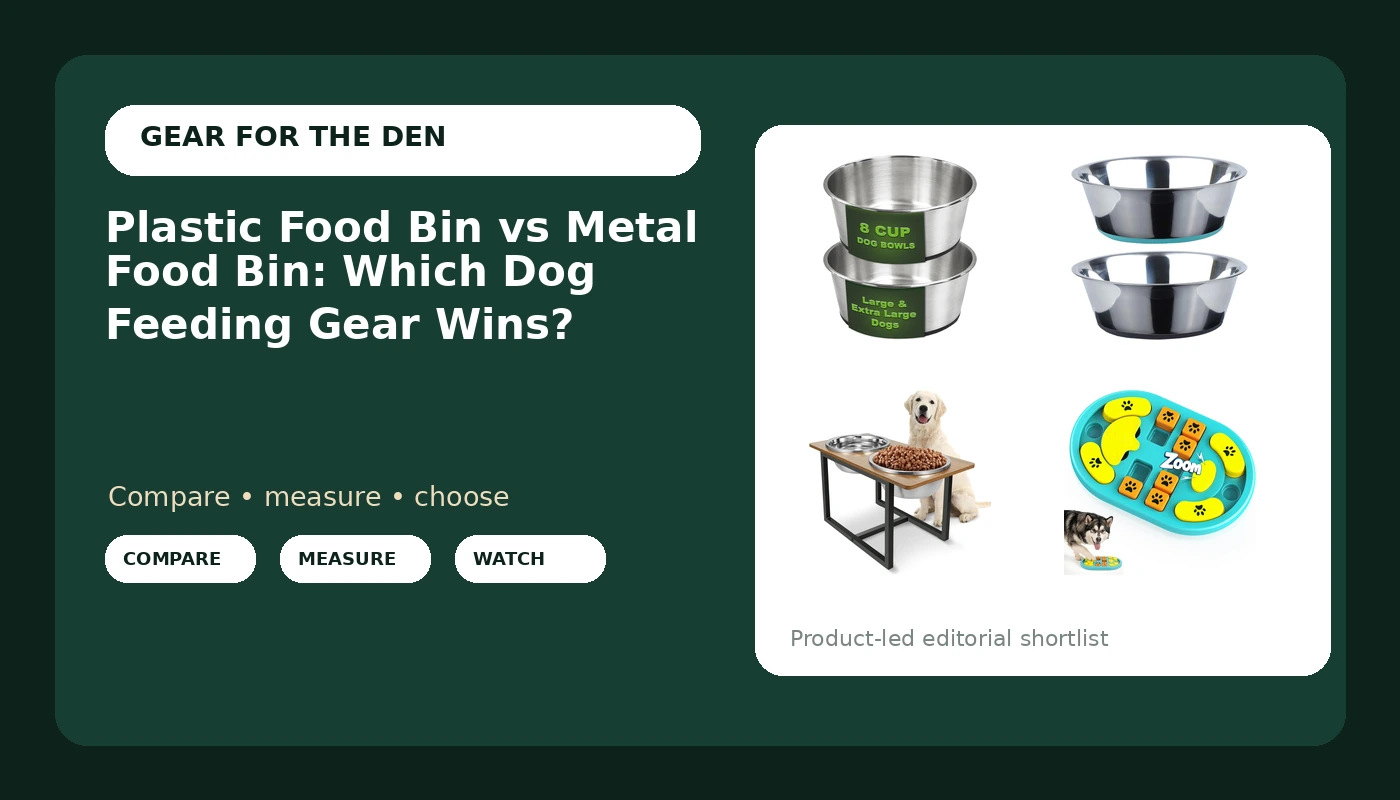
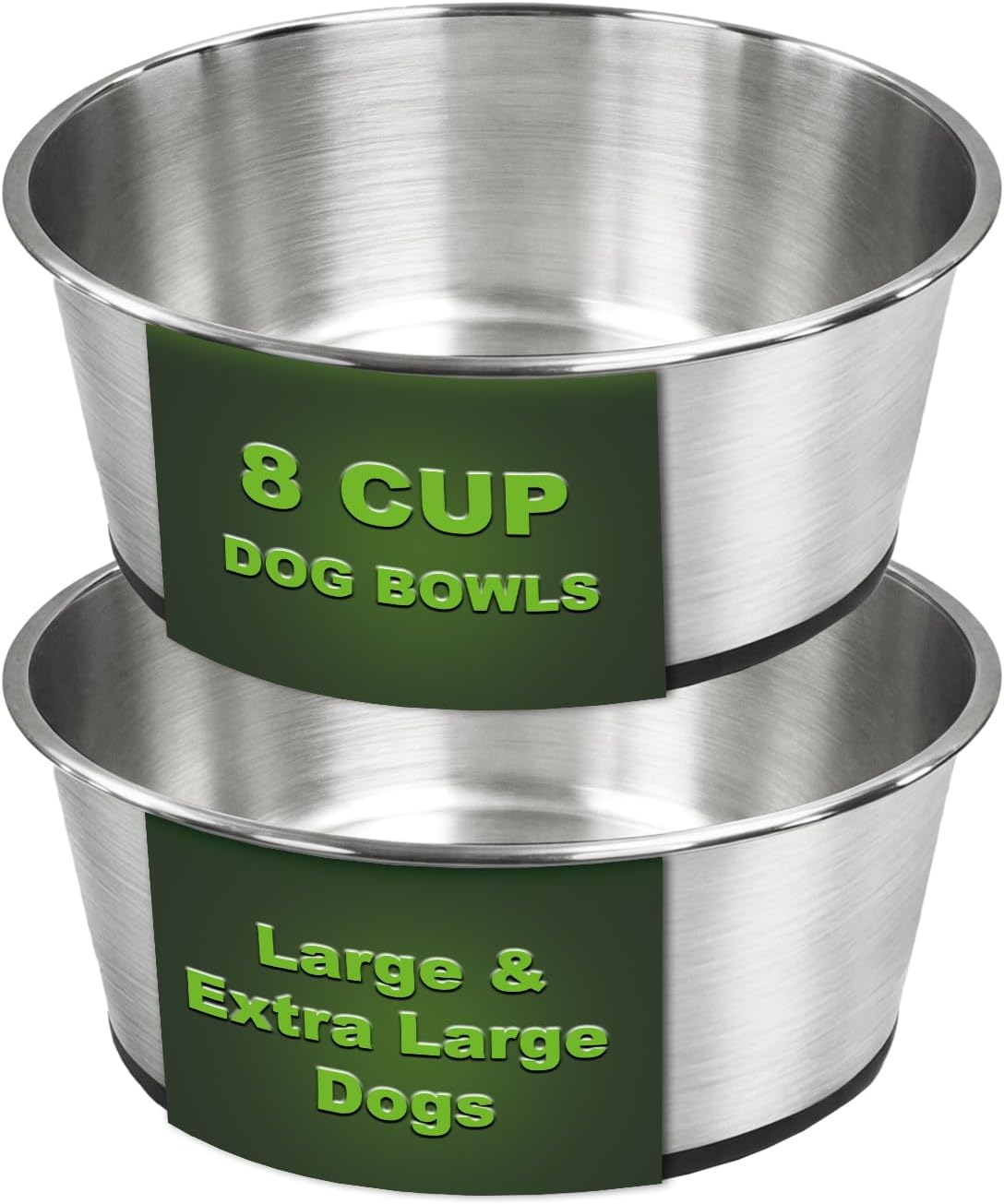 IBJWHZL Food Grade 304 Stainless Steel Dog Bowls Set of 2, 8 Cup (64oz) | Check current Amazon price | The largest capacity here and the material that ignores odors; two bowls means food and water without a second purchase | No stand, so feeding height stays on the floor; 8 cups is more than a small dog needs |
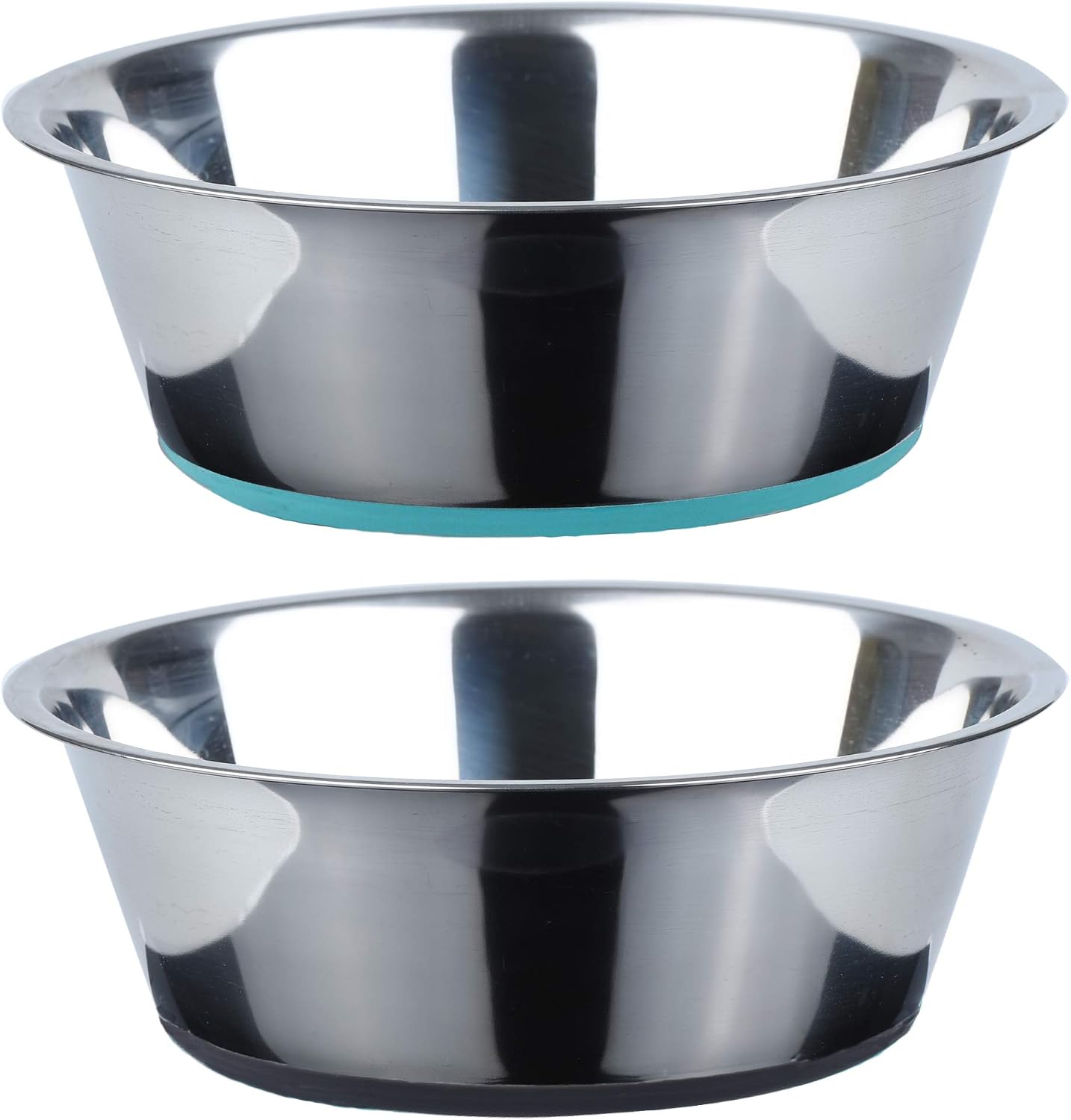 PEGGY11 Deep Stainless Steel Dog Bowls, 3 US Cup Each, 2-Pack | Check current Amazon price | Deep walls cut splashing, and 3 cups per bowl is a sensible portion size for medium dogs | Too small for a large dog's daily water capacity without constant refills |
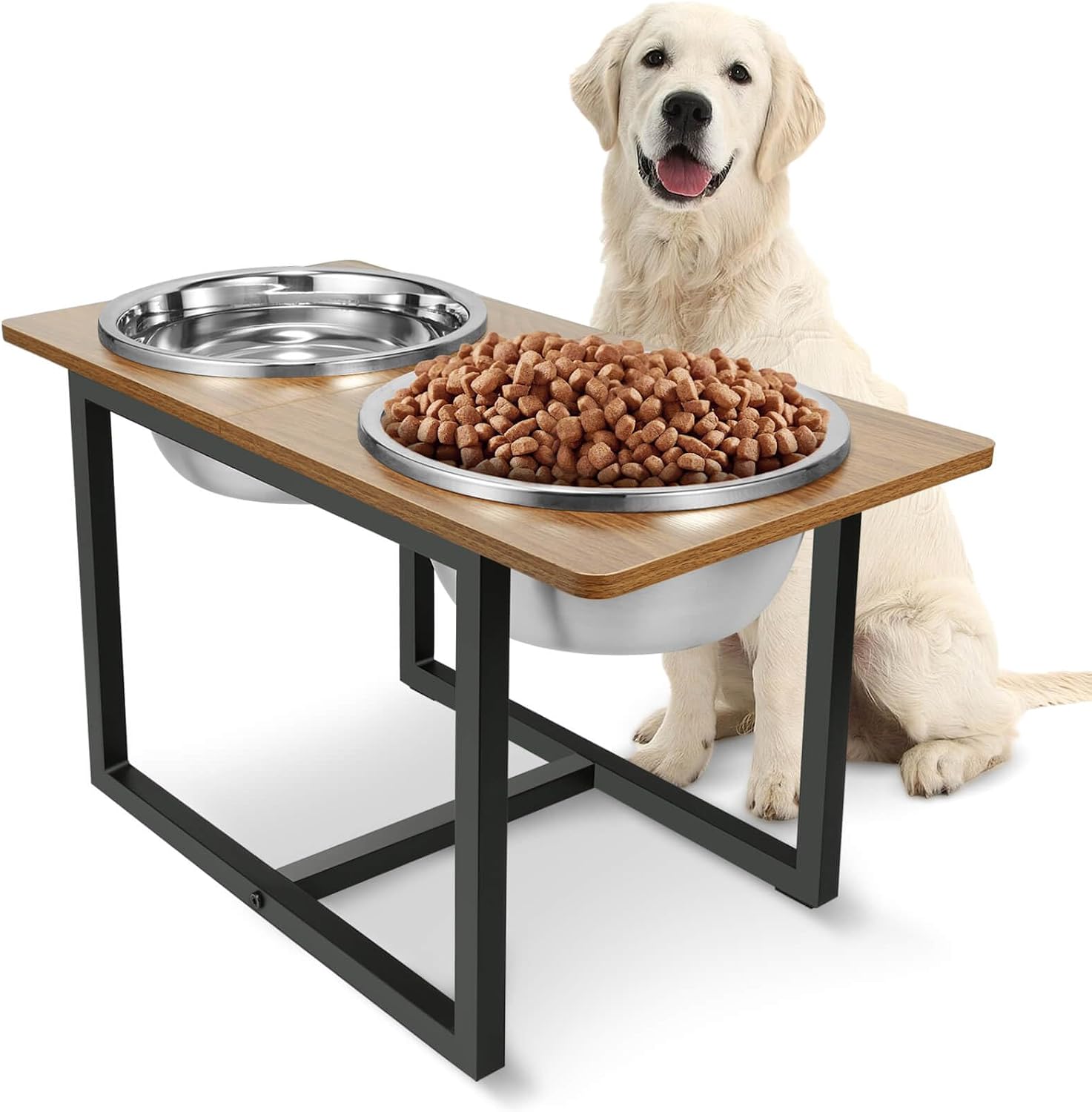 Spacnom Elevated Dog Bowls, Raised Dog Bowls Stand for Large Dogs | Check current Amazon price | Fixes feeding height, which is the one thing a bowl alone cannot do for a big or senior dog | Adds a frame to wipe down, and the insert material is worth confirming before you buy |
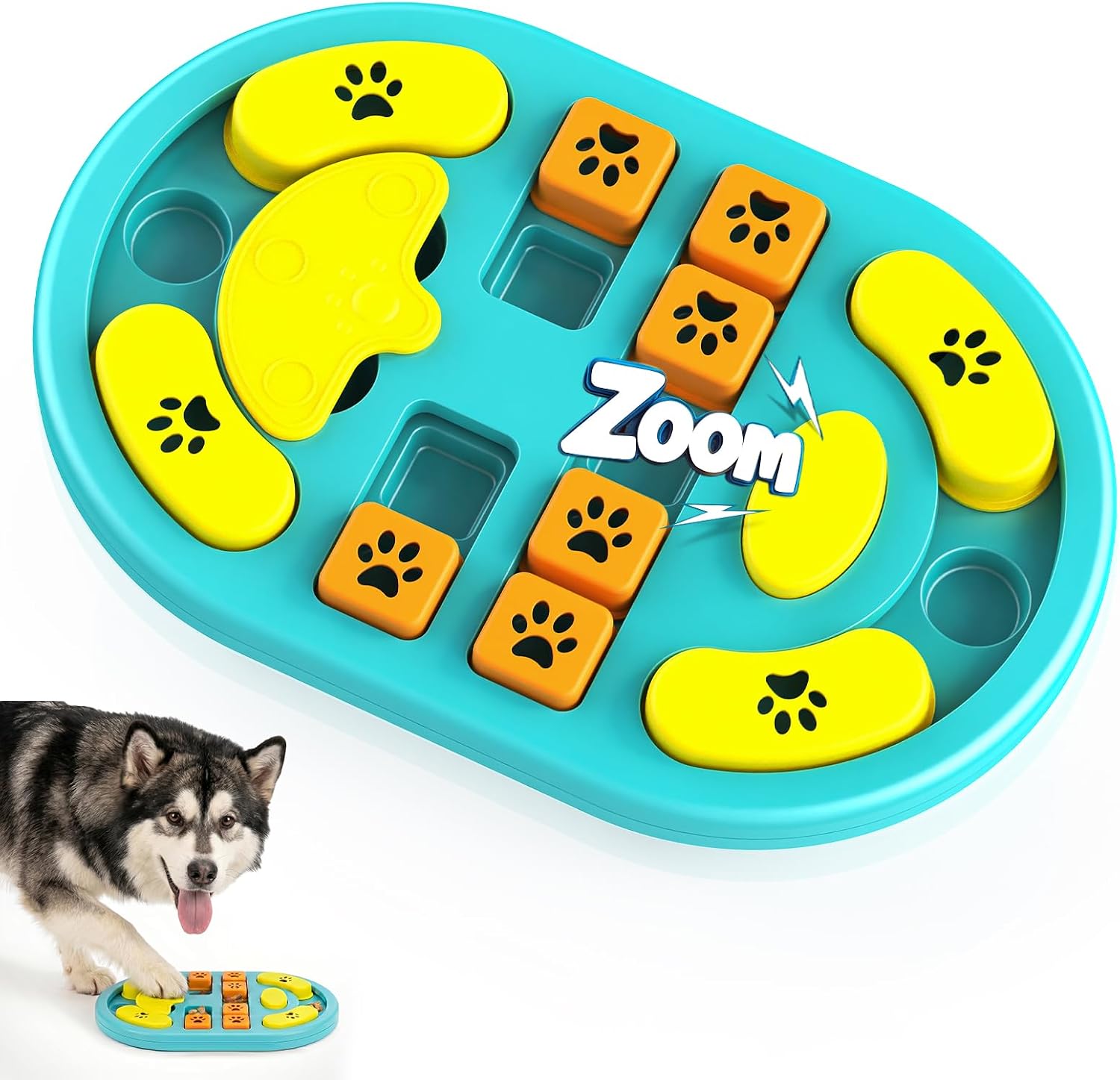 TRIGRAND Dog Puzzle Toy, Interactive Enrichment Treat Food Puzzles, Blue | Check current Amazon price | The cheapest way to slow a fast eater, and molded plastic is genuinely the right material for the job | It is enrichment, not a food or water vessel, so it cannot replace a bowl |
How plastic food bin vs metal food bin changes what you should buy
When I compare feeding gear, I look at five things in order: material, bowl capacity, feeding height, how it cleans, and whether it stays where you put it. The plastic food bin vs metal food bin question touches the first and fourth of those, and it is the reason two feeders that look identical on a product page behave completely differently after six months of daily use.
Material matters most where food sits against it. Plastics used in pet products are generally food safe when new, but they are soft. A dog that shoves a bowl across tile, or a dishwasher that runs hot, gradually opens up fine scratches. Those scratches trap oils, and trapped oils are the origin of the "plastic smells" complaint. That is a cleaning problem more than a safety problem, and it is why hand washing plastic in warm water beats a heavy dishwasher cycle.
Stainless steel, specifically 304 grade, is harder and non porous. It does not hold onto fat, it does not take on the smell of kibble, and it does not stain from wet food. Its weaknesses are mechanical rather than chemical: it dents when dropped, it is loud on hard floors, and it gets hot in direct sun. A rubber ring or a non slip base solves the noise and the sliding in one move.
Feeding height is the other half of the decision, and it is independent of material. A bowl on the floor is fine for a beagle and rough on a Great Dane with stiff joints. A raised stand fixes that, and the stand usually outlives every bowl that passes through it.
Plastic feeding gear: light, cheap, and honest about it
Search metal food bin vs plastic food bin and you will find absolutism on both sides, usually with a link to a study that measured something nobody owns. The honest version is narrower: plastic is the better material when the shape matters more than the surface.
You cannot stamp stainless steel into the compartments, sliding panels, and hidden wells that make a puzzle feeder work. The TRIGRAND Dog Puzzle Toy is a good example of plastic doing a job metal cannot: molded channels that hold kibble and force a dog to work for it. That is enrichment, not storage, and the material question barely applies because the food is in the toy for ten minutes rather than ten weeks.
Plastic also wins on weight and on price. A plastic vessel does not clang when a dog noses it across the kitchen at 5 a.m., and it does not dent when it falls off a counter. If you are feeding a foster dog you may not keep, or outfitting a second feeding station on a budget, plastic is not a compromise. It is the correct call for the duration of the job.
Where plastic loses is longevity. The same softness that lets it be molded lets it scratch, and a scratched surface holds odor even when it looks clean. Plan on replacing plastic feeding gear more often than metal, and treat that as a running cost rather than a defect.
Stainless steel: the material that stops holding smells
The real difference between plastic food bin and metal food bin shows up around month eighteen. The plastic item has a faint smell you cannot wash out. The metal item looks and smells the same as the day it arrived, minus a dent or two.
That is the whole case for stainless, and it is a strong one for anything that holds food or water all day. The IBJWHZL Food Grade 304 Stainless Steel Dog Bowls Set of 2, 8 Cup (64oz) is the capacity play here. At 8 cups per bowl, one bowl covers a large dog's daily water capacity with room to spare, and the second handles meals, so you are not swapping a single bowl between jobs twice a day.
The PEGGY11 Deep Stainless Steel Dog Bowls, 3 US Cup Each, 2-Pack takes the opposite approach. Three cups per bowl is a portion, not a reservoir, and the deep profile keeps a sloppy drinker from painting the floor. For a medium dog or a cat in a multi-pet house, that geometry is more useful than raw capacity.
Both are the same material, and both are the reason I keep recommending metal for the vessels themselves. Stainless steel does not need to be seasoned, sealed, or replaced on a schedule. It needs to be washed.
The puzzle feeder exception: where plastic is the right call
I will defend plastic in exactly one role, and I will defend it hard: enrichment. A puzzle feeder is a shape problem, and plastic solves shape problems better than metal at a fraction of the weight and cost.
The trade-off is that a plastic puzzle toy lives a harder life than a bowl. It gets chewed, flipped, and left in the yard. It also gets washed less often, which is the wrong habit, because the crevices that make it interesting also collect residue. Rinse it after every use and it will outlast the dog's interest in it.
The other plastic-adjacent purchase in this category is the elevated stand. The Spacnom Elevated Dog Bowls, Raised Dog Bowls Stand for Large Dogs is built around feeding height, and a frame is a much better solution for a big or senior dog than stacking books under a bowl. Before buying, confirm what the inserts are made of. If they are stainless, you get the height benefit without the odor trade-off. If they are plastic, you get the height and you replace the inserts eventually.
That is the pattern worth remembering: plastic for the frame and the puzzle, metal for the surface the food touches.
Dishwasher safe is non-negotiable
A feeder that cannot go in the dishwasher will be washed less often, and a bowl washed less often is the actual hygiene problem in most homes. This is not a material argument. It is a habit argument.
Stainless steel bowls are generally dishwasher safe and come out of a hot cycle looking new. Plastic is better hand washed in warm water, because repeated high heat accelerates the scratching that causes odor retention. If your household runs the dishwasher nightly, that alone tilts the decision toward metal.
Two related features are worth checking in any listing. A non slip base or silicone ring keeps a metal bowl from skating across tile, which is the main complaint about lightweight steel. And if you are buying a storage container rather than a bowl, an airtight seal matters more than the bin material, because kibble goes stale from air and light long before it goes stale from the walls around it.
One thing that is not part of this decision: a filter cartridge. That belongs to a circulating water fountain, which is a different appliance with a pump to clean and a cartridge to replace. Bowls and bins do not have one, and a listing that leads with filtration is selling you something else.
What the capacity numbers say
Capacity is the spec that decides whether a feeder works, and it is the one most buyers skim. Do the arithmetic before you order.
Eight cups is 64 ounces. For a large dog, that is roughly a full day of drinking water in one vessel, which means one refill per day instead of four. Three cups is 24 ounces, which suits a medium dog's meal and a small dog's water, but not a Labrador's afternoon.
Feeding height interacts with capacity in a way that is easy to miss. A deep bowl holds more without a wider footprint, which is why the PEGGY11 pair works in a cramped kitchen where a wide 8 cup bowl would not fit. A raised stand changes the angle of the neck and the speed of the swallow, which matters more for a senior dog than an extra cup of volume.
Slow feed ridges belong to the same family of solutions as a puzzle feeder: both stretch a meal from ninety seconds to ten minutes. If your dog eats so fast that it comes back up, address speed before you address capacity. The TRIGRAND puzzle toy does that job with compartments instead of ridges, and it does it for less than the price of a second bowl.
Should you buy one bowl or a set first?
Buy a set. Every time. A single bowl means you are either hand washing it between meals or running two jobs through one vessel, and neither habit survives a busy week.
A two-bowl set also lets you split food and water without buying twice, which is what the IBJWHZL 8 cup pair is designed for. If your dog is medium sized, the PEGGY11 pair gives you the same flexibility at a portion size that will not go stale in the bowl.
Whichever way you lean, plastic food bin or metal food bin, the vessel only works if it fits the dog in front of you. Match capacity to the animal, match height to its joints, and match material to how often you are realistically going to wash the thing. Everything else is marketing.
What I'm watching next
Two things are worth tracking this year. First, raised feeders with stainless inserts, which solve the height problem without adding a plastic surface that ages badly. Second, slow feeders that are genuinely dishwasher safe, because the current generation mostly is not, and that undercuts the whole point of buying one.
I am also watching how listings describe material. "Food grade" and "304 stainless" are useful signals. "BPA free" on a plastic feeder tells you almost nothing about how it will smell in a year. Read for the material, not the reassurance.
If you take one thing from this comparison, take the split: metal for the surfaces that hold food and water, plastic for the shapes that make a dog work for it. That combination covers storage, feeding height, and enrichment without buying anything twice.