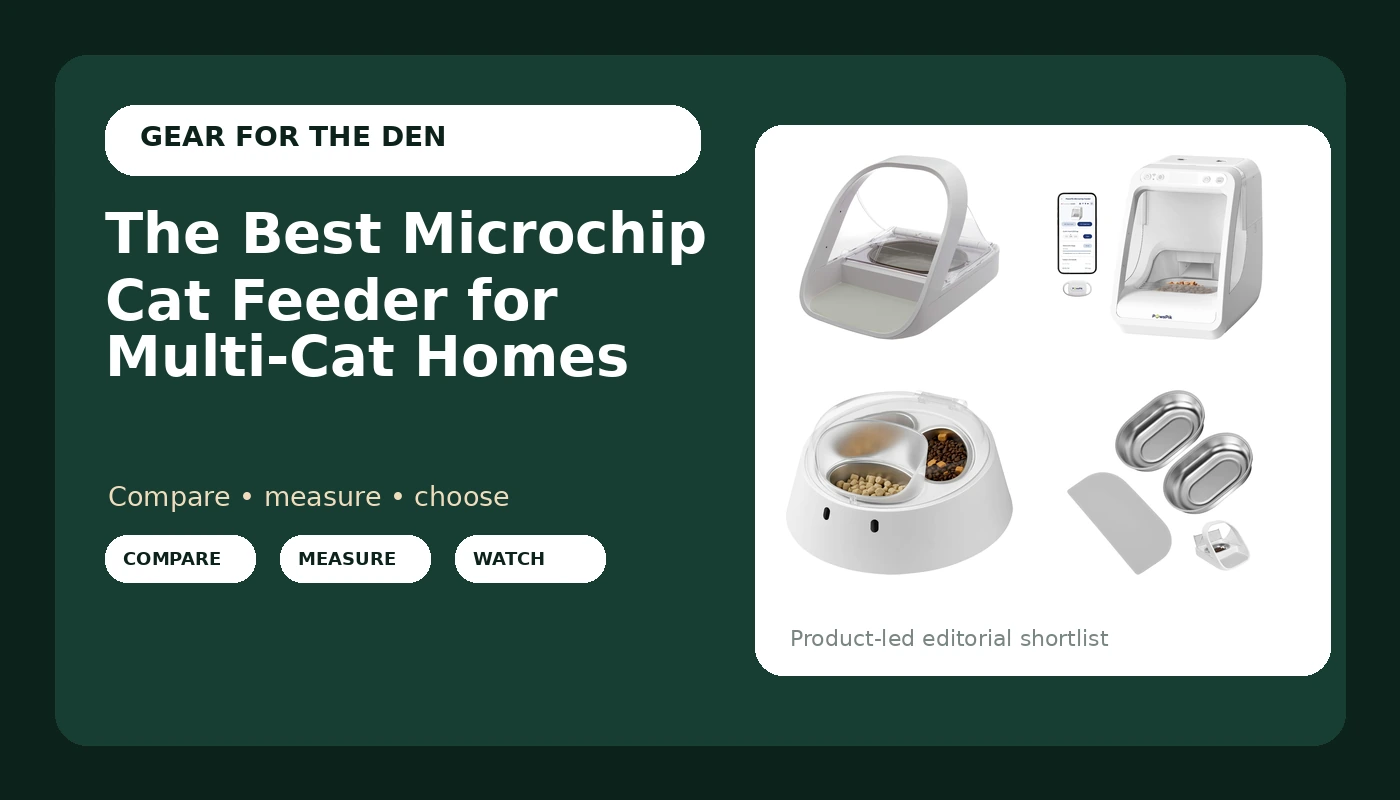
Two cats, one bowl, and a nightly standoff over who eats first: that is the problem a microchip cat feeder exists to solve. A selective feeder reads the microchip your cat already carries or an RFID tag on the collar, then opens only for the cat it recognizes, so a prescription diet stays with the cat who needs it and the household food thief finds nothing but a closed lid. This guide covers three selective feeders and three stainless steel bowl sets built to fit them, and it compares the details that change daily life: bowl width, whisker clearance, microchip range, portion size, and the elevation angle of the feeding position.
There is no single best microchip cat feeder for every home. A two-cat apartment, a six-cat rescue household, and a senior cat on medication all pull the decision in different directions, so the sections below explain which model suits which setup instead of pretending one unit wins everywhere.
Quick answer
The Sure Petcare -SureFlap – SureFeed – Microchip Pet Feeder is the strongest fit for a household where one cat needs protected access to a single bowl, because it is the established selective design in this group and the listing describes it as suitable for both wet and dry food. Choose the PawsPik Automatic Microchip RFID Cat Feeder, 16-Cup, White instead when you feed dry food in bulk and want a larger hopper capacity in a white finish.
Microchip cat feeder features worth comparing
Top pick
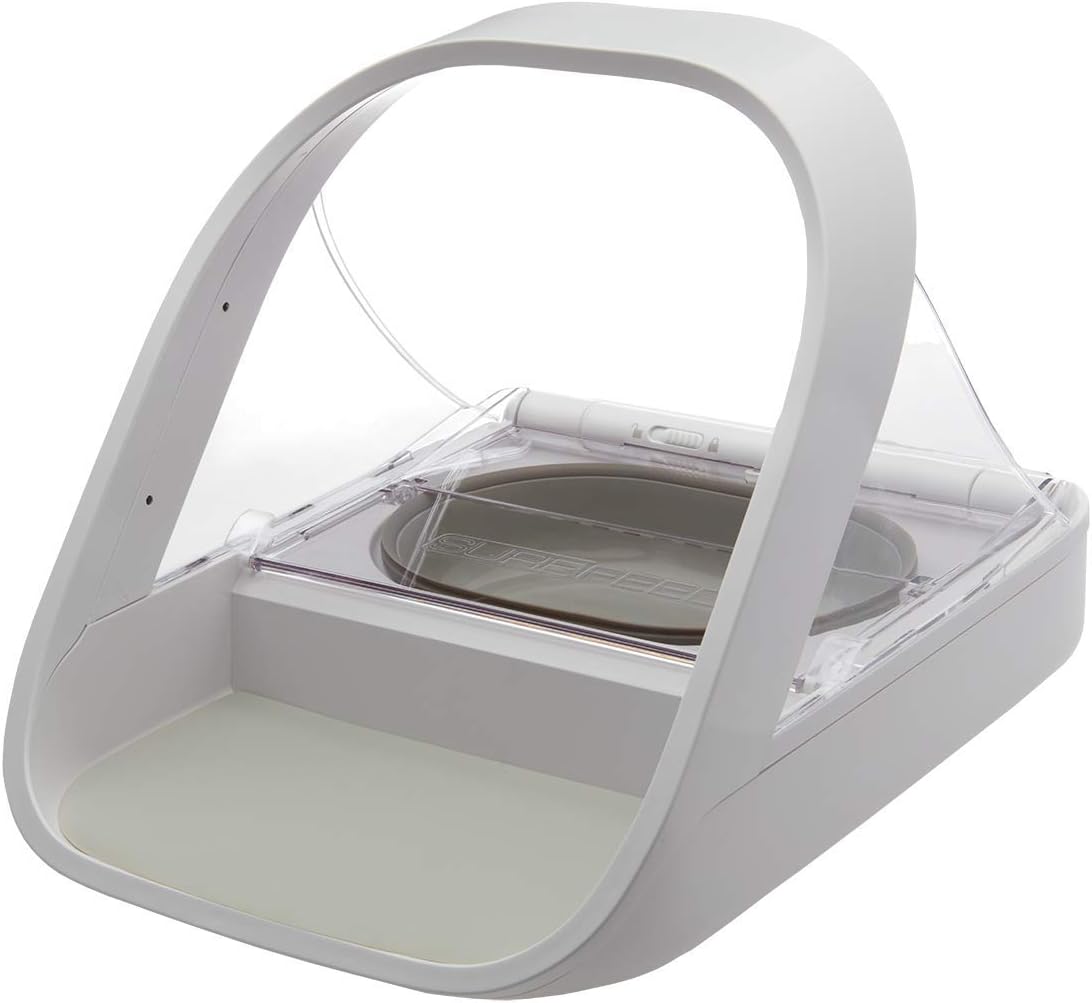
Sure Petcare -SureFlap – SureFeed – Microchip Pet Feeder – Selective-Automatic Pet Feeder Makes Meal Times Stress-Free, Suitable for Both Wet and Dry Food – MPF001
A selective automatic feeder that opens for the recognized microchip or tag and stays closed for other cats, described in the listing as suitable for both wet and dry food.
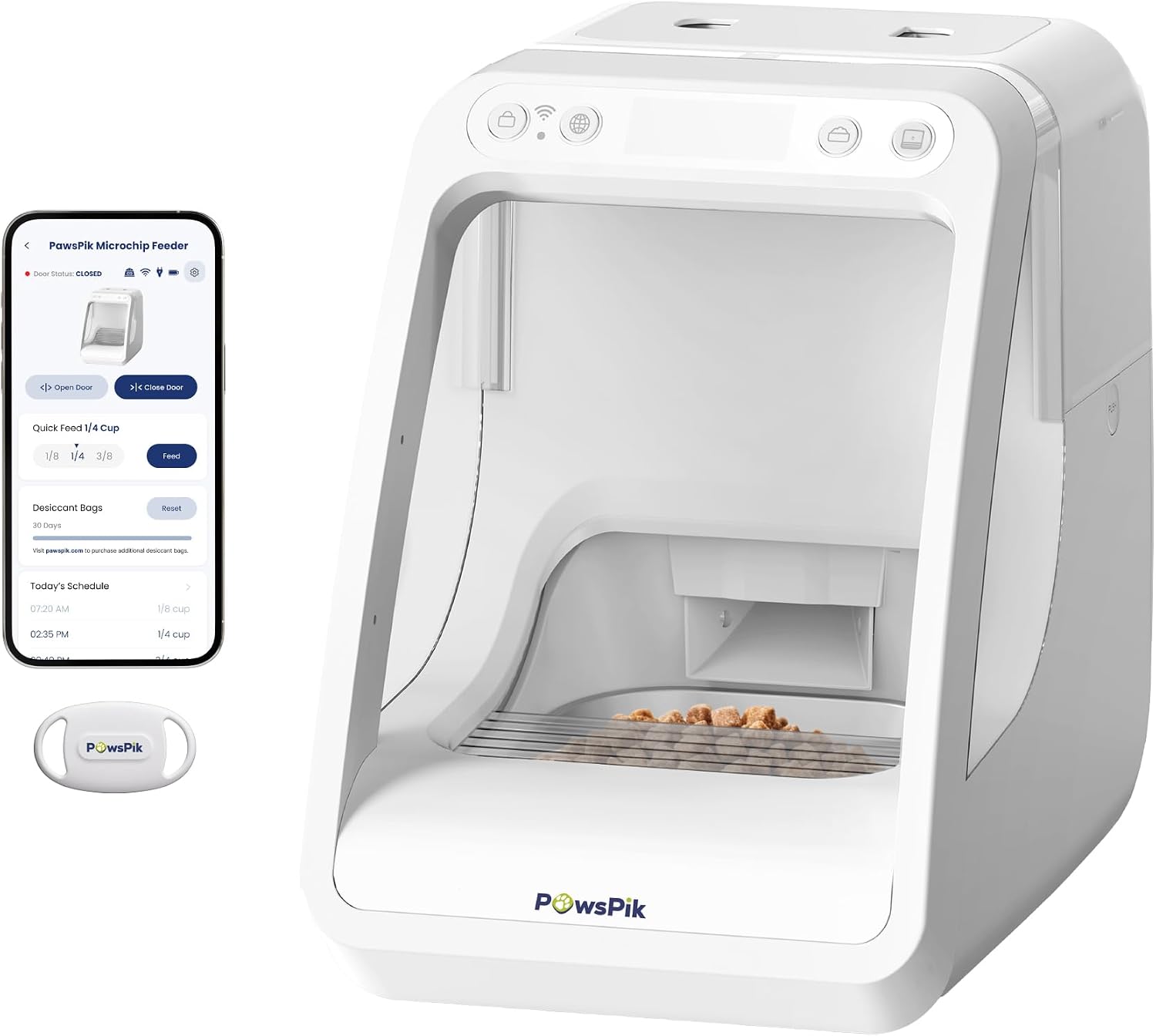
PawsPik Automatic Microchip RFID Cat Feeder, 16-Cup, White
An automatic RFID microchip feeder with a 16-cup dry food capacity in a white finish, aimed at homes that want a larger hopper behind selective access.
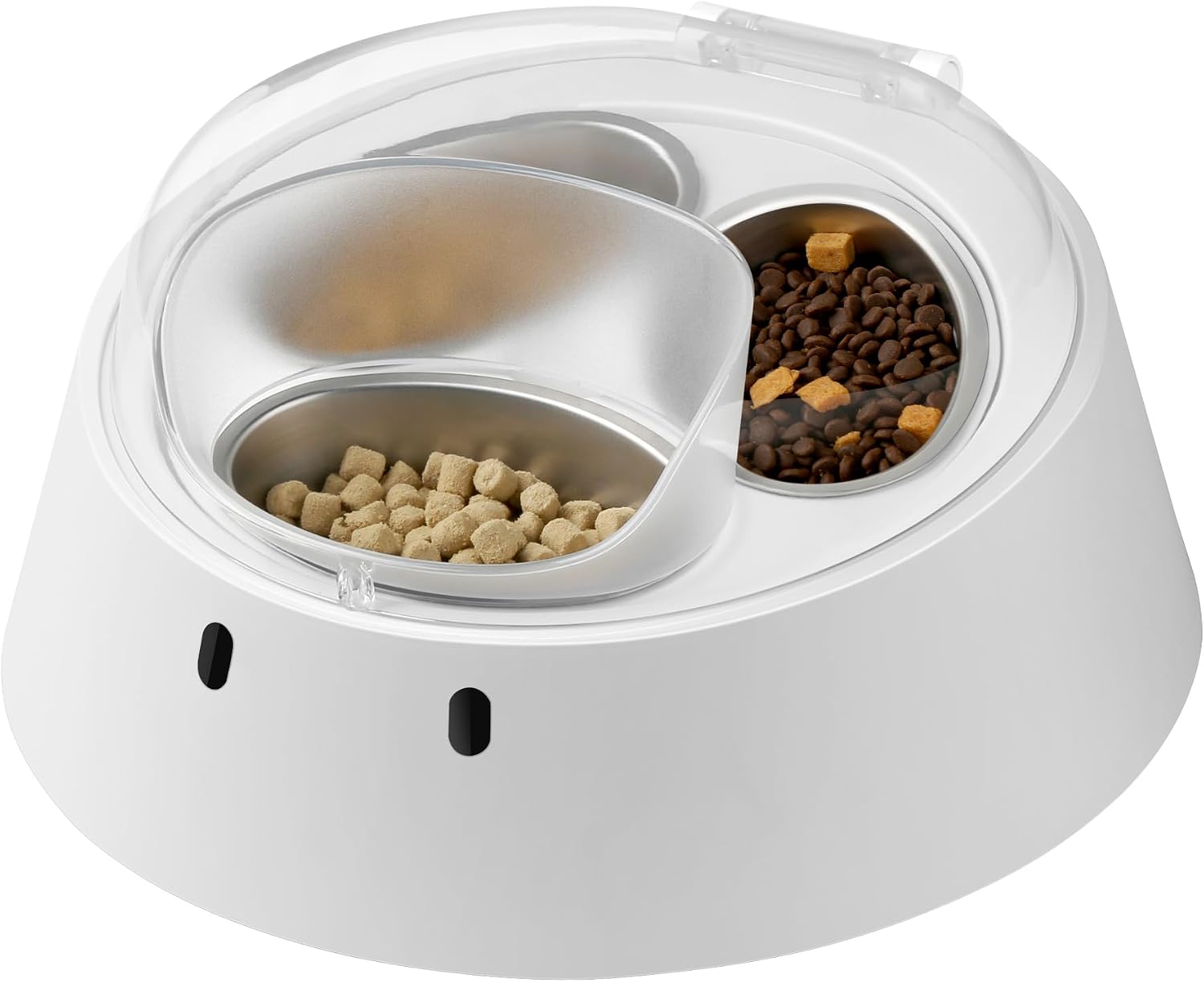
Adolug RFID Microchip Cat Feeder, 1 Tag Opens 2 Hidden Bowls, Anti-Theft
An RFID microchip feeder with an anti-theft design in which one tag opens two hidden bowls, a layout that suits separating two cats' meals inside a single footprint.
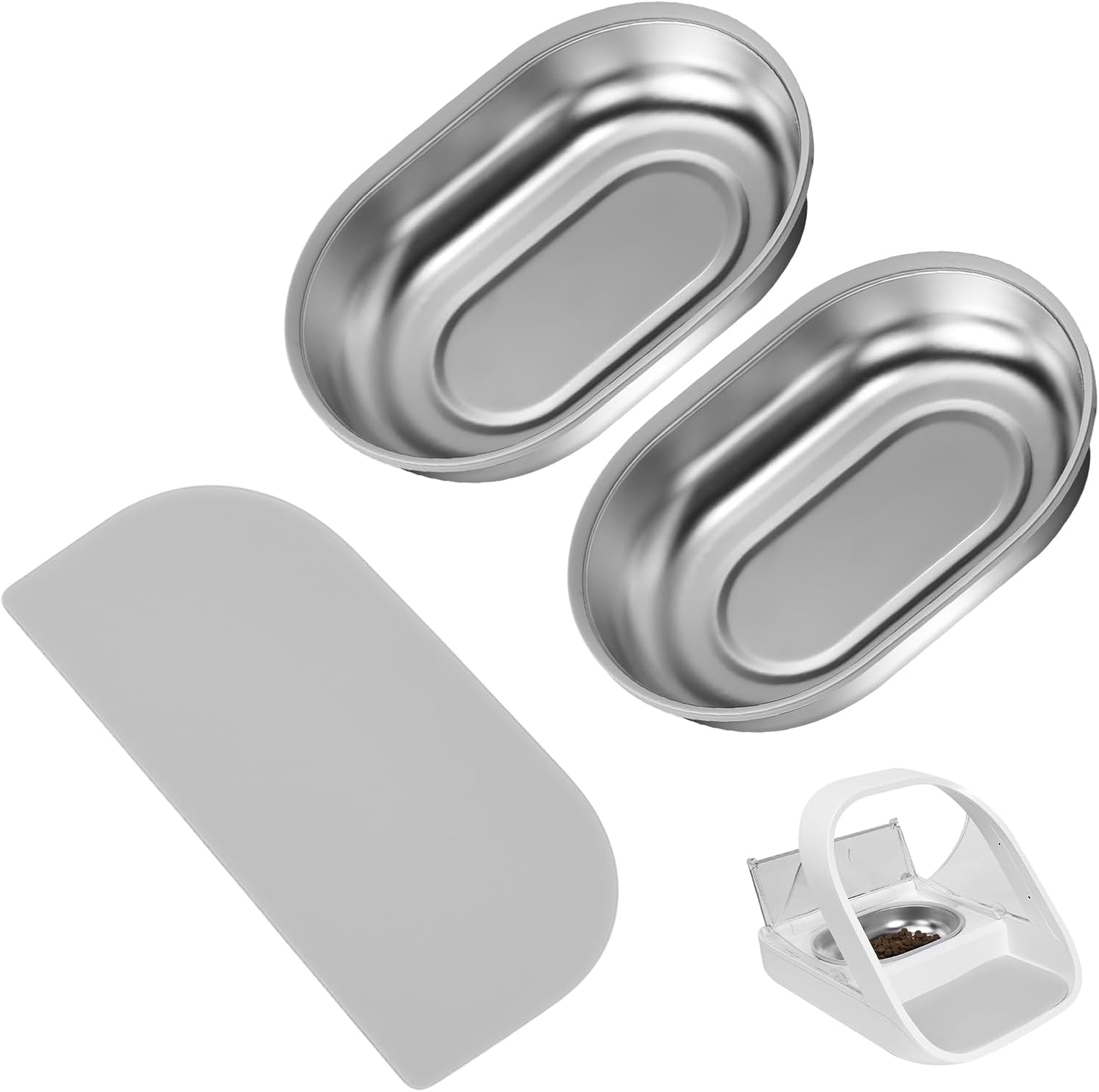
Stainless Steel Bowl for Automatic Microchip Cat Pet Feeder,2 Bowls & 1 Mat Set
Two stainless steel bowls plus a mat sized for automatic microchip cat and pet feeders, offered as a spare or replacement set for the food contact surfaces.
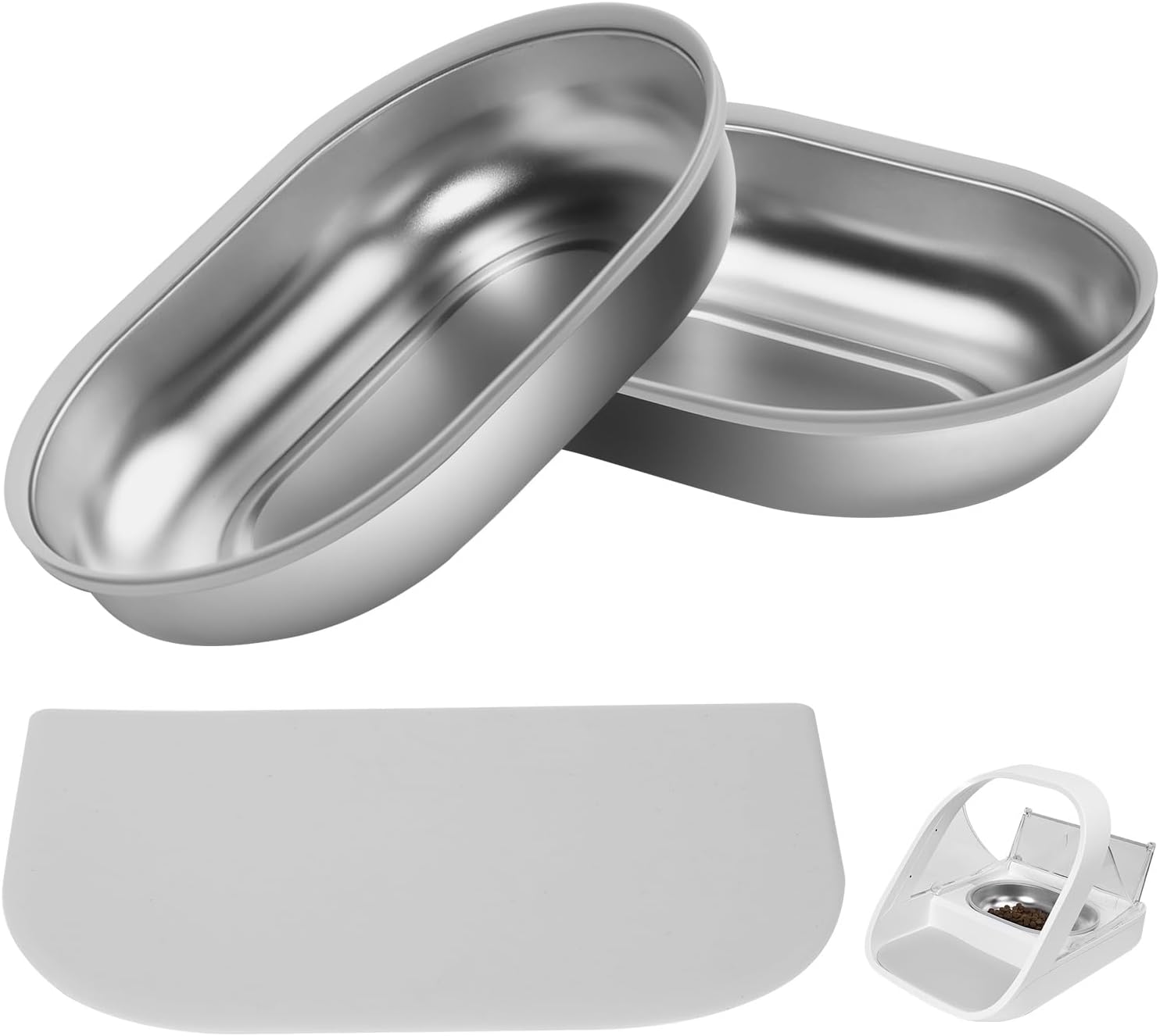
Stainless Steel Bowl for Automatic Microchip Cat Pet Feeder, Design for Keeping Food Fresh and Reducing Odor, 2 Pcs+1 Grey Mat
Two stainless steel bowls with a grey mat, described as designed to keep food fresh and reduce odor in automatic microchip cat and pet feeders.
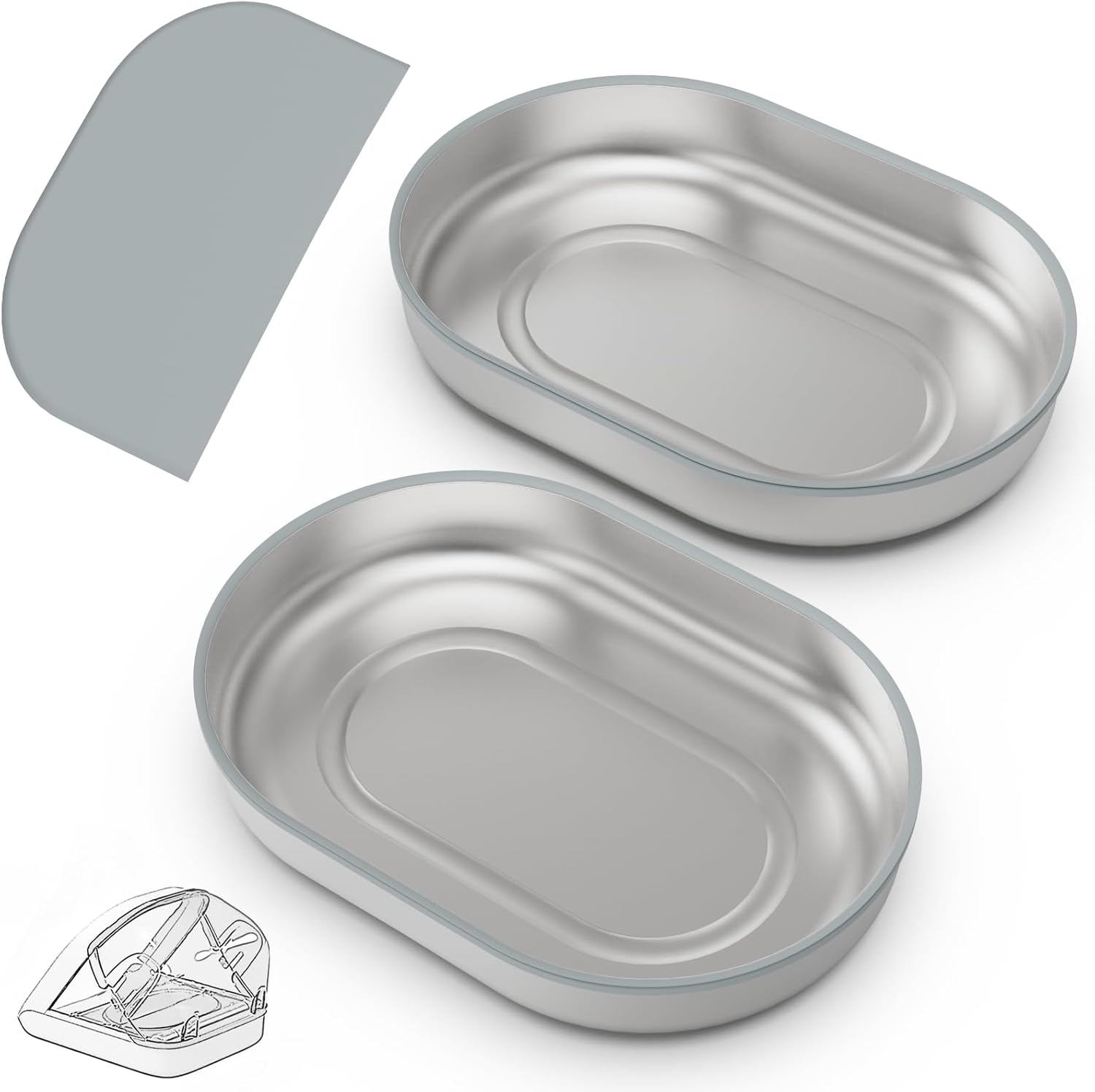
Stainless Steel Bowl for Automatic Microchip Cat Pet Feeder, Sealing Ring Design for Keeping Food Fresh and Reducing Odor, SUS 304, Easy to Clean, 2 Bowl & 1 Mat Set
A SUS 304 stainless steel bowl set with a sealing ring design described as keeping food fresh and reducing odor, sold as two bowls and a mat and listed as easy to clean.
How these products were compared
This guide compares five things: how each feeder decides which cat gets access, what kind of food and bowl each unit is built around, how much food it holds and how portion size is managed, how easy the food contact parts are to clean, and how the feeding position suits the cat. Product names, images, and retailer links are matched by product identifier so that every card points to the product shown. Nothing here is presented as a hands-on test of a specific unit in our own home; the comparison sticks to what the listings describe. The three bowl sets are treated as accessories, because they are sold for automatic microchip cat and pet feeders rather than as standalone feeding stations. Use the link on any card to confirm current price and availability.
How to choose the right microchip cat feeder
Start with the number of cats that need protected access, because that decides how much hardware you need. One cat on a prescription diet plus one relaxed grazer can share a single selective unit only if the grazer eats somewhere else. Two cats that both need protection need two units, and the Adolug design, where one tag opens two hidden bowls, is the exception worth checking if you want a single footprint to serve two cats. From there, confirm the access method matches what your cat carries. An implanted microchip and a collar tag are not the same thing, and the microchip range a feeder can read varies by model, so check that the exact unit is described as compatible with your cat's chip or tag before you buy.
Bowl width and whisker clearance matter more than most buyers expect. A deep, narrow bowl forces a cat's whiskers to press against the sides at every bite, and cats with sensitive whiskers will eat less or start pawing food onto the floor. A shallower, wider bowl that still fits inside the feeder opening is usually the better shape, particularly for flat-faced cats. If the feeder uses a fitted insert, buy replacement bowls made for that model rather than a generic dish, because the bowl has to sit low enough for the lid to close.
Portion size and hopper capacity come next. A 16-cup hopper, like the one in the PawsPik listing, is a dry food convenience: it cuts down how often you refill, but it does nothing for wet food, which still has to be served and removed fresh. If your cat eats wet food twice a day, a single covered bowl with a removable insert is the more practical shape, and the stainless steel sets here are the parts that actually touch the food. A big hopper is not the same as control over portion size, so decide which of the two you really need.
Think about the elevation angle and the floor space the unit occupies. A feeder sitting on the floor puts the bowl at a low angle that is fine for most cats but awkward for a senior cat with stiff joints; raising the unit on a stable low platform changes the angle without changing the feeder. Measure the footprint before you order, because a covered selective feeder is wider than a plain dish and needs clearance at the front for the lid to open.
Water is a separate decision. None of these feeders supplies water, so if your cat drinks from a bowl that a housemate guards, the same selective access problem returns at the water station. A fountain solves it differently, and the specs that matter there are water capacity, pump noise, and filter type rather than bowl width. Our cat water fountain guide walks through those trade-offs. Keep in mind that the ideal microchip cat feeder for a home with a food-guarding cat is not the ideal microchip cat feeder for a home that simply wants a tidier schedule. There is no universally correct microchip cat feeder, only the one that matches your cats' number, diet, and bowl geometry.
Top pick: Sure Petcare SureFeed Microchip Pet Feeder
The Sure Petcare unit is the reference point in this category. The listing describes a selective automatic feeder that opens for the recognized microchip or tag and closes for every other cat, and it is described as suitable for both wet and dry food, which is the combination most multi-cat homes actually feed. Because it works with the microchip a cat already carries as well as a tag, it does not depend on a collar staying on a cat that has learned to wriggle out of one.
The trade-off is scope. It protects one bowl for one cat, so a three-cat household with three diets needs three units, and the covered design means the cat eats under a hood, which some cats accept immediately and others take a few days to stop treating as a trap. The stainless steel inserts are sold separately from the feeder, so if you want the food contact surface swapped out between meals, budget for a bowl set alongside the unit and confirm the set fits the model you order.
Alternatives to consider
The PawsPik Automatic Microchip RFID Cat Feeder, 16-Cup, White is better suited to a dry-food household that wants fewer refills, since the 16-cup capacity is the largest hopper in this group and the white body blends into a kitchen. The Adolug RFID Microchip Cat Feeder, 1 Tag Opens 2 Hidden Bowls, Anti-Theft is a stronger fit when two cats share a feeding corner and you would rather buy one unit than two, because a single tag opens two hidden bowls and the closed bowls keep a third cat out.
The three stainless steel sets cover the accessory side of the same decision. The Stainless Steel Bowl for Automatic Microchip Cat Pet Feeder,2 Bowls & 1 Mat Set is the straightforward spare pair with a mat. The Stainless Steel Bowl for Automatic Microchip Cat Pet Feeder, Design for Keeping Food Fresh and Reducing Odor, 2 Pcs+1 Grey Mat adds a grey mat and the same freshness and odor wording. The Stainless Steel Bowl for Automatic Microchip Cat Pet Feeder, Sealing Ring Design for Keeping Food Fresh and Reducing Odor, SUS 304, Easy to Clean, 2 Bowl & 1 Mat Set is the one to pick if you want SUS 304 stainless with a sealing ring and a listing that calls it easy to clean.
Day-to-day use and maintenance
Most of the daily work is bowl work. Stainless steel rinses clean and does not hold odors the way a scratched plastic dish can, so a quick rinse after each wet meal and a proper wash every few days keeps the food contact surface in good shape. If your set includes a sealing ring, check it when you wash, because a ring that is left crusted with food defeats the freshness and odor reduction it was designed for. The mat underneath catches drips and stray kibble and is the easiest part of the setup to shake out or wipe down.
Wipe the feeder's lid and the area around the opening with a damp cloth rather than soaking it, and keep food debris and grease off the surfaces where the lid meets the body so it can close cleanly. Collar tags should stay clean and sit where the reader can find them; a tag buried under a thick collar or pushed to the back of the neck is a common reason a feeder seems to ignore a cat.
When you introduce a covered feeder, run the first meals while you are home so you can see how your cat approaches it, and set the unit on a flat, stable surface where it cannot tip if a cat leans on the edge. Give a nervous cat a few days with the lid propped or the bowl left accessible before you expect normal eating, and keep a second water source and a separate bowl available during the transition.
Buying checklist
- Measure the footprint and the height of the feeding position, and check the elevation angle your cat can reach comfortably.
- Choose bowl width and whisker clearance around your cat's muzzle rather than the product photo.
- Decide between one protected bowl and a larger dry-food hopper based on normal use rather than an occasional edge case.
- Confirm that the exact model includes the tag or microchip compatibility your cat already has.
- Read the cleaning and maintenance instructions, especially for a sealing ring or a mat.
- Verify the current retailer price, availability, and return terms.
Final recommendation
Choose the Sure Petcare -SureFlap – SureFeed – Microchip Pet Feeder when one cat needs a protected bowl that handles wet and dry food, and when you are willing to add a bowl set for easier cleaning. Choose the PawsPik Automatic Microchip RFID Cat Feeder, 16-Cup, White when the household eats dry food and a large hopper saves you refills. Choose the Adolug RFID Microchip Cat Feeder, 1 Tag Opens 2 Hidden Bowls, Anti-Theft when two cats share one feeding spot. If you already own a feeder and only need fresh food contact surfaces, one of the stainless steel bowl and mat sets is the cheaper, simpler upgrade.