A cat's grooming routine has two halves, and the cat brush vs cat nail clipper question is really a question about which half you are neglecting. A brush works the coat. It lifts loose hair, spreads skin oils, and cuts down on the fur tumbleweeds that collect under the sofa. A nail clipper works the claws. It takes the sharp point off a growing nail so that kneading on your lap stops feeling like acupuncture. They are not rivals, and they are not substitutes. They are two tools with two jobs, and the honest answer to which one you need is usually both, just not on the same evening.
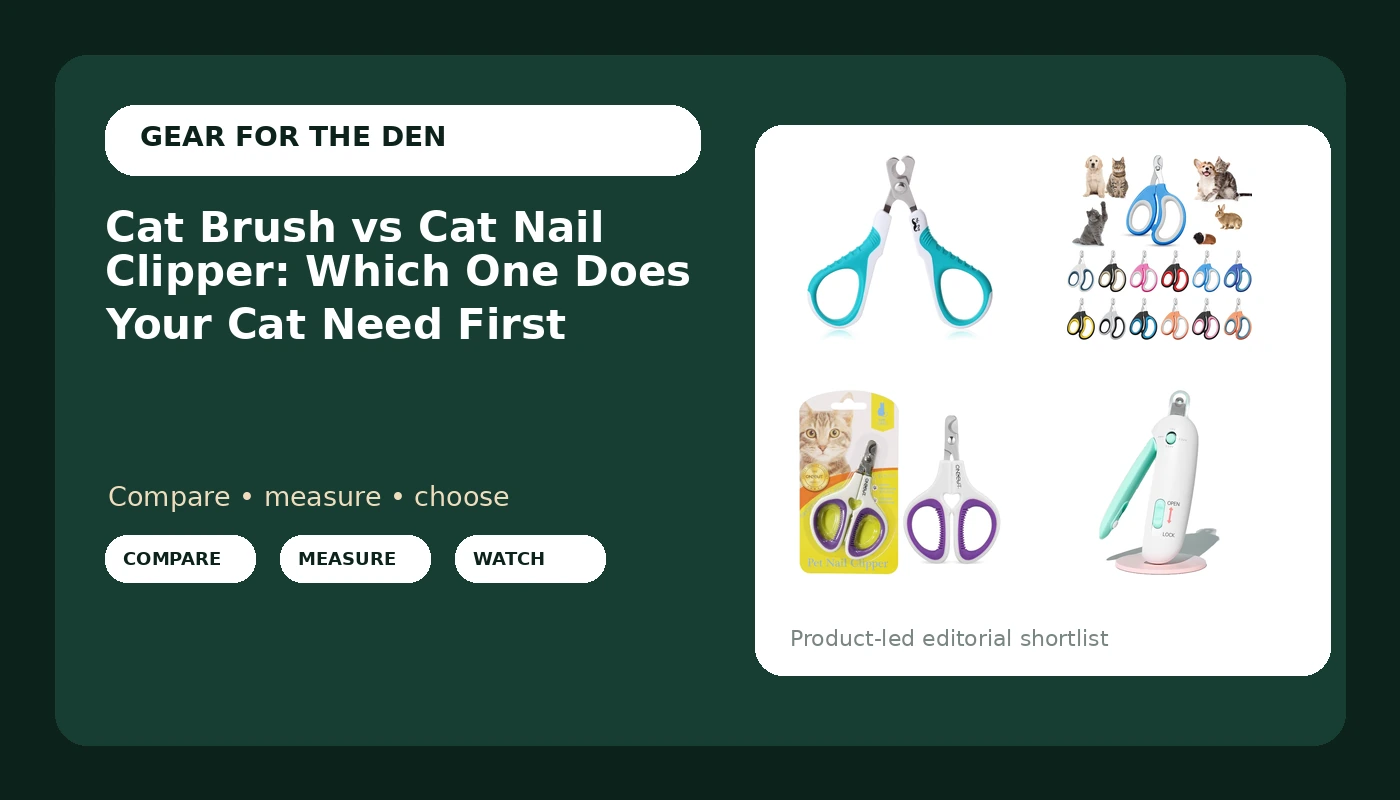
The best cat nail clipper for most households is the Mr. Pen stainless steel trimmer, because a plain scissor-style blade does the whole job and leaves nothing to break, jam, or lose. If you have several cats, several rooms, or a talent for losing small tools, the Therwen 24-piece bulk box changes that math.
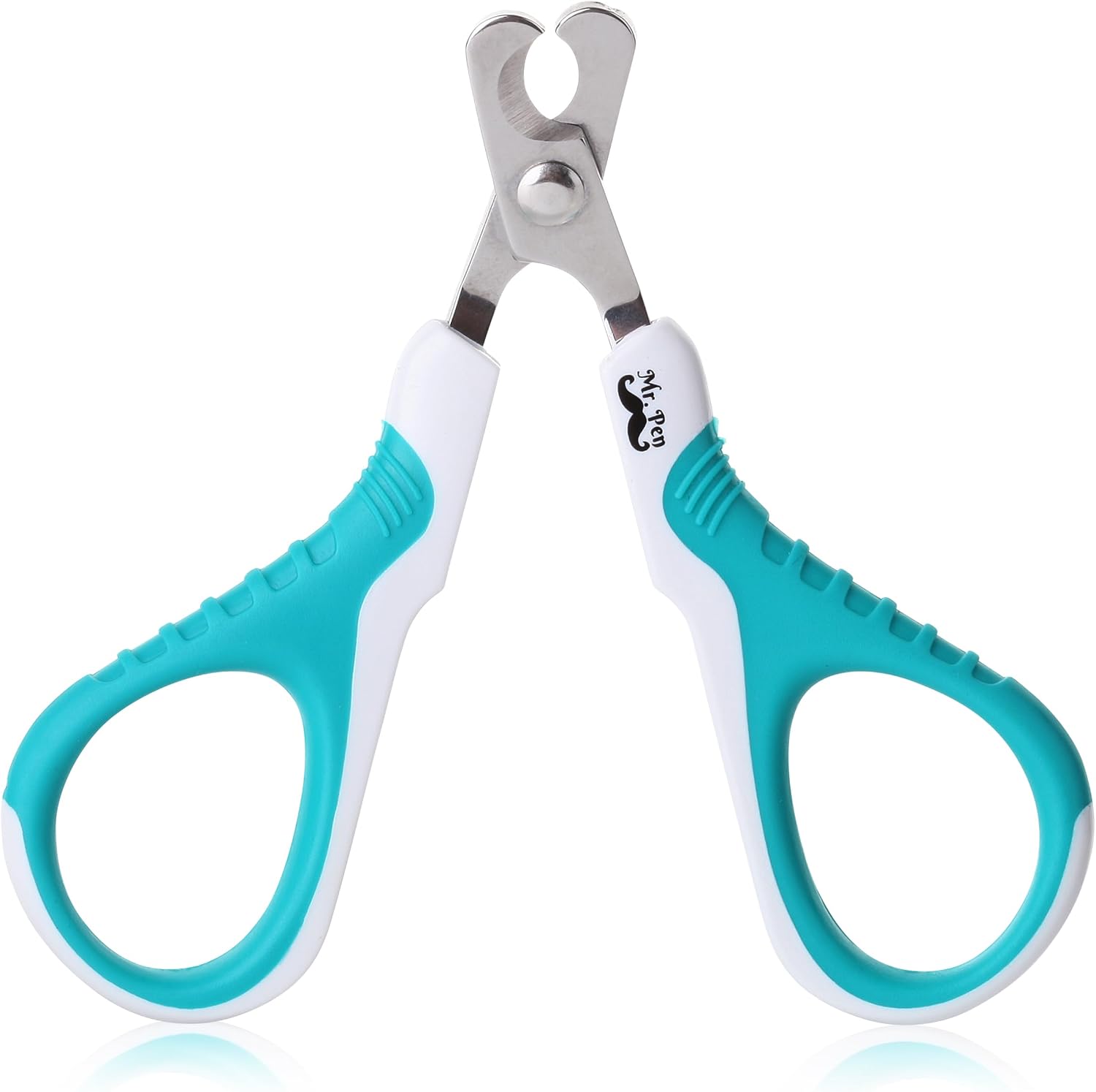
Mr. Pen- Cat Nail Clipper
Stainless steel blade in a plain scissor-style body, nothing to jam or lose
No file, no debris catcher, no second tool for the other hand
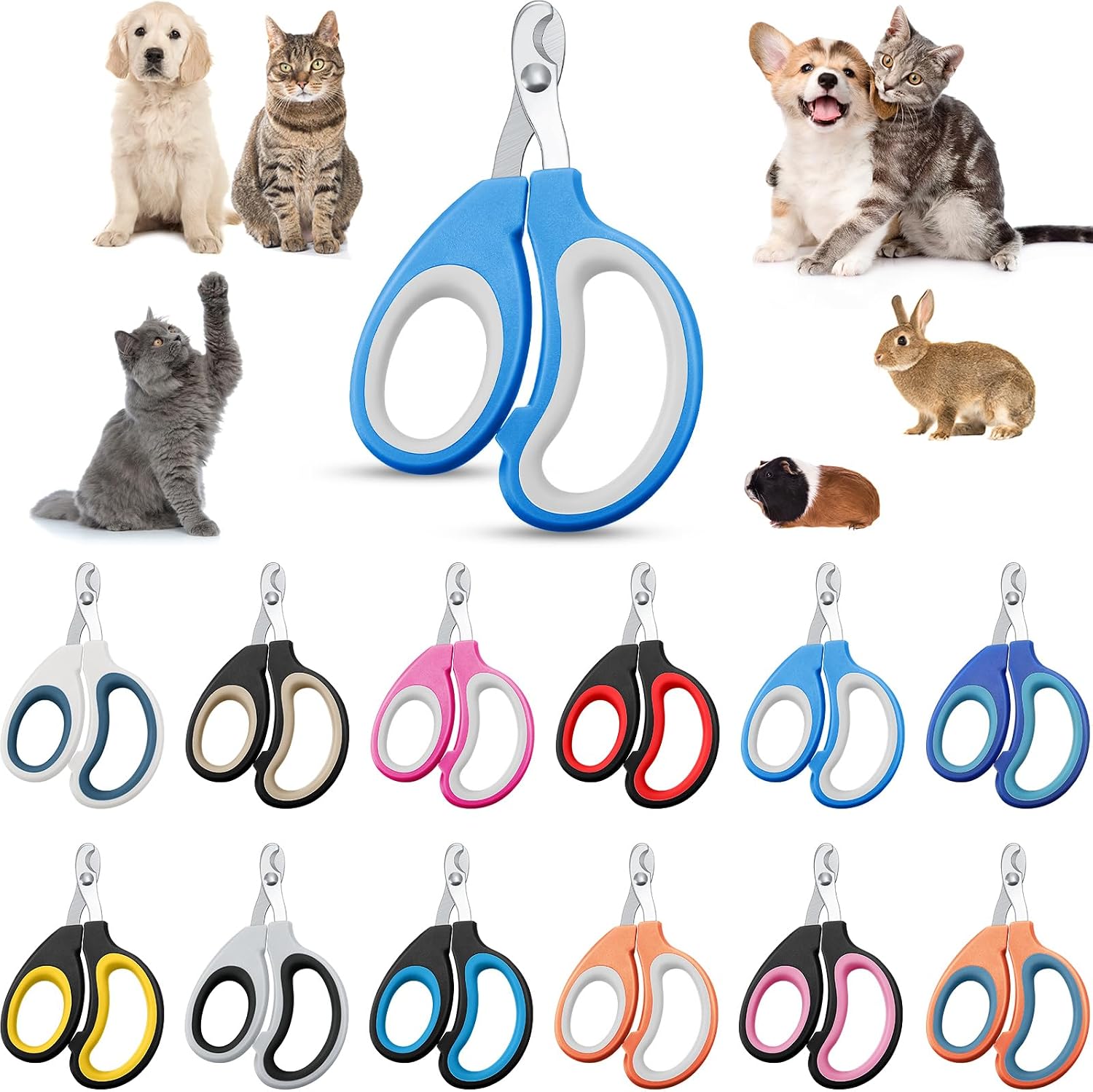
Therwen 24 Pcs Cat Nail Clipper Bulk
One clipper for every room, car, and cat, and the colors let you assign them
You pay for quantity rather than features, so no file and no debris storage
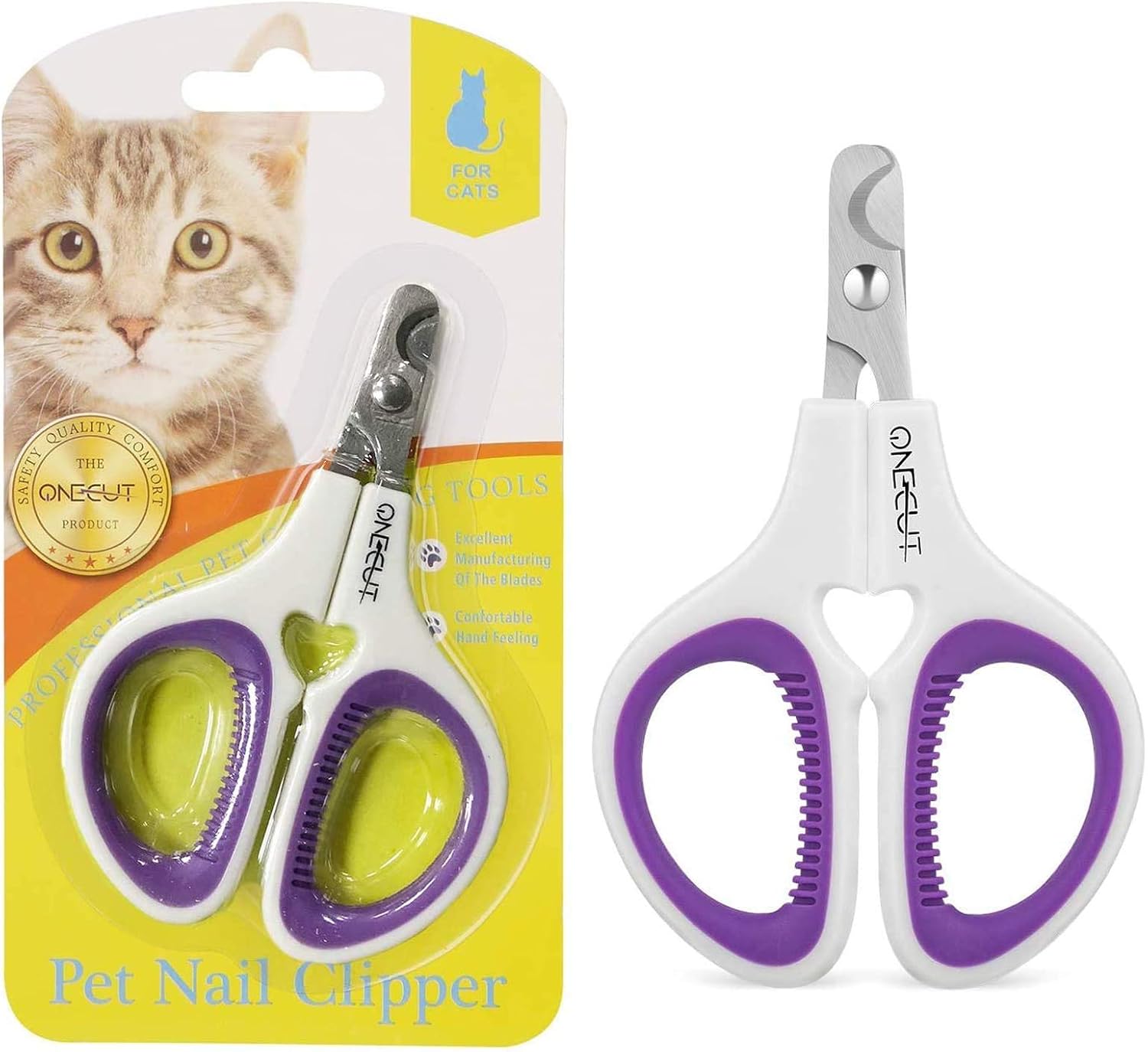
OneCut Pet Nail Clippers, Cat & Kitten Claw Nail Clipper
Small trimmer sized for kitten claws, easy to place accurately
Bare-bones tool with nothing else in the box
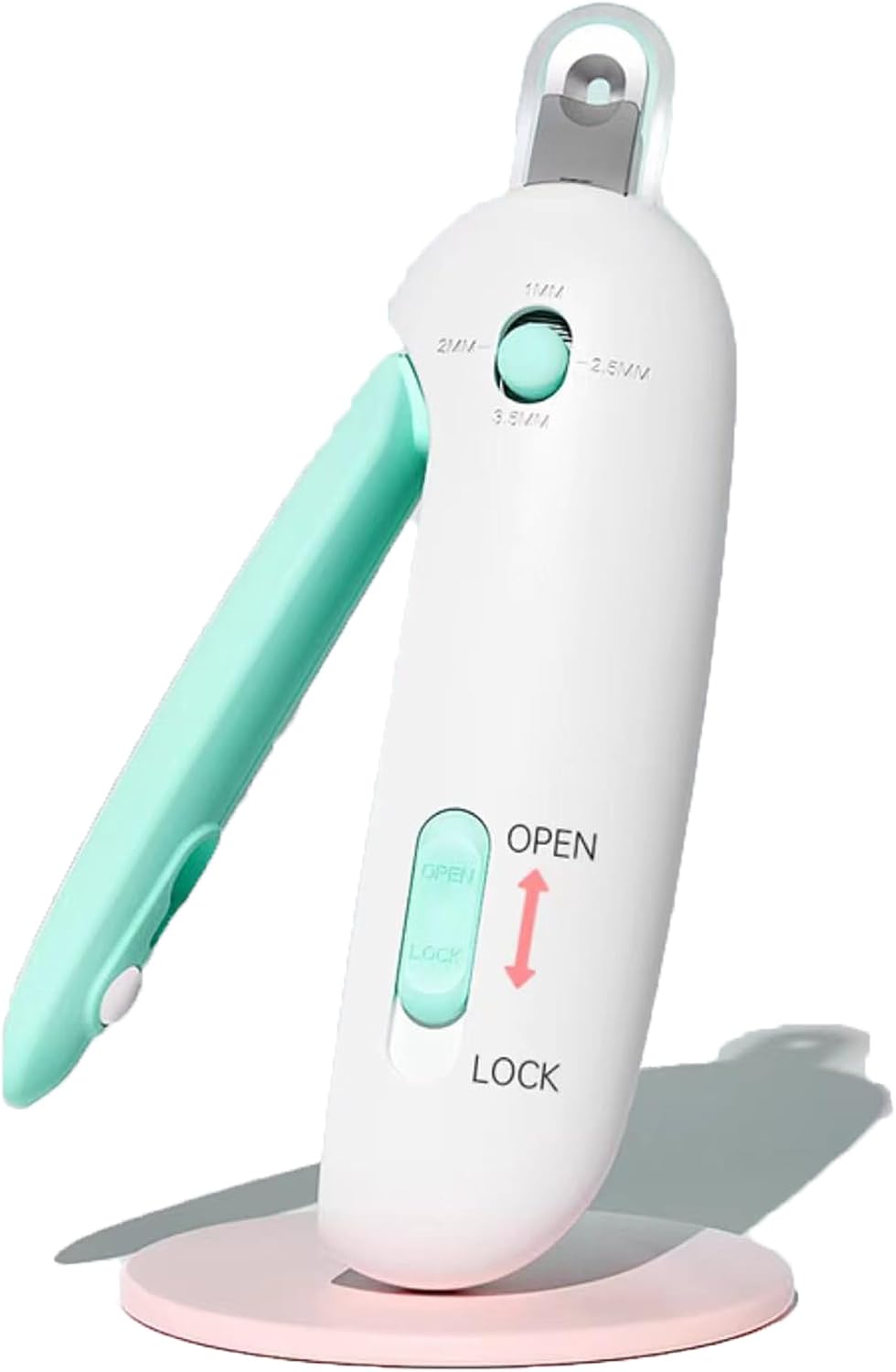
Paioxerty Cat Nail Clipper
Debris storage, adjustable sizing, and a hidden file handle the cleanup
More parts than the others, so more to rinse and keep track of
Prices and availability may change.
The real answer to cat brush vs cat nail clipper
The two tools solve problems that show up on completely different schedules. Claws grow continuously, and an indoor cat that never wears them down on pavement will generally need a trim every few weeks. Coat shedding follows the season and the cat. A short-haired cat may need a brush once a week, a long-haired cat may need one every other day, and a cat in the middle of a seasonal blowout may need daily attention for a fortnight.
That mismatch is why the question feels harder than it is. You cannot brush a claw, and you cannot trim a coat. If your cat is leaving hair on every dark surface in the house but has never scratched you, the brush is the urgent purchase. If the furniture is safe but your forearms look like a scratching post, the clipper wins. Most owners end up buying both inside the first year, and the four clippers below are the ones worth comparing once you get to the second purchase.
Cat nail clipper vs cat brush: what each tool actually does
A brush is a hair-management tool. Depending on the design, it removes loose fur, works through tangles, or pulls out the dead undercoat before it ends up on your couch. A clipper is a keratin-management tool. It shortens a hard, growing nail, and that is the entire scope of its job.
The difference between cat brush and cat nail clipper matters most when you are deciding what to spend real money on. A cheap brush with the wrong bristle type can scratch skin or glide over the coat without grabbing anything, so brush quality shows up immediately. A cheap clipper with a sharp blade and a working spring can be perfectly good for years, which is why three of the four tools here are simple designs rather than feature-heavy gadgets.
If you are standing in the pet aisle trying to decide whether to pick up a cat brush or cat nail clipper first, pick the clipper. Overgrown claws cause real damage to skin and upholstery, and a trim takes two minutes once your cat tolerates it. Shedding is annoying, but it is not an injury risk.
The brush side: bristle type, undercoat, and coat length
Even though this guide is built around clippers, the brush half of the routine deserves a short vocabulary lesson, because the words on the packaging mean specific things.
Bristle type is the first filter. Slicker brushes use fine wire pins to separate hair and lift debris. Pin brushes use longer, rounded pins and are gentler on sensitive skin. Bristle brushes, the kind with stiff natural or synthetic hairs, are best for polishing a short coat and for cats that hate metal. None of them are interchangeable.
Coat length decides which of those you need. A short, dense coat usually responds to a rubber curry or a soft bristle brush. A long coat needs a slicker plus a metal comb, and the comb spacing should be wide enough to pass through the fur without yanking. Cats with a heavy undercoat, the dense layer sitting under the topcoat, benefit from a deshedding edge, which is the toothed blade you see on undercoat rakes. Used gently, it pulls the loose woolly layer out before it mats. Used hard, it scrapes skin.
Two accessories round out the brush side. A grooming glove can work well for cats that will not tolerate a handled tool, and glove fit matters more than most people expect, since a loose glove means you are petting your cat with a bag on your hand. A roller adhesive lint roller is not a cat tool at all, but it is the fastest way to get the hair off your clothes after a session.
The four clippers, and who each one suits
Once you have settled the cat brush vs cat nail clipper split and decided the claw half is the one to fix this month, the only remaining question is which clipper shape fits your cat and your storage drawer.
Budget single-clipper picks: OneCut and Mr. Pen
The OneCut Pet Nail Clipper and the Mr. Pen Cat Nail Clipper sit at the same end of the market: one small tool, one blade, no accessories. The OneCut model is described as a cat and kitten trimmer, which is worth noting if you have a young cat with small, thin claws. Smaller blades are easier to place accurately on a tiny nail, and accuracy is the whole game when you are trying not to cut the quick.
The Mr. Pen trimmer leans on stainless steel construction and a sharp claw trimmer head. Stainless steel matters for a boring reason: it resists rust, and clippers live in bathrooms, grooming drawers, and occasionally on the floor next to a water bowl. A blade that stays clean and sharp cuts in one clean motion, which is easier on a nervous cat than a blade that crushes and requires a second squeeze.
The trade-off with both is the same. There is nothing in the box except the clipper. No file, no debris catcher, no second tool for the other hand. For a single cat and a steady hand, that is fine. The OneCut Pet Nail Clipper and the Mr. Pen Cat Nail Clipper are both one-tool purchases.
The bulk box: Therwen 24-piece
The Therwen set is a different product category in spirit. It is 24 moon-shaped clippers in multiple colors, sold as a bulk pack. If you have one cat, 24 clippers is absurd. If you have four cats, a two-story house, a car, a pet sitter, and a foster rotation, it stops being absurd and starts being convenient.
Bulk packs also solve the most common clipper problem, which is not blade quality but availability. The clipper is always in the other room, or at the bottom of a bag, or somewhere under the couch. A drawer full of identical tools removes that excuse entirely. The colors give you a simple system: one color per cat, or one color per room.
The trade-off is that you are buying quantity instead of refinement. There is no file, no debris storage, and no adjustable sizing here, just a lot of moon-shaped blades. Visit on Amazon if the multi-cat math works for you.
The feature-loaded option: Paioxerty
The Paioxerty Cat Nail Clipper is the one tool in this group that tries to solve the mess and the follow-up work at the same time. The product description lists clipping debris storage, adjustable sizes, a hidden nail file, and a round hole blade intended for injury-free grooming.
Clipping debris storage sounds like a gimmick until you have chased a crescent of nail across a bathroom tile. A small catch chamber keeps the trimmings contained, which matters if you have a cat or a dog that will eat anything off the floor. The hidden nail file is the second useful addition, because a freshly cut nail has a sharp edge, and a couple of passes with a file blunts it before your cat tests it on your leg. Adjustable sizing suggests the tool can accommodate different claw sizes, which helps in a mixed household with a kitten and an adult cat.
The cost of that extra capability is complexity. More parts means more places for hair and nail dust to collect, and a tool with a chamber and a file needs a rinse now and then. Visit on Amazon.
Nail guard, blade shape, and the details that matter
Two design features come up constantly in clipper listings, and it helps to know what they do before you pay for them.
A nail guard, sometimes called a safety stop, is a small physical block that limits how much of the nail can pass through the blade. It is a useful crutch while you learn where the quick sits. It is not a substitute for looking at the nail. None of the four tools here is described as having a guard, so if that feature matters to you, look for it specifically.
Blade shape matters more than most buyers expect. Scissor-style and plier-style blades are the common options, and the moon-shaped and round hole designs in this group are variations on the same idea: a curved cutting edge that wraps around a round nail. A curved blade seats better on a claw than a straight edge, which reduces the chance of a partial cut that leaves a splintered edge.
Then there is size. A clipper sized for a large dog is dangerous on a kitten claw, because you cannot see the tip of the nail past the blade. A clipper sized for a kitten is slow and awkward on a big tomcat. Match the tool to the paw, and if you are between sizes, smaller is the safer mistake.
What the design details tell you
Without a lab, the way to judge a clipper is to look at the parts that fail first: the spring, the pivot, and the blade edge. A spring that returns the handles fully after every squeeze is the difference between a two-minute trim and a wrestling match. A pivot that stays tight keeps the blades aligned, and aligned blades cut instead of crush. A blade that stays sharp is the reason stainless steel shows up in so many product descriptions.
The other reliable signal is simplicity. In this group, the two single-tool clippers have the fewest parts to fail, and the Paioxerty has the most features to maintain. Neither approach is wrong. It depends on whether you want a tool you never think about or a tool that handles the whole job, including the cleanup.
Should you buy a brush first?
If your cat has never had a claw trim and hates being held, a brush is the lower-stress starting point. Brushing builds handling tolerance. It is a slow, pleasant interaction that gets your cat used to being touched on the paws, and paw handling is the skill you actually need before a trim. Many owners use a few weeks of brushing to earn the trust that makes clipping possible.
The reverse order works too, but it is harder. If you start with the clipper, keep the first session to one nail, pair it with treats, and stop while your cat is still calm. A brush can be the reward afterward.
Either way, plan on owning both. The cat brush vs cat nail clipper comparison is not a fight to be won. It is a division of labor, and the clipper is usually the half that pays for itself first.
What to watch next
Grooming tool design moves slowly, but two things are worth tracking. First, debris-catching clippers like the Paioxerty are becoming more common, and if the chambers get easier to empty, they will likely become the default shape. Second, bulk packs keep undercutting single-tool pricing, which makes the one good clipper argument harder to defend for multi-cat homes. Both trends push in the same direction: more tools, less fuss, and fewer excuses for skipping the trim.