I have three cats and a hallway closet that looks like a pet store exploded inside it. Over the past several years I have bought, returned, and quietly rehomed more carriers, harnesses, and window perches than I want to admit, and most of that churn came from getting the cat harness vs cat backpack question wrong in my own head. I would buy a backpack because it looked tidy on a shelf, then discover that my oldest cat hated being zipped behind mesh. I would buy a harness because it seemed kinder, then discover that he had zero interest in walking anywhere. Neither purchase was wasted, exactly, but both taught me that the decision is not about which product is better built. It is about which one matches the cat you actually have, and about how much patience you are willing to spend before the first trip out the door. This is the comparison I wish I had read first.
The short answer for most people in 2026 is a harness first and a backpack second, because a harness lets the cat set the pace while a backpack mostly moves the cat from one place to another. Everything below is how I sort out the cat harness vs cat backpack question for my own house, and the table covers the indoor gear that keeps the home half of the arrangement calm.
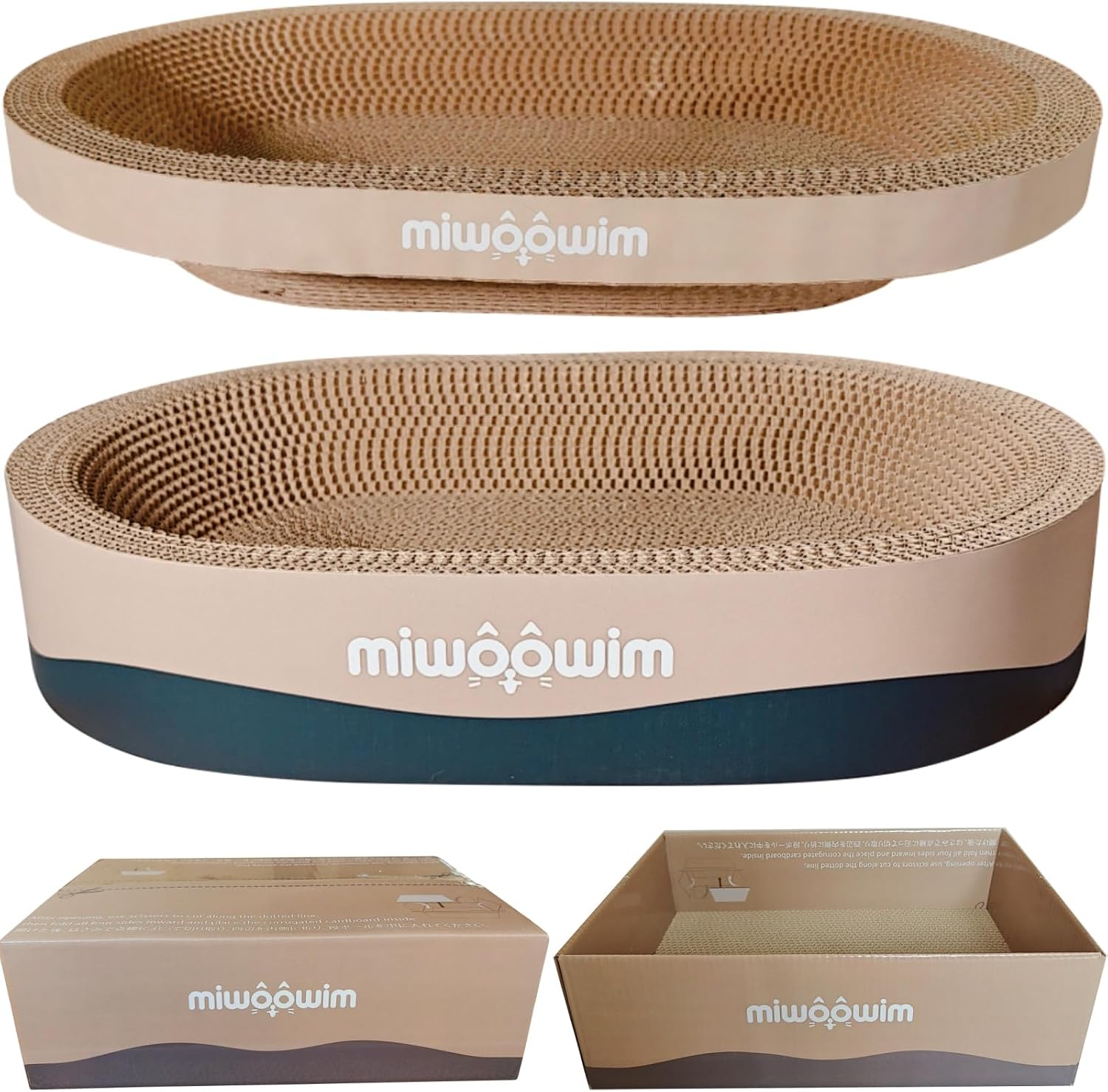
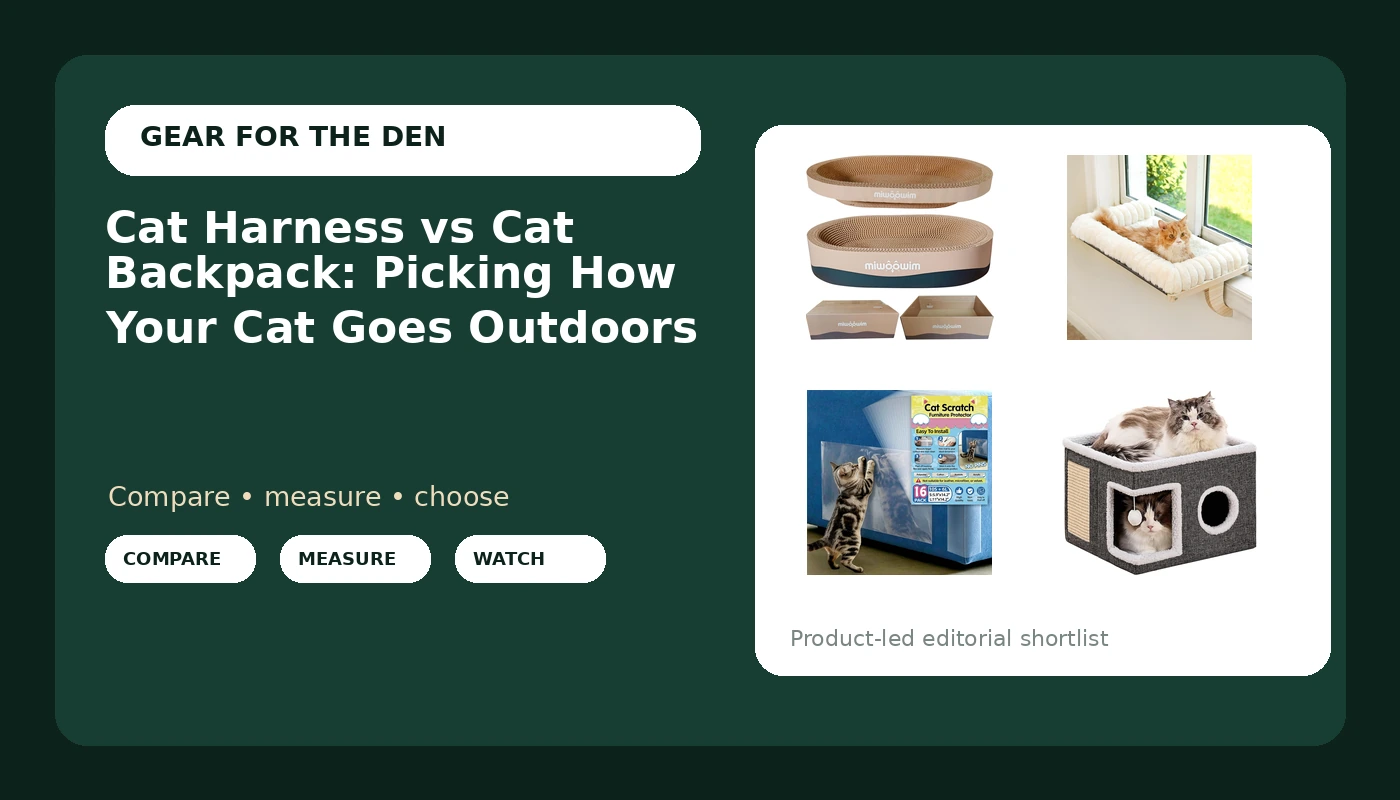
miwoowim 3-Piece Cat Scratcher Set, Oval Bowl Nest for Indoor Cats
Covers two needs in one footprint: a surface to scratch and an oval bowl nest to curl into
Cardboard is a consumable, and a three-piece set takes real floor space
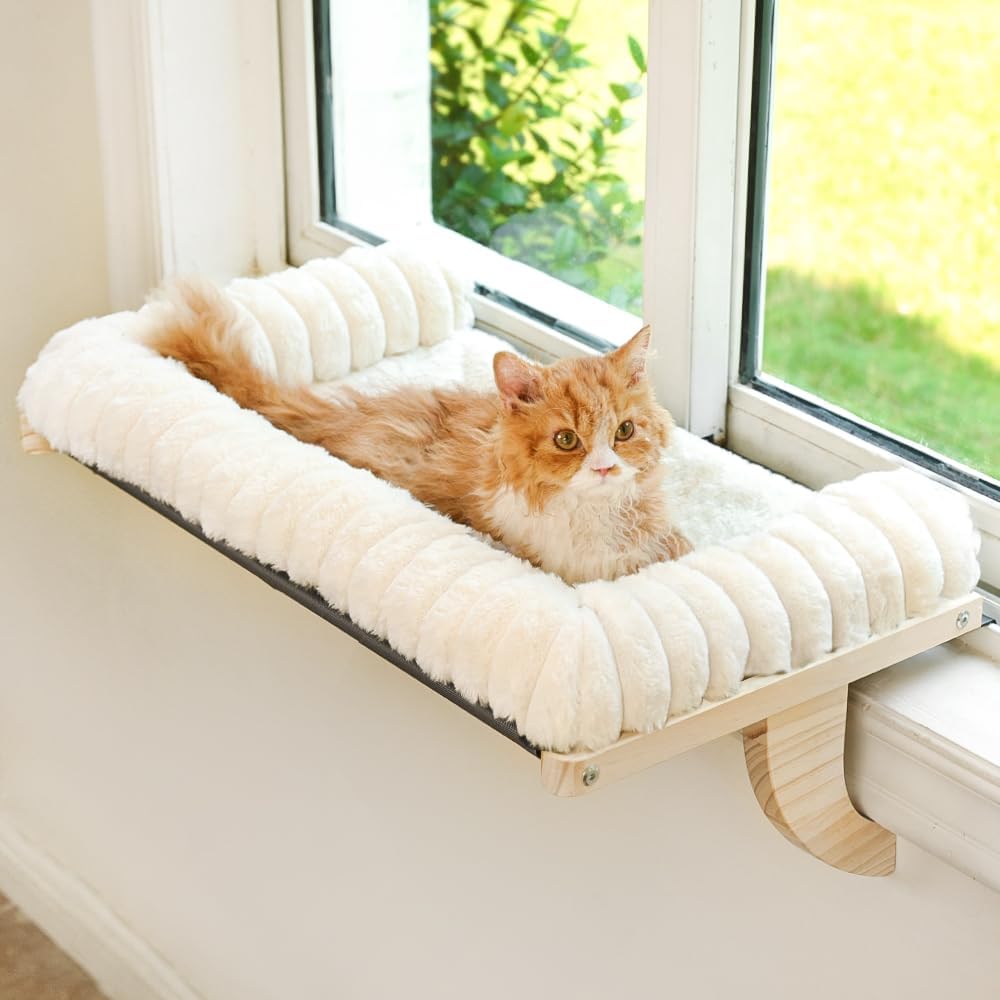
valigogo Cloud-Soft Cat Window Sill Perch, Zipper Design Cushion Pet Bed, L
Window time is the cheapest enrichment there is, and the zipper cover comes off for washing
It needs the right shelf depth and a secure anchor, and it does nothing for a cat that wants to move
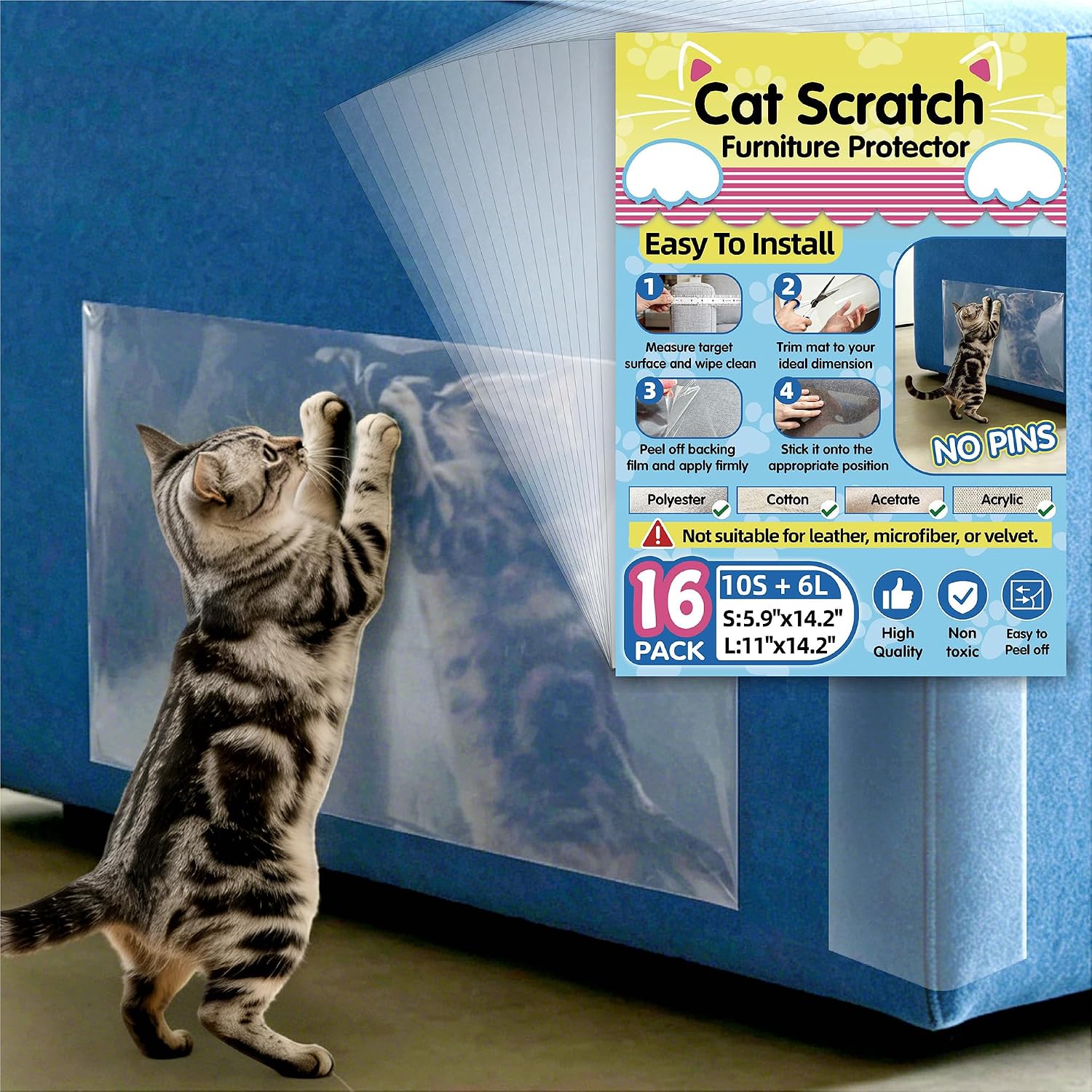
16 Pack No Pins Self Adhesive Anti Cat Scratch Furniture Protector
The cheapest fix in the whole category, and no pins means no holes in the upholstery
A deterrent rather than a cure, and a bored cat will simply pick a new corner
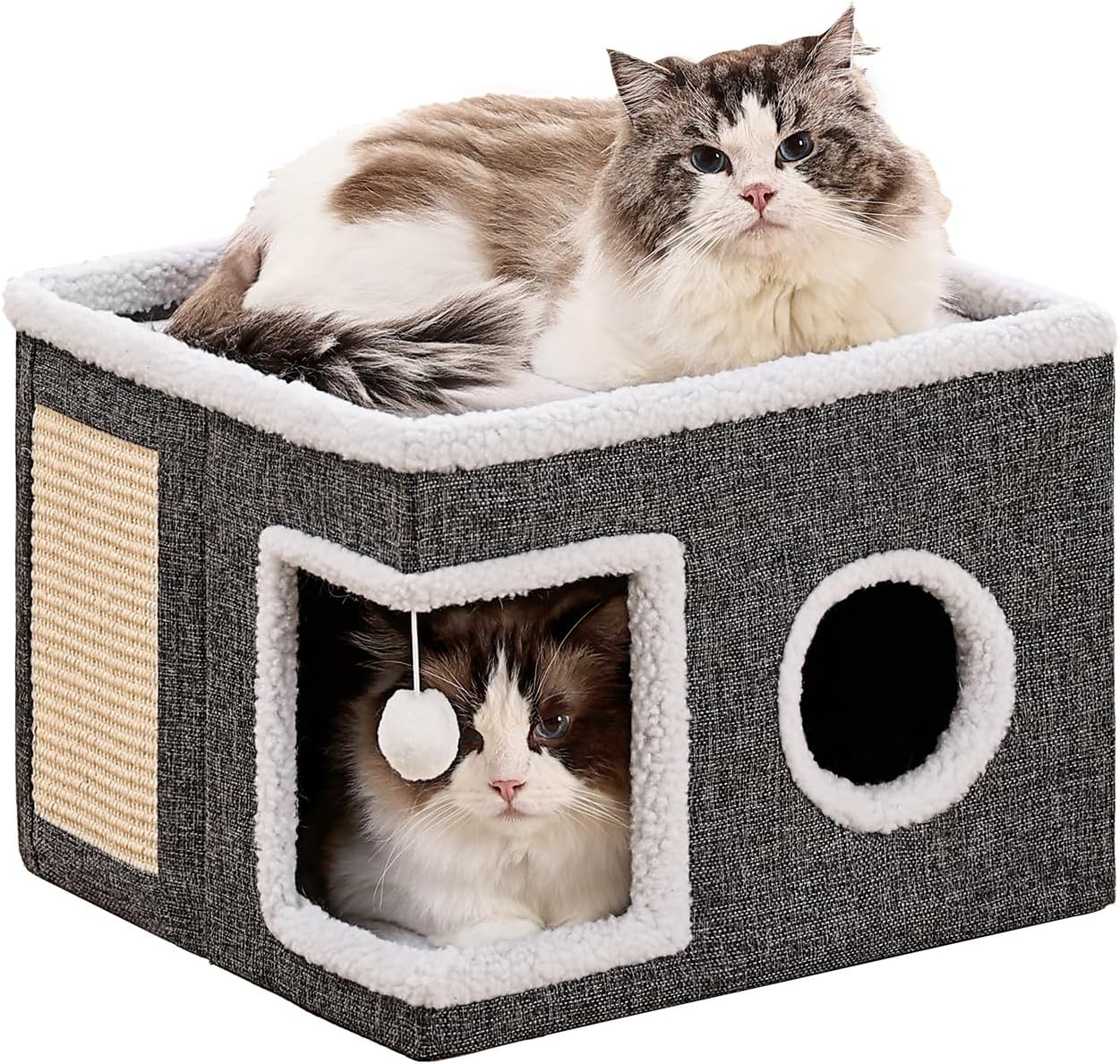
Crispedia Large Cat Houses for Indoor Cats with Fluffy Ball and Scratch Pad
A cave and a scratch pad in one unit, with a hanging ball for motion play
A house eats corner space that a perch would not, and large is a relative word
Prices and availability may change.
How I judge this gear before I buy it
I do not start with the product page. I start with the cat. A cat that already climbs the bookshelf and sleeps on the highest cushion is a different animal from one that lives under the bed and comes out at midnight, and gear that suits one will sit untouched for the other. Before I spend anything, I check four things about my house and one thing about the cat.
The house questions are boring and decisive. What is the platform height of the surface I want to use, and can the cat reach it without a jump that lands on an edge? What is the shelf depth, and will a bed sit flat or hang half off the sill? What anchor type does the piece need, because an adhesive or pressure anchor is only as good as the surface under it? And what is the post diameter on anything with a sisal wrap, since a thin post flexes and a cat stops trusting a post that moves.
The cat question is weight. Every piece of cat furniture has a weight limit, and it is usually lower than the photograph suggests. A large cat at the top of the range will compress a cheap perch until it sags, and a sagging perch is a perch the cat avoids. When a listing does not publish a limit, I assume it is sized for an average cat and I shop down a size.
I also measure the cat before I shop. Length from nose to base of tail, height at the shoulder, and weight on a kitchen scale. Those three numbers turn every vague listing into a yes or a no.
cat harness vs cat backpack: the difference that actually matters
Strip away the product photography and the cat harness vs cat backpack question comes down to one thing: who sets the pace.
A harness is equipment you put on the cat. The cat then decides how far you go. You hold a leash, but the leash is a safety line, not a steering wheel. A harness walk is slow, full of stops, and often ends with the cat lying flat on the pavement refusing to move. It also gives the cat the sensory part of being outside: smells, temperature, grass, the neighbor's fence. For a confident cat, that is the whole value.
A backpack is equipment you put the cat inside. You decide how far you go, and the cat rides. Some packs have a bubble window and an internal tether so the cat can see out, but the cat is still in a container. The value is not enrichment, it is transport with the cat contained and your hands free.
Once you frame it that way, the rest answers itself. If you want the cat to experience outside, you want a harness. If you want the cat to arrive somewhere without drama, you want a backpack. The difference between cat harness and cat backpack is a temperament question before it is a gear question, and the answer changes with the individual cat, not with the price tag.
Most people I know end up owning both, and the split follows the cat. The bold one gets the harness, the anxious one gets the pack, and the harness sits in a drawer until the bold one gets old and cautious.
Where a backpack earns its place
A backpack earns its place in three situations, and I have not found a fourth.
The first is the vet. A cat that panics in a soft carrier and howls the entire ride often settles in a structured pack with a rigid base, because the walls do not collapse inward when the cat presses against them. The second is transit: buses, trains, stairs, crowds, anywhere a leash is a liability and your hands need to be free. The third is weather. A harness walk in freezing rain is not enrichment, it is a bad memory you will pay for the next time the harness comes out of the drawer.
What a backpack does not do is give the cat a say. Even a well-ventilated pack with mesh panels and a clip-in tether is a box. Cats regulate heat badly inside a closed bag, so long summer carries are out, and a cat that has never been conditioned to a pack will often simply go still. If you are shopping for one, the specs that matter are carrier size, weight limit, and whether the base is rigid enough to sit flat when you set it down. A pack that folds in on itself is a pack the cat will fight.
That is the honest trade in any cat backpack vs cat harness argument. The pack wins on control and loses on consent.
Where a harness earns its place
A harness wins whenever the goal is the cat's experience rather than yours.
Start indoors. Put the harness on for five minutes with no leash, feed a few treats, take it off. Repeat for a week before you open the door, because a cat that only ever sees the harness at the front door learns to run from the harness. Fit matters more than brand. Two fingers should slide under the straps, and the chest strap should sit behind the front legs rather than across the throat. A cat that can back out of a harness will back out of it at the worst possible moment, usually near a road.
The limits are real. Harness walking is slow, and some cats never walk at all. They sit in the grass and sniff, and that is still a win, but it is not a hike. If you want distance, a schedule, or a destination, a harness will frustrate you. That is the case for a cat harness or cat backpack decision made on temperament rather than on reviews.
There is also a training cost that no listing mentions. A harness cat needs a person who will show up every day for two weeks, and a cat that gets one walk and then a month off will treat the harness as a strange, cold thing. Consistency does more for a harness than any strap design.
The indoor gear that makes either choice work
Travel gear gets easier when the cat's indoor life is already good, because a cat with territory, height, and scratching outlets is calmer about everything else. That is why the four pieces in the table belong in this article. They are the home half of the decision.
The miwoowim 3-Piece Cat Scratcher Set, Oval Bowl Nest for Indoor Cats is the one I would buy first, because it covers two needs in one footprint: a surface to destroy and an oval bowl nest to curl into. Scratchers fail when they wobble, so check the post diameter and the base width before you commit. Cardboard is a consumable, not an heirloom, and that is fine as long as you know it going in.
The valigogo Cloud-Soft Cat Window Sill Perch, Zipper Design Cushion Pet Bed, L is the enrichment piece. Window time is the cheapest outdoor access a cat can get, and a cushion with a zipper cover that comes off for washing is the difference between a perch that lasts and one that smells like a litter box by the second month. Measure the shelf depth before ordering and check what anchor type the sill can take, because a mounted perch on drywall is a perch waiting to fall.
The Crispedia Large Cat Houses for Indoor Cats with Fluffy Ball and Scratch Pad is for the hider. A house with a scratch pad on one side gives a shy cat a place to retreat and a reason to come back out, and the hanging ball adds a little motion play for a cat that needs a nudge.
The 16 Pack No Pins Self Adhesive Anti Cat Scratch Furniture Protector is the cheap insurance policy. No pins means no holes in the upholstery, and sixteen sheets covers the corners a cat actually attacks, which is usually two chair arms and one door frame. It is a deterrent, not a cure. A bored cat will find a new corner, which is the argument for buying the scratcher set in the same order.
Placement decides whether any of this gets used. Put the scratcher where the cat already stretches, put the perch where the sun lands in the afternoon, and put the house against a wall rather than in the middle of a room. Cats want their furniture to have a back.
What the specifications tell you
Most of the numbers on these listings are more useful than the marketing copy, if you know which ones to read.
Carrier size is the number people get wrong most often. A pack is measured in length and height, and a cat needs enough height to stand without its head touching the top and enough length to lie down flat. When a listing gives a single number, assume it is the longest dimension and that the usable space inside is smaller.
Weight limit matters on furniture, not just carriers. A perch rated for a small cat will bow under a large one, and a bowed perch gets abandoned. Platform height and shelf depth decide whether a piece fits your window at all: a deep sill can take a free-standing bed, while a shallow one needs a mounted perch with a real anchor behind it.
Perch width and hammock fabric are the comfort specs. A wide, flat surface holds warmth and lets a cat sprawl. A fabric that sags forms a hammock that the cat either loves or refuses, and you will not know which until it is already on the sill.
Post diameter decides whether a scratcher survives a full weight stretch. Thin posts flex, flexing posts rattle, and rattling posts get ignored.
None of this is glamorous. All of it is what separates gear that gets used from gear that ends up in the closet next to my returned carriers.
What I am watching next
I keep watching two things. The first is whether backpack makers start publishing real interior dimensions and ventilation numbers instead of lifestyle photos, because that would turn the cat harness vs cat backpack choice into a spec comparison rather than a guess. The second is whether window perch makers move toward removable, washable covers across the board, since the zipper design on the valigogo perch is the detail that decides whether a perch lasts more than one season.
If you are still deciding whether your cat even wants to go outside, that is a separate question, and it is worth answering honestly before you spend anything. Some cats are indoor cats for life, and the right purchase for them is a window perch and a scratcher, not a leash.
For now my advice is unchanged. Buy the harness first if your cat is curious. Buy the backpack first if your cat is nervous. Then spend what is left on the indoor gear that keeps the cat busy on the days you are not going anywhere. That is the whole decision, and it costs a lot less than a closet full of returns.