Odor in a cat household rarely comes from a single source. It comes from the litter in the box, from the granules a cat tracks out on its paws, and from the used litter that sits in a bag or bucket until someone carries it out. That is why a search for cat litter for odor control tends to surface three different kinds of product: the litter itself, the mat at the box entrance, and the container that holds the waste. Each one removes a different part of the problem, and skipping one usually means the other two work harder than they should.
Quick answer
Here is the cat litter for odor explained version in a few sentences: odor control is a chain rather than a single purchase. An unscented clumping litter that forms firm clumps lets you lift urine and solids out of the tray before they spread, a trapping mat keeps tracked granules off the floor where they keep releasing smell, and a sealed waste container stops used litter from continuing to off-gas in the room. Fix the weakest link first, because a good litter paired with an open bucket of waste will still leave the room smelling like an open bucket of waste. No product fixes a box that is scooped too rarely or filled too shallowly.
4 useful options
| Model | Best fit | What stands out |
|---|---|---|
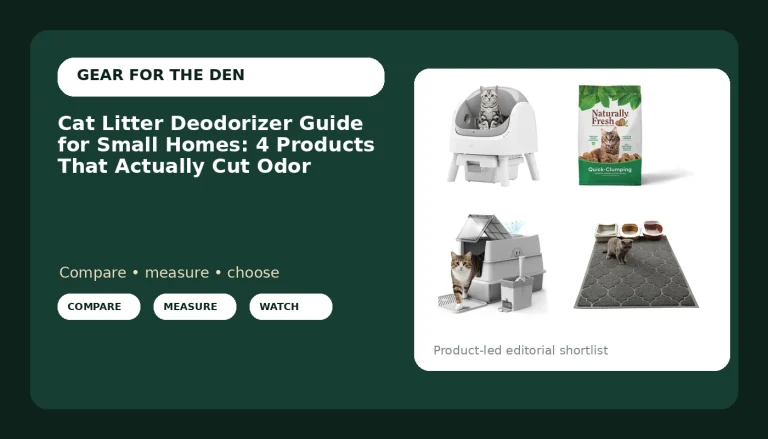
| SmartCat All Natural Clumping Cat Litter, 20 Pound (320oz 1 pack) | Homes that want an unscented, non-clay clumping litter | Listed as chemical free and 99% dust free, unscented, and lightweight |
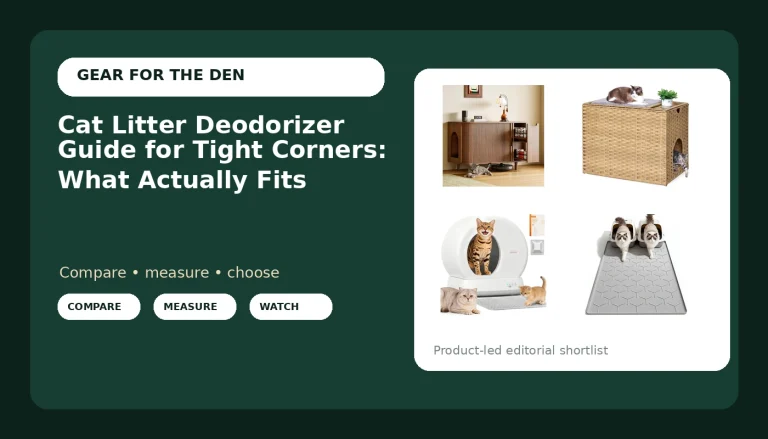
| Cat Litter Mats-Extra Large 47''x36'' Litter Trapping Mat | Boxes on carpet or smooth floors where tracking spreads | Extra large two layer trapping surface, waterproof and non-slip |
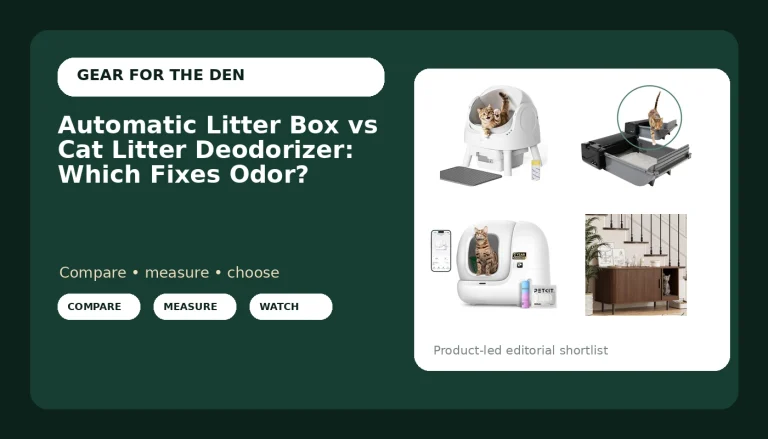
| GKJ Cat Litter Box Waste Disposal System for Odor Control | Daily scoopers who want bags stored at the box | Odor control disposal system with one roll of 16 tear-off bags included |
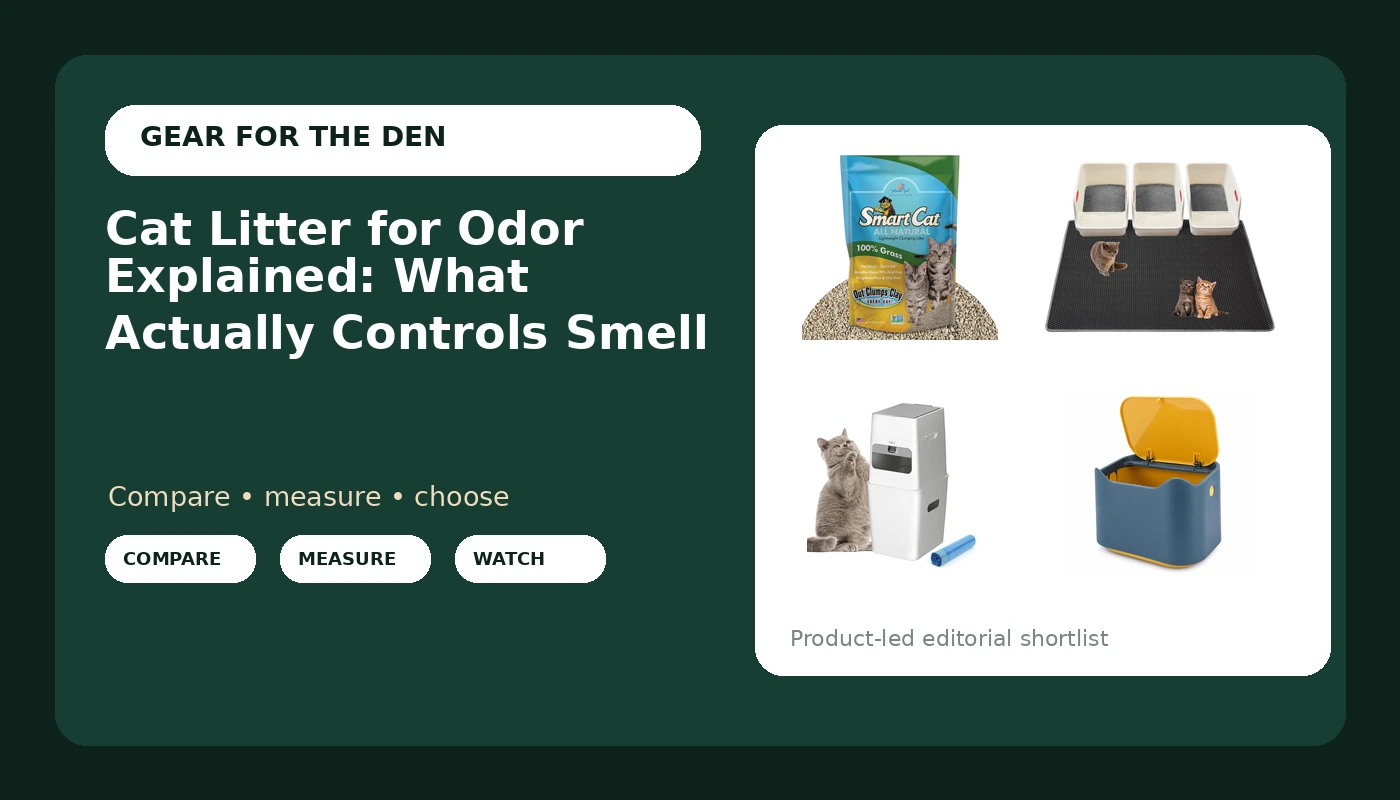
| Jiawu Cat Litter Trash Can, Airtight Odor Control Press Seal Lid | Small rooms that need a compact sealed bin | Airtight press seal lid on a compact container |
The litter: SmartCat All Natural Clumping Cat Litter, 20 Pound (320oz 1 pack) – Alternative to Clay and Pellet Litter – Chemical and 99% Dust Free – Unscented and Lightweight
Litter is the first link because it is where urine and solids land. A clumping litter that holds together during scooping lets you remove the source in one pass, while a crumbly clump leaves fragments behind that keep releasing odor. Because this one is unscented, the smell in the room reflects how clean the box actually is rather than how much perfume the litter carries. That can be an advantage, since it removes the guesswork, but it also means a missed scoop shows up faster than it would with a scented product. The low dust claim matters for a different reason: dust settles on nearby surfaces and adds a dry, chalky note to a small room. For households switching away from clay because of weight, the lighter granules are easier to pour and carry, though a lightweight litter can track more easily, which is where the next item comes in.
The mat: Cat Litter Mats-Extra Large 47''x36'' Litter Trapping Mat for Cat-XXL Litter box Matt for Floor-2 Layer Catcher Rug for Pet kitty Litterbox-Waterproof Urine Proof,Non-Slip
Mat texture decides whether tracked litter stays put or scatters across the floor, and scattered granules keep smelling because they still hold traces of urine. A two layer mat gives granules somewhere to fall, and the size here is generous enough to sit under a large box while still leaving a landing strip in front of the entry. The waterproof and urine proof claims address the other common floor problem, which is a cat who overshoots the edge. Practically, a mat this large only helps if it is shaken out regularly. Lift it, tip the granules back into the box, and rinse the surface when it looks soiled. A mat that stays damp or crusted holds odor rather than trapping litter, and a wet mat under a plastic box can also leave marks on a wood floor. Measure the floor space before committing, because 47 by 36 inches is bigger than many people expect.
The bag system: GKJ Cat Litter Box Waste Disposal System for Odor Control Cat Litter Trash Can | Includes 1 roll of 16 Easy Tear-Off Bags | Diaper Trash Can
The waste container is the link most people underestimate. Used litter keeps releasing odor after it leaves the box, so an open bucket beside the box simply moves the smell from one place to another. A system with its own bags keeps the process contained, and having the roll attached to the container removes the moment where you would otherwise improvise with a grocery bag. The trade off is refills: a bag system needs a steady supply of compatible rolls, so check what the container takes before you commit to the format. This one also works as a small diaper pail, which is worth knowing if you already keep one in the house. Place it within arm's reach of the box so scooping stays a single motion, because a bin in another room is a bin that gets emptied less often.
The compact bin: Jiawu Cat Litter Trash Can, Airtight Odor Control Press Seal Lid Cat Litter Disposal Bin, Compact Storage Container with Press Type Lid for Home Pet Waste Disposal
This bin solves a different problem than the bag system: it is about footprint and seal rather than a refill supply. In a small apartment or a bathroom with limited floor space, a compact container that closes with a press can sit beside the box without dominating the room, and an airtight lid keeps the contents from perfuming the whole space. Because it does not include bags, it suits anyone who already keeps a supply of liners or who prefers to line a bin with whatever is on hand. The limitation is capacity. A small bin fills quickly in a multi-cat home, and a full bin with the lid pressed shut still smells when you open it. Empty it before it is full rather than after, and the seal does the rest of the work.
Prices and availability may change. Product images, names, and retailer links are matched to verified listings. No current price, rating, stock status, or measured result is stated here without current evidence.
How cat litter for odor control actually works
Cat urine odor comes from ammonia and other compounds that build as waste sits. Feces add their own smell, and litter clinging to paws carries both past the box. Three variables decide how much of that reaches your nose: how fast clumps form, how deep the litter sits, and how quickly waste leaves the room.
Clumping speed matters because a clump that sets quickly can be lifted whole. A soft clump breaks apart during scooping and leaves fragments in the tray that keep releasing odor. Most clumping litters perform best at a litter depth of about two to three inches, deep enough to absorb urine before it reaches the bottom of the pan. Too shallow and urine pools on the plastic, which is harder to clean and smells stronger. Too deep and cats may dig down to the bare floor, and some will avoid the box entirely.
Box size and entry height shape how cleanly a cat uses the box. A box should be roughly one and a half times the length of the cat, with a low entry height for kittens, seniors, or cats with joint trouble. A box that is too small leads to accidents at the edge, and urine on the rim or the floor smells worse than urine in the litter. This is also where box placement enters the picture, since a box wedged into a corner is harder for a cat to enter and harder for you to scoop.
Odor control is also about air and routine. A covered box inside a closed cabinet traps ammonia. Scooping twice a day removes the source before it spreads, and a full litter change with a washed, dried box resets the tray on a schedule rather than when the smell becomes obvious. Unscented litter is worth considering if the mix of perfume and waste bothers you, because scented products mask for a while and then add their own note to the room.
Matching the setup to your cat and your space
Walk through the room from the cat's side of the box.
Mat texture decides whether tracked granules stay on the mat or scatter. A two layer mat with a textured top traps more than a flat towel, and a waterproof backing keeps urine off the floor if a cat misses. Shake it out daily rather than weekly.
If you use a self-cleaning box, the waste drawer and sensor range matter more than the litter brand. A short sensor range means the box cycles sooner after a cat leaves, and a drawer that seals holds waste between empties. Check drawer capacity against the number of cats using the box.
Entry height and box size should match the smallest or oldest cat in the house, not the largest. In a multi-cat home, the usual guidance is one box per cat plus one, and each box needs its own litter depth and scooping routine. Two cats sharing one box produce waste faster than one scooping schedule can handle.
Where the waste goes matters as much as the box. A sealed bin beside the box shortens the trip, which makes twice-daily scooping easier to keep up. In a small apartment, a compact airtight bin often fits where a full size pail does not.
Finally, there is no single ideal cat litter for odor that suits every cat. Texture preference, dust sensitivity, and how a cat digs all affect whether a litter stays in use, and a litter the cat refuses is a litter that ends up on the floor.
- Measure the space, then pick a box size that lets the cat turn around.
- Fill to a consistent litter depth and scoop twice a day.
- Place a trapping mat at the entry and shake granules back into the box.
- Choose a waste container that seals, and keep it beside the box.
- Schedule a full litter change and a box wash instead of waiting for the smell.
Practical guidance for keeping odor down
- Scoop at least twice a day, and more often in a multi-cat home.
- Wash the box with mild soap, rinse well, and let it dry before refilling.
- Keep the box away from food and water bowls, but not sealed inside a closed cupboard.
- Rinse the mat regularly, since a mat that stays damp holds odor.
- Empty the waste bin before it is full, and keep spare bags or liners at the box.
Which option should you choose?
Choose the SmartCat All Natural Clumping Cat Litter when the odor problem starts in the box and you want an unscented, non-clay clumping litter with a low dust claim. Choose the Cat Litter Mats when tracked granules are spreading the smell past the box and the floor needs a waterproof barrier. Choose the GKJ Cat Litter Box Waste Disposal System when you want the bag built into the container, with a roll included to start. Choose the Jiawu Cat Litter Trash Can when space is tight and you want a compact airtight bin for scooped waste.
Choosing the correct cat litter for odor is only part of the job. The box, the mat, and the waste container each carry a share of the result, and the routine around them carries the rest.
The descriptions above come from the product listings rather than from measured testing in a home. Odor results depend on your cat, your scooping routine, the number of boxes, and the airflow in the room. If odor changes suddenly, or a cat starts urinating outside the box, that is a veterinary question rather than a gear question.
The bottom line
Cat litter for odor control works best as a system: a clumping litter that holds together for clean scooping, a mat that stops tracked granules at the door, and a sealed container that holds waste until you carry it out. Start with the link that is failing. If the box smells minutes after scooping, look at litter depth and clumping speed. If the floor around the box smells, look at the mat. If the room smells only near the bin, look at the seal. None of it replaces twice-daily scooping, and none of it needs a scented litter to work.