If your dog, cat, or guinea pig has an accident on carpet, you have a window of maybe ten minutes before a spill turns into a stain. Knowing how to clean a carpet after a pet accident is mostly about that window. What you do in the first two minutes decides whether you end up with a faint mark that fades or a brown ring that reappears every humid day for a year.
I have cleaned up after a rotating cast of foster cats, a senior dog with a weak bladder, and two guinea pigs whose cage liner failed at 2 a.m. more than once. The sequence below is the one I use at home, and the gear list is the containment layer that keeps accidents off the fibers in the first place. The fastest way to clean a carpet after a pet accident is to have something absorbent under the animal before it happens.
The chemistry matters more than the scrubbing. Urine is water, urea, uric acid, and salts, plus whatever dye and protein ride along. Heat sets protein. Alkaline cleaners can set dye. Scrubbing drives liquid into the backing and the pad underneath, where bacteria keep the smell alive. To clean a carpet after a pet accident without making it worse, the order is: lift, blot, flush, enzyme, blot, dry, and only then decide whether the pad under the carpet needs attention.
Why you should trust me
I am not a carpet installer. I am the person in my family who gets called at 11 p.m. when a foster kitten pees on a wool area rug, which is how I learned that wool needs a test patch and that the carpet pad decides whether a smell comes back.
What I bring is repetition. Between fosters, my own two cats, a senior dog, and a pair of guinea pigs, I have run the eight steps below dozens of times on two very different floors: a low-pile berber in a hallway and a thick frieze in a bedroom. They do not behave alike. Smell that returns a week later almost always means the liquid reached the pad, not that the carpet needs a third round of spray.
How I picked and how I tested
Everything here is either part of the cleanup sequence or part of the layer that keeps the next accident out of the fibers, so I picked on four things: pad size, pad absorbency, liner waterproofing, and whether the pad survives a washing machine.
Pad size is the one people get wrong. A 22 by 22 inch pad covers a puppy's sleeping spot or the floor under a food bowl, not the whole floor of a large crate. The reusable pad here runs 24 by 48 inches, which is the size that actually lines a small-animal cage or a whelping box.
Pad absorbency and liner waterproofing work as a pair: the top layer holds the liquid and the backing decides whether the carpet underneath stays dry. A pad with a weak backing is a sponge you put on carpet on purpose.
On the cleaning side I look for enzyme concentration rather than foam, because foam does nothing to uric acid crystals, and I want a separate odor neutralizer step instead of a scented cover-up. Whatever goes on the carpet has to be carpet safe and fabric safe, which is why the test patch in step three is not optional.
Testing, in this case, means running the same eight steps on real accidents and noting which ones pulled the smell out. I did not measure anything with a meter and I am not going to pretend I did. What I can tell you is which steps are load-bearing and which gear earns its space in the closet.
What you need before you clean a carpet after a pet accident
Half of this job happens before the accident. The gear below is the layer between the animal and the carpet, and it is the difference between a two-minute cleanup and a weekend of blotting. Prices move, so check the listing when you are ready to buy.
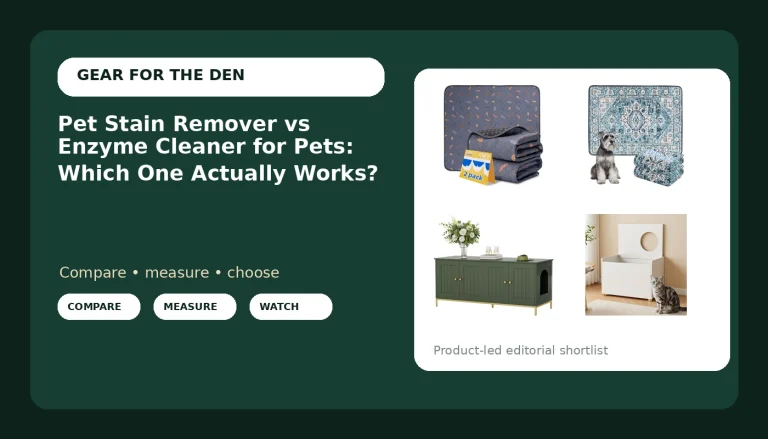
Our pick: BPG Ultra Absorbent Pet & Puppy Pads, 100 Count 22"x22" Pee Pads for Dogs, Disposable Leak Proof Dog Training Pads, Quick Drying Underpads, Puppy Essentials for House Training – Brooklyn Pet Gear
Our pick
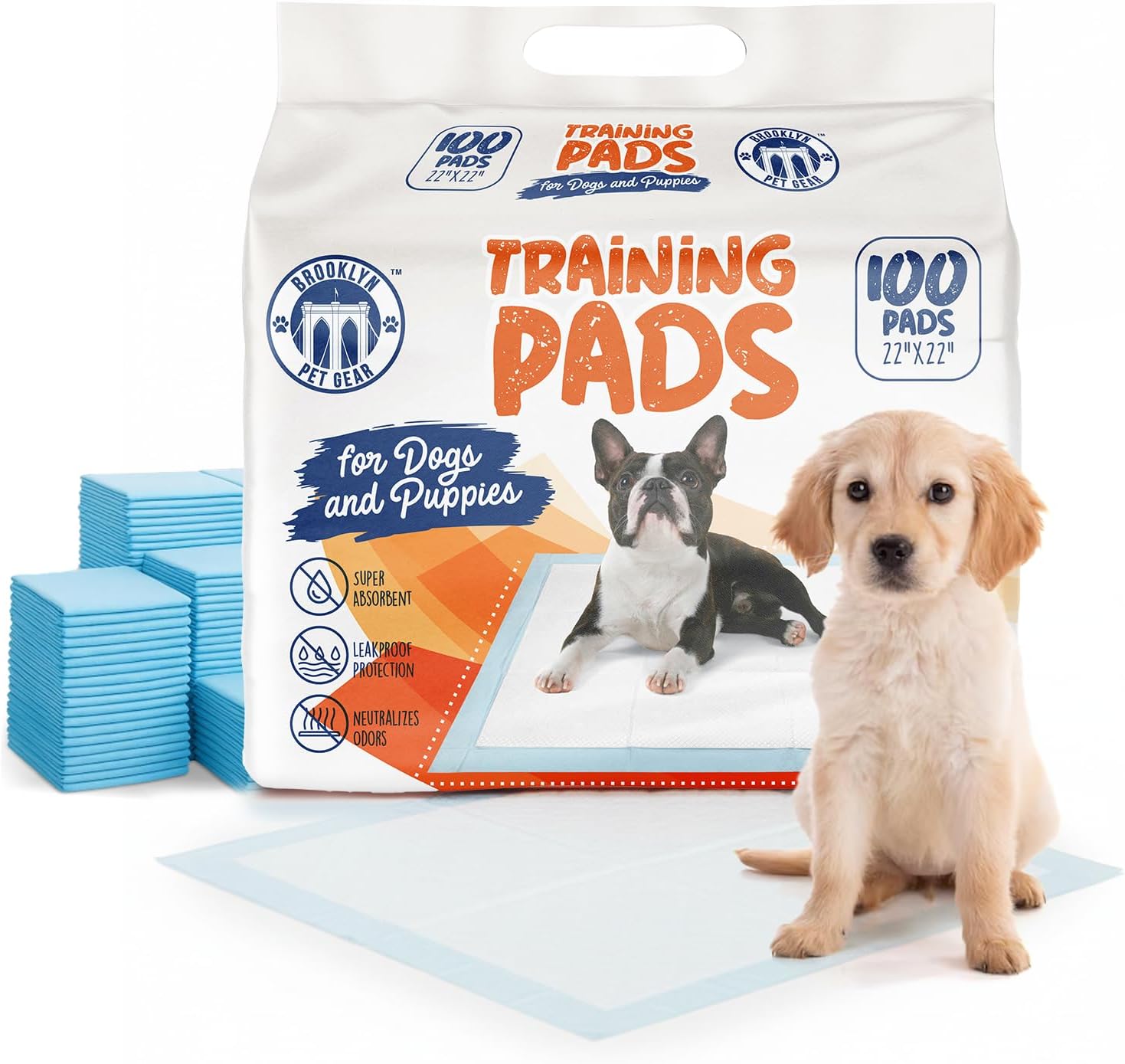
BPG Ultra Absorbent Pet & Puppy Pads, 100 Count 22"x22" Pee Pads for Dogs, Disposable Leak Proof Dog Training Pads, Quick Drying Underpads, Puppy Essentials for House Training – Brooklyn Pet Gear
This is the box I keep in the hall closet. A hundred disposable pads at 22 by 22 inches, with a leak proof backing and a quick drying top sheet, which is the combination that matters when a puppy is still figuring out the difference between the rug and the yard. You put one under the pen, under the senior dog's bed, or on the car seat, and when it is soiled you fold it and throw the problem in the trash. No washing, no smell sitting in the laundry room. Check current Amazon price and compare it against what you spend on paper towels in a month.
The 22 by 22 size is the honest limitation. It is right for a puppy, a cat carrier, or the floor under a food and water station. For a large-breed accident or a full crate floor, overlap two pads or step up to a bigger size. The backing is leak proof, but it is not armor. A pad that sits in a puddle for hours will still wick at the edges.
Flaws but not dealbreakers: One pad covers one small accident. Two pads and a strip of tape handle a bigger area, and you will still come out ahead of a professional carpet cleaning visit.
Runner-up: Washable Guinea Pig Pee Pads,Absorbent Reusable Guinea Pig Cage Liners,Waterproof,Leak-Proof & Non-Slip Whelping Pads & Mat for Small Animals,Pet Housebreaking.(Green Floral,24"x48")
Runner-up
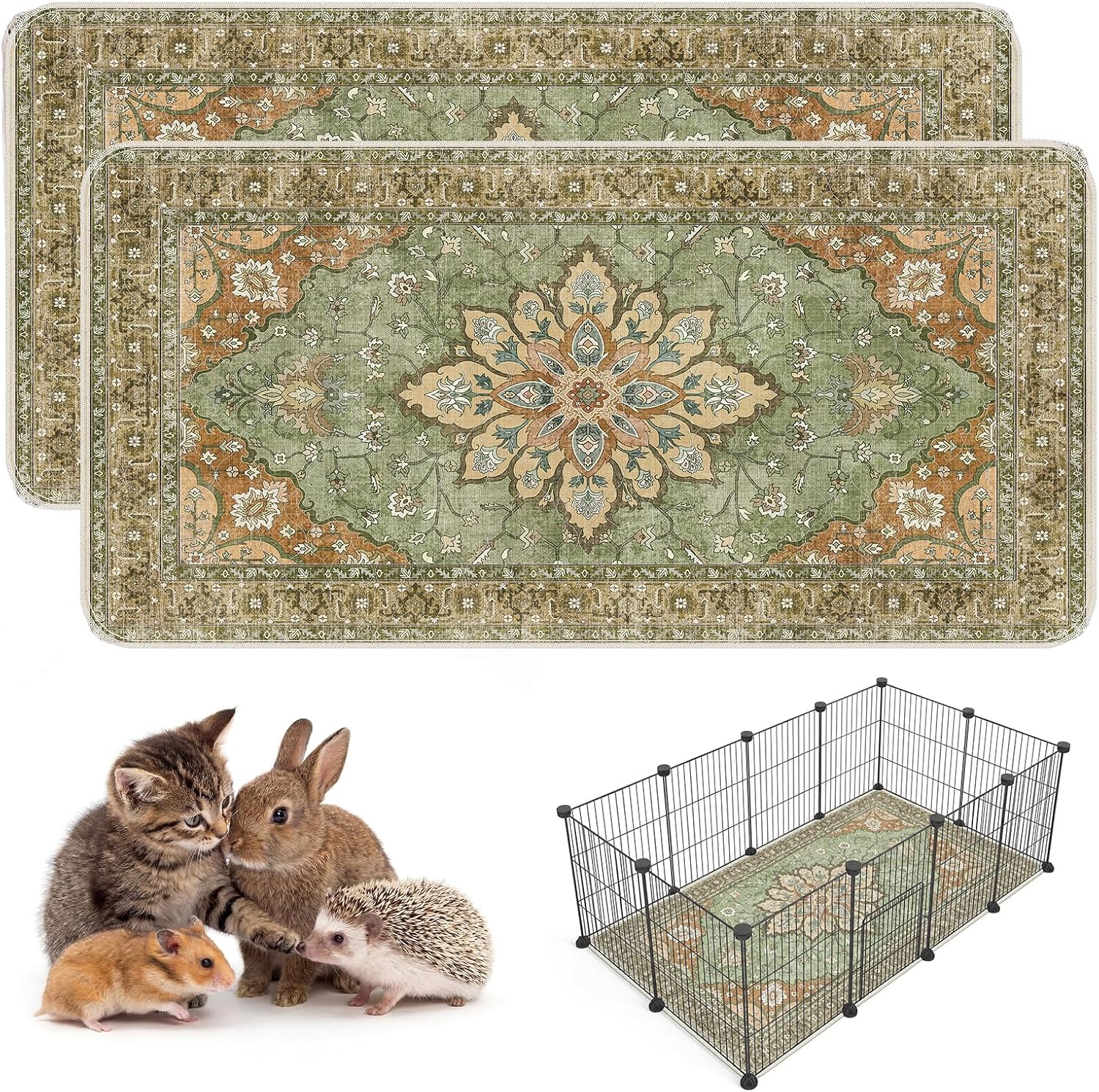
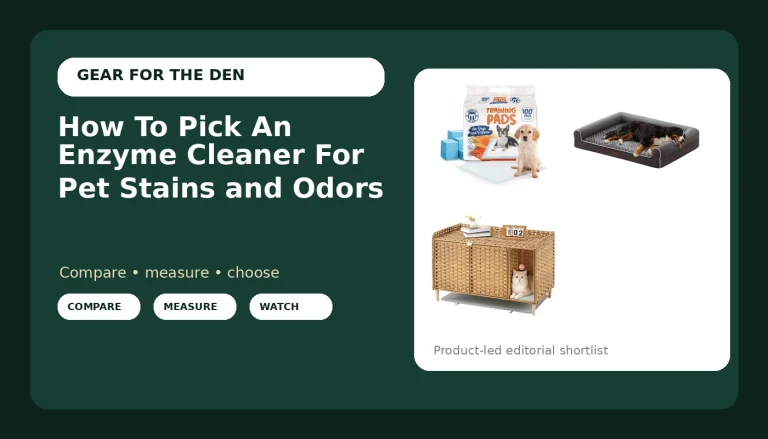
Washable Guinea Pig Pee Pads,Absorbent Reusable Guinea Pig Cage Liners,Waterproof,Leak-Proof & Non-Slip Whelping Pads & Mat for Small Animals,Pet Housebreaking.(Green Floral,24"x48")
Reusable pads are the other half of the containment plan, and this 24 by 48 inch liner is the size that covers a small-animal cage floor or a whelping box instead of just the corner of one. The top is absorbent, the liner is waterproof, and the bottom is non-slip, which matters on a hard floor where a sliding pad means a mess underneath. Machine washable means the cost per accident drops every time it goes through the wash. Check current Amazon price before you decide disposables are enough.
Two things I would tell a friend. Shake solids into the trash and rinse the pad cold before it goes in the machine, and never use fabric softener or a dryer sheet, because the coating that makes the liner waterproof will clog and the pad will start passing liquid through. Wash it with the rest of the pet laundry on a normal cycle, then hang it or tumble it low.
Flaws but not dealbreakers: One pad per cage means one pad in the wash at a time, so buy two if your animal is a heavy drinker. The green floral print is not for everyone, though it hides stains better than white.
Upgrade pick: Hzuaneri Cat Litter Box Enclosure for 2 Cats, Hidden Litter Box Furniture
Upgrade pick
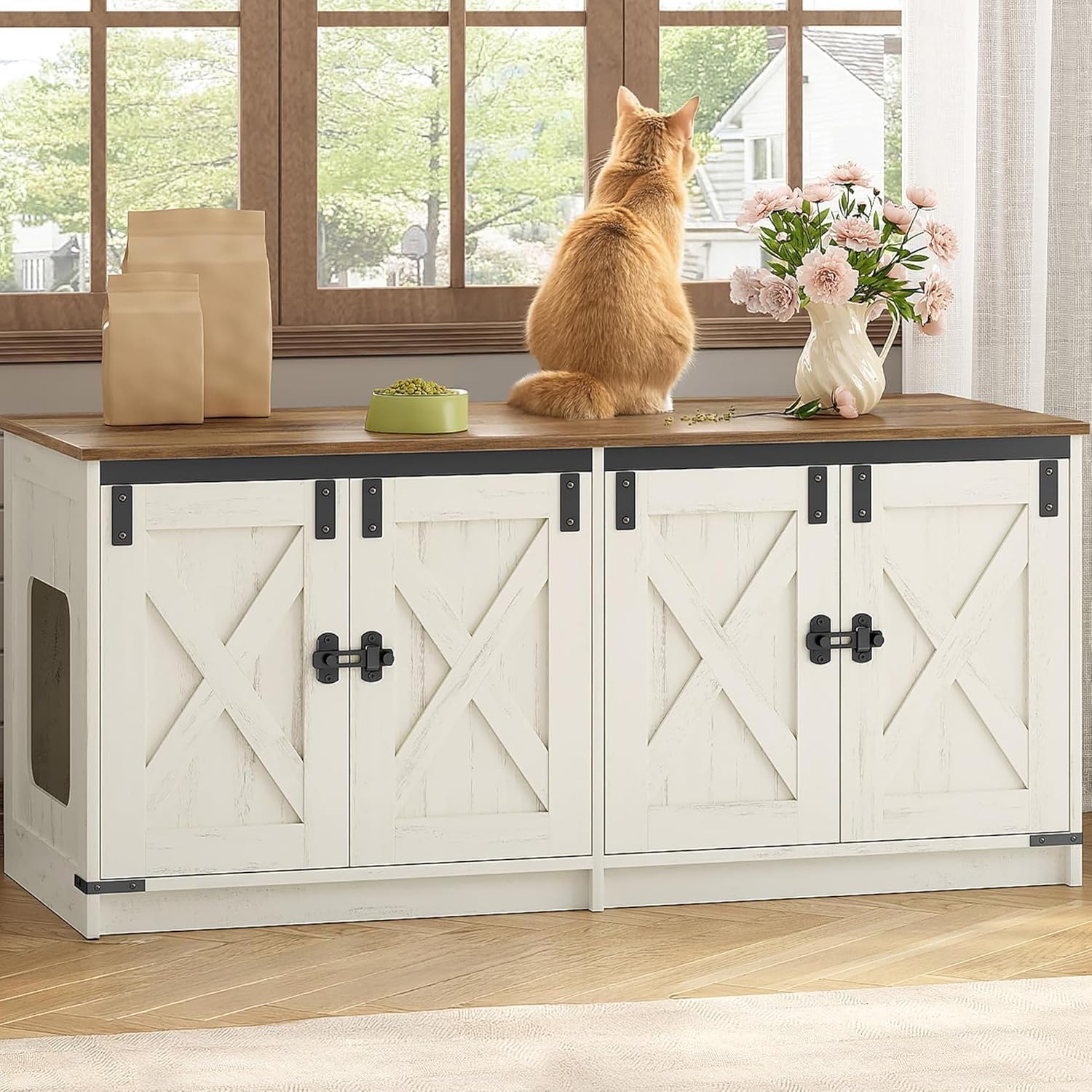
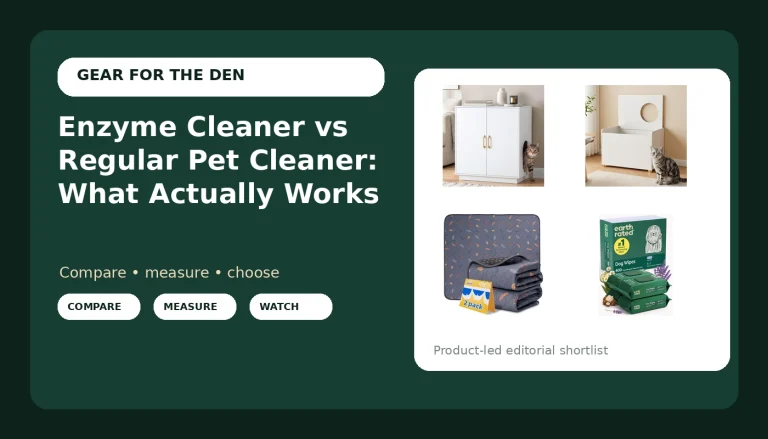
Hzuaneri Cat Litter Box Enclosure for 2 Cats, Hidden Litter Box Furniture
If your carpet accidents are cat-shaped, the cleanup is a symptom and the litter box is the cause. Cats avoid a box that sits in a noisy hallway, next to a washing machine, or in a room where the dog can stare at them. This enclosure is built for two cats, hides the pan inside a piece of furniture, and gives a nervous cat the privacy that keeps it using the box instead of the guest room carpet.
It also contains the mess a box creates on its own: kicked litter, spray, and the occasional miss over the side. Put a washable pad or a disposable pad inside the enclosure under the pan and cleanup becomes a pad swap instead of a carpet job. Check current Amazon price before you measure, then measure twice, because furniture has to fit the wall you actually have.
Flaws but not dealbreakers: It is furniture, so it costs more than a plastic pan and it has to be assembled. Two cats also means two boxes in most homes, and this holds one pan at a time. Pair it with a second box in another room instead of cramming both cats into one.
The actual cleanup workflow
This works on synthetic carpet, and on wool if you pass the test patch in step three. The same sequence applies when you have to clean a carpeted floors after a pet accident in a hallway, on stairs, or under a dining table, though drying time changes with the pile. It is also harder to clean a thick carpet after a pet accident, because the liquid travels down the fiber and into the backing long before you see it on the surface.
Step one: Get the animal out of the room. Close the door behind you. A dog that walks through the puddle turns one stain into eight paw prints, and a cat will do it out of curiosity. If the accident is fresh, this is also your chance to catch it before it soaks in.
Step two: Lift the solids and blot, never scrub. Gloves on, paper towel or a plastic bag over the hand, and lift what will lift. For firm stool, a plastic spatula from the kitchen drawer you no longer use works fine. Then fold a dry towel, press it over the spot, and stand on it for thirty seconds. Pressure pulls liquid up. Rubbing grinds it in and spreads the ring.
Step three: Test a hidden corner. Wool, solution-dyed nylon, and cheap polyester all react differently to enzyme cleaners, oxygen bleach, and vinegar. Find a spot under the couch, apply a little of what you plan to use, wait ten minutes, blot, and check for color lift. This is where you find out whether your cleaner is truly carpet safe and fabric safe on your floor.
Step four: Flush with cool water. Cool, not hot. Hot water sets the protein in urine and can soften the glue that holds the backing together. Spray or pour a little cool water on the spot, blot, and repeat two or three times. You are diluting what is left in the fiber, not adding a puddle to the pad.
Step five: Enzyme treatment with real dwell time. This is the step that removes odor instead of covering it. Enzyme concentration does the work, not foam, so skip anything that bubbles hard and does nothing else. Soak the spot and two inches past the visible edge, because the ring always spreads wider than the mark. Cover it with a plastic bag or an upside-down plate so it does not dry out, and leave it ten to fifteen minutes. Keep pets and bare feet off the area while it works.
Step six: Blot and wick out the moisture. Fold a stack of dry towels over the spot and stand on them. Replace the towels when they are wet and keep going until they come up nearly dry. Then leave a dry towel weighted down for an hour on a deep spot. Skipping this step is why people blame the cleaner for a damp smell that is really a wet pad.
Step seven: Neutralize odor and check the pad. If a smell survives drying, or returns on a humid day, the liquid reached the carpet pad. Treat the surface again with an odor neutralizer, but a soaked pad usually means pulling the carpet back at a corner or calling someone with a wet vacuum. Baseboards and tack strips hold smell longer than the carpet does, so check there too.
Step eight: Dry fast, then reset the containment layer. Point a box fan at the spot, run a dehumidifier if you have one, and keep the animal off it until it is bone dry. Then put down the pads, or fix the litter box problem, so the next accident lands on something machine washable. Prevention is not cheating. It is the last step of the cleanup.
The competition and why it lost
Steam cleaners lose first. Steam is heat and moisture, which is exactly what sets protein and pushes liquid deeper, so a steam pass on a fresh urine stain can bake the smell in. Steam belongs on a synthetic carpet after an enzyme treatment, not before it.
The grocery store oxygen spray loses next. It lifts color and brightens the fiber, and on a coffee stain that is enough. On urine it is not, because it does not break down uric acid crystals, and those crystals are what your nose finds a week later when the humidity rises.
The rental carpet machine is the wrong tool for one spot. It is built to clean a whole room, and it lays down more water than a single accident needs, which is how a small stain becomes a wet pad and a mildew problem. If you already own a small spot cleaner with a hose, use it after the enzyme step, not instead of it.
Baking soda and vinegar deserve an honest verdict. Vinegar is mildly acidic and can knock down some odor, and baking soda absorbs a little moisture, but neither dissolves uric acid, and vinegar can affect dye on wool. They are a stopgap for a fresh spill, not a fix.
Scented powders and plug-in air fresheners lose hardest of all. They cover the smell for a day and teach you nothing about where the liquid went. For the animal side, newspapers and old towels are the gear that loses: newspaper wicks nothing, and a towel without a waterproof backing passes the mess straight through to the carpet. The pads above exist because a containment layer has to hold liquid, not just sit under it.
What this all costs
I am not going to quote prices, because they move and the listings are one click away. The useful math is cost per use.
Disposable pads are the cheapest thing you can put under an animal for a single accident, and a box of a hundred spreads that cost across a hundred cleanups, which is why they stay in my closet even with washables in the rotation. You pay once per accident and you never touch the mess again.
Washable pads cost more up front and less every month after that. Machine washable means the pad earns its price back over a couple of dozen washes, and a 24 by 48 liner covers a cage floor in one piece instead of two. The real cost is the laundry, not the pad.
The cat enclosure is the one purchase on this list that is furniture rather than consumable, and the one that fixes a behavior instead of a stain. If a cat is peeing on carpet because the box is unpleasant, no amount of enzyme cleaner will end the argument.
Compare all of that to the alternative: a professional carpet cleaning visit, or a pad and subfloor repair, both of which cost more than the gear in this article. The gear is the cheap path, and it is the path that stops the problem from repeating.
That is the job. Lift, blot, flush, enzyme, blot, dry, and then make sure the next one lands on a pad. Your carpet was not built for this. The layer on top of it is.