Every pet owner ends up in a hallway at eleven at night with a spray bottle in one hand and a roll of paper towels in the other, wondering how to pick an enzyme cleaner that will actually work. The bottle is not the hard part. The hard part is that most of what you have been told about cleaning up after a dog or a cat is incomplete.
Enzyme cleaners are not disinfectants and they are not perfume. They are a protein based chemistry that breaks down the organic residue a pet leaves behind, and they only work while they are wet. Spray, wipe, and walk away is the reason a house still smells like a kennel three weeks later.
This guide covers the whole job: reading a label for enzyme concentration, matching the formula to the surface, and owning the gear that gets the mess out of the carpet, off the couch, and into the washing machine before the odor sets. That is the part most buyers skip, and it is the part that decides whether the smell comes back.
Why you should trust me
My house has two dogs, one cat, a beige carpet in the hallway, and a senior dog whose good days are not always good. That combination taught me more about enzyme chemistry than any label ever did, because I got tired of buying a bottle, spraying it, and still catching the smell two days later.
What I learned is that the cleaner is one part of a three part system: pull the liquid out, give the enzymes enough dwell time, and get the soiled textile into a washing machine before the residue sets. Get any one of those wrong and the best bottle on the shelf will fail.
I read labels the way other people read nutrition panels. I want to know the enzyme concentration, whether the formula is carpet safe and fabric safe, and whether it is a concentrate I dilute or a ready to use spray. Those answers tell me more than the front of the bottle does. The rest of this guide is what I do with them.
How I picked and how I tested
Testing an enzyme cleaner in a lab is a different job from testing one in a house. What I can judge at home is whether a mess comes out, whether a surface survives, and whether the smell returns after the carpet dries.
So every product below got the same treatment: soak a measured amount of liquid into the absorbent layer, watch how far it wicks, and check whether the backing holds. Then I looked at the textiles an enzyme cleaner ends up on, the bed covers, the couch cushions, the blankets, and asked one question. Can this go in the washing machine, and will it come out the other side intact?
The criteria that decided it:
- Pad absorbency and pad size, because a pad that saturates on contact just relocates the puddle.
- Liner waterproofing, because a leaky backing turns a small accident into a floor repair.
- Machine washable construction, because enzymes keep working until the residue is gone, and the wash cycle is where the last of it goes.
- Carpet safe and fabric safe chemistry, because the wrong formula strips dye and locks the stain in.
- Odor neutralizer claims, which I treat as a starting point rather than a promise.
That is also how I pick an enzyme cleaner for my own hallway: surface first, chemistry second, brand a distant third. If you are still furnishing the room around the mess, my guide to machine washable dog beds for senior dogs covers the textile side of the same problem.
What you need on hand before you pick an enzyme cleaner
The cleaner does the chemistry. The gear below decides how much chemistry you actually need. If the liquid never reaches the pad or the subfloor, a smaller amount of cleaner finishes the job.
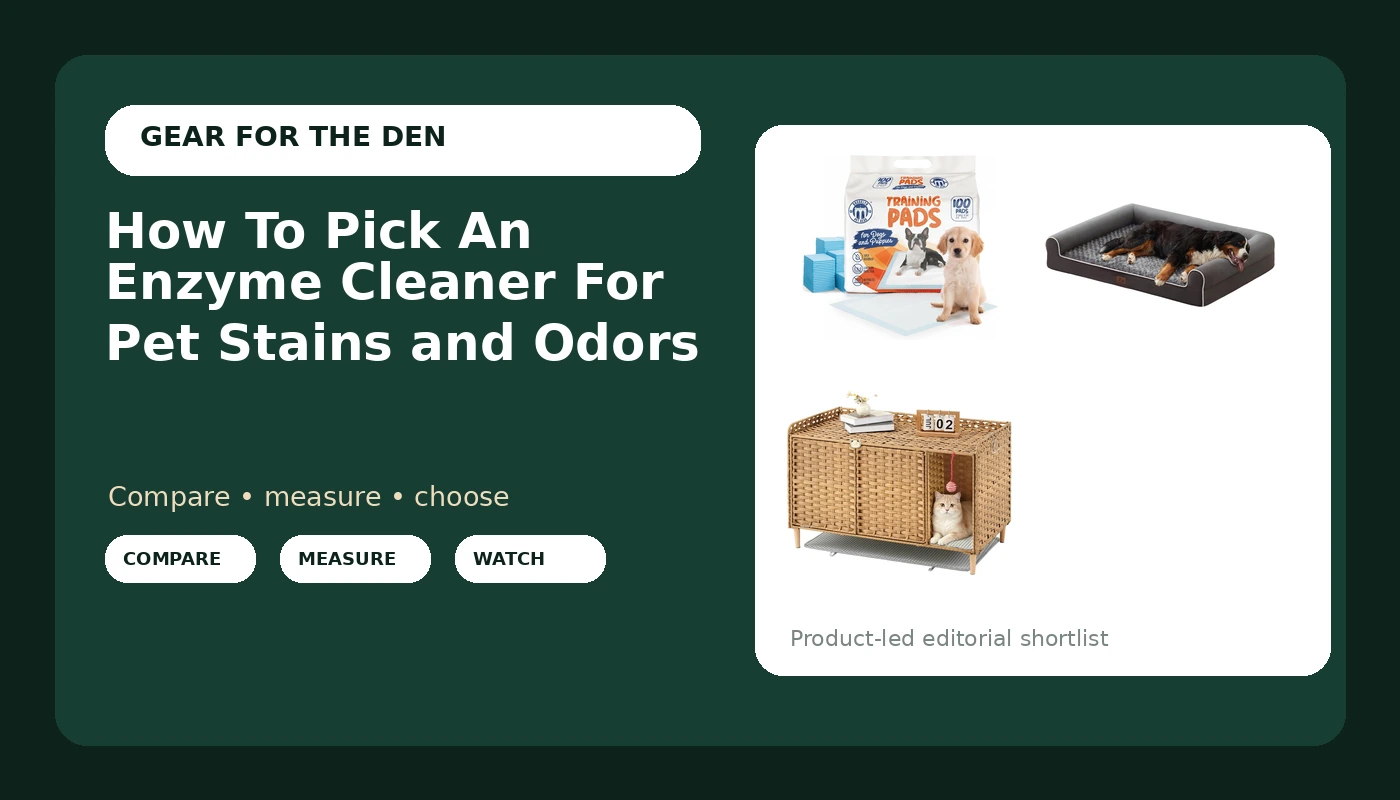
Budget pick: BPG Ultra Absorbent Pet & Puppy Pads, 100 Count 22"x22" Pee Pads for Dogs, Disposable Leak Proof Dog Training Pads, Quick Drying Underpads, Puppy Essentials for House Training – Brooklyn Pet Gear
Budget pick
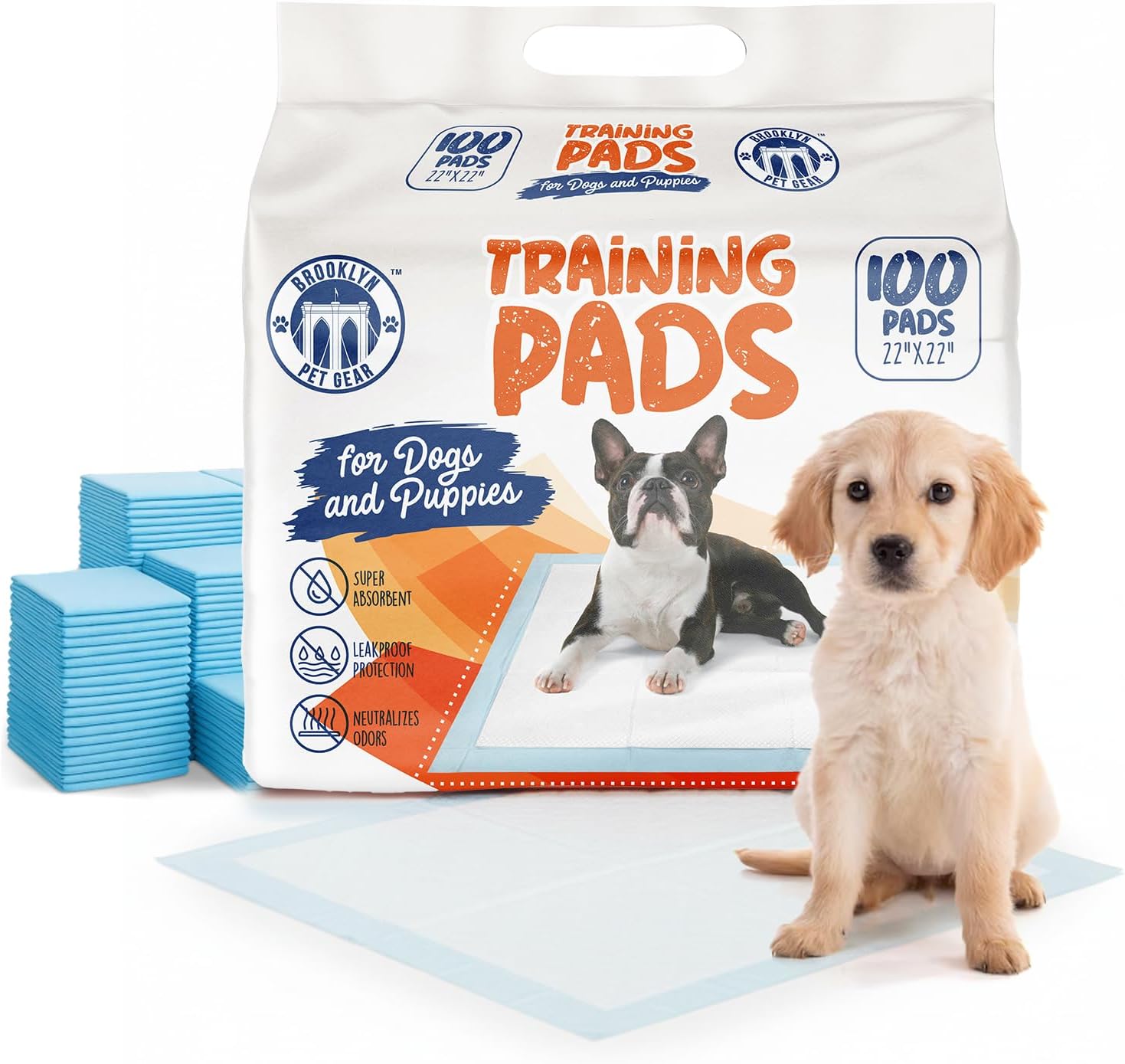
BPG Ultra Absorbent Pet & Puppy Pads, 100 Count 22"x22" Pee Pads for Dogs, Disposable Leak Proof Dog Training Pads, Quick Drying Underpads, Puppy Essentials for House Training – Brooklyn Pet Gear
This is the layer that saves the carpet. A 22 by 22 pad is small enough to tuck under a food bowl, a litter box entrance, or a senior dog's hip, and the leak proof backing is the part that matters. When a pad holds the liquid, the enzyme cleaner only has to handle the residue in the fibers instead of a puddle that has already soaked through to the floor.
Quick drying matters more than people expect. A pad that stays damp on top keeps the floor under it damp too, and damp organic matter is what feeds odor. Pad absorbency and liner waterproofing are the two specs worth checking on any pad you buy, and both are easy to test with a half cup of water before you commit to a whole case.
I keep a stack by the door, one under the water bowl, and one folded under the litter box lip. Check current Amazon price.
Our pick: Warmrest Orthopedic Large Dog Bed,Washable Dog Couch for XL Senior Dogs
Our pick
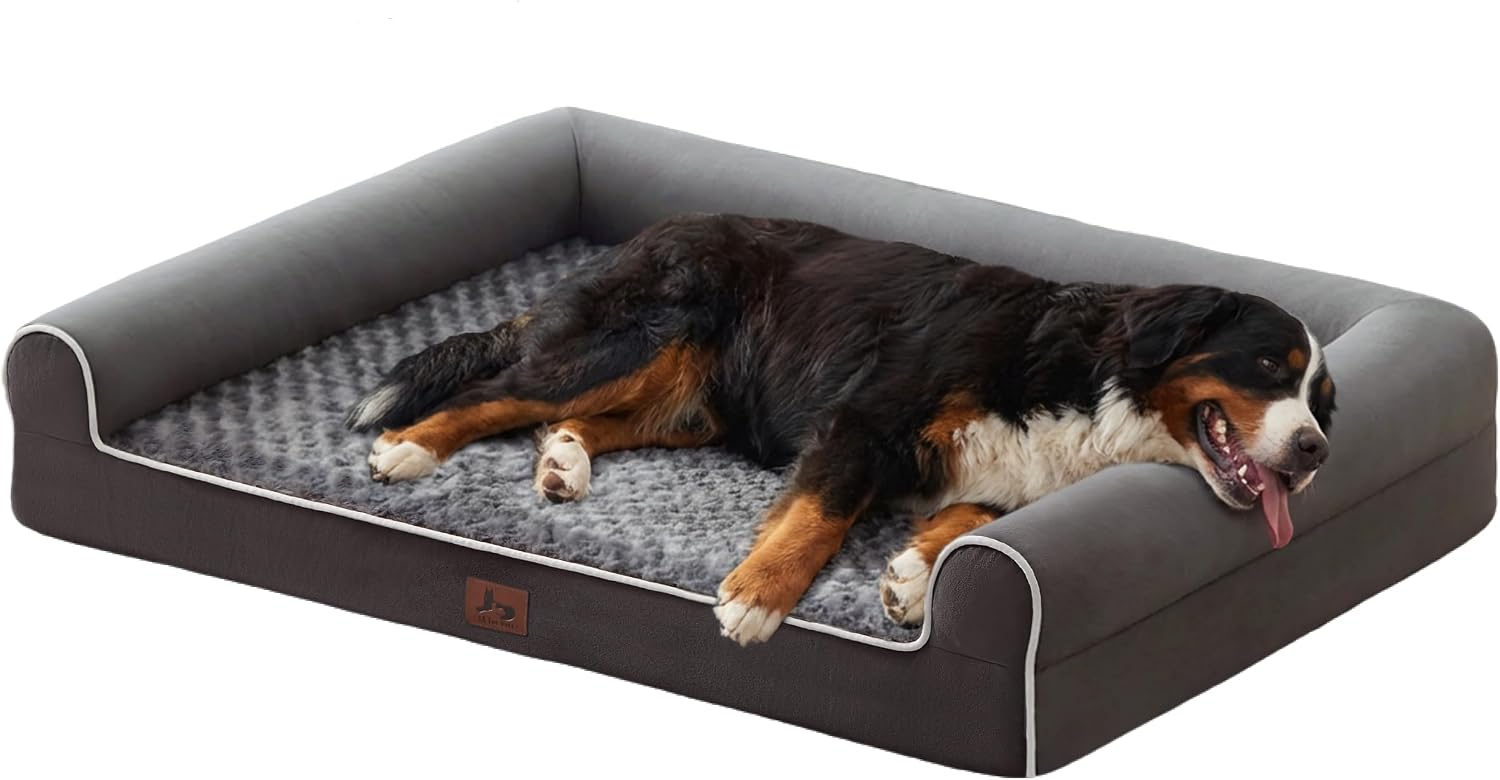
Warmrest Orthopedic Large Dog Bed,Washable Dog Couch for XL Senior Dogs
Senior dogs leak. That is not a behavior problem, it is an orthopedic and hormonal reality, and the bed is where most of it lands. A machine washable cover changes the math, because a bed you can strip and wash is a bed an enzyme cleaner only has to pre treat instead of rescue.
The orthopedic foam matters for the dog. The washable cover matters for the house. Before you buy any bed in this category, check three things: whether the cover zips off, whether the foam itself can be spot cleaned, and whether the fabric can take a normal cycle without pilling or losing shape. Fabric safe cleaner plus a washable cover is the combination that keeps a senior dog's sleeping spot from becoming the source of the smell in the whole room.
This one is sized for XL dogs, so measure the floor space before you order. Check current Amazon price.
Containment gear that saves the enzyme cleaner a job
The other half of the problem is containment. If the mess lands in a box, on a pad, or on a washable surface, the enzyme cleaner goes from rescue tool to maintenance product.
Upgrade pick: SETVSON Cat Litter Box Enclosure Furniture,Cat Litter Box Furniture,Natural
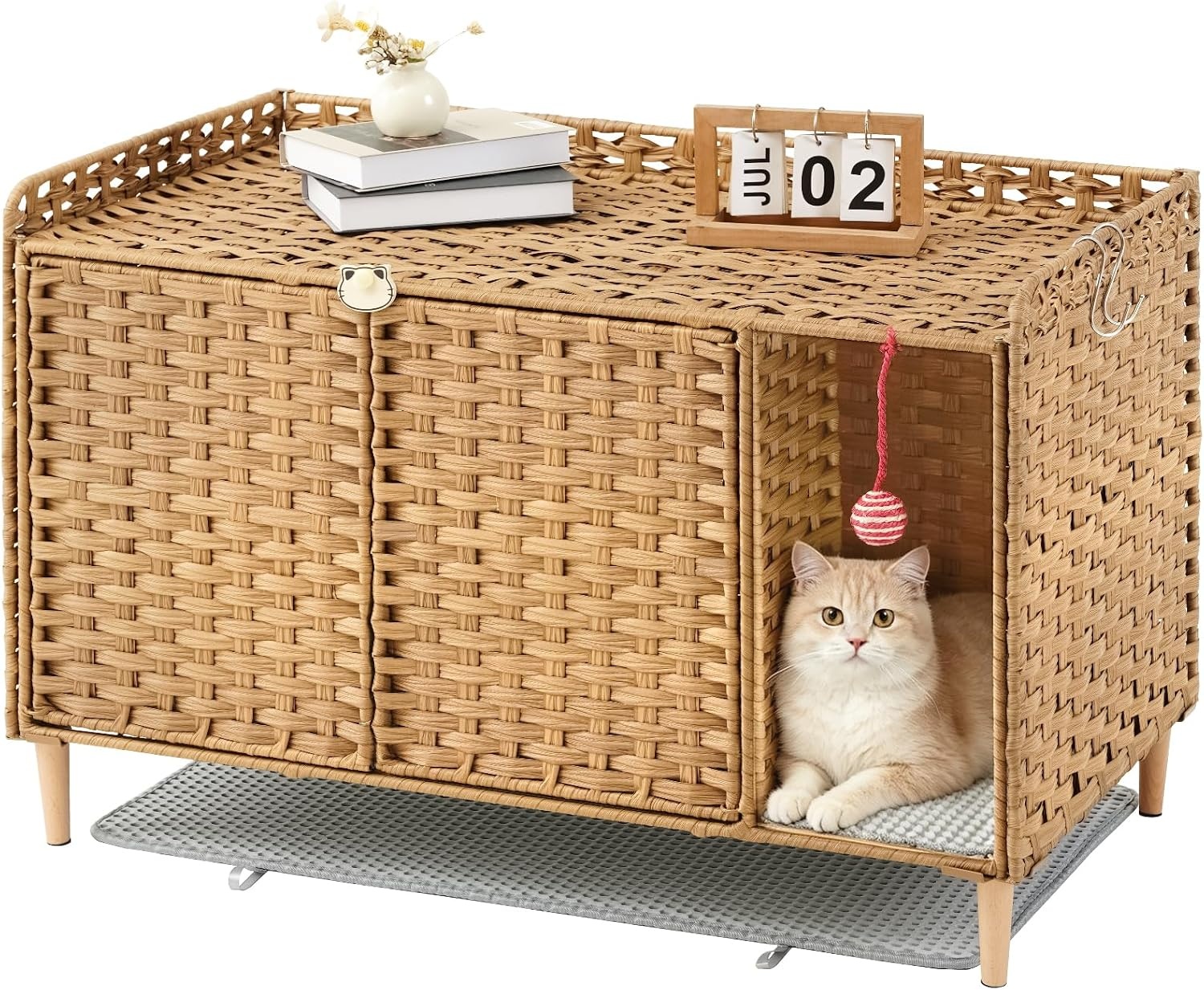
Litter tracking and missed urination are two of the most common reasons a room smells. An enclosure does not clean anything by itself, but it keeps the scatter in one footprint and gives you a hard surface to wipe down with a carpet safe cleaner instead of a carpet to shampoo. My notes on cat litter box odor control go deeper on that side of the room.
What to look for in any enclosure: a wipeable interior, a door that actually closes, enough interior height for a cat to stand and turn, and a finish that will not stain when a spray bottle hits it. A natural wood finish is the part that needs the most attention, because an enzyme cleaner left to sit on a porous surface can lift the finish. Spray, dwell, wipe, dry, and never leave a puddle standing on wood.
Measure your box before you buy, and remember that the enclosure is the last step in the system, not the first. Check current Amazon price.
The actual enzyme cleaner workflow
Now the part you came for. This works with any bottle that lists enzymes on the label, and it works better with the gear above in place. There is no single ideal pick an enzyme cleaner for every house, because the right formula depends on the surface under the mess.
Step one: Identify the mess. Enzymes are specific. A formula built for urea, the compound in urine, is not the same as one built for the protein in blood or vomit, or the fat in grease and food. Read the label and match the target. A general pet formula covers most household accidents, but if you are dealing with cat urine on a subfloor, buy for urea.
Step two: Remove the liquid first. Press a pad or a folded towel into the mess and stand on it. Do not rub. Rubbing pushes the liquid deeper into the pad and the backing. The goal is to get as much out as possible before the cleaner goes down, because enzyme cleaners work on residue, not on puddles.
Step three: Spot test. Every carpet safe and fabric safe claim deserves a ten minute test in a corner nobody looks at. Spray, wait, blot, and check for dye transfer or a change in texture. This takes less time than replacing a rug.
Step four: Read for enzyme concentration. Two bottles can look identical and behave nothing alike. A concentrate that you dilute usually carries a higher enzyme concentration per ounce and costs less per use. A ready to use spray is mostly water with enzymes in it, which is convenient and weaker. Whichever you choose, mix only what you need, and never top off a spray bottle with tap water and hope for the best.
Step five: Apply and keep it wet. This is the step that decides the outcome. Enzymes need moisture and time, usually ten to fifteen minutes of visible dampness. In a dry house, cover the spot with a damp towel or a piece of plastic to slow evaporation. If the area dries in two minutes, you sprayed and left, and you wasted the product.
Step six: Work from the outside in. Start at the edge of the stain and move toward the center so you do not spread the ring. Use enough product to reach the depth of the accident. For urine, that means the pad under the carpet, not just the fibers on top. A clean paper towel pressed into the spot will tell you whether you are reaching the bottom of it.
Step seven: Air dry, and skip the heat. Heat sets odor. No hair dryer, no steam cleaner over a fresh enzyme treatment, no ironing a couch cushion. Let it air dry with a fan on low and the windows open. If the smell returns after twenty four hours, the residue was not fully broken down. Re treat, and this time give it the full dwell time.
Step eight: Wash what can be washed. Bed covers, blankets, pad adjacent textiles, and anything else machine washable should go through a normal cycle after a pre treatment. Wash them separately from clothes, use a normal amount of detergent, and dry them completely, because a damp cover puts you back where you started. This is where the correct pick an enzyme cleaner pays off: a formula that rinses clean does not leave a residue that attracts dirt.
The competition and why it lost
The fastest way to pick an enzyme cleaner wrong is to treat it like a disinfectant and grab whatever is on sale next to the bleach. Here is what loses, and why.
Bleach loses on chemistry. It kills bacteria, but urine is not alive, and bleach on ammonia based waste can release a gas you do not want in a closed bathroom. It also strips dye from carpet and can leave a mark you will never get out.
Vinegar loses on depth. It is a mild acid that neutralizes some surface odor and does nothing to the residue below the fibers. It is fine as a rinse step and useless as a fix.
Steam cleaners lose on heat. Steam is excellent for tile and grout and terrible for a fresh urine spot in carpet, because heat can set the proteins and lock the odor into the backing. Save the steamer for hard surfaces after the enzyme treatment has finished.
Carpet shampooers lose on residue. A shampooer pulls a lot of liquid out and leaves detergent behind, and detergent residue attracts dirt and holds a faint smell. Use the shampooer as a rinse step after an enzyme treatment, not as the treatment itself.
Air sprays and scented odor neutralizer products lose on honesty. They cover a smell for an afternoon. If the source is still in the pad, the smell comes back the moment the room warms up.
Plain paper towels lose on volume. They are the right tool for a small spill and the wrong tool for a puddle, because they saturate and smear instead of holding. That is the entire argument for keeping real pads in the house.
What this all costs
The math here is less about the bottle than about how often you have to use it.
A concentrate you dilute costs the least per use, because you are not paying to ship water. A ready to use spray costs more per ounce of active chemistry and saves you a mixing step. Pads cost money every time you use one, while a washable bed or a litter enclosure costs money once. Check current Amazon price on the gear before you commit, because counts and sizes vary and the per use math changes with them.
The hidden cost is re treating. A bottle used correctly, with a full dwell time and a real absorbent layer underneath, handles a spot once. A bottle used wrong handles the same spot three or four times, and that is where the cheap option stops being cheap.
What you are really buying when you pick an enzyme cleaner is a process: a pad to pull the liquid, a formula that matches the mess, ten to fifteen minutes of patience, and a washing machine for whatever the mess touched. Skip the pad and you buy more cleaner. Skip the dwell time and you buy a new carpet. The bottle is the smallest line item in the whole system.