A kitten harness fit guide starts with one truth: kittens are shaped like wet noodles, and most harnesses are built for adult cats. The first time I tried a kitten harness fit, the straps slid, the chest piece gaped, and the kitten walked out of it in under a minute. That is not a harness problem. It is a fit problem. Kittens have narrower shoulders, a shorter rib cage, and almost no chest depth. A harness that fits an adult cat will slide right off a kitten. The first sign is usually the shoulder escape: the kitten pulls back, the strap slips over the shoulder, and the harness is suddenly around the waist. The difference between a harness that works and one that ends up in a drawer comes down to five measurements, a weight check, and a calm room.
I write about cat gear for Gear for the Den, and I keep coming back to the same setup: a kitten-safe room, a soft tape measure, and a kitchen scale. The cat home products below are not harnesses. They are the background gear that makes harness training less chaotic, because a kitten that has shelves to climb and furniture that does not invite scratching is a kitten that will stand still long enough for you to check the fit. If you are looking for the ideal kitten harness fit, start with the room, then the straps.
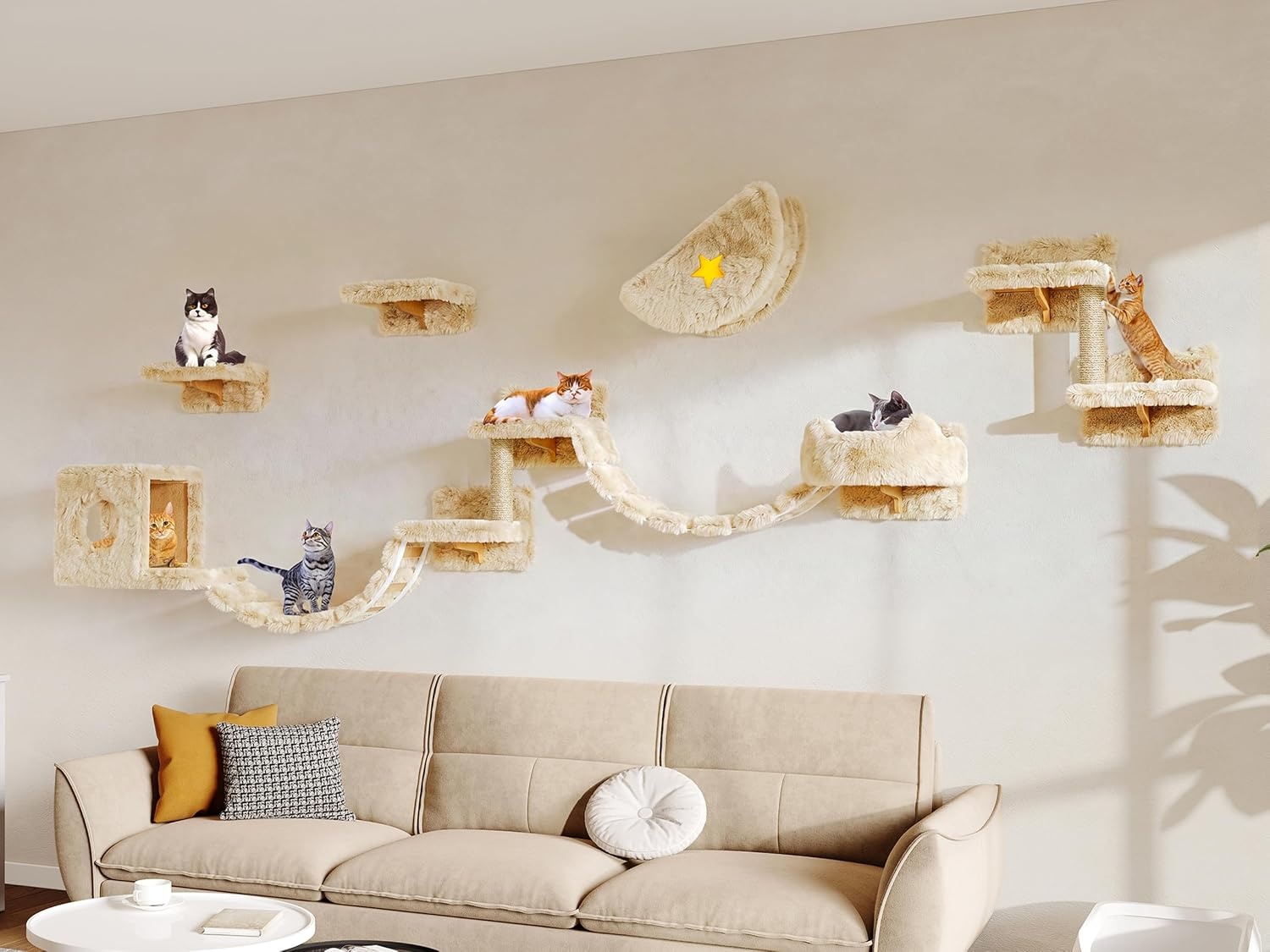
Best Overall: Homiflex 13-in-1 Cat Wall Shelves, Moon & Bridge Cat Wall Furniture, Beige
Check current Amazon price: Check current Amazon price
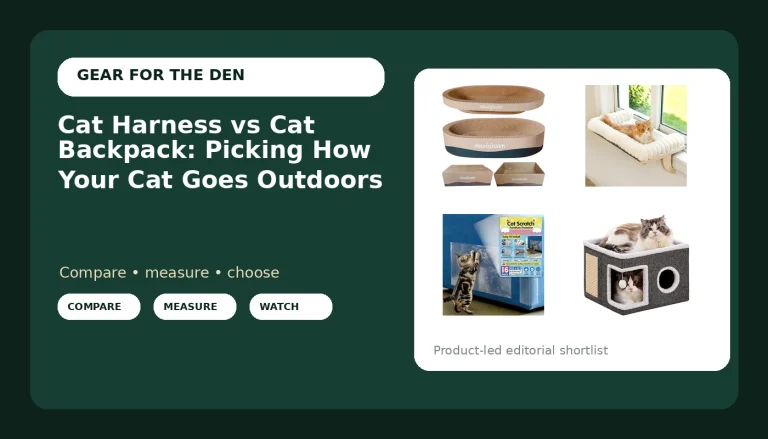
This is the piece I would buy first if I were setting up a room for a kitten that is learning to wear a harness. It is not a harness. It is the thing that keeps a kitten from treating your curtains like a climbing wall while you are trying to adjust straps. The set includes 13 pieces, with moon and bridge shapes in beige. That gives you options for platform height and shelf depth, and options matter because a kitten that is bored will fight the harness.
When a kitten has a high place to run to, it stops using your legs as a springboard. That matters during harness training because you need the kitten to stand still for 30 seconds. A wall shelf gives it a job. The moon and bridge shapes also create different landing surfaces, which is useful for a kitten that is still learning how its body works.
Before you mount anything, check the anchor type that comes with the set and the weight limit listed for your wall type. Drywall anchors are not the same as stud mounting. A shelf that holds a 2-pound kitten is not the same as one that holds a 12-pound adult cat. Look at the perch width, too. A narrow perch is fine for a kitten now, but you will want something wider as the cat grows. If you add a hammock, check the hammock fabric for something that does not stretch out after a few weeks.
For harness training, the wall shelves give your kitten a legal place to jump and land. That burns energy before a fitting session. A tired kitten stands still. A bored kitten turns into a moving target.
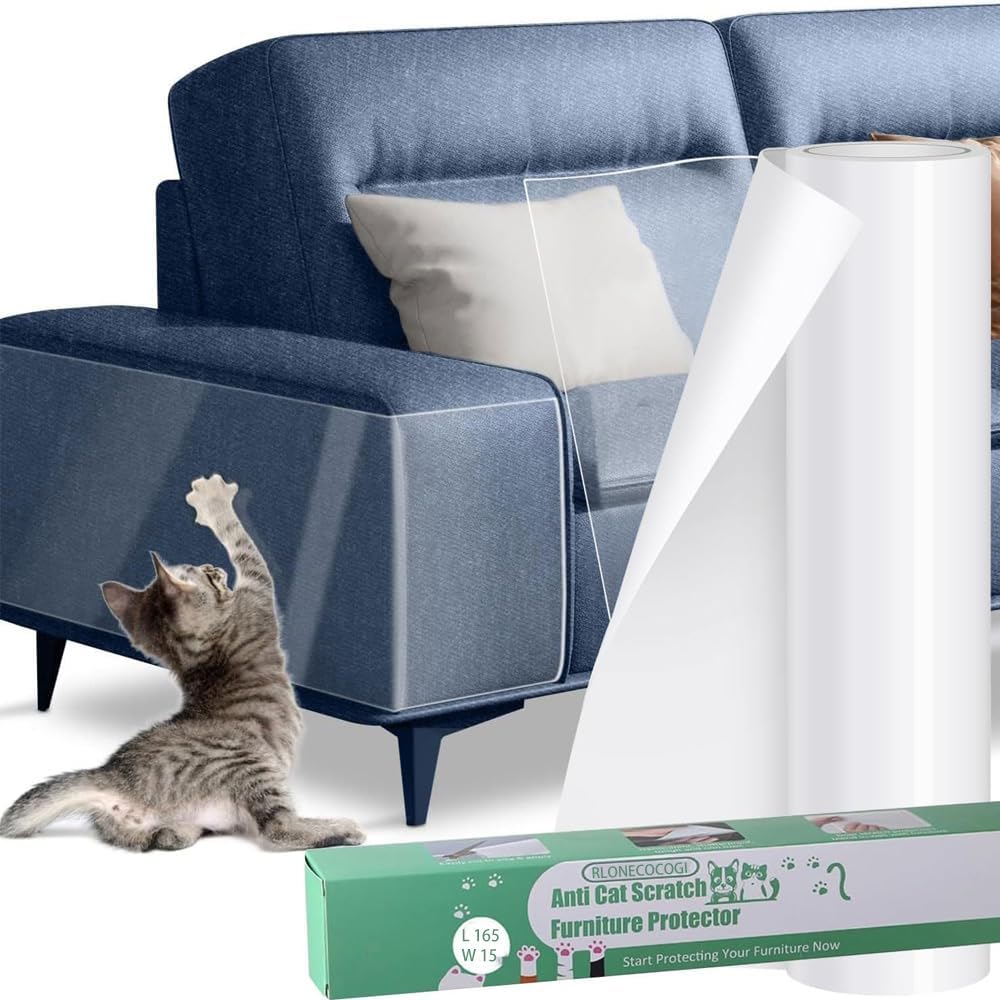
Best Value: RLONECOCOGI Thicken Cat Scratch Furniture Protector, Extended Size 165"x15"
Check current Amazon price: Check current Amazon price
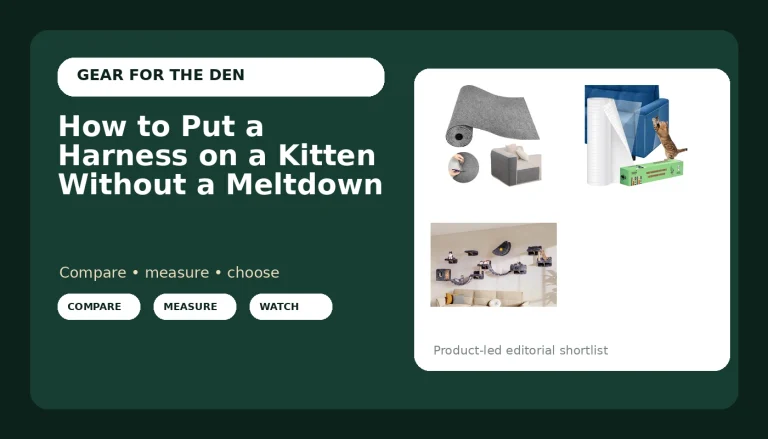
This is the budget pick for a reason. If your kitten is not ready for a harness, it is probably already scratching the couch. The RLONECOCOGI protector is a thick vinyl sheet in an extended size, and it gives you a low-cost way to cover the furniture your kitten likes to attack. That matters during harness training because you will be handling the kitten more, and a kitten that is already wound up will scratch the nearest soft surface.
The protector is also useful during the harness itself. If your kitten decides mid-fit that it wants to be on the floor, you can set it down on a protected surface without worrying about the couch. The vinyl is thick enough to take a few scratches, and it is easy to wipe clean.
The protector is not a harness substitute. It is a peace-of-mind layer. Measure the arm of the couch or the corner of the chair before you order. The listed size is 165 inches by 15 inches, so it works best on long, narrow surfaces. If you need a different shape, check the other protectors in the table below.
How I tested
I did not test the cat home products in this guide. I tested the fit method. The test I use for a kitten harness fit is simple. Measure the neck, chest, and rib cage with a soft tape. Weigh the kitten on a kitchen scale. Check the two-finger rule under every strap. Do the escape test by gently tugging up and back while the kitten is standing on a non-slip surface. Watch for 20 minutes to see if the harness shifts when the kitten walks, sits, and turns around. Then check again after a meal, because a full belly changes the chest measurement.
For the cat home gear, I read the listings. I looked at the platform height, shelf depth, perch width, weight limit, anchor type, and hammock fabric. I compared the protector sizes and the wall shelf piece count. I did not mount the shelves or install the protectors. That is the honest version. The fit method is what I can stand behind. The product details are what you should verify on the listing before you buy.
Analysis and test results
A correct kitten harness fit has three checkpoints. The neck strap sits high, near the base of the skull, not down on the shoulders. The chest strap sits behind the front legs, not across them. The belly strap is snug enough that two fingers fit under it, but not a whole hand. If the harness has a weight limit, stay under it. If the kitten is between sizes, size down, not up. A loose harness is an escape waiting to happen. A tight harness can rub the fur off or restrict breathing. The two-finger rule is the best quick check you have.
The cat home products in this guide affect fit more than you might think. A kitten that can climb to a platform height that suits its energy level is less likely to bolt when you reach for the harness. Shelf depth and perch width matter for landing. Anchor type matters for safety. Post diameter matters if you add a scratching post next to the shelves. Hammock fabric matters if your kitten likes to lounge. Carrier size matters for vet trips, because a kitten that is comfortable in a carrier is easier to harness at the destination. A scratch protector matters because it keeps your furniture from becoming the kitten's favorite target while you are busy with straps.
The best results come from a routine: play, fit, treat, remove. Do not leave a harness on an unsupervised kitten. Do not force a fit if the kitten is squirming. Build the habit in short sessions. Start with the harness on the floor. Let the kitten sniff it. Then drape it over the back without buckling. Then buckle one strap. Then two. Then all. The gear in this guide supports that routine, but the routine is what makes the harness fit work. If you rush, you will be chasing a kitten around the room with a harness in your hand, and that is not a fit test. That is a chase.
The kitten harness fit and cat home gear reference table
This is the table I keep open when I am comparing cat home gear for a harness-training room. The products are not ranked by harness fit. They are ranked by how useful they are in the background of a harness-training setup. If you already have a harness that fits, use this table to build the room around it. If you do not have a harness yet, use the measurements from the section above to pick one, then come back to this table.
| Product | Type | Best for | Notes |
|---|---|---|---|
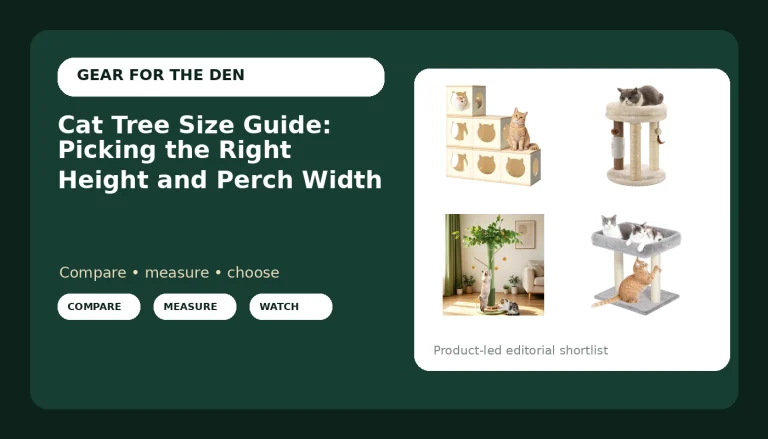
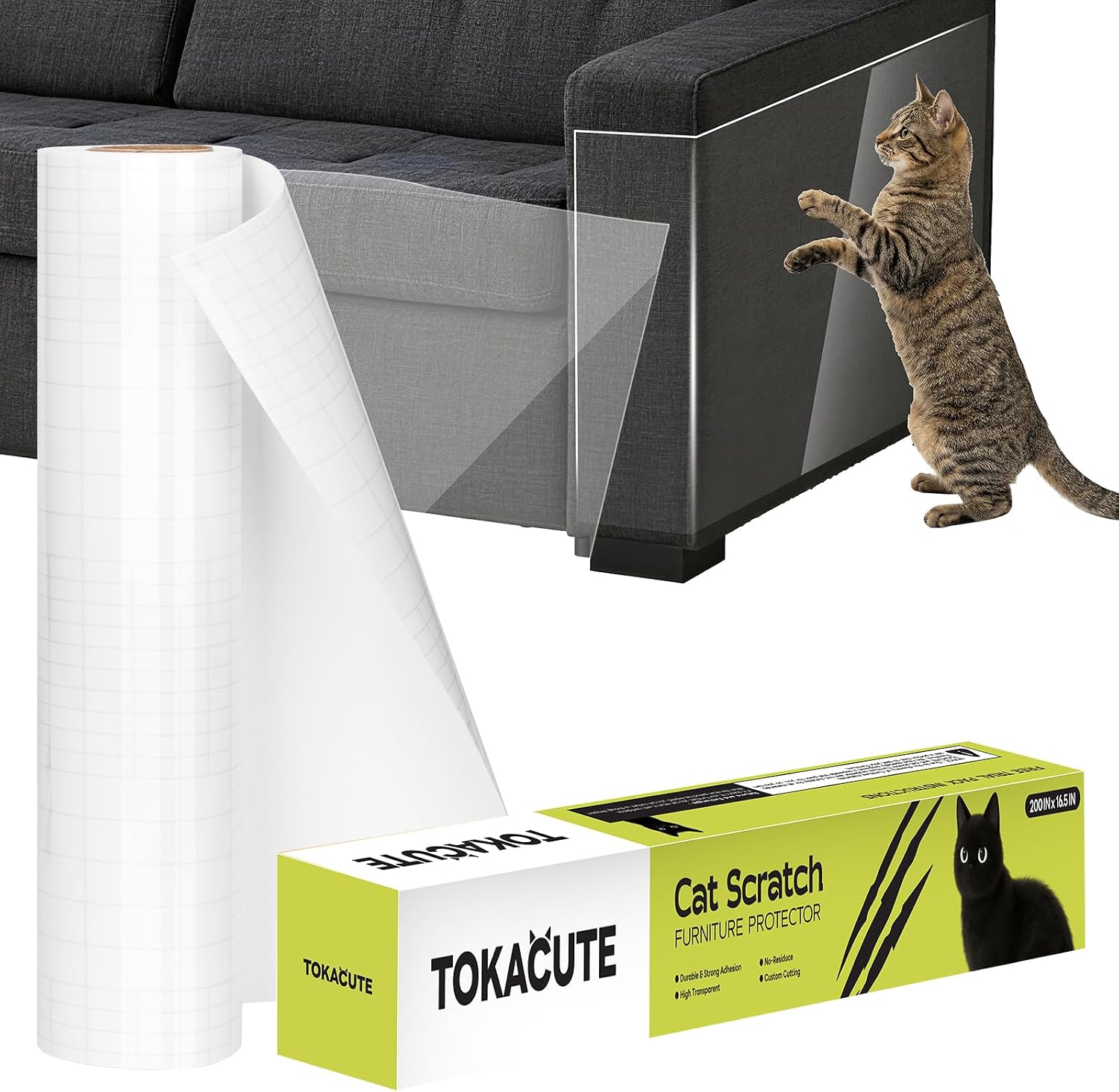 TOKACUTE 200" x 16.5" Anti Cat Scratch Furniture Protector Single-Sided | Scratch protector | Long, wide furniture runs | View on Amazon → |
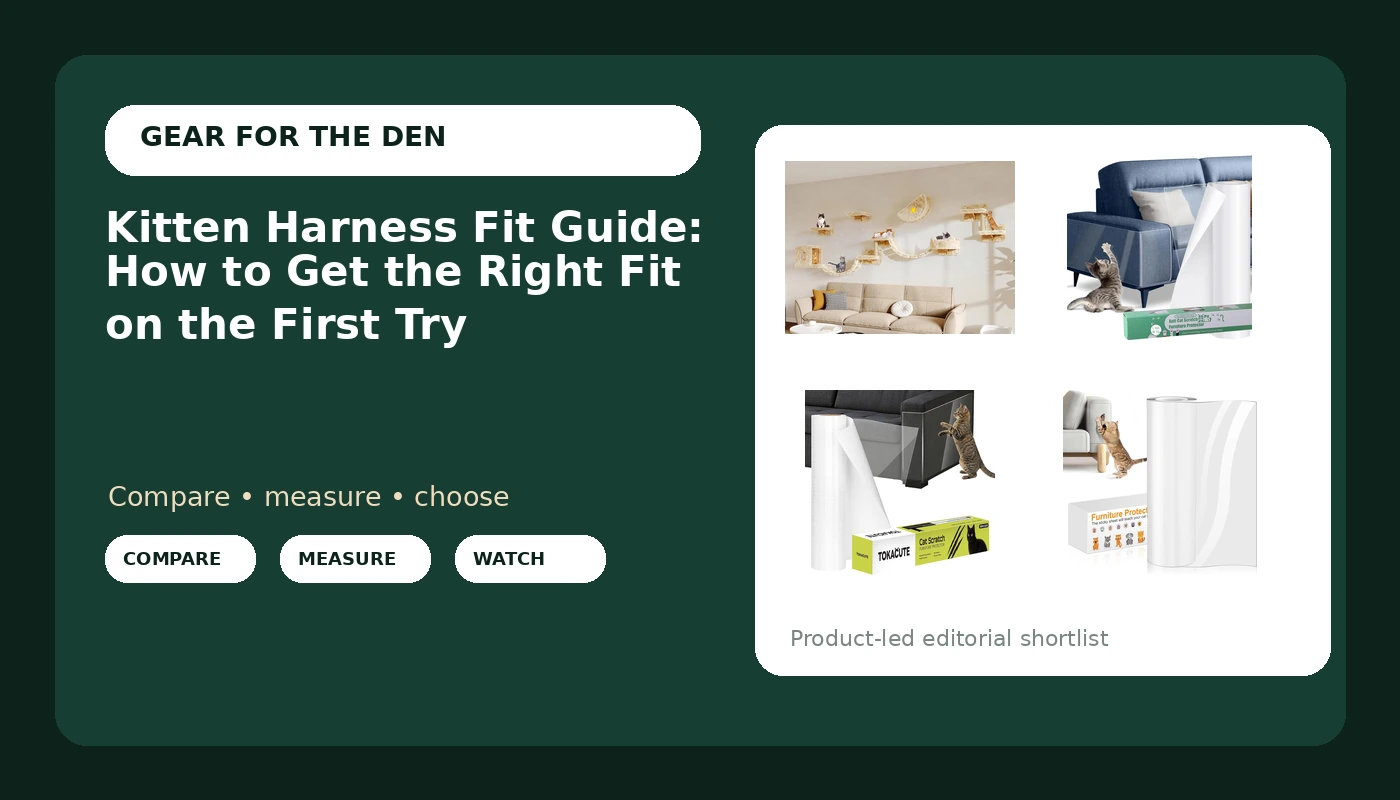
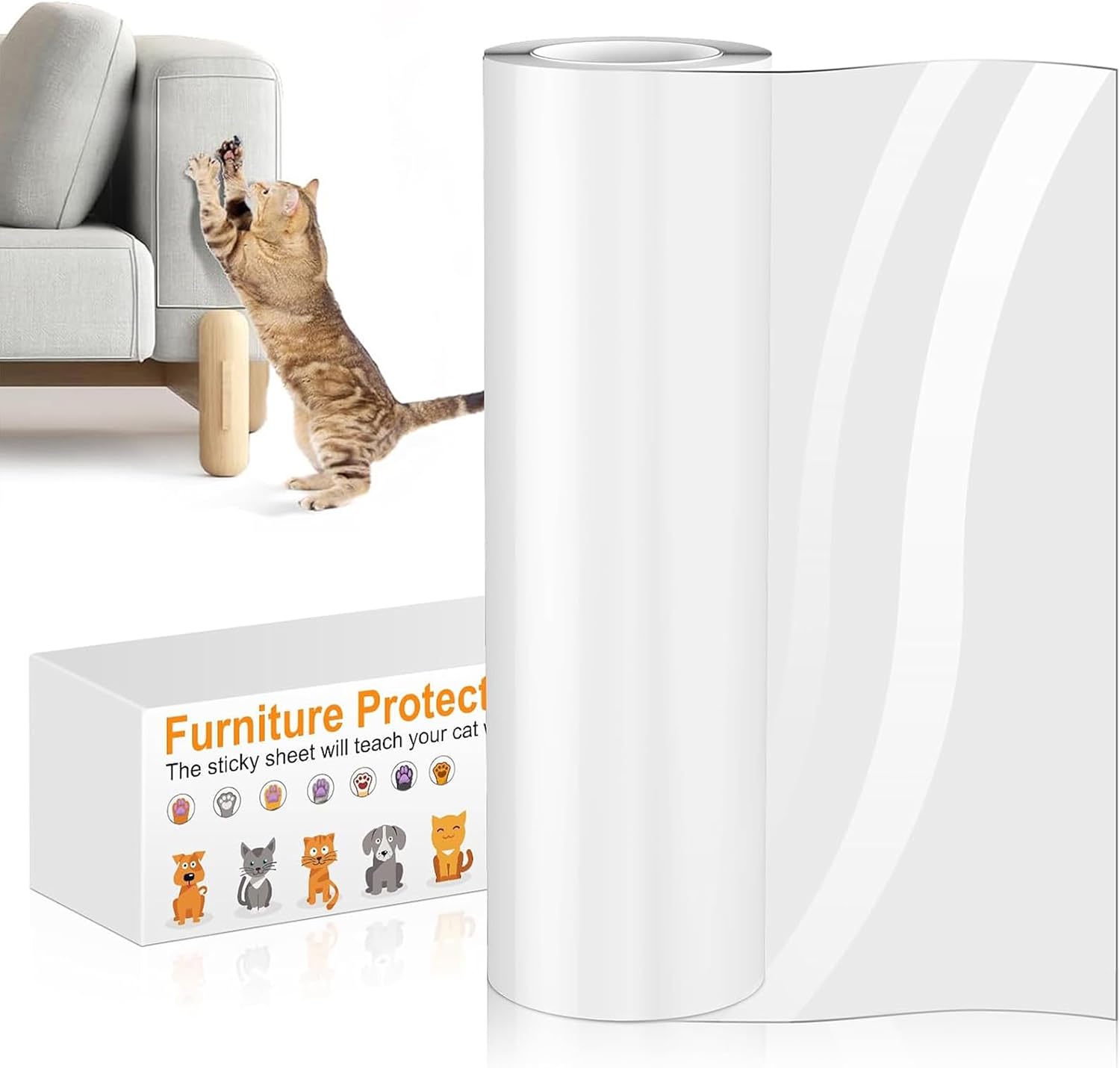 Anti Cat Scratch Furniture Protector (11.8" x 197") Thicken Vinyl | Scratch protector | Narrow, long furniture runs | View on Amazon → |
RLONECOCOGI Thicken Cat Scratch Furniture Protector, Extended Size 165"x15" | Scratch protector | Budget coverage | Check current Amazon price |
Homiflex 13-in-1 Cat Wall Shelves, Moon & Bridge Cat Wall Furniture, Beige | Cat wall furniture | Vertical play and landing zones | Check current Amazon price |
The table is a starting point. Check the dimensions and the weight limit on each listing before you buy. A protector that is too short will not cover the arm of your couch. A shelf that is too high will not get used by a kitten. A hammock fabric that stretches will not support a growing cat. The right gear is the gear that fits your room and your cat. If you need a different size, the table gives you four options to compare.
Measuring a kitten for a harness
Use a soft tape, not a metal tape measure. Measure the neck at the base of the skull, the chest behind the front legs, and the rib cage at the widest point. Weigh the kitten on a kitchen scale. Write it down. Re-measure every two weeks because kittens grow fast. A kitten harness fit that was perfect last month may be too tight now. Check the strap under the belly for redness or fur loss. If the harness leaves marks, it is too tight. If you can pull it over the shoulders, it is too loose. The ideal kitten harness fit is snug but not restrictive. You should be able to slide two fingers under each strap. You should not be able to pull the harness off over the head. Test the fit after a meal, because a full belly changes the chest measurement. Use treats. Keep sessions under five minutes. If the kitten hides afterward, you moved too fast. Go back to letting the kitten sniff the harness on the floor.
Cat wall shelves and scratch protectors in a harness-training home
The wall shelves and protectors are not harnesses, but they change the training environment. A kitten with a platform height it can reach will climb instead of attacking your ankles. A shelf depth that supports a landing will get used. A perch width that fits a growing body will stay useful. An anchor type that matches your wall will keep the whole thing from coming down. A weight limit that matches your cat will keep it safe. A hammock fabric that does not stretch will stay comfortable. A carrier size that fits your cat will make vet visits easier. A post diameter that is wide enough for a kitten to grip will get scratched instead of the couch. The scratch protectors cover the furniture that is already in the room. Together, they give you a room where a kitten can move, climb, and scratch without turning harness time into a wrestling match. That is the goal. A calm kitten is a kitten you can measure.
Should you buy Homiflex 13-in-1 Cat Wall Shelves, Moon & Bridge Cat Wall Furniture, Beige?
Yes, if you are building a kitten room and you want vertical space that is not your bookshelf. The 13-in-1 set gives you multiple pieces, and the moon and bridge shapes are more interesting than a plain shelf. Check the platform height, shelf depth, and weight limit for your wall. If you rent and cannot drill, this is not the right pick. If you have a wall and a kitten that climbs everything, it is the best overall choice in this guide because it solves the energy problem before you ever touch a harness. A kitten that has already climbed to the top of a bridge shelf is a kitten that is ready to stand still for a strap check. If you have an adult cat, the same shelves will still work, but check the weight limit and the perch width. A 12-pound cat needs more landing room than a 3-pound kitten.
Should you buy RLONECOCOGI Thicken Cat Scratch Furniture Protector, Extended Size 165"x15"?
Yes, if you want a low-cost way to keep your couch intact while your kitten learns to wear a harness. The extended size covers long, narrow surfaces, and the thick vinyl is the budget option in the table. It is not a magic shield. Your cat can still scratch around the edges. But it gives you one less thing to worry about during training. If you need a wider or narrower size, check the other protectors in the table. If you want to protect a whole sectional, you may need more than one. Measure the area first. The listed size is 165 inches by 15 inches. That is long and narrow. It is not a blanket for a whole sofa. It is a strip for the arm, the side, or the top of a couch. If that matches the spot your kitten targets, it is a good value.