I have lived with double-coated dogs long enough to stop believing that any single product fixes a coat. Coat condition is a stack: what goes in the bowl, what the skin gets bathed in, and how much dead undercoat actually leaves the body each week. That is why a search for limited ingredient treats vs regular dog treats so often ends in the wrong aisle. Treats are one input. The other two inputs are already sitting in your grooming bin, and one of them costs less than a bag of biscuits.
The short answer for most dogs: a limited ingredient treat earns its spot when you are isolating a protein or dodging a filler, and a regular treat is fine when the ingredient list is short and the real problem is a grooming problem. A dull, flaky coat on a dog that gets brushed twice a month is not a diet problem. A dog that chews its flank twenty minutes after every biscuit might be. Working out which dog you have is the actual job, and the four products below split neatly along that line: one treat, one shampoo, and two grooming tools that decide how quickly any change in the bowl shows up on the outside of the dog.
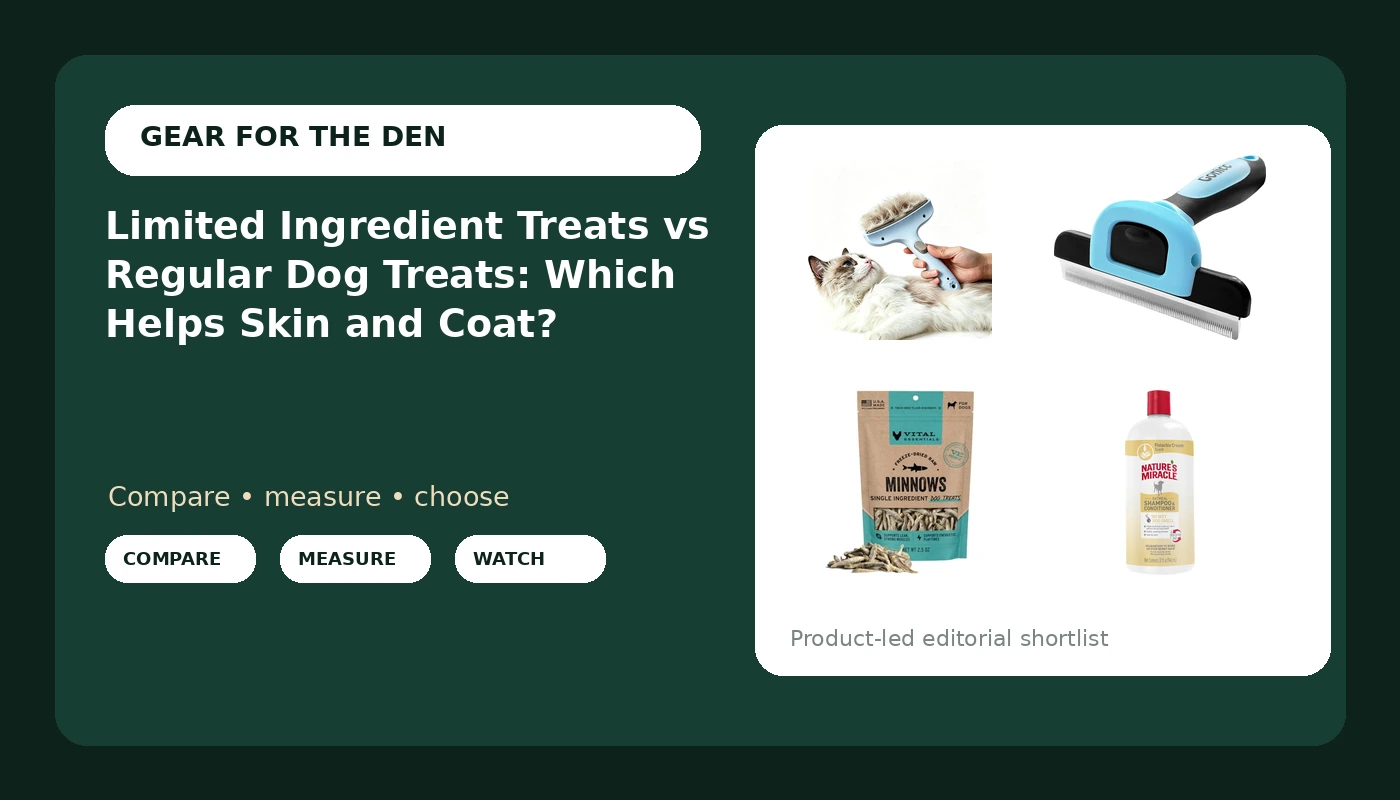
This table is the shortlist I would hand a friend who asked me to stop talking and name things. Two of these products put something onto the dog, two of them take something off. Between them they cover the input side and the output side of a coat.
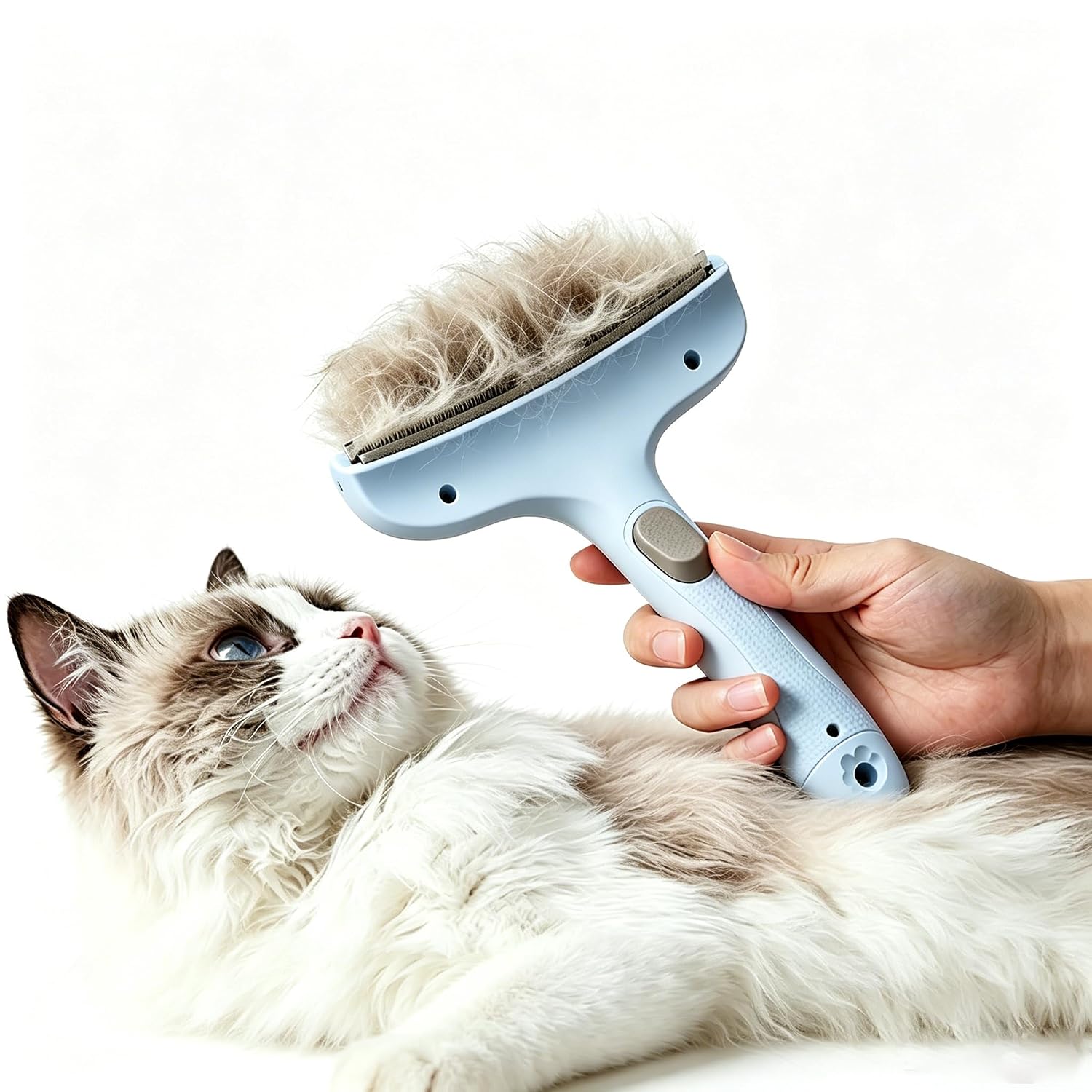
Kinumoem Pet Deshedding Brush, Grooming Tool for Dogs & Cats, Blue
Forgiving format for a dog that barely tolerates grooming, and it covers legs, tail, and chest in a hurry
Can skim the topcoat and leave a packed undercoat untouched
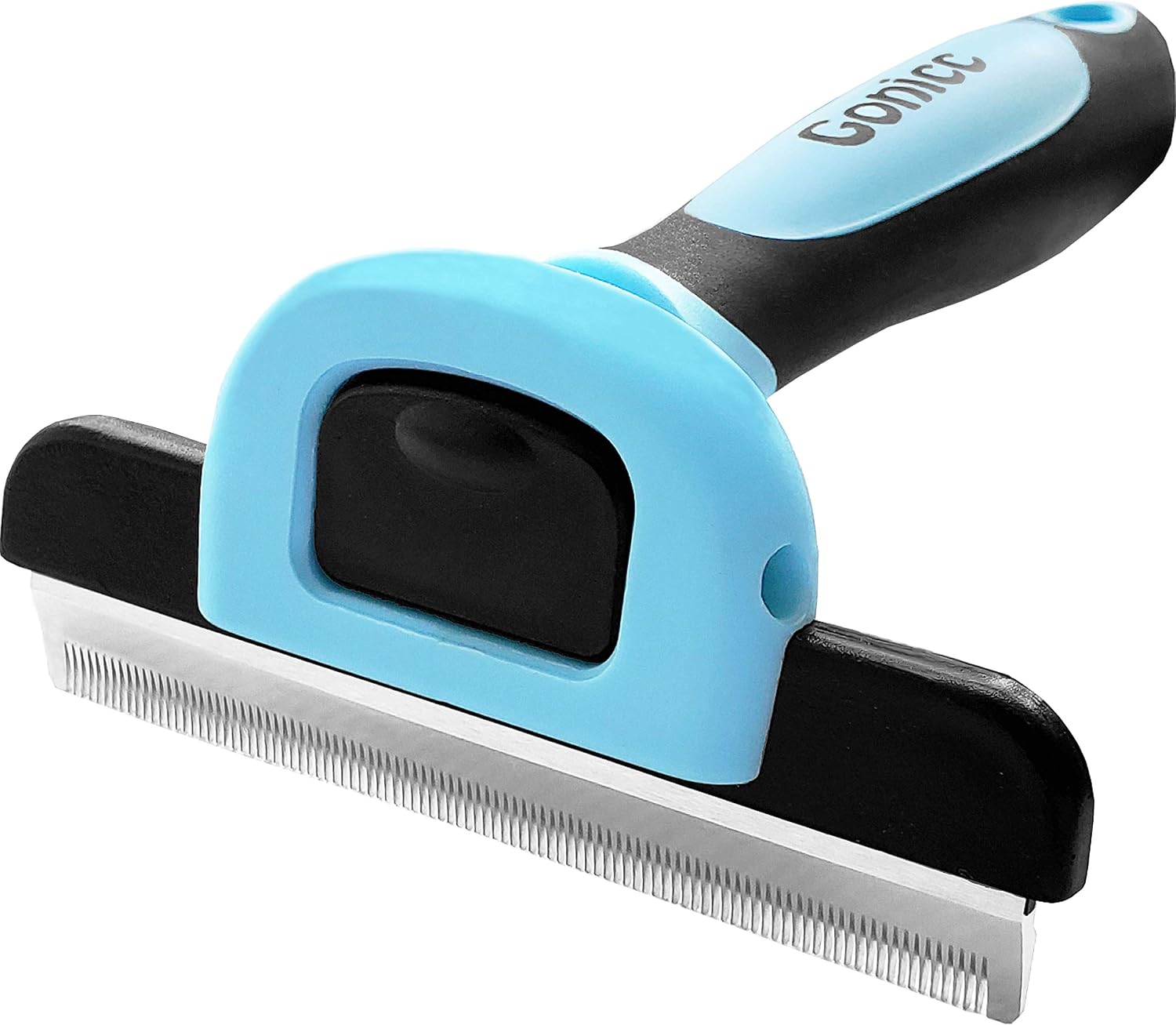
Gonicc PDT- 1001 Professional Pet De Shedding comb Tool Blue
Teeth get under the topcoat and pull loose undercoat out in visible lines
Demands a patient dog and a light hand on thin or sensitive skin
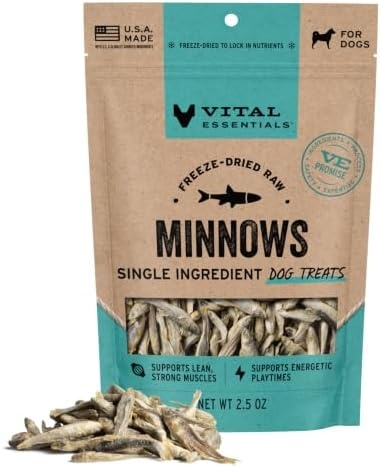
Vital Essentials Freeze Dried Minnows Dog Treats, 2.5 oz Bag
One ingredient, freeze dried, and fish puts omega 3 fat in the bowl without a capsule
Small bag, strong smell, and not the pick for a sensitive gut
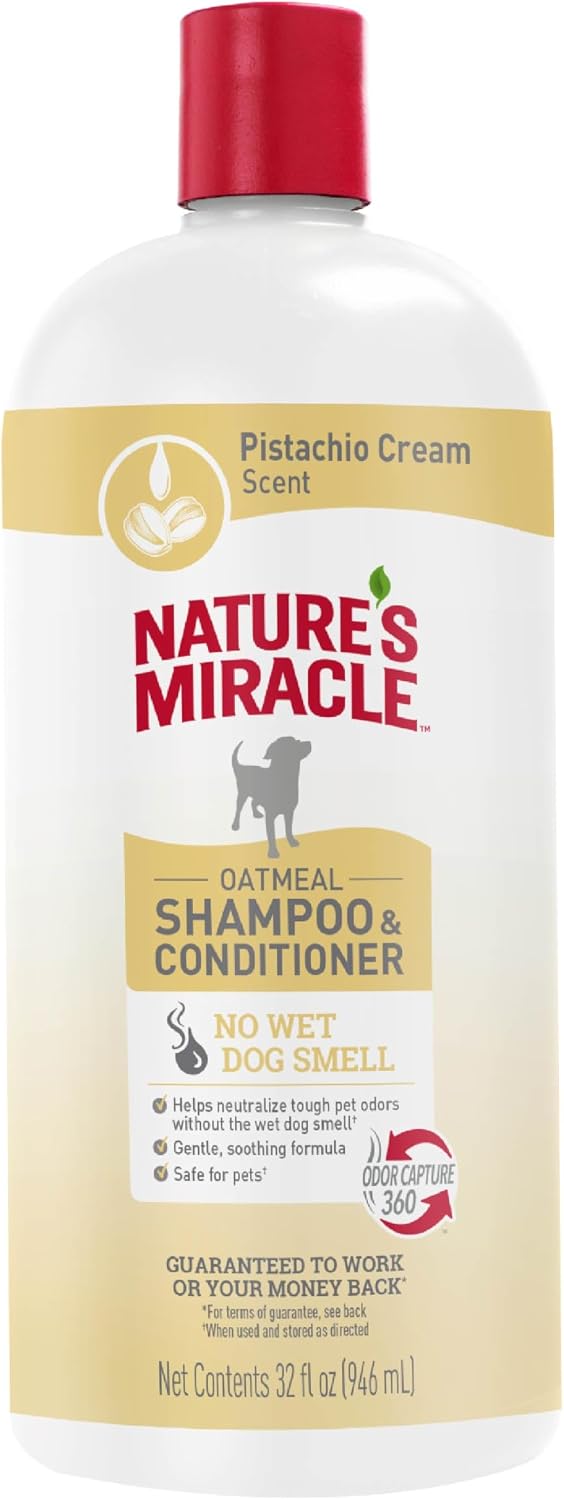
Nature's Miracle 2-in-1 Oatmeal Dog Shampoo & Conditioner, 32 oz
Oatmeal high in the list and a 32 oz bottle that makes proper bathing affordable
Two-in-one formulas trade a little conditioning depth for convenience
Prices and availability may change.
Limited ingredient treats vs regular dog treats: what actually differs
Strip the packaging away and this is a label decision, not a nutrition category. A limited ingredient formula deliberately shortens the ingredient list: one protein, one carbohydrate, and as little else as the maker can get away with. A regular treat is built for shelf appeal and cost, which usually means a longer list with binders, flavorings, preservatives, and sometimes several protein sources in the same biscuit.
Framed that way, limited ingredient treats vs regular dog treats is a question about variables, not about quality. Can you tell what you changed, and can you tell whether it helped?
That difference matters in exactly one situation: when you are trying to work out what a dog reacts to. If your dog is fine on everything and the coat simply looks dull, a shorter ingredient list will not do much for you. If your dog scratches, chews, or deals with recurring ear trouble, a short list is a diagnostic tool. You remove variables until the symptoms change, and you cannot remove variables from a biscuit that contains eight of them.
How I judge skin and coat products
Four things, in this order.
Coat type first. A double-coated shepherd, a curly poodle cross, and a short single-coated boxer need different tools and different bathing schedules. Buy for the coat in front of you, not for the coat in the photo on the bag. A slicker that is perfect on a curly coat will skate over a dense undercoat without ever touching the skin.
Ingredient list second. For treats, count the named ingredients and check where the fat comes from. For shampoos, find the oatmeal concentration and see whether it is a headline ingredient or a sprinkle near the bottom of a long list.
Format third. Bottle size, bag size, brush or comb, wide tooth or fine. A 32 oz shampoo bottle is the difference between bathing a big dog properly and rationing the last two ounces. A 2.5 oz bag of treats is a week for a Labrador and a month for a Chihuahua.
Repeatability last. Any change, food or tool, needs a full shed cycle before you judge it. That is roughly four to six weeks on most dogs. Two baths and three brushings tells you nothing except whether the dog tolerated being handled.
The case for limited ingredient treats
The strongest argument for a single-ingredient treat is that it does two jobs at once. Freeze dried minnows are a whole small fish, dried, with nothing added. That makes them a limited ingredient treat by definition, and it also puts omega 3 fat into the bowl in a form most dogs will actually eat. Omega 3, and specifically the EPA and DHA fractions, is the fat that comes up most often in conversations about skin condition, because it is the one the body uses for the barrier that keeps moisture in and irritants out.
You can get EPA and DHA from a capsule or an oil pump, and plenty of people do. A fish treat is the version that does not require wrestling a pill into a dog's mouth twice a day, which is worth something on a busy week.
The catch is that fish treats are not neutral. They smell like fish, which some dogs love and some people hate. They are not a good fit for a dog with a genuinely sensitive gut, and the bag is small enough that a big dog can finish it in a few days.
Here is the one I keep coming back to for a dog that needs a single-protein treat: Vital Essentials Freeze Dried Minnows Dog Treats, 2.5 oz Bag.
What "regular" treats actually put on the label
The difference between limited ingredient treats and regular dog treats is mostly about how many ingredients you can name and where the protein sits in the list. A regular biscuit is not automatically bad. Plenty of dogs live long, glossy lives on grocery-store treats. What a regular treat usually adds is volume: wheat, corn, soy, dyes, humectants, and a flavor coating that exists to make the bag sell.
Two practical tests, no lab required. Read the ingredient list out loud and count how many items you would recognize in a kitchen. Then check whether the first protein named is a specific animal or a category. "Chicken" is a specific animal. "Poultry" is a category, and categories are where a lot of filler hides.
The reason this matters for a coat is not that wheat is poison. It is that a long ingredient list makes cause and effect invisible. If you switch a dog to a shorter list and the chewing stops, you have learned something you can act on for the rest of that dog's life. If you switch from one eight-ingredient biscuit to another eight-ingredient biscuit and nothing changes, you have learned nothing and spent the same money.
Oatmeal, bottle size, and the bathing side of the coat
Shampoo is the most underrated input in a coat conversation and the easiest one to get wrong. Two numbers tell you most of what you need.
Oatmeal concentration comes first. Oatmeal in a dog shampoo is there to calm skin, and it only does that if there is enough of it to matter. If colloidal oatmeal appears after the preservatives, it is decoration. Look for it near the front of the list, and treat a shampoo that lists it eighth as a shampoo that lists it barely.
Bottle size comes second. A 32 oz bottle sounds excessive until you have a 90-pound dog and you realize you are using a quarter cup per bath. Small bottles are the reason people stretch baths out to every three months, which is exactly backwards for a dog with a dull or flaky coat. Frequency beats intensity here: a proper bath every four to six weeks does more than a heroic scrub twice a year.
Then there is the rinse. Any shampoo that stays in the coat is a shampoo the dog will eventually lick, so lick safe once dry is a real criterion, not a marketing line. A two-in-one shampoo and conditioner trades a bit of conditioning depth for one less step, which matters when your bathing assistant is a wet dog trying to leave.
The practical middle of this list is Nature's Miracle 2-in-1 Oatmeal Dog Shampoo & Conditioner, 32 oz.
The two grooming tools, and when each one wins
Dead undercoat is the single biggest reason a coat looks dull, and it is the one thing no treat can fix. A brush and a comb do different jobs, and most people own the wrong one for their dog.
A deshedding brush like the Kinumoem Pet Deshedding Brush, Grooming Tool for Dogs & Cats, Blue is the forgiving option. The format covers more surface per stroke, it is easy to use on legs, tail, and chest, and it is the tool I would hand someone whose dog barely tolerates grooming at all. Its weakness is precision. On a packed undercoat, a brush can skim the topcoat and leave the dense layer underneath untouched, which is why people brush for twenty minutes and still find hair on the sofa.
A comb like the Gonicc PDT- 1001 Professional Pet De Shedding comb Tool Blue does the opposite. Comb teeth get under the topcoat and pull loose undercoat out in lines, so you can see exactly what you removed and exactly where you stopped. The trade-off is patience: a comb demands a dog that will stand still and a hand that will not press too hard on thin or sensitive skin.
If you only buy one, buy for the dog's temperament. A dog that stands like a statue gets the comb. A dog that treats grooming like a wrestling match gets the brush, and you accept the extra passes.
Should you change treats first or tools first?
Start with the tools. It is the cheaper experiment and the faster one. If a dog has never had its undercoat properly removed, no treat on the market will make the coat look better, because the dull hair is already dead and still attached.
Once the grooming routine is real, usually two or three sessions a week for a shedding dog, then look at the bowl. Most people arrive at regular dog treats vs limited ingredient treats backwards: they buy a new bag of treats first, see nothing change in a week, and conclude that food does not matter. Food matters over weeks, not days, and only after the coat is actually being maintained.
If you are choosing between limited ingredient treats or regular dog treats for a dog with a genuinely reactive skin, go limited and go single protein. Keep everything else in the diet steady so the treat is the only variable you changed. If your dog has no skin history and simply sheds like a husky in July, keep the regular treats and spend the difference on a better comb.
The trade-offs worth knowing before you buy
No product here is a fix on its own, and each one has a real cost beyond money.
The single-ingredient treat is the cleanest input but the smallest bag and the smelliest. The oatmeal shampoo is the best value per bath but the least exciting purchase in the cart. The brush is easy and imprecise. The comb is precise and demanding. The honest version of this comparison is that you are choosing which inconvenience you can live with, not which product is objectively best.
One more thing worth saying plainly: a coat is a symptom, not a diagnosis. If a dog's coat changes suddenly, or the skin is red, broken, or bald in patches, that is a vet conversation, not a shopping one. No shampoo, treat, or brush fixes a thyroid problem or a mite infestation. What these four products handle is the ordinary, boring majority of coat care: the fat in the bowl, the skin on the outside, and the dead hair that should not be there anymore.
What I'm watching next
Two things. First, whether the freeze dried fish treat category keeps growing, because a single-ingredient fish treat solves the omega 3 problem and the limited ingredient problem in the same bite, and that is a genuinely good deal for a dog with a suspicious skin. Second, whether more shampoos start printing the oatmeal concentration on the front of the bottle instead of burying it in a list of thirty ingredients. Until they do, bottle size and the position of the oatmeal in the ingredient list are the two numbers I trust.
If you are building a coat routine from scratch, buy the comb or the brush first, add the shampoo second, and treat the treats as the last variable. That order is boring, it is cheap to test, and it is the order I would follow again.