If you have ever stood in the treat aisle with a dog whose coat has gone flat and dull, you have met the question this article exists to answer: limited ingredient biscuits vs dog cookies, which one actually does something for skin and coat? The short version is that most of the difference lives in the ingredient list, not in the shape of the biscuit or the word cookie printed on the bag. A cookie can be a perfectly fine reward. It is just usually built for flavor and shelf life first, and for a dog that is already itchy, that order of priorities is backwards.
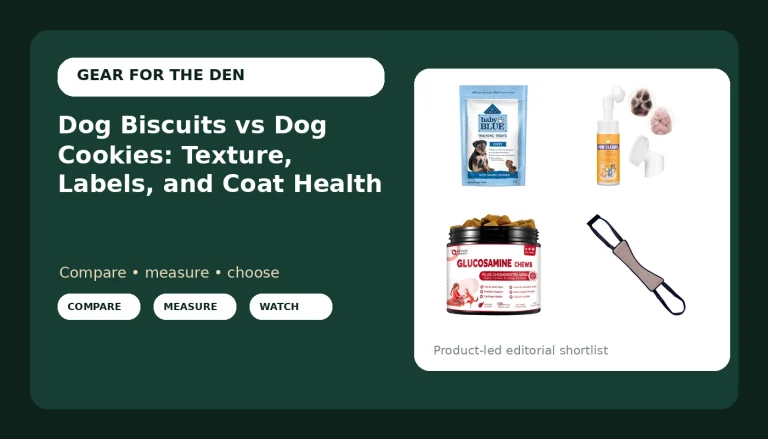
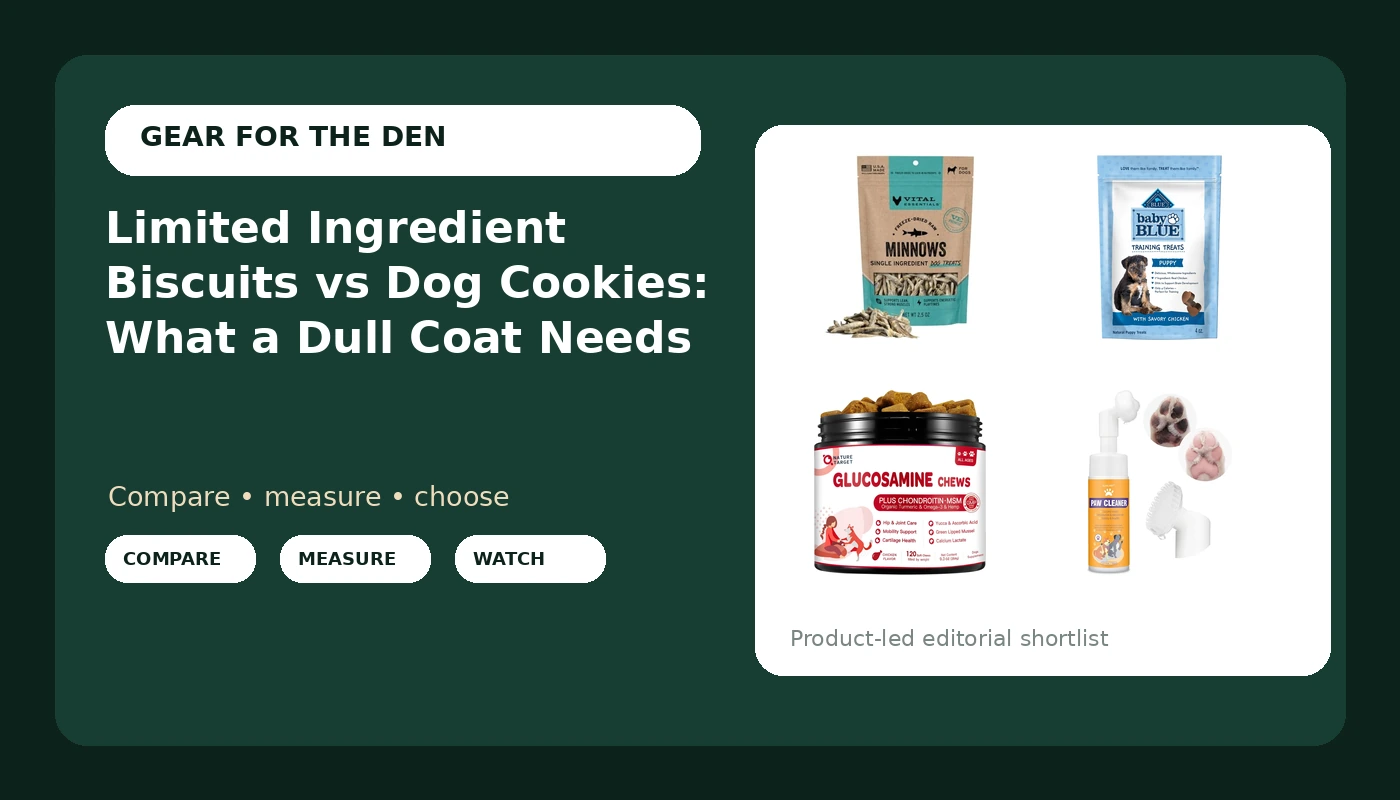
This comparison covers four products that show up in real coat and skin routines: a bag of freeze-dried fish, a puppy training treat, a glucosamine soft chew, and a no-rinse paw cleaner. Only one of them is a biscuit in the classic sense, and that is part of the point. Once you separate the food from the gear and the supplement, the choice gets much easier.
For most dogs with a coat problem, the better starting point is a short ingredient list built around one named protein and a real omega 3 source, which usually means a limited ingredient biscuit or a freeze-dried single-protein treat rather than a frosted cookie. That is the short answer. The long answer runs through omega 3, epa dha, oatmeal concentration, bottle size, and the awkward fact that a treat alone almost never fixes a coat.
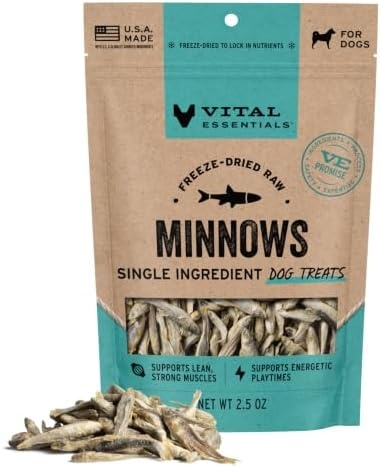
Vital Essentials Freeze Dried Minnows Dog Treats, 2.5 oz Bag
Single named protein with the strongest omega 3 story in this group, and freeze drying is gentler on fragile fats than baking
Small 2.5 oz bag, a strong fish smell, and some dogs refuse a whole dried fish
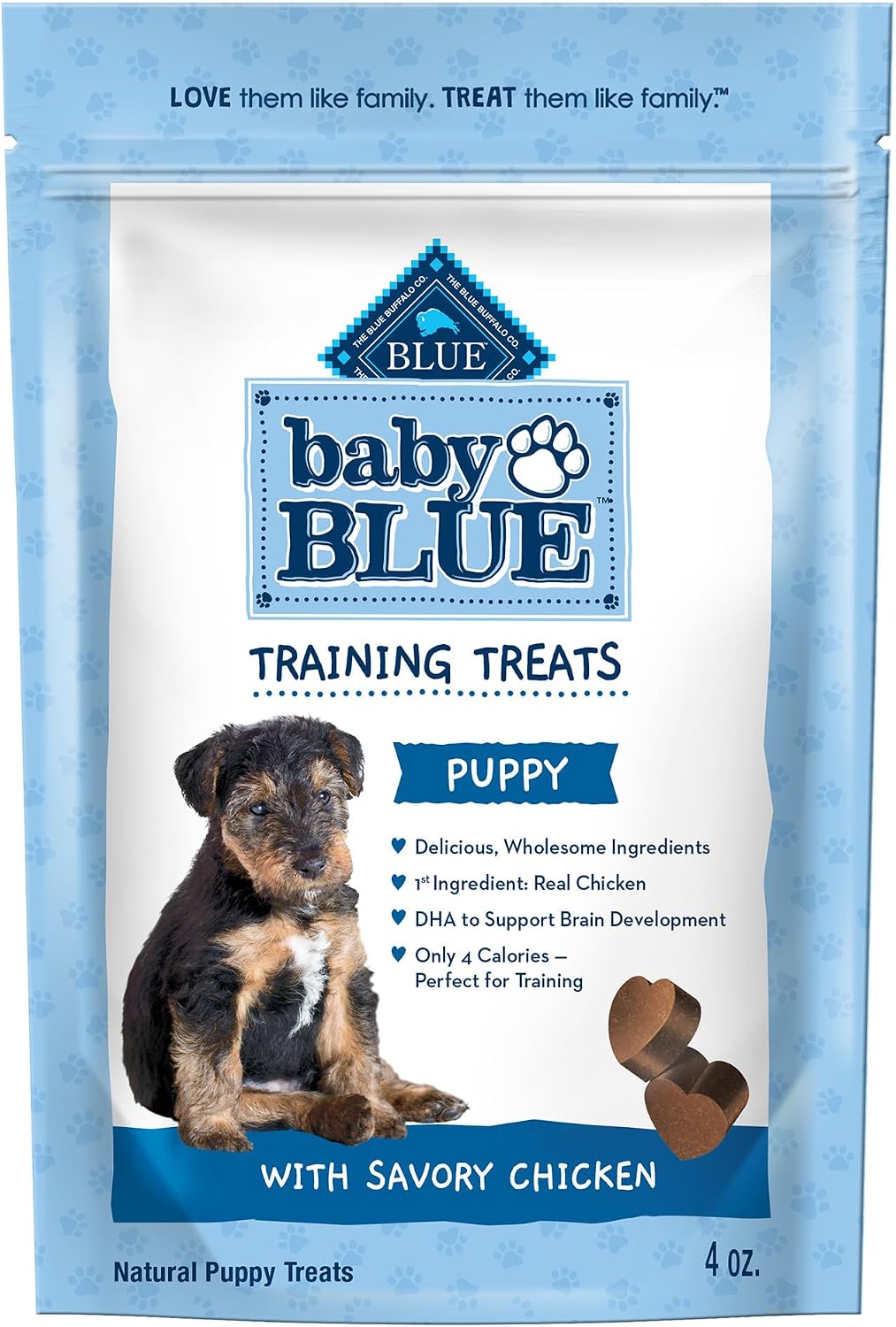
Blue Buffalo Baby BLUE Savory Chicken Puppy Training Treats, 4 oz
Small pieces and a named protein make it the easiest reward to hand out on a walk
A puppy formula with a longer ingredient list than a true limited ingredient biscuit
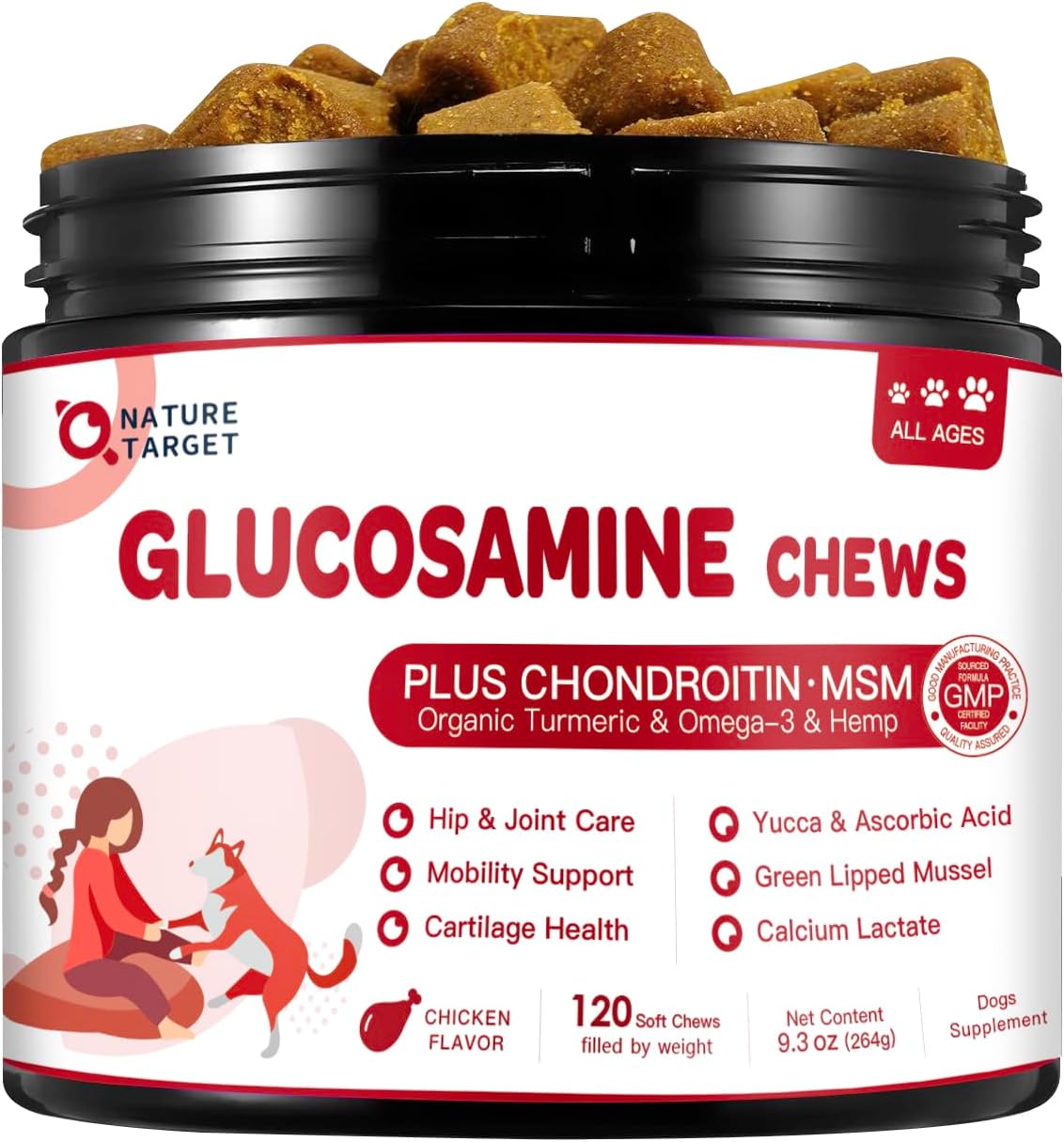
NATURE TARGET Glucosamine for Dogs, 120 Soft Chews, Chicken Flavor
A soft chew format most dogs eat without a fight, and 120 chews is a long supply for a joint routine
Not a biscuit and not a coat product, and the dose per chew needs checking against your dog's weight
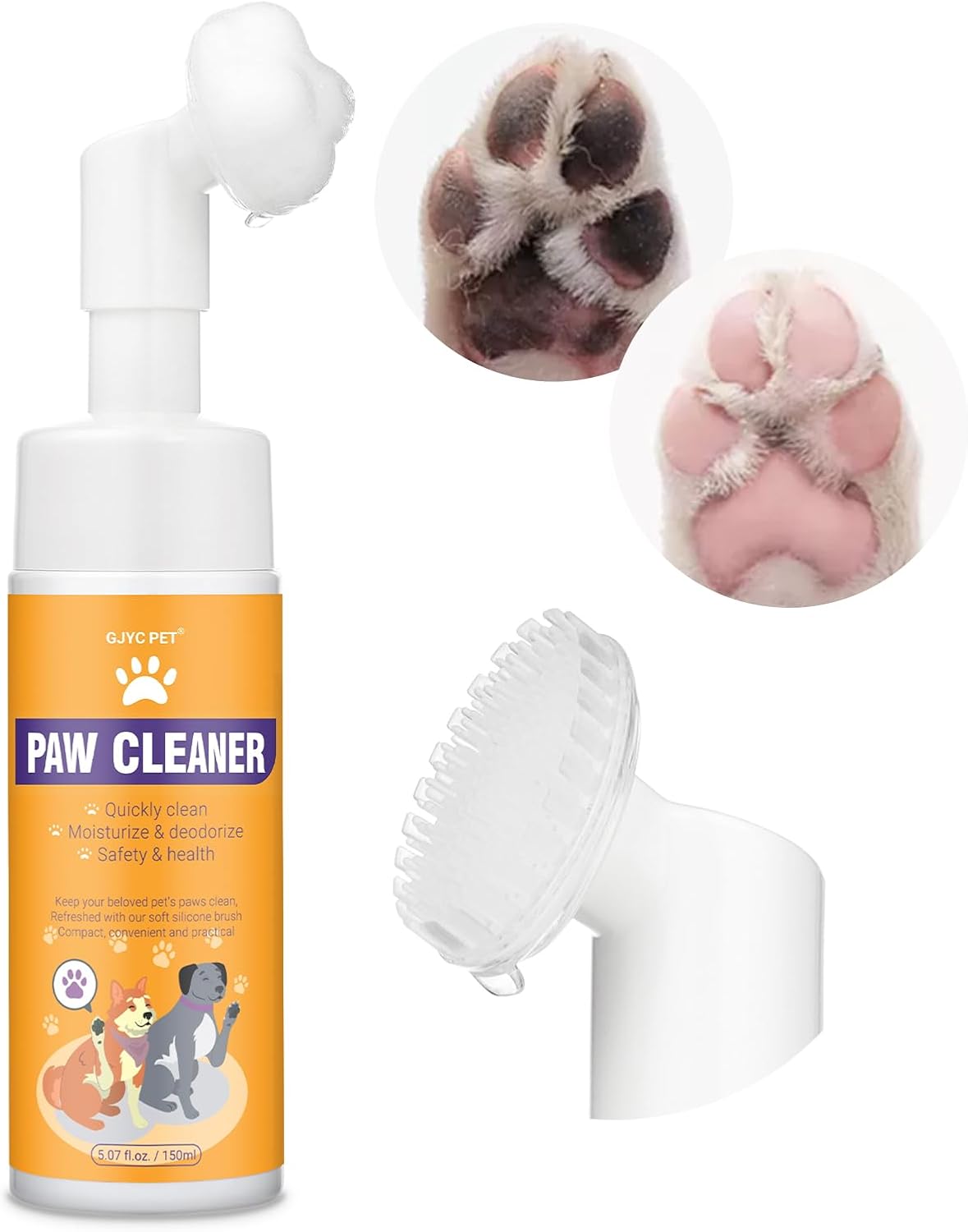
GJYC PET Dog Paw Cleaner for Dogs & Cats, No-Rinse Foam Cleanser with Brush
Targets the allergens on the paws that drive the scratch and lick loop, and no-rinse foam is fast on a wet walk
Gear rather than nutrition, so it does nothing for the ingredient list of anything your dog eats
Prices and availability may change.
How I read a treat label for skin and coat
I start at the ingredient list and read it the way the law requires it to be written: in descending order by weight. Three things matter when the coat is the concern.
First, is the protein named, and does it sit near the front? Chicken, salmon, or a whole fish says something useful. Poultry, animal digest, or meat meal says almost nothing. Second, where does the grain land, and what is the oatmeal concentration? Oatmeal is not a problem ingredient in itself, but a biscuit where oats are listed first is mostly oats, and one where oats show up fifth is mostly something else. Third, is there a named fat or oil carrying omega 3? Flaxseed and fish oil are the usual carriers, and fish is the one that brings the epa dha profile that actually shows up in coat research.
Everything else is secondary. Coat type changes how fast you notice anything at all. A short single coat looks dull quickly and can look better within a few weeks of a change. A dense double coat hides a lot longer, which is why shepherd and husky owners end up judging treats by shedding volume and by how the undercoat feels rather than by shine. If your dog has a curly or wool coat, matting tells you more about skin health than gloss does.
One habit worth building: check whether the product is a snack or a supplement. A biscuit that also claims joint support is doing two jobs, and if the numbers are not on the package, it is doing neither of them well.
The real difference: limited ingredient biscuits vs dog cookies
The difference between limited ingredient biscuits and dog cookies is mostly about what is not in the bag. A limited ingredient biscuit usually runs a short list: one animal protein, one or two carbohydrates, and a handful of extras. A grocery-store dog cookie is built to smell like a bakery, and that often means wheat, corn, several sugars, glycerin, artificial flavor, and a yogurt or frosting coating that is mostly sugar and palm oil.
Why that matters for skin and coat: the long tail of extras is what most often sets off a dog that is already reactive. If your dog tolerates everything, a cookie is harmless and cheap. If your dog has been chewing at its paws and your vet has already ruled out fleas, a shorter ingredient list removes variables, and removing variables is the entire point of a limited ingredient approach. You are not treating anything with a biscuit. You are narrowing the field so you can tell what helps.
If you are searching for dog cookies vs limited ingredient biscuits because you want a straight answer, here it is. The cookie wins on palatability and price per treat. The limited ingredient biscuit wins on predictability, and predictability is what an elimination trial is made of. There is also a middle path that gets ignored: single-ingredient treats, where the label has one line and there is nothing to argue about.
Omega 3, EPA DHA, and the fish option
Fat is where coat condition gets built, and the omega 3 family is the part of that conversation with real research behind it. The useful fraction is epa dha, the long-chain fats found in fish and marine oils rather than in plant seeds. A biscuit baked at high heat has a hard time carrying much of them, because those fats are fragile and heat is not kind to them. That is the argument for freeze-dried fish treats: a gentler process, and a treat that is essentially a named protein with its own fat still attached.
Vital Essentials Freeze Dried Minnows Dog Treats, 2.5 oz Bag is the shortest path from treat to omega 3 in this group. The bag is minnows, one ingredient and one protein, and a whole dried fish is more interesting to most dogs than another brown disc. Two honest caveats. The 2.5 oz bag is small and goes fast in a multi-dog house, and a whole dried fish is a texture some dogs refuse on sight. If your dog is a texture snob, buy the smallest bag you can find before committing to a case.
Worth saying plainly: a fish treat supplements a diet, it does not replace one. If your dog's coat is genuinely poor, the fat content of the main food matters more than any treat, and a vet visit should come before a shopping cart. Treats move the needle at the margins, and the margins are where most coat complaints actually live.
Training treats and soft chews: format over flavor
Format decides how a treat gets used, and how it gets used decides whether it helps. Blue Buffalo Baby BLUE Savory Chicken Puppy Training Treats, 4 oz comes in small pieces, which is exactly what you want for training: you can reward a recall ten times without turning a walk into a meal. Chicken is the named protein and the 4 oz bag fits in a jacket pocket. The trade-off is that a puppy formula carries a broader ingredient list than a true limited ingredient biscuit, so treat it as a reward rather than a coat strategy.
NATURE TARGET Glucosamine for Dogs, 120 Soft Chews, Chicken Flavor is a different category entirely: 120 soft chews built around joint support rather than coat fat. Soft chews are the easiest supplement format to give, because most dogs treat them as candy, and 120 of them is a long runway at a maintenance dose. Read the label for the actual glucosamine amount per chew and match it to your dog's weight, because soft chews vary enormously in how much active ingredient they carry. In a multi-pet house, keep them out of reach. A soft chew built for a large dog is not something a cat should be sampling, and the whole question of what is lick safe gets a lot more serious once a second species is involved.
The non-food half of a coat routine
Half of a coat routine has nothing to do with eating. A dog that scratches and chews at its paws is often reacting to what it walked through rather than to what it ate, and a no-rinse paw cleaner addresses that directly. GJYC PET Dog Paw Cleaner for Dogs & Cats, No-Rinse Foam Cleanser with Brush is a foam cleanser with a brush built into the head, which is the format that actually gets used after a wet walk: pump, work the foam into the pads, wipe, done. It is not a medicated product and it will not treat a yeast infection between the toes, so if the paws are red, swollen, or smelly, that is a vet conversation.
Where it fits the coat conversation: allergens on the paws get licked off and swallowed, and the licking is the symptom owners notice first. Reducing what is on the paws reduces the input. The honest limitation is that it is gear, not nutrition. It does nothing for the ingredient list of anything your dog eats, and it will not replace a bath or a flea plan. Used as part of a routine, though, it is one of the cheaper ways to interrupt the scratch and lick loop.
Bottle size, count, and what a bag actually costs
Bottle size and count are where the limited ingredient biscuits vs dog cookies math gets honest. A 2.5 oz bag of freeze-dried fish and a 4 oz bag of training treats look similar on the shelf, but they behave very differently in a pocket. The fish is a once-a-day supplement, the training treats are a dozen-times-a-walk reward, and the 120-count soft chew is a daily dose for weeks. Cost per day, not sticker price, is the number that matters.
Three things to check before you buy any of them. Serving guidance: a treat that says feed as a snack without a weight chart is asking you to guess, and guessing is how a coat-focused treat quietly becomes 20 percent of a dog's calories. Ingredient list length: shorter is not automatically better, but a short list is easier to audit when something goes wrong. Storage: freeze-dried fish and soft chews both degrade once the bag is open, so buy a size you will finish in a month or two rather than a bulk bag that sits in a warm cupboard.
Trade-offs: what each pick gives up
Every pick here gives something up, and that is true no matter which side of the limited ingredient biscuits vs dog cookies line you land on.
If you are choosing between limited ingredient biscuits or dog cookies for a dog with a sensitive stomach, the biscuit is the safer default, but you pay for it. Fewer ingredients often means less aroma, and less aroma means a picky dog may simply walk away. Freeze-dried fish is the strongest omega 3 play and the weakest crowd-pleaser, because the smell is real and the texture is not for every dog. The puppy training treats are the best value per reward and the least coat-relevant item in the group. The glucosamine chews support joints rather than coat, which matters because mobility and coat condition often decline together in older dogs. The paw cleaner solves an environmental problem and contributes nothing nutritionally.
The honest summary: no single product on this list fixes a dull coat. What works is a food with a solid fat profile, a short-list treat for daily rewards, a fish-based omega 3 source a few times a week, and enough grooming to keep the skin visible so you notice a problem early.
Should you buy a small bag first?
Yes. Buying the smallest available size of anything new is the best habit in this category, and it costs almost nothing. A dog that turns its nose up at a whole dried minnow will do it on day one, not on day thirty, and a 2.5 oz bag tells you that for the price of a coffee. The same logic applies to soft chews: buy one bottle, confirm your dog will eat them and that the dose fits your dog's weight, then size up if the numbers work.
The caveat is that a small bag is a short trial, and skin and coat changes are slow. Give any food change four to six weeks before you judge it, and change one thing at a time, because two simultaneous changes tell you nothing about which one helped. If you are running a true elimination diet, treats are the most common place people accidentally reintroduce the thing they are trying to remove, so keep the treat bag as boring as the food bowl.
What I am watching next
Two things are worth watching in this category. The first is labeling on fish-based treats. As freeze-dried fish gets more popular, more bags carry omega 3 claims without stating epa dha amounts, and a number on the package is worth more than a picture of a salmon. The second is the soft chew market, where glucosamine counts per chew swing widely and the flavoring is often the longest part of the ingredient list.
For now the practical advice does not change. Read the ingredient list, know your dog's coat type, buy the smallest size first, and treat the biscuit aisle as a support act to the food bowl. If you want the fat source side of this sorted before you shop, How To Read A Dog Food Label is the next thing to read.