If you have ever stood in a pet store aisle trying to decide between liquid fish oil vs fish oil chews, you already know the choice is not just about format. One is a pump bottle you measure over dinner. The other is a soft chew your dog takes like a treat. Both can support omega 3 intake for a dull coat, itchy skin, or a dry nose, but they are not interchangeable on dose control, ingredient list, or daily routine. This comparison walks through the trade-offs, the label details that matter, and the supportive products that make sense alongside either option.
The best format for most dogs is the one your dog will take consistently. If your dog eats chews without fuss, fish oil chews win on convenience. If you need precise EPA DHA dosing or want to avoid fillers, liquid fish oil wins on control.
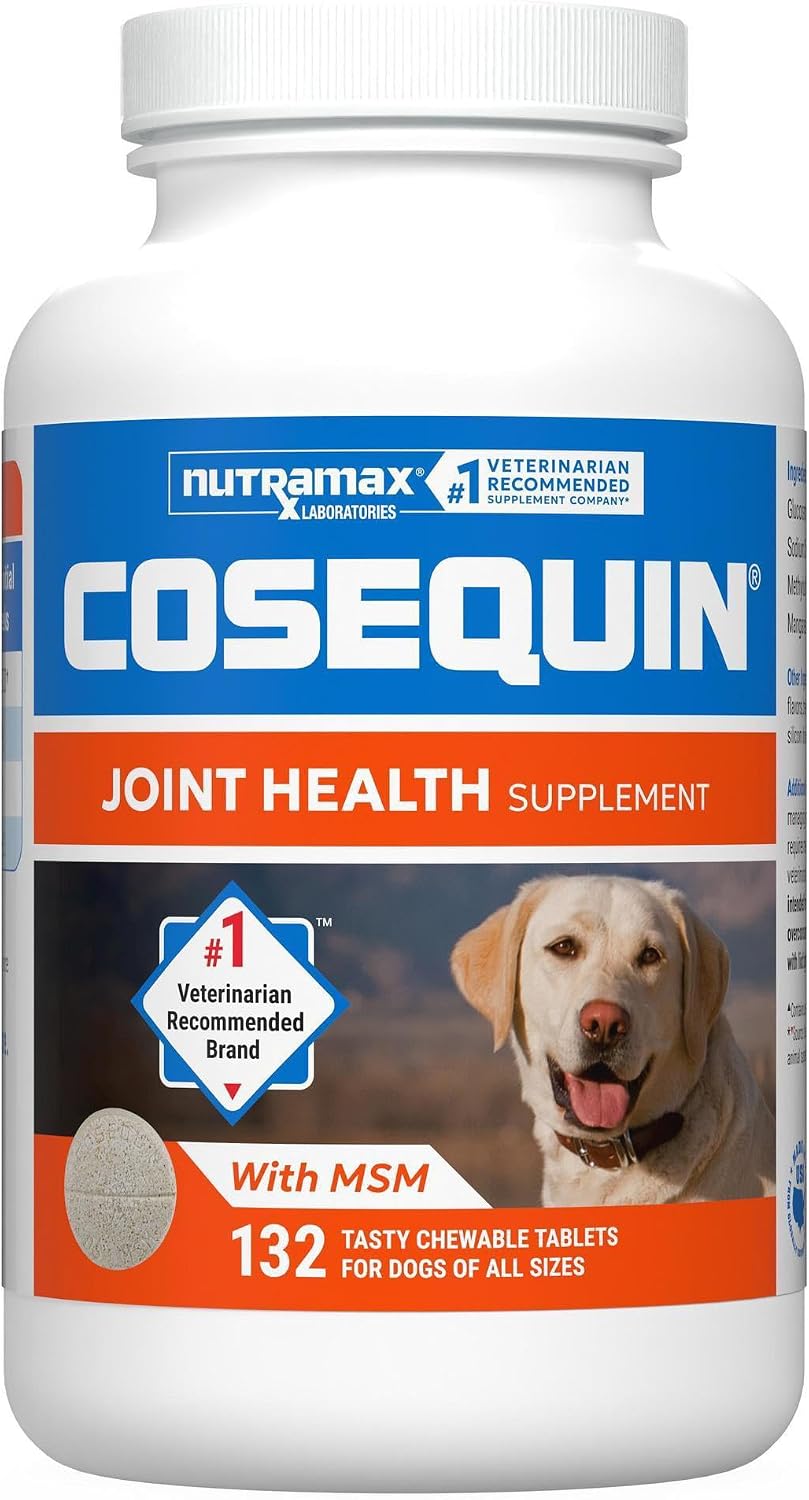
Nutramax Cosequin Joint Supplement for Dogs, Chewable Tablets, 132ct
A familiar joint supplement for older dogs, with a chewable tablet that is easy to split for small dogs.
Not an omega 3 source, so it does not replace liquid fish oil or fish oil chews for coat support.
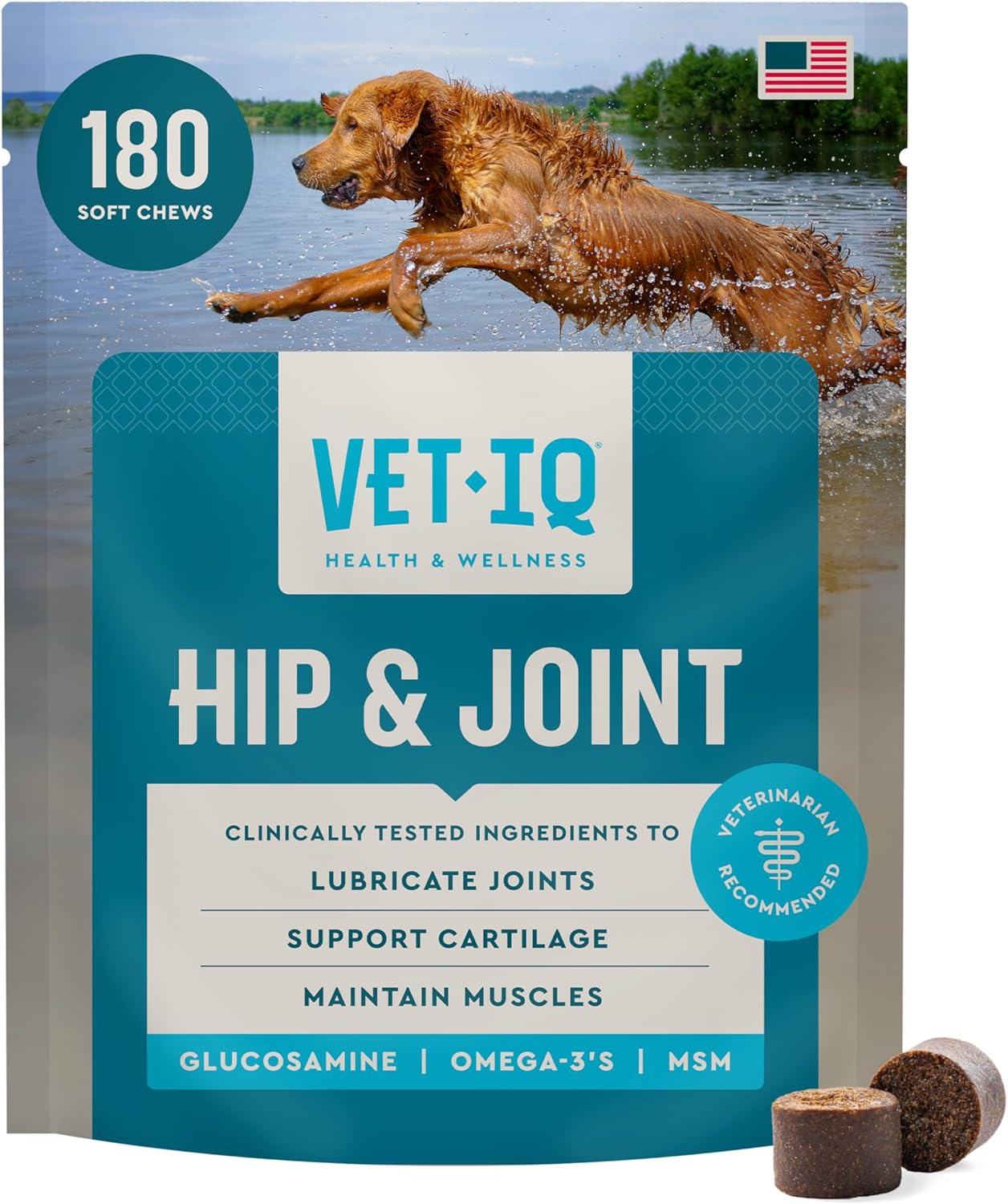
VetIQ Glucosamine Hip & Joint Chews for Dogs, MSM & Krill, 180 Count
Krill adds a source of EPA DHA alongside glucosamine and MSM, and the chew format suits dogs that refuse liquids.
The formula is joint-first, so the omega 3 amount may be lower than a dedicated fish oil product.
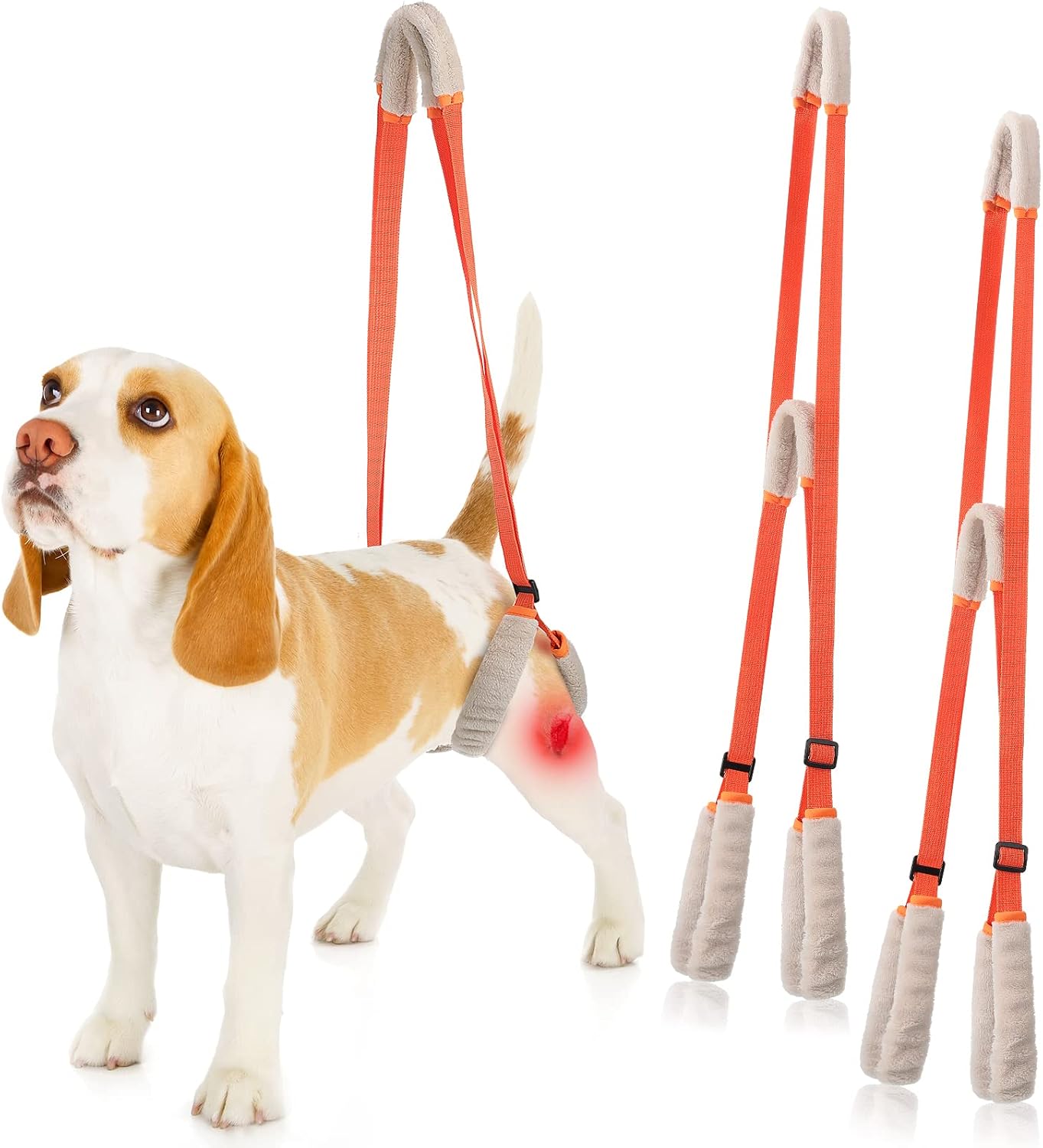
Mixweer 2 Pcs Dog Rear Leg Support Harness Lift Sling Handles, Orange
Helps senior or post-surgery dogs move without dragging rear legs, which can protect skin and coat from friction.
It is a mobility aid, not a nutritional product, and does nothing for omega 3 intake.
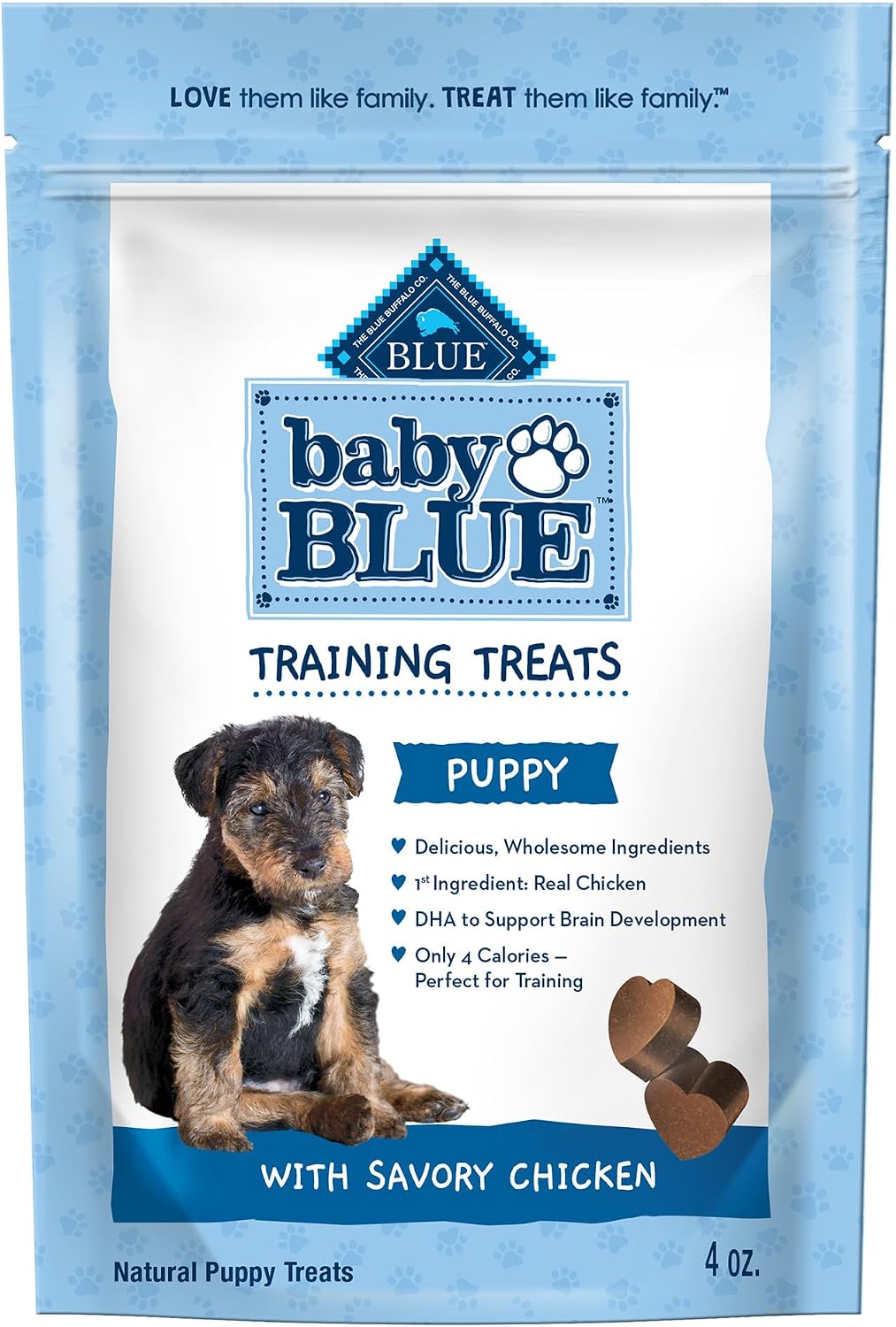
Blue Buffalo Baby BLUE Savory Chicken Puppy Training Treats, 4 oz
Small, soft training treats that can carry a liquid fish oil dose or reward a dog after a chew.
Chicken-based treats with no meaningful omega 3, so they are not a skin and coat supplement.
Prices and availability may change.
What matters in liquid fish oil vs fish oil chews
The difference between liquid fish oil and fish oil chews is not just texture. Liquid fish oil is usually sold in a pump or dropper bottle, which gives you milliliter-level control over the omega 3 dose. Fish oil chews are pre-portioned, so the dose is fixed and you cannot adjust it without cutting or adding. That matters if your dog is small, if your vet gave you a specific EPA DHA target, or if you are combining several supplements. It also matters for the ingredient list: chews need binders, flavors, and preservatives to hold their shape, while a liquid may be just oil plus vitamin E. Neither format is automatically better. The better choice is the one that fits your dog's coat type, stomach, and willingness to take a supplement every day.
How I compare liquid fish oil vs fish oil chews
When I compare liquid fish oil vs fish oil chews, I start with the guaranteed analysis. I want to see omega 3, EPA, and DHA listed separately, not just "fish oil" on the front. Next I look at bottle size or chew count and estimate how long the product lasts. Then I read the ingredient list for fillers, artificial flavors, and allergens. Finally I consider the dog: a picky eater may refuse a liquid but take a chew, while a dog with a sensitive stomach may do better with a plain oil and no flavoring. The fish oil chews vs liquid fish oil debate often comes down to one question: will your dog take it every day? Consistency beats a perfect label that sits in the cabinet.
Liquid fish oil: dose control and cost per serving
Liquid fish oil is the format for owners who want control. A pump bottle lets you start low and increase slowly, which is useful for dogs with sensitive digestion. You can also split the dose across two meals, which can reduce fishy burps. The trade-offs are real. Oil oxidizes, so bottle size matters: a large bottle may go rancid before you finish it unless you refrigerate it and use it within the recommended window. It can drip on the floor or coat, so keep a lick-safe wipe nearby if your dog licks at the spot. Some liquids have a strong smell that puts dogs off. If you choose liquid fish oil or fish oil chews, remember that liquid is not automatically stronger. It is only stronger if the label shows a meaningful EPA DHA amount and you measure it correctly.
Fish oil chews: convenience and picky eaters
Fish oil chews win on convenience. They are pre-dosed, portable, and easy to use as a treat or a meal topper. For a dog that runs from a pump bottle, a chew can be the difference between daily omega 3 and no omega 3 at all. The catch is the ingredient list. Many chews are really joint chews with a little krill or fish oil, not dedicated skin and coat supplements. That is not a bad thing, but you should check whether the omega 3 amount is enough to matter. If the label lists glucosamine first and fish oil last, the chew is a joint product with a coat bonus, not a fish oil replacement. Chews also tend to be higher in calories and carbs. If your dog is on a limited ingredient diet, look for a short ingredient list and a protein your dog already tolerates.
What the ingredient list tells you
The ingredient list is where marketing meets reality. For skin and coat support, look for omega 3 with specific EPA and DHA numbers. "Fish oil" alone is not a dose. You also want to know the source: salmon, sardine, anchovy, krill, or a blend. Krill is popular because it also contains astaxanthin, but it is not automatically better than a well-made fish oil. If you use a shampoo or spray, oatmeal concentration matters for soothing itchy skin, and the product should be lick safe if your dog can reach the area. A limited ingredient formula can help if you are trying to isolate a food trigger. For chews, scan for fillers, artificial colors, and preservatives. For liquids, check the bottle size and whether the label says to refrigerate after opening. These details decide whether the product works for your routine.
Coat type and skin issues: matching the format to your dog
Coat type changes how you see results. A double-coated breed may not show a shine until the undercoat turns over, which can take weeks. A short-coated dog may show flaking and dullness faster. Curly coats can trap oil and look greasy if you overdo a liquid. If your dog has allergies, the format is less important than the total omega 3 and the rest of the diet. Some dogs do better with a liquid because you can adjust the dose without changing their food. Others do better with a chew because it is a predictable part of the day. If your dog has a history of pancreatitis or a sensitive stomach, talk to your vet before adding any fat source, including fish oil. That is why I do not treat liquid fish oil vs fish oil chews as a one-size-fits-all choice.
The products in this comparison and where they fit
The table above includes four products that show up in the same conversation as fish oil for dogs, even though not all of them are fish oil. Here is how I think about each one.
Nutramax Cosequin Joint Supplement for Dogs, Chewable Tablets, 132ct is a joint-first product. It is not an omega 3 source, so it will not replace liquid fish oil or fish oil chews for a dull coat. But if your dog is stiff and also has dry skin, joint support can improve how much your dog moves and grooms. The chewable tablet format is easy to split, and the large count suits a long-term routine. Its main limitation is that it does not address the skin and coat side of the equation.
VetIQ Glucosamine Hip & Joint Chews for Dogs, MSM & Krill, 180 Count sits closer to this topic because krill is a source of EPA and DHA. The chew format is convenient, and the ingredient list includes MSM, which is common in joint formulas. The trade-off is that the formula is built around glucosamine, not around a high omega 3 dose. If you want a single chew that covers joints and adds some omega 3, this is a reasonable pick. If your vet has given you a specific EPA DHA target for skin and coat, a dedicated fish oil product or a liquid fish oil is a better fit.
Mixweer 2 Pcs Dog Rear Leg Support Harness Lift Sling Handles, Orange is the odd one out, and that is the point. Skin and coat problems often come with mobility problems in senior dogs. A dog that drags its rear legs can wear down the coat and skin on the hindquarters. A support harness with lift handles can help you assist your dog without grabbing the belly or pulling the tail. It is not a nutritional product, but it can protect the coat from friction and make grooming easier. For a senior dog with both a dull coat and weak rear legs, this is a practical add-on.
Blue Buffalo Baby BLUE Savory Chicken Puppy Training Treats, 4 oz is a training treat, not a supplement. I include it because many owners use a small treat to reward a dog after a chew or to hide a liquid dose. The pieces are small and soft, which helps for puppies and small dogs. The downside is obvious: chicken-based treats do not provide meaningful omega 3, and they are not a limited ingredient option for dogs with poultry sensitivities. Use them as a delivery vehicle or a reward, not as a skin and coat solution.
What to buy for most dogs
For most dogs, I would start with a dedicated fish oil product in the format your dog will accept. If you want to adjust the dose, choose liquid fish oil and measure it carefully. If your dog refuses liquids, choose fish oil chews and check the EPA DHA amount on the ingredient list. If your dog also needs joint support, a product like VetIQ Glucosamine Hip & Joint Chews for Dogs, MSM & Krill, 180 Count can cover two needs in one chew, but do not assume it provides a full skin and coat dose. If your dog is a senior with rear-leg weakness, add a support harness like the Mixweer lift sling to protect the coat and make handling safer. If you need a reward for a puppy, the Blue Buffalo training treats are fine, but they are not a supplement. And if your dog is already on a joint tablet, you do not need to replace it with fish oil. You can run both, as long as your vet agrees and you watch for stomach upset.
What I'm watching next
The next thing I want to see in this category is clearer EPA DHA labeling on chews. Too many fish oil chews hide a small amount of fish oil behind a long ingredient list. I am also watching krill-based chews that combine joint support with omega 3, because they solve a real problem for owners who cannot give two supplements. On the liquid side, smaller bottle sizes and better oxidation protection are more useful than another flavor. And for senior dogs, the combination of a coat supplement and a mobility aid is underrated. A dog that moves comfortably is a dog that grooms, and a dog that grooms has a better chance at a healthy coat.