Most of the questions I get about fish oil vs salmon oil for dogs start the same way. A dog has a dull, straw-like coat, the owner has already tried a supplement, and nobody has looked at the brush in the closet or the shampoo in the tub. The oil was the last variable they touched, not the first, and that order is backwards.
The honest short answer is that coat condition is built from the inside and maintained from the outside, and the outside half costs less. A deshedding tool that matches your dog's coat type, a shampoo with real oatmeal, and a consistent routine will change how a dog looks faster than any capsule, because dead undercoat and coated, dusty hair are visible problems a brush and a bath solve directly. Supplements are the slow lever. They are worth pulling. They are not the first thing to buy.
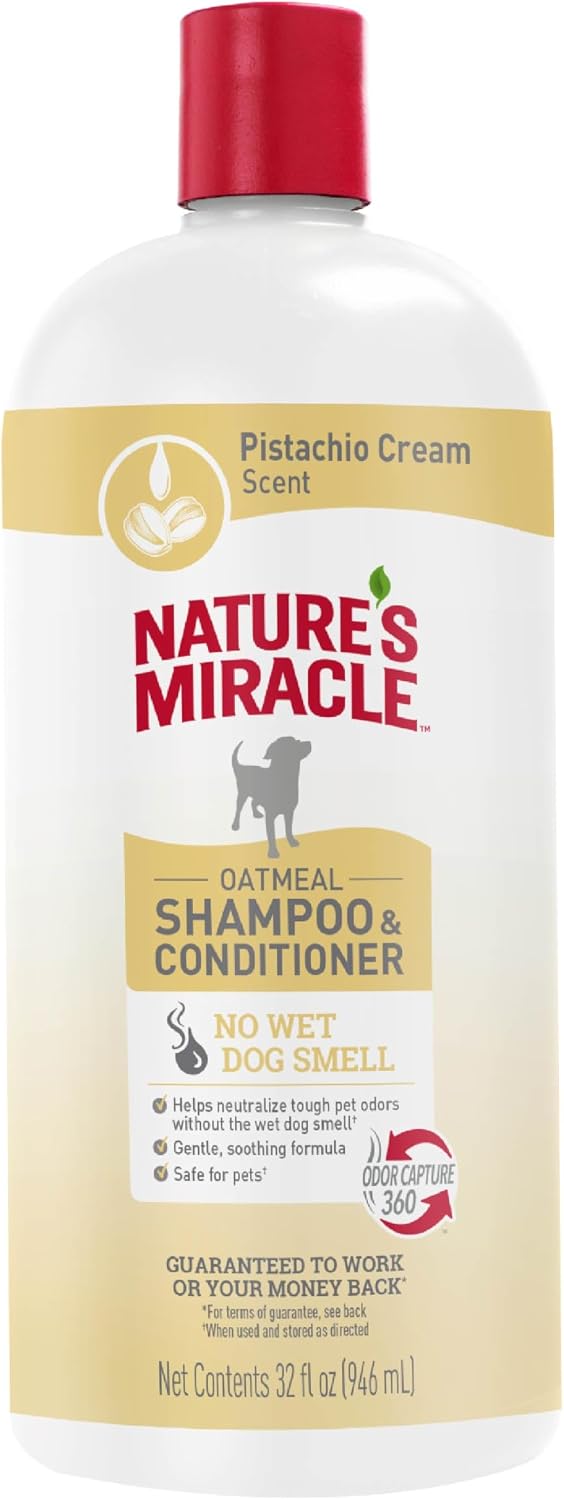
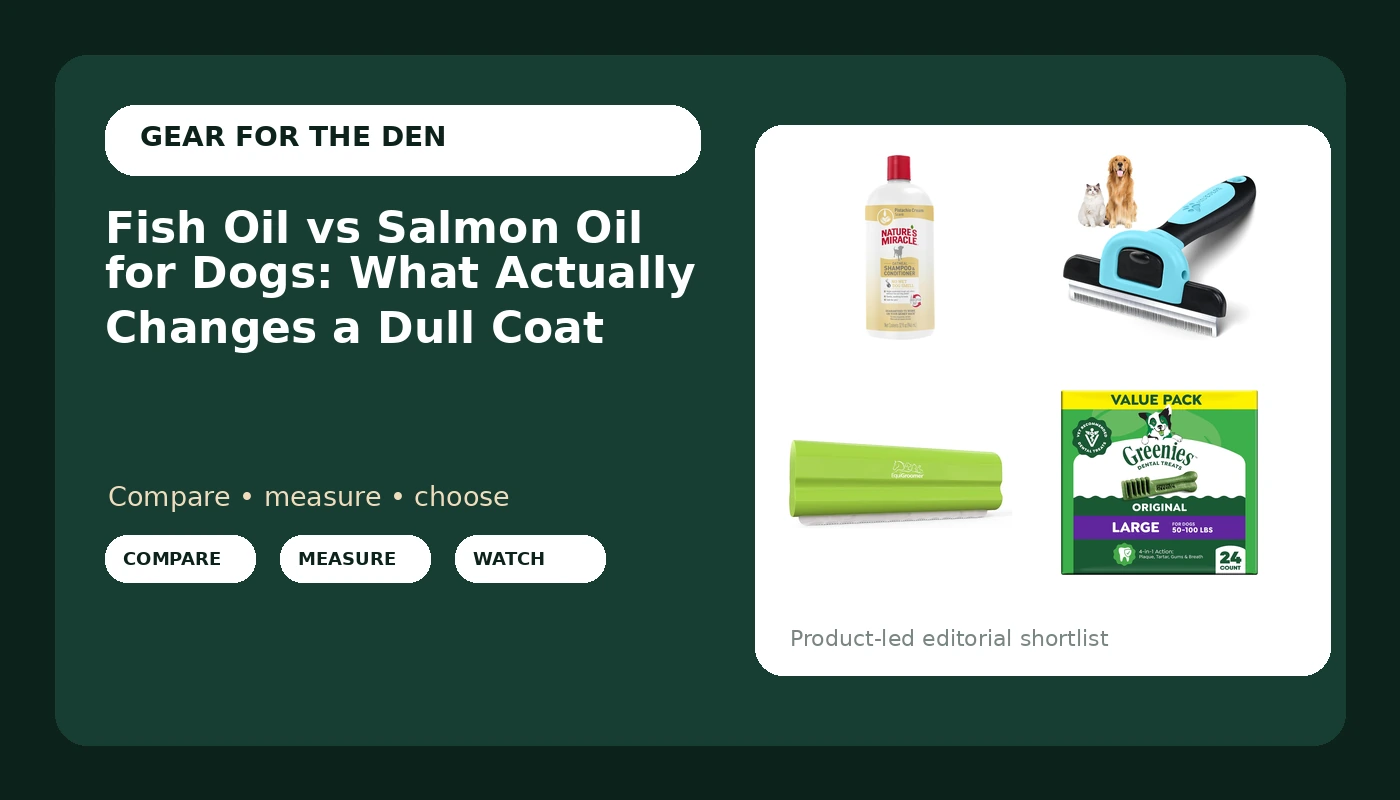
Nature's Miracle 2-in-1 Oatmeal Dog Shampoo & Conditioner, 32 oz
The only item here that touches skin and coat condition directly; oatmeal is the right active for dry, flaky skin, and a 32 oz bottle goes a long way
A 2-in-1 is a compromise, the conditioner half is thin, and you still have to read the ingredient list to see how much oatmeal is really in there
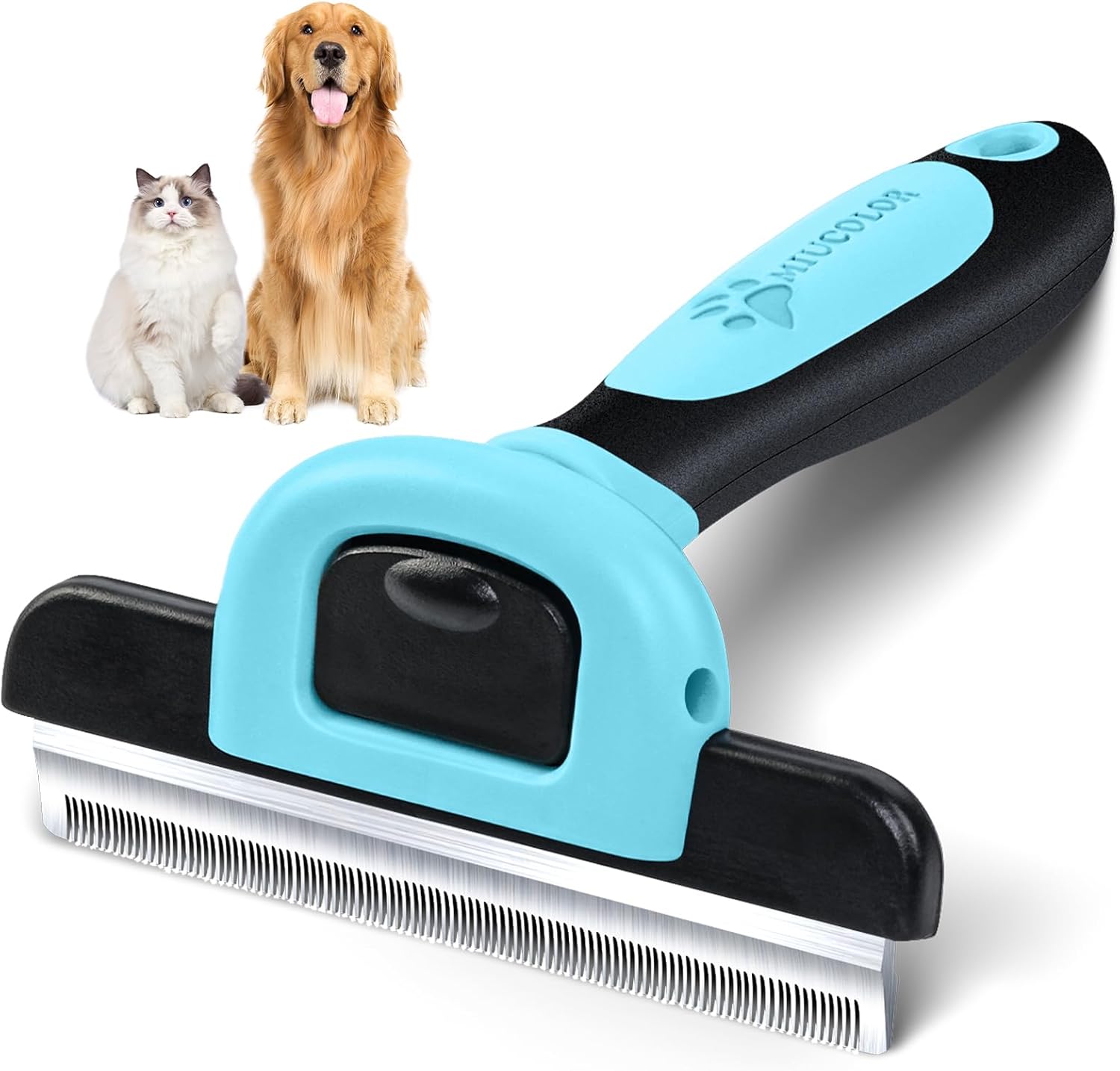
MIU COLOR Pet Grooming Brush, Deshedding Tool for Dogs & Cats, Blue
Cheapest way to pull loose undercoat, push-button retract makes cleanup quick, small enough to use on a cat
Fine teeth load up fast on a thick double coat, and the handle is light for long sessions
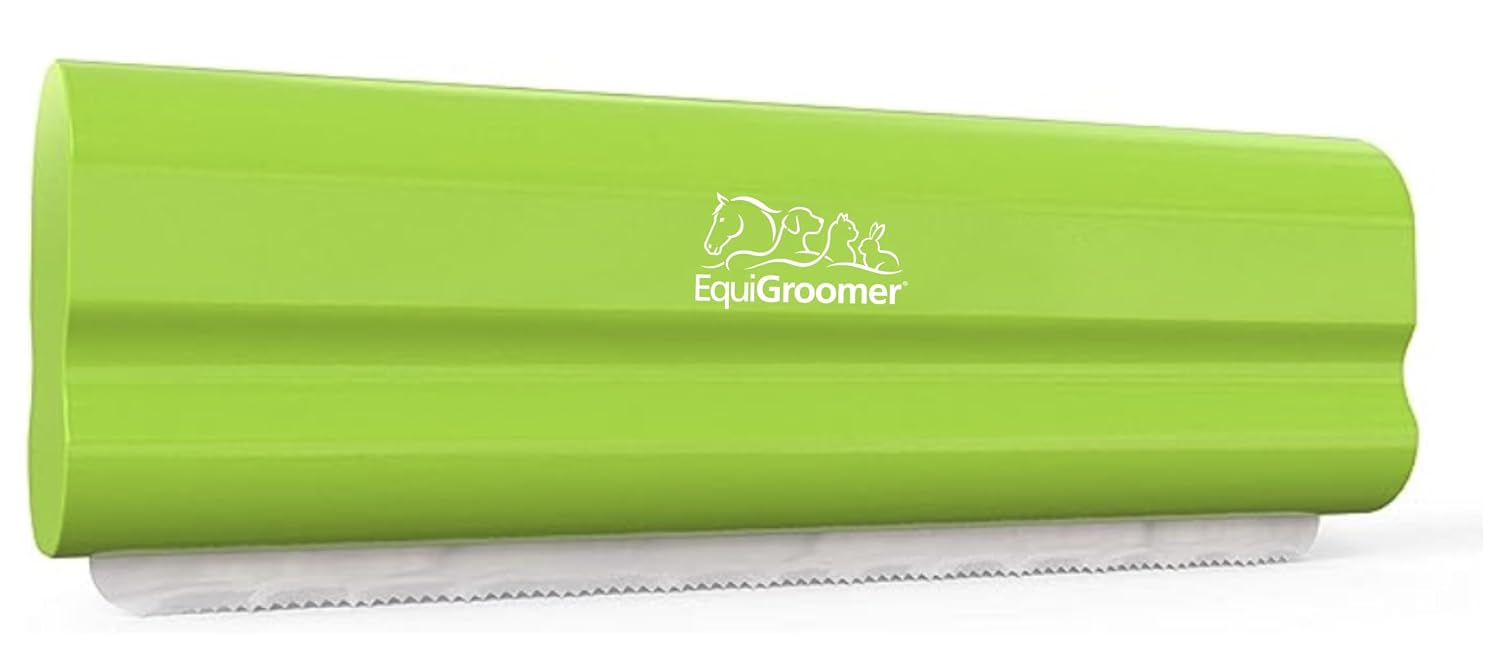
EquiGroomer 5-Inch Undercoat Deshedding Brush for Dogs & Cats, Lime
Blade-style teeth get under a dense double coat where a slicker just skims the surface; the best tool here for a shepherd or husky in spring
Costs more than twice the budget brush, and the edge will irritate skin if you press hard
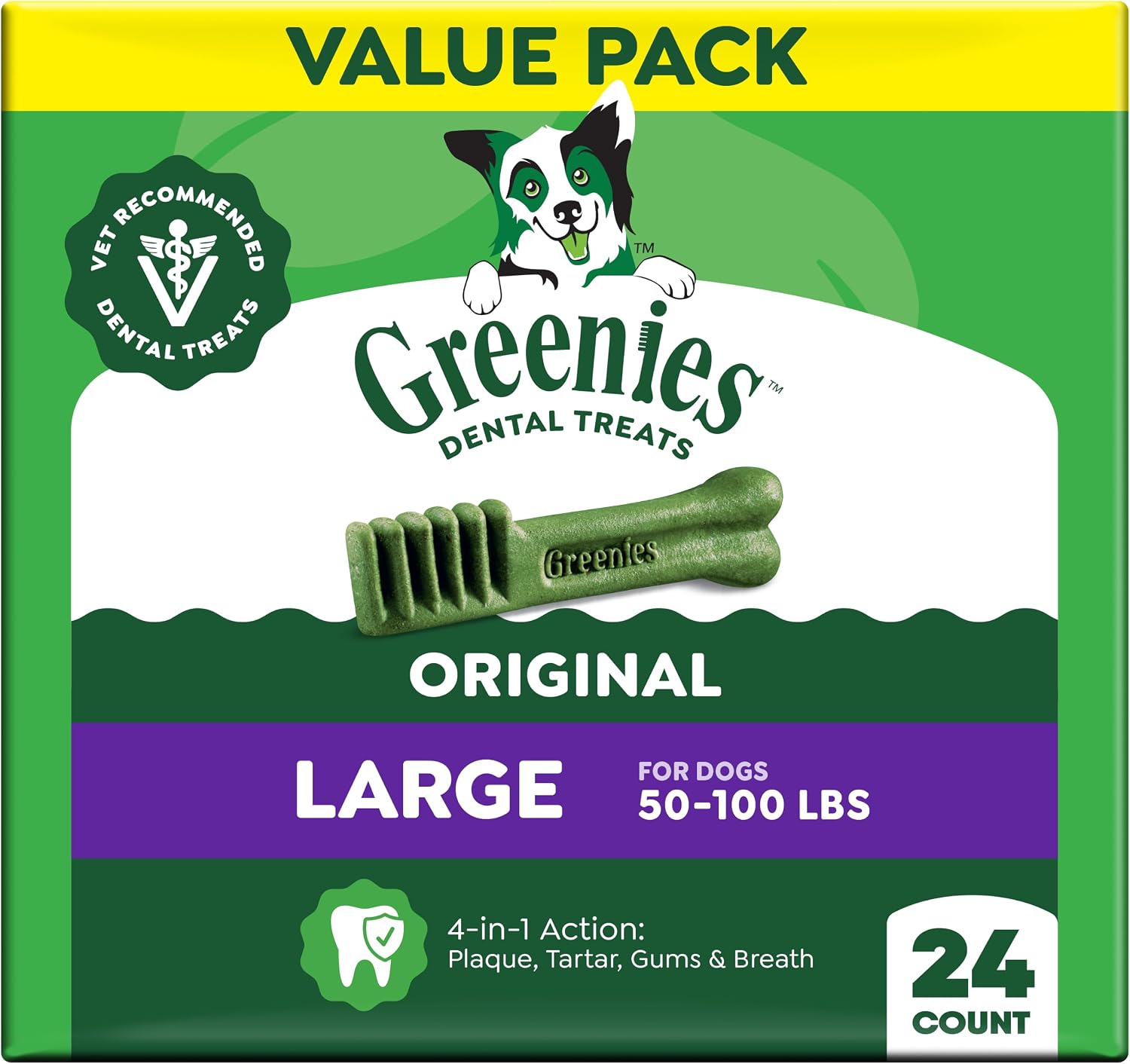
Greenies Large Natural Dental Dog Treats, Original Flavor, 24 Count
Dogs actually eat them, the size suits a large breed, and dental health is worth spending on
Nothing to do with coat condition; it sits in this category because retailers lump whole-dog products together
Prices and availability may change.
How I judge skin and coat gear
Four things decide whether a product earns a place in a coat routine.
Does it touch the coat or the skin directly? A shampoo and a deshedding tool do. A dental chew does not, and I will get to that. Direct contact is not everything, but it is the fastest feedback loop you get, and it is the one you can judge in a weekend instead of a season.
Does the ingredient list hold up? For a shampoo, that means where colloidal oatmeal sits on the label and whether fragrance is doing the heavy lifting instead. For an oil, that means the EPA and DHA numbers in the guaranteed analysis, not the total milligrams of "fish oil" printed on the front of the bottle.
Does it match the coat type? A fine-toothed deshedding blade is a miracle on a husky in April and a waste of money on a poodle. Coat type is the most ignored spec in this category, and it is the one that decides whether a tool gets used twice or for years.
Is it lick safe? Anything that goes on a dog will be investigated by the dog's tongue, and that rules out a lot of leave-in products built for humans. It pushes me toward things designed to be rinsed out, or things that carry a clear pet-safe label. If you would not want it licked off, do not put it on the coat.
The honest answer on fish oil vs salmon oil for dogs
Both are omega 3 supplements. Both supply EPA and DHA, the two fatty acids that show up in every serious discussion of skin, coat, joints, and inflammation. The difference between fish oil and salmon oil for dogs is mostly about concentration, sourcing, and price, not about some special salmon molecule that works where other fish fail.
Generic fish oil is usually rendered from anchovy, sardine, or menhaden, and it tends to be the more concentrated option per teaspoon. Salmon oil is often marketed as more palatable, which genuinely matters if your dog turns his nose up at a capsule, and it usually costs more per gram of EPA and DHA. Cod liver oil is a third path, and it is the one I would handle carefully, because it carries vitamin A and vitamin D alongside the omega 3, and those are not nutrients you want to overshoot by accident.
Here is the part the front label will not tell you. "1000 mg fish oil" is not a dose. The dose is the EPA and DHA figure in the guaranteed analysis, and those numbers swing wildly between brands at the same total milligram count. A bottle listing 180 mg EPA and 120 mg DHA per teaspoon is a different product from one listing 400 and 300, even when both say 1000 mg in large type.
The other thing worth knowing is that salmon is a protein, and fish is a common allergen. If your dog has a diagnosed fish allergy, neither bottle is the answer, and the limited ingredient aisle is where you should be looking instead, at a non-fish omega 3 source or at a food that already has the fat built in.
Search salmon oil for dogs vs fish oil expecting a dramatic verdict and you get an anticlimax: for most dogs the cheaper concentrated fish oil is the better buy, and the salmon version is a palatability upgrade you pay a premium for. That is the whole comparison in one sentence.
Deshedding tools: where a coat type actually shows
Coat condition shows up in three places: shine, skin, and shedding volume. Shine and skin are slow to change. Shedding volume is instant, which is why a deshedding tool sits above a supplement on my priority list.
The MIU COLOR Pet Grooming Brush is the budget entry, and it is the one I would hand to a first-time owner. Fine metal teeth, a push-button retract that strips the collected hair off in one motion, and a size that works on a cat as well as a mid-size dog. On a short or medium coat it is genuinely all you need, and it costs less than a single month of oil.
The EquiGroomer 5-Inch Undercoat Deshedding Brush is the tool for a dense double coat. The blade-style head gets under the topcoat and drags out the loose undercoat a slicker skims right past. On a shepherd, a husky, or a lab blowing coat in spring, the gap between this and a fine-toothed brush is not subtle. The trade-off is technique. You work in short strokes with light pressure, because that blade edge will irritate skin if you lean on it, and it costs more than twice what the budget brush does.
Neither tool fixes a dull coat. They fix a shedding coat and they keep the air in your house breathable. That is a different problem, and it is the one most owners are actually complaining about.
Bathing: oatmeal concentration and the ingredient list
The Nature's Miracle 2-in-1 Oatmeal Dog Shampoo & Conditioner is the only product in this table that touches skin condition directly. Oatmeal is the right active for dry, flaky, itchy skin, and a 2-in-1 formula saves a step for owners who are already struggling to get a reluctant dog into the tub.
The catch is oatmeal concentration. "Oatmeal" on the front of a bottle can mean a meaningful dose of colloidal oatmeal or a picture of a bowl on the label with a trace amount inside. Read the ingredient list and see where it lands. If oatmeal is near the bottom and fragrance is near the top, you are buying perfume, not treatment.
Bottle size matters more than people think. A 32 oz bottle is a real cost advantage over the 12 oz bottles that dominate the shelf, but only if you use it. Shampoo that sits in a cold garage for two years separates. Keep it indoors, and shake it before you pour.
The last piece is schedule. Bathing a double-coated dog weekly strips the natural oils that keep the coat water resistant, and then you are back in the supplement aisle trying to replace what you washed out. Every four to six weeks is a sane rhythm for most dogs, with spot cleaning in between. If you need more frequent bathing for a skin condition, that is a conversation with your vet, not a reason to buy a stronger shampoo.
The chew that does not belong in this table
Greenies Large Natural Dental Dog Treats are a good product. The 24-count box suits a large breed, the size is right for a big mouth, and dental chews earn their keep against tartar. They are also the clearest example of why a category page like this one confuses people.
A dental chew does nothing for coat condition. It is here because retailers file whole-dog products under broad headings, and someone shopping for skin and coat care gets a results page mixing brushes, shampoos, and chews. That is worth knowing before you spend. If your dog's coat is dull, a box of dental treats will not change it, and the calories in a daily chew are worth accounting for if you are also managing weight.
There is one real overlap. A dog with dental pain often eats less, and a dog that eats less tends to look worse, so fixing the mouth can indirectly help the coat. That is a vet conversation, not a shopping decision.
What the label math says
Do the arithmetic before you buy anything in the supplement aisle, because bottle size is where the marketing lives.
Take the EPA and DHA per teaspoon, multiply by the number of teaspoons in the bottle, and divide by the price. That gives you cost per gram of the two fatty acids that matter. A big cheap bottle with weak numbers can lose to a small expensive bottle with strong numbers, and the front label will not tell you which is which. Capsules hide this further, because capsule weight is mostly carrier oil.
Storage matters too. Omega 3 fats oxidize, a bottle that sits open in a warm kitchen goes rancid, and a rancid oil is worse than no oil at all. Fridge, tight cap, and a smell check before each use. If it smells like paint, it is done, and no coat benefit is worth feeding it.
For dogs with a sensitive gut or a history of allergies, the limited ingredient version of whichever oil you choose is worth the premium, because it removes the flavorings and preservatives that are the usual culprits. Read that ingredient list twice.
If the fish oil vs salmon oil for dogs question still feels unresolved after all of this, it is because the answer depends on your dog, not on the bottle. Concentration, palatability, and your dog's allergies decide it. Everything else is branding.
Should you buy the oil first or the brush first?
Buy the tool first. Then the shampoo. Then the oil.
That order is not a knock on supplements. It is about what each dollar buys. A deshedding brush and a bottle of oatmeal shampoo solve the visible half of the problem in a weekend, and the change is obvious enough that you can tell whether the routine is working. Whether you pick fish oil or salmon oil for dogs is a decision you can make calmly a month later, with a better sense of whether the problem is shedding, dryness, or diet.
If you are going to buy an oil, buy one with a real EPA and DHA figure on the label, buy the smallest bottle that lasts about two months so you can judge whether it helps, and keep it cold. Then watch the coat for eight to twelve weeks. That is roughly how long a hair cycle takes, and it is also the point where most people give up and blame the product.
Coat type comes before everything else. A curly coat needs regular brushing and detangling more than it needs fat in the diet. A double coat needs undercoat removal on a schedule. A short single coat needs very little of either. Sort that out first and the supplement question gets much smaller.
What I want to check next
The next thing on my list is pump-style salmon oil bottles, the ones that dose by the stroke and claim to stay fresher longer. The claim is plausible, since every pump pulls from the bottom rather than exposing the whole surface to air, but I want to see whether the EPA and DHA numbers hold up per pump or whether the convenience is priced into a weaker concentration.
I also want to spend more time on coat type and tool matching, because the questions I get are almost never about supplements. They are about a dog that sheds a second dog every June, and the answer to that is almost always a blade-style undercoat tool used with a light hand, not a capsule. If your dog's coat is dry and itchy rather than shedding, the oatmeal shampoo guide is the better place to start. That piece is coming, and it will have more on how to read an ingredient list without a chemistry degree.