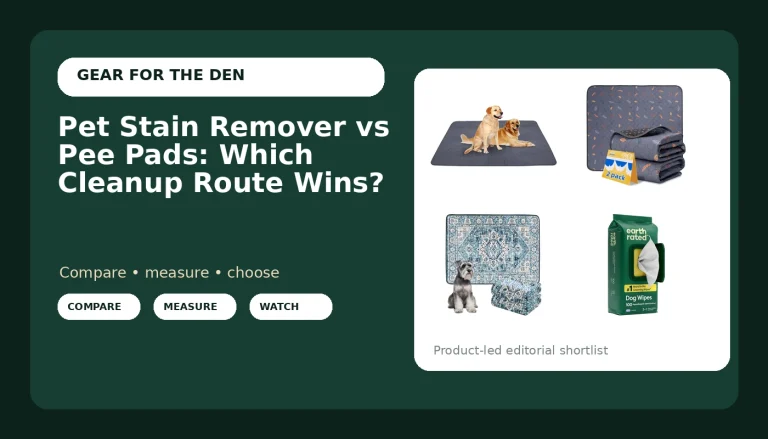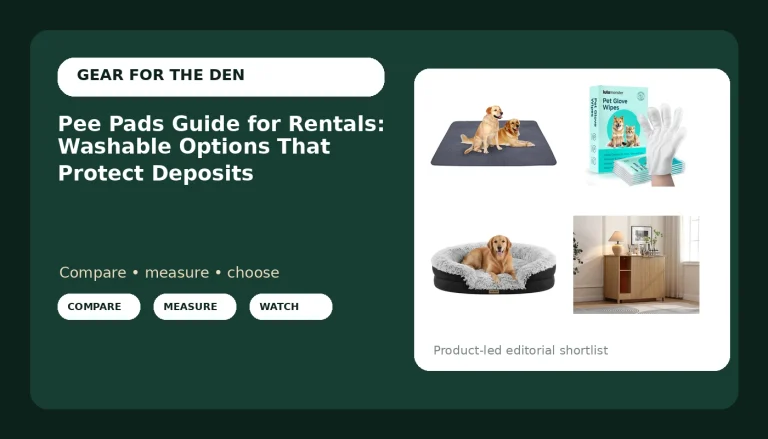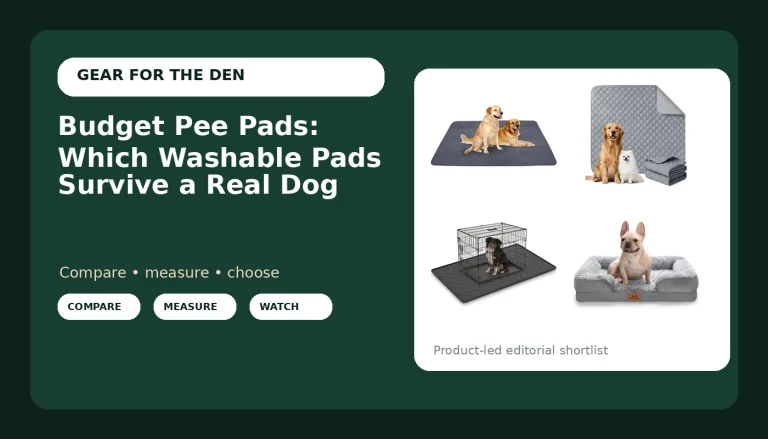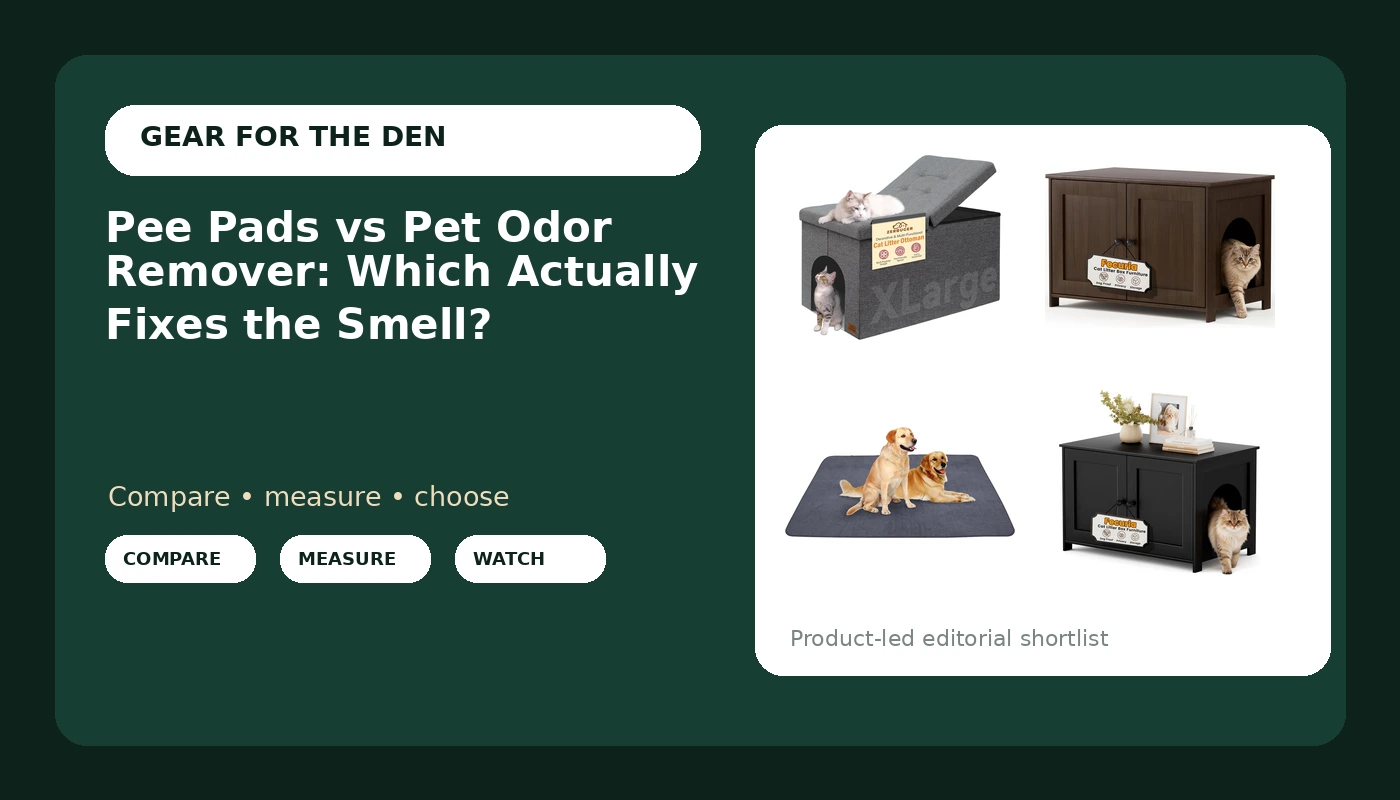
Choosing between pee pads vs pet odor remover is really a choice between two different jobs. One catches the mess before it reaches the floor. The other deals with the smell that is already in the carpet, the grout, or the corner where the litter box sits. Most pet households end up buying both, but the money goes further when you know which problem you actually have. The four products below sit on opposite sides of that line: a large washable pad built for training and whelping, and three litter box enclosures that turn odor control into a piece of furniture you would keep in the room anyway.
The short answer: if the smell comes from a pet that is still learning where to go, pads win. If the smell comes from a litter box parked in the middle of a room, an odor control enclosure wins. Buy the pad first for a puppy, a whelping dam, or a leaking senior dog, and the enclosure first for a cat whose box is visible, tracked through, or raided by the dog.
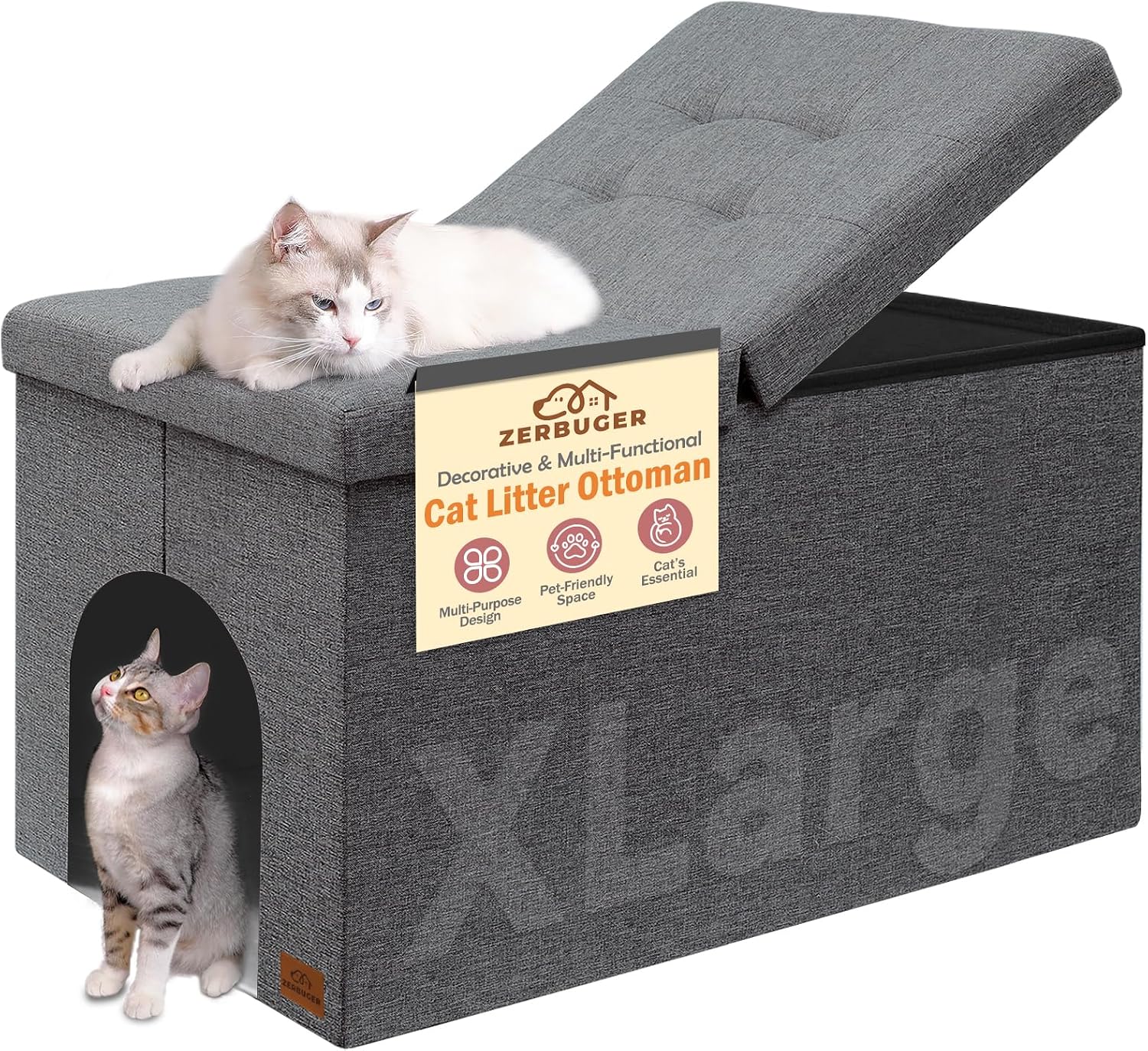
Zerbuger Cat Litter Box Enclosure Furniture for Odor Control
Turns a bare box into a closed cabinet, so the litter, the tracking, and the smell stay in one place instead of spreading across the room
Dog proofing and a low entry are not part of its description, so multi-pet homes and senior cats need a closer look before buying
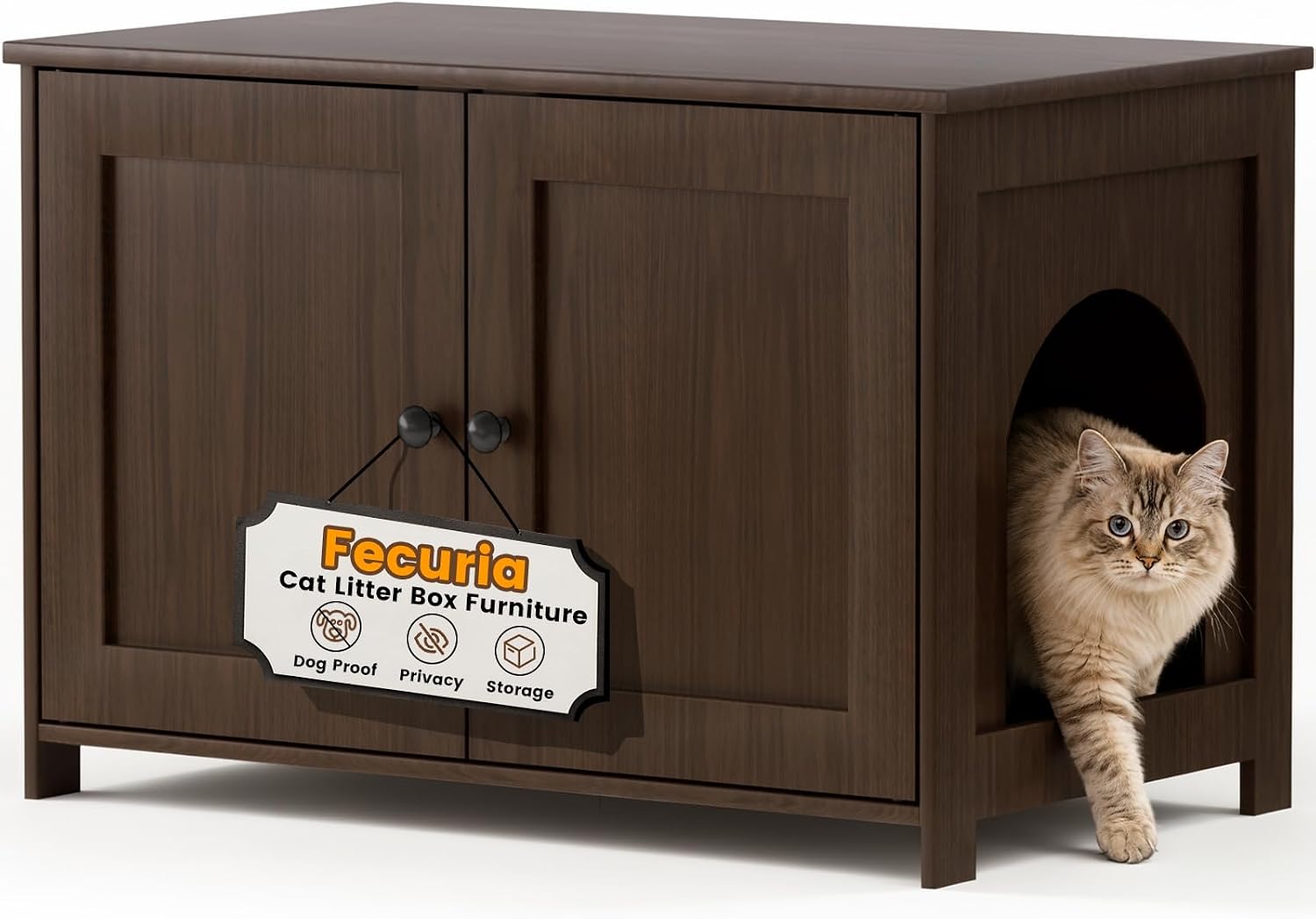
Fecuria Cat Litter Box Enclosure Furniture Dog Proof, Hidden Kitty Washroom Cabinet Low Entry, Wooden Cat Boxes Enclosure Odor Control for Home, Decorative TV Stand with Storage, Brown Walnut
Dog proof, low entry, and storage in one cabinet, with a walnut finish that reads as living room furniture rather than pet gear
A cabinet this size needs floor space and a litter box that actually fits inside, so measure both before ordering
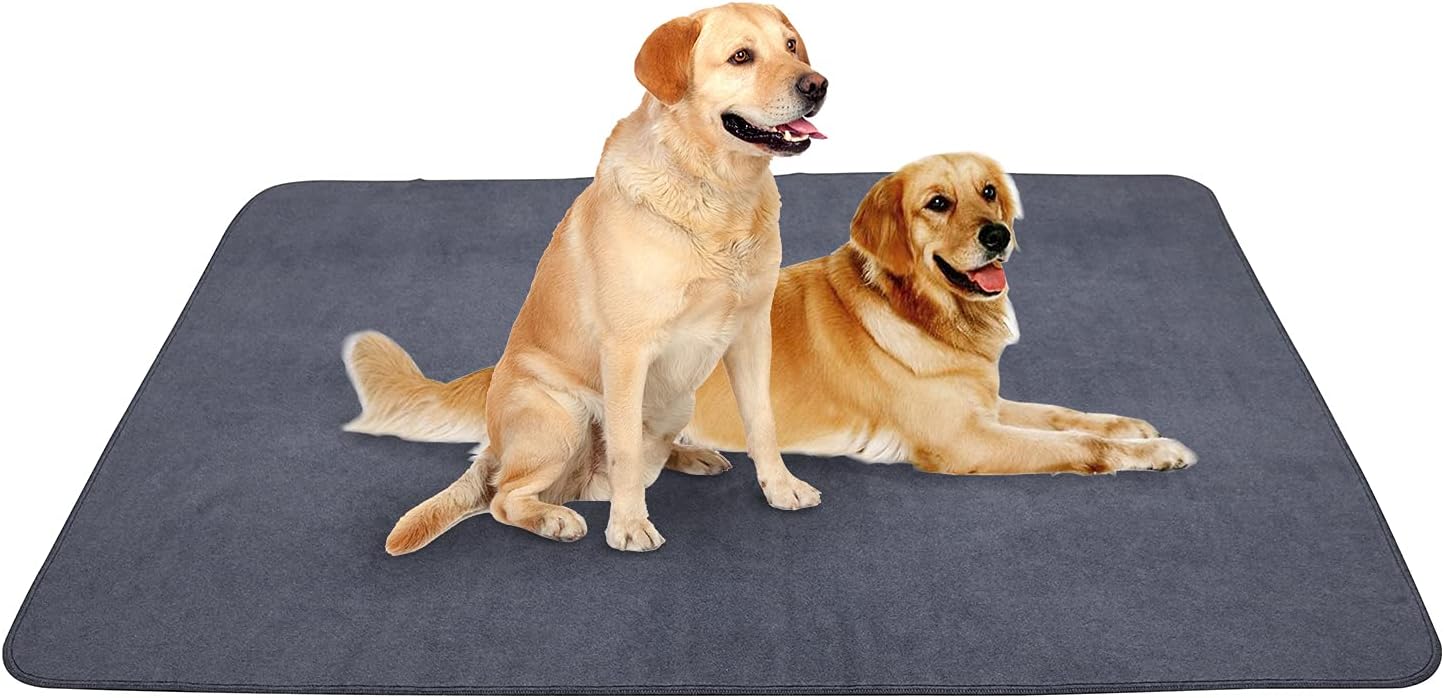
Peepeego Non-Slip Dog Pad 72"x72", Washable Pee Pad Waterproof for Training, Whelping
A reusable 72 by 72 inch surface for training, whelping, and senior-dog accidents, with a waterproof layer and a non-slip back that keeps it flat
It absorbs the mess but does not neutralize it, so a used pad has to be washed before the room smells clean again
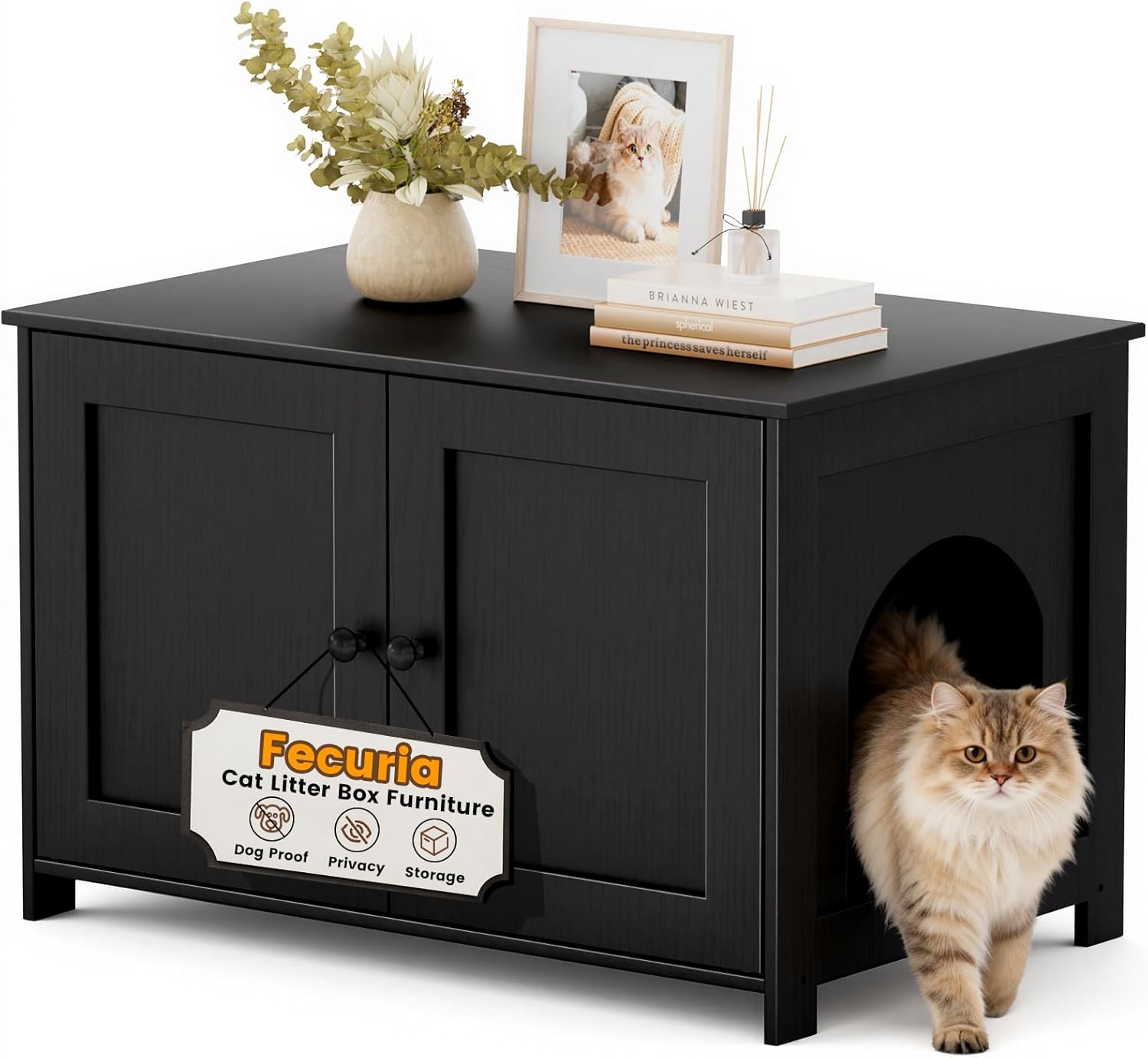
Fecuria Cat Litter Box Enclosure Furniture Dog Proof, Hidden Kitty Washroom Cabinet Low Entry, Wooden Cat Boxes Enclosure Odor Control for Home, Farmhouse Style Decorative TV Stand with Storage, Black
Same dog-proof, low-entry cabinet as the walnut version, with storage and a TV-stand look that suits darker furniture
A black finish shows dust and tracked litter sooner than a lighter wood, and the cabinet still needs daily scooping
Prices and availability may change.
How to compare pee pads vs pet odor remover
These two approaches solve different halves of the same problem, which is why the pet odor remover vs pee pads argument never really ends. Pads are prevention. They give a puppy, a whelping dam, or an incontinent senior dog a place to go that is not the carpet. Odor removers and odor control furniture are remediation. They deal with what is already in the floor or in the air.
When you compare them, compare them on the job they do rather than the shelf they sit on. Four things decide whether a pad earns its place: pad absorbency, pad size, liner waterproofing, and whether it is machine washable. Four things decide whether an odor product earns its place: enzyme concentration, how long the cleaner stays wet on the spot, whether it is carpet safe and fabric safe, and whether it neutralizes odor or only covers it. An enclosure adds a fifth question: does it contain the box and the tracking without becoming a smell trap.
If you are still weighing pee pads or pet odor remover for one specific mess, answer a single question first. Is the pet still having accidents, or is the litter box the problem? That answer picks the category for you, and everything after it is a shopping detail.
What absorbent pads and washable liners actually do
A washable pad is a sandwich. The top layer wicks liquid away from the surface, the core holds it, and the backing stops it from reaching the floor. The Peepeego Non-Slip Dog Pad is a 72 by 72 inch version of that idea, sold for training and whelping, with a waterproof layer and a non-slip back.
Pad size is the spec people skip, and it is the one that decides whether the pad gets used. A 72 inch square covers a whelping box, the floor of a playpen, or the cargo area of a car in one piece. A crate-trained puppy needs something closer to the crate footprint. A senior dog that leaks while sleeping needs a pad under the bed, not across the room. Buying one large pad and folding it works, but the fold creates a ridge some pets walk around rather than over.
Liner waterproofing is what keeps the pad from becoming a very slow sponge for your subfloor. A non-slip back is what keeps it where you put it, which matters on tile and hardwood, where a bunched pad is an invitation to miss.
The honest limit of any pad: it holds urine, it does not neutralize it. Absorbency buys time, not a clean smell. Leave a used pad down for a day and the room smells like the pad, no matter how thick the core is.
What odor control furniture actually does
An enclosure attacks the same problem from the other end. Instead of catching liquid, it contains the source. The Zerbuger Cat Litter Box Enclosure Furniture for Odor Control does that with a cabinet that hides the box. The two Fecuria cabinets go further, described as dog proof, a hidden kitty washroom cabinet with a low entry, wooden construction, a decorative TV stand look, and storage, in either black or brown walnut.
Each of those features answers a real failure mode. Dog proofing matters in a house where the dog treats the box as a snack bar. Low entry matters for a senior cat, a kitten, or a cat with stiff joints, because a high lip is a reason to go on the rug instead. Storage on top keeps the scoop, the bags, and a spare bag of litter in one place, which is the difference between a box that gets scooped daily and one that gets scooped when somebody remembers. And the TV stand styling means the cabinet can live in the living room instead of a spare bathroom nobody uses.
The trade-off is the one every closed box has. An enclosure concentrates odor as well as hiding it. A cabinet door does not filter ammonia. What it buys you is tidiness, dog proofing, and a dedicated spot for the box, and it raises the cost of skipping a day.
Absorbency, pad size, and liner waterproofing
If you only own one pad, buy for the largest accident you expect, not the average one. Pad absorbency is usually described in layers rather than numbers, so the useful check is structure: a wicking top, a core that holds liquid under pressure, and a backing that blocks it. A pad that passes all three is still only as good as its edges, because urine travels sideways once the core is saturated.
Pad size and liner waterproofing work together. A pad that is two inches too small in every direction is a pad that leaks at the border, and a waterproof liner that stops short of the seam does nothing at the seam. On a 72 by 72 inch pad, the size itself is the feature: it covers a whelping area or a playpen corner without a patchwork of smaller pads, and there are no seams in the middle of the floor to fail.
For cats, the same logic applies to the cabinet rather than the pad. The enclosure has to fit the box with room to spare, because a box wedged against a wall gets avoided, and an avoided box means accidents outside it.
Enzyme concentration and what a neutralizer cannot do
This is where the two categories stop being interchangeable. An odor neutralizer, whether it is a spray, a powder, or a plugin, changes how a room smells. It does not remove the source. Urine leaves uric acid crystals in carpet, grout, and the padding underneath, and those crystals re-activate with humidity, which is why a spot that seemed gone announces itself again on a damp day.
Enzyme cleaners work differently. They break the crystals down rather than covering them, and enzyme concentration plus dwell time is what separates a cleaner that works from one that just wets the carpet. The label matters less than the routine: saturate the spot, keep it wet long enough for the enzymes to work, and let it air dry rather than blotting it up early.
That is where pee pads vs pet odor remover stops being an either-or. A pad prevents the deposit. An enzyme cleaner fixes the deposit that got past the pad. Buy both and you stop chasing smells around the house.
Carpet safe, fabric safe, machine washable
Maintenance is the part that decides whether reusable gear stays in rotation. A machine washable pad only saves money if you actually wash it, and washing works better when you rinse the pad first, use a normal detergent dose, and skip fabric softener, which coats the fibers that do the wicking. Two pads in rotation beat one pad washed in a panic.
For the floor itself, check that any spray or cleaner is carpet safe and fabric safe before you use it on anything you care about, and test it on a hidden corner first. Enzyme products are generally gentler on color than bleach-based ones, but the only test that counts is the one on your own rug.
Enclosures have a maintenance rhythm too. The cabinet does not need washing, but the box inside it does, and the litter mat in front of the entry does more for tracking than any door.
The trade-offs, side by side
The Peepeego pad is the cheapest way into the category and the only product here that directly catches a mess. It is also the only one that creates laundry, and it does nothing for a litter box smell.
The Zerbuger enclosure is the simplest version of the furniture approach. It hides the box and tidies the room, and it leaves dog proofing and entry height as open questions you should resolve before you buy.
The two Fecuria cabinets are the same design in two finishes. They add dog proofing, a low entry, and storage, which covers multi-pet homes and senior cats, at the cost of floor space and a daily scooping habit. Black hides less dust than walnut, and walnut hides less litter than black. Neither finish fixes a box that is not cleaned.
What to buy first
If the pet is the problem, buy the pad. A puppy in training, a dam with a litter, or an aging dog with weak bladder control needs a surface to use, and a washable 72 by 72 inch pad handles all three without a subscription. Add an enzyme cleaner for the spots that got through, and you have covered prevention and remediation for less than the cost of a cabinet.
If the box is the problem, buy the enclosure. A cat owner with a visible box in a shared room gets the most from the Fecuria cabinets, since dog proofing and low entry solve problems a plain cabinet does not. A single-cat household with no dog and a cat that jumps fine can save floor space and money with the Zerbuger.
The difference between pee pads and pet odor remover, in the end, is the difference between stopping a mess and cleaning one up. The households that stop noticing pet odor are the ones that bought for both jobs, then kept up with the scoop and the laundry.