The first time a puppy piddles on a rug, most people grab whatever spray is under the sink. That is the moment the pet stain remover vs enzyme cleaner for pets question stops being trivia, because the two products genuinely do different jobs, and choosing wrong usually means the smell comes back a few days later, right when the house warms up and guests arrive.
Here is the part that marketing buries. A stain remover is a detergent. It lifts pigment and grease off a surface so you can blot it away. An enzyme cleaner is a biological process in a bottle. Its enzymes break down the proteins and uric acid in urine, vomit, and drool, and the leftovers evaporate instead of lingering. Stain removers make carpet look clean. Enzyme cleaners make it stop smelling. Those are two different finish lines, and no single bottle crosses both.
The short answer for most homes: keep both, and add containment. Reach for an enzyme cleaner first on anything that came out of an animal, let it dwell, and keep the spot damp while it works. Reach for a stain remover on the visible stuff: muddy paw prints, kibble grease, tracked-in dirt, and the brown halo around a favorite nap spot. Then put washable pads and a proper litter enclosure in place so the next accident lands on something you can launder instead of on carpet you cannot replace.
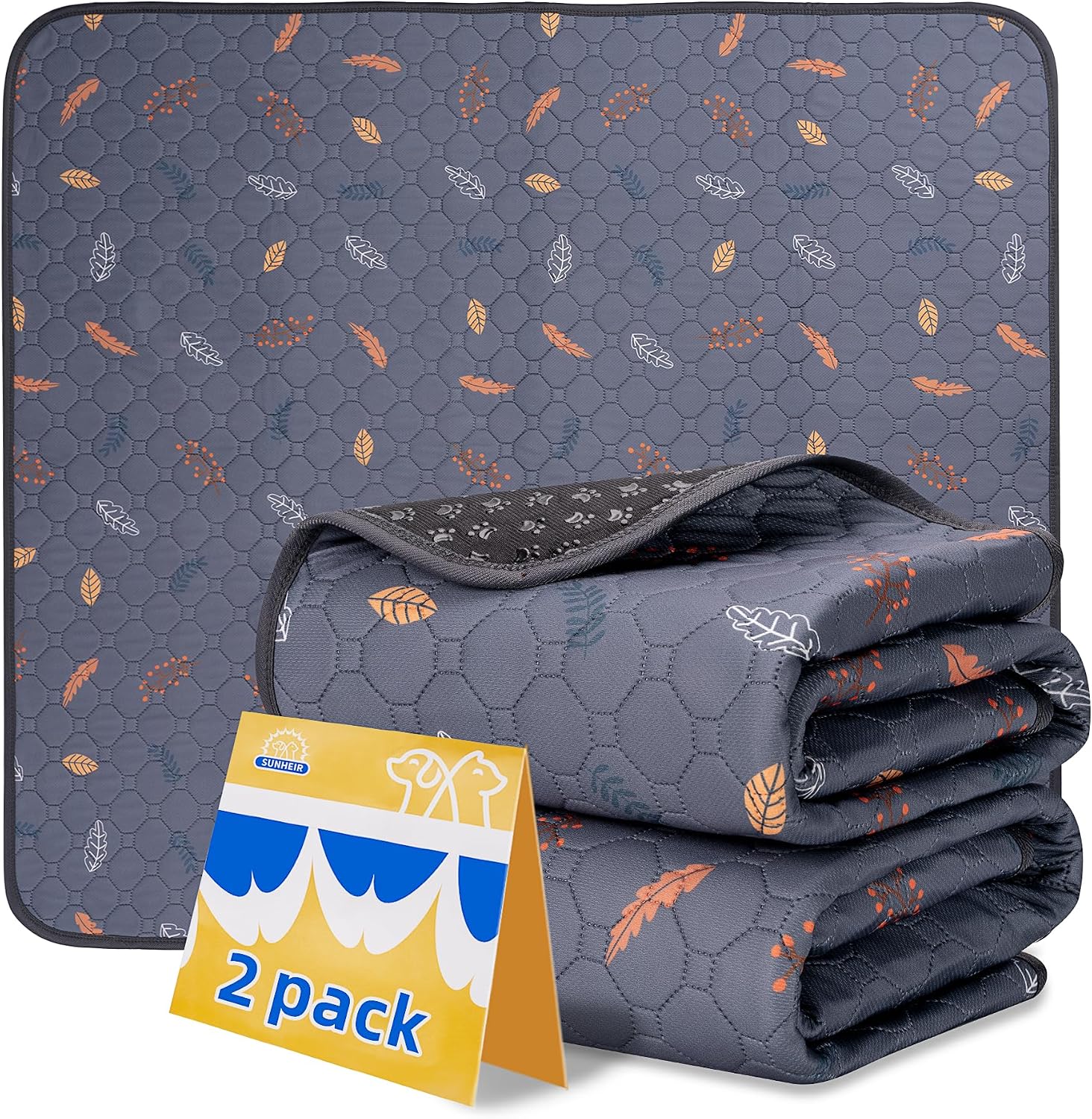
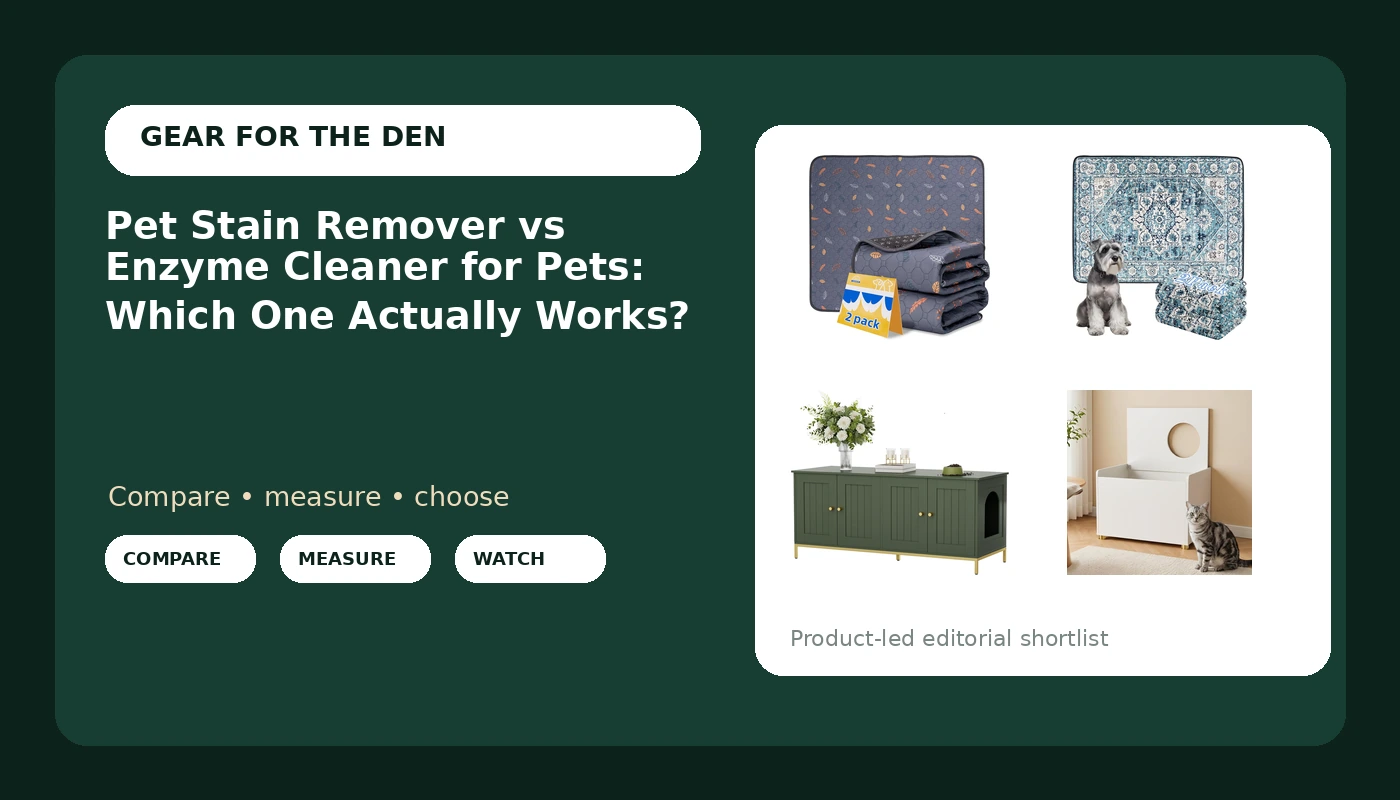
Sunheir Washable Pee Pads for Dogs, Reusable Puppy Pads for Dog Playpen 2PC
Two pads at the lowest entry point in this group, sized for crates and playpens, and machine washable
Small format means more frequent washing and no coverage for a large dog
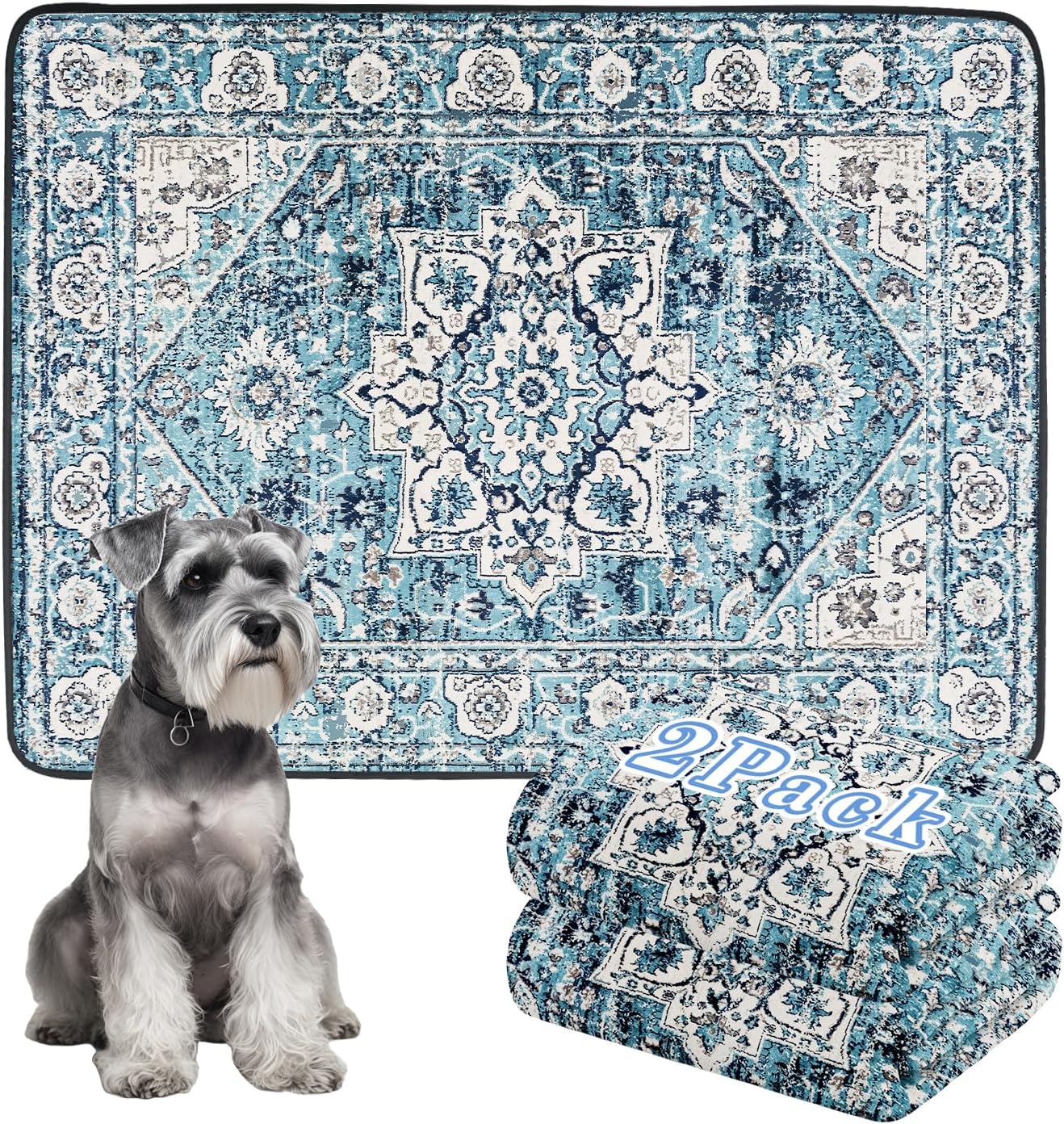
Thicken Washable Pee Pads for Dogs, 2 Pack Super Absorbent Dog Mats, 36"x48"
36 by 48 inches covers a real floor area and the two pack keeps a wash rotation going
Thick pads take a full dryer cycle and are awkward inside a small crate
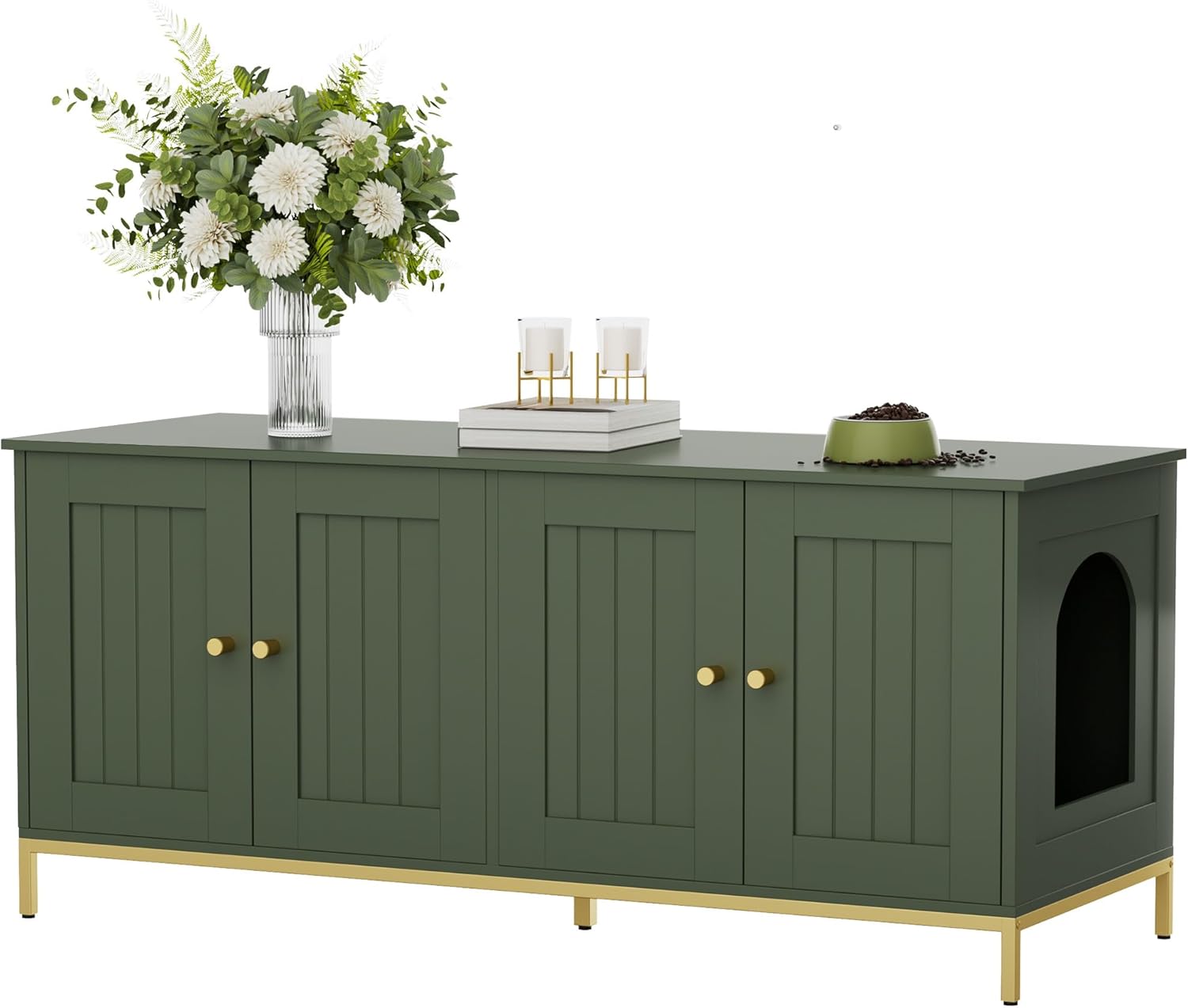
Homhedy 47.2" L Cat Litter Box Enclosure for 2 Cats, Green and Gold
47.2 inches fits two cats and the furniture look hides the box in a living room
Largest footprint here, and the green and gold finish is not a neutral
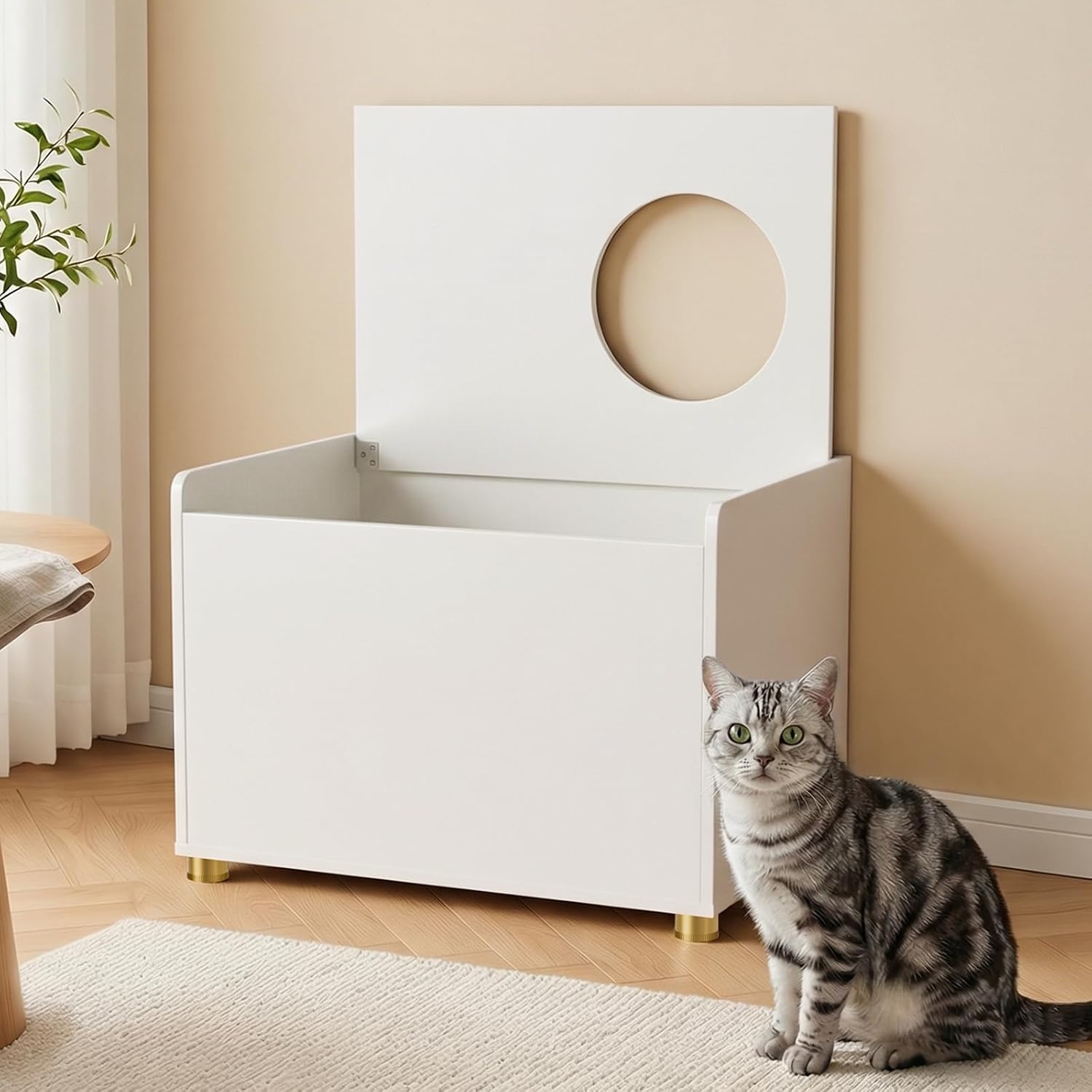
Amunrbrek Top Entry Litter Box Enclosure, Flip Top with Scratch Mat, White
Top entry with a flip top and scratch mat keeps litter in and cleanup simple
Top entry asks for a jump, which rules out senior and arthritic cats
Prices and availability may change.
How enzyme cleaners and stain removers actually differ
Framed as enzyme cleaner for pets vs pet stain remover, the choice sounds like a rivalry between two bottles. In practice it is a sequence, and the sequence is decided by chemistry. Treat the pet stain remover vs enzyme cleaner for pets comparison as a question about what is actually in the carpet, not about which label has the better dog on it.
Stain removers are built around surfactants and solvents. They lower the surface tension of water so it can get under a stain, then lift pigment into the cloth or foam you are about to blot away. Some add oxygen bleach for color. They work fast, usually in a minute or two, and they work on the surface.
Enzyme cleaners are built around enzymes, usually protease, amylase, lipase, and in some formulas urease. Each one targets a specific molecule. Protease breaks proteins. Lipase breaks fats. Urease goes after urea, the compound in urine that turns into ammonia as it sits. That is why an old urine spot can smell fine for a week and then bloom into a full ammonia smell on a warm afternoon. The bacteria producing that smell are eating what the cleaner did not remove.
Enzyme concentration is the number that matters most and the number almost nobody prints on the bottle. A large jug of diluted product is not a better value than a small bottle of concentrated enzyme. The practical difference shows up in dwell time. A stain remover is done when you finish blotting. An enzyme cleaner needs 10 to 15 minutes of contact, sometimes longer for old stains, and it needs moisture. If it dries out before the enzymes finish, you have paid for a bottle of perfume.
When pet stain remover vs enzyme cleaner for pets each wins
This is where most people overspend, because they buy one bottle and ask it to do everything. The difference between pet stain remover and enzyme cleaner for pets is the difference between appearance and residue.
Choose the enzyme cleaner when the mess came out of an animal and contains protein or urea: urine, vomit, diarrhea, drool, and the milky ring under a food bowl. Choose it on carpet, on grout, on mattress ticking, and anywhere the smell is the complaint rather than the color. Choose it for anything that has been cleaned before and still smells, because that is a sign the residue is still down in the pad or the backing where a surface cleaner never reached.
Choose the stain remover when the mess is pigment or grease: muddy paws on a light sofa, a dropped meatball, a smear of something unidentifiable on the tile. Stain removers are also the better pre-wash step on a pee pad that has been sitting in a playpen all day, since detergent lifts the surface soil before the washing machine has to.
One rule that saves money: never mix them in the same spray bottle, and do not layer a stain remover over a still-wet enzyme treatment. Detergent residue can interfere with enzyme activity and you will blame the enzyme cleaner for failing. Rinse, blot, then let the area dry before switching products.
Pad absorbency and pad size: stopping the mess before it soaks in
The best enzyme cleaner in the world is a rescue tool. A washable pad is prevention, and prevention is cheaper. Two pad options are in this comparison for exactly that reason, and both are worth a look alongside a washable pee pad routine for puppy playpens.
The Sunheir Washable Pee Pads for Dogs come as a two pack sized for playpens and crates, which is the format that matters for puppy training and for a dog recovering from surgery. Two pads means one is on the floor while the other is in the wash, and a playpen sized pad folds easily into a standard machine. The trade-off is coverage. A small pad handles a puppy and a crate tray, not a great dane with a bladder infection.
The Thicken Washable Pee Pads are the larger option at 36 by 48 inches, sold as a two pack and described as super absorbent. That size covers a playpen floor, a whelping area, or the stretch of floor under a water bowl where a senior dog dribbles. Pad absorbency is the spec that matters most and the one sellers describe most loosely. Thicker pile and a denser core hold more liquid before it wicks sideways, and pad size decides whether the puddle ever reaches the edge in the first place.
A pad that is too small does not fail at the middle. It fails at the seam, where liquid escapes onto the floor. If your dog paces before he goes, buy the larger pad.
Liner waterproofing and the cat side of the house
Dogs are the easy case, because a pad on the floor is the whole plan. Cats are harder. A cat will not use a pad that slides, and a litter box sitting in the open invites the two behaviors nobody wants: kicking litter across the room and missing the box entirely.
This is where the enclosure matters more than the cleaner. The Homhedy Cat Litter Box Enclosure is 47.2 inches long and built for two cats, which is the size you want in a two box household or for one very large box. A longer enclosure gives each cat room to turn around, and the furniture style means the box stops being an eyesore in the living room. The green and gold finish is a design choice rather than a neutral one, so measure the wall before you commit.
The Amunrbrek Top Entry Litter Box Enclosure takes the opposite approach: a top entry design with a flip top and a scratch mat, finished in white. Top entry keeps litter from being kicked out of the box, and the scratch mat catches what the paws carry out. The trade-off is mobility. A top entry box asks the cat to jump onto the lid, which is fine for a young cat and a bad idea for a senior with arthritis. If your household has both, the low entry option wins.
Liner waterproofing is the quiet spec in both cases. Trays and pads leak at the seams long before they leak through the middle, and a leak under an enclosure is the hardest kind to find.
Machine washable versus disposable: the math
Reusable pads win on cost per accident and lose on convenience. That is the whole trade, and it is worth being honest about it.
A disposable pad goes in the trash, which is exactly what you want at 2 a.m. with a sick puppy. A machine washable pad goes into the washer, usually on a warm cycle with a detergent that does not leave a residue, then into the dryer or onto a line. If you own two pads, you own one pad and one pad in the wash. If you own four, you own a rotation. That is the argument for buying a two pack and then buying a second two pack once you know the size you actually need.
Two things ruin reusable pads faster than accidents. Fabric softener coats the fibers and kills absorbency, and dryer sheets do the same thing. Skip both. Half a cup of white vinegar in the rinse cycle does more for odor than any scented additive and will not leave a film that keeps the pad from soaking.
The cost nobody counts is drying time. A thick pad takes a full dryer cycle. Two pads means two loads a week, which is fine, but a stack of six means you are running the dryer more often than you think.
Carpet safe, fabric safe, and the surfaces people ruin
Most complaints about enzyme cleaners are really complaints about the wrong product on the wrong surface. Look for a carpet safe claim and a fabric safe claim before you spray anything on upholstery or a wool rug.
Enzyme cleaners are water based and generally fine on solution dyed nylon and polyester carpet, which is what most rentals have. They are riskier on wool, silk, and anything with a natural dye, because moisture and dwell time are part of how they work. Stain removers with oxygen bleach can lighten a dark rug if you leave them too long. Neither product belongs on leather.
The test that costs nothing: find a hidden corner, apply a small amount, wait the full dwell time, and blot. If color transfers to your cloth, stop. If the fiber looks matted or felted, stop.
For urine specifically, blot first with plain water and a clean cloth, then apply the enzyme cleaner and let it sit. Do not scrub. Scrubbing pushes liquid deeper into the pad and the backing, exactly where you cannot reach it, and it spreads the stain sideways across the fibers. Press, do not rub.
Odor neutralizer claims and dwell time
Here is the test for deciding between pet stain remover or enzyme cleaner for pets in a store aisle with no signal and a cart full of groceries: smell the bottle. If it smells like a perfume counter, it is an odor neutralizer in the marketing sense, which means it covers a smell. If it smells faintly of nothing, or of a mild sour note, it is probably a real enzyme product.
Covering a smell is not the same as removing it, and a covered smell comes back when the fragrance fades, usually in a warm car or a sunlit room. A true enzyme product removes the source, which is why it can smell like nothing at all.
Dwell time is where these products fail in the real world, not in the bottle. Enzymes need moisture and time. Spraying a fine mist and blotting after 30 seconds is a waste of money. Soak the spot, cover it with a damp towel if the room is dry, and walk away for 15 minutes. Old stains may need a second application after the first one dries, because the first pass breaks the crust and the second reaches what is underneath.
What to check before you buy
- Size first. Measure the playpen, the crate tray, or the floor under the bowl. A 36 by 48 pad is generous until you try to fit it inside a small crate.
- Count second. Two pads is the minimum. Four is the comfortable number for a puppy or a senior dog.
- Chemistry third. Enzyme concentration is rarely printed, so judge by the ingredient list and the smell test, not by the size of the bottle.
- Enclosure fit fourth. Measure the litter box, then measure the furniture. A 47.2 inch enclosure needs a wall long enough for it.
- Entry height fifth. Top entry for young, agile cats. Low entry for seniors, kittens, and anything with a bad hip.
- Surfaces last. Confirm carpet safe and fabric safe language before the first spray, not after the rug is dry.
The gear in this comparison does different jobs, and that is the point. Visit on Amazon for the larger pads if floor coverage is the problem, or Visit on Amazon for the two cat enclosure if the litter area is the issue.
Trade-offs: what each choice costs you
Enzyme cleaners cost time. That is the honest trade. You spray, you wait, you keep it damp, you come back. Stain removers cost nothing but a rag and they solve the visible half of the problem, and the visible half is the half that makes you feel like the house is clean.
Washable pads cost laundry. Disposables cost money and landfill space, plus a trip to the store at the worst possible time. A two pack of washable pads is the cheaper decision over a year and the more annoying decision on a Tuesday night.
Litter enclosures cost floor space. A 47.2 inch cabinet is real furniture and it needs real room. A top entry box costs you nothing in space and costs your older cat a jump it may not want to make.
The combination that works in most homes is boring: an enzyme cleaner for anything biological, a stain remover for anything visible, two pads per dog, and a box that fits the cat you actually have rather than the cat on the packaging. The pet stain remover vs enzyme cleaner for pets debate mostly disappears once you own both.
What I'm watching next
Two things are worth tracking in this category. Enzyme products are slowly getting more transparent about what is in the bottle, and a stated enzyme concentration would make comparison shopping possible instead of a guessing game based on scent. Meanwhile the enclosure market is splitting between furniture style cabinets and top entry boxes, and that split is leaving senior cats behind. A low entry cabinet with a scratch mat and a removable tray would solve both problems at once.
Until then, the practical advice does not change. Buy the cleaner that matches the chemistry of the mess, and buy the gear that keeps the mess off the carpet in the first place. The bottle is the backup plan. The pad and the box are the plan.