The rabbit litter box vs corner litter pan question shows up in every small-pet group I follow, usually right after someone's rabbit has picked one corner of the hutch as a bathroom and the whole cage smells like it. The short answer is that a full-size box wins whenever the cage has floor area to spare, and a corner pan wins when it does not. The long answer depends on the cage you already own, the hideout parked inside it, and the bedding you fill the pan with. That is why this comparison covers the four pieces of gear that decide the outcome rather than the pans alone.
For most indoor rabbits, a full-size litter box is the better buy, because a rabbit needs room to turn around, dig, and rearrange; a corner pan only wins when the cage is tight enough that a bigger box would block the hay rack, the door, or the water bottle.
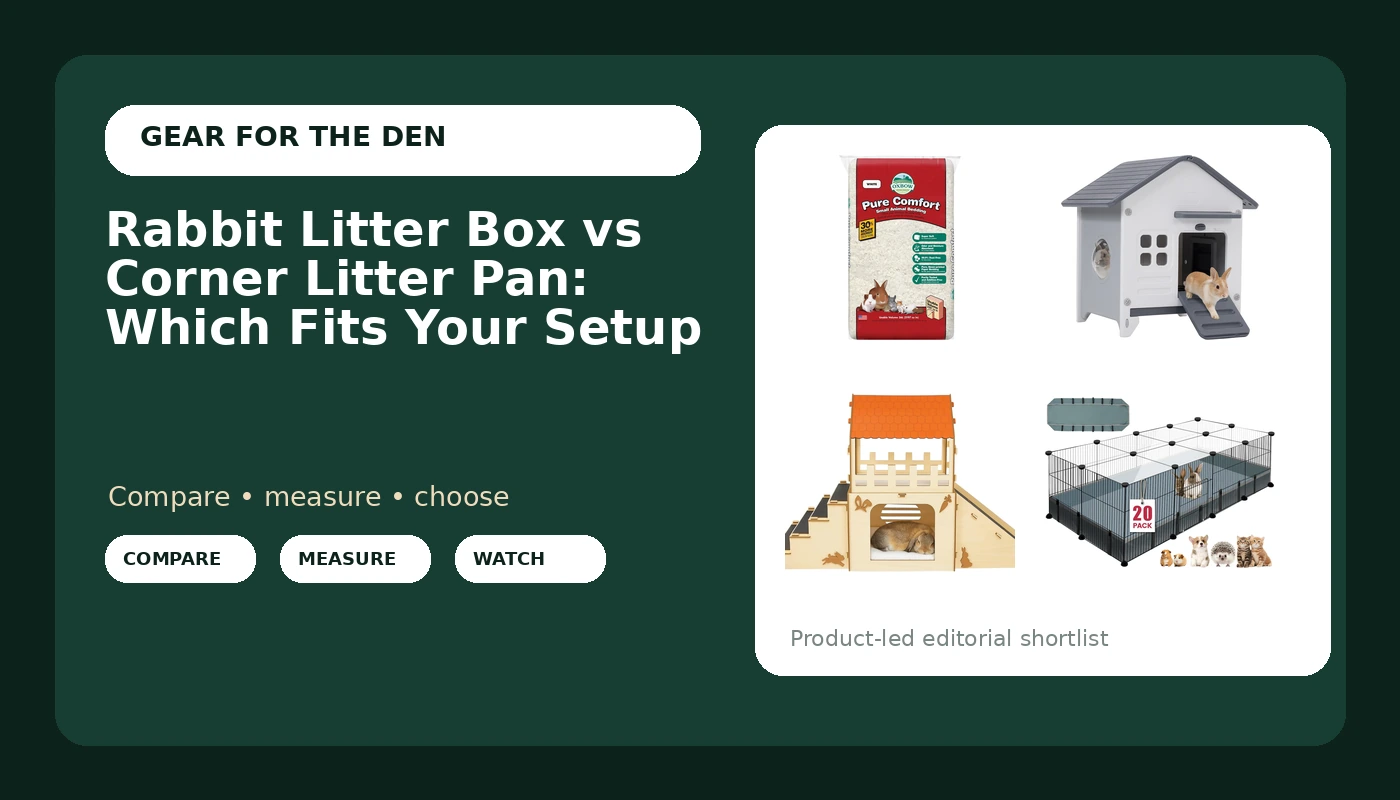
That recommendation only holds if the rest of the setup supports it. A pan is a container, and containers fail for boring reasons: not enough floor area, a base tray that is too shallow, bedding that migrates across the cage, a hideout that crowds the same corner you wanted for the pan. The table below covers the four products that shape those conditions, from the bedding that goes in the pan to the enclosure that holds it.
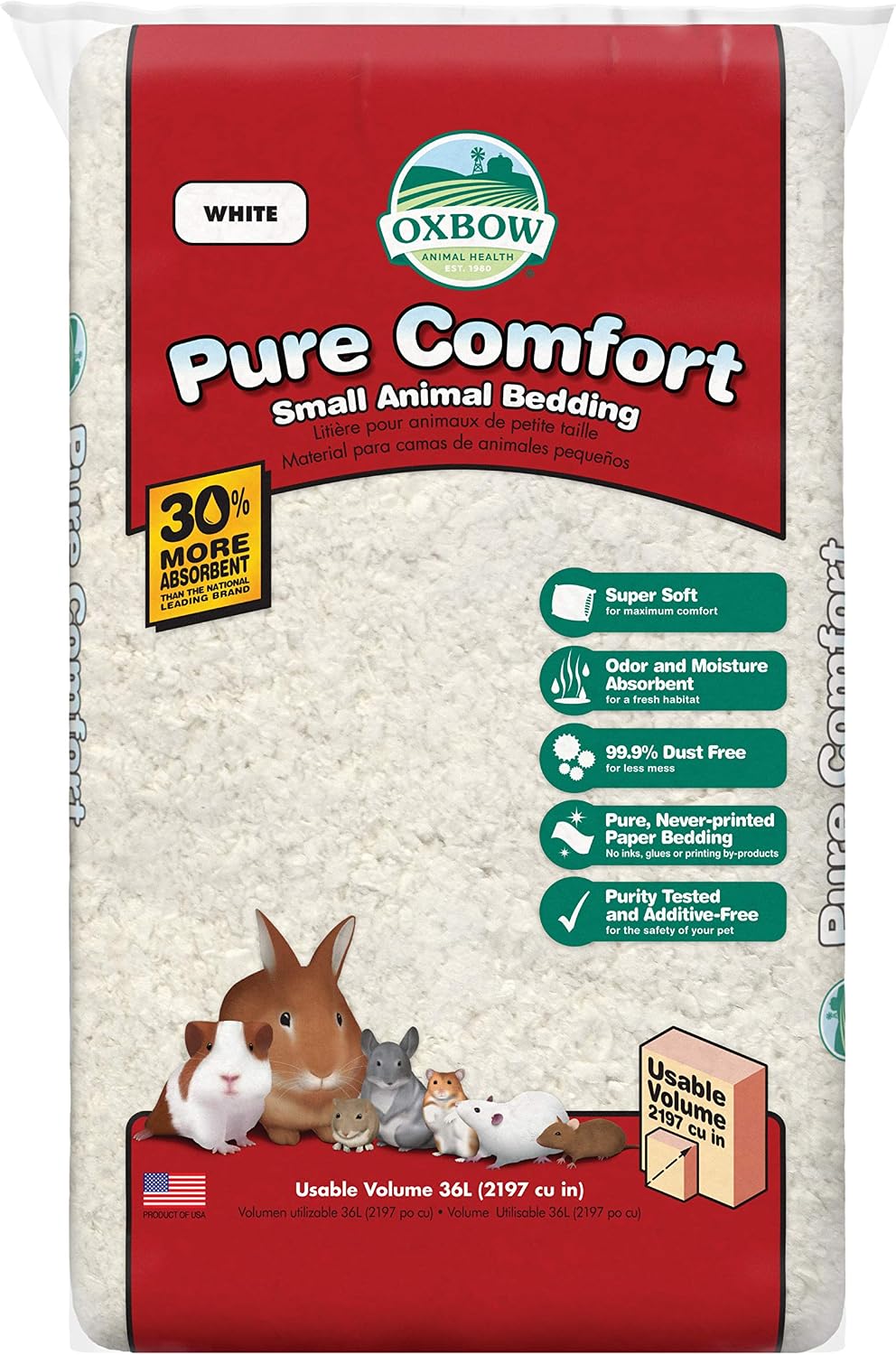
Oxbow Small Animal Bedding, Hamster, Guinea Pig, Rabbit, White, USA, 36 L
Low-dust paper fill that works in a deep box or a shallow corner pan without coating the cage
A 36 L bag disappears fast once you are filling a large pan twice a week
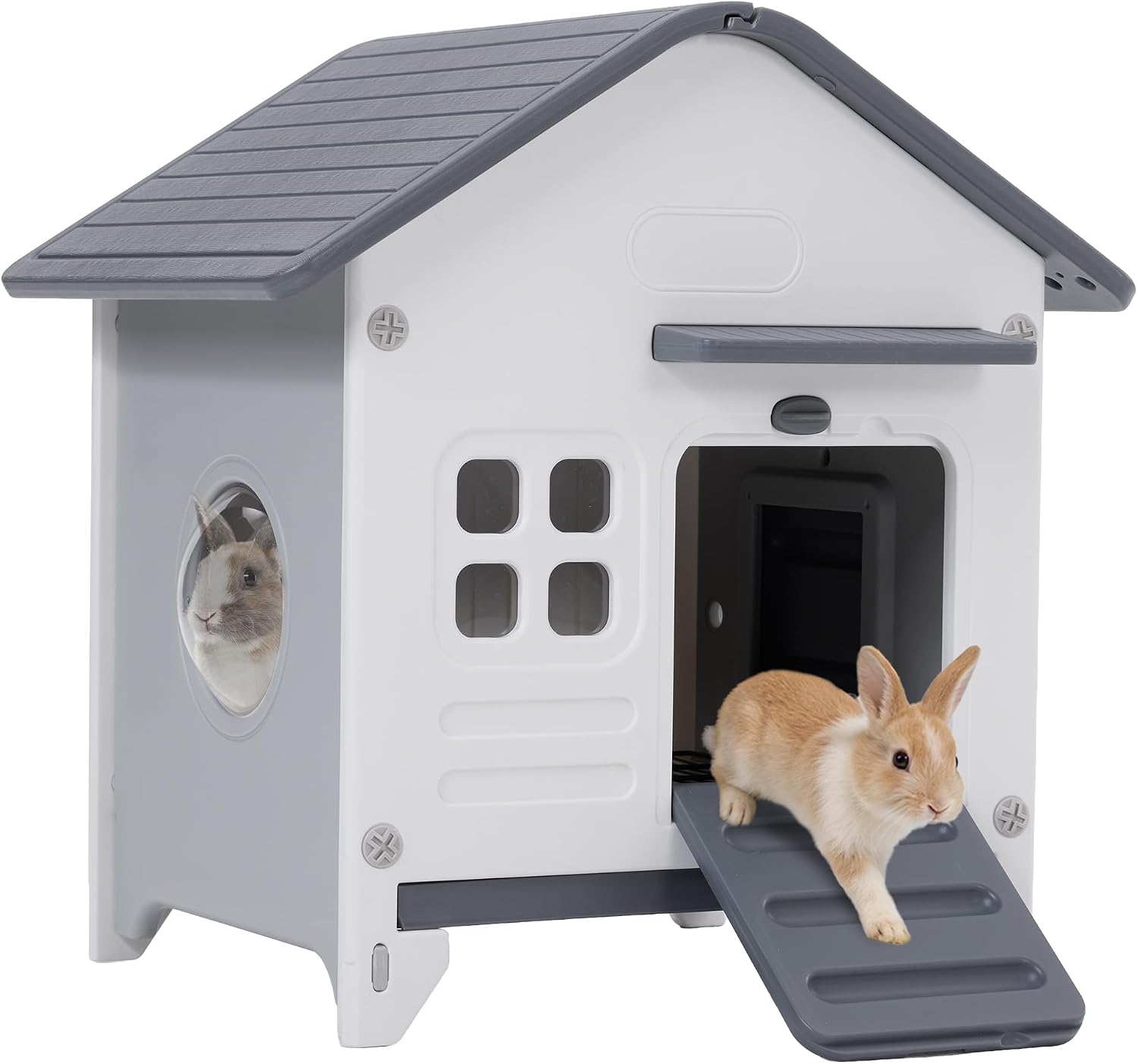
Plastic Rabbit Cage Outdoor Indoor, Bunny Cage Guinea Pig Cages Enclosure
A molded base tray keeps a corner pan and loose bedding in one place
The fixed tray footprint sets your maximum pan size for you
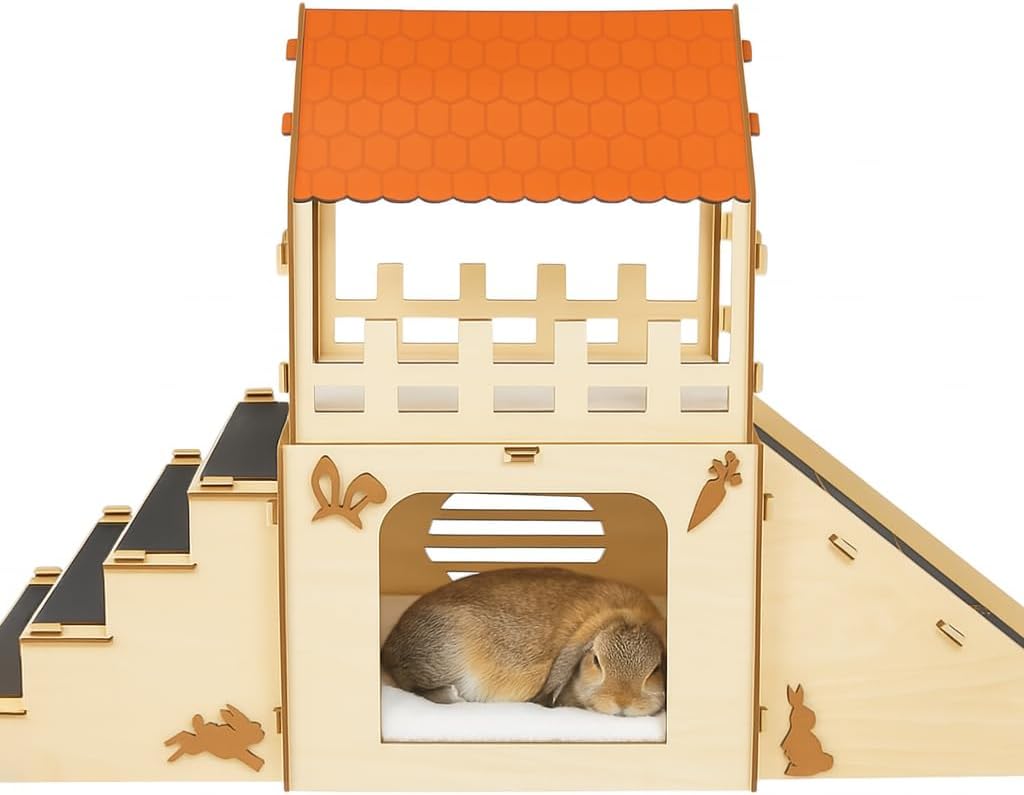
OtterPets Extra Large Bunny Hideout, Wooden Rabbit Castle with Fleece Mats
Gives a rabbit a real sleeping spot, so the litter pan stays a bathroom
An extra large footprint competes directly with the pan for floor area
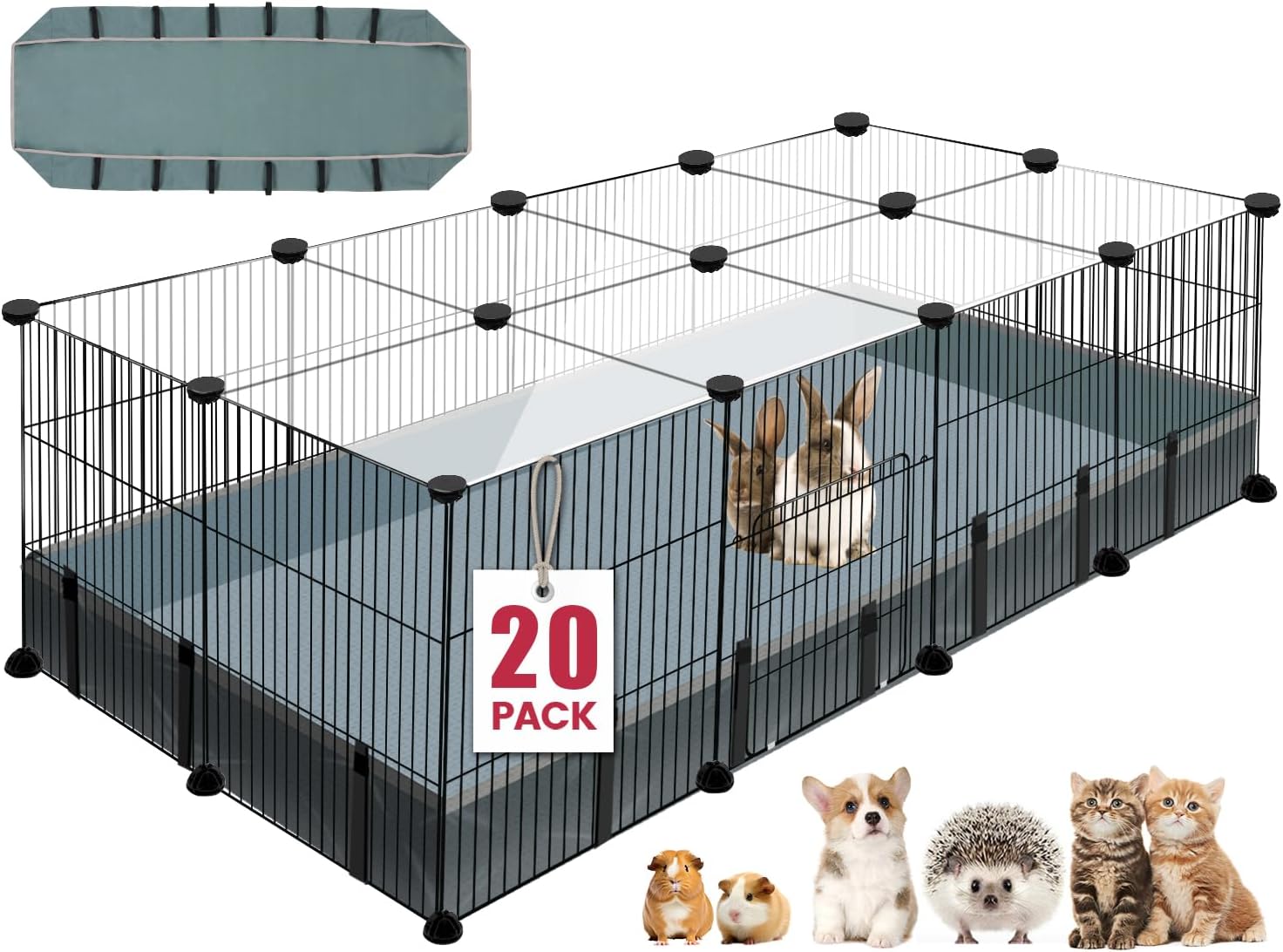
VISCOO 20 Panels Small Animal Playpen, 48" x 24" x 16" Rabbit Cage
Modular panels let you build a litter zone at the exact floor area you need
Open panels let a determined rabbit kick bedding straight out through the gaps
Prices and availability may change.
How I judge a rabbit litter box vs corner litter pan setup
A litter box is a shallow rectangular tub that sits flat on the cage floor, usually with a low front lip and open sides. A corner pan is a triangular tub shaped to wedge into a 90-degree corner, with two long sides and an angled or curved front. That geometry is most of the story. The difference between rabbit litter box and corner litter pan models comes down to three things: footprint, entry height, and how deep you can fill them before litter spills over the rim.
Rabbits back into a corner to urinate. That is the single strongest argument for a corner pan, and it is easy to confirm the first time you watch a rabbit use a rectangular box: it circles, backs up, and ends up in a corner of the box anyway. A corner pan leans into that instinct and takes up roughly a quarter of the floor space a full box needs. The trade-off is that a corner pan has no room for anything except elimination. A rabbit that wants to dig, sift, or nap in its litter will do all three on the cage floor instead.
Search corner litter pan vs rabbit litter box and you will find the same argument repeated in every forum thread: the pan saves space, the box saves mess. Both claims are true, and neither is universal. The deciding variable is the enclosure, which is why the gear list matters more than the pan itself.
Full-size litter boxes: room to dig, room to spill
If your cage has the floor area, a full-size box is the easier setup to live with. A bigger pan holds a deeper layer of bedding, and a deeper layer means urine soaks downward instead of pooling on the plastic base. It also gives a rabbit room to dig without immediately throwing litter over the rim, which is the exact behavior that makes corner pans frustrating in a large enclosure.
Bedding choice matters as much as pan shape. Oxbow Small Animal Bedding, Hamster, Guinea Pig, Rabbit, White, USA, 36 L is a paper bedding that suits either pan: soft enough for a rabbit to dig in, and low enough in dust that it does not coat the cage walls the way fine shavings can. Bedding dust is the detail people forget until a rabbit starts sneezing, and it gets worse in a shallow pan where litter is constantly kicked around.
The catch with a full box is scale. A 36 L bag sounds enormous until you are filling a large pan twice a week, and a large pan needs floor area that a small hutch simply does not have. In a tight cage, a full box pushes the hay rack out of reach and leaves no clear path to the water bottle, which is how a good pan choice turns into a bad setup.
Corner litter pans: small footprint, small tolerance
Corner pans earn their place in hutches, pet-store cages, and any enclosure where a rectangular box would sit under the water bottle or block the door. They are also easier to tuck under a hay rack, which matters because rabbits like to eat and eliminate in the same spot. Whether you run a rabbit litter box or corner litter pan, the cleaning routine is identical: dump, rinse, refill, and scrub the corners where urine collects.
The margin for error is smaller. Fill a corner pan too deep and bedding spills over the low front every time the rabbit hops out. Fill it too shallow and urine reaches bare plastic, which is where the smell starts. A corner pan also gives a rabbit nowhere to turn around, so an animal used to a big box may dig at the walls, chew the rim, or simply go next to the pan instead of in it.
That last failure is the one people misread as stubbornness. A rabbit that avoids a corner pan is usually telling you the pan is too small, not that litter training failed.
Hybrid setups: playpen floors and pan placement
The most flexible answer is not a pan at all but an enclosure that lets you build a litter zone at the size you need. The VISCOO 20 Panels Small Animal Playpen, 48″ x 24″ x 16″ Rabbit Cage is the clearest example: twenty panels that clip together into whatever footprint you want, with a 48 by 24 by 16 inch shape as the starting point. Panels that can be rearranged mean you can give the pan a corner of its own, then shrink or expand the run as the rabbit grows. Bar spacing is the thing to watch, because wide gaps plus a shallow pan equals bedding on the carpet.
An enclosed cage solves a different problem. The Plastic Rabbit Cage Outdoor Indoor, Bunny Cage Guinea Pig Cages Enclosure gives you a base tray that keeps a corner pan and loose bedding in one place, which is the appeal for anyone who has watched a rabbit kick litter through the bars of an open pen. The trade-off is that a molded plastic base fixes the pan size for you. If the tray is narrow, a full-size box will not fit no matter how much you want one.
Then there is the furniture question. The OtterPets Extra Large Bunny Hideout, Wooden Rabbit Castle with Fleece Mats gives a rabbit somewhere to retreat, and a hideout does more for litter habits than most people expect, because a rabbit with a safe sleeping spot is less likely to treat the litter pan as a bedroom. The cost is floor area. An extra large hideout plus a full-size box plus a hay rack is a lot of furniture for one cage, and something has to give. In a small enclosure, the hideout usually wins the space and the corner pan gets the pan.
Floor area is non-negotiable
Whatever pan you choose, floor area decides whether the choice works. A corner pan in a cage with room for a full box is a downgrade you will notice at every cleaning. A full box in a cage that barely fits it is a daily obstacle course for the rabbit.
Bar spacing matters here too. Wide bars on a playpen or cage let a determined rabbit pull bedding through, and a pan near the wall turns that into a mess outside the enclosure. If you are choosing between a nicer pan and a bigger enclosure, the enclosure is usually the better purchase, because it changes what every other piece of gear is allowed to do.
What the specs actually tell you
Before you buy either pan, read the numbers on the enclosure you own or plan to buy. Cage size and floor area tell you whether a rectangular box is even an option. Bar spacing tells you how much bedding will end up on the floor. Bottle capacity and hay rack placement tell you which corners are already occupied. Hideout size tells you how much of the remaining floor is actually free. Tunnel diameter matters if you are adding hideaway tubes, since a rabbit that cannot fit through its tunnel will bulldoze the litter pan to get around it.
Bedding dust is the spec nobody lists and everybody notices. A low-dust paper bedding in a deep pan is a different room than a dusty shaving fill in a shallow corner pan, even in the same cage. If you can only change one thing, change the depth of the litter layer before you change the shape of the pan.
Should you test the layout before you buy?
Yes, and it costs nothing. Cut a piece of cardboard to the footprint of the pan you are considering, set it in the cage, and live with it for a day. You will learn more about whether a full box fits than any product photo can tell you, because the photo never shows the hay rack, the bottle, or the hideout competing for the same corner.
If the cardboard template crowds the cage, buy the corner pan. If it sits comfortably with a clear path to the water bottle, buy the box. If neither works, the enclosure is the problem, and a modular playpen is usually the cheapest fix.
What to look at next
The next thing worth measuring in your own setup is litter depth versus pan height. A pan that holds two inches of bedding without spilling is doing its job; a pan that needs three inches to stay dry is the wrong shape for your cage. Get that ratio right and the rabbit litter box vs corner litter pan debate mostly answers itself.