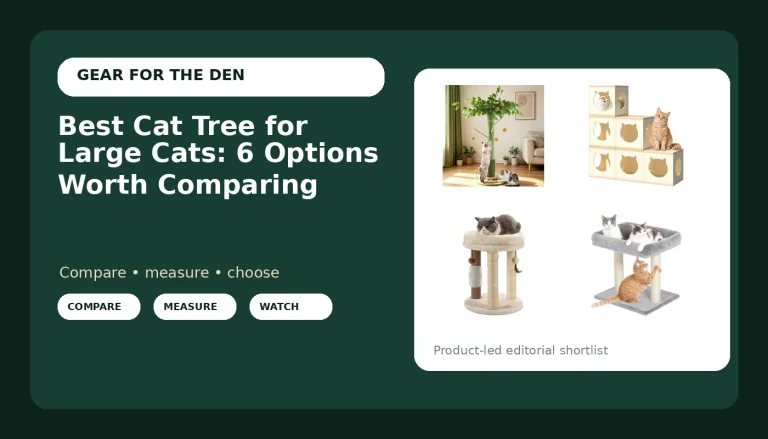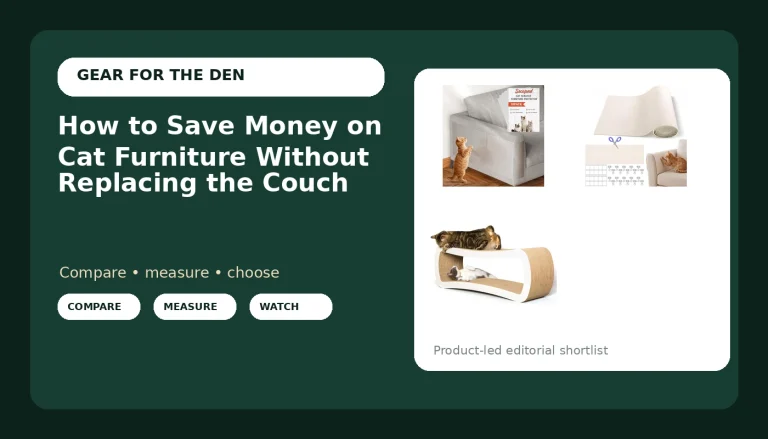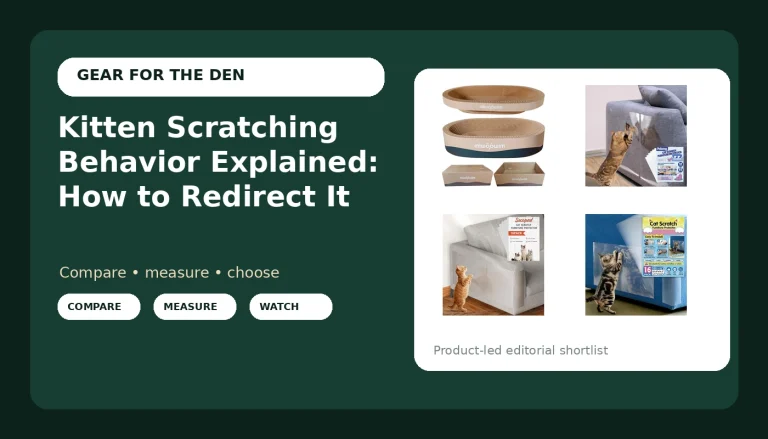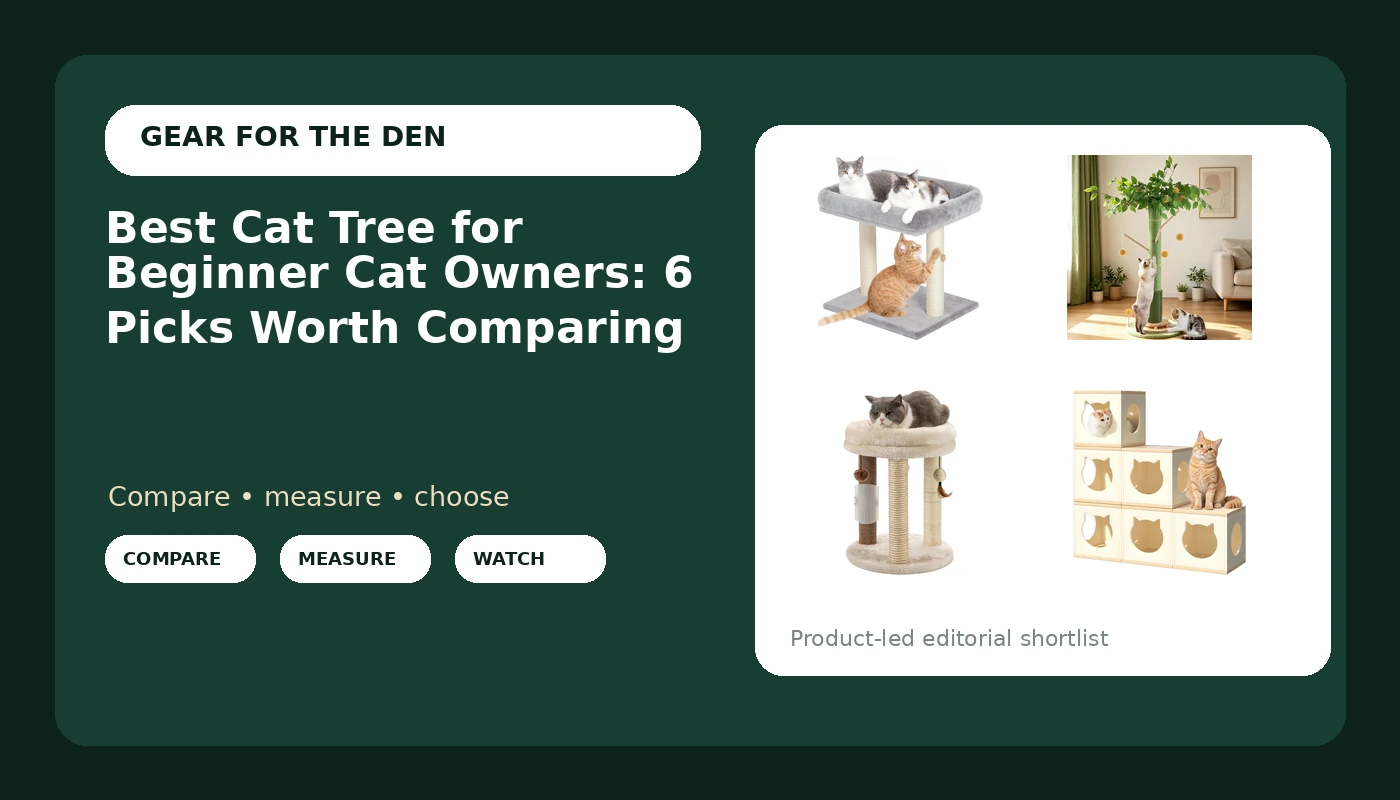
Bringing home a first cat means buying a short list of things that genuinely matter, and a scratching surface that belongs to the cat instead of the sofa sits near the top of it. That is why the search for the best cat tree for beginner cat owners usually happens in the same week as the litter box, the food bowls, and the first vet visit. A first cat tree does not need to be tall or complicated. It needs to stand still when a cat lands on it, match the size of the cat you actually have, and stay simple enough that you will vacuum it and tighten it without dreading the job. This guide covers six products that suit a first-time setup: two compact trees with a perch or a bed, a tall sisal post for a grown cat, a stackable cube tower, and two furniture protectors that help while a cat learns where scratching is allowed. Each product is described from the manufacturer's own listing information and compared on details you can measure, such as platform height, post diameter, shelf depth, weight limit, and anchor type. Every card links to the exact product it describes, and no current prices are printed here because they change.
Quick answer
The KinoTail 19" Small Cat Tree with Scratching Post for Indoor Cats with Perch is the strongest fit for a first cat tree because it combines a scratching post and a perch in one compact 19 inch frame, which covers the two jobs a beginner setup needs without taking over a room. Choose the 46" Tall Cat Scratching Post, Natural Sisal Cat Tree for Indoor Adult Cats instead when your cat is already full grown and wants vertical height and a natural sisal surface more than a bed.
What is worth comparing in a cat tree for beginner cat owners
Six products appear below, and they do not all do the same job. Three are scratching structures, one is a stackable cube tower, and two are furniture protectors meant to sit alongside a tree rather than replace it. The list starts with the pick that covers the most common first-time situation and then moves outward to products that solve narrower problems, such as a grown cat that needs height or a home where the sofa is already taking damage.
Top pick
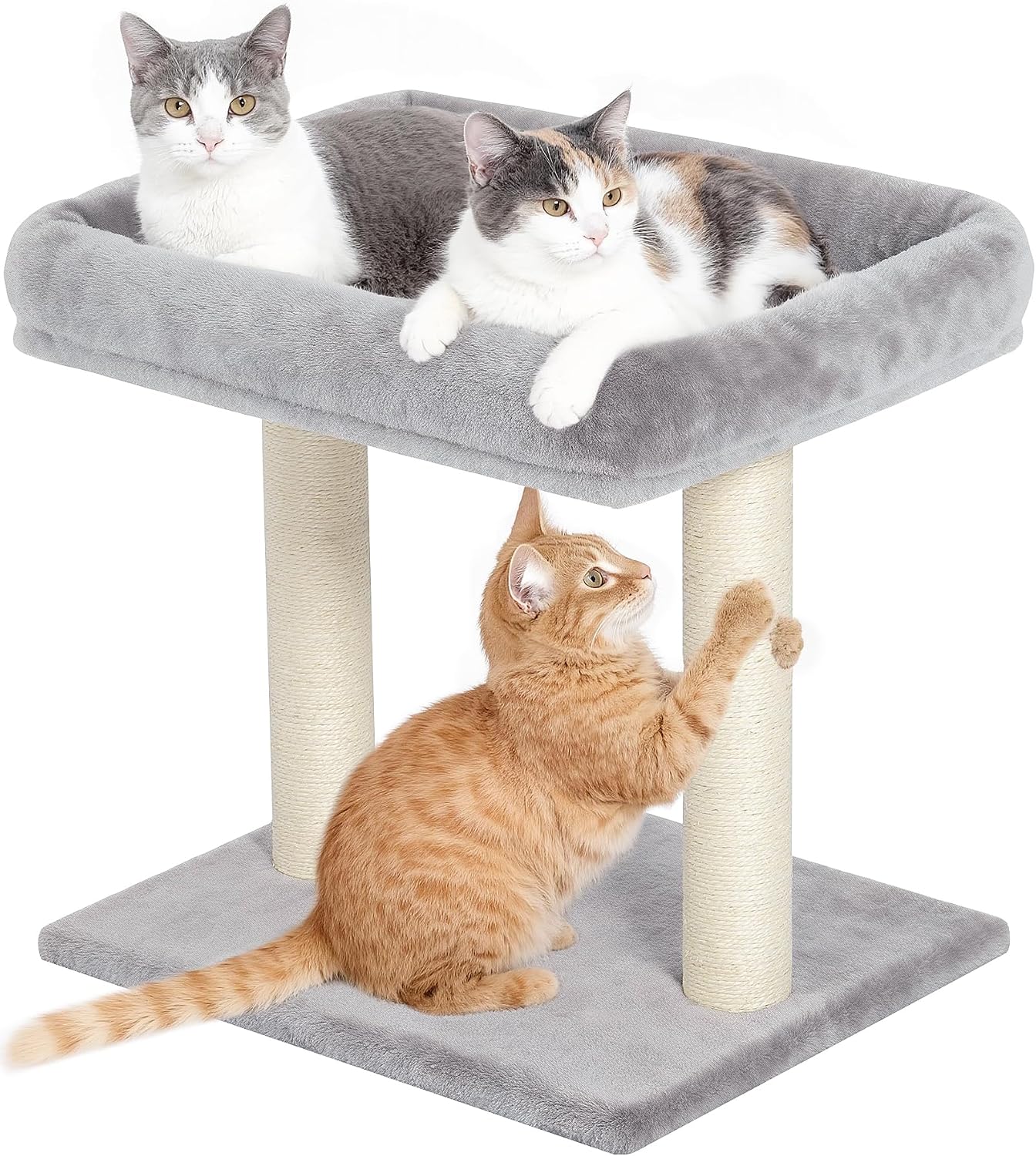
KinoTail 19" Small Cat Tree with Scratching Post for Indoor Cats with Perch
A 19 inch small cat tree with a scratching post and a perch, described for indoor cats. The compact frame suits a single cat in a small room and gives a beginner setup one place to scratch and one place to sit up high.
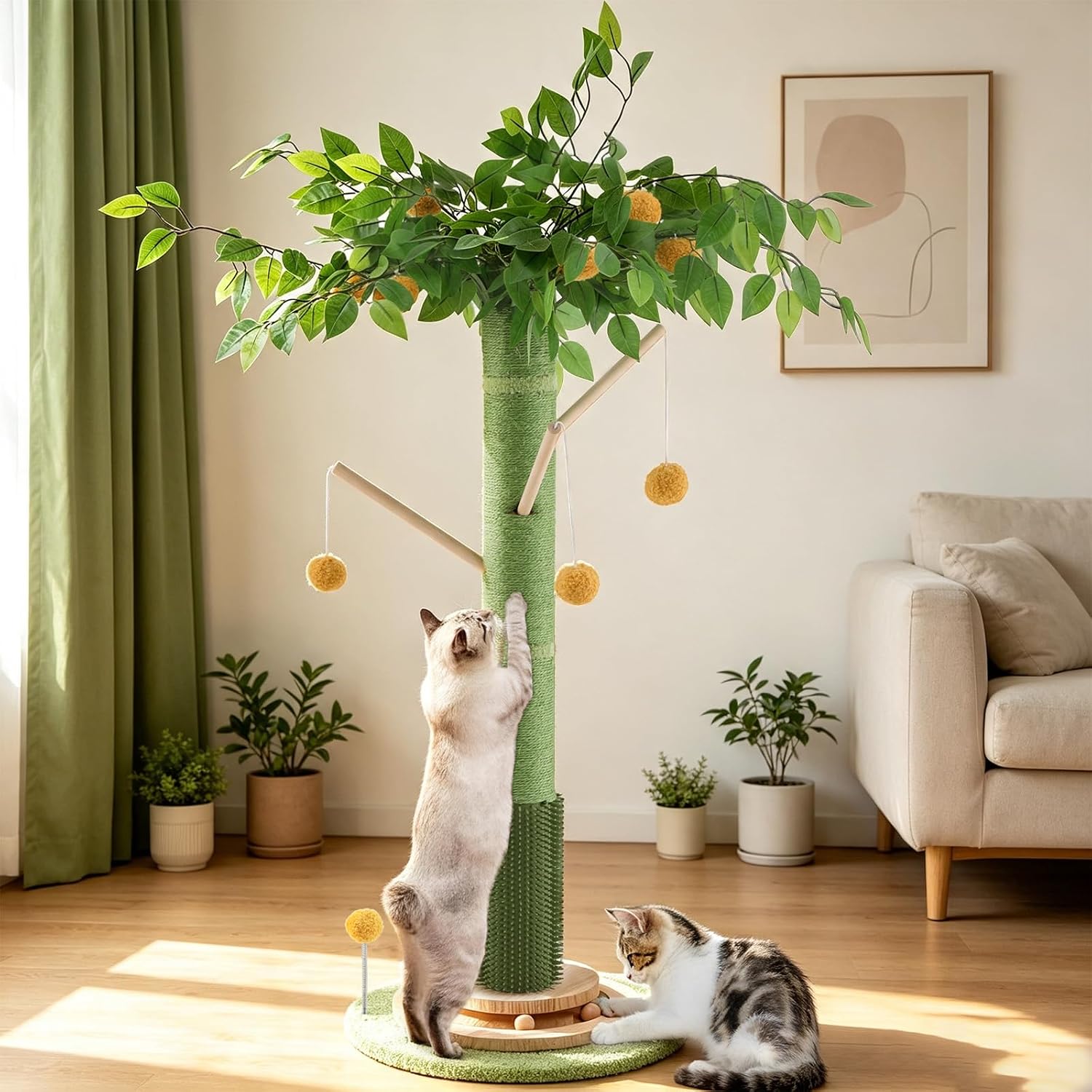
46" Tall Cat Scratching Post, Natural Sisal Cat Tree for Indoor Adult Cats
A 46 inch tall scratching post built with natural sisal and described for indoor adult cats. The height suits a grown cat that wants to stretch upward, and a post takes up less floor space than a full tower.
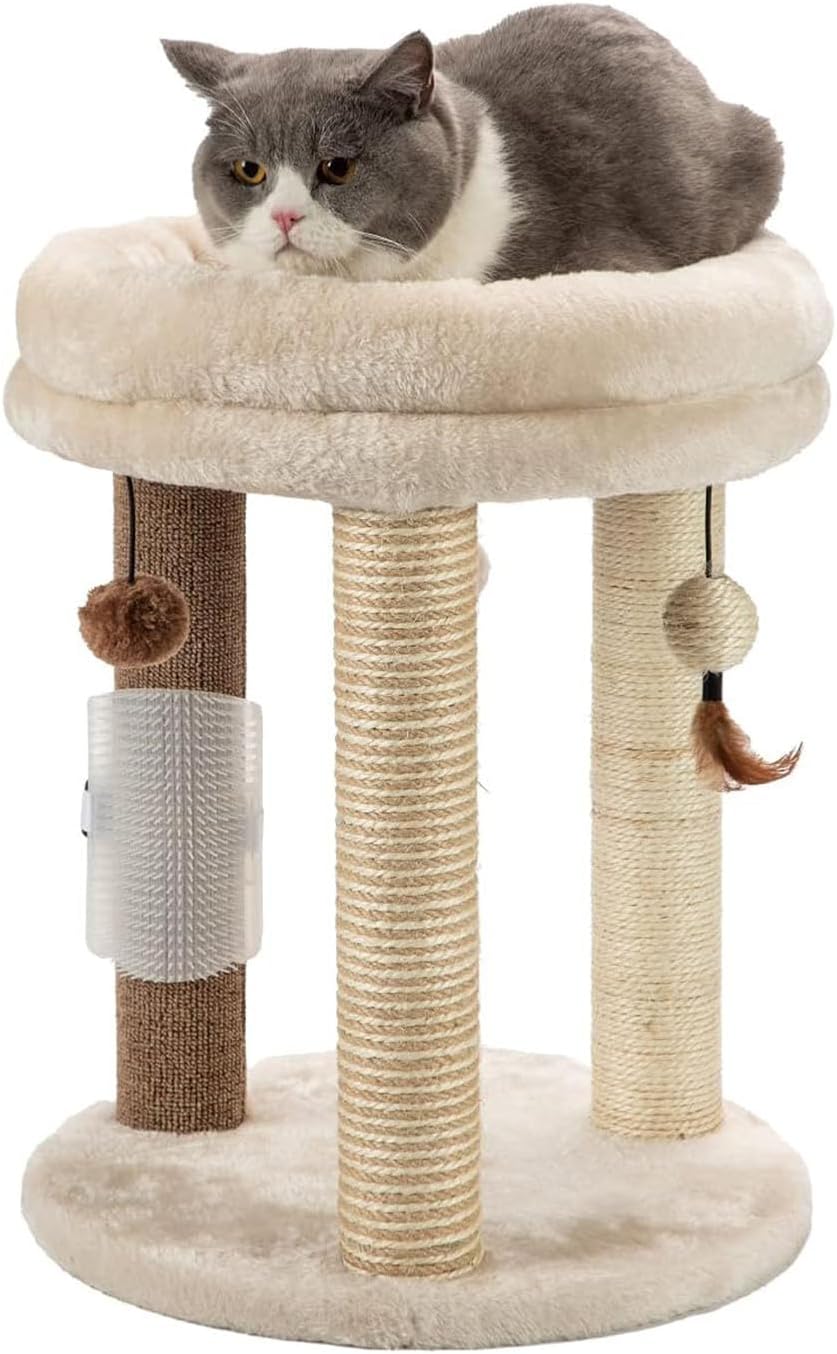
MECOOL 4in1 Small Cat Tree,Scratching Post with Tower Soft Bed, Sisal Carpet Jute Posts with Three Hanging Ball Toys and Massage Brush for Indoor Cats
A four in one small cat tree that combines a scratching post, a tower with a soft bed, sisal and jute posts, three hanging ball toys, and a massage brush, all described for indoor cats.
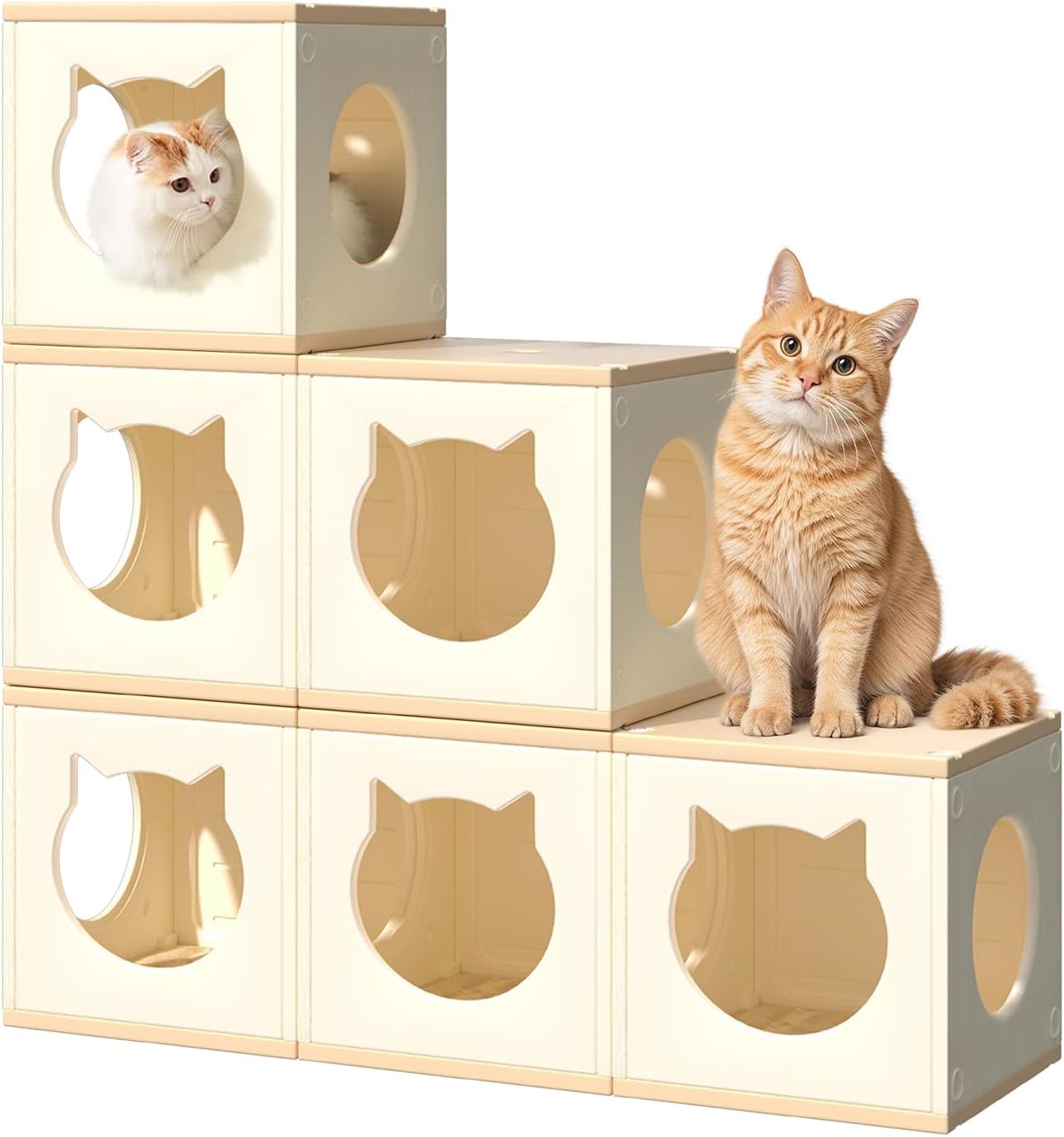
6-Cube Stackable Cat Tree Tower, Plastic Cat Tunnel for Indoor Cats
A stackable tower made of six cubes with a plastic cat tunnel, described for indoor cats. The modular cube format is the main difference from a standard post and perch tree, because the layout can be rearranged.
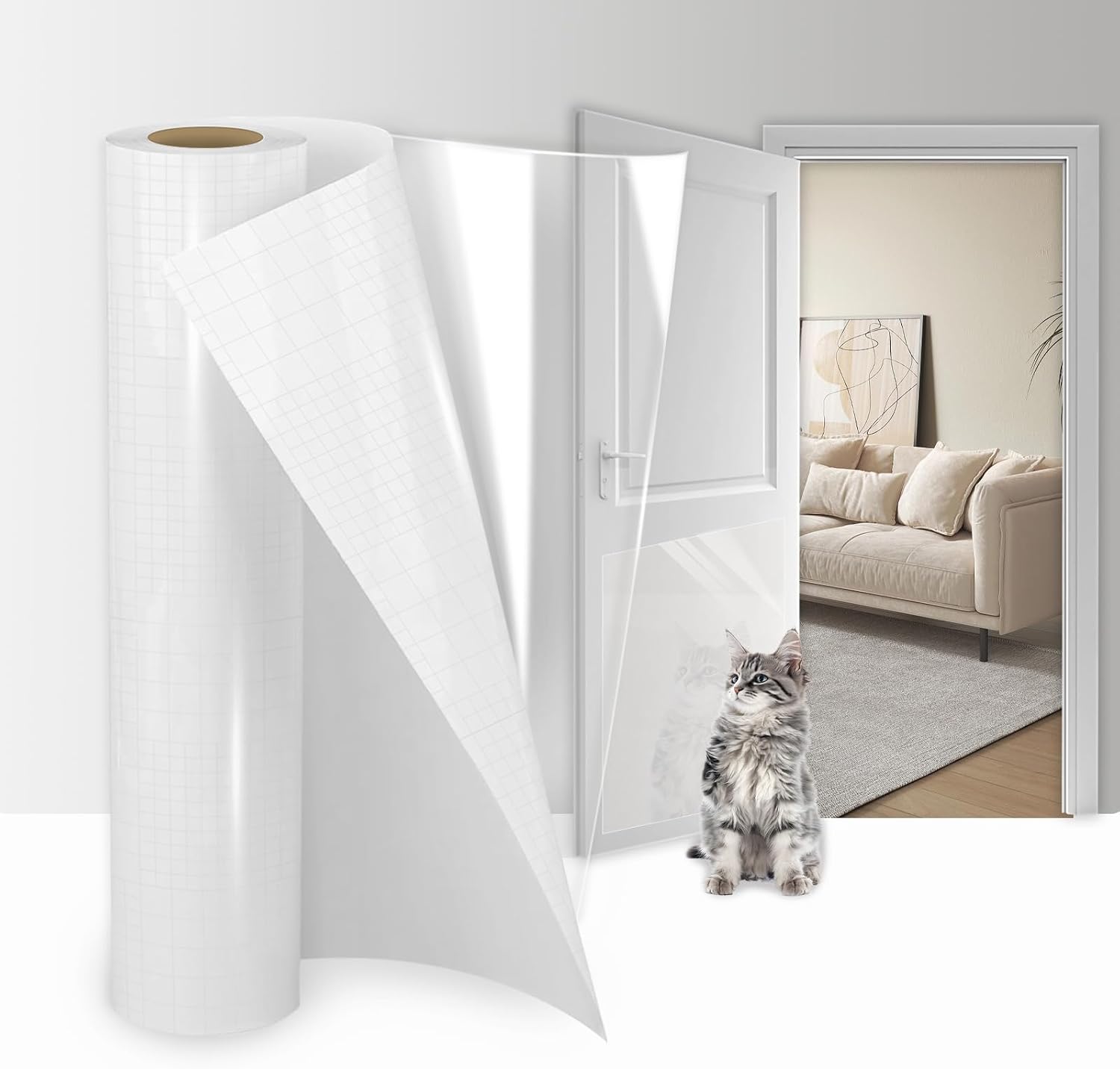
HYPERTAI Anti Cat Scratch Furniture Protector, 161.5" x 12.4"
A furniture protector sized 161.5 by 12.4 inches. It is a surface cover rather than a tree, useful on the piece of furniture a cat already targets while it learns to use a post.
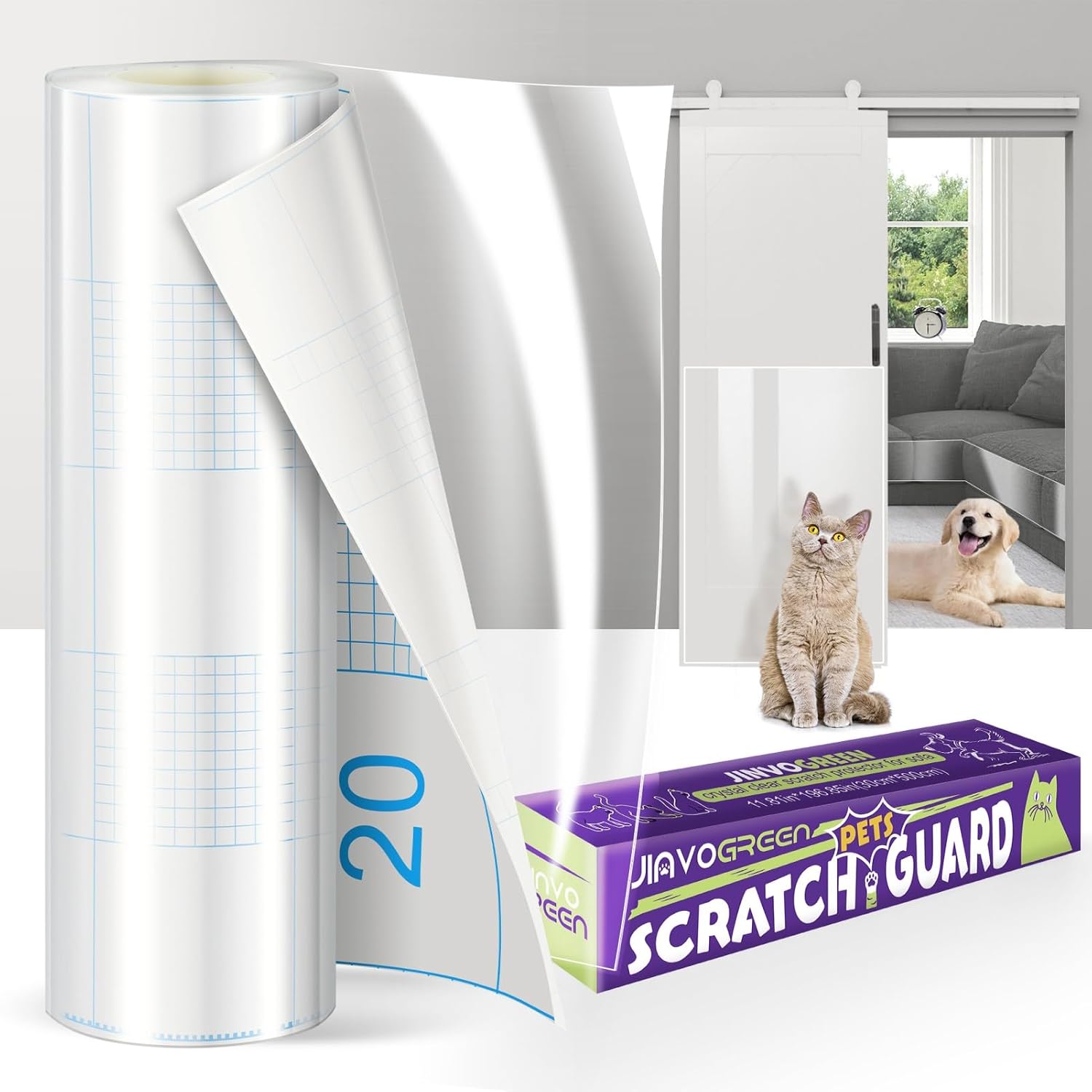
JINVOGREEN Cat Scratch Furniture Protector, 196.8 x 11.8 in
A cat scratch furniture protector sized 196.8 by 11.8 inches. By the listed dimensions it is the longer of the two protector panels in this roundup, which covers more furniture edge.
How these products were compared
This guide compares platform height, post diameter, perch width and shelf depth, weight limit, and anchor type. Product names, images, and retailer links are matched by product code so that every card points to the product shown.
Platform height decides whether a cat can sit up high enough to feel out of the way, and whether a kitten can reach the top level without a jump it cannot judge yet. Post diameter matters because a cat wraps its front paws around a post to stretch, and a very thin post gives it less to grip. Perch width and shelf depth decide whether a cat can lie down flat or only balance on the edge. Weight limit matters in a multi-cat home or with a large adult cat, because a tree that holds one small cat may flex under two. Anchor type covers how the unit is held in place, whether that is a wide weighted base or a wall strap, and it is the detail beginners overlook until the first hard landing.
Two caveats apply to the whole roundup. Nothing here is based on hands-on testing; the descriptions come from the manufacturer's product information and the measurements they publish. No current price appears in this article, so use the retailer link on each card to confirm the price, availability, and return terms before you buy.
How to choose the right cat tree
The ideal cat tree for beginner cat owners is not the tallest one on the page. It is the one that matches the cat in front of you. A kitten will grow into a taller post, but a kitten that cannot judge a jump does better with a low platform and a short climb, which is why a compact tree with a perch and a post is a reasonable first purchase. A full grown cat needs a post it can stretch against at full height, and a perch wide enough to lie on rather than balance on. Measure your cat from nose to tail base and check the perch width on the listing, then check the platform height against the highest surface your cat already likes, such as a windowsill or the back of a couch.
Material and build come next. Sisal and jute posts hold up to daily scratching better than a bare carpet wrap, though carpet is softer under a kitten's paws. Post diameter is worth a second look, because a post that is too thin for a large cat will wobble no matter how well it is bolted. Weight limit is the number that tells you whether a tree can carry an adult cat or two cats at once, and the anchor type tells you whether the unit relies on a wide base or a wall strap. In a rental, a wide base is usually easier to live with than drilling, but a tall unit still needs to be checked for wobble after the first week.
Placement solves more scratching problems than any single feature. Put the tree next to the piece of furniture your cat already targets, because a cat scratches where it already spends time. In a small apartment, a low platform near a window gives a cat a view without a tall footprint. In a multi-cat home, plan one resting spot per cat, which is why the cube tower and the taller post are worth considering together; our guide to setting up a home for two cats covers that layout in more detail. The correct cat tree for beginner cat owners is the one that fits the room, the cat's weight, and the amount of cleaning you will actually do.
KinoTail 19" Small Cat Tree with Scratching Post for Indoor Cats with Perch
This is a 19 inch small cat tree with a scratching post and a perch, described for indoor cats. That combination is the reason it takes the top spot: a beginner setup needs one place to scratch and one place to sit, and this unit provides both in a single small footprint. The post gives the cat something to rake its claws down, and the perch gives it a raised spot that is not the kitchen counter or the top of a bookshelf.
The trade-off is height. At 19 inches the perch sits below the level of most windowsills, so a cat that already spends its day on the back of the couch may ignore it and keep using the couch. It is also a single-cat layout, and a two-cat home will need a second resting spot, either from the taller post below or from the cube tower. Check the platform height and the perch width against your cat before you order, and check the base once it is assembled, because a small tree on a smooth floor can slide when a cat launches off it.
For a first-time owner, the useful quality here is simplicity. There are fewer surfaces to vacuum than on a full tower, and fewer bolts to check. If your cat turns out to want toys and a bed as well, the MECOOL tree further down covers that ground, but start with what the cat will use rather than with what the listing can bundle.
Alternatives to consider
The 46" Tall Cat Scratching Post, Natural Sisal Cat Tree for Indoor Adult Cats is better suited to a full grown cat that needs height and a long vertical stretch, while the MECOOL 4in1 Small Cat Tree,Scratching Post with Tower Soft Bed, Sisal Carpet Jute Posts with Three Hanging Ball Toys and Massage Brush for Indoor Cats is a stronger fit when you want a bed, hanging toys, and a brush in roughly the same small footprint as a starter tree.
The 6-Cube Stackable Cat Tree Tower, Plastic Cat Tunnel for Indoor Cats, HYPERTAI Anti Cat Scratch Furniture Protector, 161.5" x 12.4", and JINVOGREEN Cat Scratch Furniture Protector, 196.8 x 11.8 in cover the rest of a beginner setup. The cube tower is a modular option for a household that wants to rearrange the layout or add a tunnel to the climbing route. The two protectors are not trees at all; they are panels that shield furniture edges, and they make the most sense as a temporary measure while a cat is learning to use a post, or as protection for one chair that a cat has already claimed. The HYPERTAI panel is listed at 161.5 by 12.4 inches and the JINVOGREEN panel at 196.8 by 11.8 inches, so by the published numbers the second one is the longer of the two.
Day-to-day use and maintenance
Sisal and jute posts shed a little fiber when they are new, and they collect less hair than a carpet wrapped post, so a quick vacuum once a week usually keeps a small tree presentable. Removable beds and covers should be cleaned according to the care instructions on the listing rather than thrown in with the regular laundry, because hammock fabric and plush covers can shrink or lose their shape. Hanging toys and brushes should be checked for loose strings, since a chewed cord is the part of a cat tree that fails first.
Hardware is the part beginners forget. Walk around the tree once a month and tighten the bolts on the post and the platform, especially in the first month when a new cat is jumping on and off constantly. Check the base for movement on hard floors and add a rug underneath if the tree slides. A tall unit should be checked against its anchor type, and if the listing supplies a wall strap, use it rather than trusting the base alone. Replace a post when the sisal is worn through to the core, because a cat will go back to the furniture once the post stops feeling satisfying.
The first weeks with a new cat are also when a furniture protector earns its place. Press the panel flat against the surface the cat targets, keep it in position, and leave a scratching post within a few feet so the cat has an approved alternative. Leave the carrier open and near the tree during those first days, since a nervous cat often prefers a familiar hiding spot while it decides whether the new structure is safe, and re-check the carrier size as a kitten grows, because a cat that outgrows its carrier is also likely to outgrow a small perch. Keep the tree away from radiators, open windows, and anything a cat could knock over on the way down.
Buying checklist
- Measure the floor space you can give up, then compare the platform height against the highest spot your cat already uses.
- Choose post diameter and material based on daily use rather than an occasional hard scratch.
- Confirm that the exact model includes the perch width, shelf depth, and weight limit your cat needs.
- Decide whether the unit relies on a wide base or a wall strap, and whether your home allows that anchor type.
- Read the cleaning instructions for removable covers, hammock fabric, and any hanging toys.
- Verify the current retailer price, availability, and return terms before ordering.
Final recommendation
Choose the KinoTail 19" Small Cat Tree with Scratching Post for Indoor Cats with Perch when you are setting up for a single indoor cat and want a scratching post and a perch in a small footprint. Choose the 46" Tall Cat Scratching Post, Natural Sisal Cat Tree for Indoor Adult Cats when your cat is full grown and needs height more than a bed. If you want toys, a bed, and a brush in one small unit, the MECOOL tree is the closest match, and the cube tower is the better choice for a multi-cat home that wants to rearrange the layout later. The best cat tree for beginner cat owners is the one that fits your cat's size and your room, and this list gives you a reasonable place to start.