Every week another beginner asks the same question: buy the box with everything in it, or buy a bare tank and pick the parts one at a time? That is the whole aquarium starter kit vs separate tank for beginners argument compressed into a single sentence, and the answer has less to do with price tags than with how many decisions you want to make before a single fish goes in the water. A starter kit hands you a matched set and a known equipment list, along with the manufacturer's idea of what a beginner needs. Buying separately hands you freedom and a much longer shopping list. Both routes end in the same place, a cycled tank with a healthy fish in it, but they get there on very different schedules.
For most first tanks, a starter kit wins, and the Coospider 20 gallon is the one I would point a family toward if the room and the stand can take it. For a desk or a kid's room, the 3 gallon kit is the easier entry. But that is the short answer. The long one runs through tank volume, stand load, hood fit, filter media, heater wattage, and the four to six weeks of cycle time that no box can do for you.
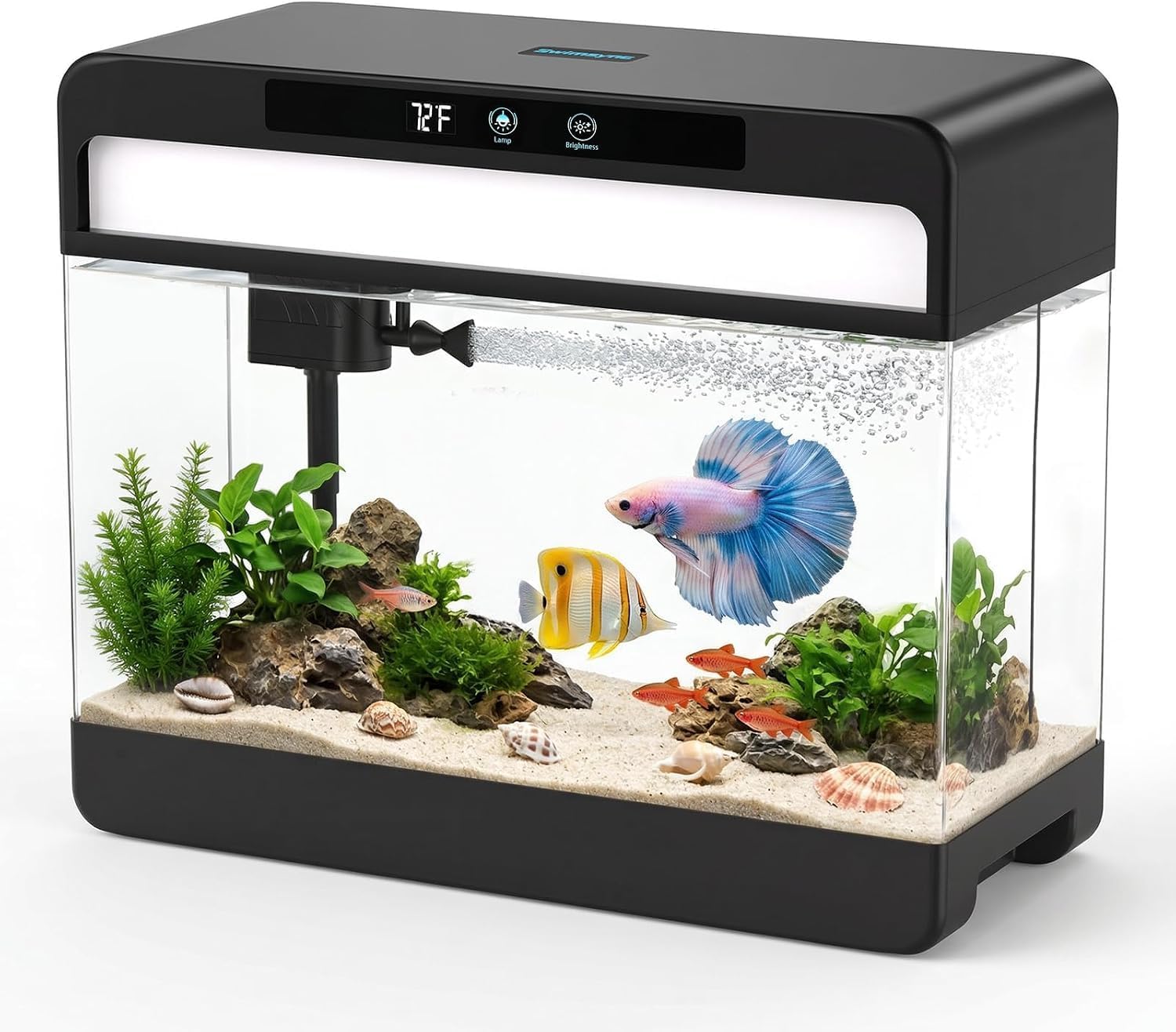
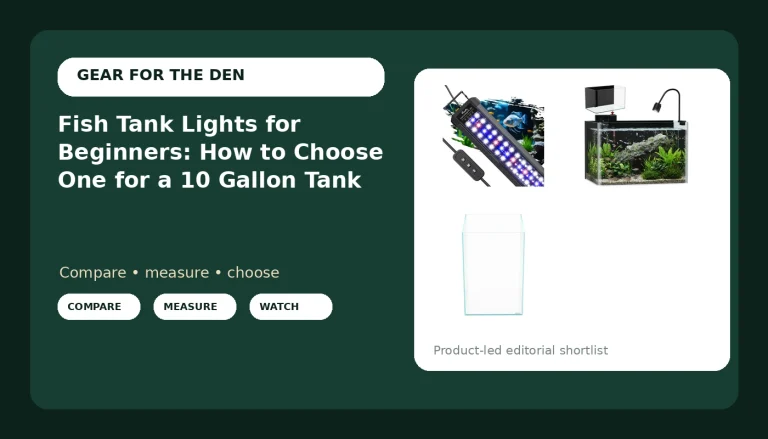
3 Gallon Fish Tank Starter Kit, Beginner Aquarium for Betta, Black
Smallest footprint here, easy to place on a desk or nightstand, lowest entry point for a single betta
Small tank volume swings fast, so a missed water change shows up in hours, not days
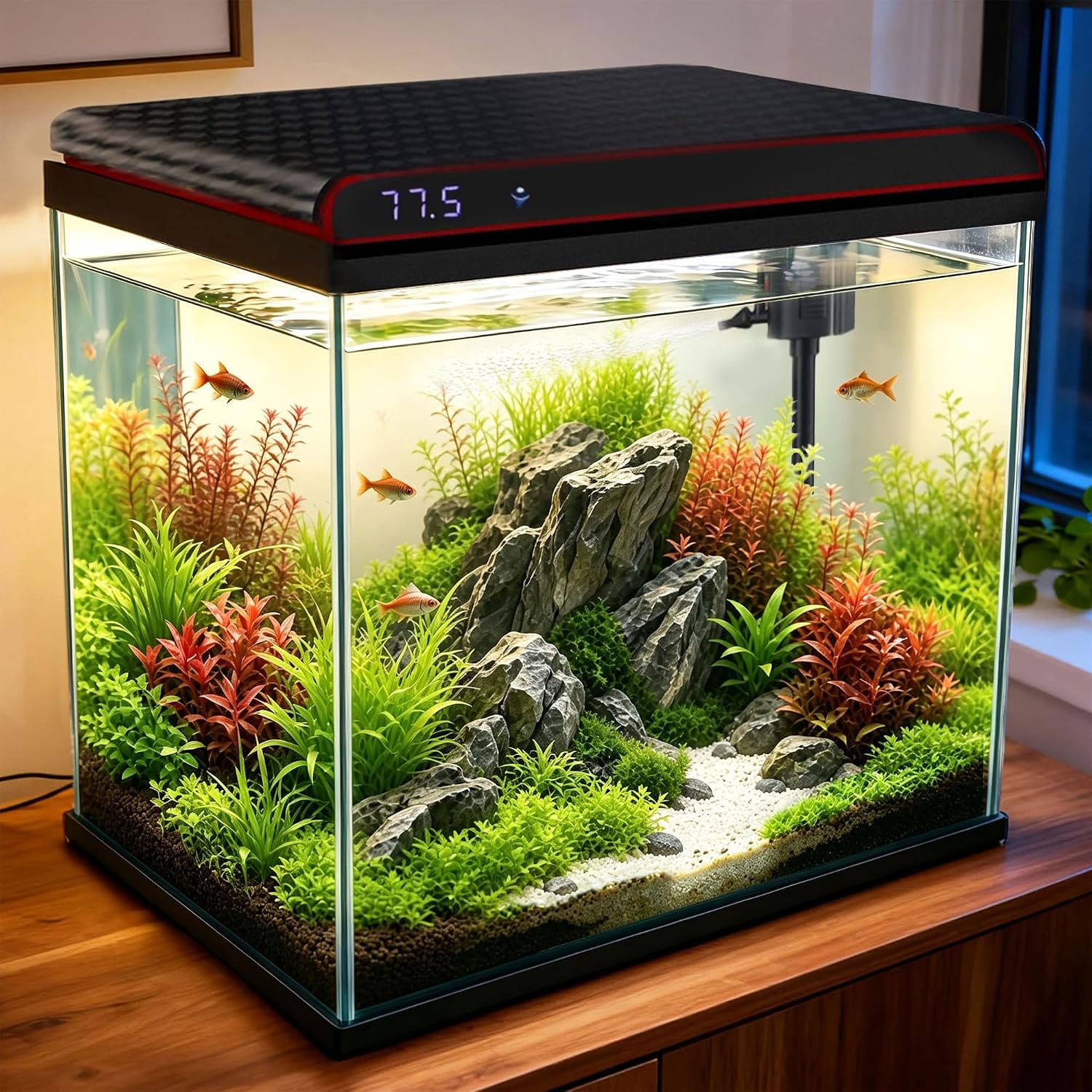
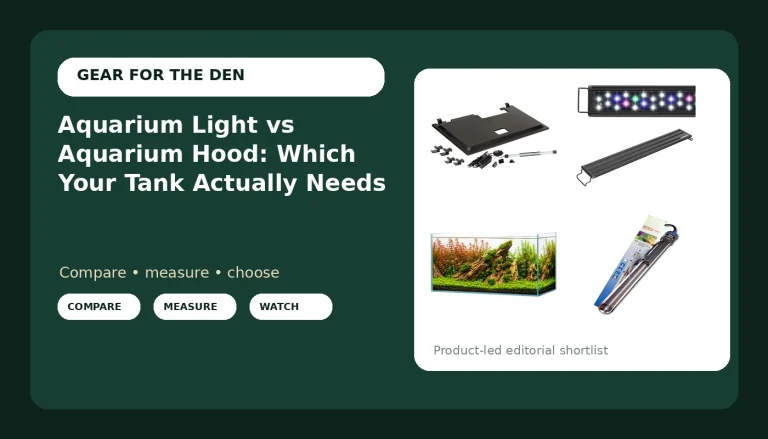
Coospider 10 Gallon Glass Fish Tank, Aquarium Starter Kit, Kid Gift Ideas
Glass 10 gallon footprint that fits a shelf, simple package, easy to hand to a kid as a gift
Shortest feature list of the Coospider group, so light, pump, and thermometer are on you
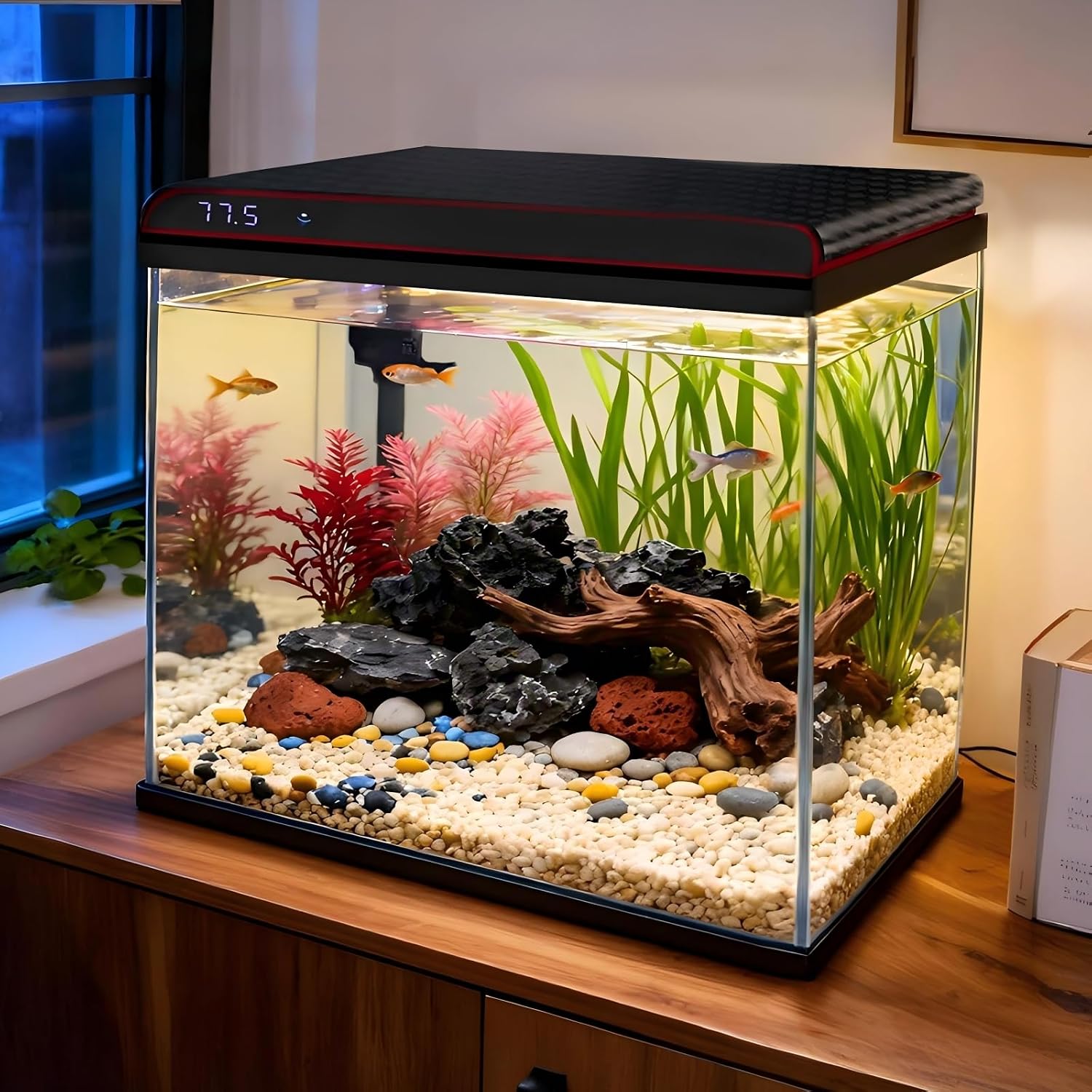
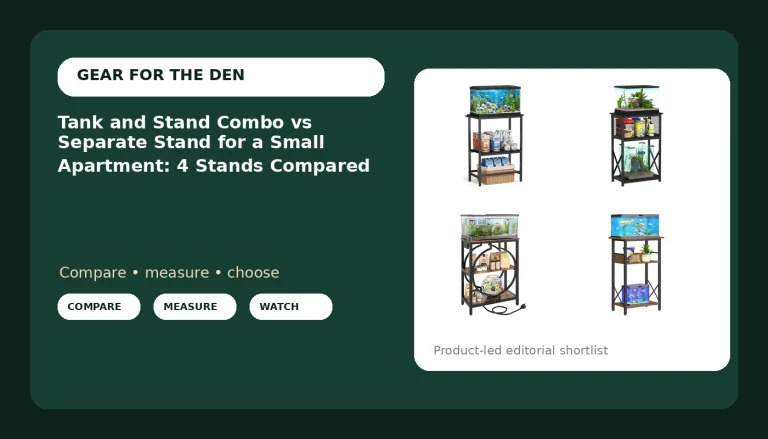
Coospider 10 Gallon Glass Fish Tank, Aquarium Starter Kit, Simple Self-Cleaning Aquarium with 3-Color LED Lights, Quiet Filter Pump, Temperature Monitoring for Fish, Shrimp, Kids Gift Ideas
Fullest package at the 10 gallon size: 3-color LED lights, quiet filter pump, temperature monitoring
Same tank volume as the plain 10 gallon, so the extras are the only reason to pay more
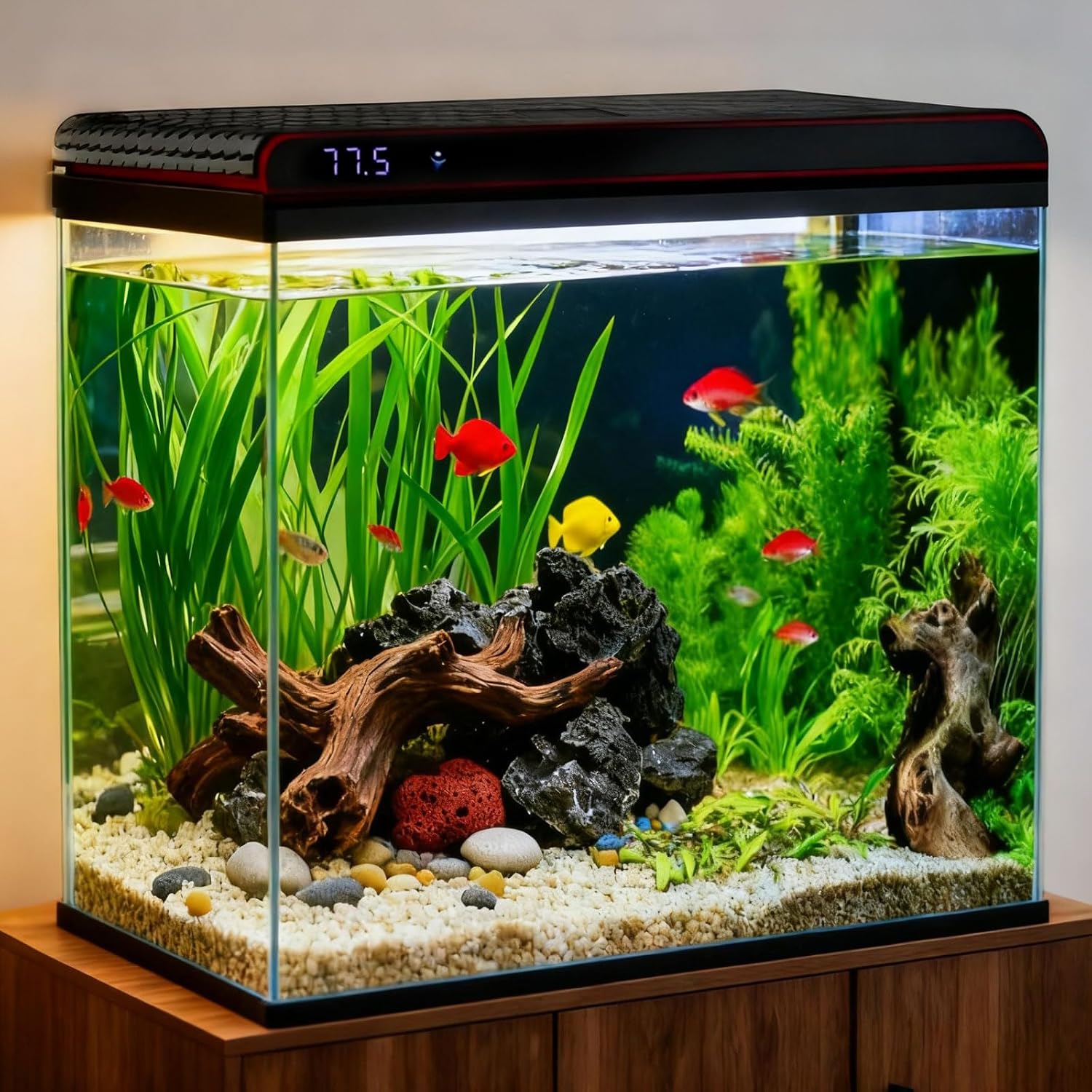
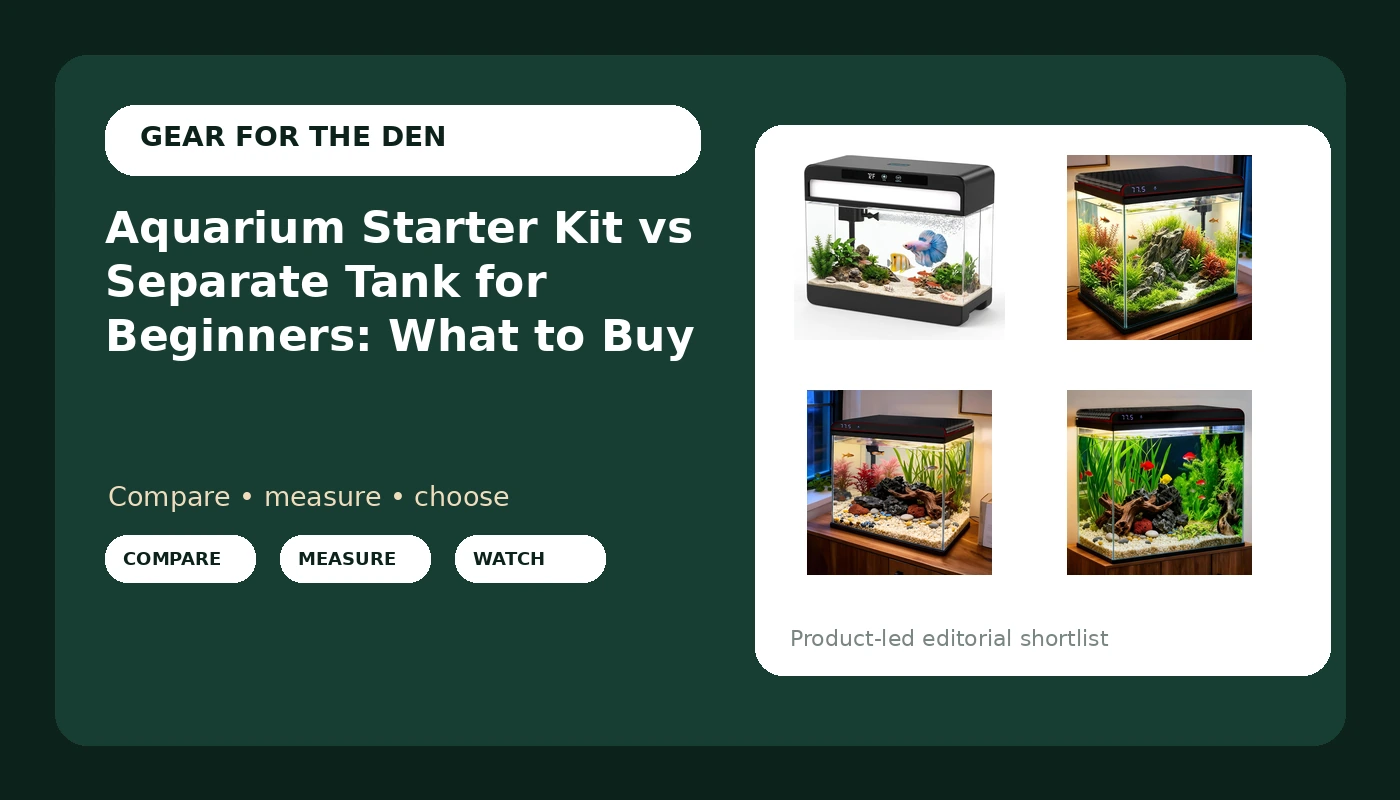
Coospider 20 Gallon Glass Fish Tank, Aquarium Starter Kit, Simple Self-Cleaning Aquarium with 3-Color LED Lights, with Quiet Filter Pump, with Temperature Monitoring for Fish, Shrimp, Kids Gift Ideas
Largest tank volume here, most forgiving water chemistry, same light and pump package as the 10 gallon
Needs furniture rated for the stand load, and the weekly water change is bigger
Prices and availability may change.
How I judge a beginner setup
A first aquarium is judged on boring things, not on how the light looks in a product photo. The list I work through is short and unglamorous: tank volume, stand load, hood fit, filter media availability, heater wattage, substrate depth, and the realistic cycle time before the first fish goes in. A kit that gets most of those right is worth more than a prettier tank that leaves three of them for you to solve later with a second order.
The second thing I look at is what the kit does not include. Almost every starter kit stops short somewhere, and the gap is usually the heater, the thermometer, or a water test kit. That is not a flaw, it is the trade-off that keeps the price down. What matters is knowing which gap you are filling before you buy, because a missing heater on a 3 gallon betta tank is a small problem and a missing heater on a 20 gallon community tank is a much bigger one.
The third thing is the shape of the support. Filter cartridges that only one seller stocks, a lid with a molded opening that fits no standard light, a pump with no replacement impeller: those are the details that turn a cheap kit into an expensive one two years later. When a listing spells out the light, the pump, and the temperature monitoring, as the Coospider listings do, that is a sign the parts are meant to be lived with rather than thrown away.
What aquarium starter kit vs separate tank for beginners changes on day one
A kit arrives as one decision. You unbox it, place it, and the lid, light, and pump already fit each other because someone chose them together. Buying separately means you pick a tank, then a filter rated for that tank volume, then a light that matches the hood opening, then a heater that matches the room, then a stand that holds the whole thing. None of that is difficult, but each step is a chance to buy the wrong size, and most beginners do it at least once.
The aquarium starter kit or separate tank for beginners question is really a question about who does the matching: the manufacturer, or you. If you enjoy the research, the separate route gets you better parts for the same money and a tank you can upgrade piece by piece. If you want a fish in a cycled tank this month, the kit route removes four or five decisions from the critical path.
The separate tank for beginners vs aquarium starter kit comparison also comes down to month two, not day one. That is when you want to swap the filter media, add a light for live plants, or replace a pump that has started to hum. A kit built from standard sizes handles those changes as easily as a bare tank does. A kit built from proprietary shapes does not, and that is the single most useful thing to check before you buy either way.
Tank volume and stand load decide more than the box does
Tank volume shapes everything downstream. A 3 gallon tank is a desk object. A 10 gallon tank is a shelf tank that needs a real surface. A 20 gallon tank is furniture, and it needs a stand rated for it. Water weighs roughly 8.3 pounds per gallon before you add glass, substrate, and a filter full of water, so a 20 gallon setup can push past 200 pounds once it is running. Stand load is the spec nobody checks until the shelf bows in the middle.
Smaller volume also means faster swings. In a 3 gallon tank, a missed feeding or a warm afternoon moves the temperature and the water chemistry in hours. In a 20 gallon tank the same mistake is diluted across several times the water, which is why the larger kit is more forgiving for a household with kids who want to help. Neither tank is self-maintaining, whatever the listing says about self-cleaning, but the bigger one gives you more time to react.
The practical rule: buy the largest tank volume your stand, your budget, and your weekly maintenance time can support, then work out the rest. If the answer is 3 gallons, that is a fine answer. Just know what you are signing up for.
The equipment list inside each kit
Here is where the four options separate, because the names tell you most of what is in the box.
The 3 gallon kit is described as a beginner aquarium for a betta, in black, and that is exactly the job it does. It is the smallest footprint here and the lowest entry point, and the black trim disappears on a dark desk.
The Coospider 10 gallon with the 3-color LED lights, quiet filter pump, and temperature monitoring is the most complete package of the four. Those three items, a light you can set to a color, a pump quiet enough for a bedroom, and a thermometer you can actually read, are the parts beginners most often forget to buy. Visit on Amazon if you want the fullest starting point at the ten gallon size.
The plain Coospider 10 gallon is the same tank size with a shorter feature list, and it is the better pick if you already own a light and a pump you like, or if you plan to upgrade the lighting later anyway.
The Coospider 20 gallon carries the same 3-color LED lights, quiet filter pump, and temperature monitoring as the fuller 10 gallon version, in a tank volume that suits a small community of fish or a group of shrimp.
Hood fit, filter media, and the parts nobody mentions
Two specs decide whether a kit stays convenient over the years: hood fit and filter media.
Hood fit matters more than beginners expect. A lid that closes properly slows evaporation, keeps a jumping fish inside, and holds the light at the height the manufacturer designed for. A lid with a gap lets a betta out and lets a cat in, which is a real concern in a house with either.
Filter media is the part you will replace for as long as you keep the tank. Before buying any kit, check that the cartridge or sponge is sold separately, in a standard shape, and not from a single seller who might stop stocking it. If the media is proprietary, the kit is a subscription whether the listing says so or not.
The other parts nobody mentions: a lid clip that breaks, a pump impeller that needs cleaning every couple of months, a light power brick that occupies an outlet. None of these are deal breakers, and all of them are cheaper to solve on a kit whose parts are documented in the listing. That is one reason the fuller Coospider listings are easier to buy from than the plain 10 gallon, which leaves more of the picture to the photos.
Heater wattage, cycle time, and substrate depth
Three numbers trip up almost every first-time fishkeeper.
Heater wattage: a common rule of thumb is about 5 watts per gallon for a room that sits in the low 70s Fahrenheit, which puts a 10 gallon tank near 50 watts and a 20 gallon near 100. In a cold room, size up. None of these kits should be assumed to include a heater unless the listing says so, and the temperature monitoring in the Coospider kits tells you whether the heater you bought is keeping up.
Cycle time: a new filter needs roughly four to six weeks to grow the bacteria that convert fish waste into something less toxic. No starter kit shortens that, and adding fish early is the most common beginner mistake. The cycle time is the same whether you bought a box or built the setup yourself.
Substrate depth: one to two inches of gravel or sand covers the bottom and gives rooted plants something to hold. Deeper than that is mostly wasted volume and a place for debris to collect. Whatever substrate you choose, rinse it before it goes in, because the dust cloud from an unrinsed bag can take a day to clear.
Get those three right and the rest of the setup is forgiving. Get them wrong and no amount of equipment rescues the tank.
The 3 gallon kit: who it fits
The 3 gallon kit is the right answer for a narrow set of buyers, and a frustrating answer for everyone else.
It fits a single betta on a desk, a nightstand, or a kitchen counter where a larger tank would dominate the room. It fits a kid's first tank with an adult doing the water changes, because the whole thing is light enough to move for cleaning. It fits a small apartment where the largest available surface is a bookshelf.
It does not fit a community of fish, and it does not forgive a missed water change. In 3 gallons, waste concentrates quickly, temperature moves with the room, and a single overfeeding can cloud the water overnight. That is not a defect of this kit specifically, it is what small tank volume does. If you want a low-stress first tank and you have the space, a 10 gallon is easier to keep stable. Visit on Amazon if the desk is the only space you have.
The Coospider kits: 10 gallons and 20 gallons
The three Coospider kits are variations on one idea: a glass tank sold with the supporting gear already chosen. The two 10 gallon versions split on how much of that gear comes in the box. The plain 10 gallon is a glass tank with a starter kit label, aimed at a kid's gift. The fuller 10 gallon adds 3-color LED lights, a quiet filter pump, and temperature monitoring, and it lists for less than the plain version, which makes the plainer one hard to justify unless you already own the missing parts.
The 20 gallon takes the same package and roughly doubles the water. That matters more than the footprint suggests. More volume means slower swings, more room for a small community, and more forgiveness when a kid feeds the tank twice. It also means a heavier stand load and a bigger weekly water change.
For a family buying a first tank together, the 20 gallon is the one I would choose if the furniture can hold it. For a bedroom or a dorm, the fuller 10 gallon is the better fit. Both come with the light, pump, and temperature monitoring that the 3 gallon kit leaves you to source yourself.
The trade-offs of buying separately
Buying a tank and parts separately is not the wrong answer. It is the answer for a buyer who wants specific gear.
The difference between aquarium starter kit and separate tank for beginners shows up in the second month, when the kit's light turns out to be adequate rather than good, or the pump turns out to be quiet rather than adjustable. A separate build lets you choose a filter rated above the tank volume, a light with a timer, and a heater with a dial instead of a preset. You pay more in total and you spend an evening reading reviews, but you end up with a setup you would have chosen anyway.
The catch is that a separate build has more failure points in the first month, because every part has to be compatible with every other part. A lid that does not fit the tank you bought, a filter whose intake sits too low for your substrate depth, a heater whose cord is two inches too short: these are the small frictions of the separate route, and they are exactly what a kit is designed to remove.
If you have kept a tank before, build it. If this is your first, start with a kit and upgrade the parts you outgrow.
What I would do with a first tank
If a friend asked me tomorrow, I would tell them to buy a kit, size it to the largest tank volume their space allows, and spend the difference on a heater, a water test kit, and a bottle of water conditioner. The 3 gallon kit is the pick for a desk or a kid's room. The fuller Coospider 10 gallon is the pick for a bedroom or a small apartment. The 20 gallon is the pick for a living room where the tank is meant to be looked at.
Then I would tell them to wait. Fill the tank, plant it if they want plants, run the filter, and wait the full cycle time before adding a single fish. Four to six weeks of an empty tank is a boring stretch, and it is the difference between a hobby and a series of replacements.
The aquarium starter kit vs separate tank for beginners decision matters less than what happens in the first six weeks after the box arrives. A kit that fits the space and a patient first month will outperform an expensive custom build every time.