Scratching is one of the few cat behaviors that is almost never about the cat being difficult. The cat scratching instinct is maintenance work: it conditions the claws, leaves scent from glands in the paws, and stretches the shoulders and back in a way a nap on the windowsill does not. When those claws land on the arm of a sofa, the behavior is not the problem. What is usually missing is a better surface, in a better place, that the cat likes more.
This cat scratching instinct explained guide covers what is happening when a cat rakes its claws down a chair, which surfaces cats tend to prefer, and how four very different products fit into a setup that protects furniture without punishing the animal. None of it requires a behaviorist for an ordinary case, and none of it promises a fix overnight. Scratching is a habit with a long memory, and gear only helps when it sits where the habit already happens.
Quick answer
Scratching is normal, and the practical fix is redirection rather than deterrence. Most indoor cats want at least one vertical surface they can stretch against at full height and one flat surface they can rake, and both should sit near the spot where the cat already scratches. Corrugated cardboard covers the flat urge cheaply and is easy to replace. Adhesive mats and pin-free panels protect upholstery while a better outlet is introduced, and a wall-mounted climber adds the vertical territory many apartments lack. None of the four products below is universally best, and calling any of them the safest or the quietest would be guesswork. The right pick depends on what your cat already scratches, how much wall you are willing to use, and whether you are willing to drill into it.
Four useful options
| Model | Best fit | What stands out |
|---|---|---|
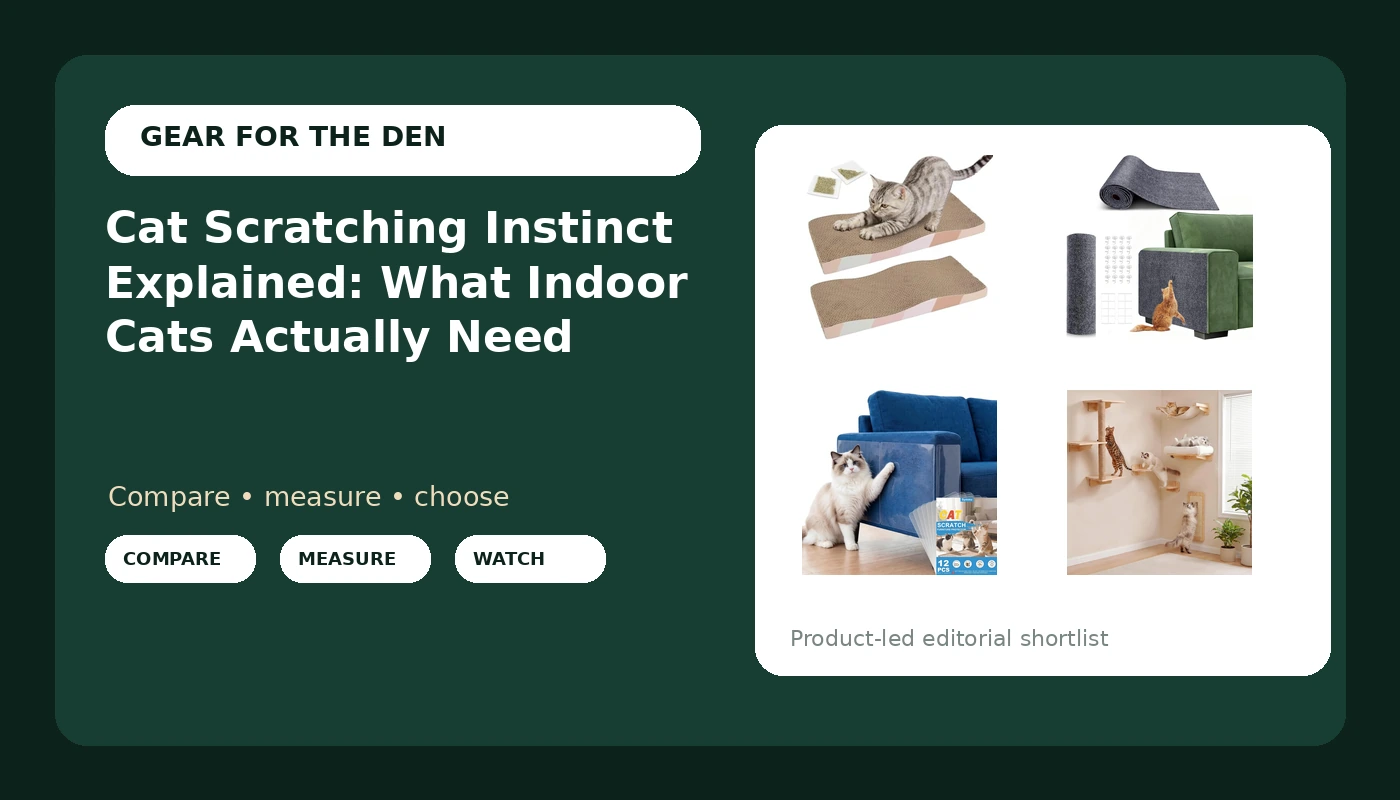
| SIDAZON Cat Scratching Board cat Scratcher Cat Scratch Pad Cardboard cat scratchers for Indoor Cats Reversible Large Wide Corrugated with Catnip(2pcs) | Cats that already scratch rugs, carpet, or the floor | Two large reversible corrugated pads, catnip included |
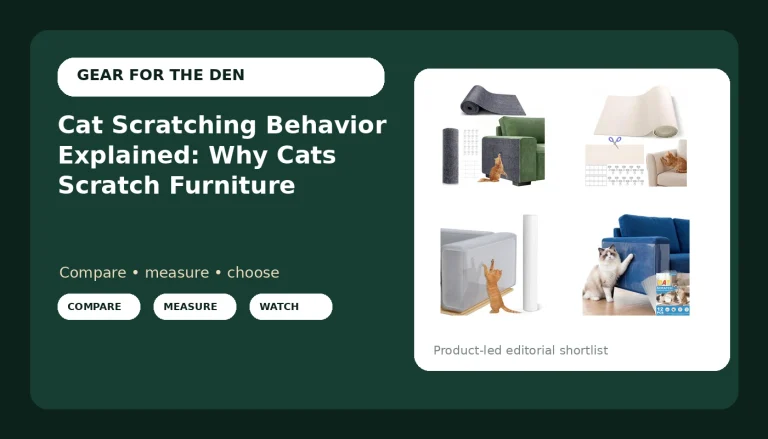
| Self-Adhesive Cat Scratching Mat, Durable Couch Protector from Cat Claws | One targeted couch panel | Self-adhesive backing, no separate hardware |
| 12PCS Symmu No Pins Anti Cat Scratch Furniture Protector for Fabric Sofa | Fabric sofas with several exposed corners | Twelve pieces, no pins |
| 6-in-1 Cat Wall Shelves for Large Cats, Wall Mounted Climber with Hammock | Cats that want height | Six-in-one wall system with a hammock |
Classic scratch pad: SIDAZON Cat Scratching Board
The case for a cardboard pad is simple: it satisfies the flat, raking scratch that cats do on carpet and rugs, and it costs little enough to replace once it shreds. Cardboard also leaves visible debris, which is a fair trade for a surface a cat will actually use. Place one pad flat on the floor beside the scratched rug, and lean the second against the wall at the same spot to test whether the cat prefers an angle. Cardboard is not a furniture protector, so keep it in the rotation rather than treating it as a barrier.
Adhesive couch protector: Self-Adhesive Cat Scratching Mat
Adhesive mats are a transitional tool. They cover the panel a cat has chosen and make it less rewarding to claw, which buys time while a proper scratcher earns the cat's attention. The trade-off is that adhesive and upholstery are not always a happy pair, so test the mat on a hidden part of the sofa first and expect it to look like what it is. A mat changes where the cat scratches, not whether it scratches, so pair it with a pad or a post rather than using it alone. If you are also juggling several cats in a small space, our guide to multi-cat household setup covers the wider picture.
Pin-free protection: 12PCS Symmu No Pins Anti Cat Scratch Furniture Protector for Fabric Sofa
Pin-free protection matters on sofas where you do not want puncture marks and on fabric that a staple or pin would tear. Twelve pieces means you can cover several corners and the front edge of a couch, but more pieces also mean more seams and more edges that can lift with use. Treat the set as coverage for furniture the cat has already targeted, and keep the scratch pad or post as the part of the plan that actually changes the behavior. Clean the fabric before applying anything, since dust and fabric softener residue work against adhesion.
Vertical territory: 6-in-1 Cat Wall Shelves for Large Cats, Wall Mounted Climber with Hammock
Wall systems solve a problem floor-standing posts cannot: they put climbing and scratching surfaces where a cat wants to be, which is usually up high. The trade-offs are installation and commitment. A wall-mounted climber has to carry a cat's weight through its hardware, so check the listed weight limit and the anchor type, and mount into studs or use hardware rated for the load. Look at platform height, shelf depth, and perch width before you buy, because a shelf that is too shallow or too narrow gets ignored, and a hammock fabric that stretches too far under a large cat sags into uselessness.
Prices and availability may change. Product images, names, and retailer links are matched to verified listings. No current price, rating, stock status, or measured result is stated here without current evidence.
What the cat scratching instinct is actually for
Scratching does several jobs at once, which is why it persists in cats that never hunt. The most visible job is claw maintenance: the outer sheath of each claw loosens and comes away in strips, which is normal shedding rather than damage. The second job is scent marking. Glands between the paw pads leave a chemical signature on the surface, and cats tend to scratch where their own scent already sits, which is why the same corner of the same couch gets hit week after week. The third job is physical, because a full scratch is a stretch that works the shoulders, spine, and front legs.
There is a social and visual element too. Cats often scratch after waking, after eating, or when they are wound up, and the marks themselves act as a visible signal in a shared household. In a multi-cat home, scratching sites can become points of tension, and adding outlets in separate rooms often reduces both the conflict and the damage. The takeaway is that scratching is not spite and not a phase. It is a behavior with a purpose, and the goal is to give it a surface you can live with. Declawing is not a casual answer to a scratched couch, since it removes the last bone in each toe, and many veterinarians decline to perform it. Redirecting the behavior is the practical path.
Matching gear to the ideal cat scratching instinct
An ideal cat scratching instinct setup is not one perfect post. It is a small collection of surfaces that covers the orientations and locations your cat already uses. Orientation comes first: a cat that scratches the carpet wants something flat, and a cat that reaches up the side of an armchair wants something tall and stable. Height comes second, because a surface that forces a cat to scratch with bent legs rarely gets used. The surface should let the cat stretch from paw to shoulder at full extension. Stability comes third, and it is the most common failure point, since a post that rocks when the cat leans into it gets abandoned no matter how good the material is.
Material is more flexible than most people expect. Many cats prefer sisal or corrugated cardboard, some prefer carpet, and a few ignore everything until the surface smells right, which is where a little catnip or a rubbed-in scent can help. Placement is the last variable and often the deciding one. A scratcher in the room where the cat already scratches beats a nicer one in a room the cat never visits.
- Walk the house and note every surface the cat already scratches, including rugs, couch corners, and door frames.
- Match the orientation: flat pads for carpet scratching, tall and stable surfaces for vertical reaching.
- Place the new surface directly beside the old target, not across the room.
- Check stability and height before you judge the product, because a wobbling or short surface will be ignored.
- Keep the old target covered while the new surface earns a habit, then uncover it once the cat has switched.
Practical setup notes
Getting a correct cat scratching instinct outlet in place is mostly about placement and repetition, so change one variable at a time and give it a couple of weeks.
- Put a scratcher within arm's reach of the couch corner or rug that takes the most damage.
- Add a second surface near the cat's sleeping spot, since many cats scratch within minutes of waking.
- For wall-mounted gear, confirm the weight limit and the anchor type before mounting, and use studs or hardware rated for the load.
- Check platform height, shelf depth, and perch width against the size of your cat, and remember that a hammock fabric with too much stretch will sag under a large cat.
- Trim claws every week or two during the transition so a missed scratch does less damage.
- Never punish the scratching, because a scolded cat simply learns to scratch when nobody is watching.
- If scratching spikes after a move or a vet visit, look at stress first, and check that your carrier size lets the cat stand and turn so travel is less of a shock.
Which option should you choose?
Choose the SIDAZON Cat Scratching Board when your cat already scratches rugs, carpet, or the floor and you want a cheap surface it will accept quickly. Choose the Self-Adhesive Cat Scratching Mat when the damage is concentrated on one couch panel and you want something that sticks to it. Choose the 12PCS Symmu No Pins Anti Cat Scratch Furniture Protector for Fabric Sofa when you have a fabric sofa with several exposed corners and you do not want pins anywhere near it. Choose the 6-in-1 Cat Wall Shelves for Large Cats, Wall Mounted Climber with Hammock when the cat wants height and you have wall space plus the tools to anchor a system properly.
The caveat is that the protectors are a holding action. A mat or a panel set changes what the claws touch, but only the scratcher changes the habit. If you buy coverage and never add an outlet, the cat will find a new edge the moment the cover comes off. The listings above describe what each product is and how it is sold, not how any individual cat will respond, because that varies with the animal, the material, and the room.
The bottom line
Scratching is a normal, useful behavior that cats repeat because it maintains claws, marks territory, and stretches the body. Fighting it directly is a losing game, and the workable approach is to out-compete the couch: offer a flat cardboard surface for raking, a stable vertical surface for stretching, and coverage on the furniture you cannot move while the new habit takes hold. The SIDAZON board is the low-cost behavioral starting point, the adhesive mat and the pin-free protector set handle the damage in the meantime, and the wall-mounted climber adds the height that indoor cats often lack. Start with one surface next to the spot your cat already uses, add a second near where it sleeps, and give the plan a few weeks before deciding it failed.