I have stood in more pet store aisles than I care to admit, holding a glazed ceramic bowl in one hand and a brushed stainless bowl in the other, trying to work out which one my dog would actually be better off with. The ceramic vs stainless steel dog bowls question looks trivial from the outside. Then you live with a dog who slides bowls across the kitchen, a dishwasher you would rather not hand wash for, and a water bowl that goes lukewarm on a July afternoon, and the choice stops being cosmetic.
For most dogs, stainless steel is the better default: it is light, it does not shatter, and it goes straight into the dishwasher. Ceramic earns its place when you want weight that stays put and a bowl that looks like it belongs in the room. Every bowl in this comparison is stainless steel, because that is where the practical value sits right now, and the four options below cover the realistic range, from a two bowl starter set to a three liter water bowl for a dog who empties a normal bowl before lunch.
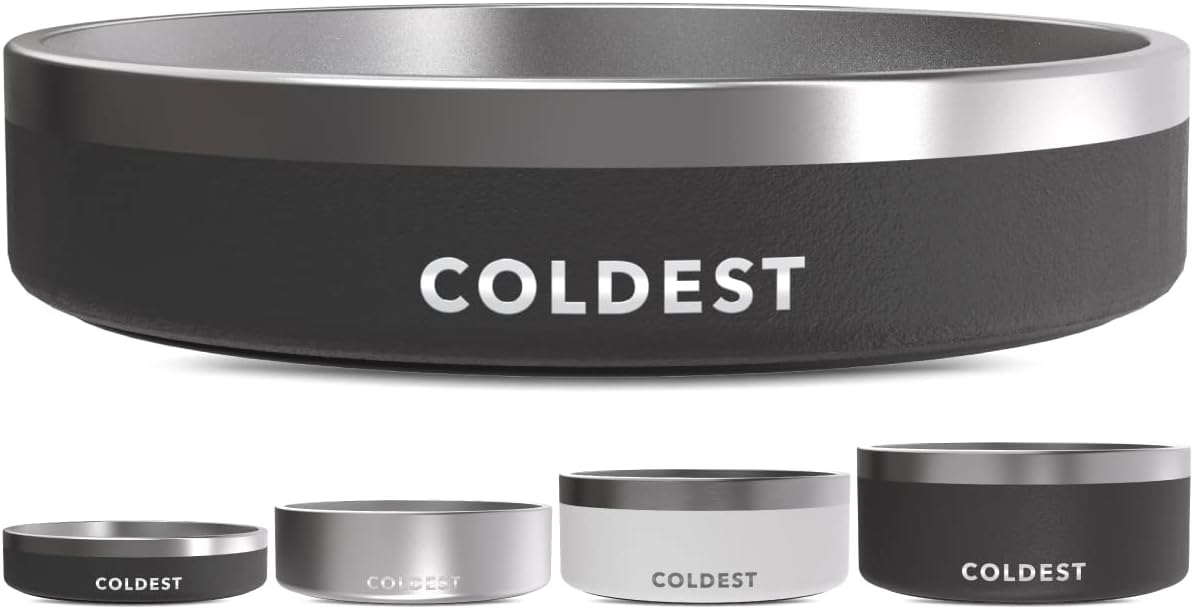
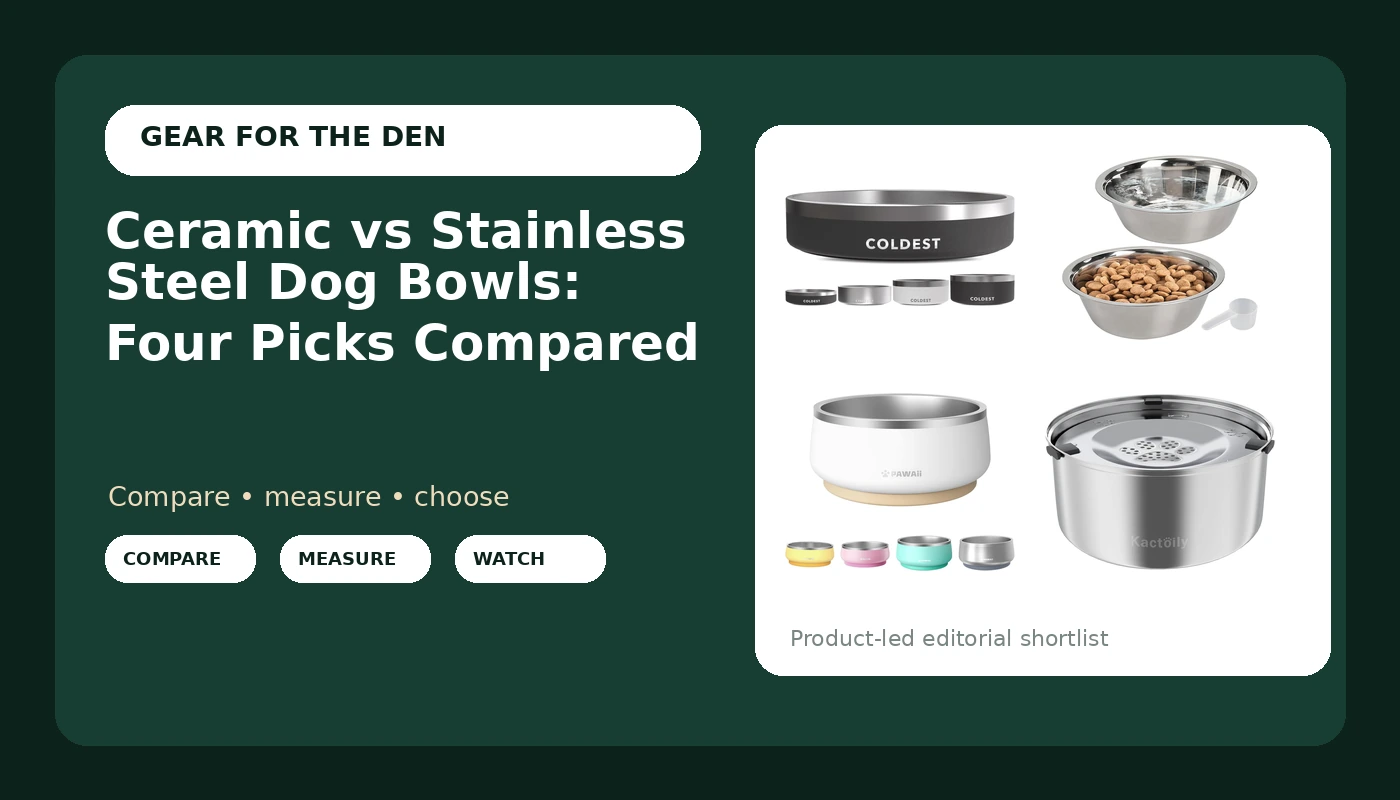
Coldest Dog Bowl, Insulated Stainless Steel Bowl (Stealth Black, 21 oz)
An insulated wall slows the temperature swing, so water stays cooler longer, and 21 oz suits a small or medium dog
One bowl only, so food and water means buying twice, and 21 oz is tight for a large breed
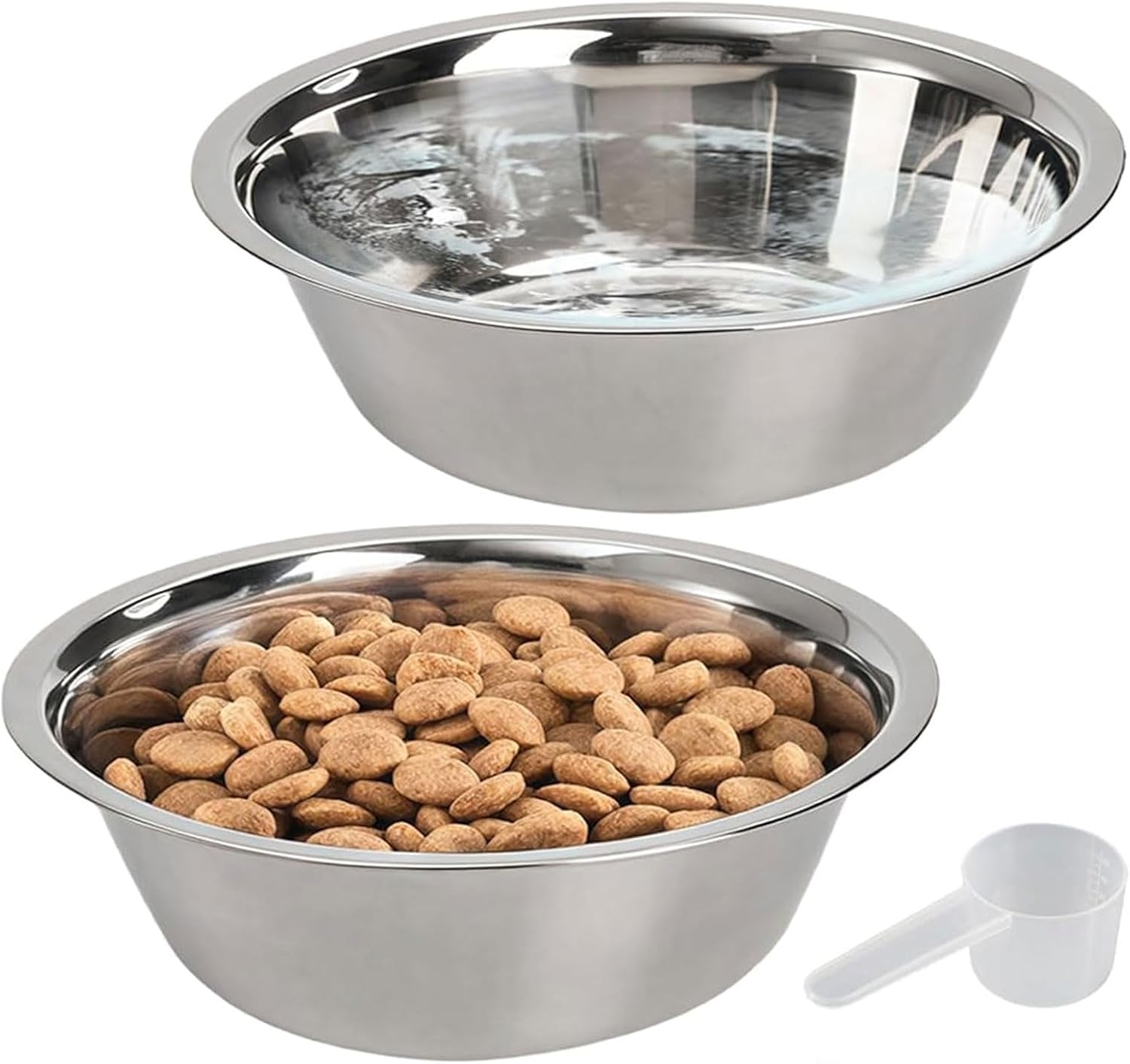
kathson 2 Pack Stainless Steel Dog Bowls, 5.5" Dog Water and Food Bowl Set
Two bowls in one purchase, so food and water are covered, and a 5.5 inch diameter suits small and medium dogs
No insulation and no slow feed design, and 5.5 inches is small for a large breed
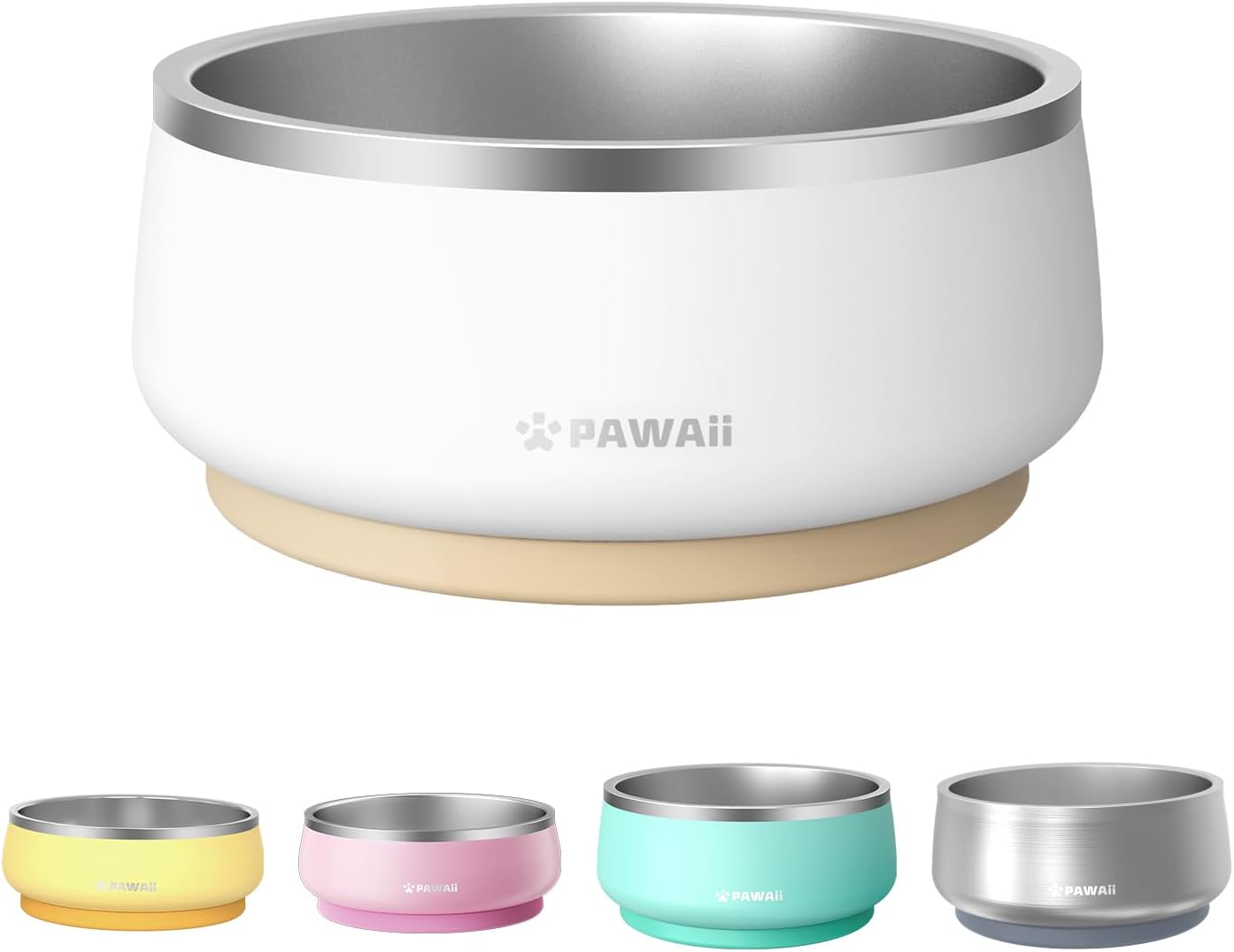
Pawaii Dog Bowl, 34 oz Stainless Steel Food and Water Bowl, ID Tag, 1 Pack
A generous 34 oz capacity for food or water, and the ID tag helps in a multi dog house or at daycare
One bowl only, and the ID tag is a convenience rather than a feeding feature
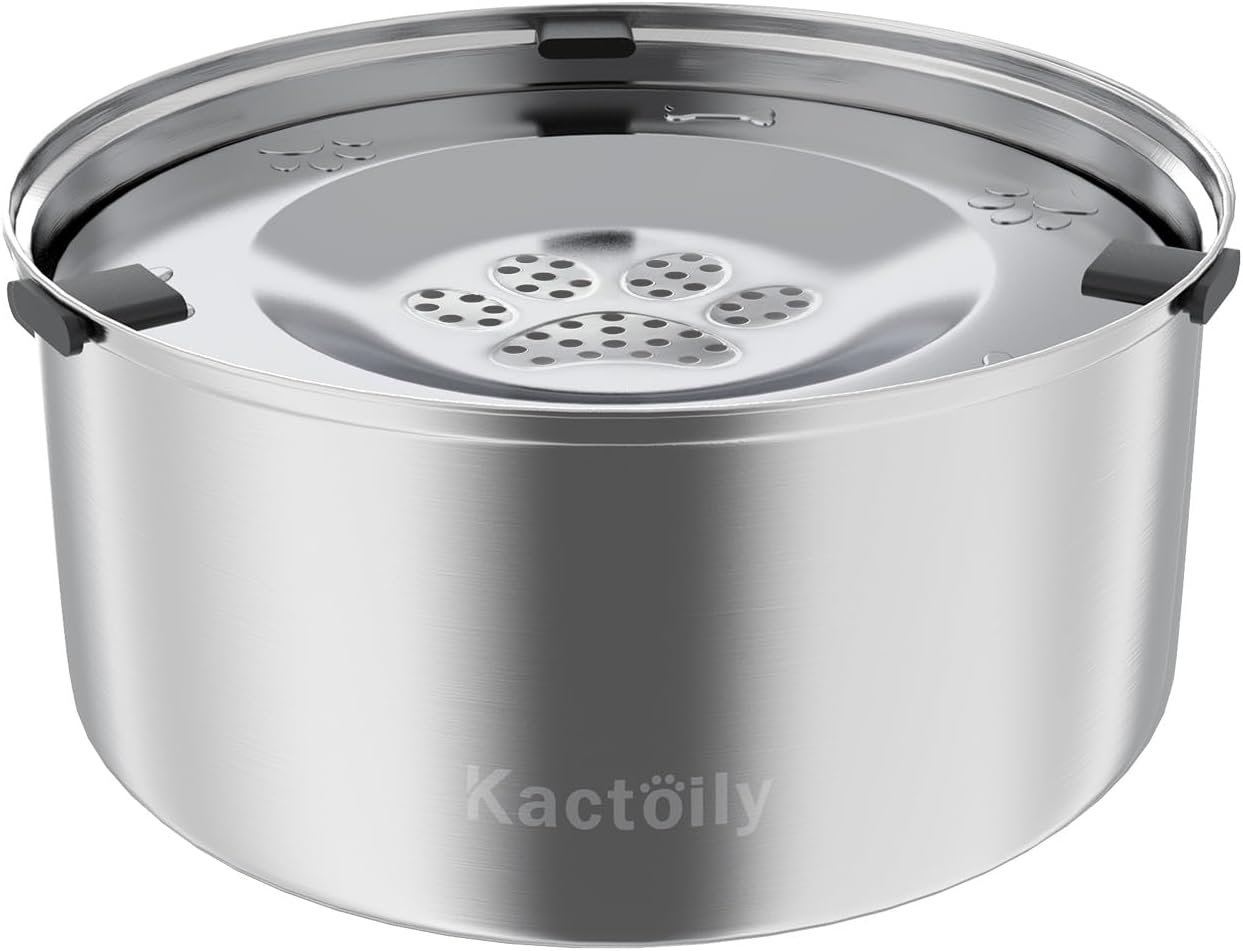
Kactoily 3L/101oz Dog Water Bowl Stainless Steel Slow Water Bowl for Dog
101 oz means far fewer refills, and the slow water design is aimed at dogs that gulp
Water only, so you still need a food bowl, and the footprint is overkill for a small dog
Prices and availability may change.
How to judge a dog bowl
A dog bowl is a simple object, so the failures are simple too. The bowl is the wrong size, so the dog gulps air or the water runs out by noon. The bowl slides, so an enthusiastic eater pushes it under the cabinet. The bowl chips or scratches, so you replace it in six months. Or the bowl is a nuisance to clean, so it sits in the sink until someone gives in.
Those four failure modes are the whole checklist. Material decides how the bowl ages and how it cleans. Capacity decides how often you refill. Footprint and base decide whether it stays where you put it. And the design extras, from slow feed ridges to a lid, decide whether the bowl solves a problem you actually have or just looks good in a photo.
There is no single best bowl, because the right answer changes with the dog. A ten pound terrier and a hundred pound shepherd have almost nothing in common at feeding time. What I can do is lay out what each material does well, what the four bowls above are built for, and where the trade-offs land, so you can match the bowl to the dog in front of you rather than to a marketing shot.
Ceramic vs stainless steel dog bowls: the material question
The difference between ceramic and stainless steel dog bowls comes down to three properties: weight, toughness, and how the surface behaves over time.
Ceramic is heavy. A glazed ceramic bowl of the same capacity as a stainless one can weigh several times as much, and that weight is the whole point. It resists sliding, it resists tipping, and it feels substantial. The glaze on a well made bowl is non-porous, so it does not hold onto bacteria the way unglazed clay or a scratched plastic bowl can. The catch is toughness. Ceramic chips when it is dropped, and a chipped rim is a sharp edge. It can also craze, meaning the glaze develops a network of fine cracks, especially if the bowl moves between hot water and cold water quickly. A crazed glaze is no longer a smooth surface, and that is where ceramic loses its hygiene advantage.
Stainless steel is light, which cuts both ways. It is easy to carry, easy to stack, and it survives being knocked off a counter. It does not chip and it does not craze. What it does do is dent, and a dented bowl can wobble. Stainless is also the material most likely to slide across a hard floor, because there is no weight holding it down, which is why a non slip base matters more on a stainless bowl than on a ceramic one.
On cleaning, stainless wins on convenience. Most stainless bowls are dishwasher safe and come out of a hot cycle unchanged. Many ceramic bowls are dishwasher safe too, but the ones with painted or metallic rims often are not, and the listing will say so. If you want the simplest possible routine, stainless is the answer.
The honest summary: ceramic for weight and appearance, stainless for durability and cleaning. Neither material is unsafe. The bowl that gets cleaned every day beats the bowl that looks better and sits in the sink.
Capacity, water capacity, and feeding height
Whether you are weighing ceramic or stainless steel dog bowls, capacity is the spec that decides whether the bowl works in your house.
Bowl capacity is measured in ounces or cups, and the usual advice is to size the food bowl so a meal fills it no more than about two thirds of the way. That leaves room for a dog to eat without pushing food over the rim. The four bowls here range from a small 5.5 inch pair to a 34 ounce single bowl, which covers a small terrier up to a medium or large dog.
Water capacity matters more than food capacity, because a dog drinks across the whole day rather than at two set meals. A rough rule of thumb is one ounce of water per pound of body weight per day, and more in hot weather or after hard exercise. A twenty pound dog needs roughly twenty ounces a day, which means a 21 ounce insulated bowl gets refilled at least once. A sixty pound dog needs around sixty ounces, so the Kactoily slow water bowl at 101 ounces is the one that stops you topping up three times a day.
Feeding height is the third variable. A raised bowl puts less strain on the neck and front legs of a tall dog or an older dog with arthritis, and it also slows down a dog that gulps. There is a persistent idea that raised feeding prevents bloat, and the evidence for that is mixed at best, so choose a raised feeder for comfort and posture rather than as a medical fix. For most dogs, a bowl on the floor that sits around chest height when the dog stands is comfortable.
Slow feed ridges, seals, and the extras worth paying for
Most extras on a bowl exist to solve a specific behavior. A slow feed design, whether it is molded slow feed ridges or a floating insert, forces a gulper to work around an obstacle, which stretches a meal from thirty seconds to several minutes. That is genuinely useful for a dog that eats so fast it vomits afterward, and it is also useful in a house where one dog finishes first and starts looking at the other bowl.
An airtight seal matters for bowls that travel or store food, not for a bowl that sits on the kitchen floor. A lid with a rubber gasket turns a bowl into a container you can carry in a bag without a spill. If you feed on the road or send the dog to a sitter, that is worth having.
A filter cartridge belongs to circulating water fountains rather than to any of the bowls here. If you want filtered water, that is a separate appliance with its own cleaning schedule, and it is a different purchase from a plain bowl.
When people argue stainless steel dog bowls vs ceramic, the extras are usually where the argument actually lives. A stainless bowl with a rubber ring underneath and a slow feed insert does more for a difficult eater than a beautiful ceramic bowl with a smooth interior. A ceramic bowl with real weight and no ring may still be the more stable of the two on tile. Match the feature to the problem, not the material to the aesthetic.
A non slip base and dishwasher safe construction
Two features deserve their own section, because they decide whether you still like the bowl six months from now.
A non slip base is the cheapest meaningful upgrade in dog feeding. It can be a rubber ring around the bottom, a silicone sleeve, or a weighted base. On a stainless bowl, which is light by nature, it is close to essential if your dog pushes the bowl while eating. On a ceramic bowl, weight already does most of the work, though a ring still helps on smooth tile.
Dishwasher safe construction is the other one. Stainless bowls are the easy case: most go through a normal hot cycle without complaint. Ceramic is more variable. A plain glazed bowl usually handles the dishwasher, but a hand painted rim, a metallic accent, or a gold trim line often cannot. When you check a ceramic bowl, look for the words dishwasher safe in the listing rather than assuming it, because the answer is not universal.
If neither feature is present, you are signing up for hand washing and for chasing a bowl across the floor. Both are avoidable, and both are worth checking before you buy.
What the listings actually tell you
The spec sheet on a dog bowl tells you four things that matter: material, capacity, diameter, and whether the base has any grip. Everything else in the listing is presentation.
Material tells you how the bowl ages. Capacity tells you how often you refill. Diameter tells you whether a flat faced dog can eat comfortably without their muzzle pressing the rim, and whether the bowl fits the space you have. Base grip tells you whether the bowl stays put.
What the listing usually does not tell you is the wall thickness of an insulated bowl, the actual weight of a ceramic bowl, or how a finish holds up to a dishwasher. Those are the details that separate a bowl that lasts five years from one that lasts five months, and they often show up only in customer photos.
That is why the ceramic vs stainless steel dog bowls decision rarely comes down to one spec. A two pack of plain stainless bowls does one job well. A three liter slow water bowl does a different job well. Neither is pretending to be the other, and that is a point in both of their favor.
Should you buy one bowl or a set?
Start with what your dog already does. If your dog eats and drinks from two bowls that live side by side, a matched set is the simplest purchase: the kathson two pack covers food and water in one order, and matched bowls look deliberate rather than improvised. If you have one dog and you want the water to stay cooler through the afternoon, a single insulated bowl does a job a plain bowl cannot.
If your dog empties a normal water bowl before you get home, the question is not one bowl or two, it is capacity. A 101 ounce water bowl turns three refills a day into one. And if you feed in more than one place, or you want a bowl that can be identified when it goes to daycare or to a sitter, a bowl with an ID tag solves a small problem neatly.
The most common mistake is buying a bowl that is too small because the size looked fine online. Measure the space, measure your dog's meal, and go one size up if you are between sizes. A bowl that is slightly too large is a mild annoyance. A bowl that is too small is a daily one.
Trade-offs worth naming before you buy
Ceramic gives you weight, stability, and a look that suits a kitchen. It takes away toughness, and it adds a real chance that the bowl cannot go in the dishwasher. Stainless gives you durability, easy cleaning, and a price that makes a two bowl set an easy decision. It takes away heft, so a dog who pushes bowls will push a stainless one.
Capacity is its own trade-off. A big water bowl means fewer refills and a larger footprint, and a small food bowl means more frequent meals and less waste. There is no configuration that wins on every axis, only one that matches how your dog actually eats and drinks.
If you are still unsure, buy the plain stainless pair first. It is the least risky purchase in this comparison, it covers food and water at once, and it lets you learn whether your dog is a gulper, a bowl pusher, or a dog who simply needs more water on hand. Then spend on the specialized bowl that fixes the problem you found.
Check current Amazon price on the bowl that matches your dog's habit, and if you are setting up for an older dog who needs a raised feeder, the senior feeding guide linked at the top covers height and posture in more detail.