I spent a Saturday morning in a pet store aisle holding two boxes that looked almost identical and reading them like contracts. That is the moment dog biscuits vs dog cookies stopped being a cute question and became a label-reading exercise. One box promised an oven-baked, crunchy chew with oats near the top of the ingredient list. The other promised a soft, chewy bite built around chicken and a sweetener. Same shelf, same size bag, completely different jobs. If you have ever stood there with a dog pulling at the leash, this is the aisle conversation I wish someone had had with me.
For most dogs, a plain baked biscuit is the better everyday chew and a soft cookie is the better training reward, because the real difference between the two is moisture, fat, and how long the bite stays in your dog's mouth. That is the short answer. The longer answer involves oatmeal concentration, omega 3 sources, coat type, and why the word on the front of the box is the least useful thing printed on it.
Here is the honest complication: the four products I keep in rotation around treat time are not all biscuits. One is a soft training treat, one is a joint chew, one is a paw cleanser, and one is a mobility sling for a dog whose back end has started to slow down. That mix is deliberate, and the table below explains what each one does well and where each one falls short.
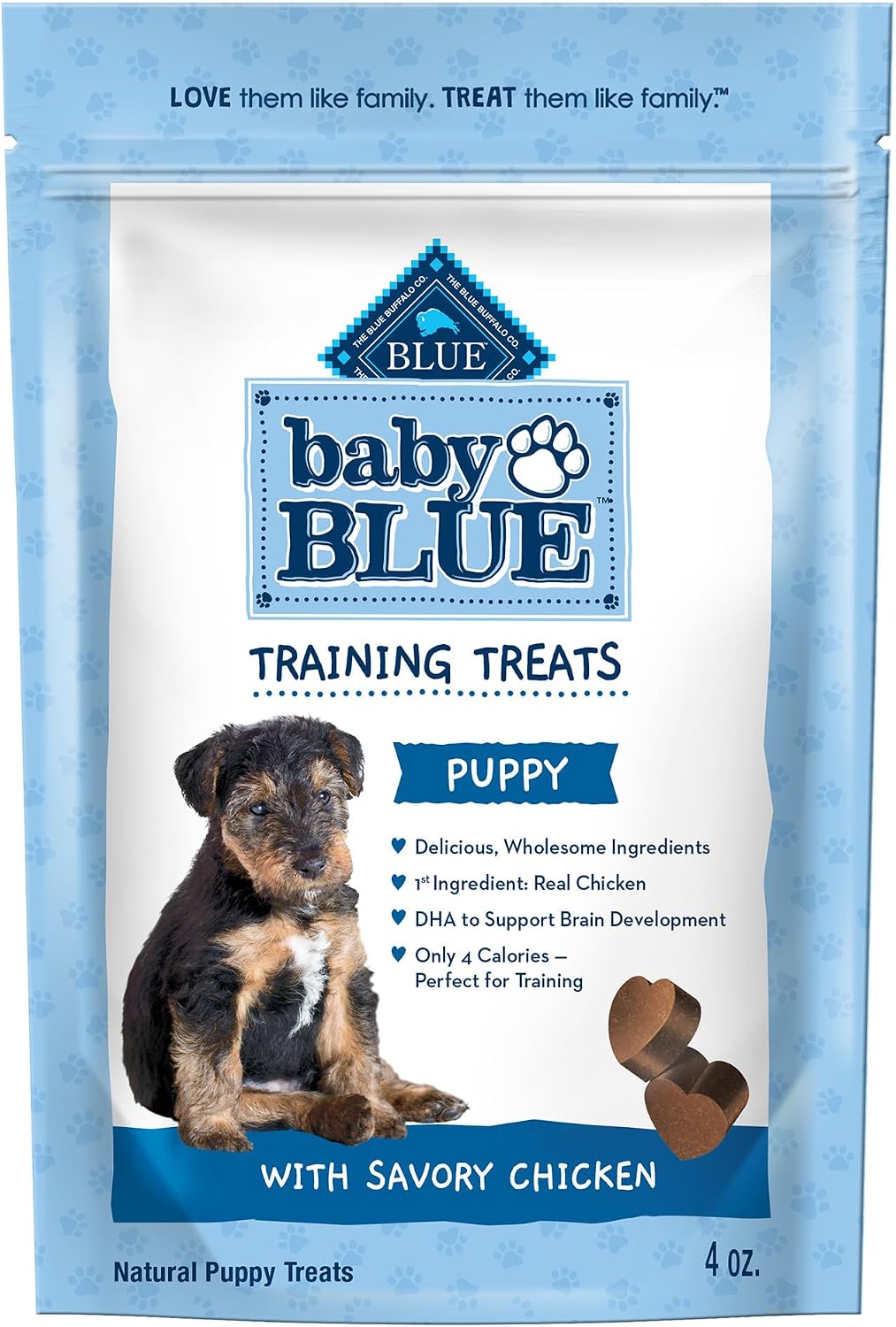
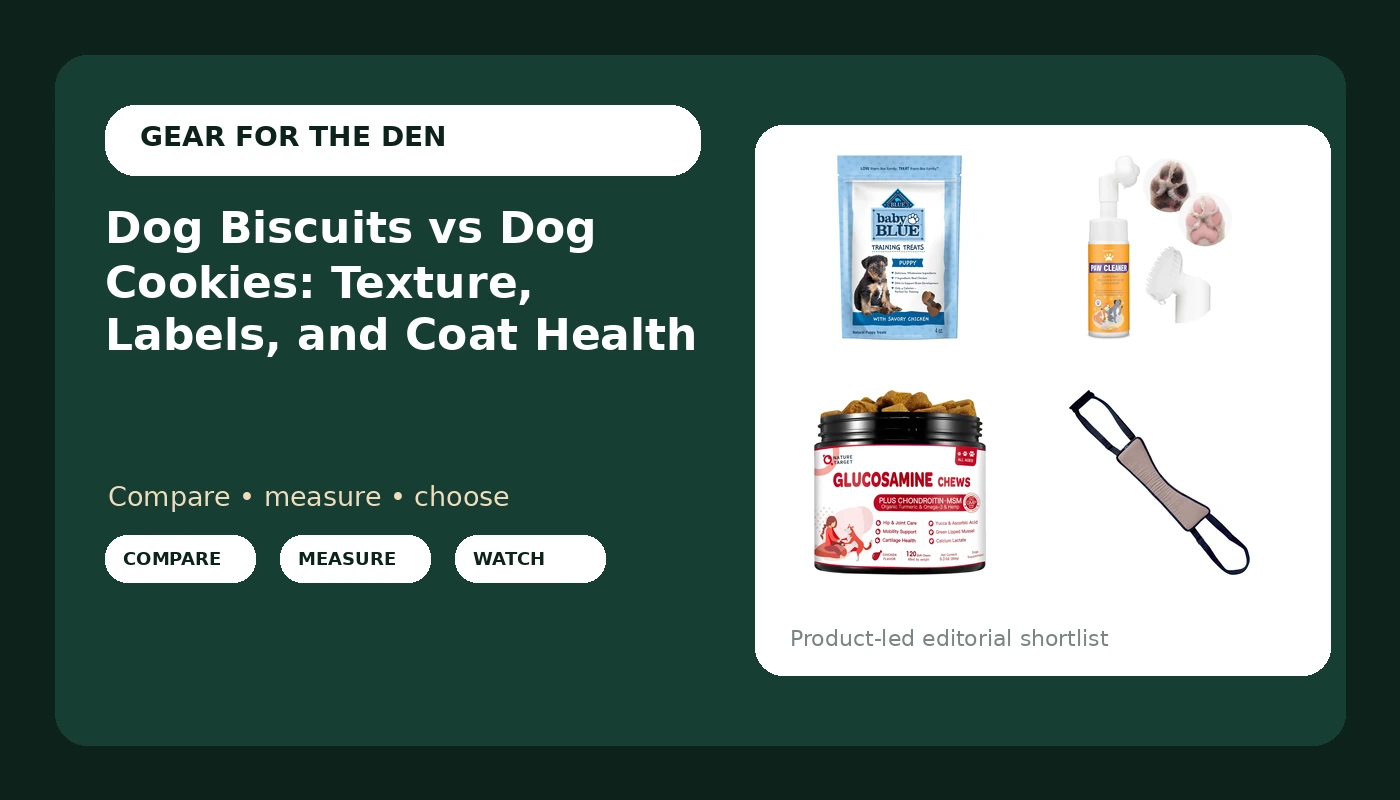
Blue Buffalo Baby BLUE Savory Chicken Puppy Training Treats, 4 oz
Soft, chicken-first bites that behave like a cookie in a training session and break down small enough to hand out a dozen times
The 4 oz bag empties quickly in a multi-dog house, and a soft chew does nothing for tartar
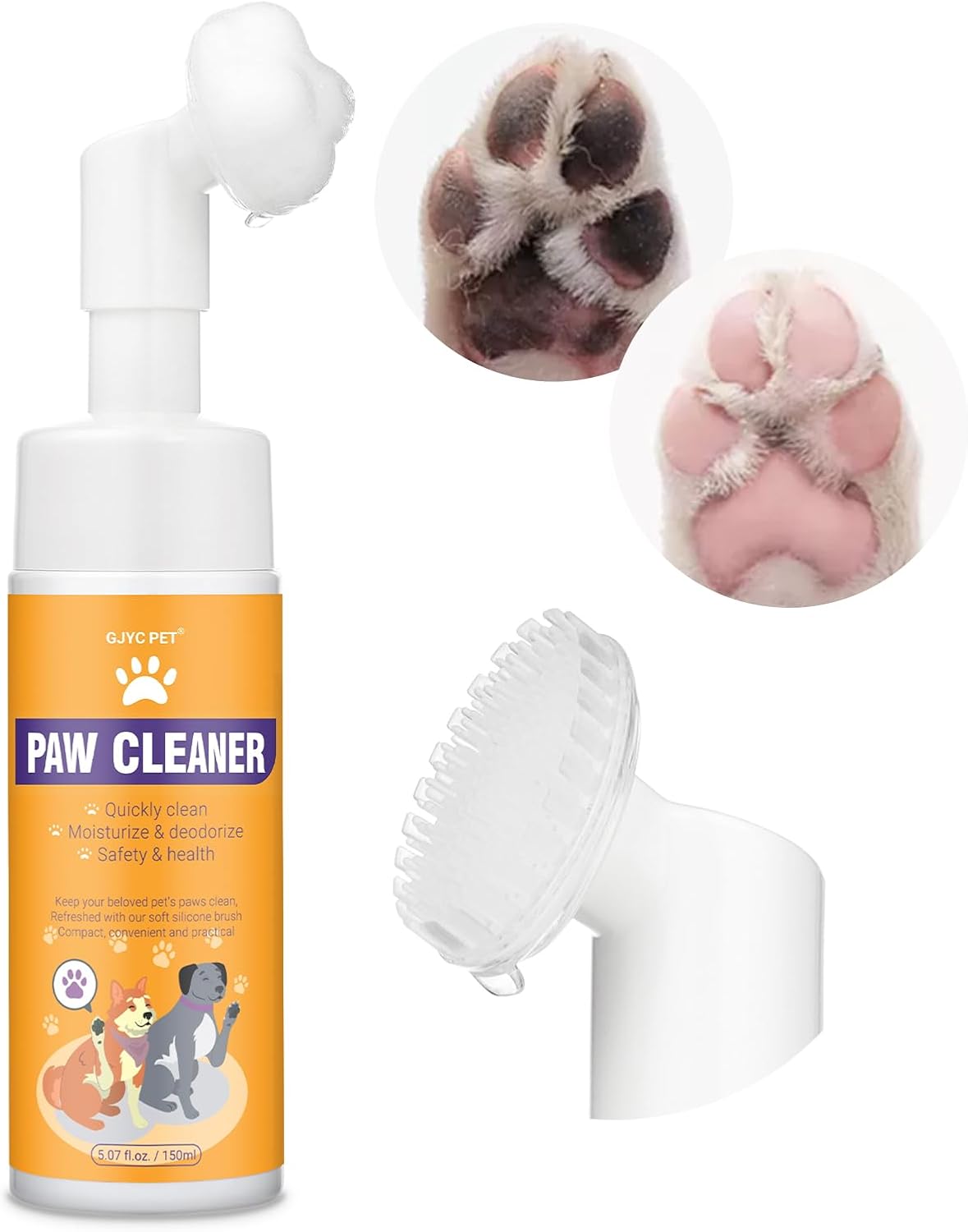
GJYC PET Dog Paw Cleaner for Dogs & Cats, No-Rinse Foam Cleanser with Brush
No-rinse foam and a brush head handle the muddy paws that follow yard time, which is the mess most biscuit handouts create
It cleans rather than conditions, so it will not fix a dull coat on its own
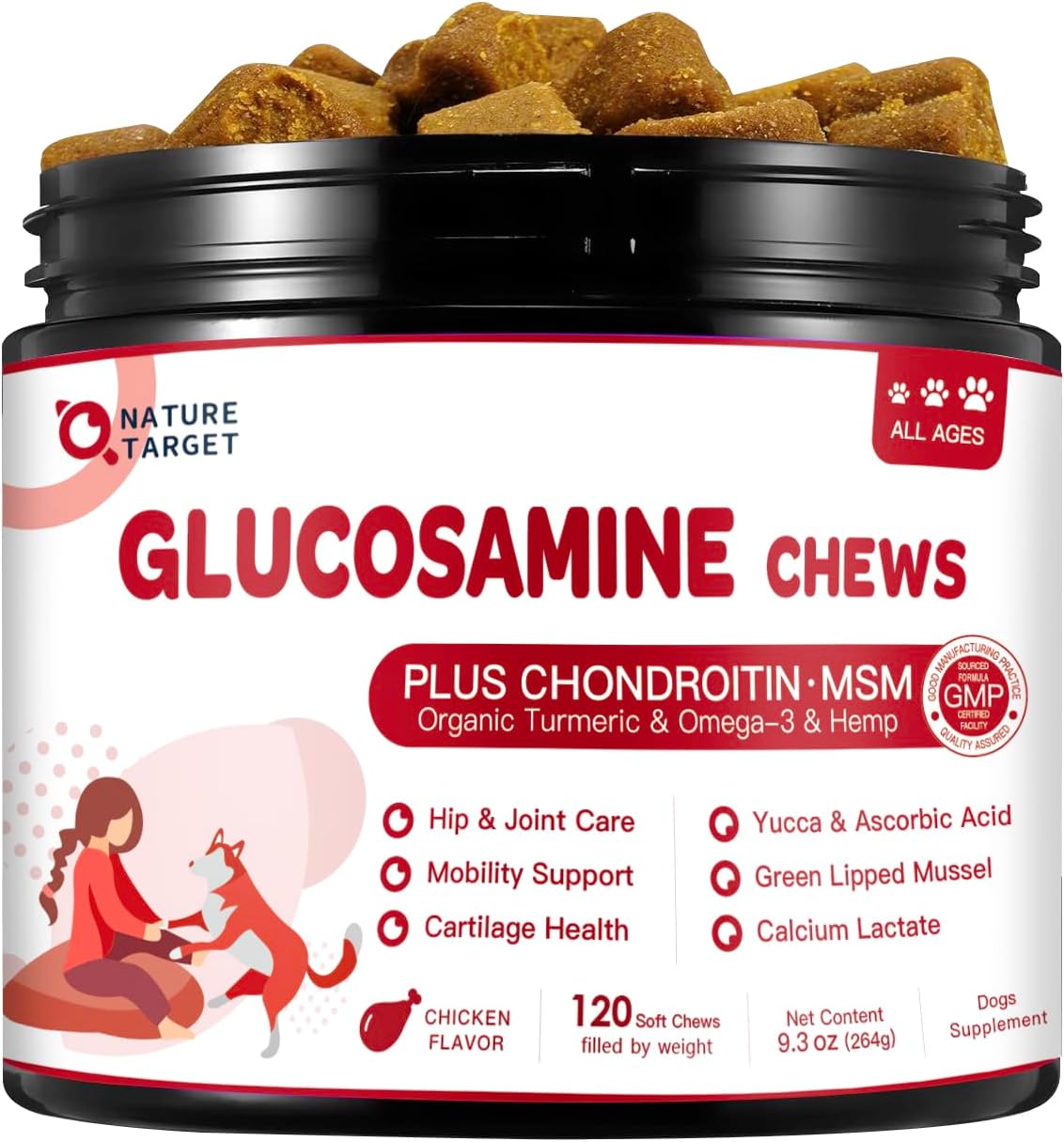
NATURE TARGET Glucosamine for Dogs, 120 Soft Chews, Chicken Flavor
A 120 count of soft chews in a chicken flavor most dogs take without a fight, easy to fold into an existing routine
It is a supplement rather than a snack, so it does not replace the chew you came to buy
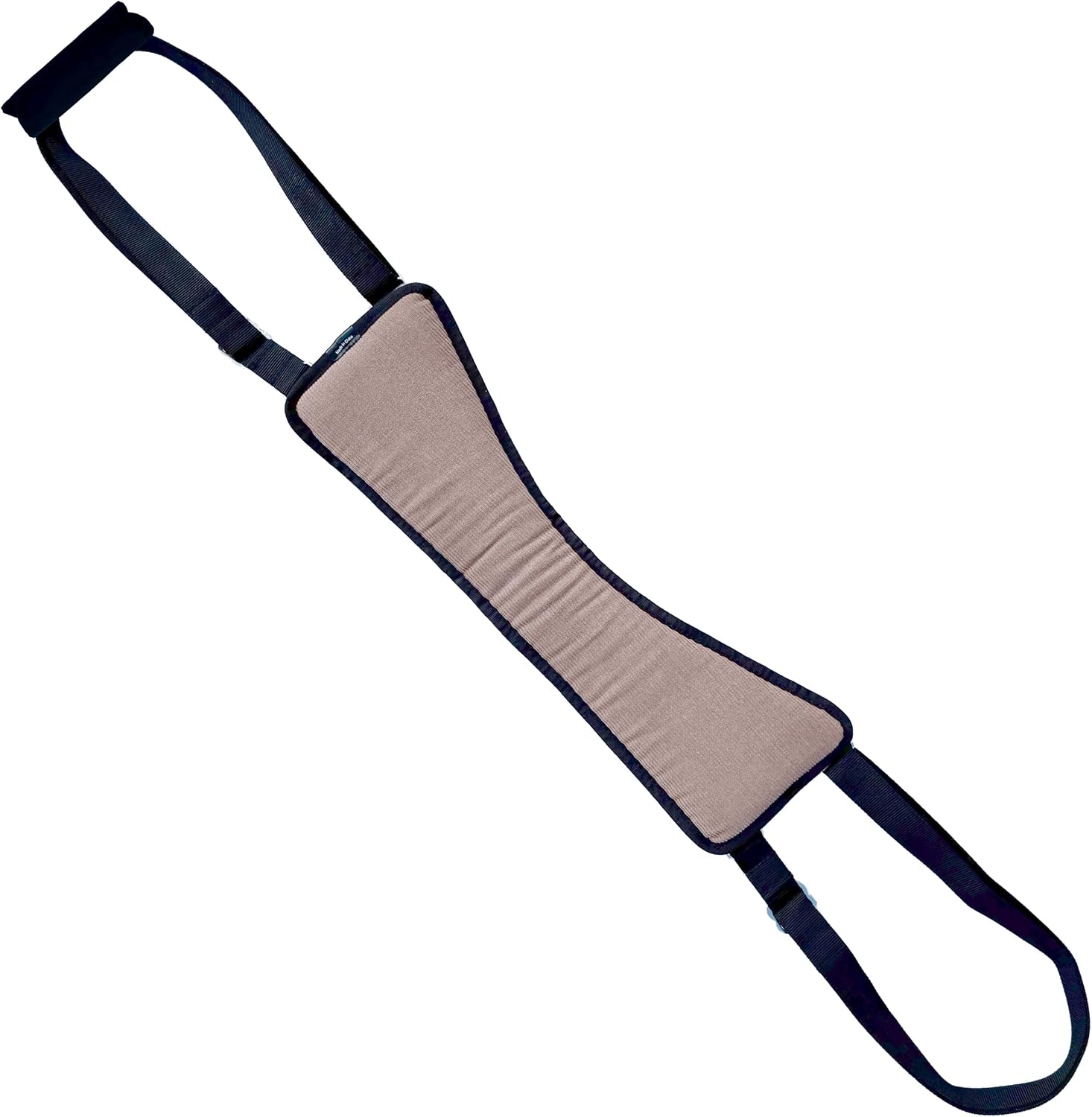
Easy Lift® Dog Hind Leg Support Slings, Medium, Machine Wash & Dry
Gives a dog with hind-end weakness real help getting up and moving, and it is machine washable
Medium only in this listing, and it is a mobility aid rather than anything you feed
Prices and availability may change.
Dog biscuits vs dog cookies: what actually separates them
The difference between dog biscuits and dog cookies comes down to three things: moisture, fat, and how the dough is baked. A biscuit is a low-moisture, oven-baked product, which is why it snaps and why it keeps on a shelf. A cookie is a higher-moisture, softer product, which is why it squishes and why it usually arrives in a smaller bag with a shorter life once the seal is broken. Nothing in labeling law forces a manufacturer to use either word correctly, so the box is a suggestion rather than a category.
That matters because the two behave differently in a dog's mouth. A hard biscuit takes time to break down, which means more chewing, more mechanical contact with the teeth, and more saliva. A soft cookie is gone in two bites, which is exactly why trainers reach for it: you can deliver a reward in under a second and get straight back to the drill.
Search language around this is messy too. People type dog cookies vs dog biscuits, they type dog biscuits vs dog cookies, and they type half a dozen other orders that all land on the same shelf. The vocabulary is not the problem. The problem is that a soft cookie sold as a biscuit and a rock-hard biscuit sold as a cookie can sit right next to each other, and the only way to tell them apart is to squeeze the bag and read the panel.
The practical rule I use: if it crunches, it belongs in the chew category, and if it squishes, it belongs in the reward category. Whether you call them dog biscuits or dog cookies, the texture in your hand decides how you should use them, and the ingredient list decides whether they earn a place in the rotation at all.
Read the ingredient list before the name on the box
Ingredients are listed by weight, which makes position the most honest number on the package. If oatmeal sits first or second, the oatmeal concentration is the recipe and everything after it is seasoning. If oats appear below a named meat and a named fat, they are a supporting player. Neither arrangement is automatically better. It depends on the dog in front of you.
For a dog with a sensitive stomach or a history of itchy skin, a limited ingredient formula built on one protein and one carbohydrate is far easier to troubleshoot than a cookie with eleven items. The fewer moving parts, the easier it is to work out what caused a flare.
Fat source matters more than most people expect. "Animal fat" is a category rather than an ingredient. "Chicken fat" or "salmon oil" tells you something concrete. If the front of the bag advertises omega 3, look for the actual source in the list, because a package that claims omega 3 without naming a fish, flax, or algae source is advertising an idea rather than a quantity.
Sugar and sweeteners show up in soft cookies far more often than in hard biscuits, because moisture and sugar both keep a soft product pliable. Molasses, honey, and cane syrup are all sugar wearing a nicer name. A cookie with molasses in the fourth slot is a dessert, and a dessert is fine occasionally. It is not the same product as a plain oat biscuit, and treating the two as interchangeable is how a dog ends up eating an extra few hundred calories a week.
One more habit worth building: compare the guaranteed analysis for fat percentage before you compare two bags by price. A bag that looks cheaper per ounce but carries twice the calorie density is not cheaper at all.
Fat, omega 3, and what a treat can do for a coat
Coat type decides how quickly you notice a problem. A short single coat hides a lot, while a thick double coat shows every dull patch and every fleck of dandruff. If your dog carries a long or curly coat, whatever you feed shows up in the brush within a few weeks, for better or worse.
Omega 3 fats, and specifically EPA and DHA, are the nutrients most often tied to skin and coat condition. The catch is dose. A biscuit or cookie carrying a few milligrams of fish oil per treat is contributing to the daily total, not carrying it. If a dog genuinely needs an omega 3 boost for a coat problem, that conversation belongs with your vet and a measured supplement, not with a bag of cookies.
What a treat can realistically do is avoid making things worse. A cookie built on low-quality fat, or loaded with sugar, is a small inflammatory load repeated many times a day. A plain baked biscuit with oats, a named fat, and no sweetener sits closer to neutral, and neutral is a win when you are handing out six of them during a training session.
If you already feed a complete diet with a proper omega 3 level, the treat is a rounding error either way. If you feed a bargain kibble and hope a biscuit fixes a dull coat, it will not. Fix the diet first, then pick the treat you actually like.
Size, crunch, and the dogs that get left out
The dog biscuits vs dog cookies question gets more complicated with puppies, seniors, and small breeds.
Puppies have small mouths and short attention spans. A soft cookie that breaks into pea-sized pieces is a training tool. A large hard biscuit is a project, and a puppy who tries to swallow one whole is a choking risk. The training treats in the table above exist for exactly this reason: small, soft, and easy to ration.
Senior dogs often have worn incisors and less interest in work. A rock-hard biscuit that used to be a treat becomes a chore, and softer textures keep treat time rewarding for a dog whose teeth have opinions. At the same time, if the dog is slowing down in the back end, no treat fixes that. Support gear does.
Small breeds are the group most often shortchanged, because most biscuits are sized for a sixty-pound dog. Break them, buy a small-breed formula, or use the cookie side of the shelf.
The last variable is swallow speed. Some dogs inhale a soft cookie before it touches their tongue, which defeats the point of a reward and adds swallowed air. For those dogs, a crunchy biscuit that forces a couple of chews is the better call, even when the cookie is more convenient for you.
The supporting cast around treat time
Biscuits and cookies are only part of the routine. These are the four things I would keep within arm's reach of the treat jar, and the reasoning behind each one.
A soft training treat for the cookie slot. The Blue Buffalo Baby BLUE Savory Chicken Puppy Training Treats are the closest thing here to a true soft cookie, small and chicken-first, and they break apart cleanly for puppies and small breeds. The 4 oz bag is the trade-off: it fits in a pocket and stays fresh, but it disappears quickly once you are rewarding a behavior every thirty seconds. Use it as the reward, not as the afternoon chew.
A paw cleaner for the aftermath. The GJYC PET Dog Paw Cleaner is a no-rinse foam with a brush head, which is the format that actually gets used in winter, because nobody wants to haul a towel and a bowl to the back door. Two details to check before buying: bottle size, since a foam cleanser runs out faster than a liquid one, and whether the formula is labeled lick safe, because the first thing most dogs do after a paw wipe is lick. If the label does not say, rinse the paws with plain water afterward.
A joint chew for the dogs who need one. NATURE TARGET Glucosamine for Dogs comes as 120 soft chews in a chicken flavor, which matters because the format lets it ride along inside a routine that already has treats in it. It is not a biscuit and it is not a cookie, and it should not be counted as either. It is a supplement with a flavor, and the point is the daily habit rather than the taste.
A mobility sling for the slow days. The Easy Lift Dog Hind Leg Support Slings give a dog with hind-end weakness real help getting up and moving, and the machine washable construction matters more than it sounds, because a sling that supports the back legs is going to end up in the dirt. Medium sizing in this listing means you should measure rather than guess. A sling is not a treat, but a dog who cannot get up comfortably is a dog whose whole treat routine has changed, and gear that restores the walk restores the reward at the end of it.
What I check before a box goes in the cart
- Ingredient list, in order. A named meat, a named fat, and a recognizable grain near the top.
- Oatmeal concentration. If oats lead the list, expect a denser, more filling biscuit.
- Moisture and squeeze test. Crunchy or soft gets decided in your hand, not by the word on the box.
- Calories per treat. A biscuit the size of a coaster is a meal, not a snack.
- Sweeteners. Molasses, honey, and syrup turn a snack into dessert.
- Omega 3 source. A named fish, flax, or algae source beats the phrase "with omega 3."
- Size relative to your dog. Break large biscuits or buy small-breed sizes.
- Coat type. Double coats show diet problems first, which makes them the best early warning system you have.
Should you buy a sampler first?
Yes. A 4 oz bag of soft training treats plus a small box of plain biscuits costs less than one large bag of either, and the pair tells you more than any review, including this one. Feed the biscuit as the afternoon chew and the cookie as the training reward, then watch three things: how fast your dog eats each one, what the stool looks like the next day, and whether the skin and coat stay quiet across two weeks. That is a cheap experiment with a real answer at the end.
The caveat is the same one that applies to every treat recommendation. A small bag tells you about your dog's reaction, not about the entire product line. Formulas change, and a biscuit that works in March may be reformulated by the fall.
What I'm testing next
I am working through a longer piece on senior dog mobility gear, because the sling question comes up in almost every email I get about older dogs who have stopped asking for walks. The short version: support gear is not a substitute for a vet visit, and it is not a substitute for a treat. It is what you use so the walk still happens.
On the food side, I am comparing limited ingredient biscuit formulas against standard ones to see how much the ingredient list actually changes once you get past the first three items. That piece will run here when the notes are finished.
If you take one thing from this, take the order of operations: the box is marketing, the ingredient list is data, and your dog's teeth, waistline, and coat get the final vote.