Hot pavement is the part of a summer walk that owners notice last and dogs notice first. A paw pad is skin, not a shoe sole, and it takes heat directly from whatever it is standing on. That is why searches for dog booties for overheating prevention spike every June, and why so many of those searches end with a pair that slips off, twists sideways, or gets chewed loose at the first stop sign. This guide covers what a bootie can and cannot do in hot weather, how boot sizing actually works, and which of four currently listed options suits which kind of walk. It does not replace the five-second hand test on the pavement, and it does not replace shade, water, and a shorter route.
Quick answer
A bootie helps with heat by blocking contact, not by cooling the dog. The sole and upper put a barrier between the pad and a surface that can run far hotter than the air above it, which matters most on asphalt, concrete, sand, and sun-exposed metal. It does not lower body temperature, and it is not a treatment for heat stress.
If the surface is too hot for the back of your hand after five seconds, the answer is a different route or a different hour, not a different boot. The right pair sits snug at the wrist, stays on through a trot, and has a sole that protects without deadening every bit of ground feel. Fit and route choice do more work than any single feature on a product page.
4 useful options
| Model | Best fit | What stands out |
|---|---|---|
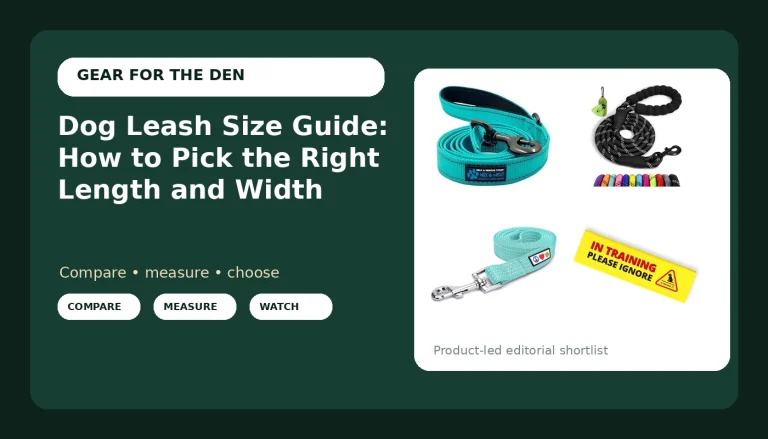
| Dog Boots for Large Dogs, Medium Dog Boots & Paw Protectors for Hardwood Floors, Outdoor Dog Booties for Hot Pavement Winter Snow Hiking, Dog Shoes with Reflective Strips | Large and medium dogs on mixed pavement and snow | Reflective strips, plus a listing that names hot pavement, winter snow, hiking, and indoor floors |
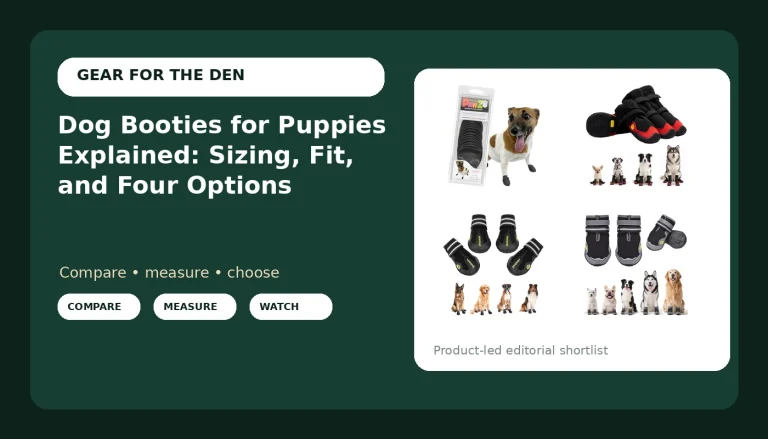
| Furrtripsy Dog Boots,Rugged Anti-Slip Sole Paw Protectors for Medium Large Dogs,Boots & Paw Protectors with Adjustable Straps,Waterproof Dog Booties for Hot Pavement,Snow,Hiking(Red,#10) | Medium and large dogs on rougher ground | Rugged anti-slip sole, adjustable straps, waterproof build, listed in red in size #10 |
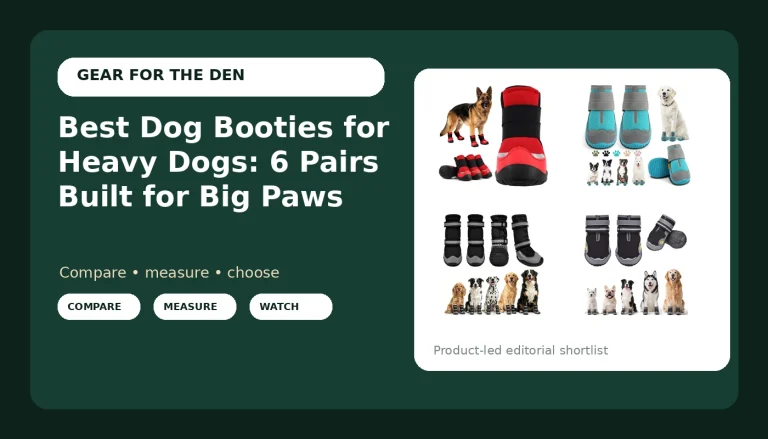
| Hipaw Dog Booties for Winter,Snow Boots for Small Medium Large Dogs,Waterproof Dog Rain Shoes,Non-Slip Paw Protector for Outdoor Walking,Hiking,Indoor Hardwood Floors | Wet weather and winter walks across a wide size spread | Waterproof rain and snow build with a non-slip paw protector, listed for small through large dogs |
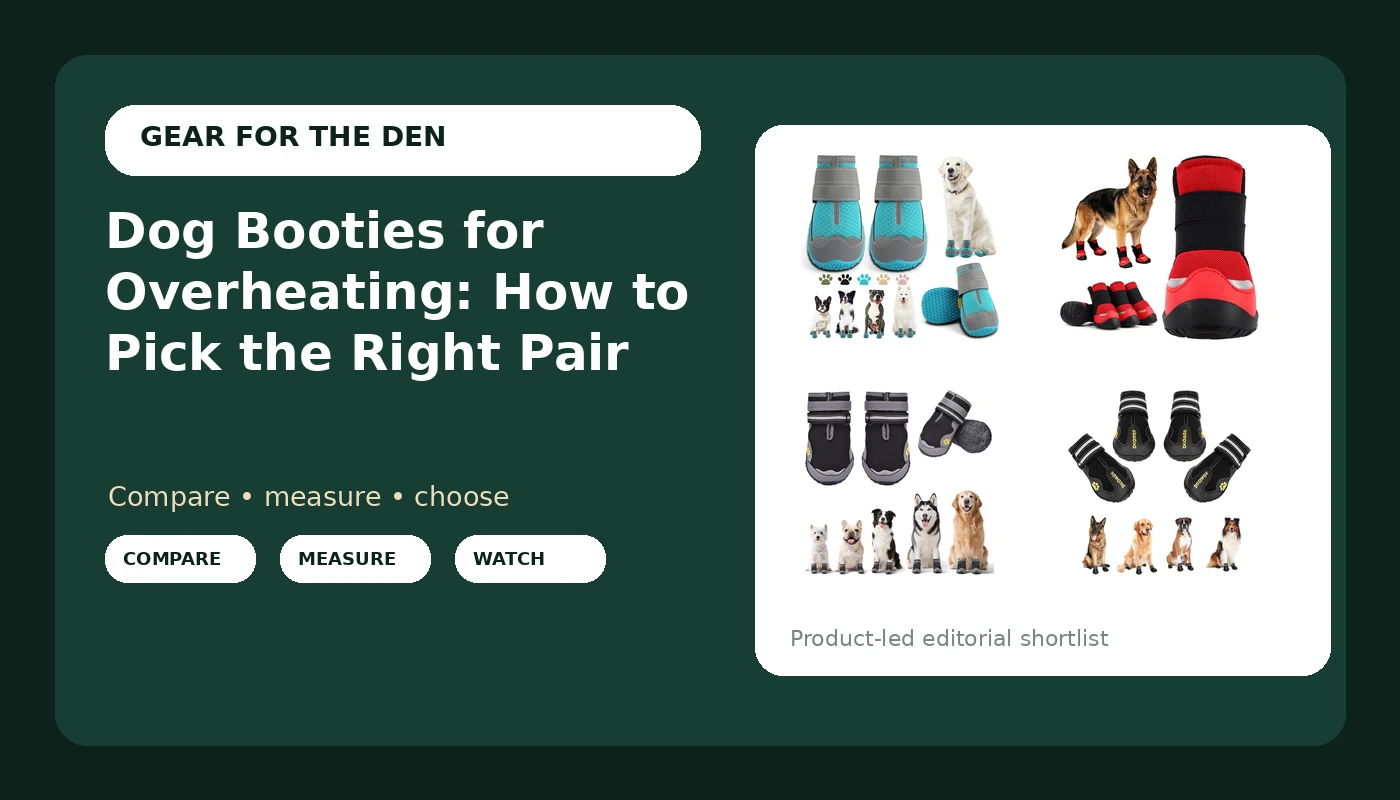
| DcOaGt Dog Shoes Large Size Dogs, Anti-Slip Dog Boots Dog Booties | Large dogs that need a simple anti-slip set | A plain anti-slip dog boot in large sizes, with fewer stated extras |
Hot pavement pick: Dog Boots for Large Dogs, Medium Dog Boots & Paw Protectors for Hardwood Floors, Outdoor Dog Booties for Hot Pavement Winter Snow Hiking, Dog Shoes with Reflective Strips
The trade-off is that a set built for four seasons is rarely the thinnest option. A taller upper keeps snow, grit, and salt out, and it also traps more warmth around the paw than a minimal summer boot would. On a hot day, recheck the fit after ten minutes of walking. A boot that has rotated sideways is worse than no boot at all, because it rubs the pad it was meant to protect. Reflective strips are the one feature here that has nothing to do with temperature and everything to do with evening walks, which is where a lot of summer walking ends up once the pavement cools.
Rugged trail pick: Furrtripsy Dog Boots,Rugged Anti-Slip Sole Paw Protectors for Medium Large Dogs,Boots & Paw Protectors with Adjustable Straps,Waterproof Dog Booties for Hot Pavement,Snow,Hiking(Red,#10)
A rugged traction sole is the part of this listing that matters on gravel, packed dirt, and coarse asphalt, where a thin sole wears through quickly. The trade-off is bulk. A thicker sole insulates the pad from a hot surface more effectively than a minimal one, but it also reduces ground feel, and some dogs will high-step for the first few minutes until they adjust. The size listing is narrower than the others here, so measure before ordering, and treat the adjustable straps as a fit aid rather than a fix. Straps that are cranked down to stop a slip can restrict the wrist, and a boot that is tight enough to stay on a determined dog may be tight enough to rub.
Wet weather pick: Hipaw Dog Booties for Winter,Snow Boots for Small Medium Large Dogs,Waterproof Dog Rain Shoes,Non-Slip Paw Protector for Outdoor Walking,Hiking,Indoor Hardwood Floors
Waterproofing is a winter feature that also shows up in a wet summer, and a rain bootie is not a cooling fabric. A coated upper holds heat in about as well as it keeps water out, so on a hot, dry day the priority is still the sole and the fit rather than the coating. Where this listing earns its place is the size spread. Owners of a dog that falls between the sizes offered by other brands, or who walk mostly on wet grass, rain, and snow, get more room to find a match here. It is also the listing that names indoor hardwood floors, which is a reminder that booties are not only an outdoor tool.
Everyday anti-slip pick: DcOaGt Dog Shoes Large Size Dogs, Anti-Slip Dog Boots Dog Booties
A shorter listing is not a worse product, it just means the fit does more of the deciding. With fewer stated features, there is less to compare against the other three, so buy this one when you want a straightforward anti-slip boot for a large dog and you are willing to test the fit yourself before a long walk. If you need a waterproof upper, reflective strips, or a documented size range beyond large, one of the other listings answers that question more directly.
Prices and availability may change. Product images, names, and retailer links are matched to verified listings. No current price, rating, stock status, or measured result is stated here without current evidence.
How dog booties for overheating protection actually work
A bootie changes exactly one variable: contact. Air temperature is what the weather report gives you, and surface temperature is what the pads actually meet. Asphalt in direct sun can be far hotter than the air above it, and that gap is the whole reason a barrier helps. The pad itself is thicker and tougher than the skin on your forearm, which is why a dog can cross a hot driveway without an obvious limp and still end up with sore, peeling pads a day later. Damage builds quietly.
Dog booties for overheating protection work by interrupting the transfer of heat from the surface into the pad. They do not remove heat from the body, they do not lower core temperature, and they do not turn a hot walk into a safe one. So, dog booties for overheating explained in one line: a contact barrier with a sole, not a cooling device. A dog sheds heat mainly by panting and, to a lesser degree, through the pads, and a bootie blocks part of that second path. That is one more reason to walk early, keep the route short, and carry water rather than expecting footwear to solve the weather.
There is a second, quieter benefit on pavement that has been salted or patched. A barrier keeps caustic de-icer, tar, and hot grit off the pad, and it keeps a split or blistered pad from picking up more damage. That is the same reason booties show up in rehabilitation and post-injury walking.
Boot sizing and fit: what to measure
Boot sizing is where most returns happen. Measure the paw while the dog is standing and weight-bearing, because a paw spreads under load and a measurement taken on a lifted leg will run small. Take the width at the widest point and the length from the back of the pad to the tip of the longest claw, then add a small allowance if you plan to use a thin sock underneath. Brands do not share a scale, so a size that fits in one listing can be wrong in another; the printed size is a starting point, not a guarantee.
A good fit sits snug around the wrist, lets the toes lie flat without curling, and leaves room to slide one finger under the strap. The ideal dog booties for overheating protection are not the tightest pair you can pull on. They are the pair that stays on without pinching, because a boot that rubs will be pulled off by the dog long before the pavement cools.
- Test the pavement with the back of your hand for five seconds before anything goes on the dog.
- Measure both front paws while the dog stands, and work from the larger number.
- Compare that measurement to the listing's own size chart, and size up when the paw falls between two sizes.
- Fit all four boots indoors and watch for rotation, a heel that slides down, or a toe that curls.
- Walk a short loop on a familiar surface before trusting the set on a long or hot route.
Practical guidance for hot-weather walks
The gear around the paws is only one part of the walk. A harness with a front clip and a padded chest strap, a leash length short enough to keep the dog on grass instead of the road shoulder, and a tracker's gps range and battery life are all separate decisions, and none of them substitutes for a hand test on the surface.
- Walk early or late. Pavement that sat in the sun all afternoon stays hot well after the air cools.
- Prefer grass, dirt, and shade, and treat booties as protection for the unavoidable stretch of pavement, not a license to walk on it.
- Carry water and offer it often. Booties do nothing about panting and body heat.
- Check the pads after every walk for redness, blistering, or a change in texture, and check the inside of each boot for grit.
- Shorten the route rather than pushing distance. A short walk at a cooler hour beats a long one at noon.
Which option should you choose?
Choose the Dog Boots for Large Dogs, Medium Dog Boots & Paw Protectors for Hardwood Floors, Outdoor Dog Booties for Hot Pavement Winter Snow Hiking, Dog Shoes with Reflective Strips when you want one set for hot pavement, snow, hiking, and evening walks, and reflective strips matter on your route. Choose the Furrtripsy Dog Boots,Rugged Anti-Slip Sole Paw Protectors for Medium Large Dogs,Boots & Paw Protectors with Adjustable Straps,Waterproof Dog Booties for Hot Pavement,Snow,Hiking(Red,#10) when your walks include gravel or rough trail, you want a rugged anti-slip sole and adjustable straps, and the listed size matches your measurement. Choose the Hipaw Dog Booties for Winter,Snow Boots for Small Medium Large Dogs,Waterproof Dog Rain Shoes,Non-Slip Paw Protector for Outdoor Walking,Hiking,Indoor Hardwood Floors when wet grass, rain, and winter slush are the more common conditions, or when your dog sits between the sizes offered elsewhere. Choose the DcOaGt Dog Shoes Large Size Dogs, Anti-Slip Dog Boots Dog Booties when you want a plain anti-slip boot for a large dog and do not need a waterproof upper or reflective trim.
None of these four listings states a measured surface temperature rating, and none is sold as a cooling product. What they offer is a physical barrier and a fit, and the barrier only works while the boot is on the paw. Check the current size chart before ordering, because listings and size runs change, and recheck the fit on the first cool-weather walk as well as the first hot one.
The bottom line
A bootie is a barrier, not a cooling system, and the difference matters most on the days you are tempted to rely on it. The correct dog booties for overheating protection are the ones that fit snug at the wrist, stay on through a trot, and get used on a route where the surface is genuinely hot for only part of the walk. Pick the four-season set with reflective strips if you want one pair for the whole year, the rugged trail set if your ground is coarse, the waterproof set if wet weather dominates or your dog is between sizes, and the plain anti-slip set if large-paw simplicity is all you need. Then test the pavement with your hand, shorten the route when it fails the test, and let the boots handle the stretch you cannot avoid.