Every spring, someone in a breed group asks whether they can skip the pet store and just aim their own hair dryer at the dog. It is a fair question, and the honest answer is that the dog dryer vs human hair dryer debate is real but smaller than the internet makes it sound. A human dryer runs hot and slow, a purpose-built dog dryer runs cool and fast, and neither one removes a mat, breaks up a packed undercoat, or picks the hair off your couch afterward. The appliance matters less than the tools you pair with it.
The purchase that changes bath day for most households is not a dryer. It is the tool that removes undercoat before the bath and the tool that cleans up after it. If you want one case that covers clipping, brushing, and shedding, the Afloia 6-in-1 kit is the most complete option here. If your dog mats instead of sheds, the two-pack slicker brush is the highest-value item on this list, and a dryer will not substitute for it.
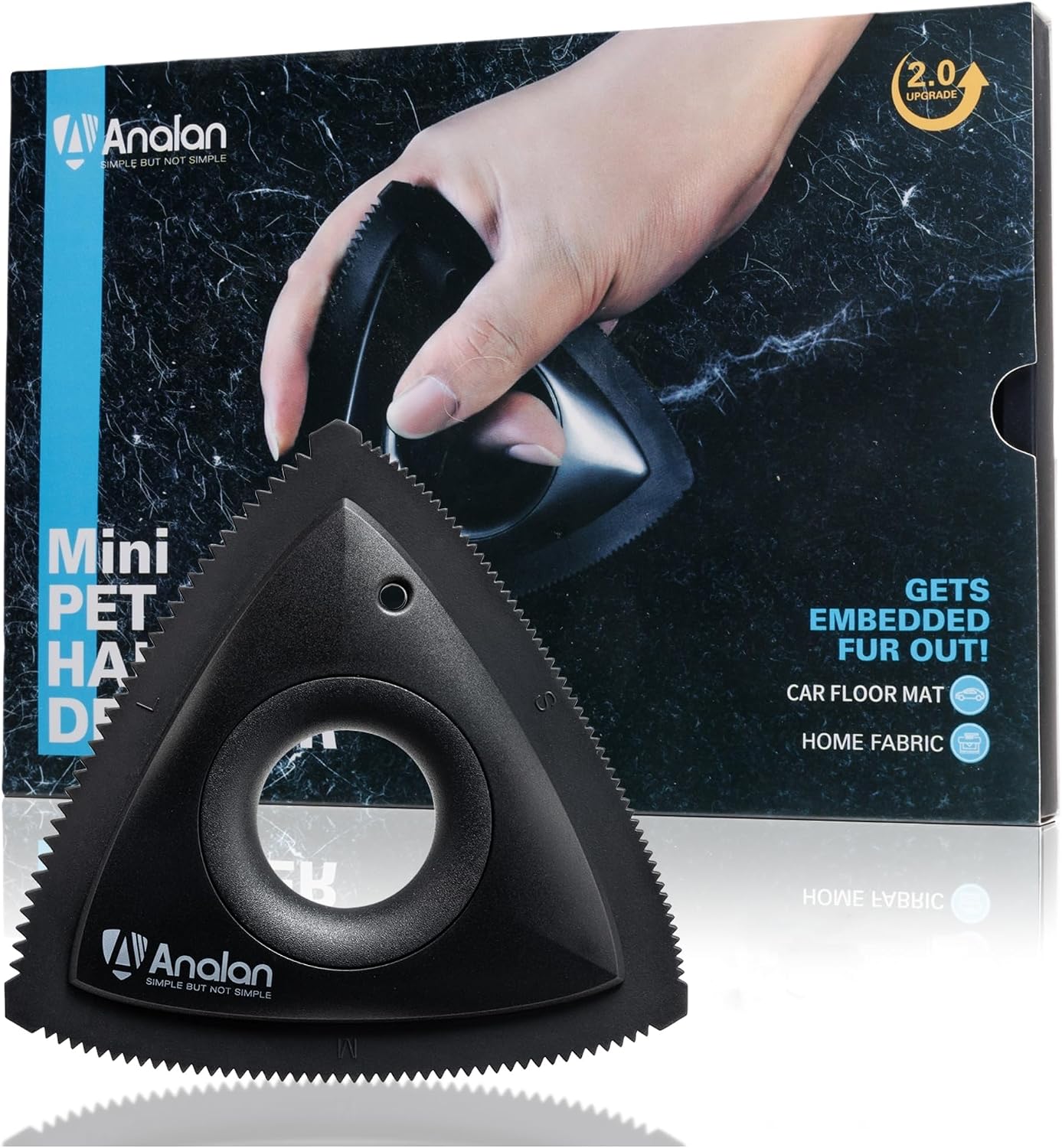
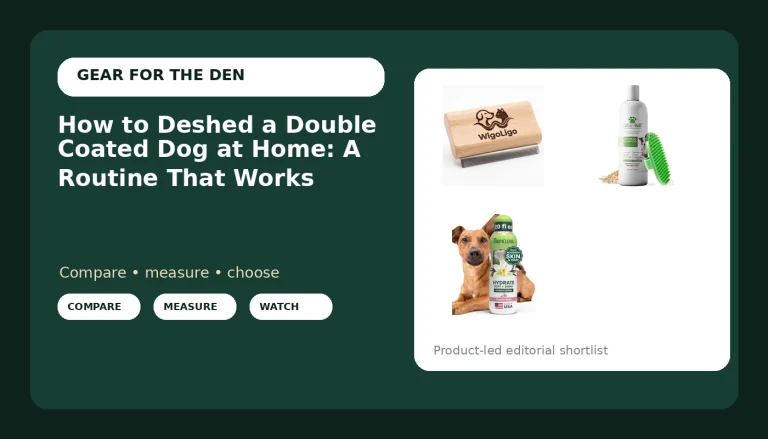
Analan Mini Pet Hair Remover for Car Detailing Dog Hair Tool Brush (Black)
The cheapest way to win the war on hair that has already left the dog, and small enough to live in a door pocket
It is a cleanup tool, not a grooming tool, so it does nothing for undercoat, mats, or a wet coat
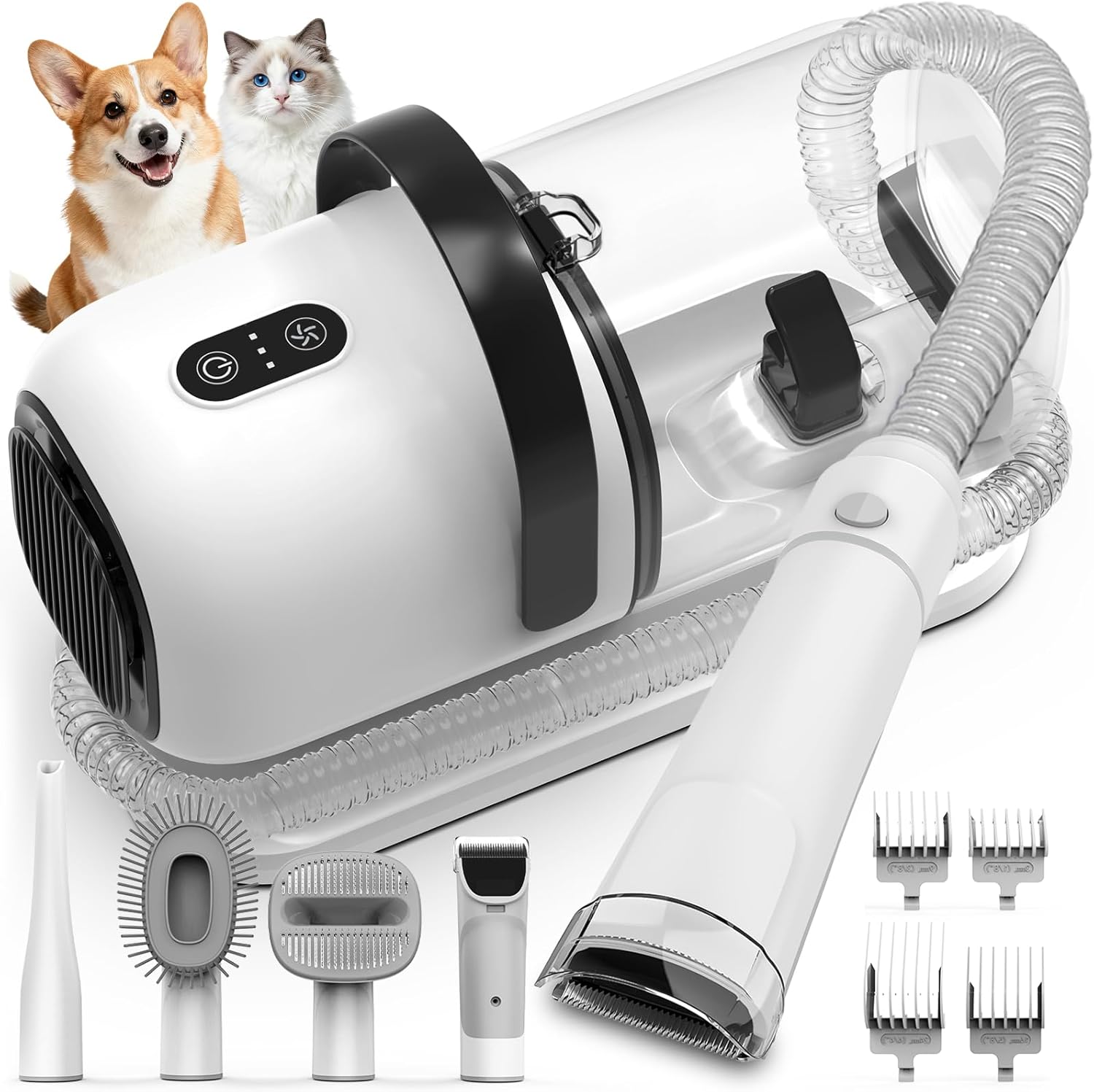
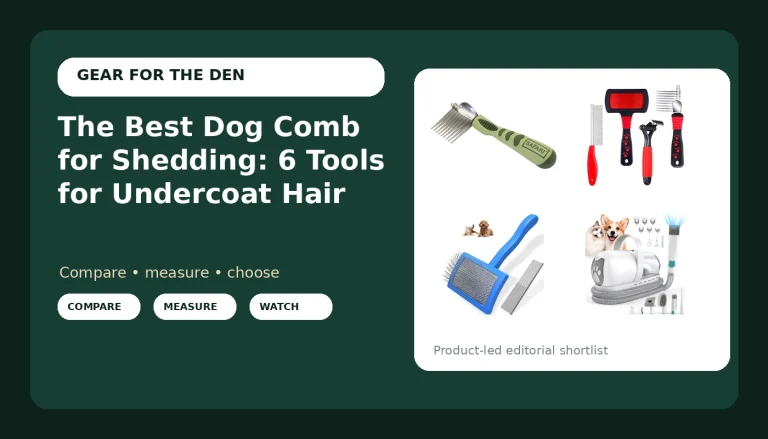
FIXR Dog Grooming Vacuum, All-in-One Pet Grooming Kit with Hair Clipper and Shedding Brush, Low Noise 12,000Pa Dog Hair Remover Vacuum, PG01
Clipper and shedding brush in one unit, listed at 12,000Pa with a low noise design and cleaning brushes included
No nail tool in the box, so nail care is a separate purchase
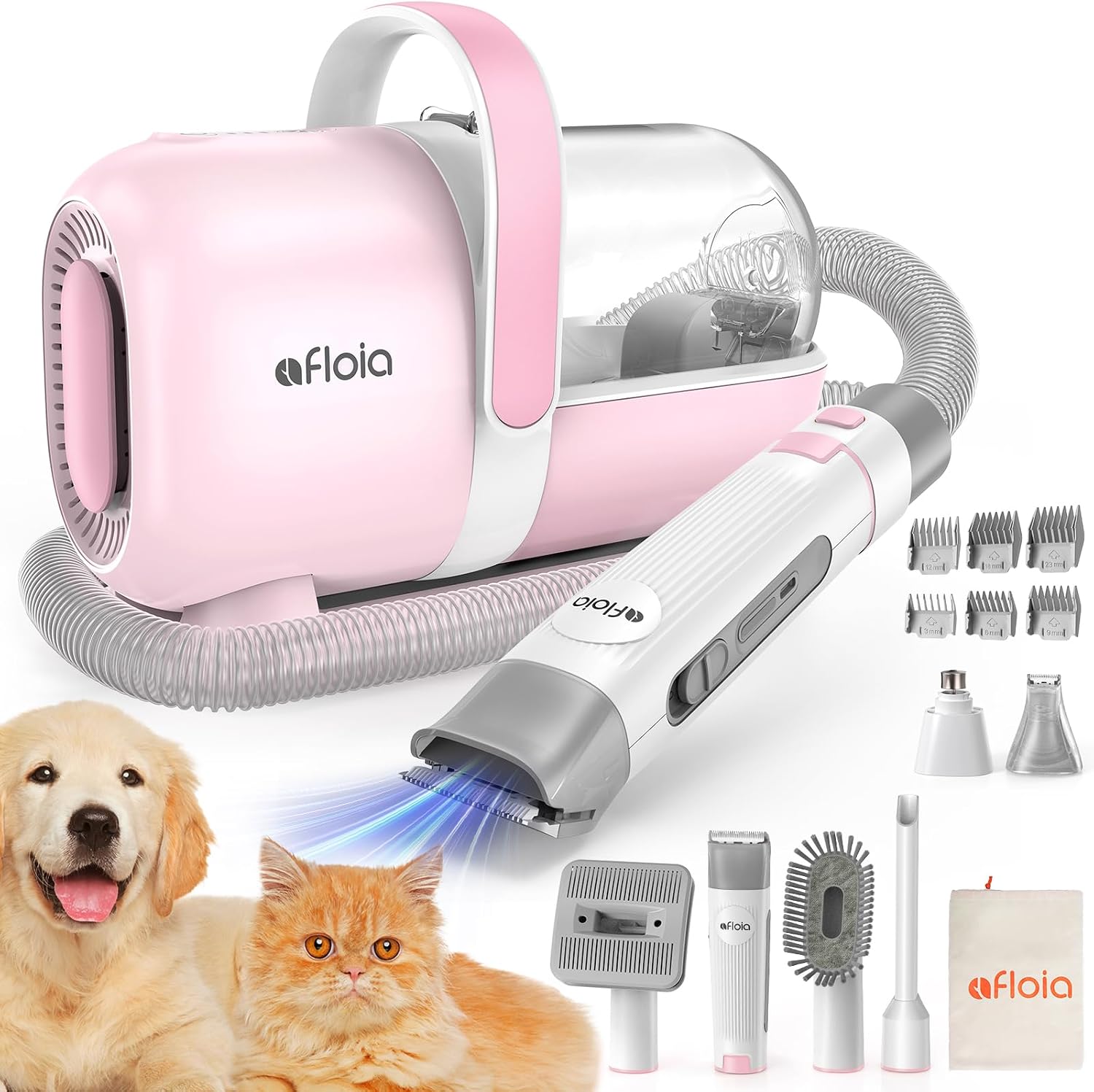
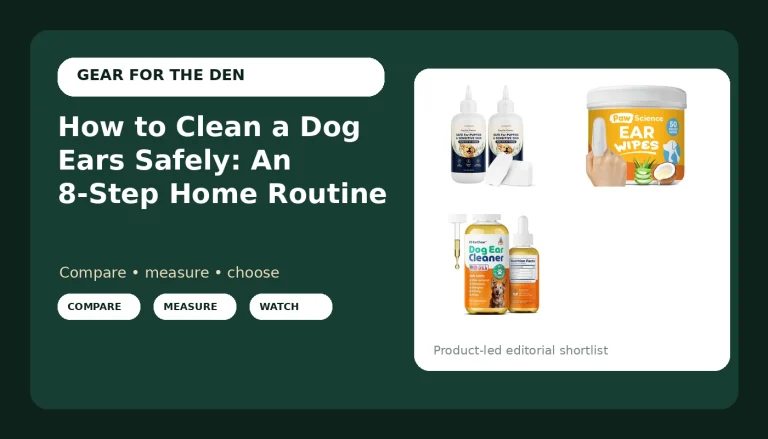
Afloia 6-in-1 Dog Grooming Kit, Pet Grooming Vacuum for Shedding, Dog Hair Vacuum with Clipper Nail Trimmer Grinder, 1.5L Dust Cup, Pink
The most complete kit here: clipper, nail trimmer, grinder, and brush, with a 1.5L dust cup
Costs the most of the four and takes up the most storage space
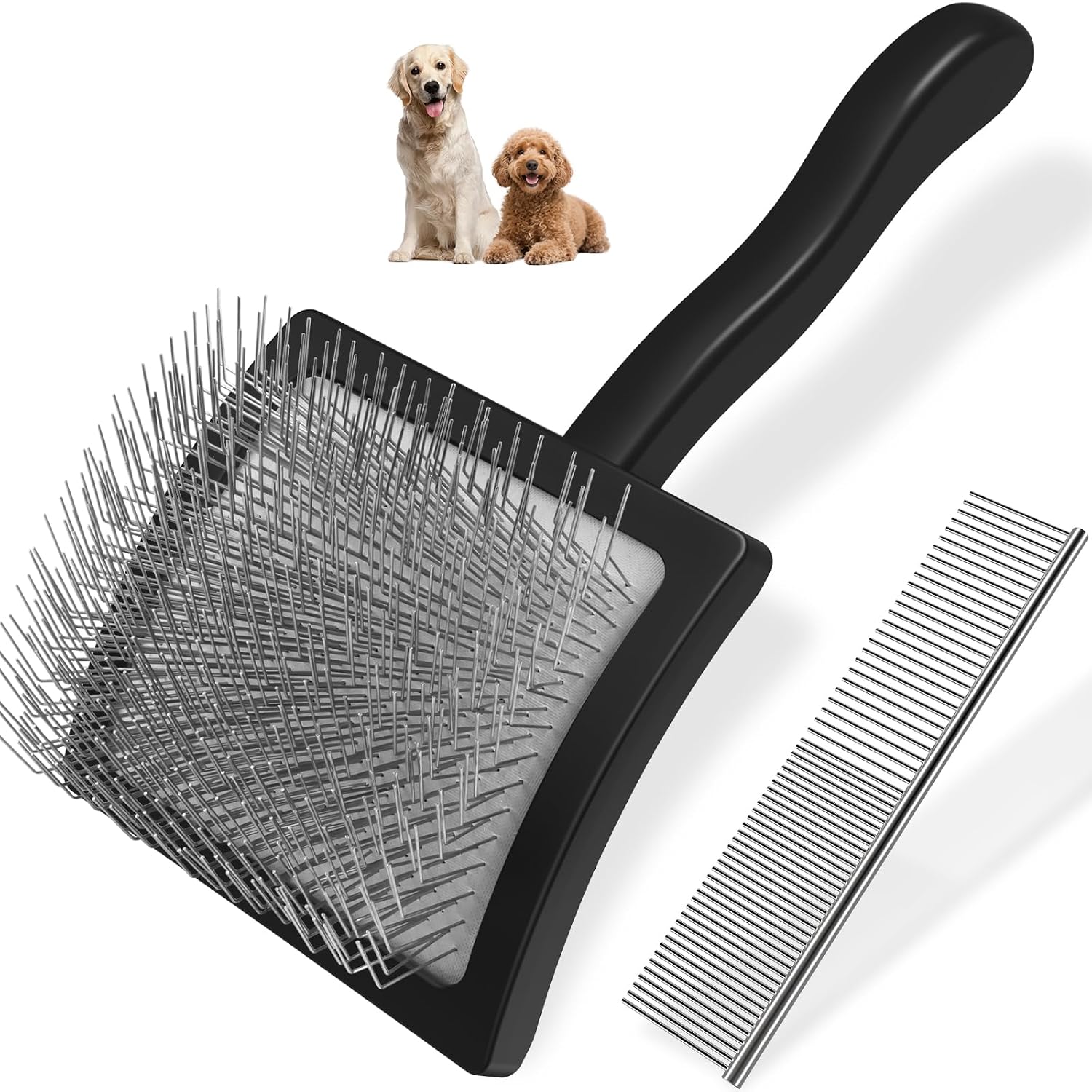
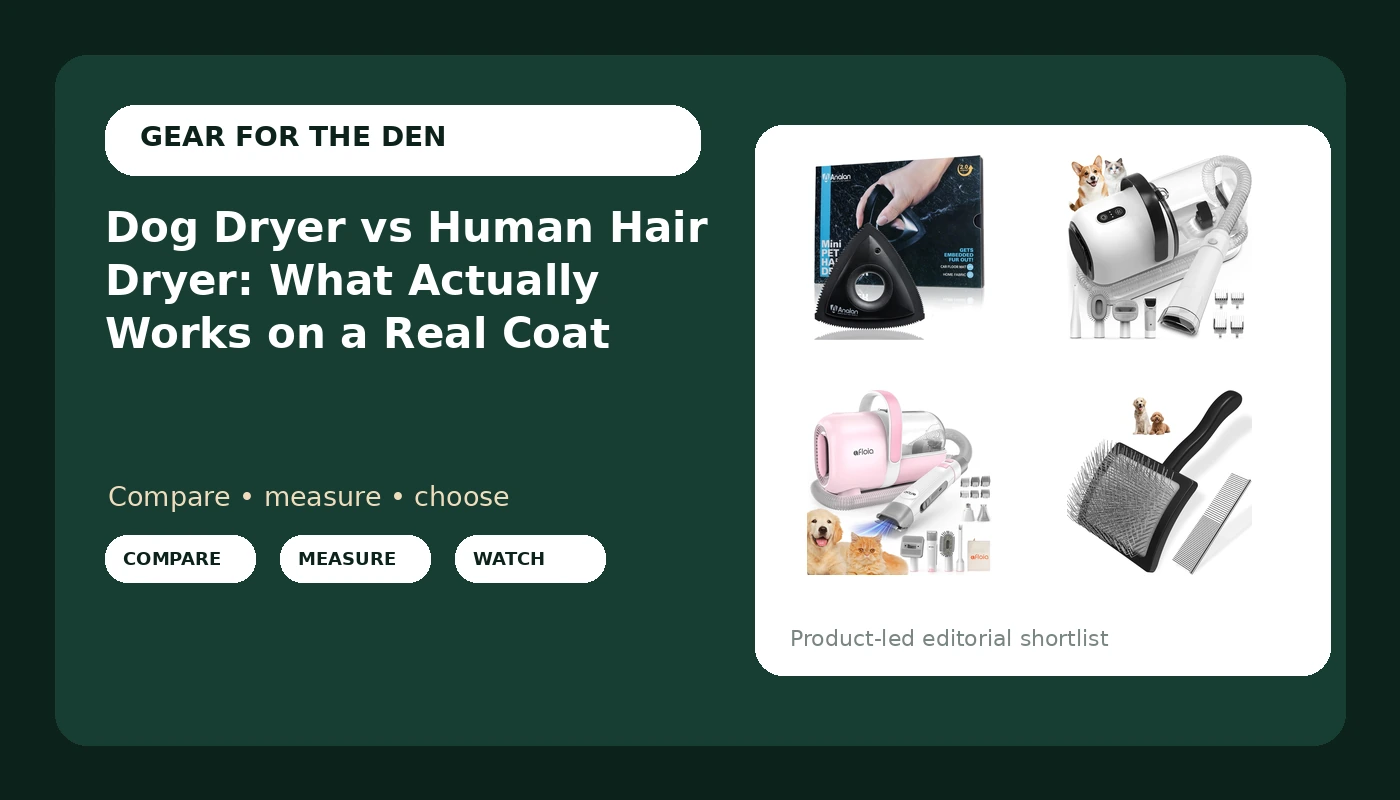
2PCS Slicker Brush for Dogs and Pet Comb, Professional Dog Grooming Brush with Extra Long Pins (Black, Large)
Two brushes with extra long pins, the cheapest way to find out whether pin length is what your dog's coat has been missing
A manual tool with no suction and no clipper, and mats still need a comb and patience
Prices and availability may change.
Why the dog dryer vs human hair dryer question comes up
The search usually starts the same way. The dog had a bath, the towels are soaked, the dog is shivering, and the only thing in the house that moves air is a human dryer. So people ask whether the difference between dog dryer and human hair dryer is a difference that actually matters, or whether it is a marketing story attached to a louder motor.
It matters, but not for the reason people expect. A human hair dryer is built around a small amount of air moved at high heat, because human hair is thin, sits close to the scalp, and tolerates heat well. A dog dryer is built around a large volume of air moved at low or no heat, because a dog's coat is dense, traps moisture near the skin, and does not respond well to hot air. Blow a human dryer across a double coat and you dry the surface while the undercoat stays wet. That is the practical version of the dog dryer vs human hair dryer argument, and it is the one worth remembering.
The second difference is time. A dog with a thick coat can hold water for hours after a towel dry, and a damp undercoat against warm skin is exactly the condition that encourages hot spots and that doggy smell people blame on the shampoo. A human dryer on high might take 45 minutes on a golden retriever and never really reach the skin. A dog dryer shortens that because volume, not temperature, is what moves water out of a coat.
The third difference is noise. Motor noise is the reason most dogs hate bath day. Human dryers whine at a pitch that sits right where dogs are most sensitive, and they are usually held close to the head. Dog dryers are not silent, but the better ones run at a lower, steadier pitch, and you can stand further back with the hose.
What a purpose-built dog dryer actually changes
Flip the comparison around and human hair dryer vs dog dryer comes down to three purchases in one: airflow, temperature control, and a hose.
Airflow is the whole product. A dryer that moves a large volume of air at room temperature dries a coat faster and more safely than a dryer that moves a small volume of hot air. That is why the good ones look like a shop vac with a nozzle instead of a hair dryer with a diffuser.
Temperature control matters for the same reason. Some dog dryers have no heating element at all, which sounds like a downgrade until you watch how quickly a dog with a thick coat overheats under warm air. Others offer adjustable heat, and if you go that route, the low setting is the one you will actually use.
The hose is the ergonomic story. Standing over a wet, unhappy dog while holding a handheld unit at arm's length is a workout. A hose lets you set the motor on the floor and keep both hands on the coat, which is the difference between a twenty minute job and an hour of wrestling.
Coat type and undercoat decide everything else
Before you spend a dollar on drying equipment, know what you are drying.
A short, single coat, like a boxer or a beagle, sheds hair onto furniture but dries fast. Towel, ten minutes of air, done. These dogs rarely need a dryer at all.
A double coat, like a husky, a shepherd, or a lab, has a soft undercoat beneath a weather resistant topcoat. That undercoat is where water hides and where shedding season happens. These dogs need undercoat removal far more than they need a dryer, because a packed undercoat holds moisture, traps heat, and turns every brushing session into a negotiation.
A curly or wavy coat, like a poodle, a doodle, or a Portuguese water dog, mats instead of shedding. Curly coats need to be dried and brushed at the same time, because if the coat dries while it is curled against the skin, the mats set like felt. This is the one coat type where a dryer genuinely earns its keep, and it is also the coat type that punishes you for using the wrong brush.
The tools that do the work a dryer cannot
Here is the part most dryer articles skip. Whatever you decide about the dog dryer vs human hair dryer question, the dryer is the last step. The steps before it, and the cleanup after it, are where the results actually come from.
The cleanup tool for hair that has already left the dog
The Analan Mini Pet Hair Remover is a small detailer brush that lives in the car and does one job well: it pulls embedded hair out of fabric. Carpet, trunk liner, the corner of the couch the dog has claimed. It is not a grooming tool and it will not touch an undercoat, but loose hair on upholstery is the complaint that drives most people to buy a grooming vacuum in the first place, and this handles it for the price of a bag of treats.
The all-in-one route: grooming vacuums with a clipper and a shedding brush
The FIXR Dog Grooming Vacuum is the value pick of the two all-in-one kits here. It is listed as a 12,000Pa unit with a low noise design, and the kit includes a hair clipper and a shedding brush along with cleaning brushes. That combination is the important part. You can clip a sanitary trim or a paw pad, then swap to the brush and pull loosened undercoat straight into the dust cup instead of watching it drift across the floor.
The Afloia 6-in-1 Dog Grooming Kit is the more complete of the two. It adds a nail trimmer and a grinder to the clipper and brush setup, and it uses a 1.5L dust cup, which means fewer trips to the bin in the middle of a shedding session. Nail tools are the thing people forget until the nails are clicking on the kitchen floor, so having them in the same case as the clipper is a genuine convenience.
Both kits are listed as low noise, and that claim is worth taking seriously for the same reason motor noise matters on a dryer. A grooming vacuum that spooks your dog is a grooming vacuum that sits in the closet. Introduce it turned off, then on the lowest setting, then actually touching the dog, across a few short sessions. The desensitization is the product. The suction is just the feature.
The brush for coats that mat instead of shed
The two-pack slicker brush is the item I would hand to anyone with a doodle, a poodle, or a labradoodle. The pins are extra long, which is the spec that matters on a curly coat, because short pins skate across the top layer and leave the undercoat tangled underneath. You get two brushes, so one can live in the grooming bin and one can live wherever you actually brush the dog, which in practice is the living room floor.
The honest limitation is that a slicker brush is a manual tool. It removes tangles, knots, and mats, but it does not collect them, and on a heavy shedder you will be pulling hair off the pins every few strokes. That is the trade-off against a grooming vacuum, and it is a real one.
Bath day order of operations
Order matters more than gear. Get the order wrong and the best tools in the case will not save the coat.
Start with a brush-out before the bath, not after. Wet mats tighten, and a mat that goes into the tub loose comes out felted. This is where the slicker brush, and on a double coat an undercoat rake, do their work.
Then shampoo. If your dog has itchy or sensitive skin, oatmeal concentration is the label detail to look for, because oatmeal formulas are built for irritated skin rather than deep cleaning. Lather, rinse longer than feels necessary, and rinse again. Leftover shampoo residue dries into a sticky film that grabs dirt and makes the coat look dull within a day.
Then dry. Towel first, thoroughly, then air. If you are using a dog dryer, keep the nozzle moving and keep it off the face. If you are using a human dryer on its lowest heat setting, hold it further away than you think you need to, and stop when the skin is dry rather than when the topcoat looks dry.
Then clip and trim. This is where a blade guard earns its place, because most home grooming nicks come from going shorter than intended. A guard holds the clipper at a fixed length and gives you a margin for error on paw pads, sanitary areas, and the belly.
Then nails, then a final brush, then the cleanup tool on whatever furniture the dog shook off on.
Grip handle, bristle type, and the small details
Two specs decide whether a tool gets used twice or gets shelved.
The first is the grip handle. Grooming a wiggling dog is a two-hand job in theory and a one-hand job in practice, because one hand is always holding a leg or a collar. A tool with a grip handle that fits your hand lets you keep control with the other. A tool that requires a death grip will be abandoned by the third session.
The second is bristle type. Slicker pins for tangles, stiff bristles for short coats and for spreading coat oil, soft bristles for faces and for dogs who hate being brushed anywhere near the ears. Buying one brush and expecting it to cover all three jobs is how people end up with a drawer full of brushes and a dog that still mats.
What to buy first if a dryer is not in the budget
If you are choosing between a dog dryer or human hair dryer for a dog that gets a bath every six weeks, buy neither yet. Buy the tool that fixes the problem you actually have.
If the problem is hair on the couch and in the car, the Analan detailer is the cheapest fix on this list.
If the problem is shedding season and a dog that will not hold still for a brush, one of the grooming vacuums solves both at once, and the Afloia kit covers nails as well.
If the problem is mats on a curly coat, the slicker brush set is the answer, and no dryer on the market will substitute for it.
And if you are still weighing the difference between dog dryer and human hair dryer, the short version is this: the dog dryer wins on airflow, safety, and noise, but it only wins after the undercoat is out and the mats are gone.
The short version
The dog dryer vs human hair dryer comparison is real, and the answer is that a purpose-built dog dryer is the better tool for a dog that needs to be dried quickly and safely. But for most households, the dryer is not the purchase that changes bath day. Undercoat removal, the right brush for your dog's coat type, and a cleanup tool for the hair that already escaped do more work than any appliance.
Buy the grooming vacuum if you want one case that handles clipping, brushing, and shedding. Buy the slicker brush if your dog mats. Buy the detailer if your only complaint is the couch. Then, if bath day is still an hour of wet dog and cold air, buy the dryer.