Cats sleep through most of the day, and they sleep warm. A cat curled into a tight ball on a windowsill, a laptop, or a folded blanket is not being dramatic; it is managing heat loss. Cat bed warmth comes down to three physical ideas: how much of the cat's own body heat the bed traps, how much surface actually touches the cat, and how much moving air can reach it. A bed that wins in a drafty room is usually not the bed that wins in a warm one, and a bed that holds too much heat sends a cat straight back to the tile floor. This guide explains how the four options below hold heat and what each one gives up.
Quick answer
Warmth in a cat bed is mostly trapped body heat, not added heat. The designs that hold the most are the ones that enclose the cat, line the sleeping surface with an insulating fabric, or lift the cat off a cold floor. An enclosed cave traps the most; an elevated hammock or a desk-height bed gives up some of that retention in exchange for airflow and a view; a flat mat on a cold floor holds the least. Warmth is only one variable. A cat that gets too warm will simply leave, so the goal is a bed that matches the room and the cat's habits rather than the maximum insulation available.
Four useful options
| Model | Best fit | What stands out |
|---|---|---|
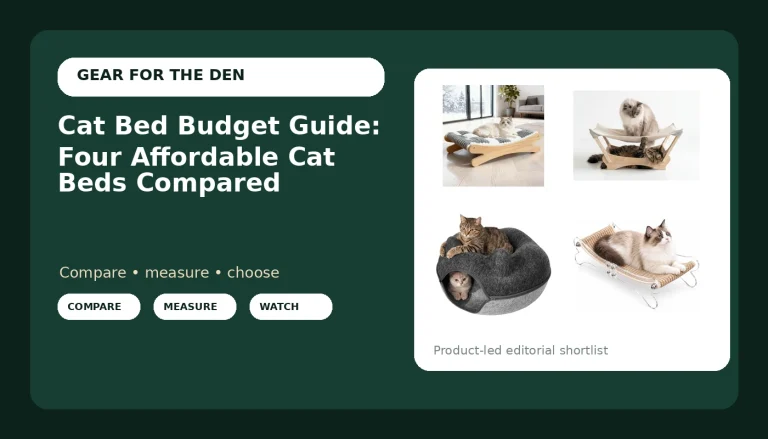
| Avont 3-in-1 Cat Cave Bed for Indoor Cats with Scratch Pad | Cats that burrow and want the most heat retention | Enclosed cave shape with a built-in scratch pad |
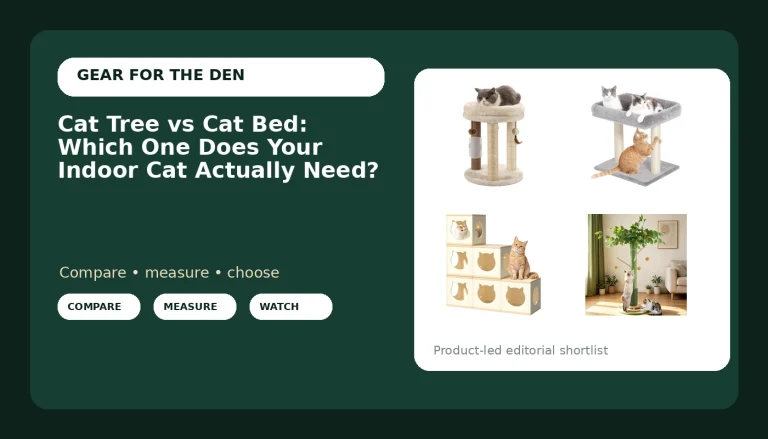
| GreenPetopia Cat Hammock Bed | Cats that like height and airflow | Wooden frame, natural sisal scratching mat, removable soft cushion |
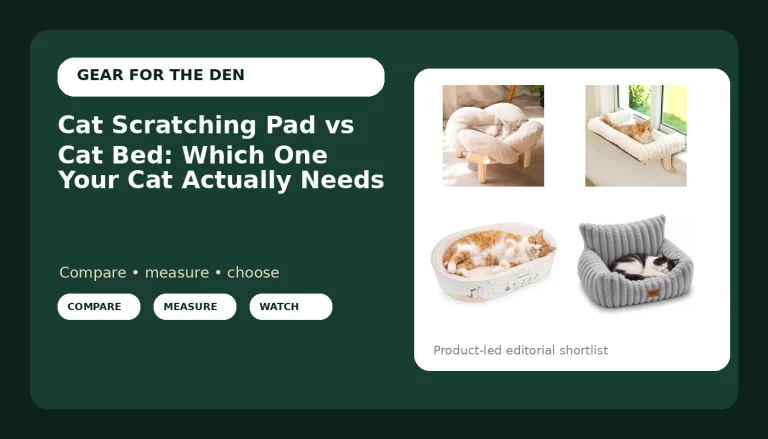
| Takaviz Cat Desk Bed | Cats that sleep beside you while you work | One-click folding design, washable cover, reinforced steel frame |
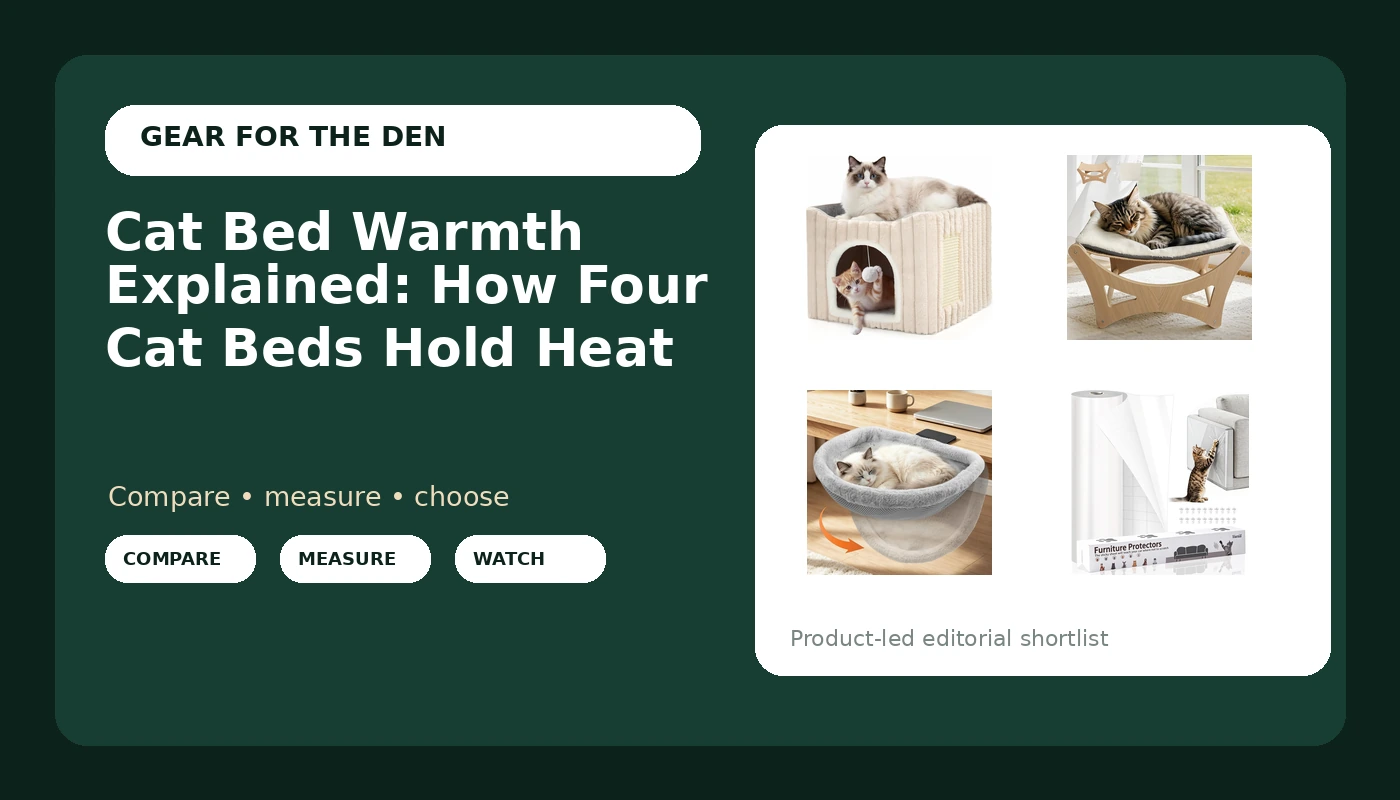
| Vuesill Anti Cat Scratch Furniture Protector | Homes where the cat prefers the sofa to any bed | Clear vinyl tape, 160 in x 12.6 in, single-sided adhesive |
The enclosed warm spot: Avont 3-in-1 Cat Cave Bed for Indoor Cats
A cave bed works like a small tent. The walls cut down air exchange, so the cat's own heat builds up in the pocket around it, and the padding underneath blocks conduction into a cold floor. That is the strongest warmth strategy here, and it is also the one most likely to be rejected. Cats that run hot, cats that like to watch the room, and cats in a warm climate often prefer an open surface. A few practical checks: the cave should sit on a rug or mat rather than bare tile or concrete, the opening should face away from a draft, and the cover should come off for washing, because trapped hair and oil cut airflow and hold odor. If your cat already sleeps under a blanket or inside a box, this shape is the closest match.
The elevated perch: GreenPetopia Cat Hammock Bed
The sleeping surface here is a sling, so hammock fabric and tension matter more than loft. A tightly woven fabric with little stretch gives a stable platform; a loose one sags into a bowl that a cat either loves or avoids. Perch width matters too. Twenty-two inches by 17.7 inches is generous for an average cat and tight for one that sprawls. Because the bed is elevated, the frame is doing structural work, so check the weight limit and how the wooden legs lock together before you trust it with a cat that launches onto it. The sisal mat doubles as a scratching surface, which keeps claws busy in a spot the cat already likes, and the removable cushion means you can swap the insulation without replacing the frame.
The desk-height bed: Takaviz Cat Desk Bed
Cats find desks for the same reasons people do: monitors and laptops throw off a little heat, the surface is often near a window, and the human is right there. A desk bed turns that habit into something that does not end with a cat on your keyboard. The trade-off is stability. A desk-height bed only works if the frame does not shift when the cat jumps up, and if the footprint matches your desk or shelf depth, because a semi-circular bed that overhangs the edge is a bed that ends up on the floor. Check the weight limit against your cat, keep the hinge clean so the one-click fold keeps working, and remember what this is: a cat bed, not a monitor arm. It does not clamp to a screen mount, and it should never be attached to one.
The couch guard: Vuesill Anti Cat Scratch Furniture Protector
If your cat ignores three beds to sleep on the couch, the problem is not insulation. Upholstery holds warmth, it smells like the household, and it is already the spot the cat chose. A protector buys you time while you make a bed more attractive: place the bed on the couch cushion, add a blanket that carries the same smell, and give the cat a warmer option within reach. The adhesive type matters here. Single-sided tape bonds to the surface and leaves the outer face slick, so claws slide instead of catching. On leather and finished wood, test a short strip in a hidden area first and remove it slowly, because a strong adhesive can lift a finish. Measure before you cut, and expect to replace strips as they collect hair.
Prices and availability may change. Product images, names, and retailer links are matched to verified listings. No current price, rating, stock status, or measured result is stated here without current evidence.
How cat bed warmth actually works
Cat bed warmth explained simply: a bed is a heat trap, and every design choice changes how well it traps. Heat leaves a sleeping cat three ways.
Conduction is direct contact. A cat lying on tile loses heat into the floor quickly; a cat on a thick pad loses much less, because foam, fleece, and wool all hold trapped air that resists transfer. That is why the same bed can feel warm on a rug and cold on a bare floor.
Convection is moving air. An open bed lets room air circulate across the coat and carry heat away. A cave or a hooded bed cuts that airflow down to almost nothing, so the pocket around the cat warms up and stays warm. This is the biggest difference between the four products above, and it is a difference in shape rather than in price.
Radiation is the quieter path. A cat radiates heat toward any cooler surface it faces, which is why some beds use a reflective or fleece-lined layer to bounce warmth back.
Most self-warming beds do not generate heat at all. They reflect and trap what the cat produces. If a room is genuinely cold, no bed fixes that.
Search phrasing around this topic is messy. Queries such as cat bed wmonitor armth and cat bed wmonitor mountth turn up alongside plain questions about warmth, and a stray monitor arm search lands here because the words overlap. Strip out the typos and the mismatched terms and the question underneath is always the same: how much heat does a bed hold, and does it hold too much?
What to check before you buy
- Measure the sleeping cat, not the bed you like. A curled cat needs less perch width than a sprawled one, and a bed that is too small gets abandoned faster than a bed that is slightly cool.
- Decide whether your cat wants to be enclosed or exposed. If it already sleeps under a blanket or inside a box, choose a cave. If it sleeps on a couch back or a windowsill, choose an open or elevated surface.
- Match platform height to the room. Floor-level beds sit in the coldest air and pick up the most conduction. Desk-height and window-height beds sit in warmer, stiller air, but they need a stable base.
- Read the structural specs before you trust the frame: weight limit, anchor type, post diameter, and hammock fabric tension all decide whether the bed stays put when a cat jumps onto it.
- Plan for washing. Removable covers, wipeable tape, and washable cushions decide whether the bed stays pleasant months from now, because trapped hair and oil reduce both loft and airflow.
Getting a warm bed used in a real room
- Put the new bed where the cat already sleeps, at least at first. Location beats insulation in the first week.
- Warm the floor before blaming the bed. A rug under a cave bed changes conduction more than a thicker cushion does.
- Offer two temperatures, not two of the same thing: one enclosed option and one open option give the cat a choice.
- Watch for overheating. A cat that leaves a bed after ten minutes may be too warm rather than unhappy with it.
- If the bed travels, compare its folded footprint against your carrier size before you pack it.
Which option should you choose?
Choose the Avont 3-in-1 Cat Cave Bed for Indoor Cats with Scratch Pad when your cat burrows under blankets and the room runs cool. Choose the GreenPetopia Cat Hammock Bed when your cat wants height, a view, and a scratching surface in one piece. Choose the Takaviz Cat Desk Bed when your cat sleeps on your keyboard and you would rather have it beside you. Choose the Vuesill Anti Cat Scratch Furniture Protector when the cat's real bed is the sofa and you need to protect the fabric while you redirect it.
None of these beds adds heat on its own, and none of them fixes a cold room. Warmth preference also varies by cat, by age, and by coat, and a senior cat with thin fur may want more insulation than a young cat with a dense double coat. Treat the shape and the material as the decision, and treat the brand as secondary.
The bottom line
Cat bed warmth is a matching problem rather than a specification race. Enclosed shapes trap the most body heat, elevated and hammock designs trade retention for airflow and a view, and a flat surface on a cold floor holds the least. Start with the spot your cat already chooses, pick the shape that fits that spot, and check the frame, the cover, and the washing routine before you buy. If the cat keeps returning to the sofa, protect the sofa and put a warmer option beside it instead of fighting the habit. The four products above cover the main strategies, and the right one is the one your cat actually uses.