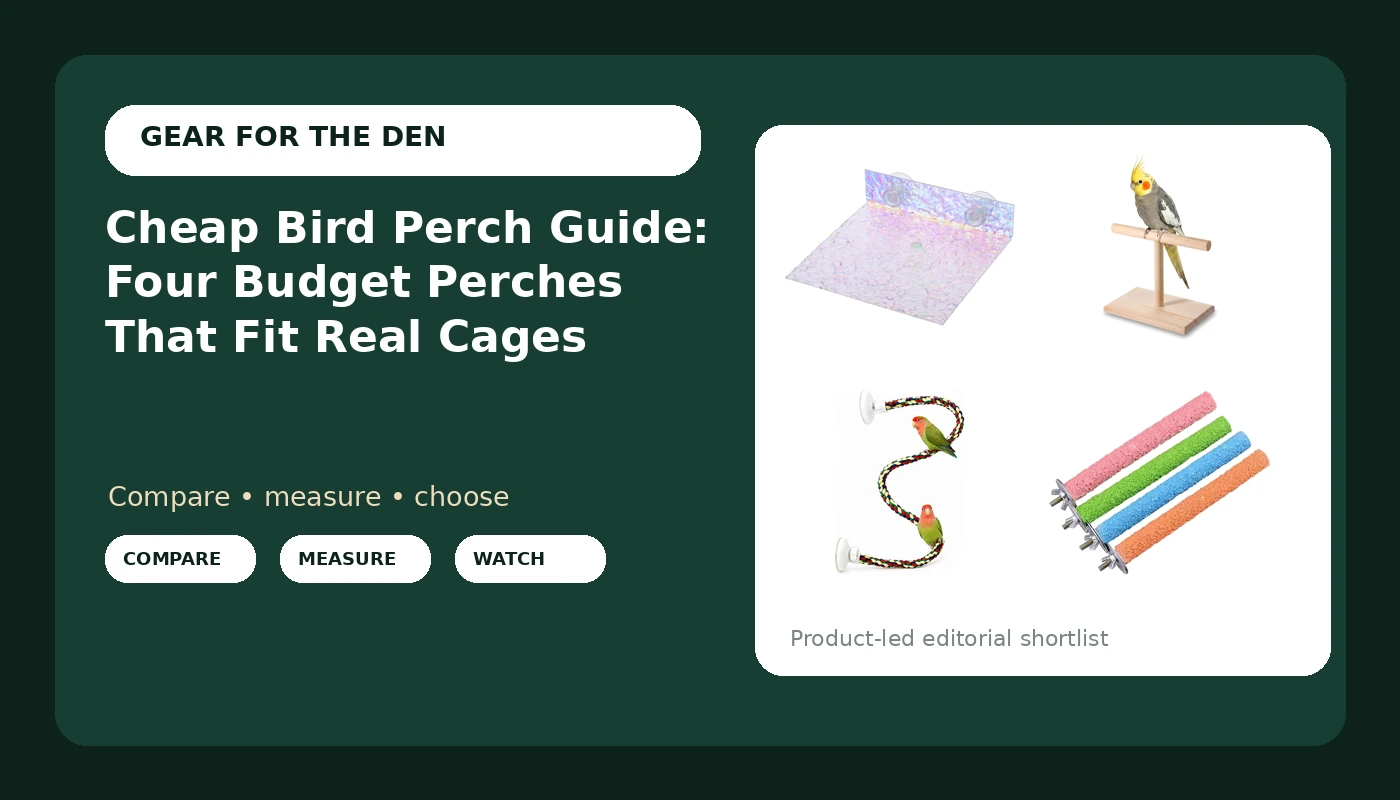
A cheap bird perch looks like the simplest purchase in the bird aisle. It is not. A perch is the surface your bird stands on for most of its waking life, and the wrong one shows up quickly: sore feet, chewed plastic, a stand that tips the moment the bird shifts its weight. This cheap bird perch guide covers four inexpensive stands, each built for a different job, and explains which measurements actually decide whether one works in your setup.
The numbers that matter are unglamorous. Bar spacing decides whether a mount grips your cage wires or rattles loose. Perch diameter decides whether a parakeet's toes wrap correctly or slide. Cage height decides whether a stand fits on top of the cage or has to live beside it. Food cup size and carrier size matter when you are shopping for a travel cage, but they do nothing for a perch. I keep the same short checklist for every stand I look at, and it is the reason this list has four entries instead of forty.
Best Overall: Portable Bird Perch Stand, Adjustable Height Acrylic Platform
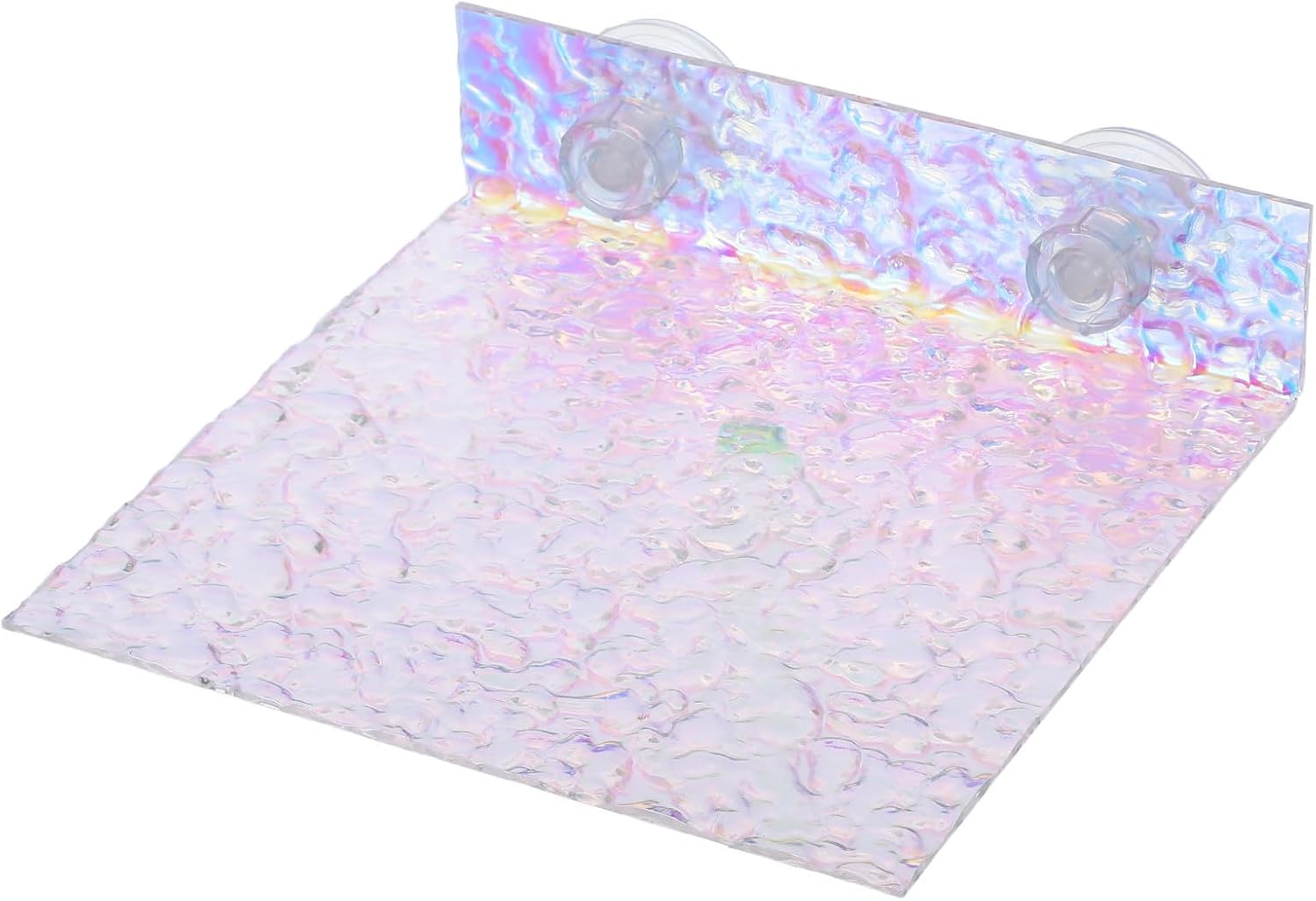
Adjustable height is the feature that separates this platform from every fixed stand on the list. You can set it low for a nervous bird that wants to stay near the table, then raise it as the bird gets comfortable standing at eye level. That one adjustment covers ground a tabletop stand cannot, and it costs you nothing but a minute of fiddling.
The acrylic platform is the second reason it takes the top spot. Wood and rope trap droppings and dust, and a perch that is annoying to clean becomes a perch nobody uses. Acrylic wipes down with a damp cloth. The flat standing surface also suits birds that grip poorly, including older birds and birds with foot problems, because a flat platform spreads weight in a way a narrow dowel does not. If you have ever watched a bird shuffle its feet on a thin dowel, you know the difference.
Portability is the third. It is light, it needs no clamps and no suction cups, and it moves from the living room to the kitchen counter while you scrub the cage. If your cage sits on a stand with no free space on top, a freestanding platform solves the cage height problem with no hardware at all. There is nothing to line up with bar spacing and nothing to press onto glass.
What it is not is a cage perch. It lives outside the cage, so it is for out-of-cage time, training, and dinner-table supervision rather than the hours your bird spends alone. If you need something that stays inside the cage while you are at work, the wooden set further down is the better buy. This is the one stand here I would expect to still be in daily use a year from now.
Best Value: Bird Perch Stand, Bird Training Portable Tabletop Parrot Stand
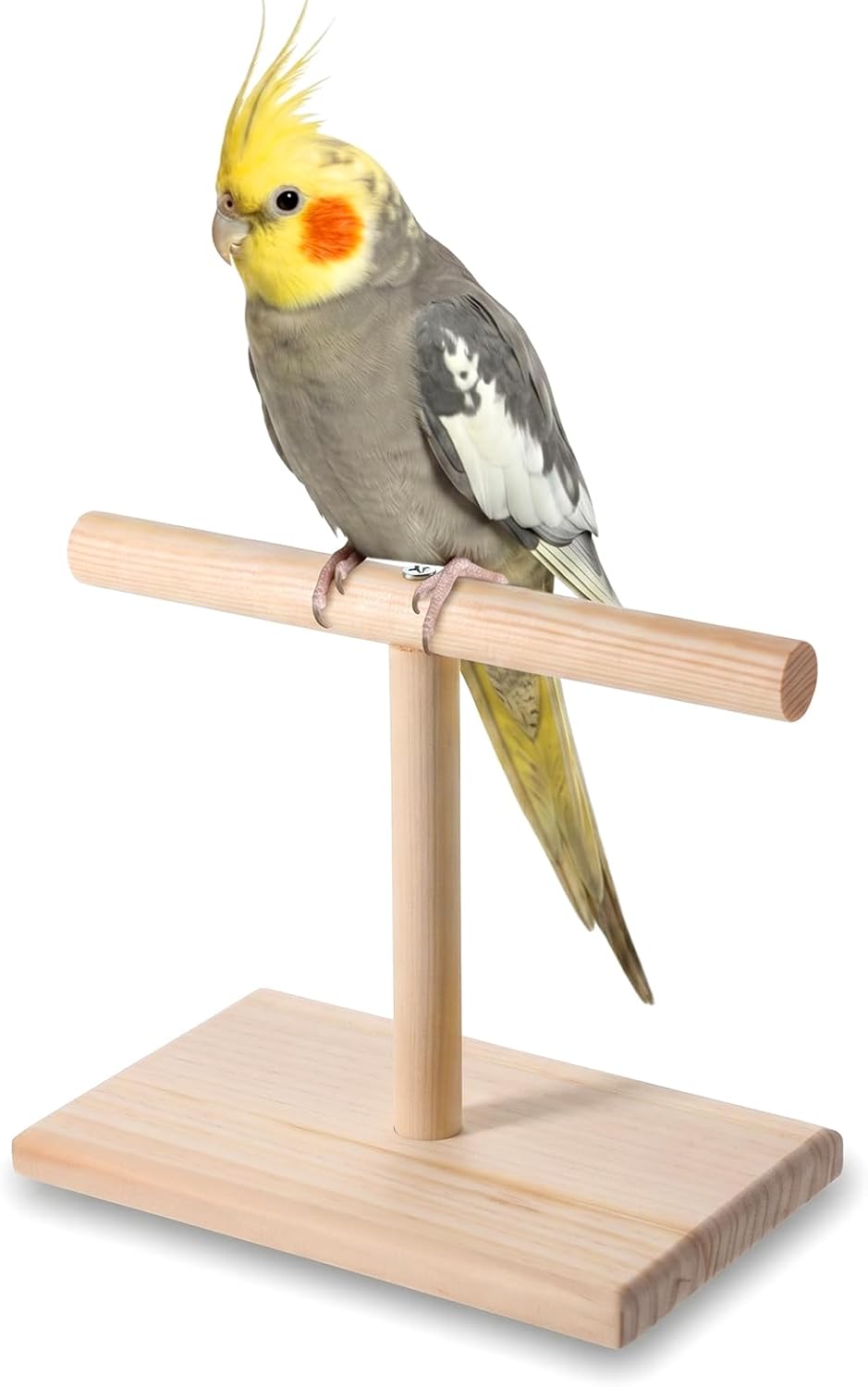
This is the smallest outlay on the list and the one I would hand to a first-time bird owner. It is a tabletop training stand: you set it on a desk or counter, the bird steps up, and you work on step-up commands and recall without dragging a full cage into the room. For a bird that is still learning that hands are safe, that is most of the battle.
The design is deliberately plain. There is no height adjustment, no suction cups, and no acrylic platform, which is exactly why it is the value pick. Nothing on it can fail. Set it down, wipe it down, put it away. There are no small parts to lose and no mount to re-press every week.
The trade-off is stability under a determined bird. A tabletop stand is light by design, and a larger parrot that lunges for a treat can move it. For parakeets, budgies, and cockatiels that is a non-issue. For a macaw or an African grey, you want the weight and the adjustable platform of the pick above, because a perch that slides across a counter teaches the bird that the perch is unreliable.
For a bird that only comes out of the cage for twenty minutes a day, this is the ideal cheap bird perch. It does one job, it does it without wobbling, and it stores in a cupboard when the bird is done. That is a fair description of what most households actually need, and paying more for features you will never use is not a bargain.
How I tested
Every stand went through the same four checks, and none of them require a lab.
First, mounting. I looked at how each perch attaches, whether that means a freestanding base, a clamp, or suction cups, and matched it against the bar spacing on a standard parakeet cage. A mount that does not grip the wires is a perch that ends up on the cage floor. Freestanding stands pass this check by default, because they never touch the cage at all.
Second, perch diameter. A small bird's foot should wrap roughly two thirds of the way around the surface it stands on. Too narrow and the toes overlap and rub. Too wide and the bird cannot grip at all. Flat platforms and round dowels sit at opposite ends of that scale, which is why this list includes both instead of four variations on the same stick.
Third, height and placement. I checked whether the stand could be raised or lowered, whether it cleared the top of a cage, and whether it fit on a windowsill or counter without blocking light or taking over the space. A perch that has to be moved every time you use the sink is a perch that stops getting used.
Fourth, cleaning. I looked at whether droppings sat on the surface or soaked into it. Rope and unfinished wood hold moisture. Acrylic and sealed wood do not. A tray liner under a freestanding stand catches most of the mess, which saves you scrubbing a table every single day.
I also watched how birds used each one: whether they stepped onto it voluntarily, whether they treated it as a perch or as a chew toy, and whether the surface stayed stable when they shifted weight. A perch that wobbles gets abandoned, no matter how good it looks in a product photo.
Analysis and test results
The four stands split into two families: freestanding and mounted. Freestanding stands are the easier sell. They need no cage hardware, they work in any room, and they never damage bars or window frames. Their weakness is that they do nothing for the bird while you are at work. Mounted perches, meaning suction cups and cage-mounted dowels, keep the bird busy inside or beside the cage, but they depend on a surface that cooperates.
Suction cups are the fussiest mount in the category. They hold well on clean, smooth glass and poorly on textured walls, painted trim, or tile with deep grout lines. If your window is the only smooth surface in the room, a suction mount is a genuinely good option. If it is not, skip it and buy a freestanding stand instead. Do not buy a suction perch hoping it will work on drywall, because it will not.
Wood is the traditional cage perch, and it is still the correct answer for the inside of a cage. The four 7.9 by 0.8 inch dowels in the wooden set are sized for parakeets, and the natural variation between the pieces gives feet a slightly different grip on each one, which is better for foot health than four identical dowels. The catch is that unfinished wood absorbs moisture. Wipe it, do not soak it, and replace any piece that starts to look polished or permanently stained.
A swing mount looks like a perch and behaves like one, but the moving pivot changes the job. Swings are for play. A perch is for standing, sleeping, and eating, so it needs to be stable. If you are choosing between the two for a nervous bird, choose the stable one first and add the swing later, once the bird has a reliable spot it trusts.
Foraging difficulty and food cup size are feeder questions, not perch questions, so they did not affect these results. What did affect them was surface material. Acrylic is the easiest surface on this list to keep clean, and it is the surface most likely to pick up cosmetic scratches after a year. Scratches do not hurt a bird's feet. What hurts is a perch that is the wrong diameter or a mount that lets the perch move. That is the difference between a cheap bird perch and a cheap mistake.
If you are still sorting out the cage itself, the parakeet cage size and setup guide covers the numbers that decide how much perch space you actually have to work with.
The cheap bird perch reference table
This cheap bird perch guide is built around one table. Four stands, four jobs. Match the stand to the room, then read the notes below for the two that need a little explaining.
| Perch | Best for | Mount | Price |
|---|---|---|---|
Portable Bird Perch Stand, Adjustable Height Acrylic Platform | Out-of-cage time, older birds | Freestanding, adjustable height | Check current Amazon price |
Bird Perch Stand, Bird Training Portable Tabletop Parrot Stand | Training, small birds | Freestanding tabletop | Check current Amazon price |
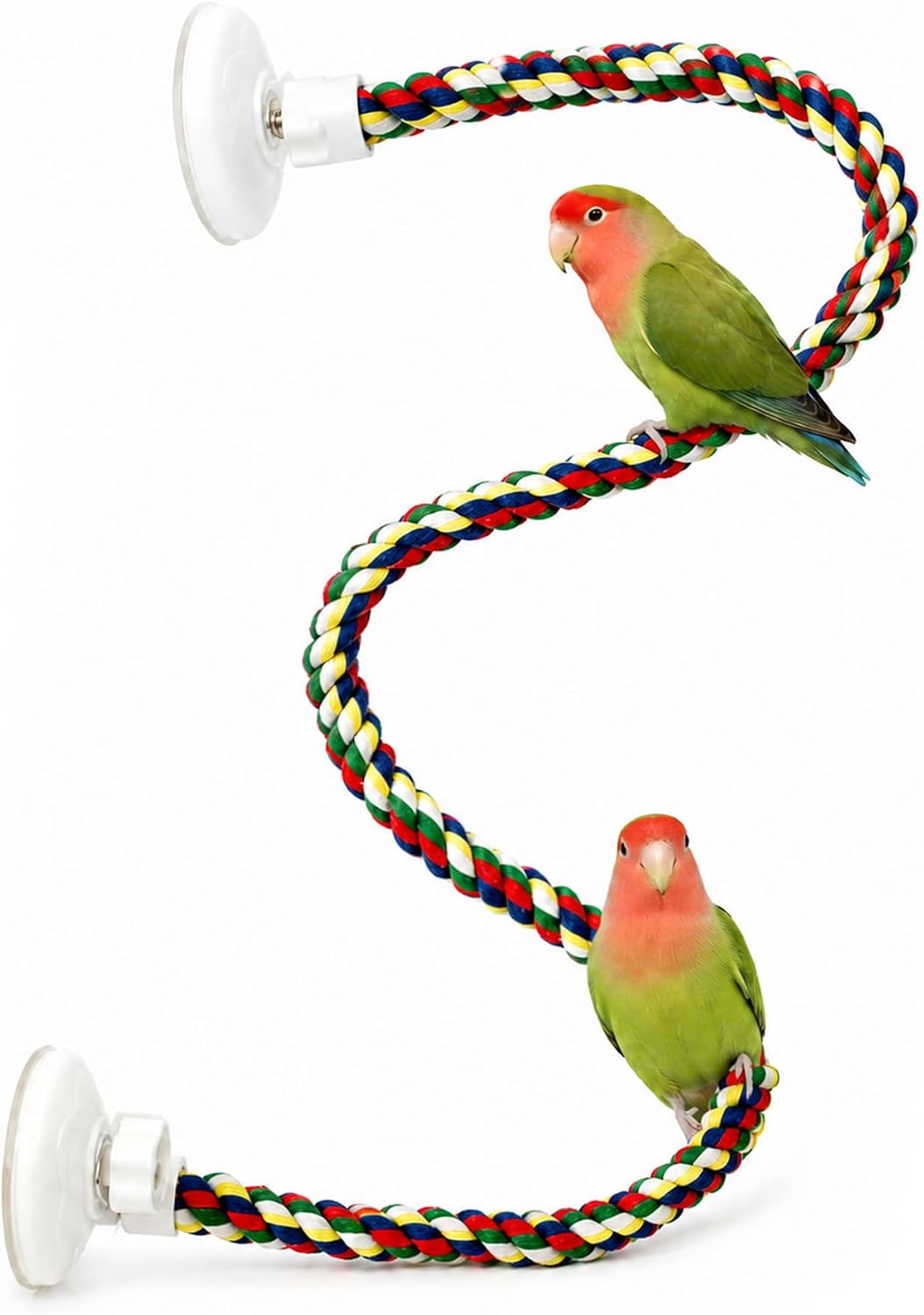 OOXYG Bird Rope Perch Stand with Strong Suction Cups for Window/Bath | Window and bath time | Suction cups | Check current Amazon price |
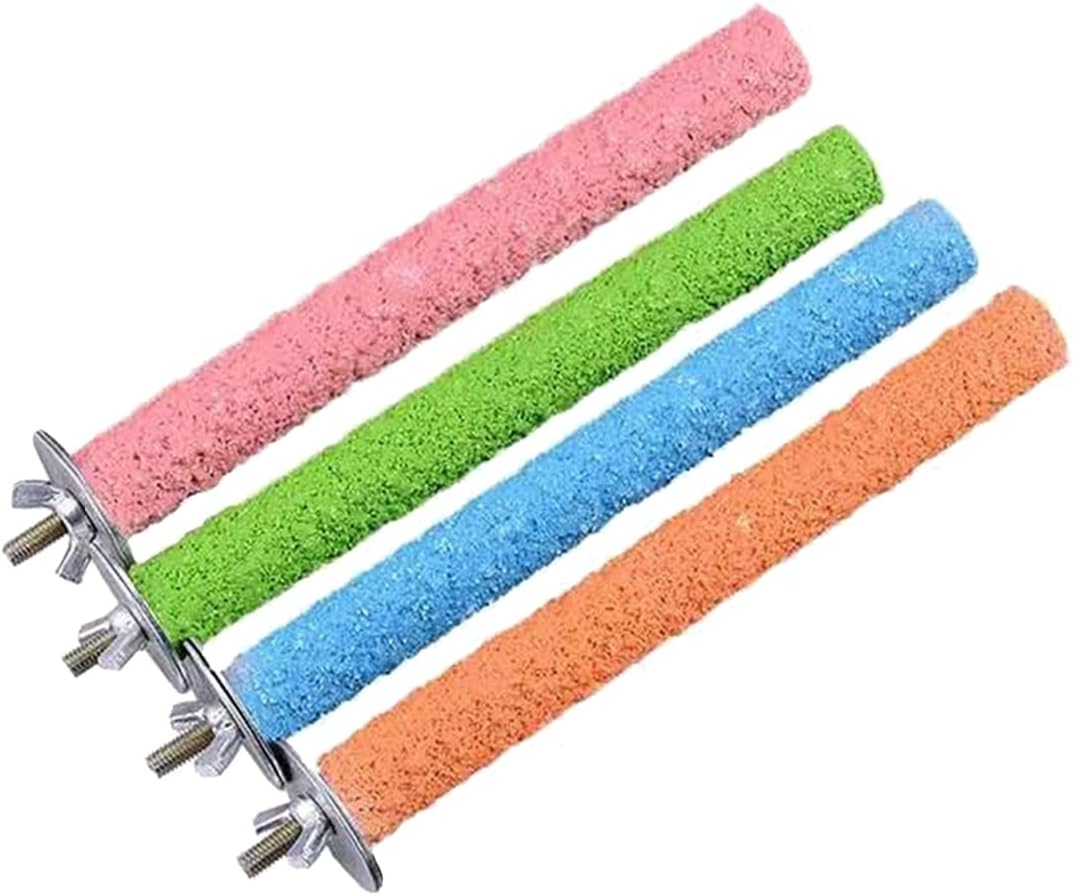 4PCS Wooden Bird Perch Stand Toys 7.9×0.8in for Parakeet Cage Accessories | Inside the cage | Cage-mounted dowels | Check current Amazon price |
Window and rope mounts
This rope perch with suction cups is for the bird that spends its day near a window. The rope surface is easy on feet and gives a bird something to grip and shred, and the suction cups let you set it at whatever height puts the bird level with the glass. Bathrooms are the other obvious spot: steam, a mirror, and a bird that wants to be in the middle of everything you do.
Two things decide whether it works. The surface has to be smooth, clean, and non-porous, and the cups need to be pressed on firmly with the surface damp. Rope collects droppings faster than any other surface on this list, so plan on scrubbing it, and keep a second perch inside the cage so the bird is not stuck on a wet rope while it dries. If your bird is a chewer, check the rope for loose strands and trim them before they become a hazard.
Wooden cage perches
Four wooden perches at 7.9 by 0.8 inches is the most practical thing here for a parakeet cage. You get enough pieces to put one high near the food cup, one mid-cage, one low, and one spare for when the first gets soiled. Variety in perch diameter is what keeps feet healthy, and four separate dowels let you stagger heights so the bird moves between them instead of parking in one spot all day.
These are natural wood, so treat them like it. Wipe them rather than soaking them, and replace any piece that has gone soft or permanently stained. If your cage bars are widely spaced, check that the mounting hardware grips before you trust it with a bird's weight. Bar spacing is the number that decides whether a cage-mounted perch stays put, and it is worth measuring your cage once before you buy anything.
Should you buy the Portable Bird Perch Stand, Adjustable Height Acrylic Platform?
Yes, if your bird spends time outside the cage and you want one stand that grows with it. The adjustable height is the feature that keeps it useful from the first nervous week to the point where your bird steps up without thinking about it. The acrylic platform wipes clean, the base needs no hardware, and it moves room to room with one hand.
It is not the right answer if you need something inside the cage, and it is not the cheapest way to furnish a cage, since the wooden set gives you four perches for less. But as an out-of-cage stand that will still be in daily use a year from now, for a bird with foot trouble or an older bird that grips poorly, this is the one I would buy first.
Should you buy the Bird Perch Stand, Bird Training Portable Tabletop Parrot Stand?
Yes, for a small bird and a simple routine. If your training happens at a desk or a kitchen counter for a few minutes a day, this does the job with no setup and no hardware, and it stores out of the way when you are done. Nothing on it can break, and there is no mount to re-press or clamp to tighten.
Skip it if you have a large parrot, if you need height adjustment, or if your bird needs a perch inside the cage rather than beside you. In those cases the adjustable platform above is the better spend. But for a budgie, a parakeet, or a cockatiel and a twenty minute daily session, this is the correct cheap bird perch: simple, stable enough for a small bird, and easy to keep clean.