Every new freshwater keeper runs into the same fork in the road, and it usually arrives as a typed search query: aquarium filter vs aquarium substrate, which one do I actually need before the fish go in? I have helped enough people set up small tanks to know the honest answer is that the question is framed badly, but it is framed badly for a good reason. Both items do biological work, both eat a real chunk of a starter budget, and both get sold to beginners as the one thing you cannot skip.
Here is what the fork actually is. A filter moves water and hosts the bacteria that process waste. Substrate sits still, hosts a different slice of that same bacteria, gives plants something to root into, and sets the visual tone of the entire tank. One is plumbing, one is landscape, and the two budgets compete directly for the same dollars in your cart.
This guide is written for someone standing in an aisle or staring at a cart, deciding where the first the quoted price to the quoted price goes. I am not going to pretend one article settles it for a 75-gallon community tank with a sump. For a 10 or 20 gallon starter setup, though, the math is clear enough to act on.
For most small freshwater tanks, buy the filter side first. A tank that ships with a working pump beats a prettier bare tank with no flow, because you can add substrate in an afternoon but you cannot skip the nitrogen cycle.
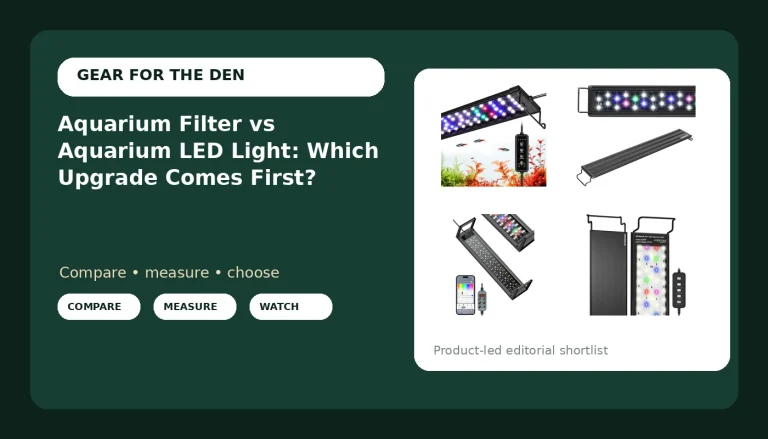
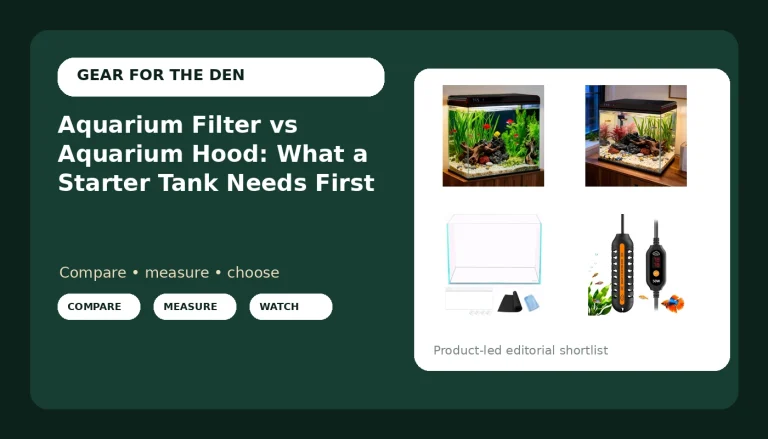
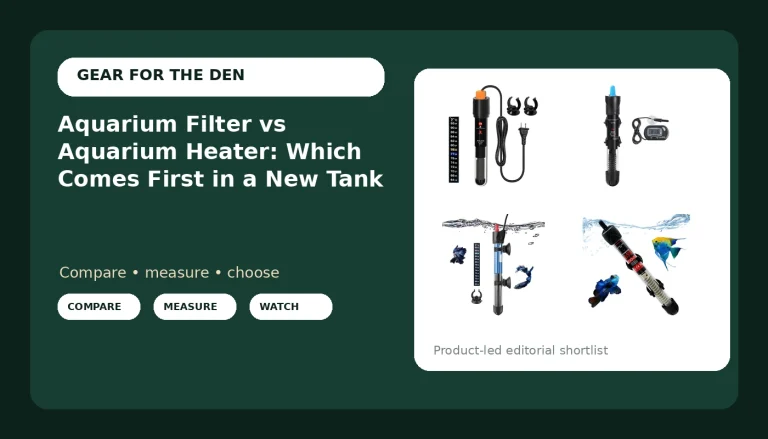
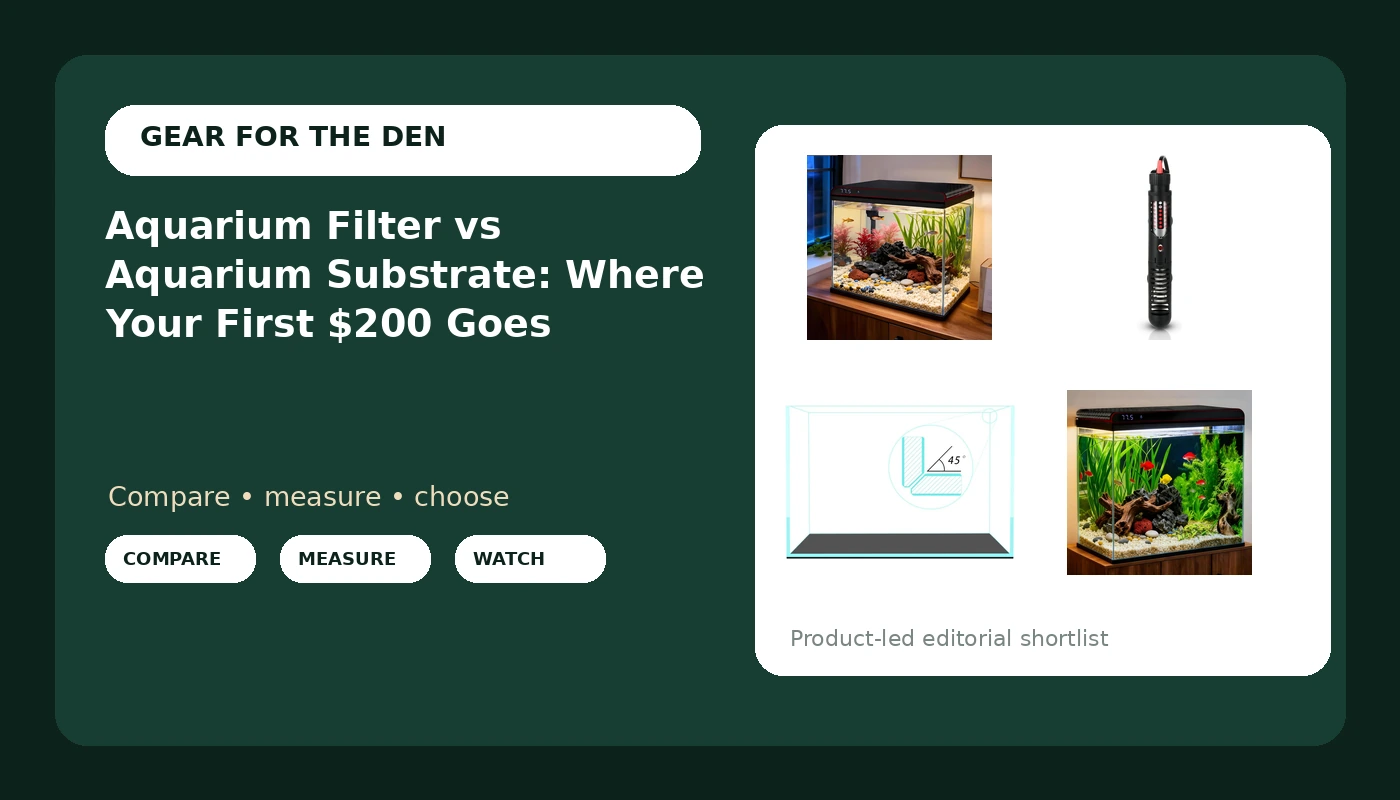
Four products below show the spread: two starter kits that bundle a quiet filter pump, one rimless bare tank built to show off whatever grain you choose, and one heater that belongs to neither camp but keeps appearing on beginner lists anyway.
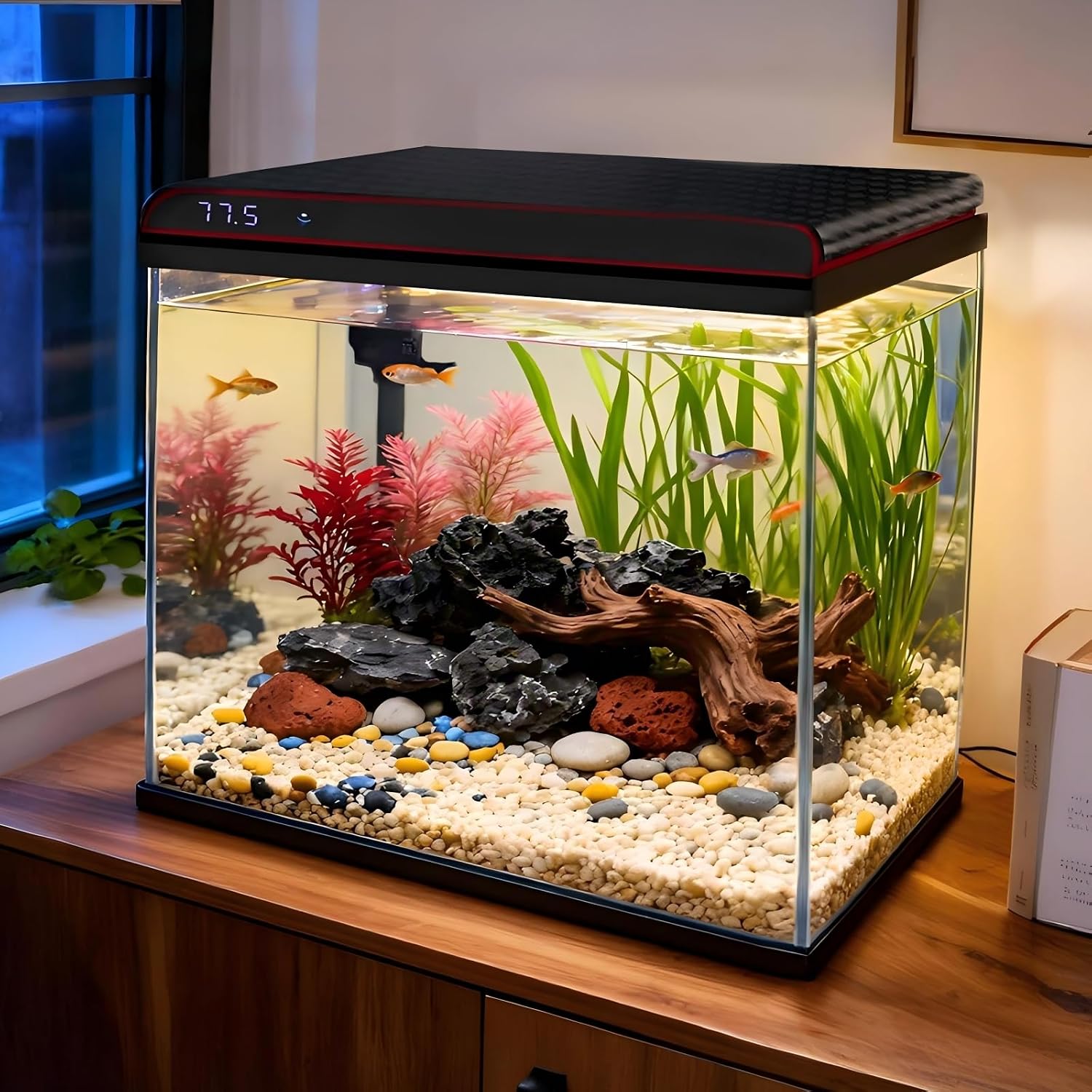
Coospider 10 Gallon Glass Fish Tank Starter Kit
Covers the filtration side out of the box with a quiet filter pump, 3-color LED lights, and temperature monitoring
Smallest tank volume here, and the bundled pump is a single filtration stage you cannot expand much
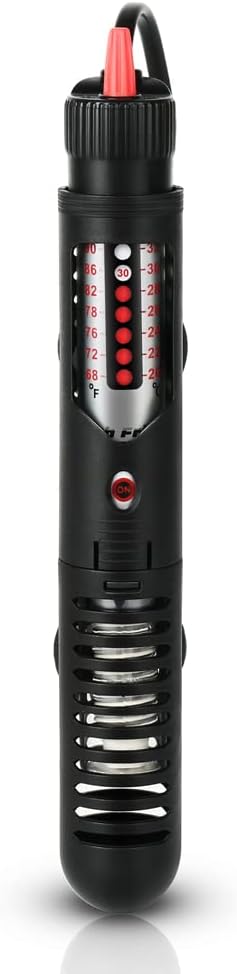
DaToo Submersible 50W Aquarium Heater
Cheapest way to hold a stable thermostat range in a small tank, and it is adjustable
It is neither filter nor substrate, so it answers nothing on its own, and 50W only suits small water volume
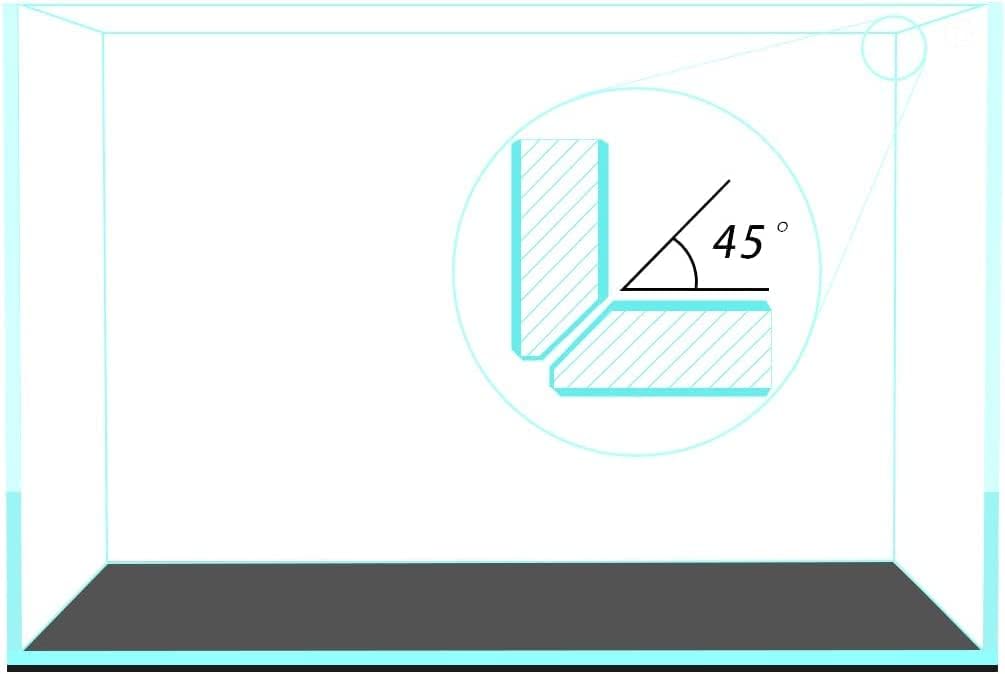
FZONE 10Gal Rimless Aquarium, Low Iron Glass, 45° Mitered Edges (S45-W30)
Low iron glass and 45° mitered edges make substrate the visual star of the setup
Bare tank: no pump, no light, no lid, so every filtration stage becomes an extra purchase
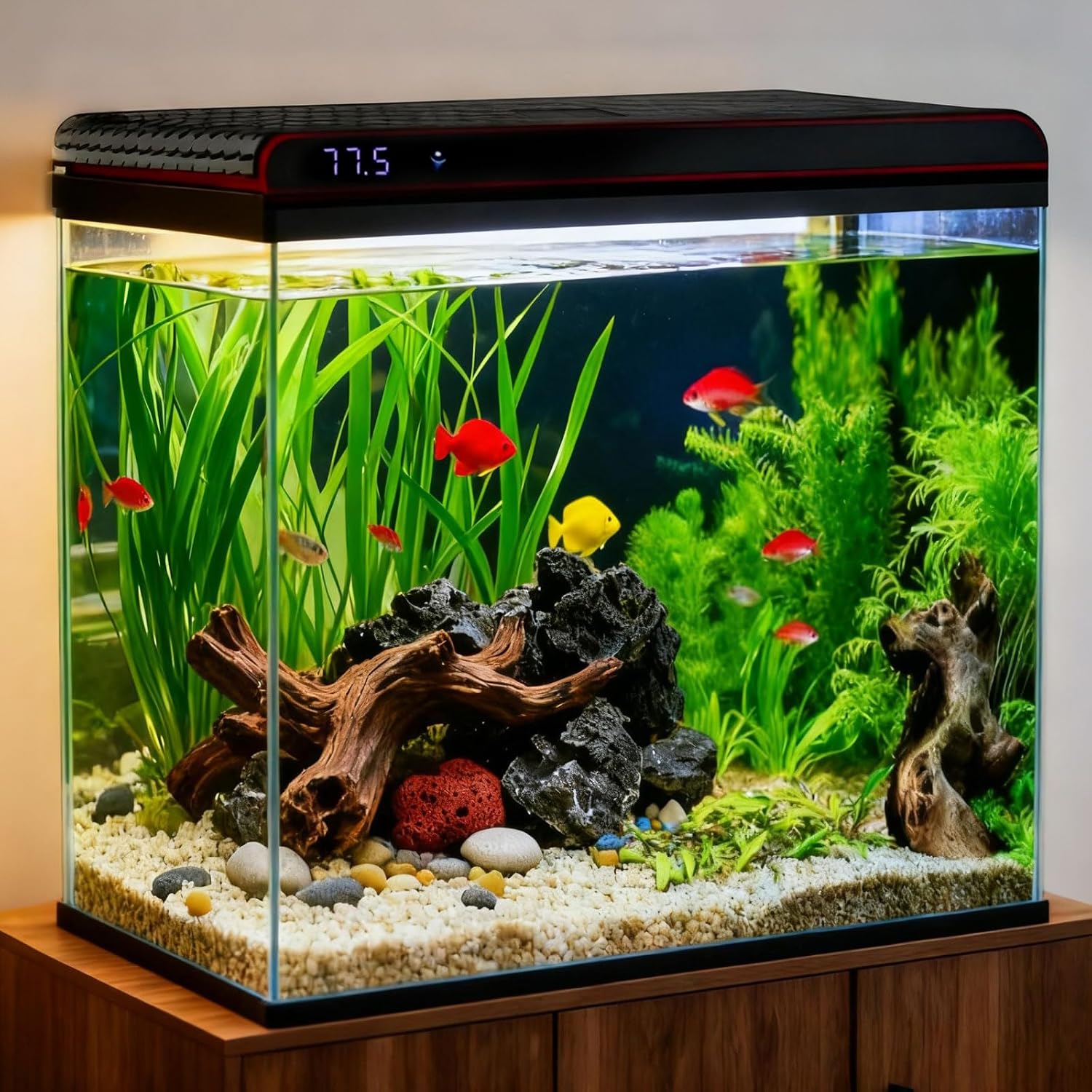
Coospider 20 Gallon Glass Fish Tank Starter Kit
Bigger tank volume, plus the same quiet filter pump, 3-color LED, and temperature monitoring
Costs the most of the four, and the pump's gallons per hour rating is fixed
Prices and availability may change.
What aquarium filter vs aquarium substrate really decides
The difference between aquarium filter and aquarium substrate is not a difference in importance. It is a difference in what fails first when you get it wrong. Get the filter wrong and you are looking at ammonia, cloudy water, and dead fish inside two weeks. Get the substrate wrong and you get a tank that is annoying to clean, plants that refuse to root, or a look you tire of in a month. One failure is a crisis. The other is a nuisance. That asymmetry is the whole argument for spending on flow before you spend on grain.
There is a second layer too, and it is the one hobbyists argue about. Substrate is not just decoration. A porous gravel or a fine sand bed adds meaningful surface area for the same nitrifying bacteria your filter is cultivating. In a heavily planted tank, the substrate is doing real biological work, sometimes more than the filter sponge is. So the two are partners, not rivals, and the practical question is only about order of purchase.
The filter side: what a pump is actually doing
A filter is not one job. It is at least three, and the names matter when you compare listings.
Mechanical filtration traps floating particles in a sponge, floss, or pad. Biological filtration hosts the bacteria that convert ammonia into nitrite and then into nitrate. Chemical filtration, usually carbon or a resin, pulls color and odor out of the water. Most small hang-on-back and internal pumps run the first two, and some squeeze in the third with a cartridge slot. When a starter kit says it includes a quiet filter pump, it is telling you the first filtration stage is handled and you do not have to shop for it.
Flow rate is the number that separates a filter that works from one that just hums. The common rule of thumb for freshwater is to turn the tank over roughly four to six times per hour, which is where gallons per hour ratings earn their place on the box. A 10 gallon tank wants something in the neighborhood of 40 to 60 gallons per hour of real movement, and a 20 gallon tank wants roughly double that. Manufacturers rate pumps at the outlet with no media and no lift, so treat the printed number as a ceiling rather than a promise.
The other thing a filter buys you is a place to put bacteria that you can clean without disturbing the substrate. That is the quiet advantage. When you vacuum gravel, you are disturbing the bed where a chunk of your bacteria lives. When you rinse a sponge in tank water, you are maintaining a separate colony. Two homes for the same bacteria is redundancy, and redundancy is what keeps a tank from crashing when you make a mistake.
The substrate side: grain, roots, and a kelvin rating you forgot
Substrate grain is the spec nobody reads and everybody notices. Fine sand looks clean and lets waste sit on top where you can siphon it. Medium gravel hides debris in the gaps, which is fine if you vacuum regularly and a problem if you do not. Coarse gravel is easy to clean but rough on bottom dwellers and nearly useless for rooting plants.
Then there is chemistry. Inert gravel and sand do nothing to your water, which is what most beginners want. Buffering substrates raise hardness and pH, which is right for some species and wrong for others. If you are not sure, inert is the safe default.
One more thing beginners get tangled up in: the kelvin rating. That belongs to the light, not the bed, and it decides how plants grow and how the tank reads to your eye. The Coospider kits ship with 3-color LED lights, which gives you a warm, cool, and blended look without buying a separate fixture. On the FZONE rimless tank you supply your own light, and a low iron glass box with 45° mitered edges will show every color choice you make with no green tint hiding the mistakes.
Where these four products land
Coospider 10 Gallon Glass Fish Tank Starter Kit. This is the filter-first answer in its purest form. The kit arrives with a quiet filter pump, 3-color LED lighting, temperature monitoring, and the self-cleaning feature the listing describes, so the filtration side of your ledger is closed before you buy a bag of gravel. The catch is tank volume. Ten gallons is a genuinely good starter size for a betta, a small group of shrimp, or a few nano fish, and it is not enough for much beyond that. Visit on Amazon.
DaToo Submersible 50W Aquarium Heater. Nobody asks whether a heater is a filter or a substrate, and yet it shows up on every beginner list because a stable thermostat range matters more than either purchase in a cold room. This one is adjustable and submersible, and the 50 watt rating suits small tanks. It does not answer the filter-or-substrate question, and it is not trying to. Visit on Amazon.
FZONE 10Gal Rimless Aquarium. Low iron glass and 45° mitered edges are the reason this tank exists. If your priority is the planted look, this is the box that gets out of the way and lets substrate grain and plant color carry the scene. It is also a bare tank. No pump, no light, no lid, no heater. You are buying the display and assembling the filtration yourself, which means the filter side of the budget comes back in a second purchase. Visit on Amazon.
Coospider 20 Gallon Glass Fish Tank Starter Kit. The larger sibling covers the same ground with more tank volume, which matters for water stability. A bigger body of water swings less when something goes wrong, and 20 gallons opens up more stocking options than a 10. The trade is cost and a fixed pump. You are paying the most of these four and you are still getting one filtration stage. Visit on Amazon.
Tank volume, wattage, and the numbers worth checking
Before you commit to either side of this argument, run four numbers.
Tank volume decides how much everything else costs. A 20 gallon needs more substrate by weight, a bigger filter, and a heater with more wattage than a 10 gallon does. Buy the tank first and let it dictate the rest.
Flow rate is where a filter earns its price. Compare gallons per hour against tank volume and be skeptical of the printed figure.
Wattage matters for heating, and this is where the DaToo 50W fits: it suits small tanks, not a 40 gallon breeder. If you are heating a bigger volume, you need a bigger heater, and a single small one will run constantly and never quite catch up.
Thermostat range is the spec that separates a usable heater from a risky one. An adjustable dial lets you hold a steady temperature instead of chasing it.
The trade-offs I would accept
I would accept a starter kit with one filtration stage in a 10 gallon tank. The pump is sized for the volume, the light is included, and you can add a small sponge filter later for a second bacterial home without much cost.
I would accept the FZONE rimless tank if the display is the point. A low iron box with mitered edges is a genuine upgrade in how a tank looks, and if you are going to build the filtration yourself anyway, buying the glass first is not irrational. Just budget the pump, light, and heater in the same month you buy the glass, or you will have an empty box on a stand for a while.
I would not accept skipping substrate entirely to spend everything on filtration. A bare-bottom tank is a legitimate choice for a quarantine or a breeder setup, and it is a bleak choice for a living room display. Plants need a bed, and most keepers want one.
Should you buy the filter or the substrate first?
Framing the decision as aquarium filter or aquarium substrate forces a choice the hobby does not require. You need both. The real question is which one you buy this week and which one you buy next week, and that comes down to whether the tank you picked includes a pump.
If you buy a kit, the filter question is already answered, and your next purchase is substrate, plants, and a heater. If you buy a rimless bare tank, you have chosen the substrate side by default and now owe the tank a filter, a light, and a lid. Neither path is wrong. One just front-loads the plumbing and the other front-loads the look.
If you are still searching aquarium substrate vs aquarium filter, flip the order in your head and notice that it changes nothing about the products. The comparison is the same either way, because the two items are complements, not substitutes.
What to watch next
The aquarium filter vs aquarium substrate question keeps coming back because beginners keep getting sold single items instead of systems. The most useful thing you can do is decide your tank volume first, then let that number set your filter's flow rate, your heater's wattage, and your substrate's total weight.
For most people reading this, the Coospider 10 gallon kit is the low-risk starting point, the 20 gallon version is the upgrade if you have the counter space, and the FZONE rimless is the pick for someone who already knows they want a planted display and is happy to assemble the rest. The DaToo heater belongs in the cart either way if the room runs cool. Whichever route you take, close the filtration side of the budget before you fall in love with a bag of gravel, and your first month of fishkeeping will be a lot less eventful.