Every dog sheds, and almost every owner eventually wonders whether the pile of hair on the floor is normal. The dog coat shedding cycle explained in plain terms comes down to hair follicles moving through growth, rest, and release stages at different times across the body, which is why shedding never fully stops and why it spikes at predictable points in the year. Most of the questions people ask, whether a shampoo can slow shedding down, whether brushing more often helps, whether a thin patch means trouble, come back to that cycle. Once you understand how it works, the bottles in the skin and coat aisle stop looking like a lottery and start looking like tools with specific jobs.
Quick answer
Shedding is the visible end of a cycle in which each hair grows, pauses, rests, and then falls out to be replaced. Most dogs run a low level of shedding all year plus one or two heavier seasonal sheds, and changing daylight length is the main trigger rather than a date on a calendar. No shampoo stops a dog coat shedding cycle, because the cycle is normal biology, not a defect. What coat products can do is loosen and rinse away dead hair faster, calm the itching and flaking that often come with a heavy shed, and condition the coat that stays so it tangles less. Shedding paired with bald patches, crusting, or scratching that breaks skin is a veterinary question, not a grooming one.
4 useful options
| Model | Best fit | What stands out |
|---|---|---|
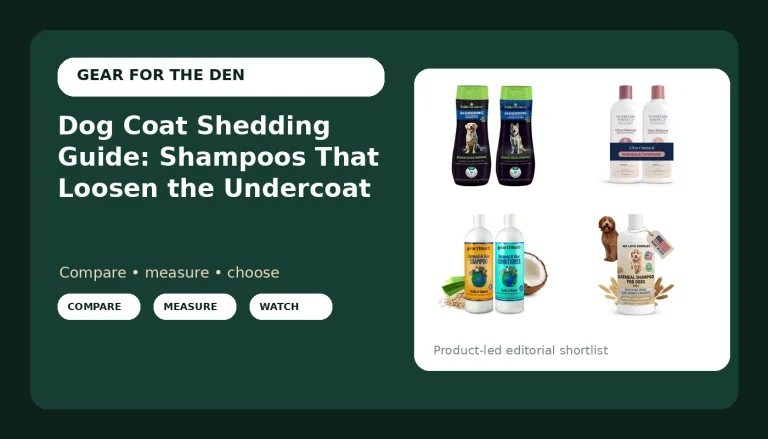
| Furminator® Deshedding Ultra Premium Shampoo & Conditioner Bundle. 16oz. | Dogs in a seasonal blowout | Shampoo and conditioner sold as one 16oz bundle, positioned around deshedding |
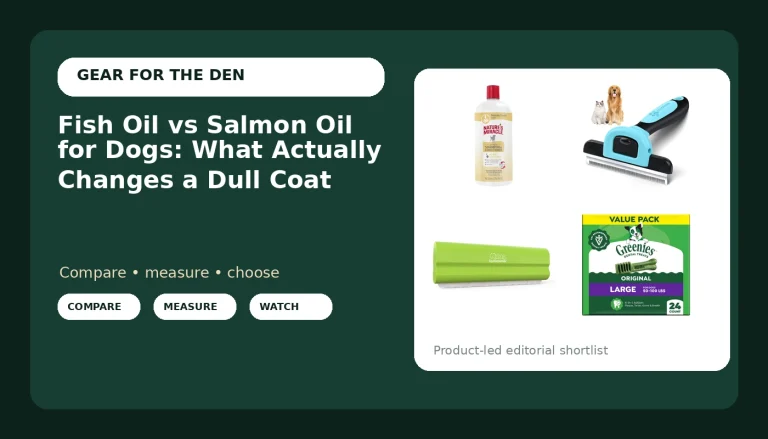
| Oatmeal Dog Shampoo and Conditioner for Allergies, Itching and Sensitive Skin – Smelly, Itchy Pet Cleaning Supplies – Puppy Wash, Anti Itch and Dandruff, All Natural Formula – with Omega 3's | Itchy, flaky skin during a shed | Oatmeal and Omega 3 formula aimed at allergies, itching, and sensitive skin |
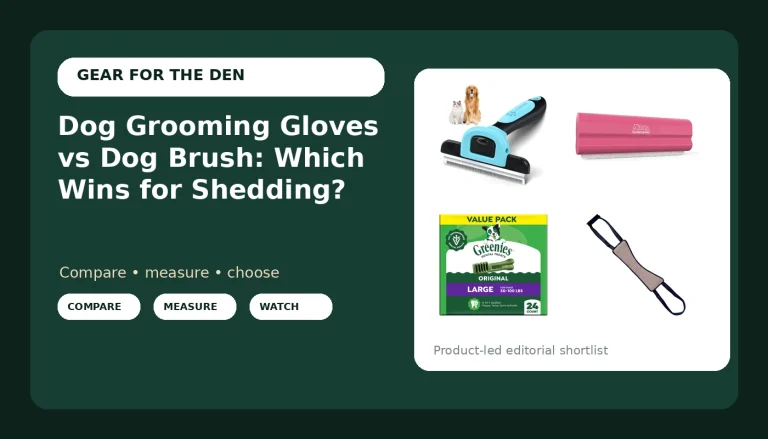
| Bodhi Dog Natural Oatmeal Dog Shampoo & Conditioner – Hypoallergenic Formula – Naturally Deodorize Dogs, Cats & Pets – Moisturizes Dry, Itchy & Sensitive Skin – Made in USA (1 Gallon) | Multi-dog homes and repeat baths | A full gallon of hypoallergenic oatmeal shampoo and conditioner, made in USA |
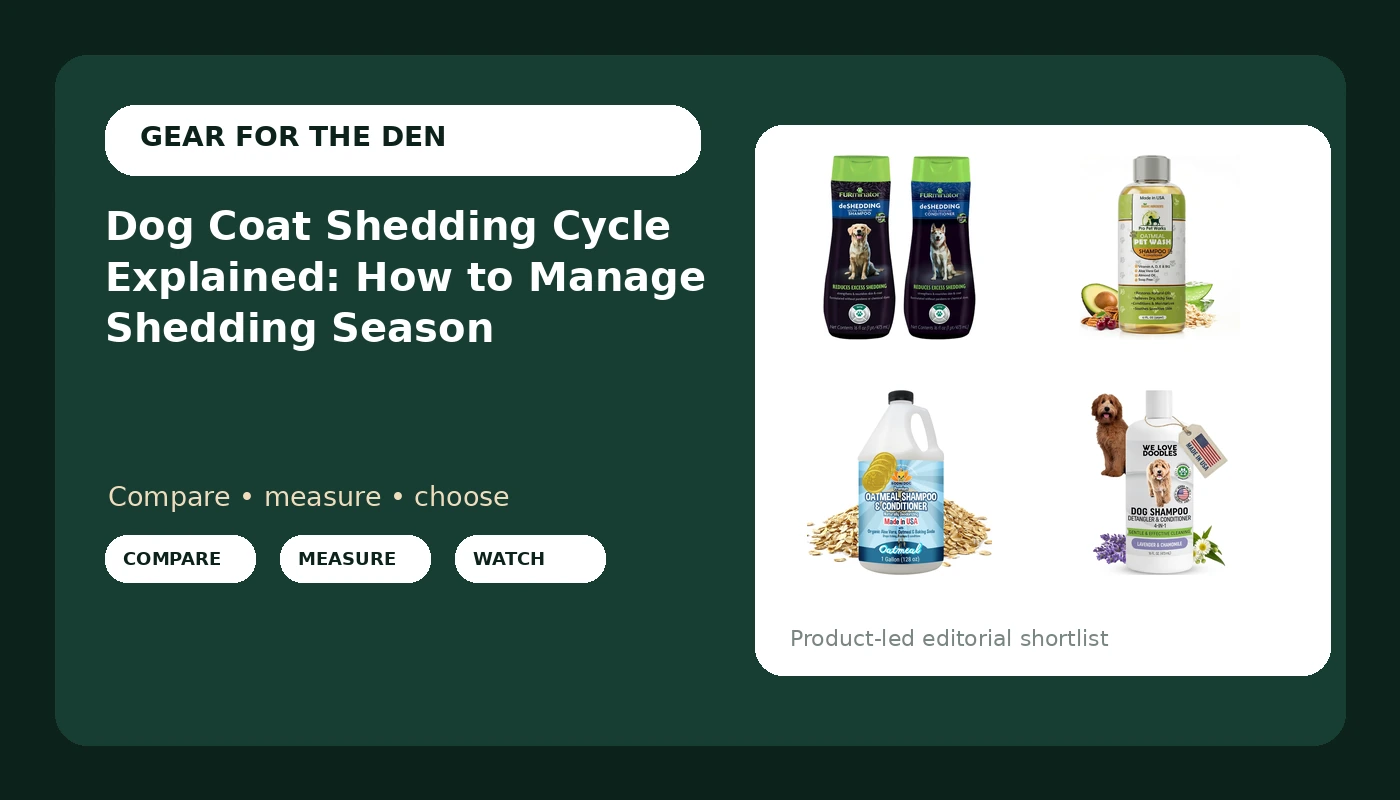
| Dog Shampoo, Conditioner & Detangler, Hypoallergenic Tearless Lavender 16OZ | Puppies and fine, tangle-prone coats | Tearless lavender formula with a detangler built into the same bottle |
Seasonal blowouts: Furminator® Deshedding Ultra Premium Shampoo & Conditioner Bundle. 16oz.
This is the option to look at first when the coat is coming out in handfuls and you want a matched wash-and-condition routine rather than two separate bottles. The deshedding label describes the job the product is built for: lifting and rinsing away coat that has already been released, which is the part of the cycle you can actually influence. The trade-off is that a deshedding formula is not aimed at calming irritated skin, so if your dog is scratching along with the shed, an oatmeal product is the more sensible starting point. Nothing here changes the cycle itself, and no bath replaces brushing as the main tool for moving dead undercoat off the body.
Itchy, flaky skin during a shed: Oatmeal Dog Shampoo and Conditioner for Allergies, Itching and Sensitive Skin – Smelly, Itchy Pet Cleaning Supplies – Puppy Wash, Anti Itch and Dandruff, All Natural Formula – with Omega 3's
Heavy shedding and itchy skin often arrive together, because the coat is turning over and the skin underneath is exposed to more air, more friction, and more of whatever the dog is lying on. This bottle targets that side of the problem. Oatmeal is the classic comfort ingredient for sensitive skin, and the Omega 3's named on the label fit the same brief, since those fatty acids are associated with skin condition when they are part of a dog's overall intake. The trade-off is the mirror image of the deshedding pick: this is a comfort and conditioning formula, not a coat-release formula, so plan on doing the undercoat removal with a brush.
Multi-dog homes: Bodhi Dog Natural Oatmeal Dog Shampoo & Conditioner – Hypoallergenic Formula – Naturally Deodorize Dogs, Cats & Pets – Moisturizes Dry, Itchy & Sensitive Skin – Made in USA (1 Gallon)
Bottle size is where a lot of shedding-season spending goes wrong. A 16oz bottle is plenty for one small dog bathed every few weeks, but a shedding double coat on a large dog can go through a small bottle quickly, especially if you dilute and re-rinse. The gallon format suits households with more than one pet, or owners who bathe weekly during a blowout. The trade-offs are practical rather than technical: a gallon is heavy to pour from, it takes up shelf space, and if your dog turns out to react to something in the ingredient list, you are left with a lot of product. Buying a small bottle first and scaling up is the safer order of operations.
Puppies and sensitive faces: Dog Shampoo, Conditioner & Detangler, Hypoallergenic Tearless Lavender 16OZ
A puppy losing its soft first coat, or a fine-coated adult whose hair tangles the moment it gets wet, is a different problem from a dense undercoat. Here the goal is keeping what is growing in from matting, and a combined shampoo, conditioner, and detangler does that in one step. Tearless matters most for face and head washing, where a squirmy dog is hard to keep out of the runoff. The trade-offs: lavender is a scent preference rather than a functional benefit, and a three-in-one product tends to do each job less specifically than a dedicated formula. If your dog's coat is genuinely matted rather than just tangly, no shampoo replaces clipping or combing it out.
Prices and availability may change. Product images, names, and retailer links are matched to verified listings. No current price, rating, stock status, or measured result is stated here without current evidence.
How the dog coat shedding cycle works
A hair follicle does not shed on command. It moves through four phases. Anagen is growth, when the hair is actively lengthening. Catagen is a short transition. Telogen is rest, when the hair sits in the follicle without growing. Exogen is release, when that hair finally drops and a new one begins to push through. Because neighbouring follicles sit in different phases at the same time, a healthy dog sheds a little every day rather than dropping the whole coat at once.
Coat type changes how obvious each phase is. Double-coated breeds carry a dense undercoat beneath longer guard hairs, and the undercoat is what comes out in clumps during a seasonal shed. Single-coated breeds, including many terriers and most short-haired companion breeds, shed more evenly and less dramatically. Continuously growing coats, such as those on poodles and many poodle crosses, behave differently again because the growth phase lasts far longer.
Light is the biggest external trigger. As daylight lengthens in spring, many dogs drop the winter undercoat; as it shortens in autumn, they build a heavier one and shed the lighter summer coat. Indoor dogs under artificial light often run a blurred version of that pattern, which is why some homes see shedding spread across the year instead of arriving in two neat waves. Hormones, age, and general health bend the schedule too. A puppy losing its soft first coat is not running the same pattern as an adult, and a dog that has been spayed or neutered may grow a different texture of coat afterward.
The ideal dog coat shedding cycle is the one that matches your dog's breed, coat type, and environment, not a fixed number of weeks. There is no single correct dog coat shedding cycle that applies to every dog, and a northern breed living under long evening lights may shed in a pattern its breed description never mentions. What matters is whether the pattern is stable for your dog, whether the skin under the loose hair looks healthy, and whether new coat is coming in behind what falls out.
Reading a shampoo label during a heavy shed
Shampoo does not change the cycle, but it changes how the shed feels for both of you. Two things drive most of that difference: how much dead coat a formula helps release, and how much it soothes skin that is already irritated.
Oatmeal concentration is the first thing worth checking. Oatmeal appears on a great many labels, but its position in the ingredient list tells you how central it is. A formula built around colloidal oatmeal usually lists it near the front; one with a token amount lists it late, after fragrances and preservatives.
The ingredient list matters more than the front of the bottle. Marketing words such as natural, gentle, and premium are not held to the same standard as ingredient names. If your dog has reacted before, a limited ingredient formula with fewer botanicals and a shorter list is easier to reason about. If your dog licks its coat after a bath, a formula described as lick safe or tearless reduces the worry about residue around the mouth and eyes. Omega 3 sources, and the EPA DHA they supply, turn up in conditioning formulas because those fatty acids are associated with skin and coat condition.
Bottle size is a practical decision as much as a value one. A 16oz bottle suits a single small dog bathed occasionally; a gallon suits a multi-dog home or a large breed bathed often. Concentrated formulas stretch further but need dilution to the ratio on the label. Finally, match the product to coat type: a detangling formula helps fine, tangle-prone coats, while a deshedding formula is aimed at loosening a dense undercoat.
- Identify your dog's coat type before you shop, since double, single, and continuously growing coats respond to different formulas.
- Read the ingredient list from the top down, note where oatmeal appears, and check how long the list is.
- Decide whether you need a limited ingredient formula based on past reactions rather than on the word natural.
- Match bottle size to how many pets you bathe and how often, and check whether the formula requires dilution.
- Test on a small area first, rinse thoroughly, and brush once the coat is dry so loosened hair leaves the body instead of matting back in.
Bathing and brushing through a heavy shed
- Brush before the bath, not after, so you lift loose coat while it is dry and easy to remove.
- Use lukewarm water, since hot water strips oils and can leave skin drier and itchier than it was before.
- Work shampoo down into the undercoat with your fingers or a rubber curry, then rinse until the water runs clear.
- Apply conditioner along the body and ends, then rinse again, because residue is what leaves a coat dull and flat.
- Dry thoroughly and do a second brushing pass, since damp undercoat mats quickly and traps shed hair against the skin.
Which option should you choose?
Choose the Furminator® Deshedding Ultra Premium Shampoo & Conditioner Bundle. 16oz. when your dog is in a seasonal blowout and you want a matched shampoo and conditioner pair built around the deshedding job. Choose the Oatmeal Dog Shampoo and Conditioner for Allergies, Itching and Sensitive Skin – Smelly, Itchy Pet Cleaning Supplies – Puppy Wash, Anti Itch and Dandruff, All Natural Formula – with Omega 3's when the shed arrives with scratching, flakes, or a history of reactions, since its oatmeal and Omega 3 positioning speaks directly to that. Choose the Bodhi Dog Natural Oatmeal Dog Shampoo & Conditioner – Hypoallergenic Formula – Naturally Deodorize Dogs, Cats & Pets – Moisturizes Dry, Itchy & Sensitive Skin – Made in USA (1 Gallon) when you bathe several pets or bathe often enough that a gallon makes sense. Choose the Dog Shampoo, Conditioner & Detangler, Hypoallergenic Tearless Lavender 16OZ when you are washing a puppy, a dog with a fine coat that tangles easily, or a dog whose face and eyes need a tearless formula.
None of these products stops shedding, and none is a treatment for a skin condition. Labels describe positioning, not measured results, and the right pick depends on your dog's coat type and skin history rather than on any single claim on a bottle.
The bottom line
The dog coat shedding cycle is normal, largely seasonal, and mostly outside your control. What you do control is how much loose hair stays on the dog, how comfortable the skin is while the coat turns over, and how well the coat that remains is conditioned. Match a formula to your dog's coat type and skin history, bathe at a sensible interval, brush before and after the bath, and treat sudden bald patches, crusting, or persistent scratching as a reason to call your veterinarian rather than to buy another bottle.