Three dogs eat in my kitchen twice a day, and for a long time dinner looked like a small riot. One dog parked himself over the water bowl, one inhaled a full meal in seconds, and one would not step up to her dish until the other two had walked away. What fixed it was not a bigger bowl or a stricter routine. It was rebuilding the multi dog feeding station so every dog had a lane, a job, and a reason to stay out of the others' space.
I have written this as a multi dog feeding station guide rather than a shopping list on purpose. The bowls matter, but the layout matters more, and the gap between a house where meals are calm and a house where they are a contact sport usually comes down to three things: water capacity, spacing, and whether the fastest eater has something to do with his mouth.
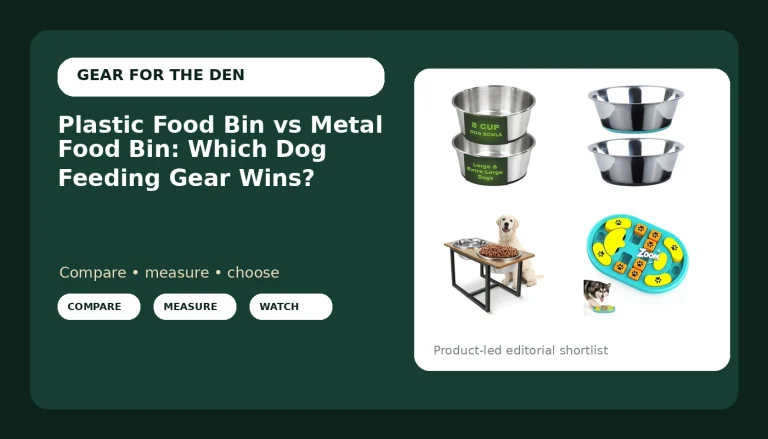
Best Overall: Stainless Steel Dog Water Bowls, No Spill Water Bowls for Dogs, Black
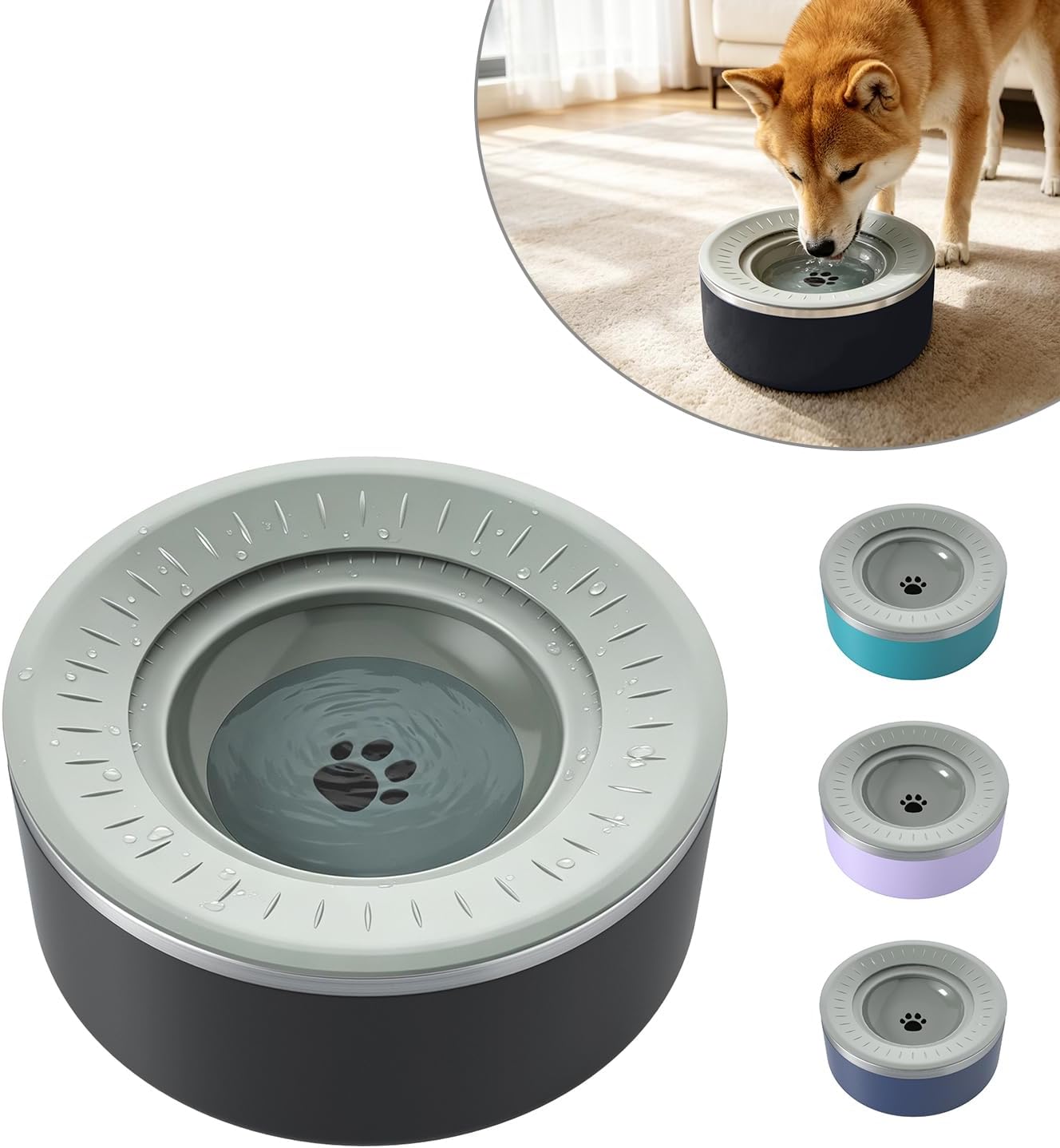
This is the piece I would buy first and replace last. Water is the part of a feeding setup that people under-plan, and in a house with more than one dog it is where most of the friction happens. One dog stands guard over the bowl, another drinks and leaves, and a third waits until the coast is clear before she takes a lap.
Stainless steel is the right material for a shared bowl. It does not hold odor the way plastic does, it does not stain from kibble dust, and it is dishwasher safe, which matters when you are washing bowls twice a day for three dogs. The non slip base is the quiet hero here: a bowl that stays where you put it does not get chased across the tile, and a bowl that does not move does not trigger the dog who is already worried about losing his turn.
There is no filter cartridge to replace and no pump to take apart, which is the honest tradeoff against a fountain. A fountain gives you more water capacity and moving water that some dogs prefer, but it also gives you one more thing to clean. In a multi-dog house where the bowl gets emptied and refilled anyway, plain stainless is easier to live with.
Two things to check before you buy. First, bowl capacity: think about what your dogs actually drink between refills, then size up, because a bowl that runs dry by mid-afternoon is a bowl that gets defended. Second, feeding height: this one sits on the floor, so if you have a senior dog or a large breed, plan on a stand or a raised platform rather than making him hunch.
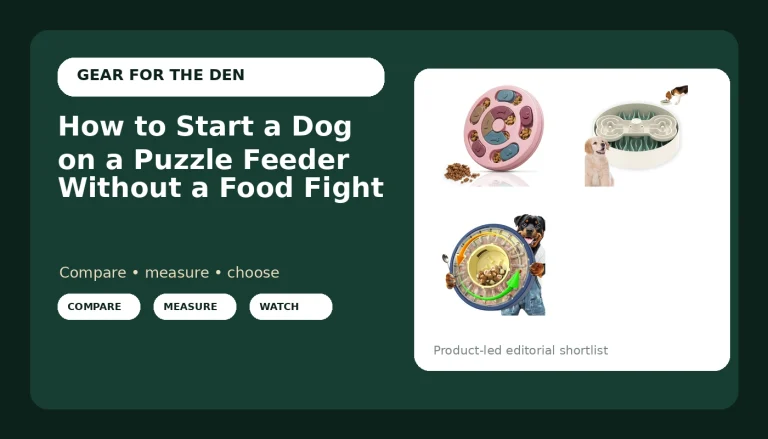
Best Value: Dog Interactive Treat Dispenser Toy, Food Puzzle Slow Feeder (Yellow)
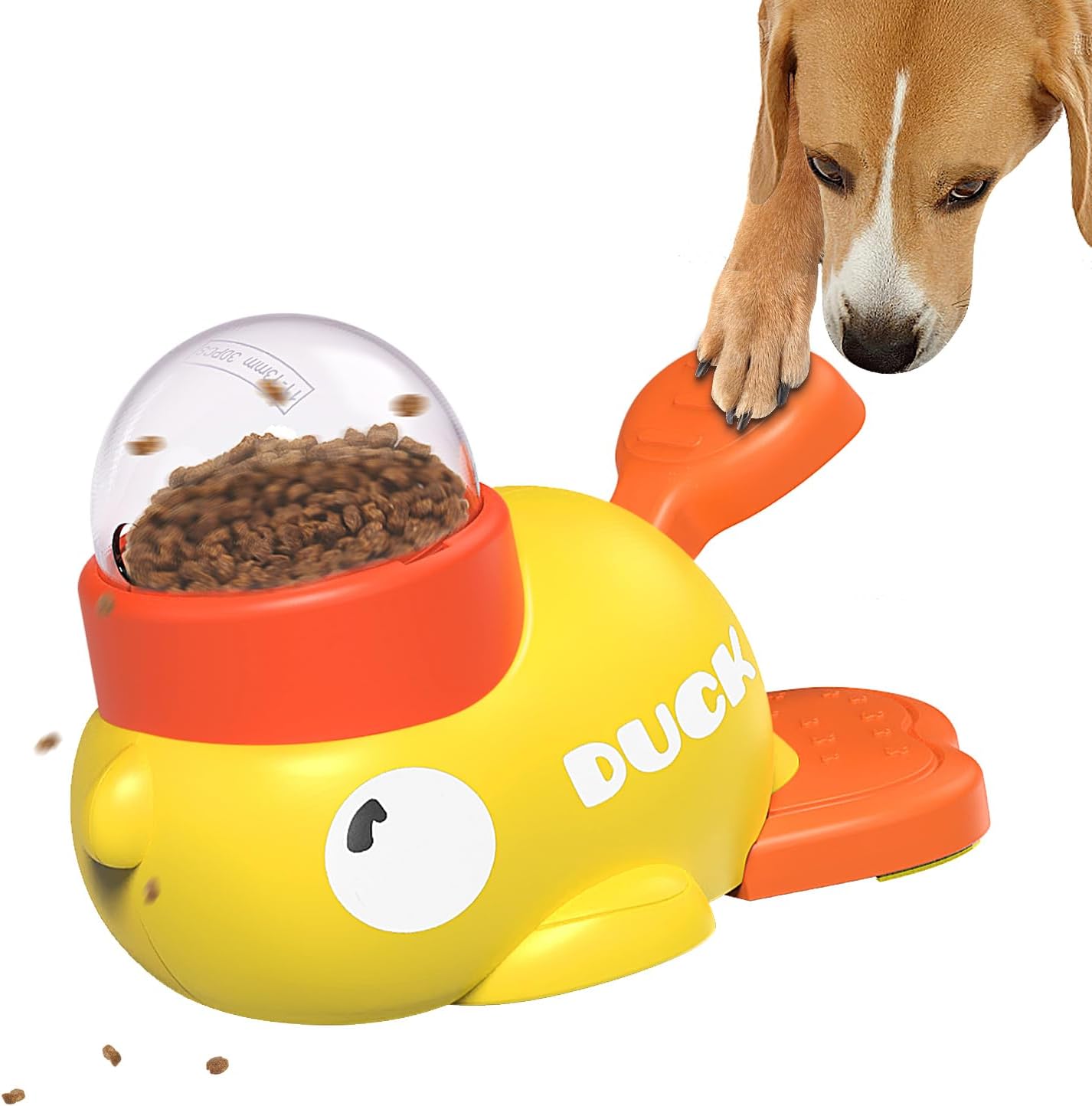
This is the cheapest way to fix the fastest eater in the house, and in my kitchen the fastest eater is the one who causes the most trouble. A dog who finishes in thirty seconds spends the next ten minutes patrolling, and patrolling is what turns a peaceful meal into a negotiation.
The slow feed ridges are the whole trick. Food has to be worked out of the toy instead of inhaled from a bowl, which stretches a meal from seconds into minutes and lines the fast eater up closer to everyone else's finishing time. That overlap is what you are buying. Not nutrition, not enrichment for its own sake, just a slower dog at the same moment as the slower dogs.
It is bright yellow, which sounds like a small thing until you have kicked one under the sofa for the third time. It is also the piece I would hand to a dog who has never used a puzzle feeder, because the food comes out with a little persistence rather than requiring a technique. If your dog gives up on puzzles in general, try this one before you spend more.
Two caveats. It will not survive a determined chewer who decides the toy itself is the problem, and it is not a replacement for a bowl if you free-feed. It is a dinner tool. Use it at meals, put it away after, and wash it when it gets sticky.
How I tested
I do not have a lab. I have a kitchen floor, three dogs, and a habit of noticing what breaks first. So here is the honest version of how these four pieces got sorted.
Water first. Does the bowl survive a full day of multiple dogs drinking from it, does it stay where it was put, and does it come out of the dishwasher without holding a smell. A bowl that slides gets demoted to the back of the cabinet.
Food second. Does the fast eater actually slow down, or does he flip the thing over and eat off the floor. That single question eliminates most puzzle feeders in a multi-dog house, and it is why the two puzzle pieces here are the ones that stayed.
Spacing third. I set up the correct multi dog feeding station for my kitchen, then moved one bowl six inches and watched what happened. Six inches is often the difference between a calm meal and a squabble, and no product on this page fixes a layout problem.
And I look at the boring stuff: whether a base grips, whether anything has a crevice that traps kibble dust, and whether a piece of gear creates more work than it removes. Gear that adds a nightly scrubbing session is not gear I recommend.
Analysis and test results
Here is what the four pieces actually do, and where each one fits.
The water bowl is infrastructure. Everything else here is a behavior fix. The bowl is a logistics fix, and that is why it gets the top spot. You can solve guarding, speed eating, and post-dinner patrolling with training and layout, but you cannot solve a bowl that runs dry or travels across the floor with anything except a different bowl.
The puzzle gear is where the real behavior change happens. A dog who is working for food is not watching another dog's bowl. That one fact is why puzzle feeders matter more in a multi-dog house than in a single-dog house. The ideal multi dog feeding station gives every dog a job at mealtime, and a job is the opposite of a threat.
Layout beats gear. Water in one place, food in another, and a clear path between them. Two bowls side by side invite a standoff; two bowls on opposite sides of a doorway or a kitchen island do not. Resource guarding is usually about proximity, not about food, so distance is the cheapest fix available.
Feeding height is the other variable people skip. A tall dog hunched over a floor bowl is a dog who eats fast and swallows air. Raising the bowl helps, but only if the stand underneath it does not wobble.
Two things no gear will fix. A dog with a real guarding history needs a trainer and separate rooms, not a new bowl. And a house with four dogs and one water bowl is a house with four dogs and one water bowl, no matter how good the bowl is.
For storage, I portion ahead into containers with an airtight seal so nobody is standing over a bag at mealtime. It is a small habit that removes one more reason for dogs to crowd the same spot.
Multi dog feeding station reference table
There is no single correct answer here, because the right setup depends on how many dogs you feed, how fast they eat, and how much floor space you are willing to give up. This is the table I keep in my head when I rearrange a kitchen. Match your household to the row, then fix the layout before you buy anything else.
| Job in the setup | Who it is for | What to look for | Gear |
|---|---|---|---|
| Water station | Households with two or more dogs | bowl capacity, non slip base, dishwasher safe | Stainless Steel Dog Water Bowls, No Spill Water Bowls for Dogs, Black |
| Slow the fastest eater | The dog who inhales dinner | slow feed ridges, a base that does not tip | Dog Interactive Treat Dispenser Toy, Food Puzzle Slow Feeder (Yellow) |
| Occupy the dog who finishes first | Dogs who patrol after eating | adjustable difficulty | 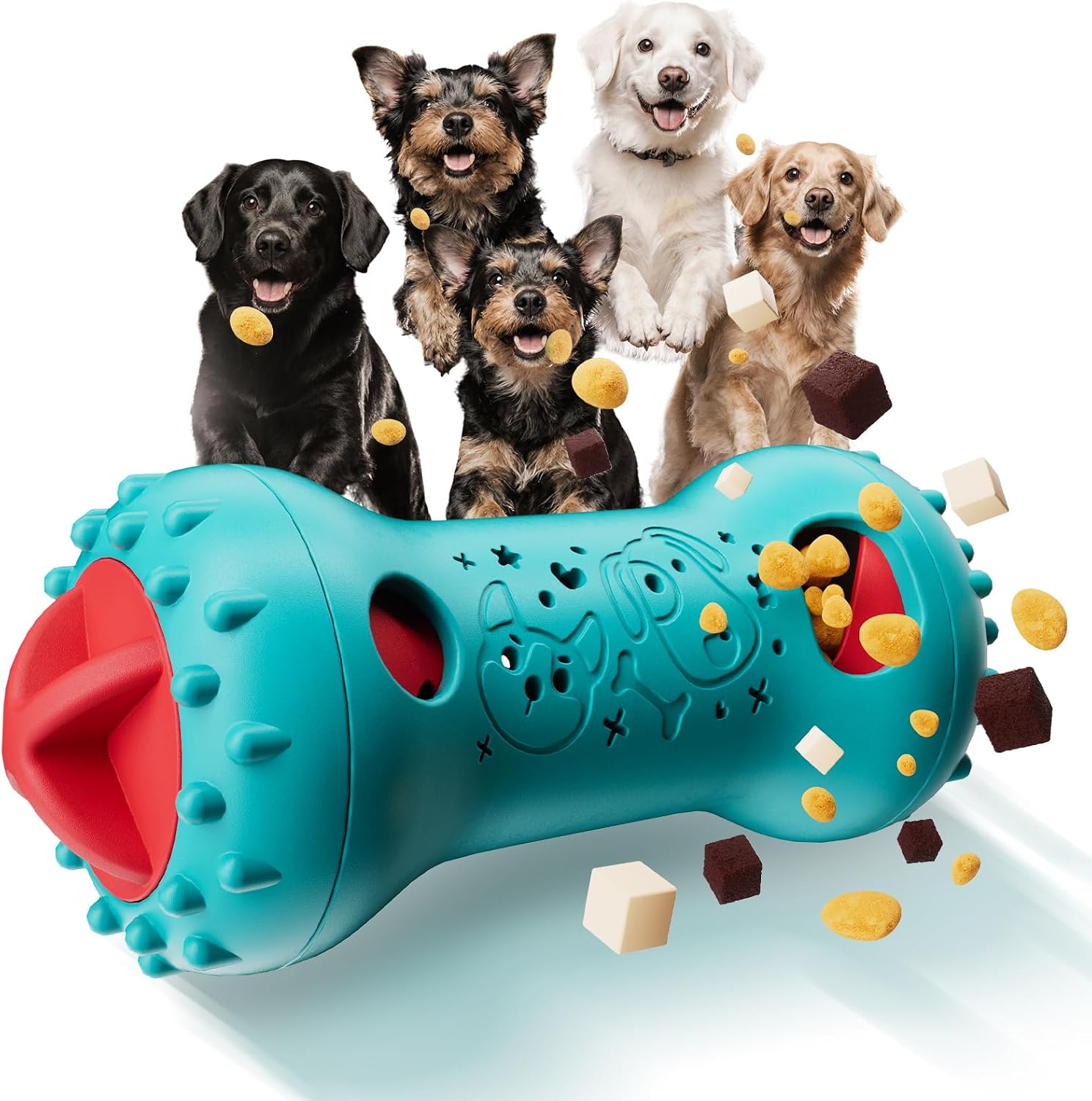 Interactive Dog Toys,Adjustable Treat Dispensing Toy to Keep Them Busy |
| Mental work for the smart one | Dogs who need a job | three levels of difficulty | 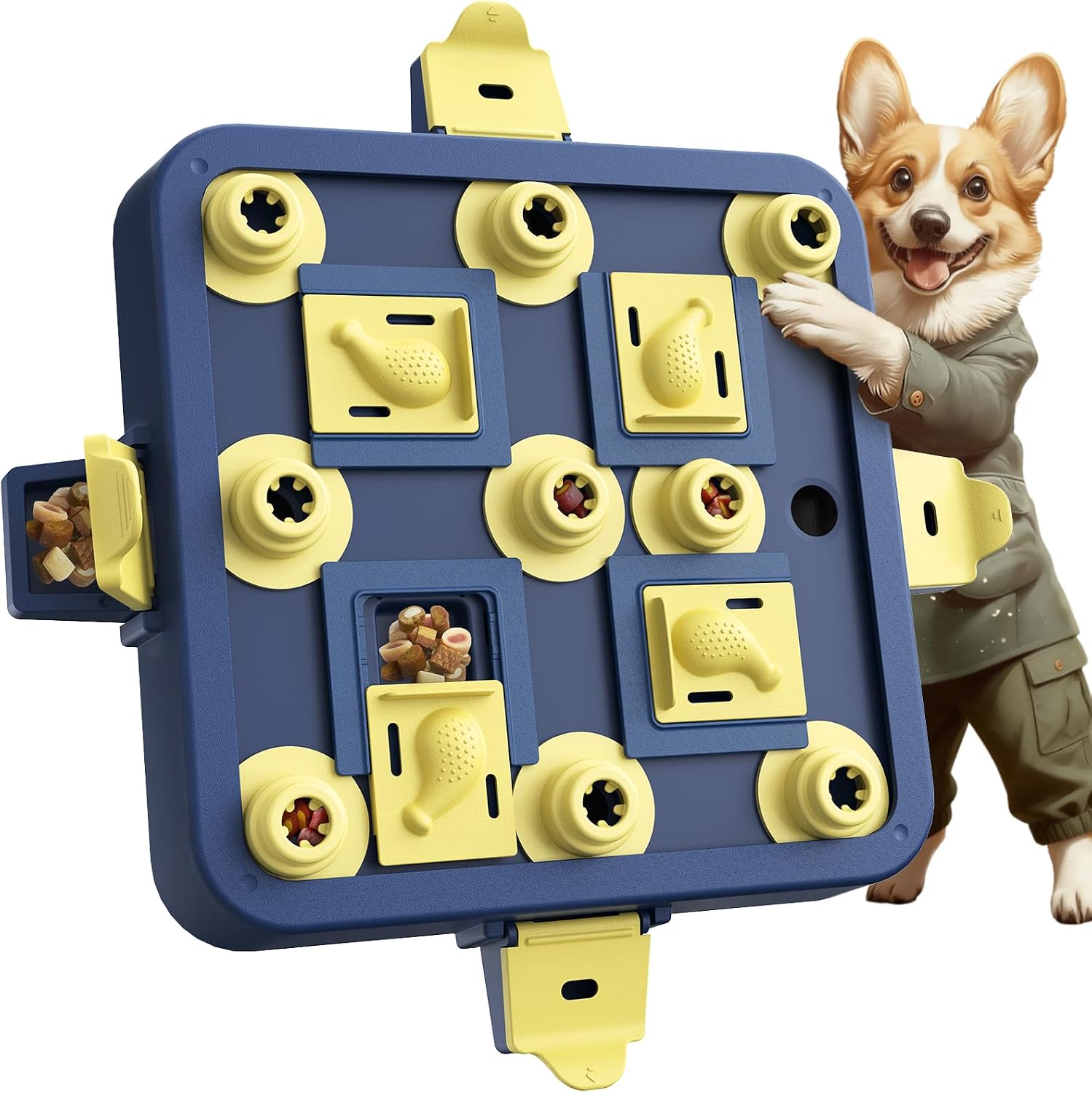 KADTC Dog Chess Puzzle Toy, 3-Levels, Mental Stimulation for Smart Dogs |
| Feeding height | Seniors, large breeds, deep-chested dogs | a stand that does not wobble | A raised platform or stand, sized to the dog |
| Floor protection | Tile, hardwood, dogs who push bowls | a mat with a lip | A silicone mat under the water station |
| Portion control | Dogs on different foods | an airtight seal on storage | A storage bin with an airtight seal |
| Long days away | Dogs left alone for hours | water capacity | A second water station in another room |
The key is separation, not symmetry. Matching bowls look good in photos and do nothing for a dog who is guarding the water. Move the water away from the food, split the feeding lanes, hand the fast eater something to work on, and the room changes before you spend another dollar.
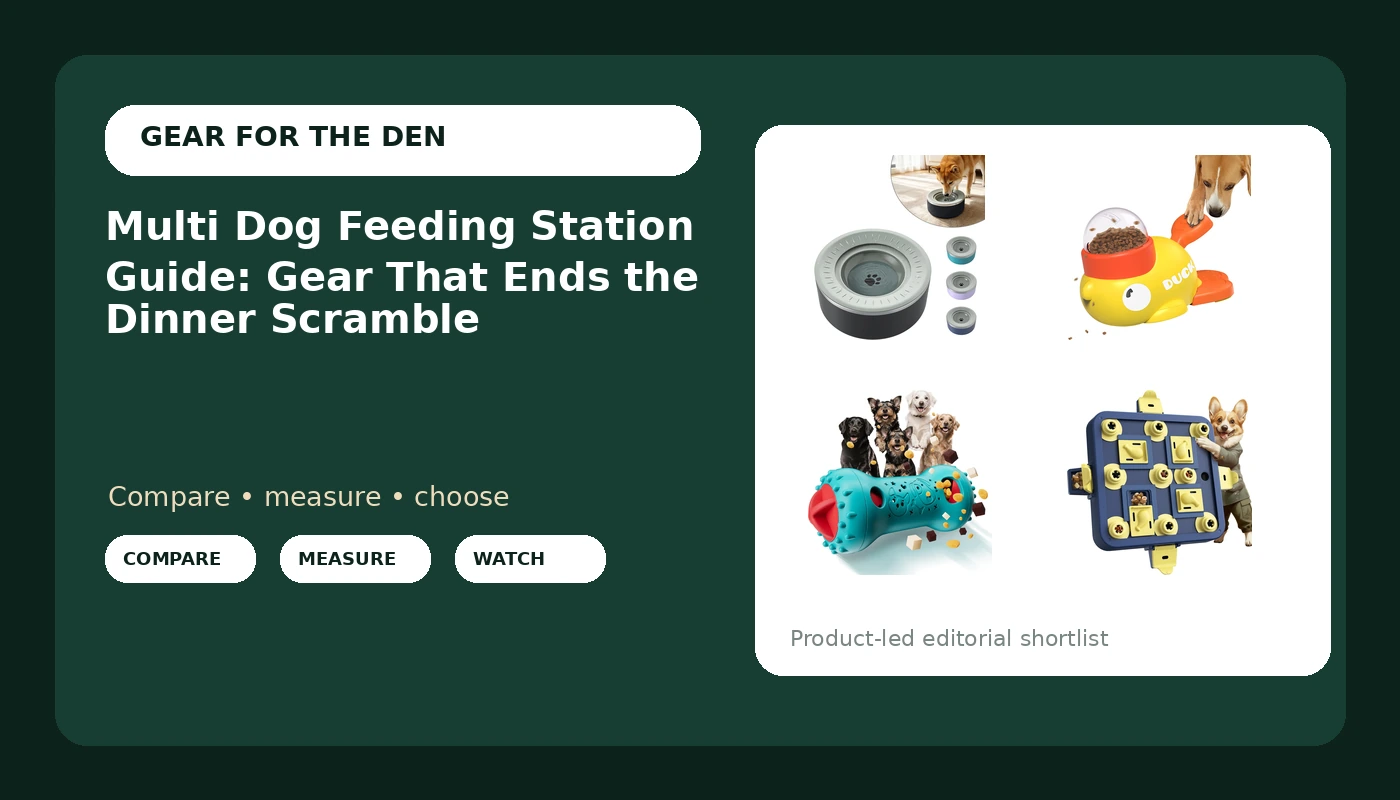
KADTC Dog Chess Puzzle Toy, 3-Levels, Mental Stimulation for Smart Dogs
This is the one I hand to the dog who has figured out every other feeder in the house. Three levels means the difficulty can go up as the dog gets better at it, which is the difference between a puzzle that stays useful and a puzzle that becomes a five second obstacle.
The case for it in a multi-dog house is the same as the case for any puzzle feeder, only more so. A dog who is thinking is not patrolling. If you have a herder, a working breed, or a dog who stares at you at five in the afternoon because he has decided dinner is late, this is the piece that gives him something to do with his brain instead of his voice.
It is not a starter puzzle. A dog who has never worked for food can get frustrated and walk away, and a frustrated dog in a multi-dog house means the food gets eaten by someone else. Start with the slow feeder, then move up to this once your dog understands the game.
It is also the piece I would supervise the first few times, at least until I knew whether the dog was going to work the levels or try to take them apart.
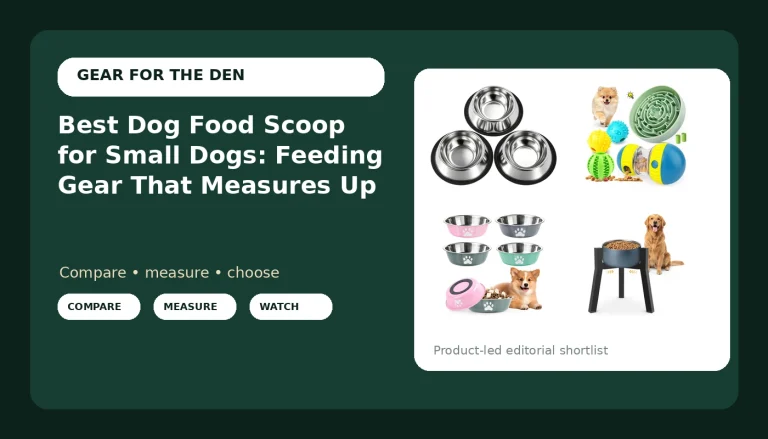
Interactive Dog Toys,Adjustable Treat Dispensing Toy to Keep Them Busy
Adjustable is the useful word here. A treat dispenser that is too easy gets solved in a minute and ignored; one that is too hard gets abandoned. Being able to change the difficulty means the toy grows with the dog instead of getting shelved.
In a multi-dog kitchen, that matters for a specific reason. The dog who finishes first is the dog who starts looking at someone else's bowl, and the cheapest way to stop that is to give him something that keeps paying out. This one does that without needing a dish at all.
It is also the smallest and lightest of the feeders here, which makes it the easiest to move out of the way between meals. Some dogs roll it, some paw at it, and some carry it around the room, and all three of those are the point.
Wash it when it gets sticky. Dried treat residue is what makes a dispenser stop dispensing.
Should you buy the Stainless Steel Dog Water Bowls, No Spill Water Bowls for Dogs, Black?
Yes, if water is the flashpoint in your house. It is not exciting gear, and that is the appeal. Stainless does not hold odor, the non slip base keeps the bowl where you set it down, and it goes in the dishwasher at the end of the day. In a house with two or more dogs, that combination solves more mealtime problems than any gadget.
The honest limits: it is a floor bowl, so a senior or a big dog will need a stand, and there is no reservoir, so you refill it like a normal person instead of topping up a tank. If your dogs already drink from a fountain you love and nobody guards it, you do not need this. If you are tired of a bowl that travels across the floor and a dog who plants himself over it, start here.
Should you buy the Dog Interactive Treat Dispenser Toy, Food Puzzle Slow Feeder (Yellow)?
Yes, if one dog eats in seconds and the others eat in minutes. It is the lowest-cost change on this page and the one most likely to change the mood of a meal, because a busy dog is not a patrolling dog. Buy it before you buy anything more expensive and see whether your fast eater slows down at all.
The limits are real, though. A determined chewer will destroy it, and a dog who gives up easily will need you to make the food fall out faster at first. If neither of those describes your dog, this is the easiest yes in the guide.