If you have ever stood in a pet store aisle with a bag of shavings in one hand and a bag of paper in the other, you already know why the paper bedding vs wood shavings question is the first real decision in setting up a small pet cage. Bedding is the floor your hamster, rat, gerbil, or rabbit lives on. It decides how much dust hangs in the air, how quickly the cage starts to smell, and how often you are back at the store buying another bag.
For most small pets, a paper bedding is the safer default, and the four products in the table below are the paper side of this comparison, which narrows the question to something simpler: which bag fits your cage and your cleaning schedule? Wood shavings still have a place, but it is a narrower place than the shelf at the pet store suggests.
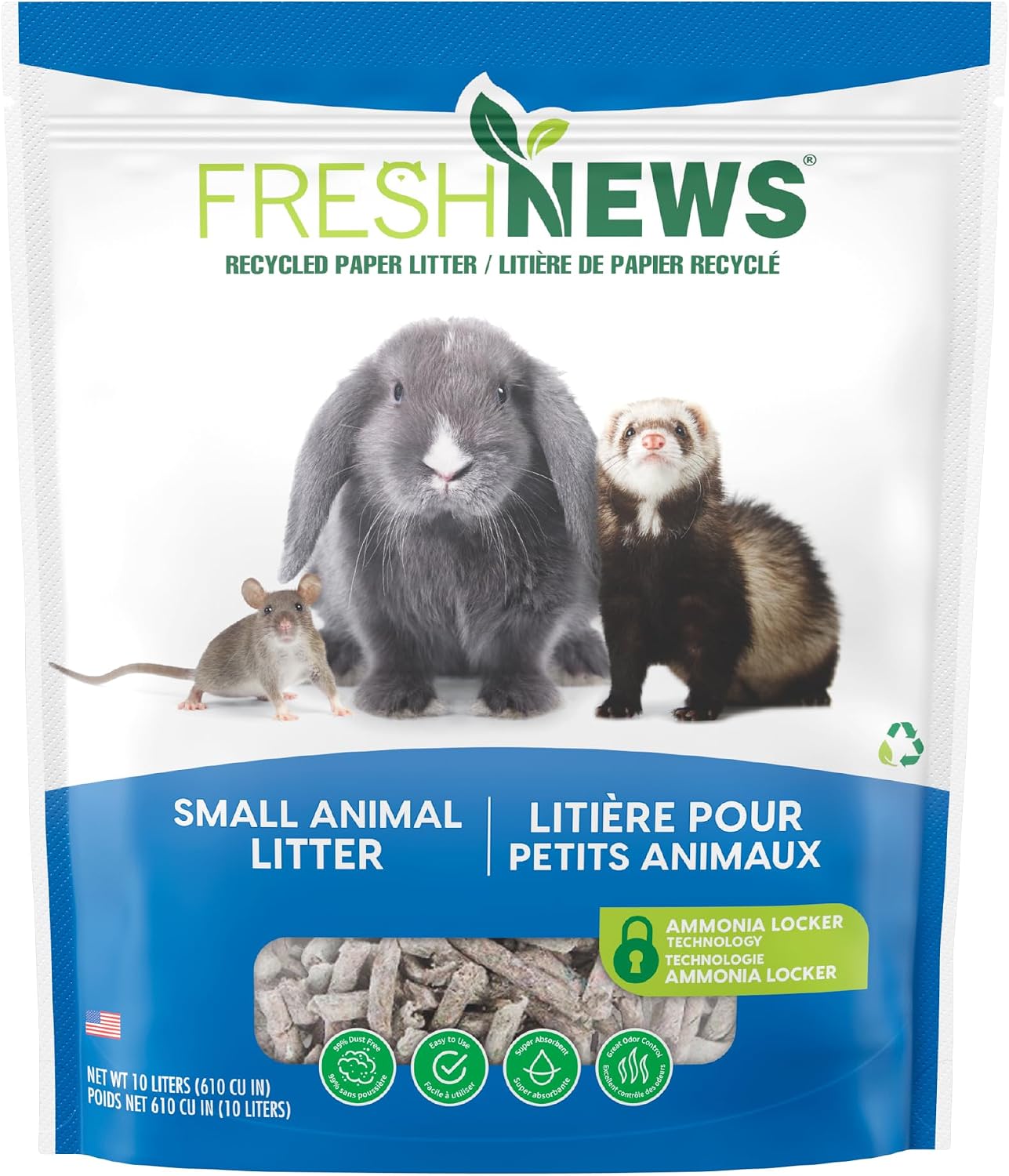
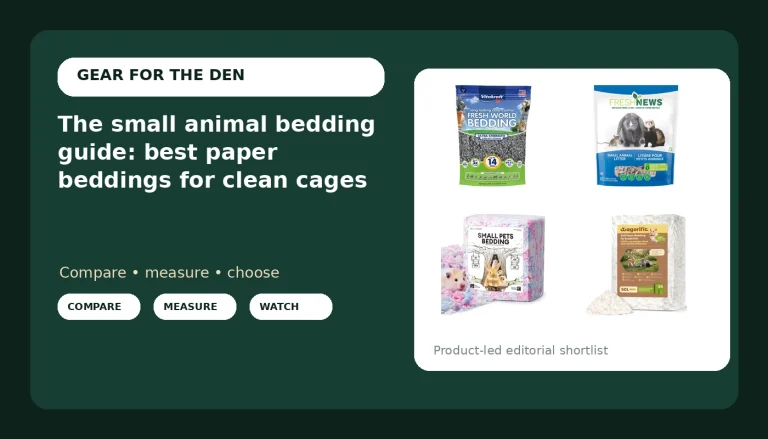
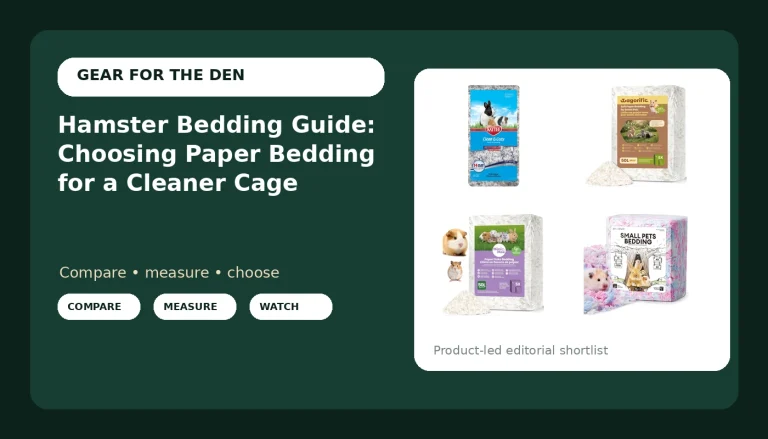
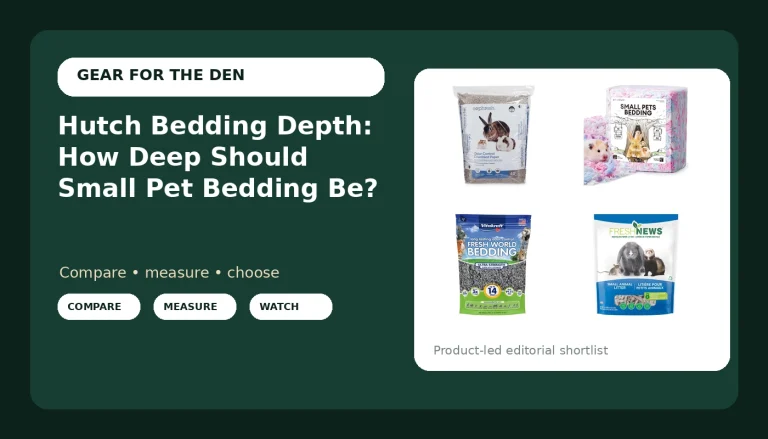
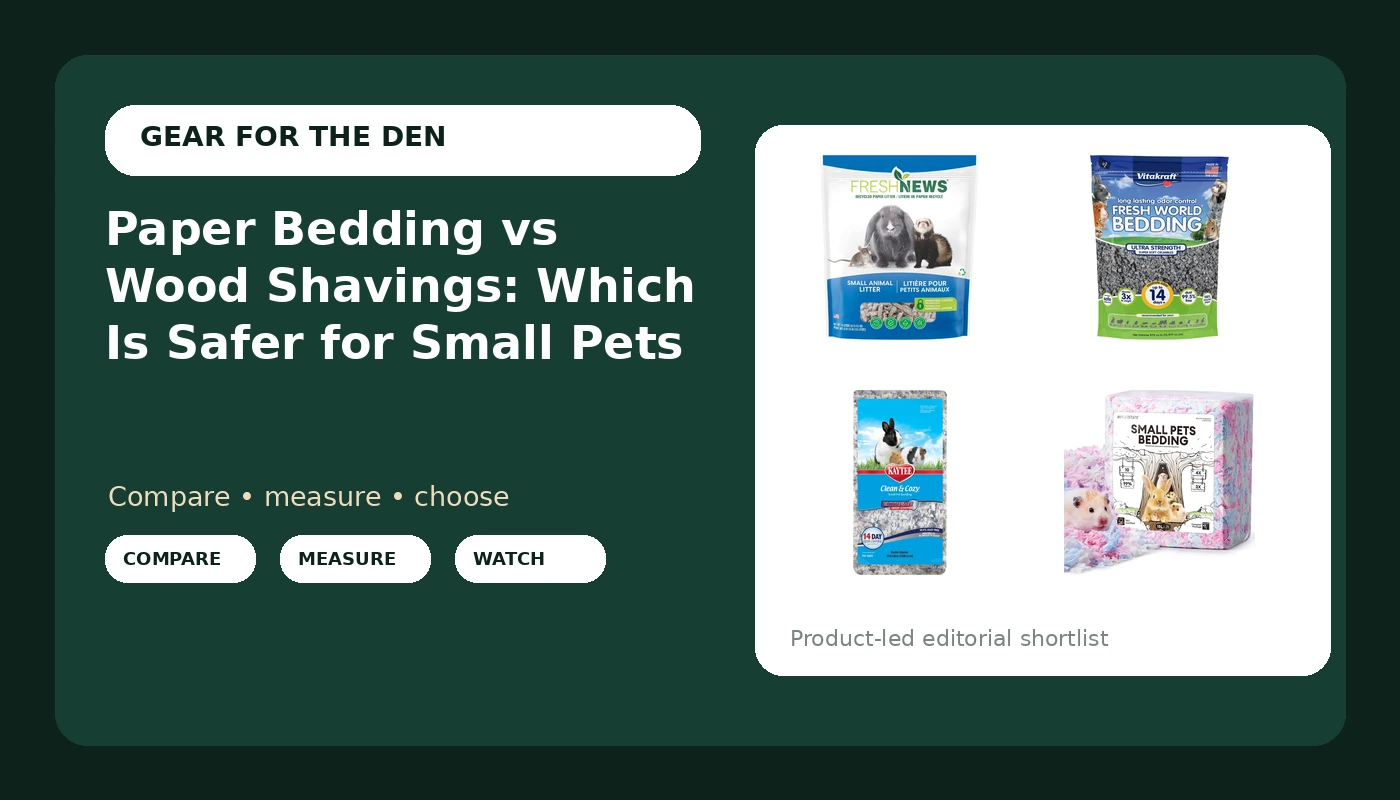
Fresh News Recycled Paper Small Animal Litter Bedding, 10 Liters
Recycled paper material in a size that suits litter boxes and small trays
Smallest bag here, so a deep cage layer empties it fast
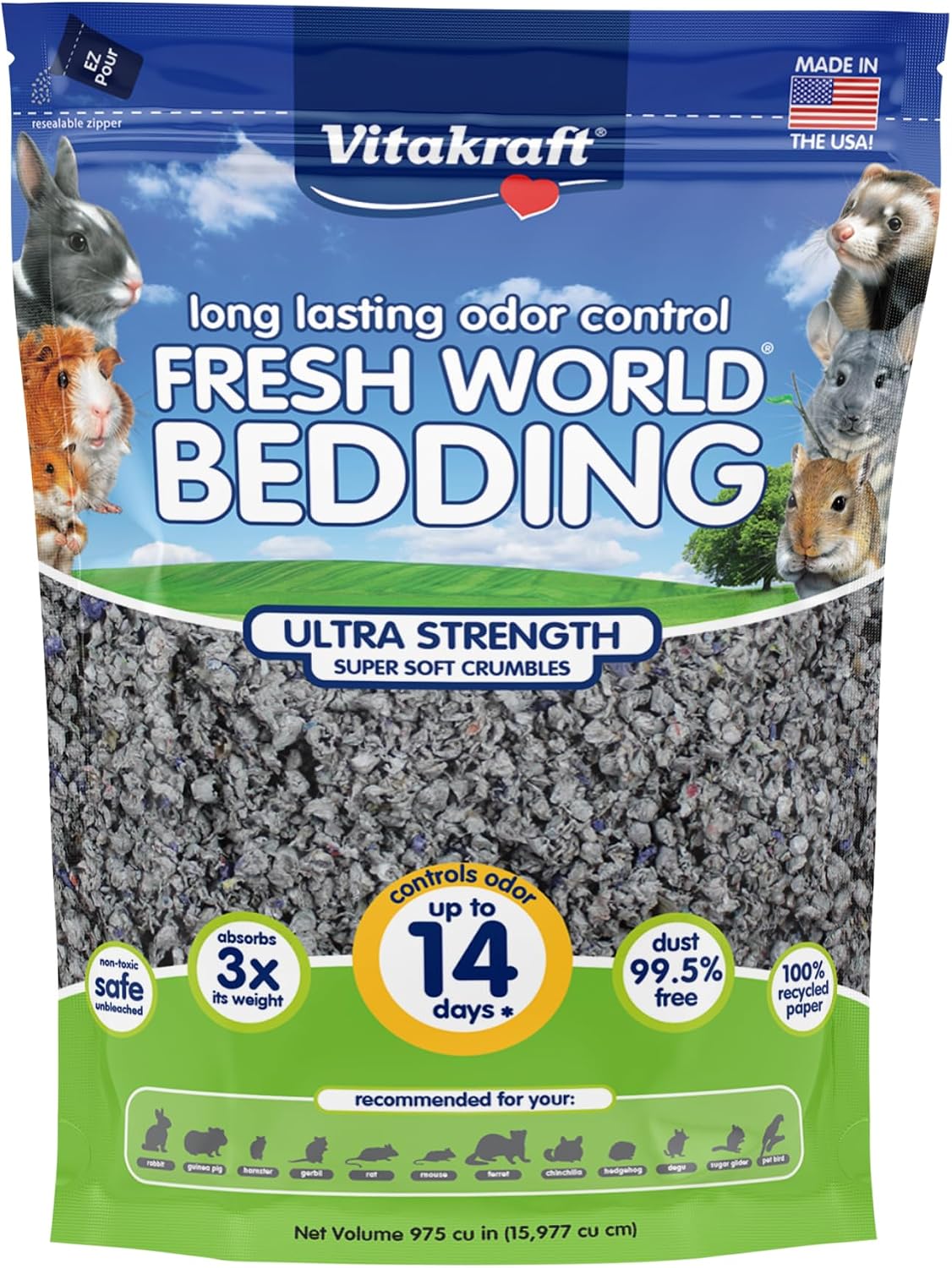
Vitakraft Fresh World Ultra Strength Small Animal Bedding, 16 L
Mid size bag sold for cages and litter boxes, gray tone hides soiled patches
No standout spec beyond the strength claim in the name
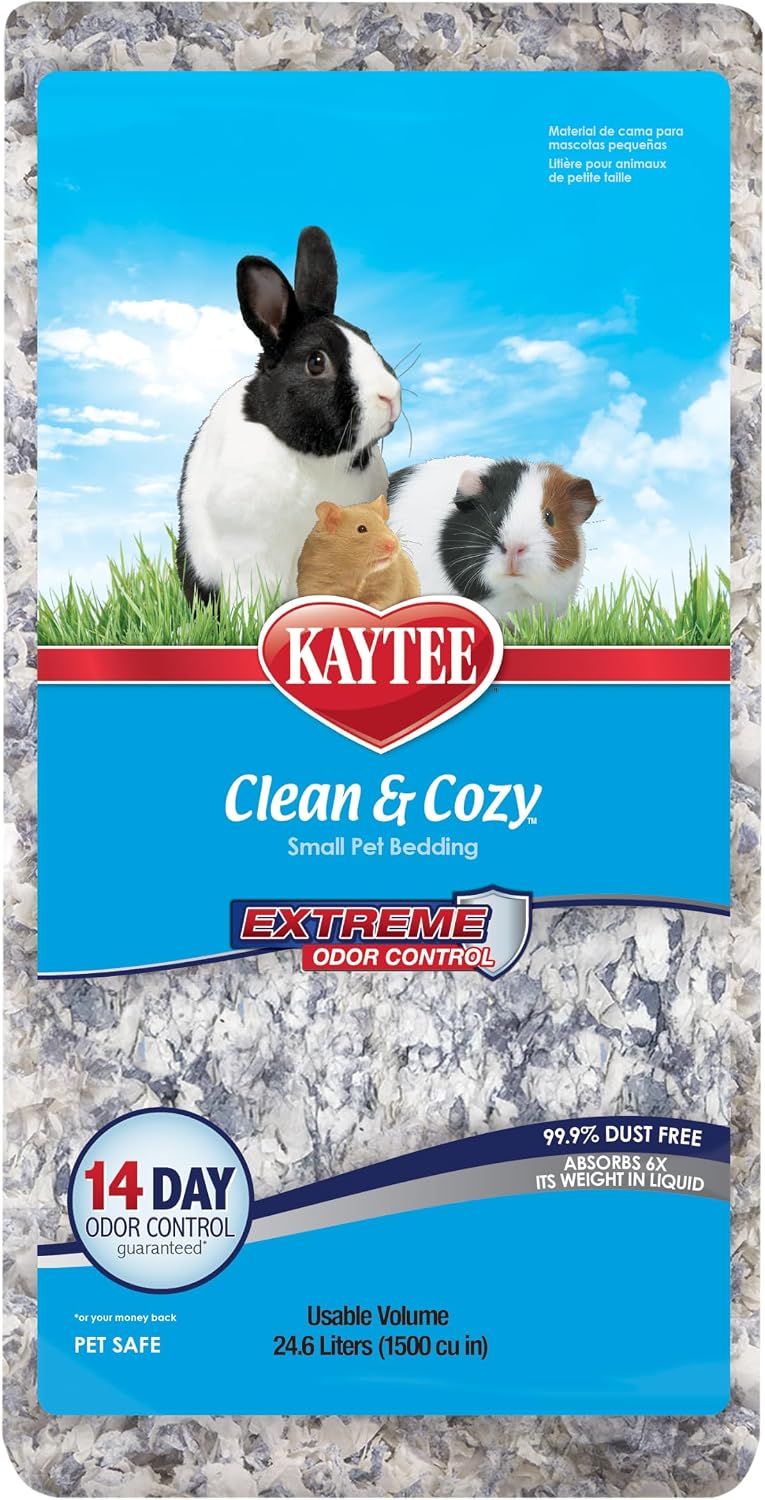
Kaytee Clean & Cozy Classic Hamster Bedding, 24.6 Liters
Largest bag in the group, enough volume for a full deep change
Bulky to store and more than a small cage needs
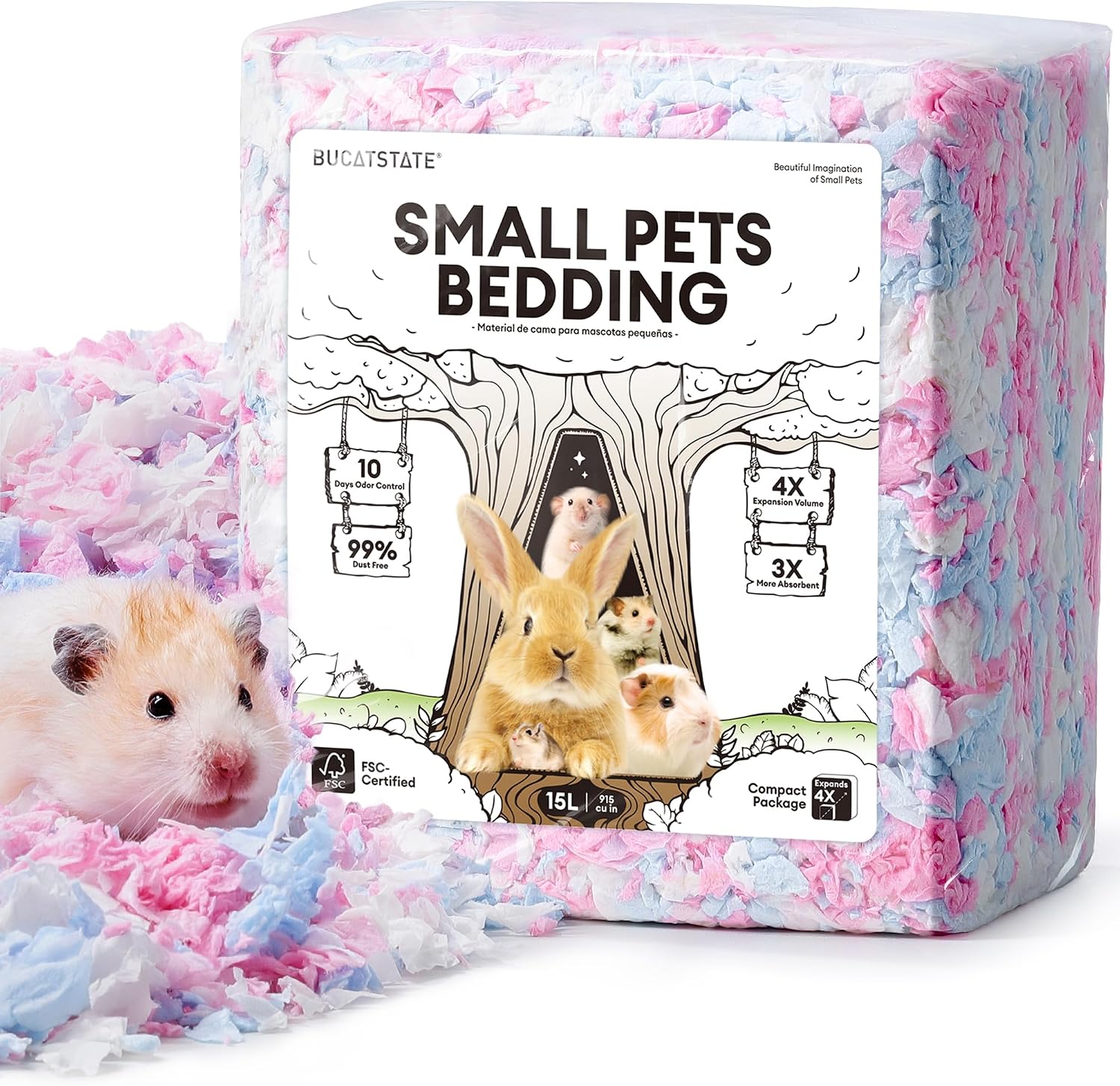
Hamster Bedding 15L, Truly 99% Dust-Free (Cotton Candy)
Dust claim is the headline, mid size bag suits one hamster or a pair
Generic branding, so there is less of a track record to check
Prices and availability may change.
How this comparison works
Every bedding in this guide is judged on the same five things, because those are what show up in a cage after a week, not what shows up on the label.
- Dust: how much fine material lifts into the air when you pour the bag into a cage or a litter box.
- Absorbency: how much liquid the material holds before the bottom of the tray stays wet.
- Volume against floor area: whether the bag size is realistic for the cage you actually own.
- Odor control: whether the bedding handles urine smell on its own or needs more frequent spot cleaning.
- Fit: whether the texture works in a litter box, under a hay rack, inside a hideout, or through a tunnel.
No bedding wins all five. The trick is knowing which two or three matter for your setup, and that depends on the animal far more than on the brand.
What paper bedding vs wood shavings actually changes in a cage
The practical difference between paper bedding and wood shavings comes down to three things: how much dust the material releases, how well it holds liquid, and how much of it you need to fill a cage. Paper is manufactured from pulp or recycled fiber into soft, dense pieces. Shavings are cut from wood, so the pieces are harder, flatter, and more likely to have sharp edges.
Dust is the biggest divider. Paper bedding is generally sold with dust as its headline claim, and the bags in this comparison range from recycled paper litter to a listing that advertises itself as 99 percent dust free. Wood shavings vary enormously by species and by how the wood was processed. A dusty bag of shavings is not a small problem for a hamster, whose respiratory tract is tiny and sits close to the cage floor, which is exactly where bedding dust collects.
Absorbency is closer than most people expect. Good paper bedding holds a surprising amount of liquid and locks it into the fiber, which is why paper is the standard choice for litter boxes inside a larger cage. Shavings let liquid run through more easily, so a deep layer of shavings can hide a wet bottom for a while and then turn sour all at once.
The wood shavings vs paper bedding argument usually starts with smell, but smell is downstream of both dust and absorbency. If the bedding holds urine, the cage smells less. If it releases dust, the smell is the second problem you notice, after the sneezing.
One more thing worth separating: wood shavings are not one material. Softwood shavings such as pine and cedar carry aromatic oils that most small pet keepers advise against for hamsters, rats, and guinea pigs, especially in a closed cage with limited airflow. Aspen shavings and kiln-dried options are usually treated as the safer end of the wood category. If you are still deciding whether to run paper bedding or wood shavings, the honest answer is that the wood category is not a single product, and the safer options are not always the ones stacked by the register.
The four paper beddings, one by one
Fresh News Recycled Paper Small Animal Litter Bedding, 10 Liters. The recycled paper angle is the point here. This is the bag for someone who wants a paper bedding with a clear material story and does not need a giant bale of it. At 10 liters it suits a litter box, a small tray under a hay rack, or a shallow layer in a cage that is mostly fleece or another liner. The trade-off is volume: in a large cage with a deep layer, a 10 liter bag disappears quickly. Visit on Amazon
Vitakraft Fresh World Ultra Strength Small Animal Bedding, 16 L. The mid size option, sold for both litter boxes and cages, in a gray color that hides soiled patches between full changes. That gray matters more than it sounds. A pale bedding shows every stain, and a very dark one can make it harder to spot a health problem in droppings, so a mid tone is a reasonable compromise. The name leans on strength, which in bedding terms usually means the pieces hold their shape instead of collapsing into mush. Visit on Amazon
Kaytee Clean & Cozy Classic Hamster Bedding, 24.6 Liters. The largest bag in this comparison and the one aimed most directly at hamsters. Volume is the selling point: 24.6 liters gives you enough to fill a decent floor area and still keep a spare layer back for spot cleaning. It is the bag to pick when you would rather buy once a month than once a week. Visit on Amazon
Hamster Bedding 15L, Truly 99% Dust-Free (Cotton Candy). The dust claim is right in the name, and that is the reason to consider it. For anyone who has watched a hamster sneeze after a cage change, a bedding that advertises itself as 99 percent dust free is worth a look, and the 15 liter size sits between the Fresh News bag and the Kaytee bag. It is also sold for rabbits, rats, Syrian and dwarf hamsters, and gerbils, so it is aimed at the whole small pet shelf rather than one species. Visit on Amazon
Dust, odor, and absorbency: what the labels tell you
Dust claims are the most useful thing on a bedding label and the easiest to check at home. Pour a handful into a bowl and watch it in a shaft of light. If you can see a cloud, that is what your pet is breathing at nose height. The bedding dust that settles on cage bars and on top of a hideout went through your pet's nose first.
Odor control is a claim you should treat as a starting point, not a guarantee. Bedding manages smell by absorbing liquid and by drying out at the surface. No paper bedding neutralizes ammonia on its own. What it does is buy you time between spot cleans, and the amount of time depends on cage size, how many animals share the cage, and how often the corners get scooped.
Absorbency interacts with cage setup in a way that is easy to miss. A thick layer of bedding over a solid floor holds more liquid than a thin layer over a wire grate, and a litter box with a shallow layer needs changing sooner than a deep one. If you are comparing two beddings with similar claims, the one you can afford to use in a deeper layer is usually the better buy.
Matching bedding to cage size, hideout size, and floor area
Bag size only means something next to floor area. A 24.6 liter bag that sounds enormous in the product listing is roughly a single deep change in a large hamster cage, and a 10 liter bag is a couple of changes in a litter box.
Think in layers. Most small pet setups want two to four inches of loose bedding across the main floor area, plus a smaller amount packed into a hideout or a nesting corner. Add up the floor area, decide on depth, and the volume you need per change becomes obvious. That number, not the price on the bag, is what you should compare.
The rest of the cage hardware sets constraints too. A hay rack drops debris into whatever sits below it, so the bedding under a rack needs to be easy to scoop. Bottle capacity matters for a different reason: a small bottle means more refills and more chances to spill, and a spill on paper bedding turns into a damp patch. Tunnel diameter and bar spacing affect bedding in ways that are easy to overlook. Bedding gets kicked through wide bar spacing, and a tunnel that is too narrow for the bedding you chose will not stay buried for long. If you are still planning the cage itself, our small pet hideout and tunnel guide covers the hardware side.
Should you buy a small bag first?
Yes, and the reason is simple. Dust, texture, and how a bedding packs are the three things you cannot judge from a product page, and all three are obvious after one cage change.
Start with the smallest bag that covers a full change in your cage. If the bedding holds up, move to the largest size you can store. If it does not, you are out one bag instead of a month's supply. The 10 liter Fresh News bag and the 15 liter dust free bedding are both reasonable first purchases for exactly this reason, and the larger Kaytee bag is the one to graduate to once you know paper bedding works for your animal.
One caveat about switching. If your pet is currently on shavings, do not dump the whole cage and refill it with paper in one afternoon. Mix the new bedding into the old over a couple of changes so the scent stays familiar. A sudden change in the floor of the cage is stressful for a prey animal, and a stressed hamster or rat is a pet that stops eating and starts chewing bars.
What to watch next
Bedding is one of the few parts of small pet gear where the marketing has moved toward measurable claims. Dust percentage, material source, and species lists on the label are all attempts to answer questions buyers were already asking in forums. That is good for anyone shopping today, because it makes the bags easier to compare side by side.
The paper bedding vs wood shavings decision gets easier once you have one bag in the cage and a week of real use behind you. The trend worth watching is sizing. More brands are selling bedding in the mid range, around 15 to 16 liters, which is a sensible answer for a single hamster or a pair of gerbils in a properly sized cage. That range used to jump from a tiny litter box bag straight to a bale.
Whatever you choose, buy the bag that matches your cage rather than the one with the biggest number on the front, and check the dust yourself before you commit to a bulk order.