I have fostered puppies in a third-floor apartment with no yard, which means I have spent more hours than I care to admit kneeling on a bathroom floor at 2 a.m., deciding whether the puddle in front of me was worth a disposable pad or a trip to the washing machine. That is the entire pee pads vs washable training pads for puppy owners debate compressed into one sentence, and it is the question readers email me about more than any other cleanup topic. Both options work. They just fail in different ways, on different floors, and at very different points in a puppy's development.
For most puppy owners, the answer is a washable pad for the crate and the pen plus a small stack of disposables for travel and the first two weeks of a new puppy, because a washable pad wins on cost per accident while a disposable pad wins on the nights you have nothing left to give.
Here is how the four products I get asked about most stack up.
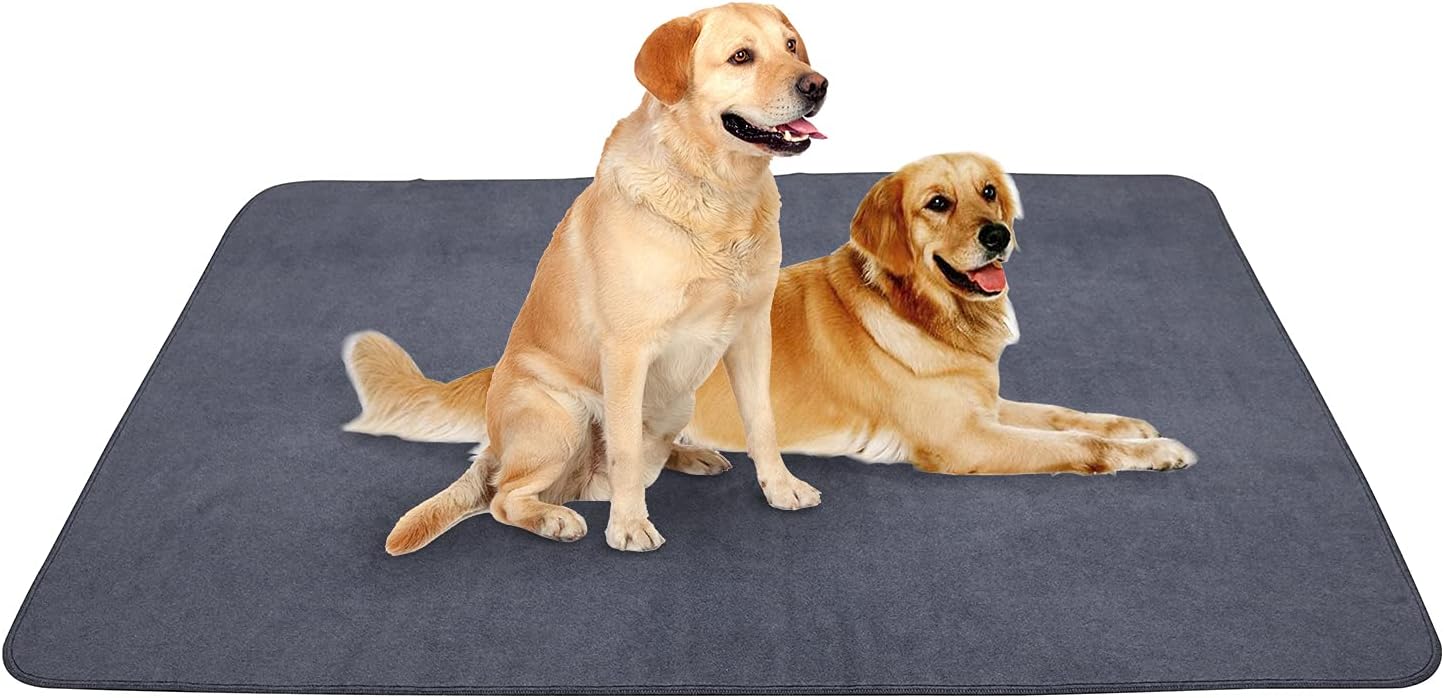
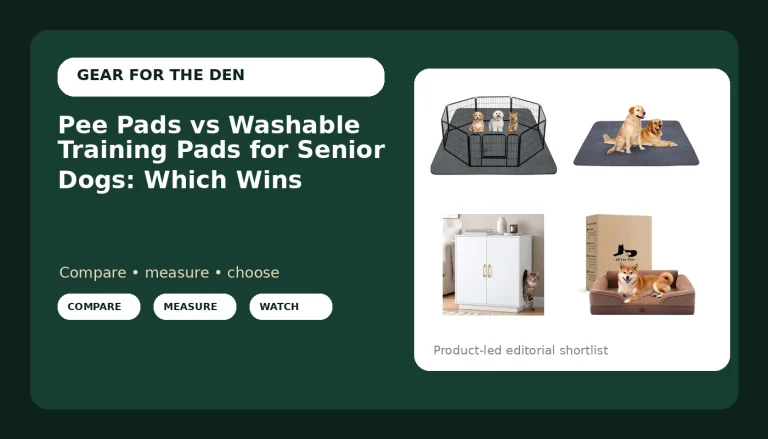
Peepeego Non-Slip Dog Pad 72"x72", Washable Pee Pad Waterproof for Training, Whelping
72 by 72 inches of coverage, waterproof liner, non-slip backing, built for whelping and training
A pad that size is one big load of laundry, and owning one pad means no backup
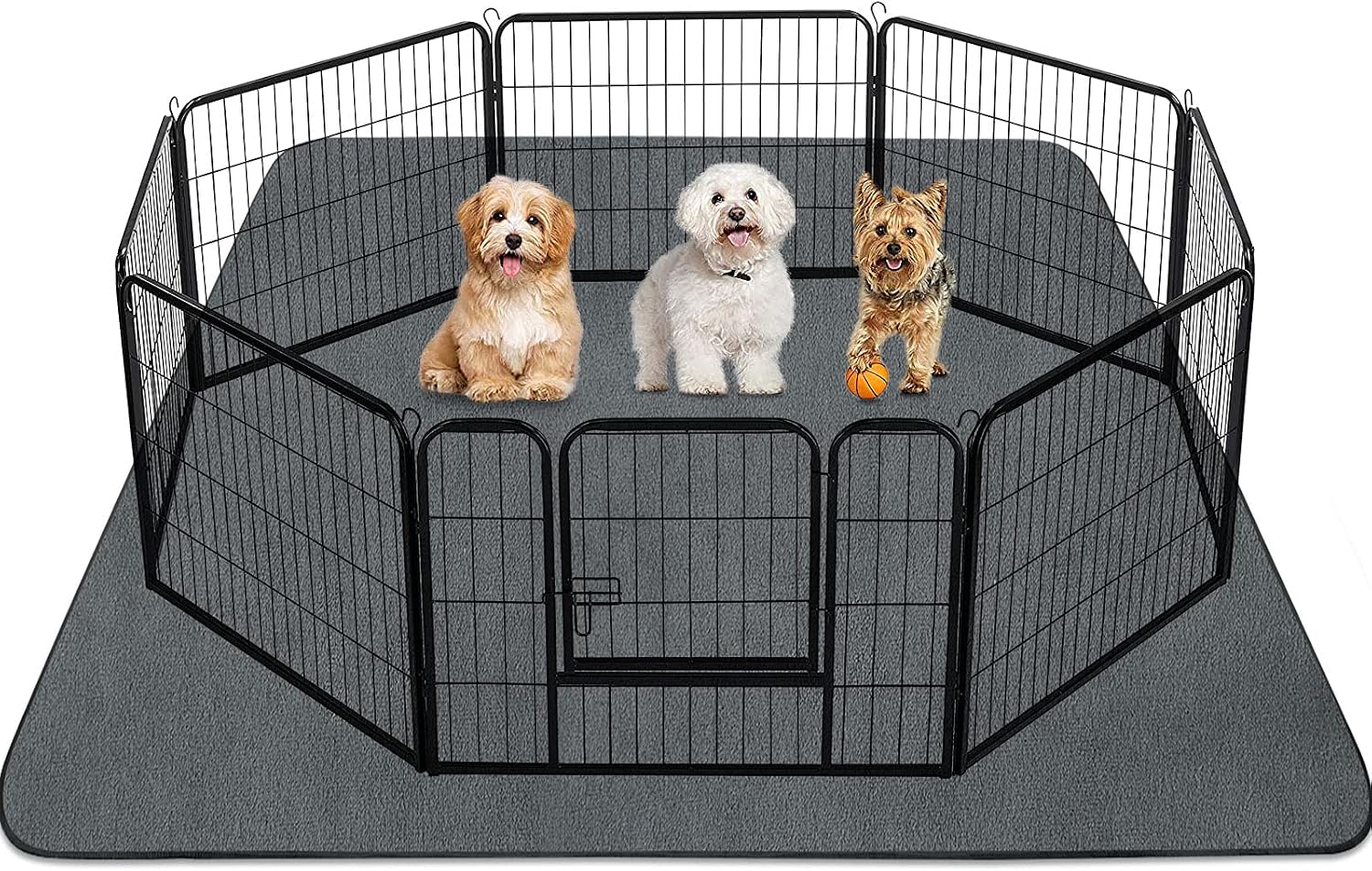
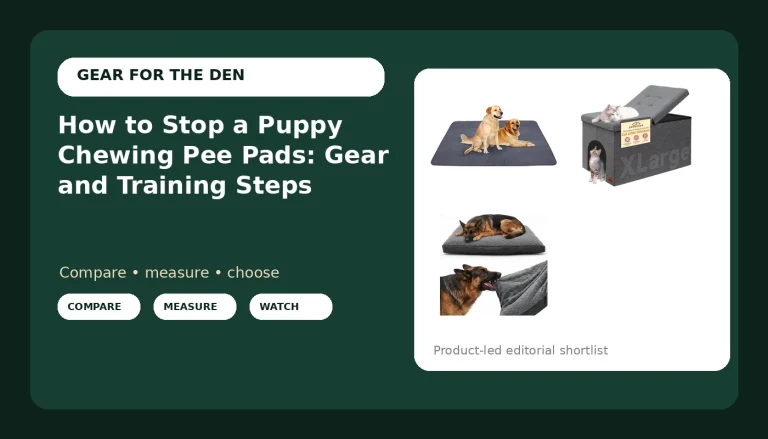
INVENHO Washable Pee Pads for Dogs 72"x72" Reusable Dog Pads Extra Large Upgrade Non-Slip Dog Pee Pads Heavy Absorbency Puppy Pee Pads Quick Dry Whelping Pads/Waterproof Puppy Training Pad
Same extra-large footprint with a quick-dry top layer, heavy absorbency claims, and a non-slip upgrade
Also a bulky wash, and two of them will fill a small machine
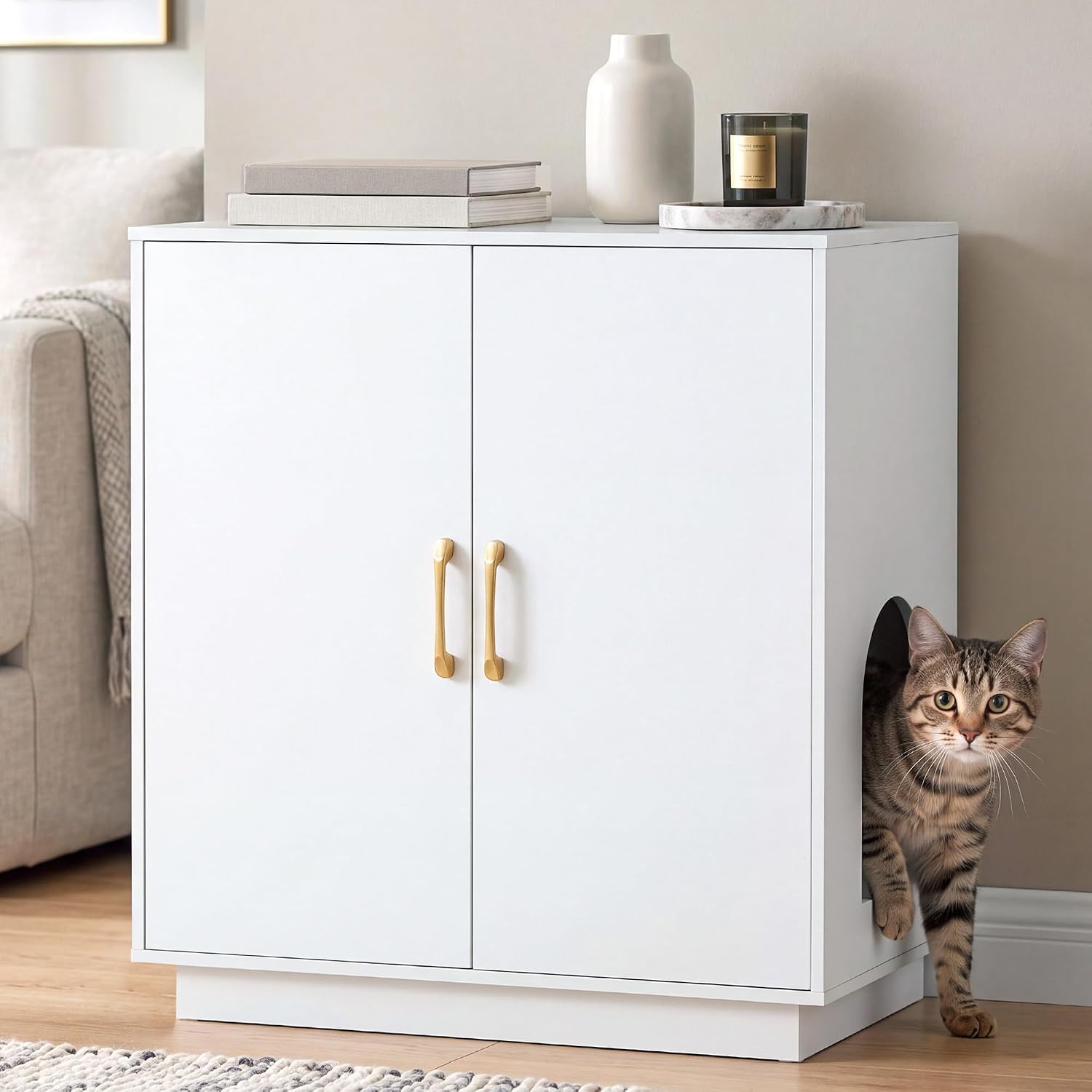
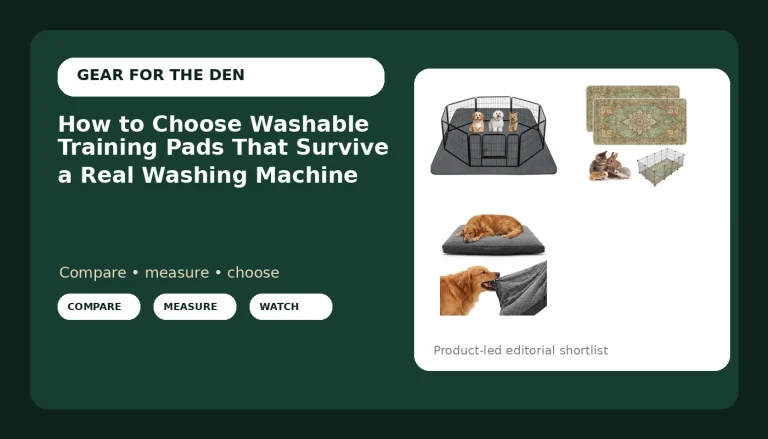
Gitelsnour 30.9'' Litter Box Enclosure Furniture- Hidden Storage, CLB003WT
Hides the box and keeps pads, wipes, and spare liners out of sight in a cleanup corner
It is furniture, not a pad, and it absorbs nothing
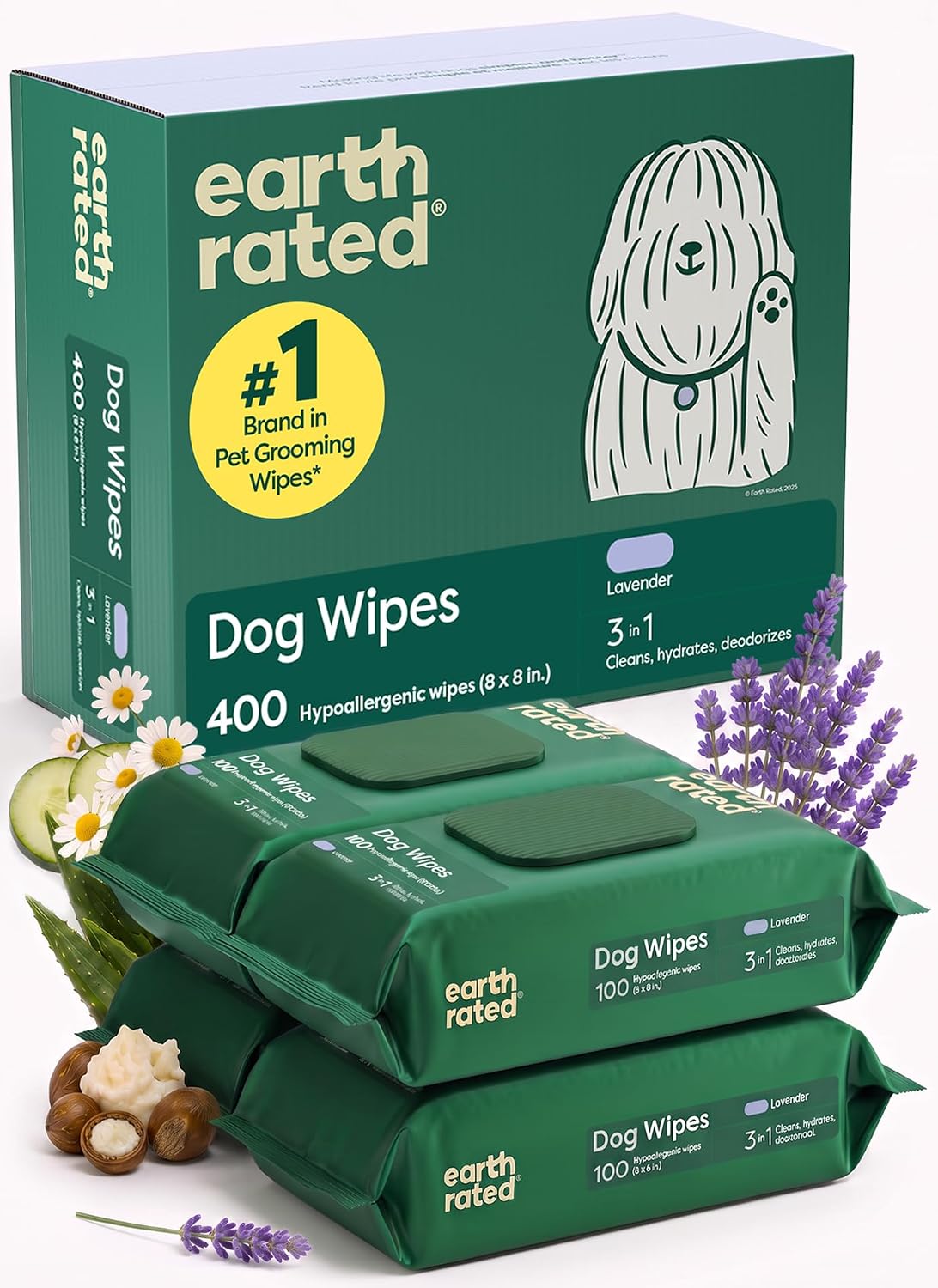
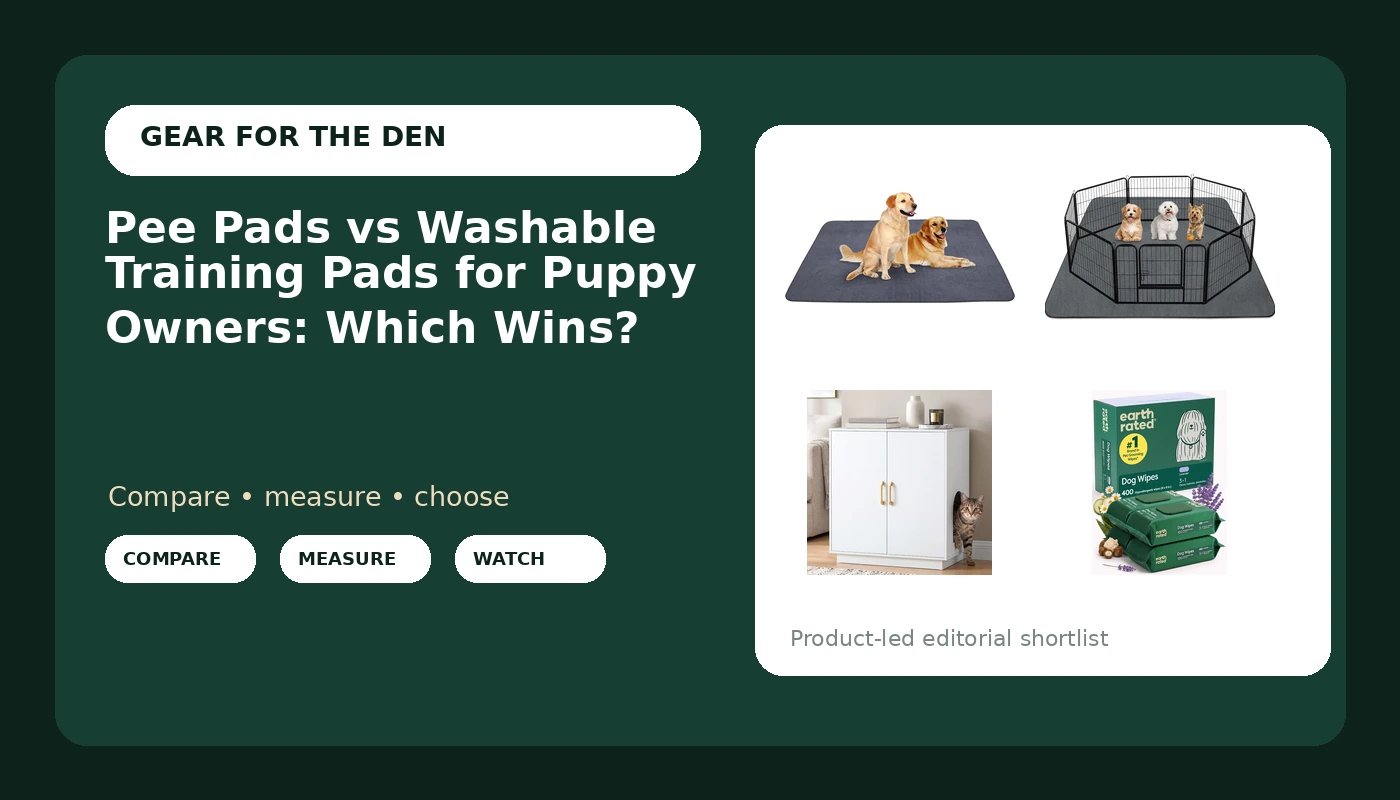
Earth Rated Dog Wipes for Paws & Butt, Deodorizing, Lavender, 400ct
400 deodorizing lavender wipes for paws and butt, no bath required
A supplement to pads, not a replacement for them
Prices and availability may change.
How I evaluate pads before recommending one
My checklist for a training pad has five items, and price is the last of them. First is pad size. A pad that is too small for your puppy's crate or pen just means the accident lands on the floor beside it, which defeats the entire purpose. A 72 by 72 inch pad covers a full whelping box or a generous playpen, and it also folds down to something reasonable for a crate. Second is pad absorbency: how much liquid the core takes before it stops being a pad and starts being a puddle with ambitions. Third is liner waterproofing, which is what keeps the mess off your floor and is the most common failure point on cheap washable pads. Fourth is whether the whole thing is machine washable in the practical sense, meaning it survives hot water, detergent, and a dryer cycle without delaminating at the seams. Fifth is whether the backing and the top fabric are carpet safe and fabric safe, because a non-slip layer that leaves residue on a rug is worse than no backing at all. I also treat odor neutralizer claims with some suspicion. A washable pad does not neutralize anything on its own; it just gives you the option to rinse the problem away before it sets.
What pee pads vs washable training pads for puppy owners really comes down to
Strip away the marketing and the difference between pee pads and washable training pads for puppy owners is a trade of labor against waste. A disposable pad turns a mess into trash in about four seconds. A washable pad turns a mess into a load of laundry, which costs a couple of hours of machine time and a few minutes of your attention. In practice, the pee pads vs washable training pads for puppy owners question is a trade of labor against waste, and which side you land on depends on how much laundry capacity you have and how often your puppy goes.
Flip the search around and washable training pads for puppy owners vs pee pads becomes a question about laundry capacity as much as about absorbency. A household with a stacked washer and a busy schedule will feel every extra load. A household with a utility sink and a puppy who is home alone for eight hours will feel every soaked disposable.
The details still matter. A disposable pad is a single-use product with a plastic backing, a pulp or polymer core, and often an attractant that encourages a puppy to use it. Its weakness is that once it is soaked, it is done, and a puppy who returns to the same spot twice in an hour will find the second accident sitting on top of the first. A washable pad has a quilted top layer, an absorbent core, and a waterproof liner, and its weakness is that it has to come out of the pen, go into a machine, and come back before it can do its job again.
There is also a difference in how the two behave under a determined chewer. A disposable pad shreds into a mess you have to pick out of a puppy's mouth. A washable pad generally survives, though a determined puppy can still pull the layers apart at a seam if you leave it in the pen unattended.
Disposable pads: the case for throwing the mess away
Disposables earn their place in three situations. The first is the first week with a new puppy, when you do not yet know whether you are dealing with a one-puddle-a-night animal or a four-puddle-a-night animal. The second is travel, because a folded pad in a bag is lighter and more predictable than a wet washable pad in a laundry bag. The third is recovery from illness or surgery, when washing and reusing anything feels like a bad idea.
What to look for in a disposable: enough layers that the surface stays dry under a paw, an attractant if your puppy needs the hint, and a backing that does not slide across a hard floor. On carpet, put something underneath, because a soaked disposable pad will wick. The cleaner you use on the carpet afterward matters more than the pad itself, and that is where enzyme concentration is worth reading the label for, since enzymes break down the residue that keeps a dog returning to the same spot.
The honest criticism of disposables is the volume of trash. A young puppy can go through several a day, and that adds up to a bag of waste every week in a way that a washable pad never does.
Washable pads: machine washable, but the laundry is the price
Two of the pads I get asked about most are the same size and the same basic idea. The Peepeego Non-Slip Dog Pad is a 72 by 72 inch washable pad with a waterproof liner and a non-slip backing, sold for training and whelping. Visit on Amazon. Its appeal is coverage: one pad covers a whelping box, a large playpen, or the floor of a small bathroom without seams or gaps for a puppy to aim at. Its cost is that a 72 inch pad is a serious piece of laundry, and a single pad means a single point of failure while it is in the machine.
The INVENHO Washable Pee Pads for Dogs covers the same 72 by 72 inch footprint with a quick-dry top layer, heavy absorbency claims, and the same non-slip upgrade. Visit on Amazon. If you are choosing between the two on paper, the deciding factors are how quickly the top layer dries between washes and how the seam construction holds up after repeated hot cycles.
Whichever you pick, buy two if the budget allows. One washable pad in a pen and one in the wash is the difference between a system and a chore. Rotating two pads also halves the wear on each one, which matters because liner waterproofing is usually the first thing to go.
The rest of the cleanup corner: wipes and a place for the box
Pads handle the floor. They do not handle the puppy. The Earth Rated Dog Wipes for Paws & Butt are a 400 count pack of deodorizing lavender wipes sized for paws and rear ends, which is the fastest way to deal with a puppy who stepped in the wrong spot before he walked across the rug. Visit on Amazon. They are not a substitute for a pad and they are not a substitute for a bath, but they cut down on the number of full washes a week, and the lavender does some of the work an odor neutralizer would otherwise have to do.
If you also have a cat, or you are trying to stop the cleanup corner from taking over a room, the Gitelsnour Litter Box Enclosure is furniture that hides the box and gives you closed storage for pads, wipes, and a spare liner. Visit on Amazon. It absorbs nothing, so treat it as part of the room rather than part of the pad decision, but a place to put things is what keeps a training setup from looking like a training setup.
The math that actually matters
The reason washable pads win the long argument is simple arithmetic. One washable pad replaces a long run of disposables, and it keeps replacing them for as long as it survives the wash cycle. A pad that lasts through a hundred washes has replaced a hundred pads. A pad that delaminates at wash ten has replaced ten, and the cheap one is suddenly the expensive one.
That math only works if you actually wash the pad. A washable pad that sits in a bucket for three days is a disposable pad with extra steps, and it is worse for your house than a disposable, because it holds odor until you deal with it. Build the routine around the wash, not around the pad.
The other half of the math is what you save on the floor. A pad that fails at the liner means a carpet cleaning, and carpet cleanings cost more than pads. That is the real argument for spending more up front on a pad with a genuine waterproof layer.
Should you buy one pad before you buy six?
Yes. Buy one, wash it three times, and watch what happens. A pad that pills, curls at the edges, or loses its liner waterproofing after three washes will do the same after thirty, and you will have learned that for the price of one pad instead of six.
The same logic applies to disposables. Buy a small pack first and see whether your puppy actually uses the attractant or ignores it. Puppies are individuals, and the pad that works for a friend's Labrador may sit untouched next to your terrier for a week.
What to watch as your puppy grows
Pad size needs change faster than most people expect. A crate pad becomes a pen pad, a pen pad becomes a floor pad, and a senior dog with a weak bladder brings you back to the same decision you made at eight weeks, often with a bigger dog and a smaller margin for error. Plan for that progression when you buy, because a 72 inch pad bought for a puppy is still useful for an adult dog and still useful for a senior.
Whether you land on pee pads or washable training pads for puppy owners, the supporting gear is what keeps a house livable: a place for the mess, a way to clean the dog, and a routine that does not depend on you being awake at 2 a.m. Get those three things right and the pad decision stops being a debate.