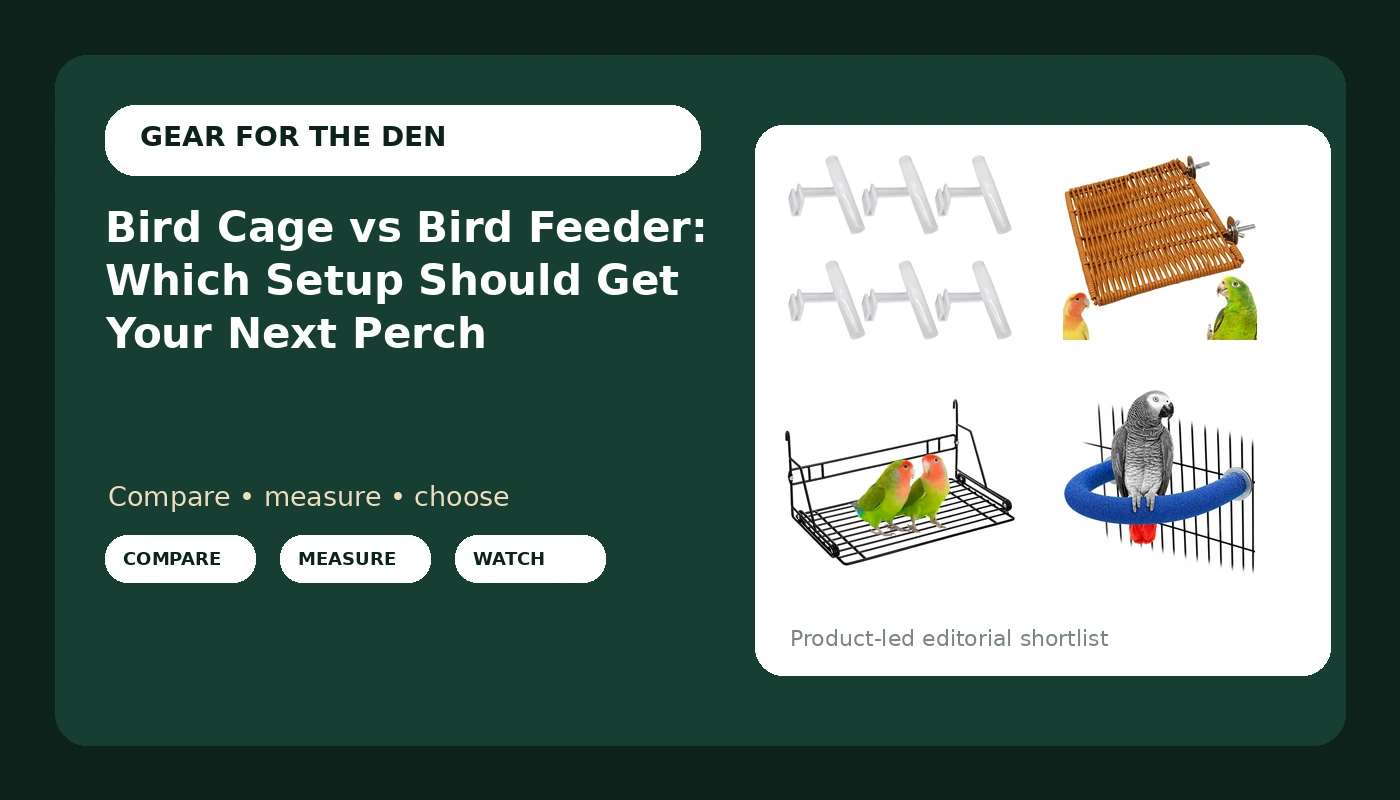
Most people who type a bird cage vs bird feeder comparison into a search bar are not actually confused about what the two objects are. They are trying to decide where the money goes first, and whether the perch, platform, or clip-on accessory already in their cart belongs to one setup or the other. A cage is the bird's home base: the frame with the door, the tray liner, and the bars the bird climbs. A feeder is a station, a place where food appears, whether that is a cup bolted to the inside of a cage or a window-mounted unit the bird visits from the outside. The hardware overlaps far more than most buying guides admit, and that overlap is exactly why four perch-style accessories can matter to both.
The short answer: buy the enclosure first, treat the feeding station as an accessory, and spend real thought on the perch, because the perch is the part of the setup your bird physically touches all day. Everything below is about that third decision, and about how the same accessory changes character depending on whether it clamps inside a cage or clips to a window feeder.
Here is the part the usual difference between bird cage and bird feeder explainer skips: neither object is furniture. Both are containers for the same three jobs, which are perching, eating, and moving between the two. The four accessories in this comparison are all perches or platforms rather than cages or feeders, which makes them an honest test case. Each one either mounts to cage bars, clips to a feeder, or does both.
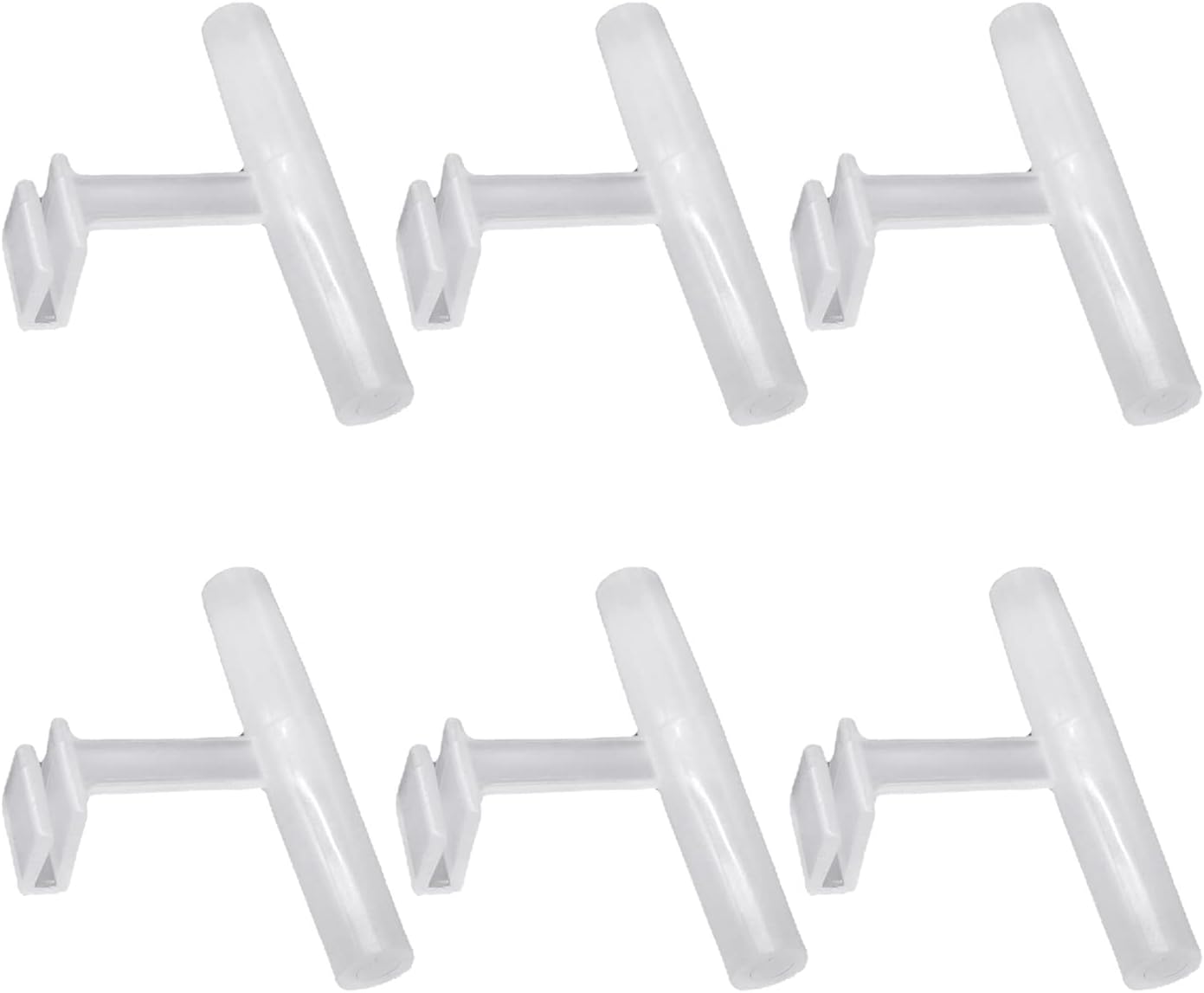
BOGEEL Bird Stand 6 Pieces Perches Clip to Window Feeders Training Tool Toy for Small Parrots Conures Cage Accessories
Six pieces in one box, and the clip design moves between a window feeder and cage bars without tools
Sized for small parrots and conures, so it is the wrong scale for a large bird
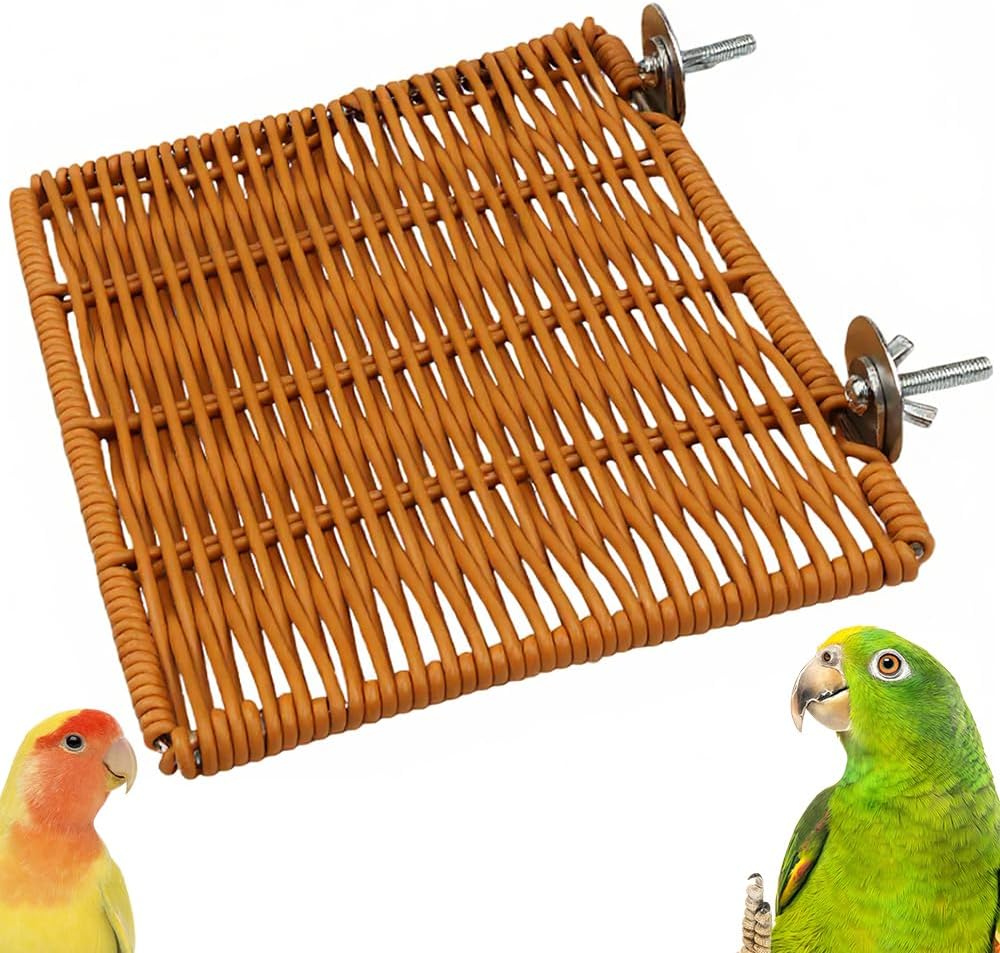
Bird Perch Platform Rectangle Cage Accessory for Cockatiel Parrot (Brown)
A flat standing surface that tucks into a corner better than a round dowel
One flat surface adds no variety in perch diameter, and it is cage-only
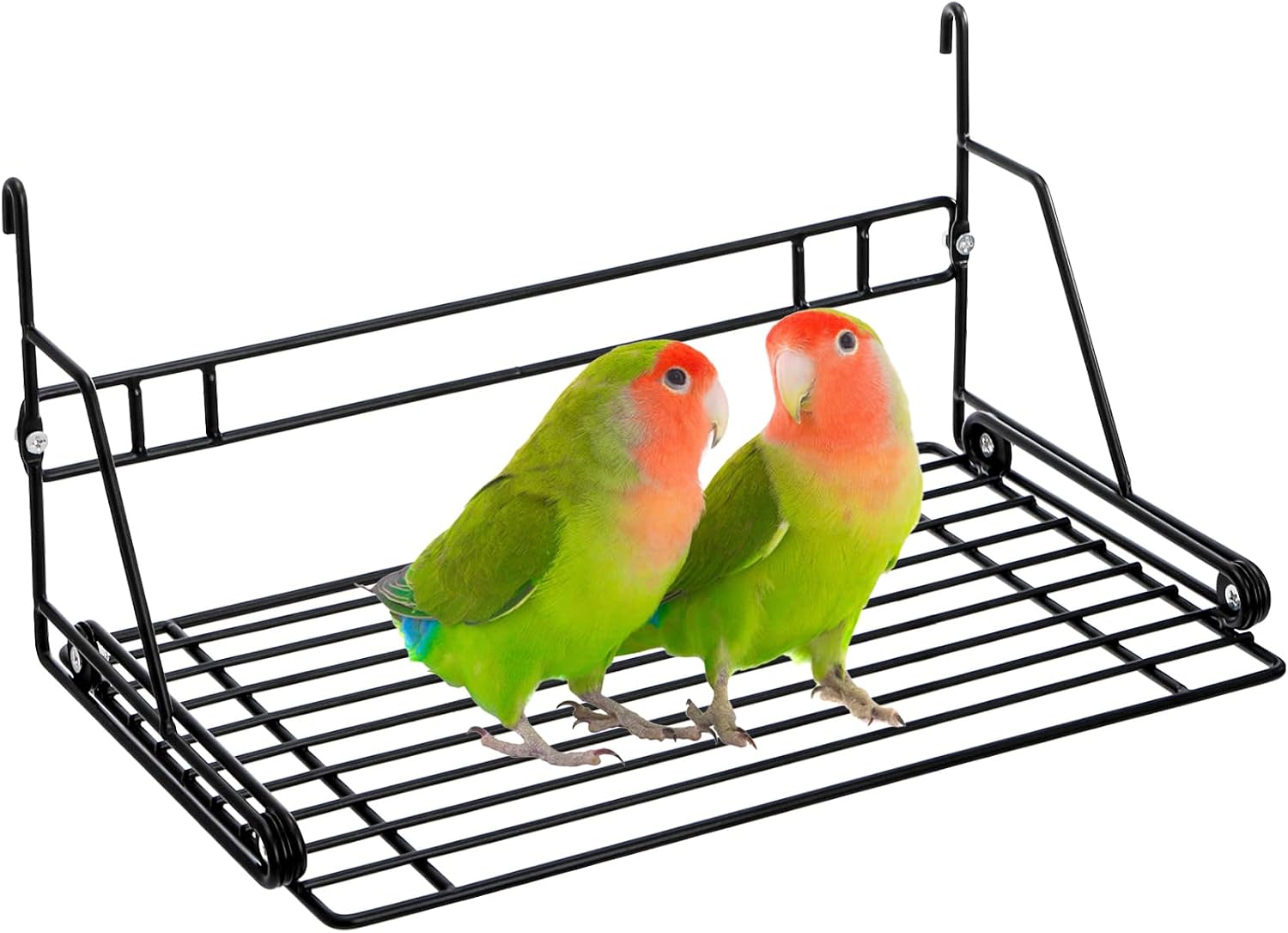
Okllen Bird Perch Stand, Bird Cage Platform Wire Patio Sundeck Playground for Parrots Cockatiels and Small Birds, 12" Lx8 W
The largest flat surface here, sized so a cockatiel can spread out and preen
Twelve by eight inches is a lot of real estate inside a small cage
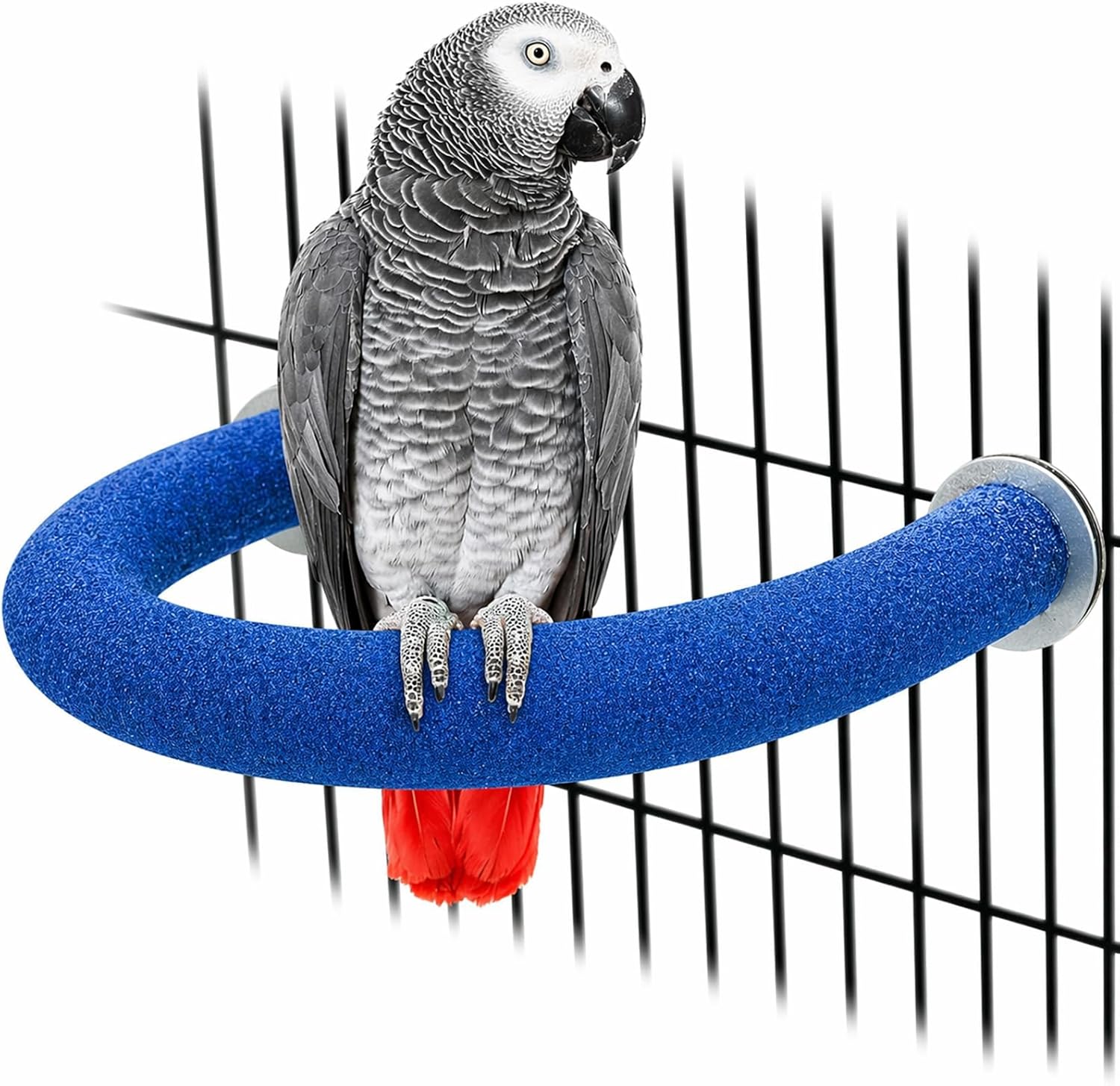
Rypet U-Shaped Large Parrot Perch, Quartz Bird Perch for Cage(Blue L)
The U shape gives two standing heights from one mount, with a quartz surface
Large sizing and a fixed cage mount, so it does not travel to a feeder
Prices and availability may change.
How I sort bird cage vs bird feeder gear
When you compare a cage against a feeder, the specs that decide the purchase are not the same on both sides. On the cage side, bar spacing and cage height do most of the work. Bar spacing decides which birds can slip through the wire and which perches will actually clamp onto it. Cage height decides whether a bird can climb, hang, and still have clear air below its tail. On the feeder side, mount type and foraging difficulty do most of the work. A feeder that clips to a window is a different object from one that hangs inside a cage, and the perches attached to each have to survive different forces.
Then there is the middle layer, which is where people get stuck: perch diameter, food cup size, carrier size, and the humble tray liner. Perch diameter decides foot health over years rather than days. Food cup size decides how often you refill and how much mess lands below the cup. Carrier size decides whether the whole setup travels with you. A tray liner decides how long Sunday cleaning takes. None of those four specs appear in a typical cage-versus-feeder argument, and all four are the reason someone ends up buying a second setup six months later.
The rule I use is simple: match the accessory to the job the bird does most often. A bird that lives in a cage and visits a window feeder needs perches that work on bars first and clip on second. A bird in an aviary, or one that spends most of its day outside the cage, needs the reverse.
Cage-first perches: what earns a permanent spot
The Rypet U-Shaped Large Parrot Perch behaves like traditional cage furniture. The U shape gives a bird two standing heights from a single mount, so a parrot can move up or down without leaving the perch, and the quartz surface is the closest thing in this group to the texture of a natural branch. It is sized large, which is a feature if you keep a bigger parrot and a limitation if you keep a budgie. Because it is built for a cage, it does not travel to a window feeder, and that is the trade: a fixed perch that is stable in one spot against a movable perch that is merely adequate in several. Check current Amazon price
The Okllen Bird Perch Stand is the opposite bet. At 12 inches long and 8 inches wide it is a flat patio rather than a branch, and a flat surface matters for birds that spend a lot of time on their feet, especially cockatiels and small parrots that prefer sitting to clinging. It reads as a sundeck: somewhere to stand, preen, and watch the room. The catch is the footprint. Twelve by eight inches is a lot of real estate inside a small cage, and if the cage is already crowded with food cups and a swing mount, this platform will force you to remove something else. Check current Amazon price
The brown rectangular platform perch is the plainest option of the three cage-side picks. It is a flat standing surface that fits a corner or a wall of the cage and gives a cockatiel somewhere to sit that is not a dowel. Rectangle platforms are easier to tuck against a wall than round perches, and easier to line up with a tray liner when you are cleaning. What it does not do is add variety. One flat surface, however well placed, does less for foot health than two or three different perch diameters spread around the cage. Check current Amazon price
Feeder-side perches: the clip-on case
The BOGEEL Bird Stand set is the only accessory here that names a window feeder in its own description, and that is the entire point of it. Six clip-on pieces in one box means you can spread perches across a feeder, a cage door, and a travel carrier without buying three separate products. The clips are the feature: they let you reposition a perch in seconds, which matters when you are dialing in feeder height for a bird that is still learning where food appears. It is sized for small parrots and conures, so a large parrot is out of scope. Clip-on perches also flex under a heavier bird, and a perch that shifts while a bird steps onto it is a perch that bird will avoid. Check current Amazon price
This is where the bird feeder vs bird cage question gets practical. If the perch clips to a window feeder, the bird eats in a place you can watch from a chair, and the perch has to survive wind, glass, and a mount you cannot inspect from inside the room. If the perch clamps to cage bars, the bird eats in a controlled space and the perch has to survive a bird that climbs on it constantly. Same bird, same food, two very different loads on the hardware.
Foraging difficulty belongs to this side of the comparison. A feeder that simply presents food in a cup is easy; a feeder the bird has to reach into, hang from, or work around is harder, and harder is usually better for a bored parrot. The perch you pair with a feeder decides how much of that work the bird can do comfortably. A perch set too far from the food makes every meal a stretch, and a perch set too close turns a puzzle feeder into a plain bowl.
Platforms versus round perches: the trade-off nobody mentions
Every accessory in this comparison sits somewhere on a line between round and flat. Round perches, like the U-shaped quartz perch, let a bird wrap its toes and grip. Flat platforms, like the Okllen sundeck and the brown rectangle, let a bird rest its whole foot and take weight off its joints. Birds need both, and most cages ship with neither done well.
Perch diameter is the number that decides which side of that line you are on. A perch that is too thin makes a bird's toes overlap and its nails curl past the tip. A perch that is too thick gives nothing to grip. The fix is variety rather than a single perfect size, which is why a set of six clip-on perches can be more useful than one expensive perch, even if each individual piece is humbler.
Platforms have a second advantage that rarely gets mentioned: they catch less mess underneath. A bird eating on a flat surface drops food straight down toward the tray liner, while a bird on a round perch flicks hulls in an arc. If you keep a cage in a living room rather than a dedicated bird room, that difference shows up on your floor every week.
Mounting, swing mount, and how each perch stays put
Mounting style is the spec buyers check last and regret first. The Rypet perch mounts to the cage and stays where you put it, which is what you want for a bird that uses the same sleeping spot every night. The two platforms rest on or attach to the cage structure and behave like fixed furniture. The BOGEEL set clips, which means it moves, which is either the best or the worst property depending on your bird.
A swing mount is the other option in most cages, and it is worth thinking about here because swings and perches compete for the same few inches of bar space. A swing gives movement; a fixed perch gives confidence. Shy birds, and birds new to a household, usually step onto a fixed perch long before they trust something that rocks. If you are setting up a first cage, put the fixed perch near the food and the swing somewhere else, so the bird has a calm place to eat.
Stability also decides how often you clean. A perch that wobbles has to come off the bars more often, and every removal is a chance for a clip to crack or a clamp to lose tension. Whatever you buy, test the mount with your hand before the bird tests it with its whole body.
What the specs tell you before you buy
Bar spacing and cage height are the two numbers that constrain everything else. Measure the gap between bars before you buy any clamp-on accessory, because a perch built for half-inch wire will not grip a wider gap, and a perch that fits loosely will rotate under a climbing bird.
Perch diameter and food cup size come next. Order at least two diameters if you can, and check that the cups you already own will not be blocked by a platform that takes up the corner where they sit. If you travel with your bird, carrier size decides whether any of this hardware comes along, and a clip-on perch is the only one in this group that packs flat.
Foraging difficulty and the tray liner are the two specs nobody advertises. Foraging difficulty is really a question about your bird's energy level: a perch placed high and far from food makes the bird work, and a perch placed low and close lets it loaf. The tray liner is the unglamorous one. Buy the liner that matches your cage base before you buy a platform, because a platform that overhangs the liner drops food onto the floor instead of onto the paper.
Should you buy perches before you decide on bird cage or bird feeder?
Yes, and this is the rare case where buying accessories first is defensible. Perches are inexpensive relative to either enclosure, they fit almost any cage, and they are the part of the setup that most directly affects the bird's feet and confidence. The one thing to avoid is buying a perch sized for a bird you do not own yet. Large and small versions of the same shape are not interchangeable, and a large quartz perch will swallow a budgie's cage.
The order I would use: pick the enclosure, confirm bar spacing and cage height, then buy one fixed perch, one platform, and one movable clip-on perch. That trio covers sleeping, resting, and feeding, and it costs less than a second feeder.
The short version
If you are still weighing bird cage vs bird feeder, separate the two jobs in your head. The cage is where the bird lives, sleeps, and climbs, and it deserves the bigger budget and the more careful measurements. The feeder is where the bird eats, and it works best as an add-on to a cage that is already set up properly. The perch is the bridge between them.
For a cage interior, the Rypet U-shaped quartz perch and the Okllen platform sundeck cover the two extremes of round and flat, and the brown rectangle is a cheap way to add a second flat spot. For a window feeder, the BOGEEL clip-on set is the only option here designed for that job. Whichever way you go, buy for the bird you actually have, check the bar spacing first, and give the setup a week before you decide it needs another piece.