Cat hair arrives in two places: on the cat, and on everything the cat has ever leaned against. The cat comb vs lint roller for shedding question sounds like a simple either-or until you watch a roller sheet fill up in ten seconds while the couch still looks furry. One tool lifts hair off fabric after the fact. The other reaches into the coat and removes the hair that was going to land on the fabric in the first place. They are not the same tool at two different sizes, and treating them as interchangeable is how people end up owning both, trusting neither, and still vacuuming twice a week.
For a household with a shedding cat, the comb is the tool that changes how much hair is in the room, and the lint roller is the cleanup step that follows. Comb the coat first, then roll the furniture. A lint roller cannot fix the source, no matter how many sheets you burn through.
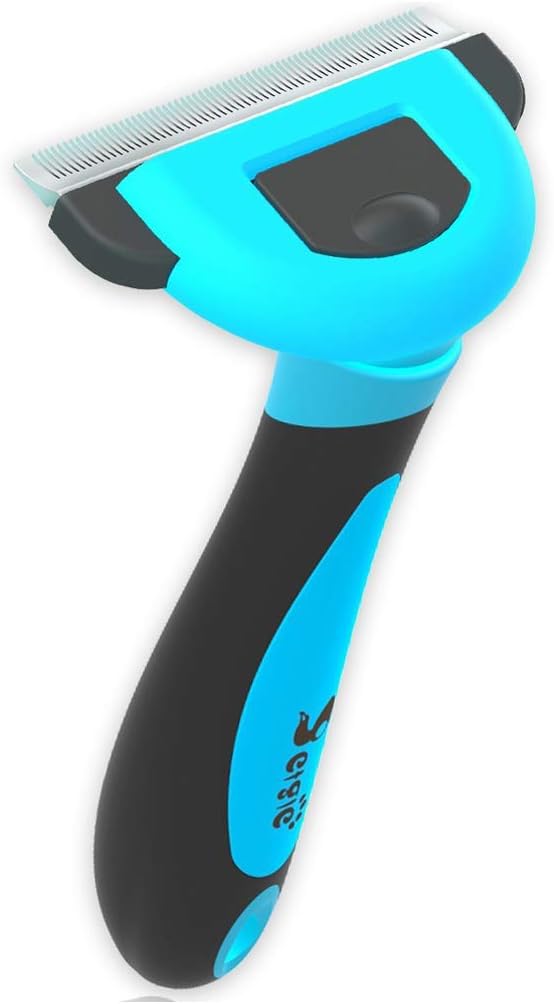
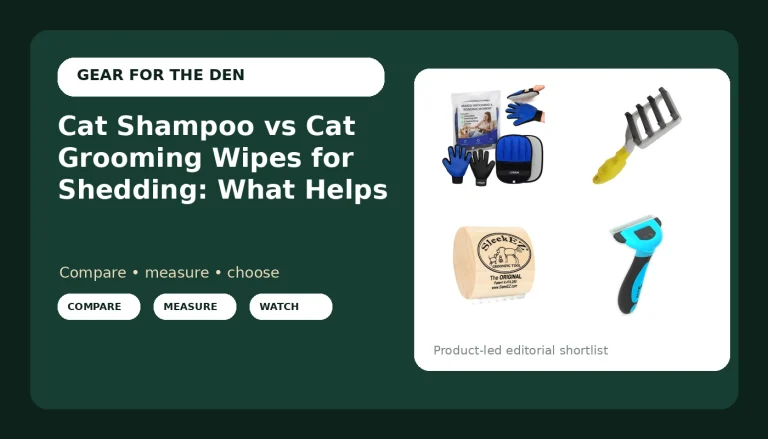
Petgle Cat Brush & Cat Comb for Shedding, 2.5inch Blue
Lowest cost of the four, brush and comb in one handle, gentle enough for short coats and weekly upkeep
Small 2.5 inch head means more passes, and fine undercoat slips past the bristle side
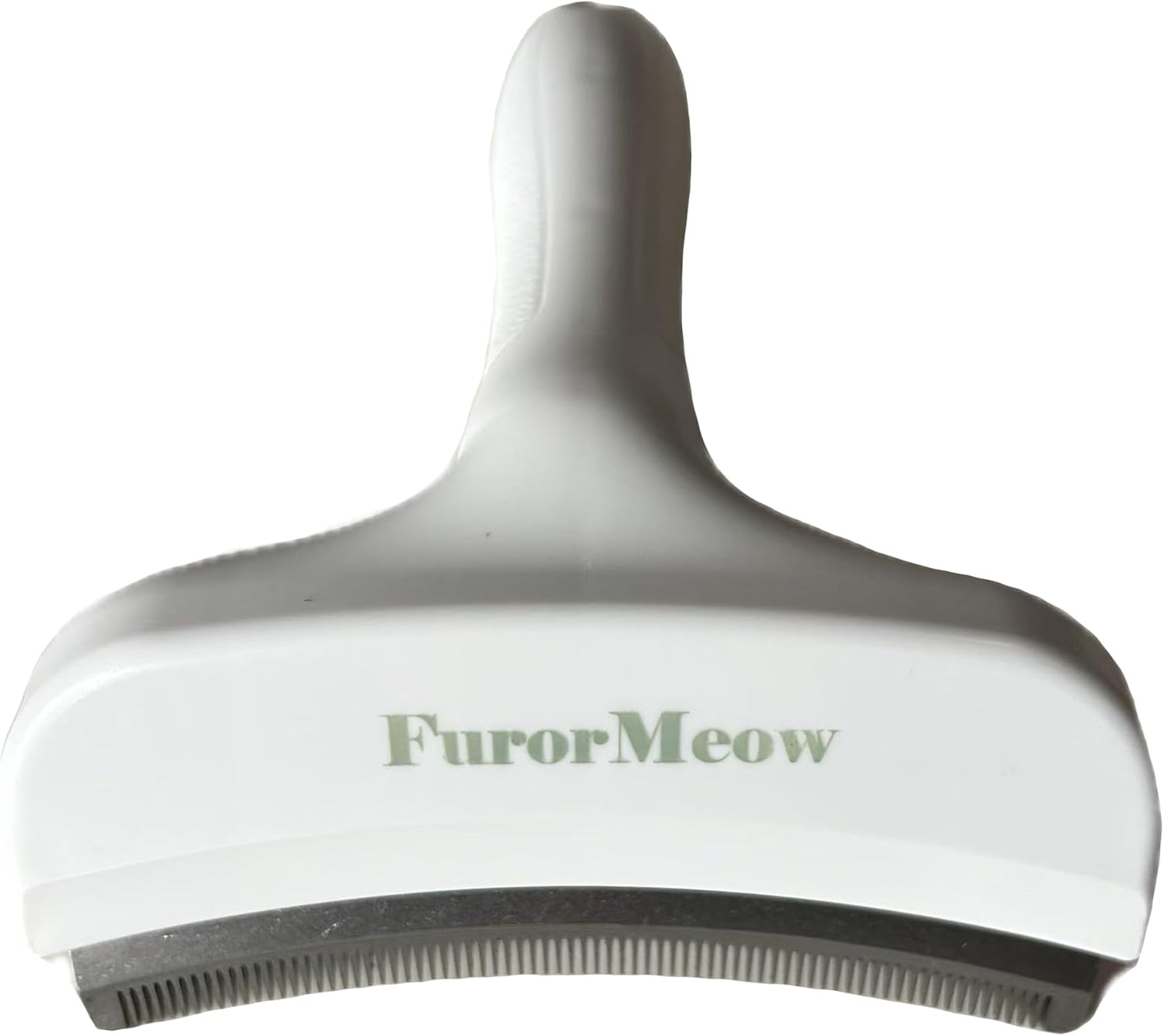
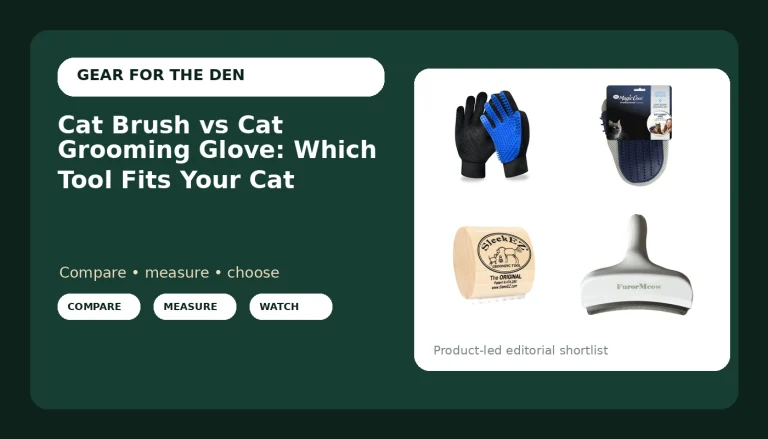
FurorMeow Pet Deshedding Tool with Curve Blade, White, Large
Tight V-shaped teeth and a curved deshedding edge reach undercoat that wider combs skate over, large head covers more coat per stroke
Pricier than the small version, and the aggressive edge punishes a heavy hand on thin coats
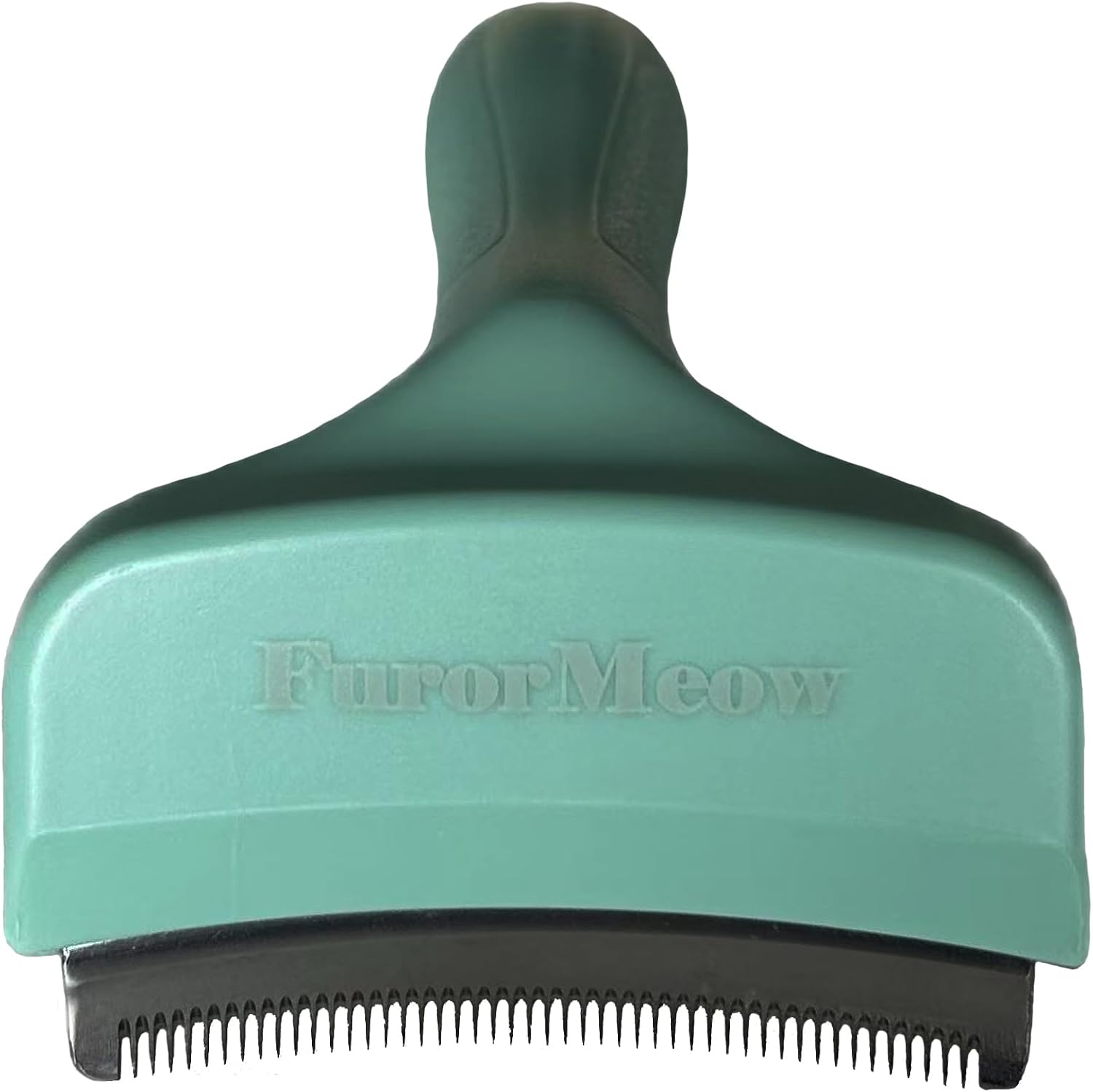
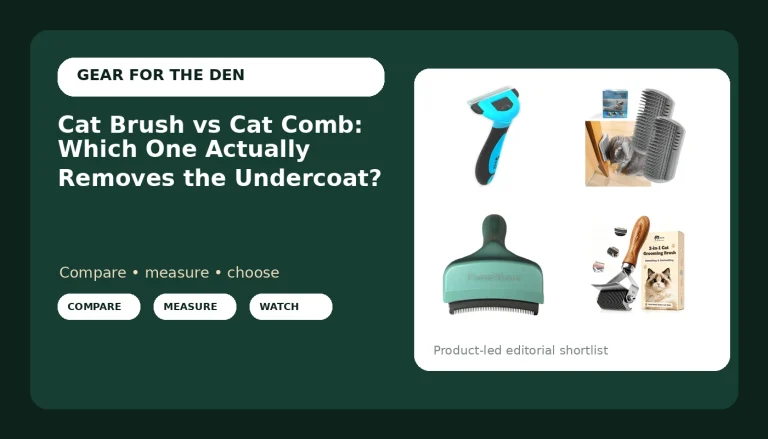
FurorMeow Pet Deshedding Tool with Curve Blade, Green, Small
Same V-shaped tooth design in a smaller head for kittens, seniors, and cats who dislike a big tool near the face
More strokes needed on a large cat, and the small head tempts you to press harder
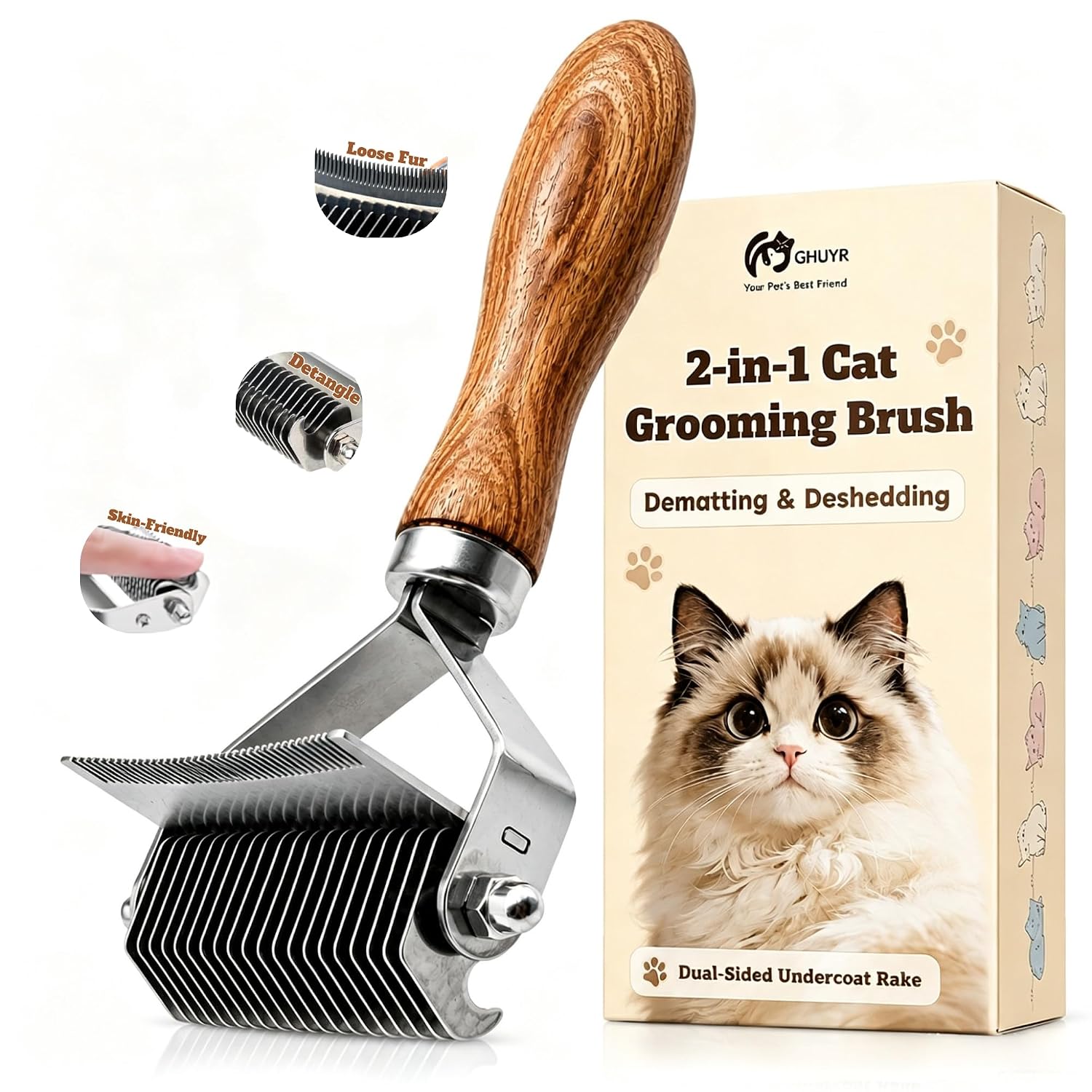
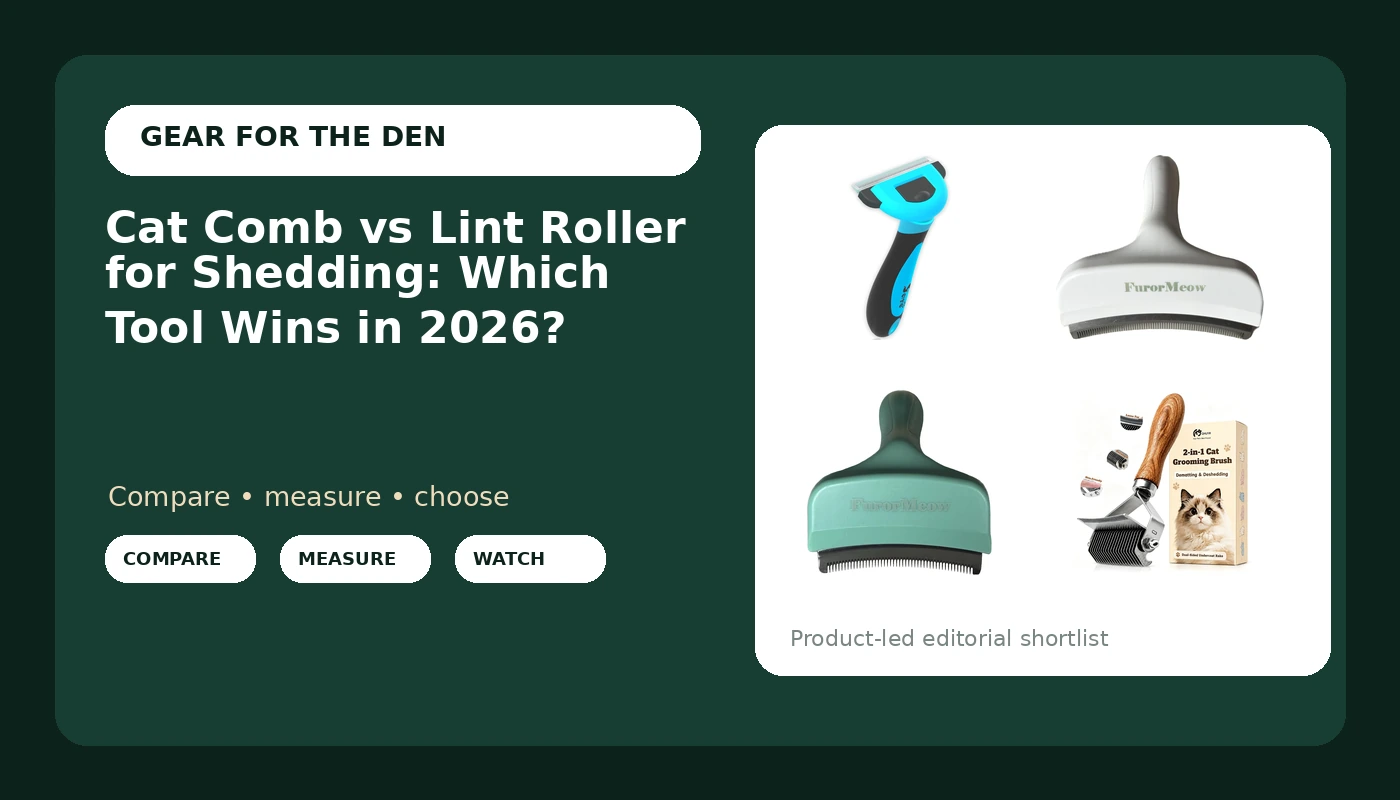
Cat Brush for Long Haired Cats, 2-in-1 Dematting & Deshedding Comb
Two tooth rows in one head, so tangles get separated before the deshedding side touches the coat
Highest price here, and the dematting row is dead weight on a short, tangle-free coat
Prices and availability may change.
What the cat comb vs lint roller for shedding debate gets wrong
Most of the confusion is a category error. A comb is a grooming tool that changes the coat. A lint roller is a cleaning tool that changes the room. They only overlap in the moment after hair has already left the cat, which is the moment the comb has already failed at its job.
The difference between cat comb and lint roller for shedding comes down to one question: do you want less hair on the cat, or less hair on the couch? A comb pulls loose undercoat out of the coat before it migrates to the furniture. A roller lifts hair that has already migrated. Solve the first problem and the second one shrinks on its own. Skip the first and you will buy roller refills forever.
There is a safety angle too, and it runs the opposite way from what people assume. A roller never pulls skin, never snags a mat, and never asks you to judge pressure. A comb does all three, which is why technique matters more than the price of the tool. The right setup for most homes is a comb used gently and often, plus a roller for the sofa. The wrong move is rolling the cat itself, which mostly spreads dander and teaches the cat that grooming is unpleasant.
What a comb actually removes
A comb works on the coat, not the carpet. Its teeth separate hair strands, reach under the topcoat, and lift the loose undercoat a cat has already shed but not dropped. That distinction matters, because most of the hair you find on furniture left the cat days ago. The hair still trapped in the coat is the supply feeding tomorrow's fur tumbleweed.
Comb spacing is the single most important spec on the package. Wide teeth glide through a long coat and work tangles loose without pulling. Tight teeth, like the V-shaped rows on the FurorMeow tools below, trap finer undercoat but can snag if you start them at the skin. A deshedding edge, meaning the curved blade or short row of teeth that scrapes just beneath the topcoat, is what turns a comb from a detangler into a shedding tool. Bristle type matters more on the brush side of a combo: stiff bristles reach the skin through a dense coat, while soft bristles mostly polish the surface.
Coat length decides which of those features you actually need. A short-haired cat with a dense undercoat does well with tight teeth and a light hand. A long-haired cat needs wider spacing to get through tangles first, then a denser pass once the coat is smooth. That is why one comb rarely suits a multi-cat house, and why head size matters as much as tooth pattern.
What a lint roller actually removes
Very little that matters in coat terms. Roller adhesive is built for fabric. It picks up hair, dander, and dust from a sofa, a duvet, a car seat, or a black jacket on the way out the door. It does not reach under a topcoat, it does not break up a mat, and it cannot tell dead undercoat from hair that is still attached.
Dismissing a roller entirely is still wrong. It is the fastest way to make a room presentable, it is the only one of the two tools that works on upholstery, and it costs almost nothing to keep in a drawer. The mistake is buying a roller to solve a shedding problem when you actually have a surface problem. Search results for lint roller for shedding vs cat comb often blur that line by showing a roller stripping hair off a couch and calling it deshedding. That is cleaning, not grooming.
The four combs in this comparison
Petgle Cat Brush & Cat Comb for Shedding, 2.5inch Blue. This is the budget entry and the gentlest of the four. The head is small, and the tool pairs a brush face with a comb edge, so you get a surface pass and a tooth pass without swapping tools. On a short-haired cat or a small dog, that is plenty for weekly upkeep. On a heavy undercoat it is a maintenance tool rather than a deep-clean tool: fine hair slips past the bristles, and the small head means more strokes per session. Visit on Amazon
FurorMeow Pet Deshedding Tool with Curve Blade, White, Large. The tight V-shaped teeth are the point. They sit close enough to trap fine undercoat that wider combs skate over, and the curved blade acts as a deshedding edge that follows the body instead of digging in at an angle. The large head covers more coat per stroke, which matters on a big cat or a thick winter coat. The trade-off is that tight teeth and a curved edge reward a light hand, and a thin-coated cat will let you know if you press too hard. Visit on Amazon
FurorMeow Pet Deshedding Tool with Curve Blade, Green, Small. Same tooth geometry and blade shape as the white version, scaled down. That makes it the better choice for kittens, senior cats with thinner skin, and cats who tolerate grooming only in short bursts around the face and chest. The small head also lets you work the legs and tail base without levering the tool. The cost is time: on a large cat, the small head turns a ten minute session into twenty. Visit on Amazon
Cat Brush for Long Haired Cats, 2-in-1 Dematting & Deshedding Comb. Two rows of teeth in one head, one for separating tangles and one for lifting undercoat once the coat is smooth. For a long-haired cat that develops mats behind the front legs or under the collar, that order matters, because running a deshedding edge straight over a mat pulls skin. The price is the highest of the four, and on a short, tangle-free coat the dematting row is dead weight. Visit on Amazon
Where a lint roller still earns its place
Furniture, car seats, dark jeans, and the inside of a cat carrier. Roller adhesive is unmatched at lifting hair off fabric in seconds, and it is the only tool here that works on a surface rather than a living animal. It also wins on the days when you have two minutes and someone is about to knock on the door.
What a roller cannot do is reduce the supply. Whether you should reach for a cat comb or lint roller for shedding is really a question about whether you groom at all. Comb twice a week and you will roll less. Only roll, and you will roll more every week as the coat keeps feeding the room.
Fit, safety, and the details people skip
Three details get ignored in most buying guides. The first is bristle type on the brush side of a combo tool. A combo with soft bristles is a finishing tool, not a deshedding tool, no matter how the listing describes it.
The second is what happens at the edges. Rounded tooth tips are what keep a comb from scratching skin, and if you also trim claws, a nail guard on the clippers prevents quicking, which is the injury that can make a cat hate grooming for months. A grooming session that ends in pain undoes weeks of patient work.
The third is fit on wearable tools. Grooming gloves live or die on glove fit. A loose glove drags hair around instead of collecting it, and no amount of roller adhesive fixes a glove that will not stay on your hand. A comb has no fit problem, which is one reason it is the more predictable tool for a nervous cat.
How to choose without buying twice
If you are still weighing cat comb vs lint roller for shedding, buy the comb first and treat the roller as an accessory. Then pick the comb by coat, not by price.
A short-haired cat that sheds steadily is fine with the Petgle brush and comb, which is the cheapest way into a weekly routine. A large cat with a dense undercoat gets more out of the large FurorMeow tool, because tight V-shaped teeth and a wide head mean fewer strokes and less friction. A kitten, a senior, or a cat that bolts after thirty seconds is better served by the small green version of the same design. A long-haired cat that mats needs the 2-in-1, because separating tangles before deshedding is not optional on that coat.
Across a year, one comb costs less than a steady supply of roller refills, and it is the only one of the two that changes how much hair you find in the first place.
What to check before you buy
Prices on these listings move, so check the current Amazon price before you commit rather than trusting a number you saw last month. Then look at three things in the photos and the description: the tooth spacing, the head size relative to your cat, and whether the tooth tips are rounded.
One more practical note. A comb is only as good as your cat's tolerance for it. Start with two minute sessions, work the areas your cat already lets you touch, and stop before the tail flicks. If a comb session ends in a wrestling match, the tool is not the problem, and no roller in the drawer will fix it.