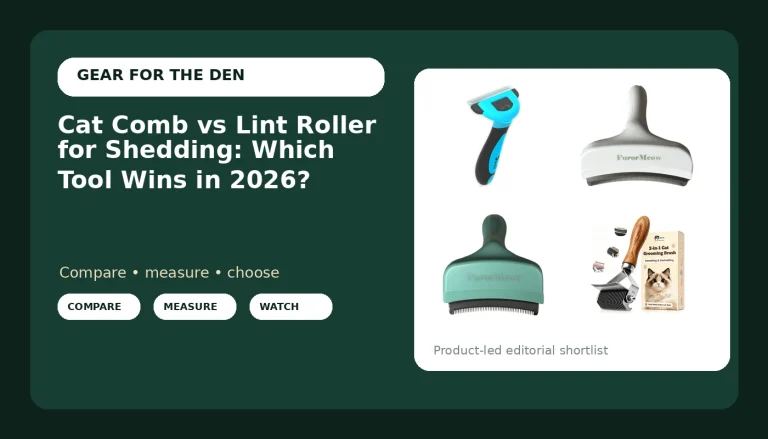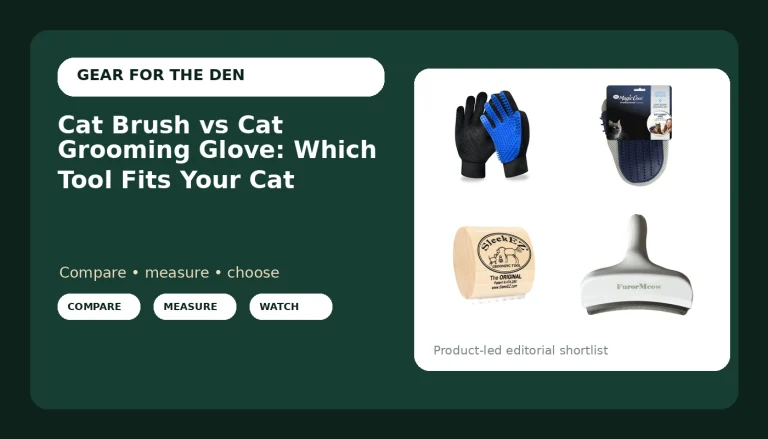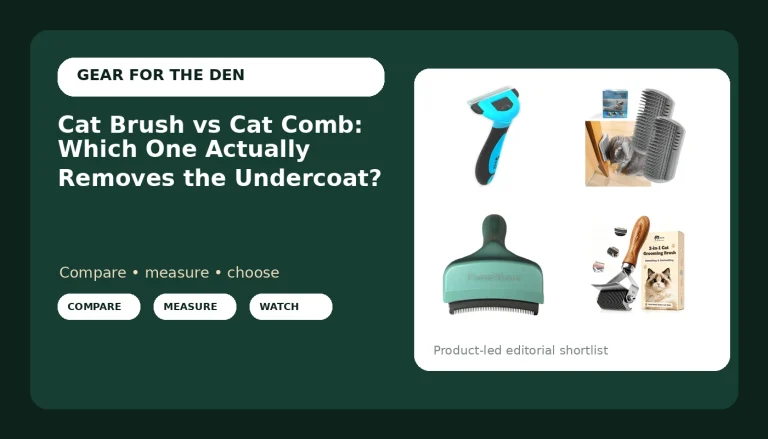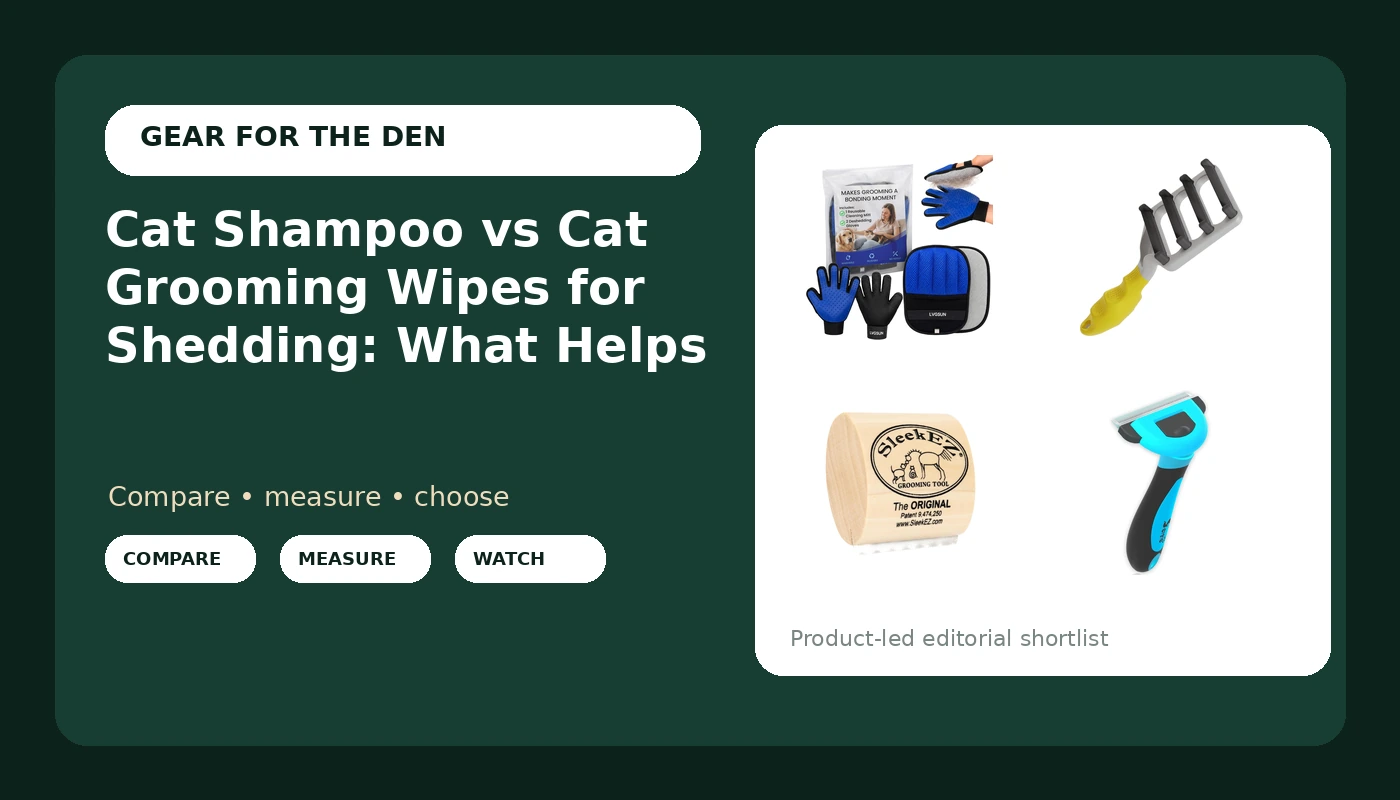
Cat shampoo vs cat grooming wipes for shedding is a debate that usually gets settled on the couch, not in the bathroom. Both wet options loosen dead hair and lift it off the coat, and both have a real place in a routine. Neither one, however, removes the dense undercoat that a cat is actively blowing, which is why so many owners finish a bath, towel the cat dry, and then watch the same volume of fur settle back onto the sofa within a week.
The short answer for most households: a deshedding tool removes far more loose fur than either a bath or a wipe, and the SleekEZ Cat Brush for Shedding is the safest single purchase because it covers short, medium, and long coats at a mid-range price. Everything below explains where shampoo and wipes actually fit, and where the four tools in the table do the work the wet options cannot.
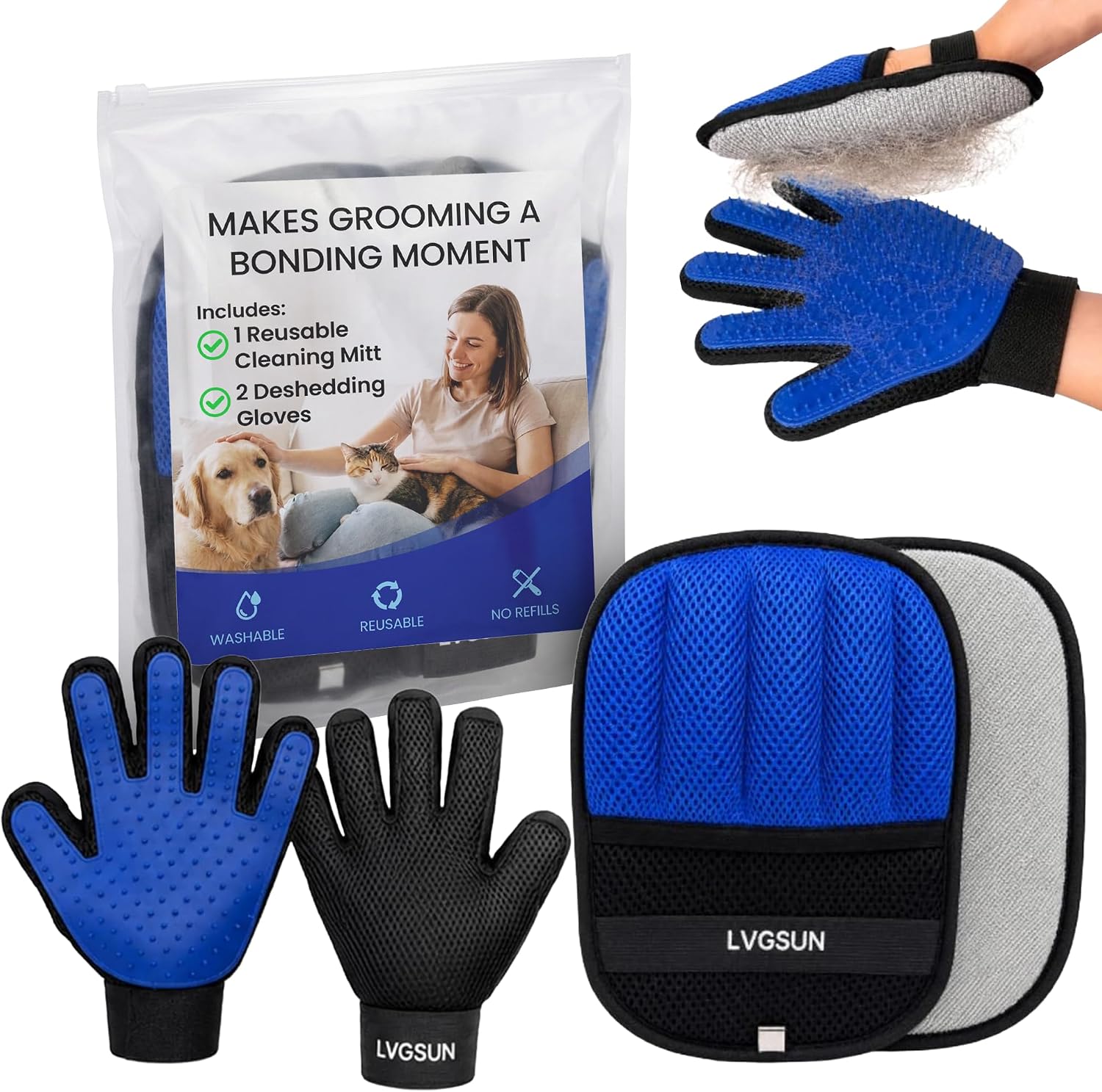
Cat Grooming Kit for Shedding (Deshedding Gloves + Self-Cleaning Mitt)
Glove format follows the curve of the cat's body, two tools in one kit, the easiest option for cats that hate combs
Silicone nubs work at the surface, so it lifts loose hair without reaching deep undercoat
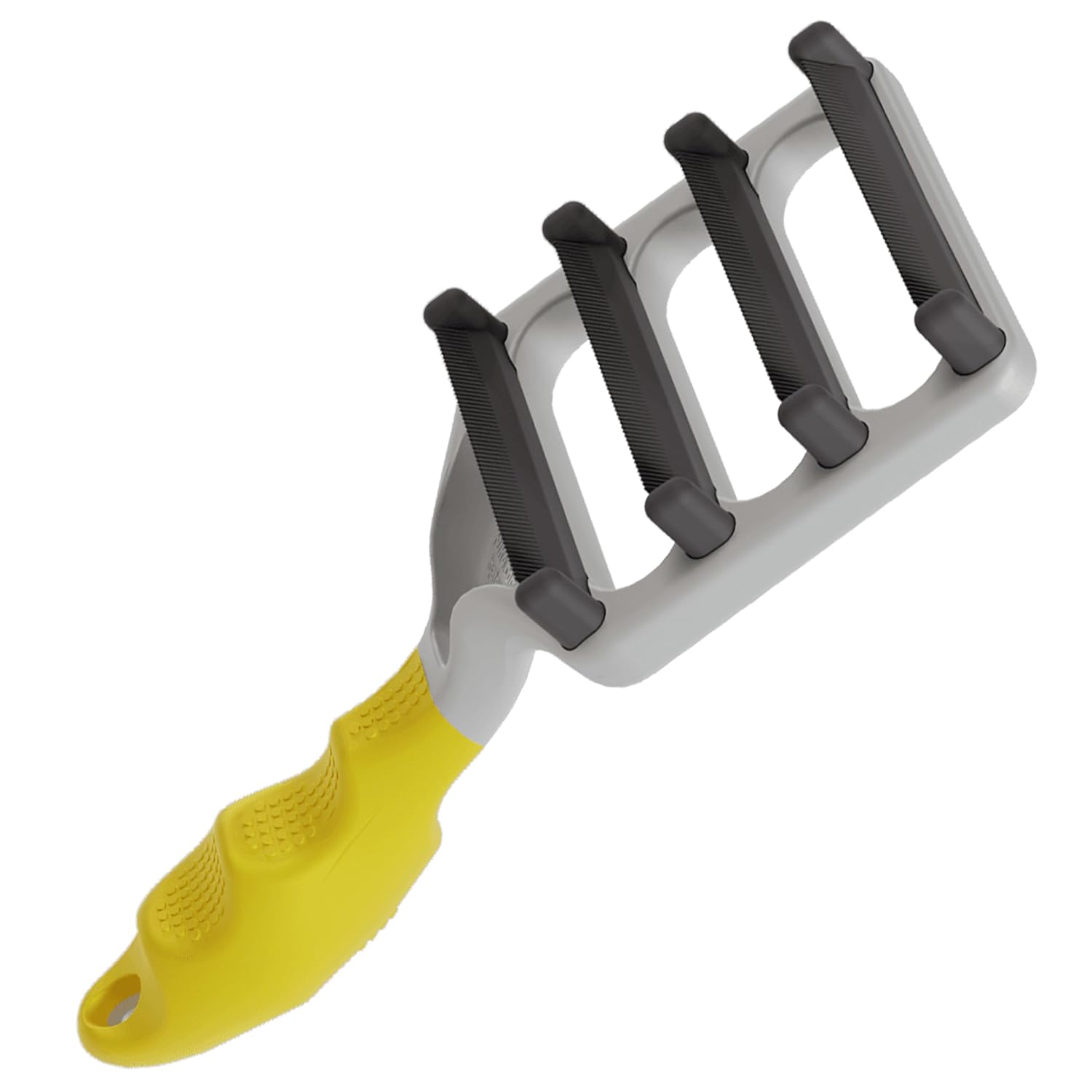
FUR4 deShedding Cat Brush for Short Hair Cats
Four carbon fiber deshedding edges cover more coat per stroke, designed specifically for short coats
Highest cost here, and the short-hair focus limits it on a long-haired cat
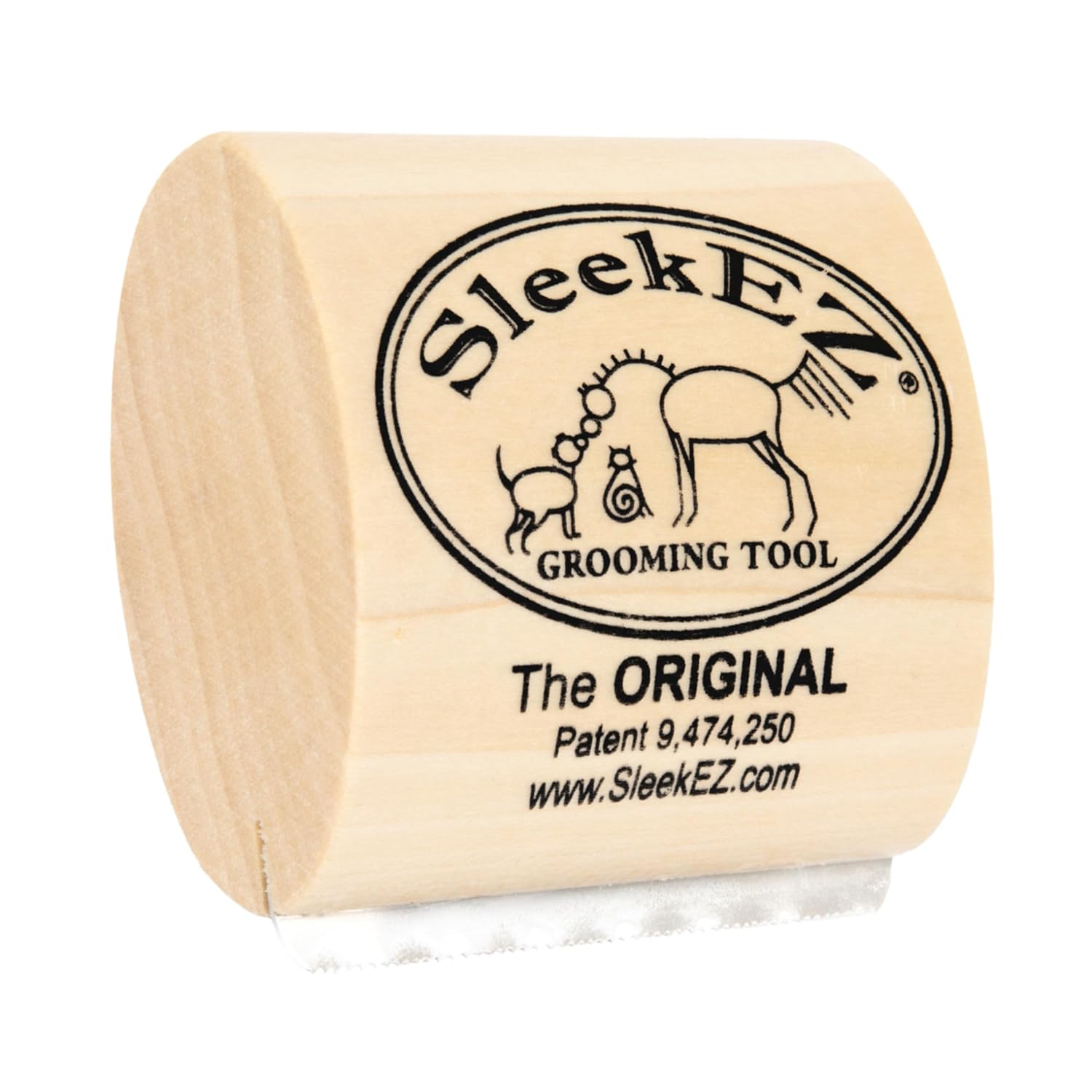
SleekEZ Cat Brush for Shedding
Patented stainless deshedding edge, made in the USA, rated for short, medium and long coats
Edge style rewards a light hand, and it is not the tool for a cat that will not sit still
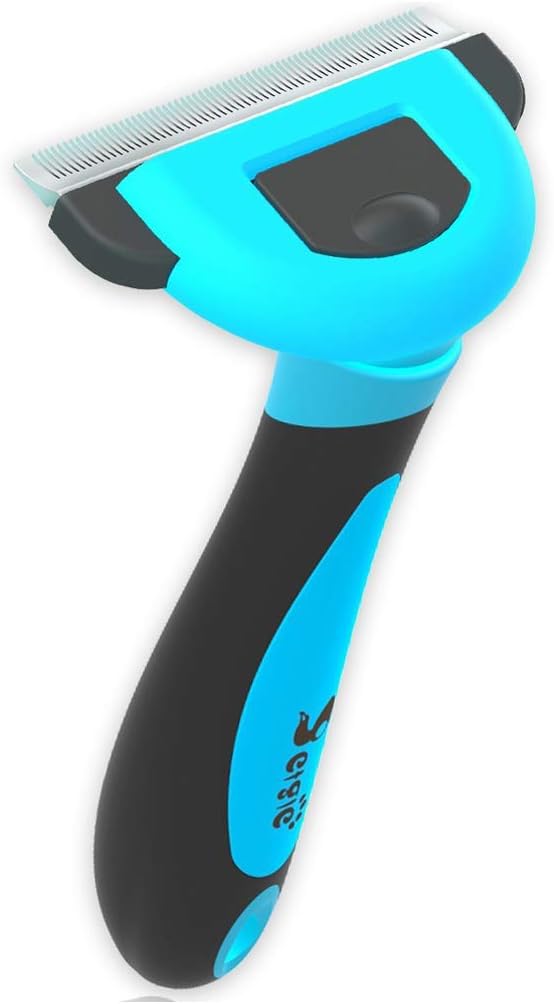
Petgle Cat Brush & Cat Comb for Shedding, 2.5 inch
Lowest cost here, brush and comb in one purchase, eco friendly build, good for weekly detangling
Comb spacing is aimed at small to medium pets, so a large cat with a dense undercoat needs more passes
Prices and availability may change.
Cat shampoo vs cat grooming wipes for shedding: what each one actually does
Shampoo works because surfactants break the bond between oil, dander, and dead hair. When you lather, rinse, and towel dry, a large share of the hair that was already sitting loose in the coat comes out in the tub. That is a real effect, and it is why a bath is the fastest way to reset a greasy, gritty, or smelly coat. The catch is that shampoo does almost nothing to the undercoat, the dense layer of short woolly fibers beneath the longer guard hairs. Loose undercoat is the material that mats, traps heat, and ends up on the sofa in tufts.
Wipes work differently. A grooming wipe is a damp cloth with a mild cleanser, and it picks up surface debris, dander, and dried saliva without a rinse. For a cat that will not tolerate water, wipes are the only realistic weekly option. They also do a good job on the areas that collect the most grime: the chest, the paws, and around the tail base.
So the difference between cat shampoo and cat grooming wipes for shedding comes down to depth versus frequency. Shampoo reaches the skin and resets the whole coat, but for most cats it is a once-every-few-months event that costs you an hour and a fair amount of trust. Wipes are a low-stress weekly habit that keeps surface shedding and dander manageable between those resets. If you are choosing between cat shampoo or cat grooming wipes for shedding and you can only commit to one, pick the option your cat will actually tolerate, because a routine that gets used beats a better one that does not.
What neither option does is pull attached undercoat out of the coat. That is mechanical work, and it needs a tool.
How the four deshedding tools differ
Bristle type and edge design split these four tools into three families, and the family matters more than the brand name on the handle.
The SleekEZ Cat Brush for Shedding is the edge tool in this group. Its stainless steel deshedding edge is drawn along the coat in short strokes, and because that edge is a single blade rather than a bed of pins, it lifts loose undercoat without dragging on skin when you keep the angle shallow. It is made in the USA, and it is rated for short, medium, and long coats, which is unusual for the category. The trade-off is technique. An edge tool rewards a light hand, and a cat that squirms will not sit through a long session.
The FUR4 deShedding Cat Brush takes a different route with four carbon fiber deshedding edges arranged around the head. Carbon fiber is stiff but light, and four separate edges mean more coat contact per stroke, which matters on a short, dense coat where you need many passes to reach the undercoat. It is built specifically for short-haired cats, and at the highest price in this group it is the specialist purchase rather than the general one.
The Petgle Cat Brush & Cat Comb for Shedding is the value pair. You get a brush and a comb in one purchase, the build uses eco friendly materials, and the comb is the piece that handles detangling on longer coats. Comb spacing is the number to think about here. Wider teeth glide through a long coat and pick up loose hair, while tight teeth on a dense undercoat will snag and pull. This set is rated for small to medium dogs and cats, so a large cat with a heavy coat needs more passes to cover the same ground.
The Cat Grooming Kit for Shedding is the odd one out because it is not a brush at all. It is a pair of deshedding gloves plus a self-cleaning mitt, and the format is the entire point. Glove fit puts the grooming surface on your hand, so you can follow the curve of the chest, the haunches, and the tail base in a way a rigid head cannot. The silicone nubs work at the surface of the coat. They lift loose hair and give a massage-like motion that most cats accept, but they do not reach deep into the undercoat the way an edge tool does.
None of the four relies on a nail guard, the plastic cap that keeps slicker pins off the skin. That is fine here, since none of them uses fine wire pins, but if you later add a slicker brush to the drawer, a nail guard is the feature that keeps a nervous cat from learning to hate grooming.
Coat length decides the tool, not the marketing
Coat length and undercoat density matter more than any label. A short-haired cat with a dense undercoat, the classic tabby situation, sheds small sharp hairs that weave straight into fabric. That coat responds best to an edge tool or a multi-edge head that can work close to the skin: the SleekEZ for a cat that tolerates slow strokes, the FUR4 for a short coat that needs more contact per pass.
A long-haired cat has a different problem. Long guard hairs tangle around loose undercoat and form mats behind the front legs and under the collar. Here the comb matters as much as the brush, which is where the Petgle set earns its place: comb spacing wide enough to pass through the coat without pulling, then a brush to finish. An edge tool still has a role on a long coat, but you work in small sections and you stop the moment the tail starts flicking.
A cat that will not be handled with a tool at all is the case for the glove kit. Glove fit turns grooming into petting, and for a nervous cat that is the difference between a two-minute session and no session. Surface hair comes off, the cat stays calm, and you can graduate to a comb once the routine is established.
Cat grooming wipes for shedding vs cat shampoo: when each one makes sense
Neither wet option replaces a tool, but they solve different problems, and the schedule is where the difference shows.
Wipes are the weekly habit. A wipe down the back, the chest, and the tail base picks up dander and loose surface hair in under a minute, with no water, no drying, and no drama. For a cat with allergies, or one that produces a lot of dander, a wipe every few days keeps the coat from feeling gritty and keeps the allergens you touch off the furniture.
Shampoo is the reset. It is the right call for a greasy coat, a cat that has gotten into something it should not have, a flea problem where your vet has recommended a medicated bath, or a coat that has stopped self-cleaning because of age or weight. It removes more oil and debris than any wipe, and it loosens a large amount of dead hair in the rinse water. It is also the most stressful option for most cats, so it belongs on a schedule measured in months, not weeks.
One practical note: if shedding is the actual complaint, do not buy shampoo or wipes expecting the fur on the couch to drop. Both loosen hair that was already loose. Hair that is still attached needs a deshedding edge, a comb, or a glove to come out, and no amount of lather changes that.
What the specifications actually tell you
Read the spec sheet and the useful details are narrower than the marketing suggests.
On the SleekEZ, the relevant spec is the stainless edge and the coat range. A single blade rated for short through long coats is a generalist tool, and generalists are what you buy when you are not sure what your cat will accept.
On the FUR4, the relevant spec is the four carbon fiber edges and the short-hair rating. Carbon fiber is the reason the head stays stiff across a wide stroke, and the short-hair rating is the honest limit: it is tuned for a coat where the hair is dense and close to the skin.
On the Petgle set, the relevant spec is the two-piece format and the eco friendly build. A brush plus a comb covers detangling and finishing in one purchase, and comb spacing tells you whether the comb will glide or snag on your cat.
On the glove kit, the relevant spec is the glove format and the self-cleaning mitt. There is no edge geometry to evaluate, so the question is simply whether your cat tolerates hands better than tools.
Keep a roller adhesive on hand for the furniture regardless of which tool you choose. Deshedding reduces what lands on the sofa, but it does not eliminate it, and a roller is faster than a vacuum for a single cushion.
Should you buy a deshedding tool first?
Yes, and the math is simple. A tool costs roughly what a couple of bottles of cat shampoo cost, and it gets used dozens of times a year instead of a handful. A tool also removes hair at the source: every pass takes loose undercoat out of the coat and puts it in your hand or the bin, instead of on the carpet where it takes a roller sheet to recover.
Start with the tool that matches your cat's coat and temperament rather than the one with the longest feature list. If you are unsure, the SleekEZ covers the most coat types for the least commitment. If your cat is short-haired and dense, the FUR4 is the more targeted buy. If you want the lowest entry price and a comb in the same box, the Petgle set. If your cat hates being brushed, the glove kit.
Building a routine that keeps up with the shedding
Weekly: five minutes with the tool that matches the coat, working in the direction of the hair and stopping before the cat is done with you. Monthly or as needed: a wipe down of the chest, back, and tail base. Every few months, or whenever the coat needs a genuine reset: a bath with a cat-specific shampoo, preceded by a full deshedding session.
That order matters. Loose undercoat that a tool removes before the bath never reaches the drain, and the bath then loosens what is left, which you can wipe or brush out as the coat dries. Working in the other order, bath first and tool later, means you pull wet fur, which clumps and pulls harder.
And the cat shampoo vs cat grooming wipes for shedding question gets easier once you accept that both are support acts. The headliner is the tool in your hand.