Anyone who has pulled a flake of hay out of the bag knows the small cloud that comes with it. That cloud is hay dust: the fine particle fraction of dried forage that separates from stems and leaves every time hay is handled, and it is one of the main reasons small pet owners go searching for hay dust explained in plain terms. The issue is not that hay is dirty. The smallest particles stay airborne longest, travel furthest inside an enclosure, and settle where a rabbit, guinea pig, hamster, gerbil, or chinchilla eats and sleeps. The gear and layout around the hay decide how much of that cloud your animal actually breathes, which is why cage size, floor area, bar spacing, and hideout placement matter as much as the bag you buy.
Quick answer
Hay dust is a mix of fine plant particles rather than a single substance, and the amount that matters depends on how much of it your pet breathes and for how long. No hay is dust free, and no enclosure removes all of it. The levers you actually control are airflow through the enclosure, the distance between the hay rack and the sleeping area, how often soiled bedding is replaced, and how much floor area the animal has to move away from the dustiest corner. Gear supports those levers. It does not replace them.
Four useful options
| Model | Best fit | What stands out |
|---|---|---|
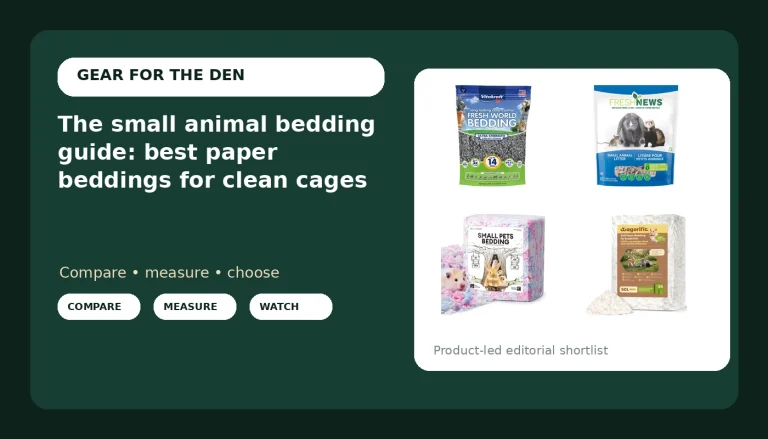
| MEEXPAWS Guinea Pig Cages Small Animal Playpen Large 42" L x 28" W x 28" H | Open setups with generous floor area | Stated 42 by 28 by 28 inch footprint |
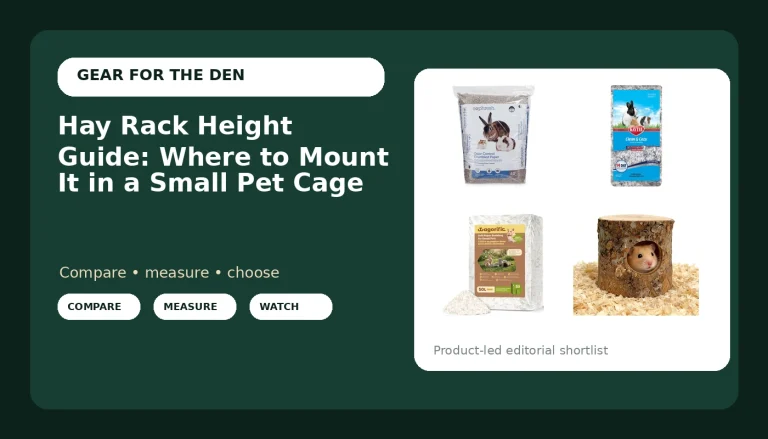
| Kaytee Igloo Habitat Hideout for Hamster, Gerbil, Rat, Giant | A roomy sleeping hideout for larger small pets | Giant size in the Igloo hideout line |
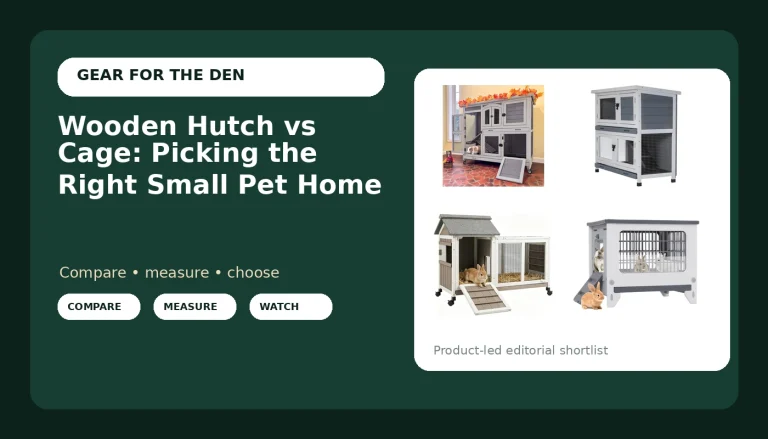
| TANOMA Habitat House Hideout for Hamster Mice, Gerbils Mouse and Other Small Size Animal Pets | Compact cages where floor area is tight | House style hideout with a small footprint |
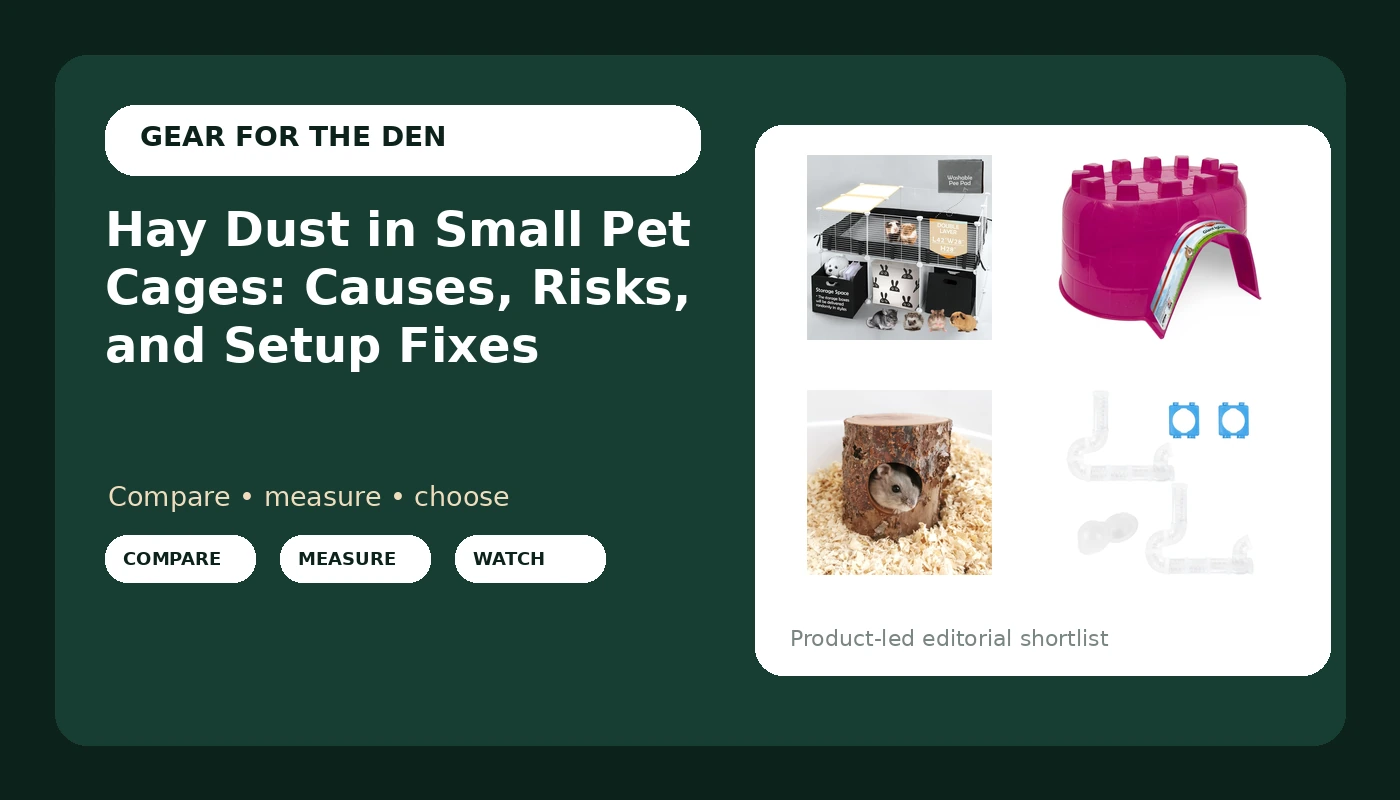
| FHDUSRYO 2 Hamster Tubes Kits, DIY Hamster Tunnel Adventure External Pipe | Adding a route away from the hay corner | Two piece DIY tunnel kit |
Open enclosure: MEEXPAWS Guinea Pig Cages Small Animal Playpen Large
Floor area is not a dust cure on its own, and this enclosure shows the trade off. A larger, more open setup moves air and gives your pet somewhere to be that is not the hay corner, but open panels also mean you have to check bar spacing against the species you keep. Gaps that are fine for a guinea pig will not hold a dwarf hamster, and a playpen resting directly on the floor can pick up bedding dust and household dust from the room. If you keep a burrowing species, pair the extra space with a solid base and a hideout, and put the hay rack on the opposite side from the sleeping area. The stated 28 inch height also gives you room to hang a rack or a bottle above the bedding line without crowding the animal.
Roomy hideout: Kaytee Igloo Habitat Hideout for Hamster, Gerbil, Rat, Giant
Hideout size drives more of your dust picture than most owners expect. A roomy hideout gives a rat or a large hamster a real sleeping area that you can place at a distance from the hay rack, which is the simplest way to keep the nest cleaner. The trade off is floor area: a giant hideout in a small cage leaves less room for a litter corner, a water bottle, and a hay rack, and crowding all of those together is exactly the layout that concentrates particles in the breathing zone. Measure your enclosure before you size up, and remember that a hideout with a solid roof still needs airflow around it rather than a corner stuffed with bedding.
Compact hideout: TANOMA Habitat House Hideout for Hamster Mice, Gerbils Mouse and Other Small Size Animal Pets
Compact hideouts suit compact cages, and a smaller cage is where dust control gets harder rather than easier. If floor area is limited, a small hideout like this one leaves more room to separate the sleeping spot from the hay rack, and it is light enough to reposition on cleaning day. The limitation is that a small hideout only fits small animals, and a hideout placed directly under a hay rack will collect falling particles no matter how compact it is. Put the hideout on the dry side of the enclosure and keep the hay rack on the other.
Tunnel kit: FHDUSRYO 2 Hamster Tubes Kits, DIY Hamster Tunnel Adventure External Pipe
Tunnels are the most underrated part of a dust plan, because they change where the animal spends its active hours. A hamster that runs a tunnel route is a hamster that is not sitting under the hay rack, and the external pipe format lets you extend that route outside the main enclosure footprint. Two things to check before you buy: tunnel diameter against your animal's body size, since a tube that is too narrow is a safety problem rather than enrichment, and cleaning access, because enclosed routes collect bedding dust and hay fragments. Route the tunnel away from the hay corner and inspect it whenever you change bedding.
Prices and availability may change. Product images, names, and retailer links are matched to verified listings. No current price, rating, stock status, or measured result is stated here without current evidence.
What hay dust actually is
Hay dust is the fine fraction of dried forage: leaf fragments, stem fragments, and the powdery material that collects at the bottom of a bag. It is not the same thing as bedding dust, although paper, wood, or hemp bedding adds its own particles to the same air. Hay dust is not automatically toxic. The concerns are volume, duration, and what else is in it. Hay that was baled damp or stored in a humid shed can carry mold spores and fungal fragments, and those are the particles most likely to cause a genuine respiratory problem. Small pets are obligate nasal breathers, so much of the larger material is filtered in the nose, but the smallest particles pass deeper into the airways. There is no ideal hay dust figure to aim for, because the amount that matters depends on the species, the enclosure, and how long the animal is exposed. Because rabbits and guinea pigs need long stem hay for dental wear and gut motility, removing hay is not a solution. The correct hay dust strategy is reduction and dilution rather than elimination.
How cage setup changes hay dust exposure
Airflow does most of the work. An enclosure with open sides and a large floor area lets particles disperse and settle away from the animal, while a closed tank or a densely packed cage holds them in the breathing zone. Cage size and floor area decide how far your pet can get from the hay rack. Bar spacing decides whether the enclosure is safe for the species you keep, and it also shapes how much air moves through. Where you put the hay rack matters as much as what you put in it: a rack on the opposite side of the enclosure from the hideout keeps the sleeping area cleaner. Bedding dust adds to the load, so deep, dusty litter under a hay rack is a poor combination. Bottle capacity matters more than it sounds, because a small bottle that runs dry midweek pushes you to refill over the bedding, and spilled water near hay is worse than dry dust. Cleaning cadence ties it together, since fallen hay and soiled bedding both break down into fine particles over time.
- Measure the floor area of the enclosure and confirm the bar spacing is safe for your species before you rearrange anything.
- Move the hay rack to the side of the enclosure furthest from the hideout and the sleeping area.
- Set the hay rack so it holds hay above the bedding line, which keeps fallen hay off the floor.
- Choose bedding that suits the species and replace it on a schedule rather than topping it up.
- Check the water bottle position and capacity so a leak cannot dampen the hay supply.
Practical ways to cut hay dust day to day
- Shake out each flake outdoors or over a bin, and let the cloud settle before carrying hay to the enclosure.
- Match the hideout size to the animal and place the hideout away from the hay rack, so the nest stays clear of falling particles.
- Replace soiled bedding completely on a routine rather than adding a fresh layer on top.
- Check tunnel diameter and clean tunnels regularly, because enclosed routes collect dust and bedding fragments.
- Store hay dry, and inspect each bag for a musty smell or discoloration before it goes into the rack.
Which option should you choose?
Choose the MEEXPAWS Guinea Pig Cages Small Animal Playpen Large 42" L x 28" W x 28" H when you want the largest stated footprint in this group and your species is safe in an open panel enclosure. Choose the Kaytee Igloo Habitat Hideout for Hamster, Gerbil, Rat, Giant when you need a roomier hideout for a larger hamster, a rat, or a gerbil and your cage has floor area to spare. Choose the TANOMA Habitat House Hideout for Hamster Mice, Gerbils Mouse and Other Small Size Animal Pets when space is tight and you want a compact sleeping spot you can move easily. Choose the FHDUSRYO 2 Hamster Tubes Kits, DIY Hamster Tunnel Adventure External Pipe when you want to add a route that keeps a hamster busy away from the hay corner.
None of these products removes hay dust, and none of them replaces ventilation, cleaning, and dry storage. The listings above are described by their stated names and dimensions only. Check the current listing for material, assembly, and sizing details before you buy, and match bar spacing, hideout size, and tunnel diameter to the animal you keep.
The bottom line
Hay dust explained in one line: it is fine forage particulate that you cannot eliminate but can dilute. Buy hay that is dry and smells clean, store it dry, shake it out away from the cage, keep the hay rack away from the sleeping area, and give your pet enough floor area and airflow to avoid the dustiest corner. If you are upgrading one piece at a time, start with the enclosure footprint and the hideout placement, then add a tunnel or a rack once the basics are in order. Persistent sneezing, nasal discharge, or noisy breathing in a small pet is a veterinary question rather than a gear question, so treat those signs as a reason to call your vet rather than to shop.