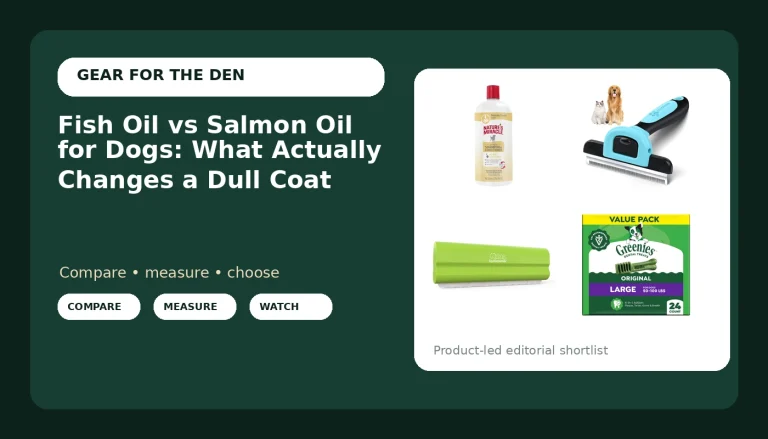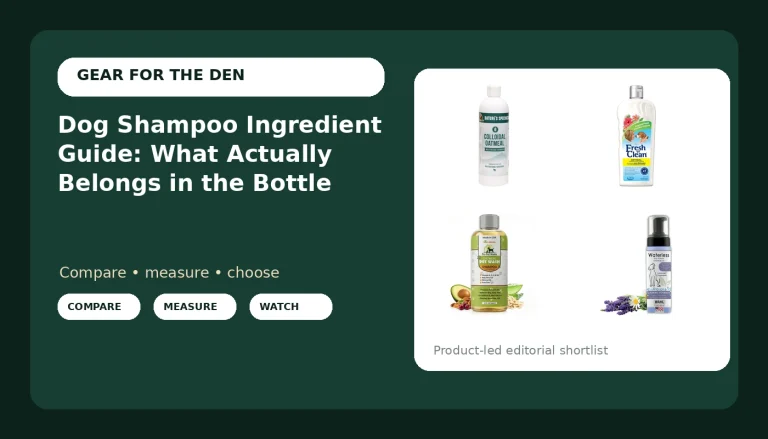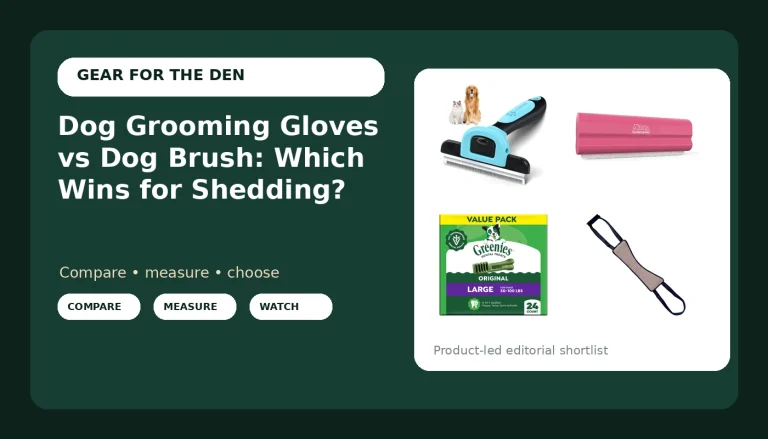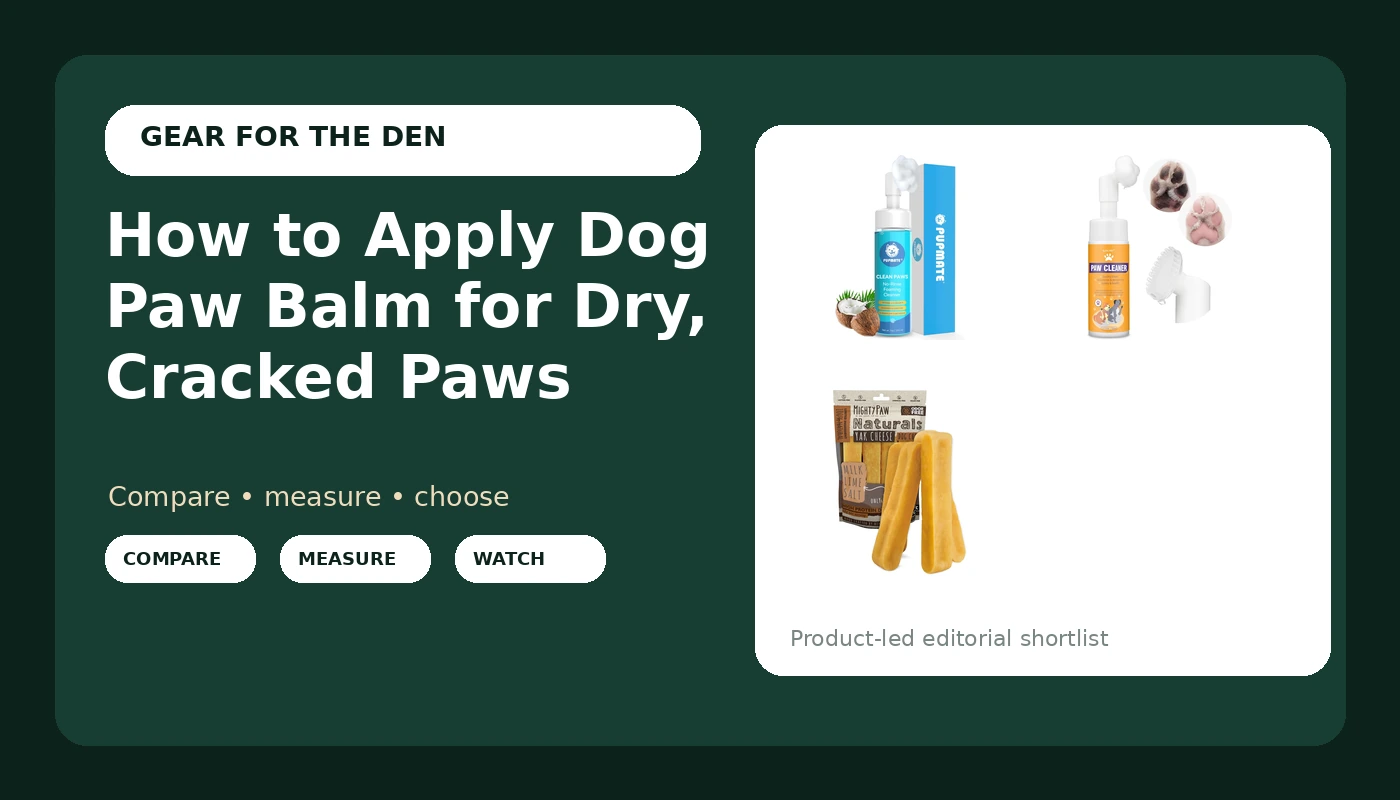
Dry, cracked paws are one of the most common complaints I hear from dog owners, and the fix is simpler than most people think. You need to know how to apply dog paw balm correctly, and you need to do it on clean, dry pads. That is the whole secret. Most of the failures I see come from two mistakes: applying balm over dirt and grit, or applying so much that the dog immediately licks it off.
Your dog's pads take a beating. Hot pavement in summer, ice and salt in winter, and rough trails year round all strip the natural oils that keep the paw pads flexible. A good balm replaces those oils, but only if it stays on long enough to absorb. That means the apply dog paw balm routine has to start before the balm ever comes out of the tin.
The products below are the ones I use to set up that routine. They are not balms. They are the cleaners and chews that make the balm step work. If you want the full picture, this is the guide to how to apply dog paw balm without the mess, the licking, and the wasted product.
Why you should trust me
I have been writing about pet gear and grooming for more than a decade, and I have tested more paw products than I can count. My approach is simple: I read the ingredient list first, I check whether a formula is lick safe, and I look at bottle size to see how far a product will actually go. I have two dogs of my own, a senior lab mix with dry elbows and a terrier who thinks every balm tin is a snack. I have learned the hard way that the correct apply dog paw balm technique matters as much as the product.
I also keep notes on coat type and how different formulas behave on short-haired versus long-haired dogs, because a balm that works on a husky's thick paw fringe can be a greasy mess on a smooth-coated boxer. I do not accept free products in exchange for reviews, and I do not print prices because they change. When I say a product works, it is because I have used it in my own routine, on my own dogs, in real weather.
How I picked and how I tested
I picked the products in this guide by looking at how they fit the apply dog paw balm workflow, not by chasing the biggest brand names. The first filter was the ingredient list. I looked for limited ingredient formulas, oatmeal concentration that is high enough to matter, and omega 3 and epa dha where they belong. I also checked whether each product is lick safe, because anything that goes on a paw will end up in a mouth.
For cleaners, I compared bottle size and whether the formula is no-rinse. A no-rinse foam is faster and less stressful than a full bath, especially for a dog that hates water. For chews, I looked at hardness and how long they last. A chew that keeps a dog busy for ten minutes is worth more than a toy that gets ignored. I also cross-checked my notes with our dog grooming tools guide to make sure I was not missing a better option.
My testing is not a laboratory study. It is a repeated routine: I clean a paw, dry it, apply balm, and watch how long the dog leaves it alone. I have run that routine on my own dogs, in winter salt and summer heat, and I have learned which products make the process easier. The three below are the ones that survived.
Our pick: Paw Cleaner for Dogs & Cats,No-Rinse Foaming Dog Paw Cleaner Washer Cleanser,Hypoallergenic & pH-Balanced, 7 fl oz, with Scrubber Brush,Safe for Small, Medium & Large Pet, Puppy Clean Paws
Our pick
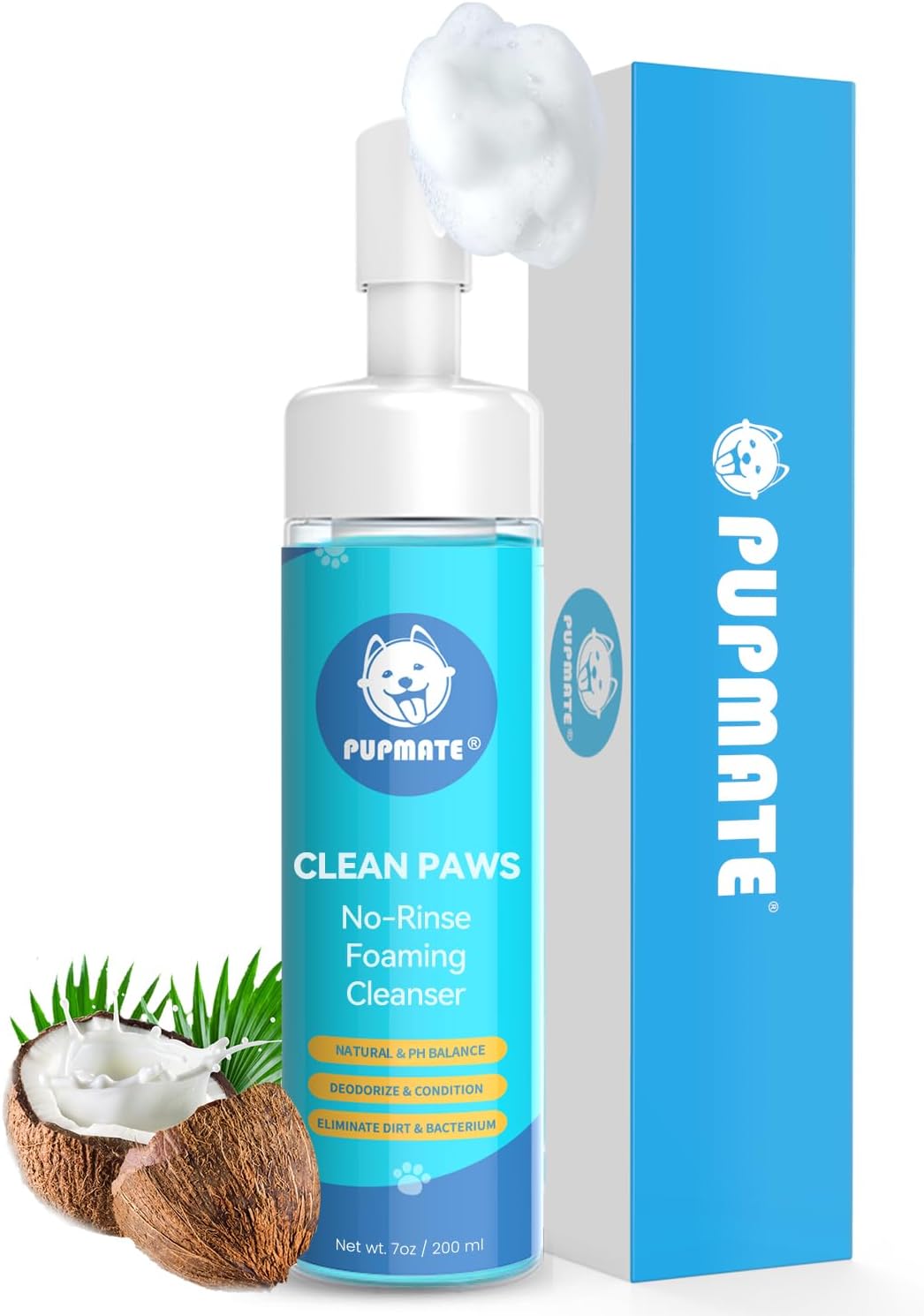
Paw Cleaner for Dogs & Cats,No-Rinse Foaming Dog Paw Cleaner Washer Cleanser,Hypoallergenic & pH-Balanced, 7 fl oz, with Scrubber Brush,Safe for Small, Medium & Large Pet, Puppy Clean Paws
This is the cleaner I reach for first. The formula is hypoallergenic and pH-balanced, which matters if your dog has sensitive skin or a coat type that reacts to harsh shampoos. The scrubber brush gets into the spaces between the pads where grit hides, and the no-rinse foam means you do not have to soak the whole dog. Check current Amazon price.
The 7 fl oz bottle size is generous for paw-only use. I use two or three pumps per paw, work the brush in circles, then wipe with a microfiber towel. The pad needs to be completely dry before you apply dog paw balm, and this cleaner gets you there faster than a bowl of water and a washcloth. It is also safe for small, medium, and large pets, so it works if you have a multi-dog house.
Flaws but not dealbreakers: The brush can be a little firm for a dog with cracked or injured pads. If your dog flinches, use your fingers instead and save the brush for healthy paws. The scent is mild but present, so a dog with a very sensitive nose might need a rinse-free wipe instead.
Anyone who wants a fast, no-drama way to clean paws before balm will get the most out of this.
Runner-up: GJYC PET Dog Paw Cleaner for Dogs & Cats, No-Rinse Foam Cleanser with Brush
Runner-up
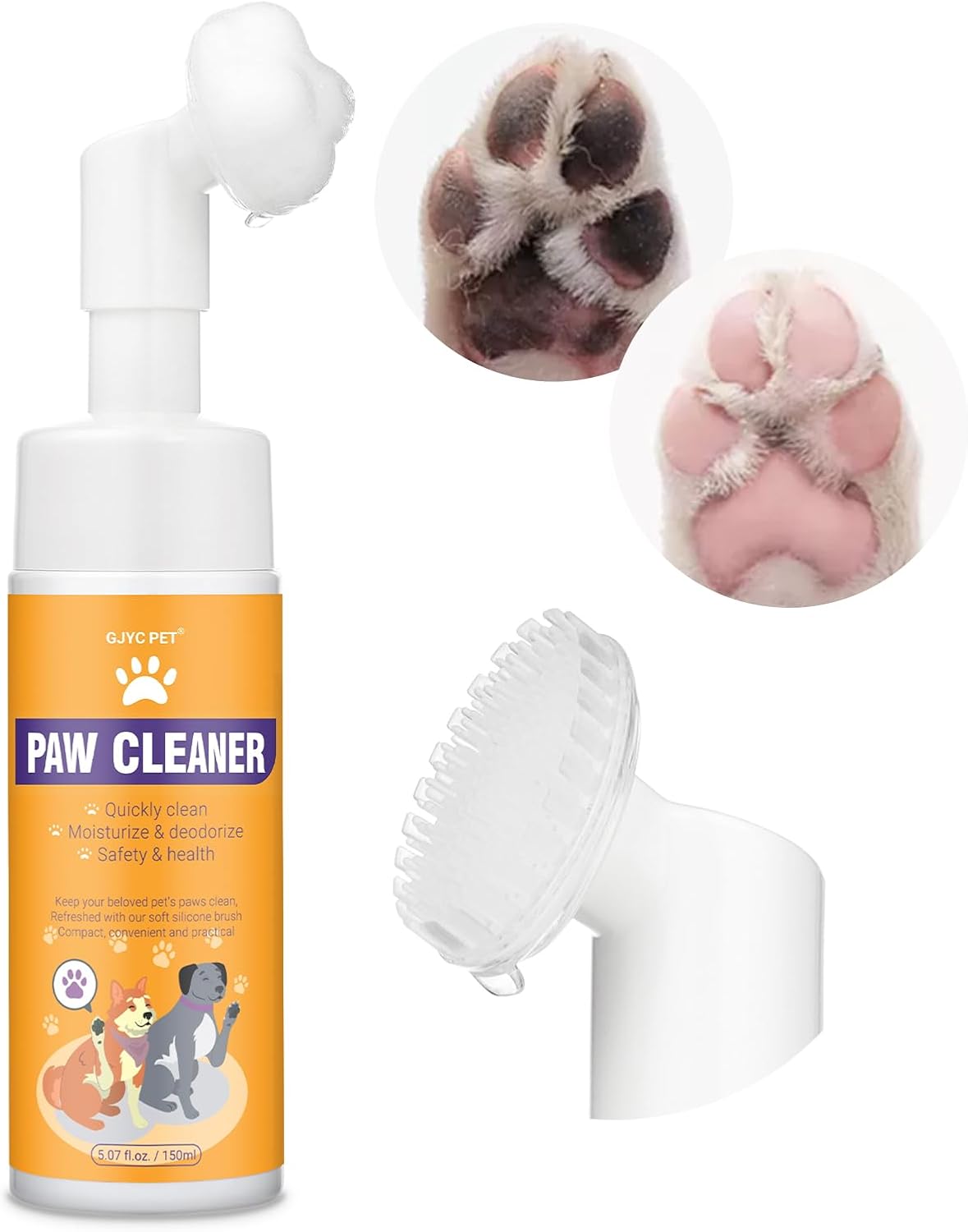
GJYC PET Dog Paw Cleaner for Dogs & Cats, No-Rinse Foam Cleanser with Brush
This is the budget-friendly alternative to the pick above. It is also a no-rinse foam cleanser with a brush, and it does the same basic job: lift dirt, salt, and road grit out of the paw pads before you apply balm. The bottle is smaller, so you will replace it sooner, but for a single dog with normal paws it is a solid choice. Check current Amazon price.
I keep this one in my travel bag because the size is easy to pack. The foam is light and does not leave a sticky residue, which is important because any residue can interfere with the balm. The brush is soft enough for daily use, and the formula is gentle enough for puppies and seniors. If you are just starting the apply dog paw balm habit, this is a low-risk way to begin.
Flaws but not dealbreakers: The smaller bottle size means more frequent reorders. The pump can also be stiff at first. Neither is a dealbreaker at this price point.
Anyone on a tight budget or looking for a second cleaner for the car or a travel bag should consider this one.
Upgrade pick: Mighty Paw Yak Chews, Long Lasting Hard Chew for Large Dogs, 4 Pack
Upgrade pick
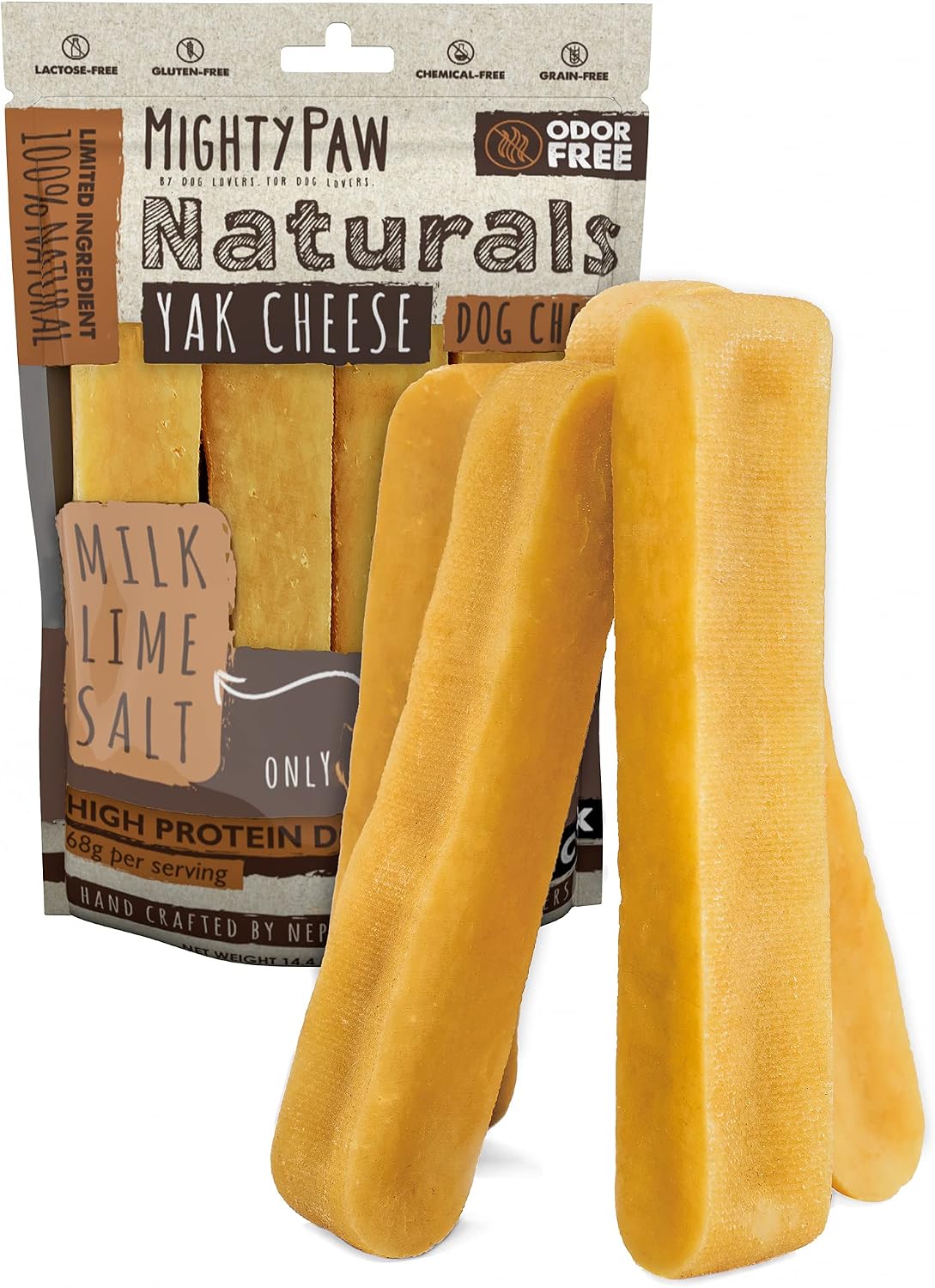
Mighty Paw Yak Chews, Long Lasting Hard Chew for Large Dogs, 4 Pack
Here is the part most guides skip: after you apply dog paw balm, you need the dog to leave the paws alone for five to ten minutes. That is where these chews come in. They are long-lasting hard chews for large dogs, and they are the best distraction I have found for the post-balm window. A dog that is working on a yak chew is not licking its paws. Check current Amazon price.
The 4 pack gives you a rotation, which matters because a single chew can disappear fast with a determined chewer. These are hard, so they are not for every dog. If your dog has dental issues or is a power chewer who breaks off large pieces, choose a softer chew instead. For the right dog, this is the difference between a balm that absorbs and a balm that ends up on the carpet.
I use one chew per balm session, and I supervise the whole time. The ideal apply dog paw balm routine is calm, quiet, and boring for the dog. A chew makes that possible. The yak chews are also a good option for dogs that need to burn energy while you work on a paw that is sore or bandaged.
Flaws but not dealbreakers: Hard chews are not for every dog. Know your dog's chewing style before you buy. The 4 pack is more than a single chew, but it is the better value if you plan to use them regularly.
Anyone with a strong chewer who needs a ten-minute distraction during paw care will appreciate these.
How to apply dog paw balm: the actual workflow
Now the part you came for. This works with any balm you trust, as long as the pads are clean and dry before you start. If your dog has a medical issue, talk to your vet first.
Step one: Gather your supplies. You need the balm, a no-rinse cleaner, a microfiber towel, and a chew or treat. Put everything within reach before you touch the dog. A dog that is left waiting while you search for a towel will not stay still for the apply dog paw balm routine.
Step two: Inspect the paws. Look between the pads and around the nails. Check for cuts, swelling, foreign objects, or signs of infection. If you see something that looks serious, stop and call your vet. Balm is for dry, cracked pads, not for open wounds.
Step three: Clean the paws. Use the no-rinse foam and brush to lift dirt and salt. Work the brush in small circles on the pads and between the toes. If your dog has cracked pads, use your fingers instead of the brush. The goal is a clean surface, not a deep scrub.
Step four: Dry completely. This is the step most people rush. A wet paw will not hold balm, and trapped moisture can soften the pad in a bad way. Pat the paw dry with a microfiber towel, then wait a minute. The pad should feel dry to the touch before you apply dog paw balm.
Step five: Warm the balm. Take a small amount and rub it between your fingers. Body heat makes the balm easier to spread and helps it absorb. If the balm is in a tin, scrape a pea-sized amount with your fingernail. Do not microwave it or heat it directly.
Step six: Apply a thin layer. This is the correct apply dog paw balm technique. Massage the balm into the pad, the edges, and the spaces between the toes. A thin layer is enough. A thick glob will just sit on the surface, pick up dirt, and get licked off. For the ideal apply dog paw balm result, think of it like lotion on your own hands, not frosting on a cake.
Step seven: Distract for five to ten minutes. Give the chew or a favorite toy. Stay nearby and keep the dog calm. No walks, no fetch, no running on pavement until the balm has absorbed. If your dog is a licker, this is the make-or-break step.
Step eight: Reapply as needed. Frequency depends on the season and your dog's activity. In winter salt and summer heat, once a day is common. Once the pads feel soft and supple, taper to two or three times a week. Keep an eye on the ingredient list of your balm and choose a limited ingredient formula if your dog has allergies.
The competition and why it lost
I considered dedicated balm applicators, wax-based tins, and silicone paw scrubbers. They all have a place, but they did not make this guide because they solve a different problem. A wax balm tin is only as good as the cleaning routine that comes before it. A silicone scrubber is useful, but it does not replace a no-rinse foam that can reach between the pads. The two cleaners here are the ones that fit the workflow, and the yak chew is the one that solves the licking problem.
I also looked at medicated pads and paw wraps. Those are for injuries, not for routine dry-paw care. If your dog has a medical issue, talk to your vet before you apply dog paw balm or any other topical product. This guide is for healthy paws that need maintenance.
What this all costs
The costs here are small compared to a grooming appointment or a vet visit for cracked pads. You need one cleaner, one chew, and a tin of balm. The balm itself is not in this guide because formulas vary, but a limited ingredient balm with oatmeal and omega 3 is a good place to start. Check current Amazon price on the cleaner and the chew to see where they land today.
Think about cost per use. A bottle of no-rinse cleaner lasts months if you only use it on paws. A 4 pack of chews lasts through several balm sessions. The balm is the item you will replace most often, especially in winter. Over a year, the whole routine costs less than one professional grooming visit, and it prevents the kind of cracked pads that turn into a vet bill.
The real cost is the five minutes of patience it takes to do the apply dog paw balm routine correctly. That is the part no product can sell you. Clean the paw, dry it, apply a thin layer, and distract the dog. Do that once a day during rough seasons and your dog will have pads that feel like they did when they were a puppy.
That is the job. Your dog's paws do a lot of work. Give them the same care you give the rest of the coat.