Most cats are chronically underhydrated, and most owners blame the cat. Walk into any pet store and you will see a wall of bubbling fountains with LED lights and charcoal cartridges, and you will assume the fountain is the answer. It usually is not, at least not first. The dependable way to keep cat water fresh indoors is a short daily routine built around a bowl with the right shape, and the gear that supports that routine costs less than a bag of food.
I write about cat gear for a living, and I have lived with cats in a small apartment and in a house with a south-facing window that turns any bowl of water into a sun tea experiment by noon. Every question I get about how to keep cat water fresh indoors has the same shape: the cat stopped drinking, or the water smells off, or the fountain turned slimy in three days. The answers are boring, cheap, and mostly about geometry and timing rather than technology.
The fix is not a new appliance. It is two minutes in the morning, two minutes at night, and one bowl your cat can drink from without pressing its whiskers flat against the sides.
Why you should trust me
I have kept cats for most of my adult life, including one who refuses any bowl narrow enough to touch her whiskers and one who will drink from the dog's dish the second nobody is watching. I have also written about pet gear long enough to watch the same fountain design get rebranded four times with a new color and a higher price.
What I care about here is not brand loyalty. It is the small set of variables that decide whether the water in a bowl is something a cat actually wants to drink: the material, the bowl width, the whisker clearance, how often the water is replaced, and what else is sitting within a foot of the rim.
I do not have a laboratory. I have a kitchen counter, two cats, and a habit of watching how fast a bowl goes from clean to cloudy. For this problem that is the test that matters, because freshness is not a number you can read off a box. It is a rate of change, and the rate depends on dust, saliva, sunlight, and how long the water sits.
How I picked and how I tested
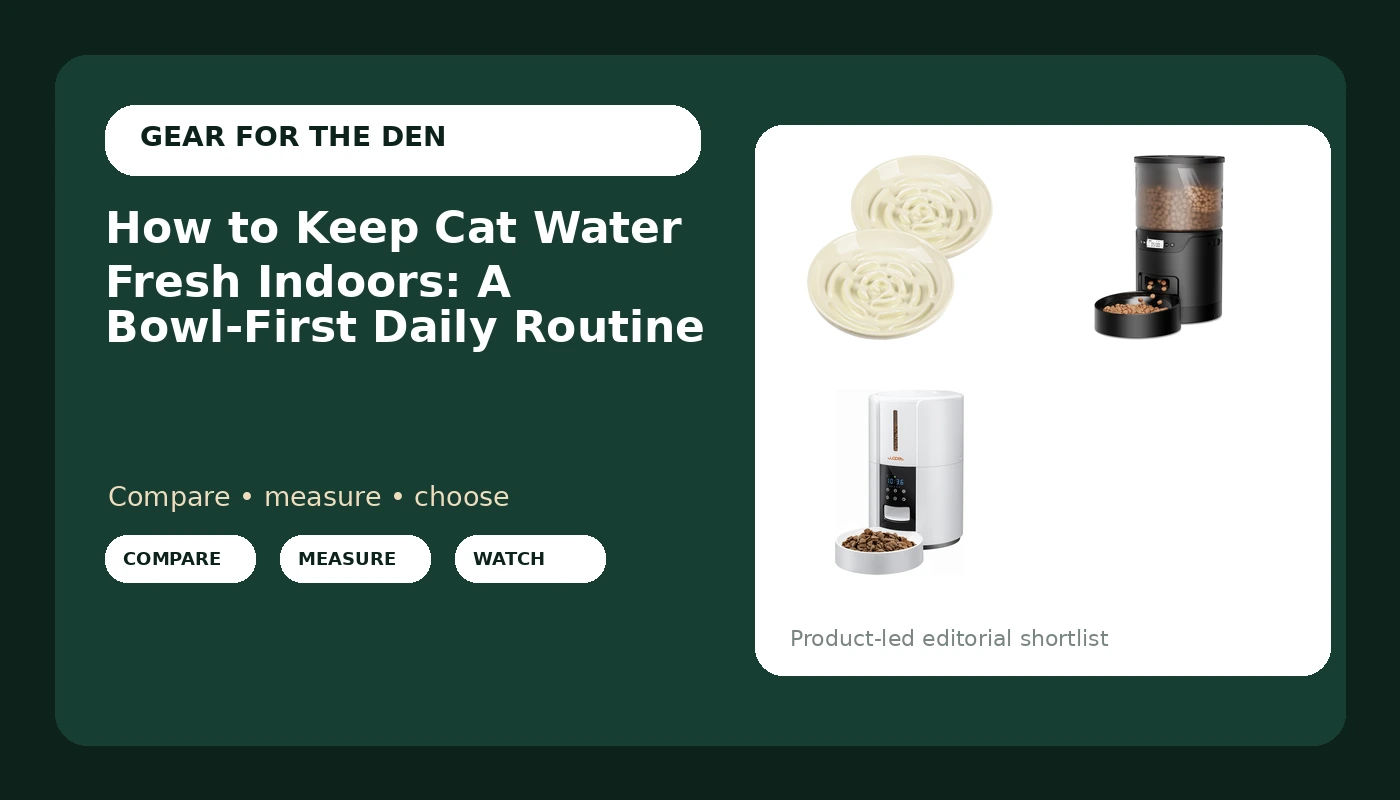
The list below is not a list of water fountains. It is the short list of things that make a fresh-water routine easy to keep: one ceramic bowl set that rotates through the dishwasher, and two timed feeders that move food away from the water station so kibble dust stops landing in the bowl.
I judged three things. Material first, because ceramic and stainless steel do not hold odor or scratch into the fine grooves where biofilm hides, and plastic does both. Geometry second, because a water bowl needs enough bowl width that the whiskers never touch the rim, and enough depth control that the cat is not fishing around for the bottom. The food side third, because a cat that eats dry food next to its water bowl is a cat drinking dusty water.
For the feeders I looked at portion size range, meal count, hopper capacity, and whether the unit holds its schedule when the power drops. For the bowls I looked at whether they are dishwasher safe, how they sit on a tile floor, and whether two of them solve the rotation problem, which is the part most people miss. There is no single ideal keep cat water fresh indoors setup, because one cat in a cool apartment and three cats in a warm house are different problems with different bowl counts.
If you want the fountain side of this topic, I covered that separately in best cat water fountains. Today is the routine.
Gear that helps you keep cat water fresh indoors
Two pieces of gear carry most of this routine: the bowl itself, and the thing that keeps food from sharing real estate with the water. Everything below is on the list because it supports the schedule, not because it is clever.
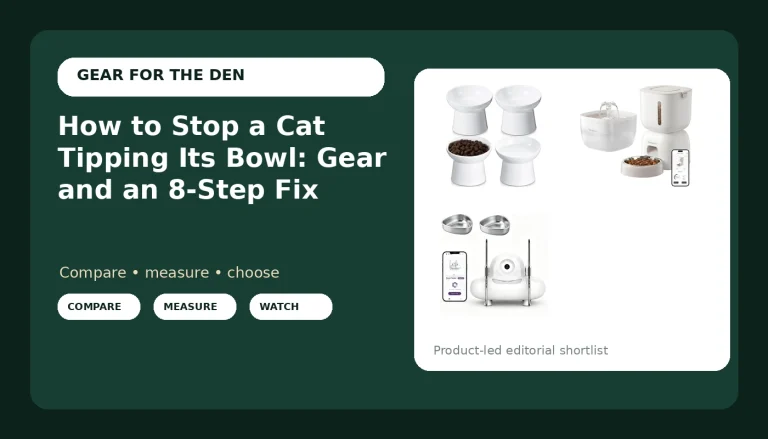
The bowl that anchors the water station: Slow Feeder Cat Bowl Set of 2, Ceramic Slow Feeding Cats Bowl Whisker Friendly, Anti Vomiting Cat Feeder for Dry and Wet Food,Fun Maze Interactive Bloat Stop Puzzle Bowls for Healthy Eating Diet
The bowl that anchors the water station
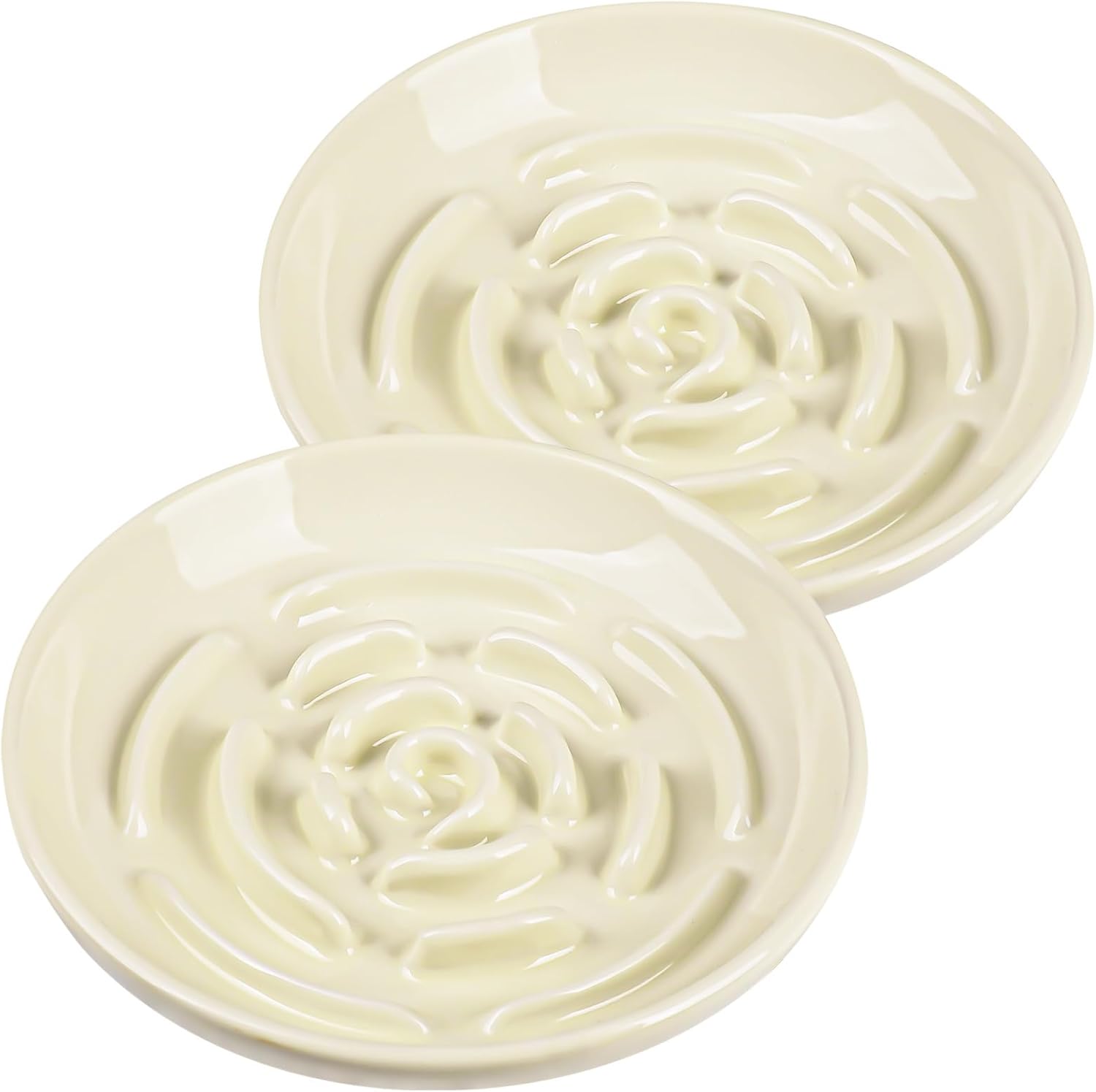
Slow Feeder Cat Bowl Set of 2, Ceramic Slow Feeding Cats Bowl Whisker Friendly, Anti Vomiting Cat Feeder for Dry and Wet Food,Fun Maze Interactive Bloat Stop Puzzle Bowls for Healthy Eating Diet
Ceramic is the material I want holding water. It does not pick up odor the way plastic does, it does not scratch into the fine grooves where a biofilm layer hides, and it has enough weight that a cat cannot slide it across the floor for entertainment. This set gives you two matching bowls, which is the part that actually changes your routine: one holds water, one holds food or a second water station, and when one is in the dishwasher the other is on the floor. No gap in the rotation, no excuse to skip the wash.
The whisker-friendly shape is the other reason it is here. The rim is built so a cat can drink without folding its whiskers back against the sides, which is the single most common reason a cat quits a bowl it used to use. The maze pattern is designed for food, to slow down a cat that inhales its kibble, and that is the job it should keep. For the water bowl, the maze is beside the point; the material and the width are what matter. Use one bowl for water and let the maze work on the food side, which is also a decent reminder of how much to feed a cat in a single sitting.
Check current Amazon price. Two ceramic bowls is the cheapest fix in this article, and it solves the most common complaint.
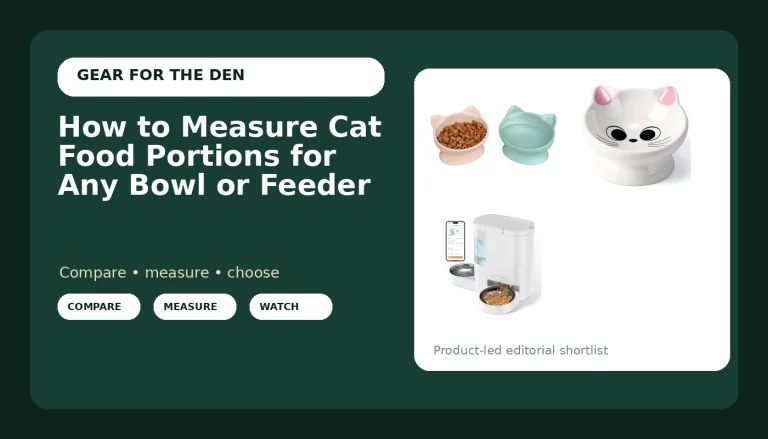
The feeder that keeps food off the water station: IMIPAW PET Automatic Cat Feeder: 3L Auto Food Dispenser with Timed Feeding| 6 Meal Programmable& 1-20 Portion Precise Control- Easy to Clean & Setup for Cat Indoor| Desiccant Bag Keep Food Fresh
The feeder that keeps food off the water station
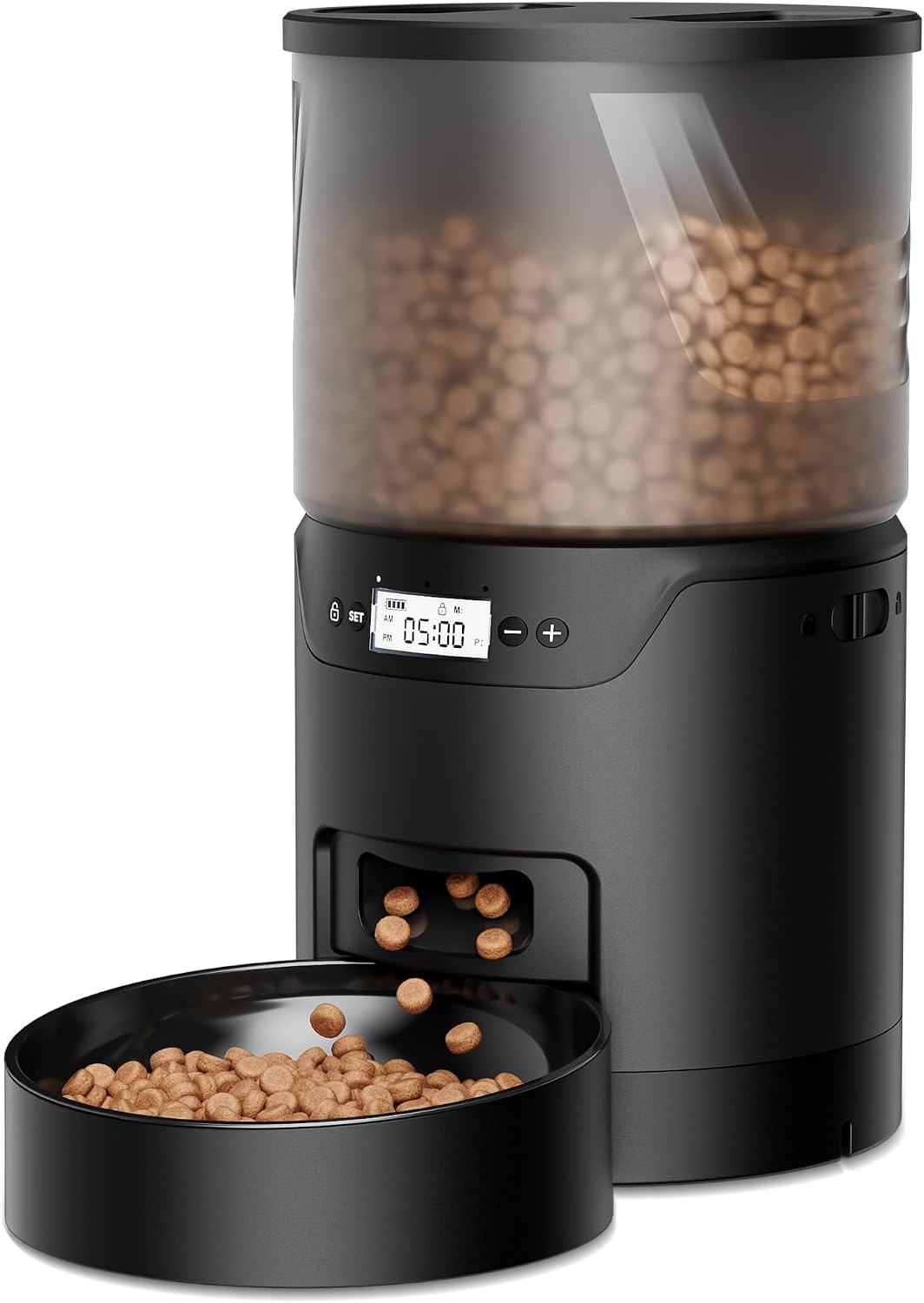
IMIPAW PET Automatic Cat Feeder: 3L Auto Food Dispenser with Timed Feeding| 6 Meal Programmable& 1-20 Portion Precise Control- Easy to Clean & Setup for Cat Indoor| Desiccant Bag Keep Food Fresh
Here is the part of water freshness that nobody thinks about: the food. If your cat free-feeds, the kibble bowl sits next to the water bowl all day, and every mouthful drops crumbs, dust, and fat into the water. A timed feeder is how you fix that without changing your cat's schedule.
This one runs a 3L hopper, so it holds a useful stretch of dry food between refills, and it splits the day into up to six meals with portion size set anywhere from one to twenty portions. That range is what makes it work in a two-cat house: small, frequent meals instead of one pile, which keeps the food bowl from becoming a buffet and keeps the water station clean. The desiccant bag in the lid matters more than it sounds, because dry food sitting in a hopper pulls moisture out of the air and goes stale, and stale food means a cat that hangs around the water bowl begging instead of eating.
Setup and cleaning are simple enough that you will actually do them. Check current Amazon price.
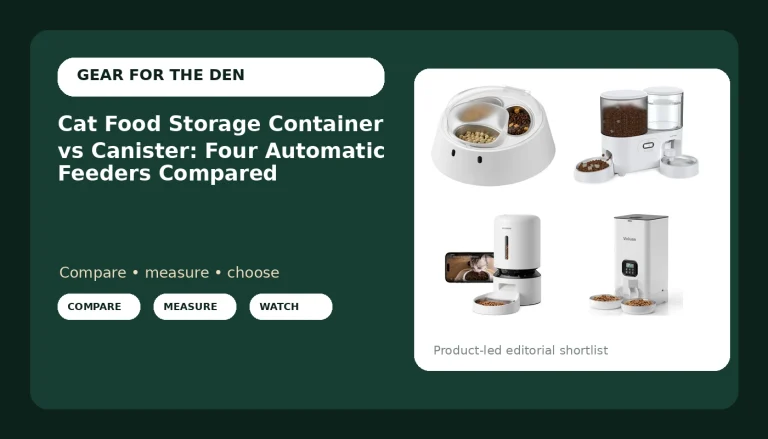
The backup feeder for weekends away: WOPET Automatic Cat Feeder, 3L Pet Dry Food Dispenser, Timed Portion Control with 6 Meals, Voice Recorder, Battery Backup
The backup feeder for weekends away
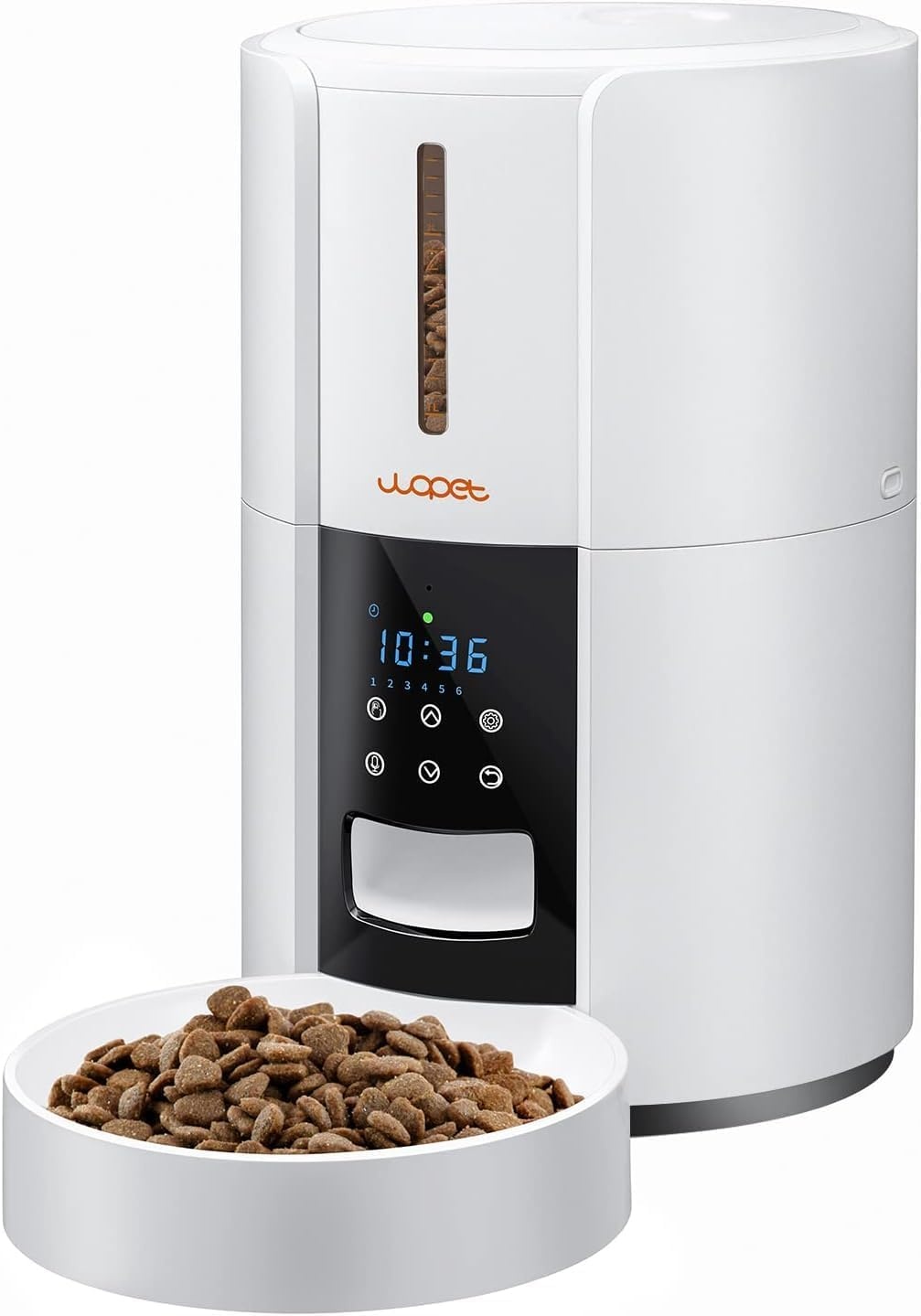
WOPET Automatic Cat Feeder, 3L Pet Dry Food Dispenser, Timed Portion Control with 6 Meals, Voice Recorder, Battery Backup
This is the one I would put on the schedule and forget about, mostly because of the battery backup. A power cut is the classic way an automatic feeder fails: the cat gets no breakfast, you get a cat that yells, and the water bowl gets knocked around in the meantime. Battery backup means the schedule survives the outage.
The voice recorder is the feature people either love or never touch. If your cat comes running when you call, recording a short call and having the feeder play it at meal time is genuinely useful conditioning, and it also teaches a nervous cat to associate the machine with your voice. It runs a 3L hopper with six meals and timed portion control, the same broad layout as the IMIPAW above, so the choice between them comes down to which features you will use.
Check current Amazon price.
The actual workflow to keep cat water fresh indoors
Here is the routine, step by step. It works with the gear above, and it works with two bowls you already own. Nothing in it needs an app.
Step one: Fix the material before anything else. The correct keep cat water fresh indoors routine starts with the bowl, not the water. Ceramic and stainless steel are the two materials worth owning. Plastic is the one to skip, because it scratches, and those scratches hold a thin film that rinsing does not remove. That film is why a plastic bowl can smell faintly sour an hour after you fill it, and why a cat that used to drink from it starts pawing at the floor instead.
Step two: Size for whiskers, then set the elevation angle. Whisker clearance is the difference between a bowl a cat drinks from and a bowl a cat tolerates. Whiskers are sensitive, and when the rim presses them back, many cats drink less or scoop the water out with a paw. Look for bowl width generous enough that the whiskers clear the rim with room to spare, and keep the bowl shallow enough that the cat is not reaching for the bottom. Elevation angle matters too, mostly for older cats and flat-faced breeds: a slight tilt or a low riser keeps the water surface closer to the muzzle. Keep the tilt small. A bowl set too high is a bowl that gets knocked over on the way out.
Step three: Match water capacity to the household. Water capacity is about time, not thirst. A bowl that holds more than a day of water is not a feature, because you are going to refresh it twice a day anyway. What you want is enough water that the cat never has to work for a drink, in a bowl you can rinse in ten seconds. Two cats, two stations, in two different rooms. More stations mean less guarding, less crowding, and less chance that one cat quietly stops drinking because the other one camps the bowl.
Step four: Place the station like it matters. Cats are wired to distrust water that sits beside food or beside the litter box, an old survival instinct about contaminated kills. Put the water at least a room away from the litter box and out of the food corner. Keep it out of direct sun, because a bowl in a window warms up and warm water grows biofilm faster. Keep it off the walking path between the couch and the door, where it will collect dust and fur all day, and away from any vent that blows warm air across the surface.
Step five: Refresh twice a day, and rinse instead of topping off. Topping off a bowl is how you build a film. Every time a cat drinks, it leaves saliva and food particles behind, and those feed a slick layer on the bowl wall. Once that layer is established, the water tastes like it no matter how clear it looks. Dump the bowl, rinse it under hot water, refill. Morning and night. If the inside of the bowl feels slick to your thumb, it needed washing yesterday.
Step six: Deep clean once a week. Once a week, wash the bowls in hot water with a mild soap, rinse them thoroughly, and run them through the dishwasher if they are dishwasher safe. Soap residue is its own problem: cats have a much lower tolerance for perfumed detergent than we do, and a bowl that smells like lemon dish soap will sit untouched. If your tap water is heavily chlorinated or very hard, a filtered pitcher for refills is a cheap upgrade, but change the filter on schedule or you are pouring new water through old carbon.
Step seven: Move the food schedule off the water station. This is where the feeders earn their place. If you free-feed dry food, the food bowl and the water bowl live side by side all day, and every mouthful drops crumbs and dust into the water. A timed feeder lets you set meal times and portion size, put the food in another room, and keep the water station clean. Two or three measured meals instead of a pile on the floor, and the water bowl stops being soup.
Step eight: Plan for outages and travel. Automatic feeders are only automatic while they have power. Before a weekend away, check the battery backup, run a manual feed to confirm the mechanism turns, and set a second water bowl in a different room in case the first one gets knocked over or fouled. Cats are also cautious about new dishes. A cat that ignores a new bowl for two days is not being difficult, it is being careful. Leave the new bowl beside the old one, and retire the old one once the new one is in use.
The competition and why it lost
Everything that did not make the list lost for a specific reason, and none of them are bad products. They are answers to a different question.
The circulating fountain is the obvious one. A fountain does one genuinely useful thing, which is keep water moving, and moving water stays fresher than still water. But the cheap ones run a loud pump, and pump noise is not just annoying to you. A shy cat will avoid a station that hums, which is the opposite of what you bought it for. Then there is filter type: most fountains use a proprietary cartridge you have to buy on a schedule, and a dirty filter is worse than no filter at all. Add a reservoir and a pump housing that both need scrubbing, and you have turned a ten-second job into a twenty-minute one. If you want one anyway, buy it for a quiet pump and a filter you can source cheaply, and treat it as a second station rather than a replacement for the bowl.
The gravity waterer holds a lot and refills itself, which makes it fine for a weekend and wrong for a daily plan, because the water sits for days. The microchip feeder solves food stealing in a multi-cat house, and the microchip range is deliberately short so only the right cat eats, but it is a food tool and does nothing about freshness. Bottled water in a dirty bowl is still a dirty bowl.
What this all costs
The bowl set is the cheapest piece of this routine and the one that does the most work. Check current Amazon price on the ceramic set, and remember you are buying two bowls, so one is always clean.
Both feeders sit in the same rough band. Check current Amazon price on the IMIPAW unit and check current Amazon price on the WOPET unit, and the total for the whole list is still small next to what a single urinary tract visit costs. That is the honest pitch: the gear is a rounding error next to the cost of a cat that stops drinking.
The free part is the schedule. Four minutes a day, morning and night, adds up to roughly 24 hours across a year, and most of that is standing at the sink with a bowl in your hand.
That is the whole job. Fresh water is not a gadget problem, it is a dishwashing problem, and it takes four minutes.