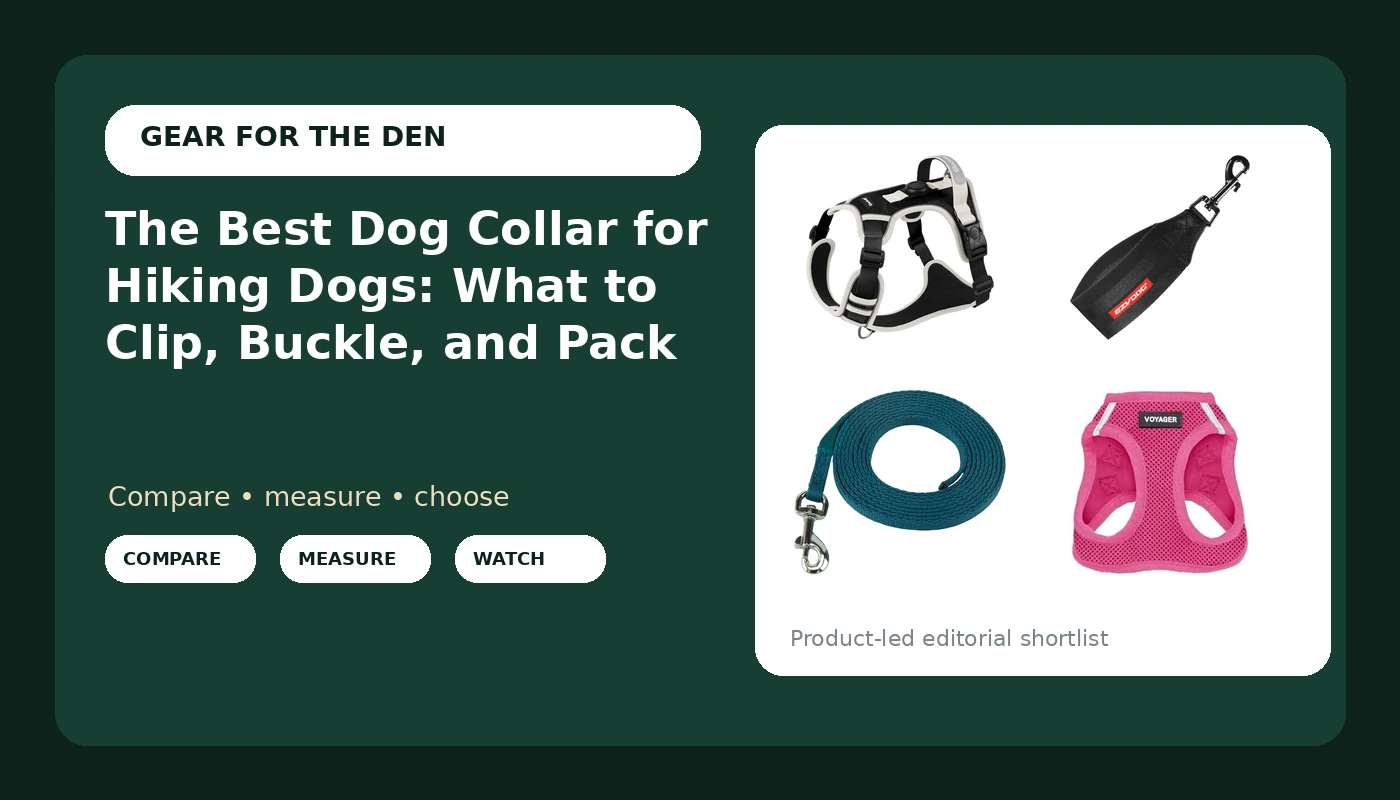
Most people who start shopping for a dog collar for hiking dogs finish the search by buying something that is not a collar at all, and that is often the right call. A collar still earns its place: it carries the ID tag, it gives you a loop to hold at a crowded trailhead, and it is what you reach for when your dog is standing still. What a collar does not do well is absorb steady pressure over miles of climbing and descending. That job belongs to a harness, which spreads load across the chest strap instead of the throat, and to a handful of accessories that make the drive out and the walk home simpler. This guide compares six products that work together as a trail kit: three harnesses, a car restraint, a training line, and a cooling vest. Every description below comes from the manufacturer's own product information, and every card points to the listing it describes.
Quick answer
The Gluckelk No-Pull Reflective Padded Dog Harness is the strongest fit for most trail walks because it combines padding where the straps cross the chest, reflective trim for low light, and a no-pull design that gives you more control on descents. Choose the Kurgo Journey Air Dog Harness, Blue, Small instead when you have a small dog and want a lighter air-mesh harness for warm-weather hikes.
What is worth comparing in a dog collar for hiking dogs
Putting together a trail kit is mostly a matter of matching three or four pieces to your dog's size, your terrain, and the weather you expect. The comparison points below are the ones that actually change the answer.
Fit and sizing. A harness only spreads pressure when it fits. Measure the widest part of the ribcage, compare that number to the manufacturer's size chart, and then check where the straps land on the shoulders. The Kurgo Journey Air Dog Harness and the Voyager Step-in Air Dog Vest Harness are both listed in small sizes, while the Ruffwear Swamp Cooler Dog Vest in this group is a large, so size, not brand preference, decides whether any of them is even an option.
Attachment points. Most harnesses offer a back attachment, and no-pull designs add a front clip at the chest strap so that a dog who surges forward is redirected rather than simply held. Decide which one you will use on the trail, because a front clip changes how the leash behaves in your hand.
Padding and hardware. Long hikes rub. Padded panels under the chest and behind the front legs reduce chafing on a dog that pulls uphill, and the weight of the hardware matters more on a small dog than on a large one.
Visibility. Reflective trim costs almost nothing and does a lot at dawn, at dusk, and on a shaded forest road. If you hike early or late, treat reflectivity as a requirement rather than a bonus.
Weather. Air-mesh harnesses are built to let heat out. A cooling vest such as the Ruffwear Swamp Cooler is a different tool: its cooling fabric is meant for exposed trails and midday heat, and it is worn alongside a harness rather than as a replacement for one.
Transport and training. A seat belt restraint keeps the drive to the trailhead from becoming the riskiest part of the day, and a long training line with a generous leash length lets you practice recall in a safe space before you trust it on an open ridge.
Terrain and tech. On rock and ice, a dog's traction sole and boot sizing become part of the plan. If you already use a GPS tracker, check its gps range and battery life before a long day out, since coverage and runtime vary widely by model.
How these products were compared
This guide compares sizing and fit range, harness design (no-pull, step-in, and air-mesh builds), visibility and padding, how each item fits into a hike from car to summit, and cleaning and care requirements. Product names, images, and retailer links are matched by product identifier so that every card points to the product shown. Nothing here is presented as hands-on testing. The details come from the manufacturer's product listings, and the specifications that matter most, fit and sizing, should be confirmed against your own dog's measurements and the current listing.
Top pick
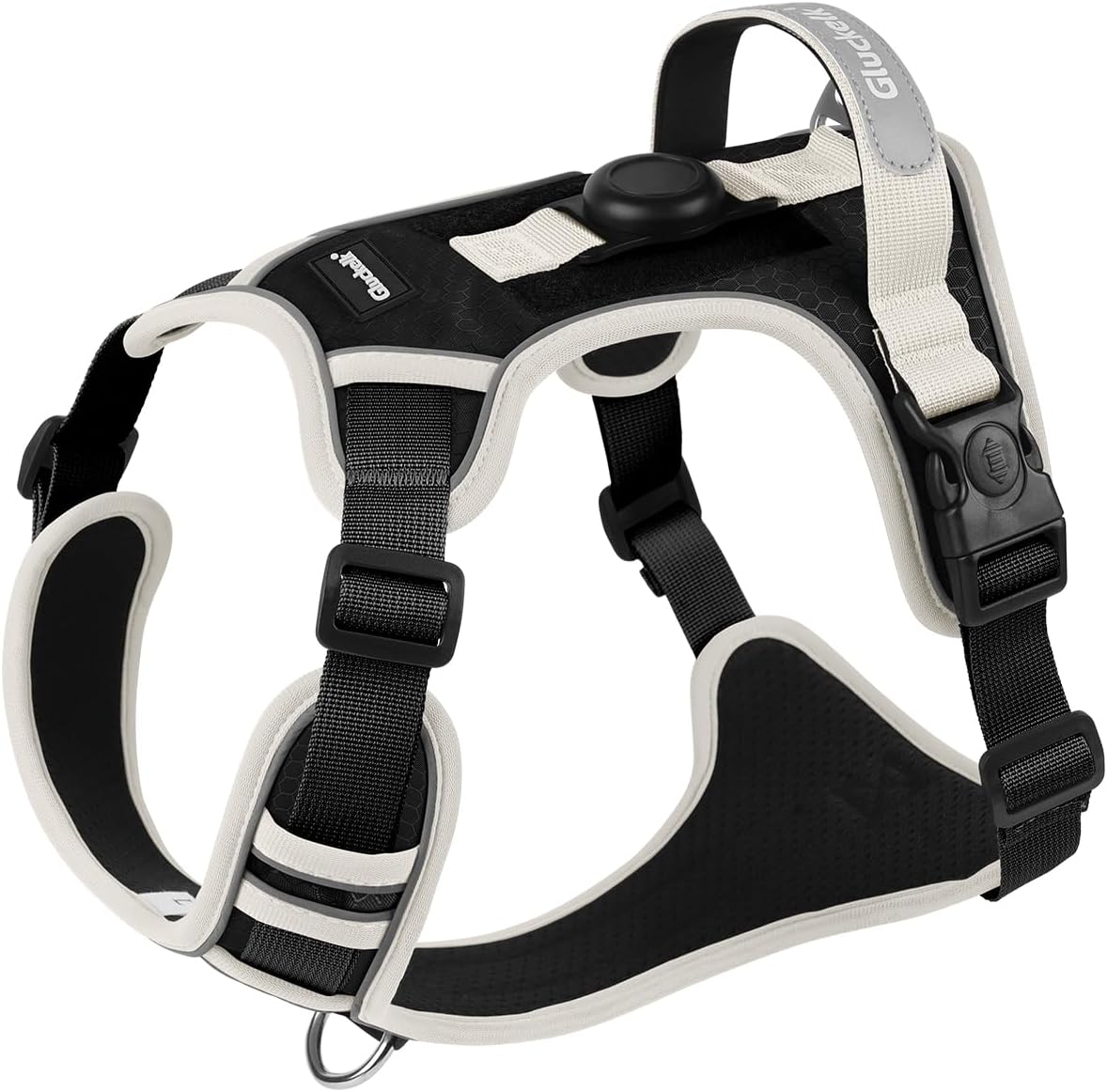
Gluckelk No-Pull Reflective Padded Dog Harness
A padded no-pull harness with reflective trim, built to spread pressure across the chest and stay visible in low light. A sensible first choice for shaded trails and shoulder-season hikes.
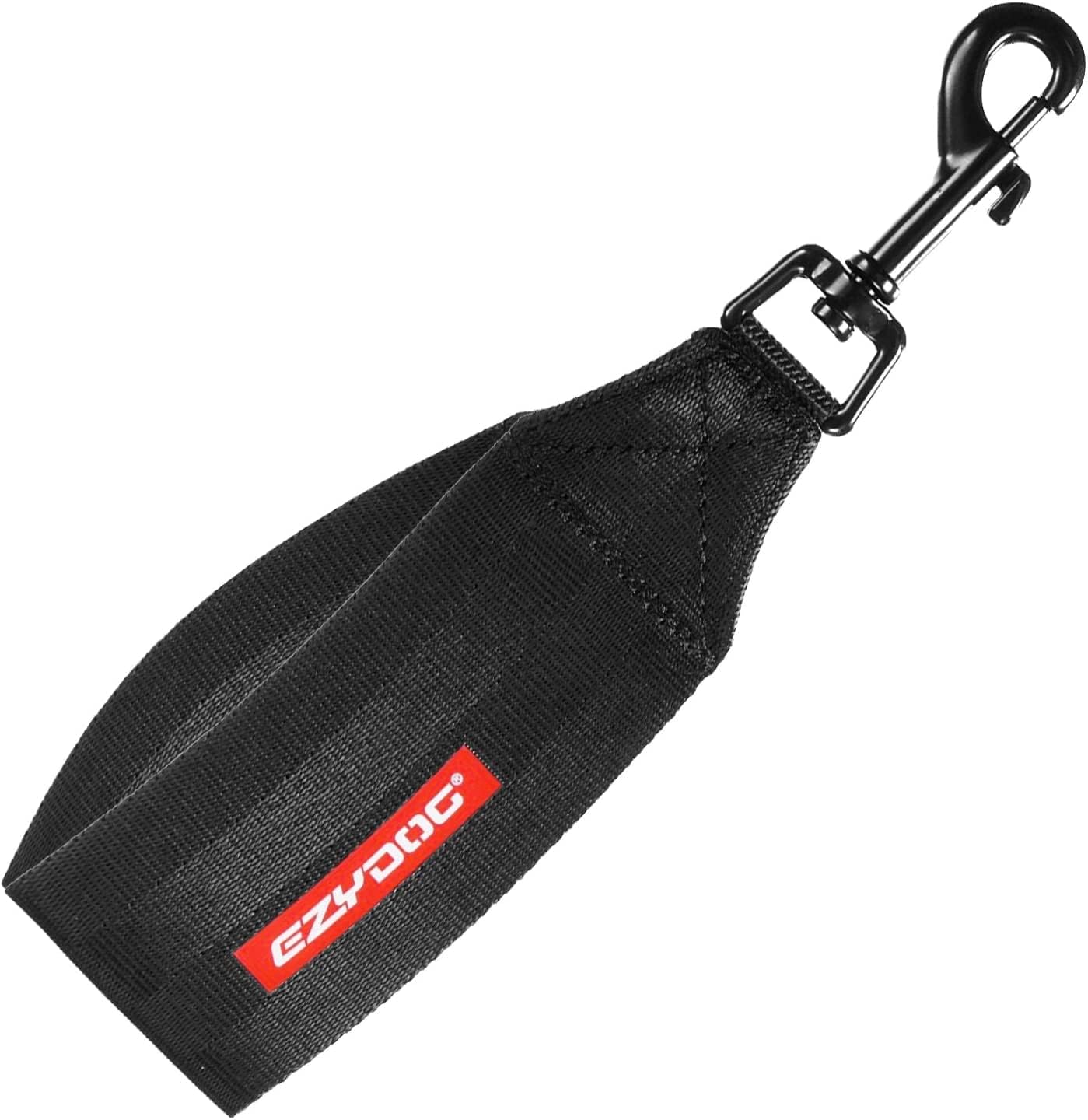
EzyDog Universal Dog Seat Belt Restraint for Cars
A universal seat belt restraint that keeps a dog settled during the drive to the trailhead. It pairs with the harness your dog already wears.
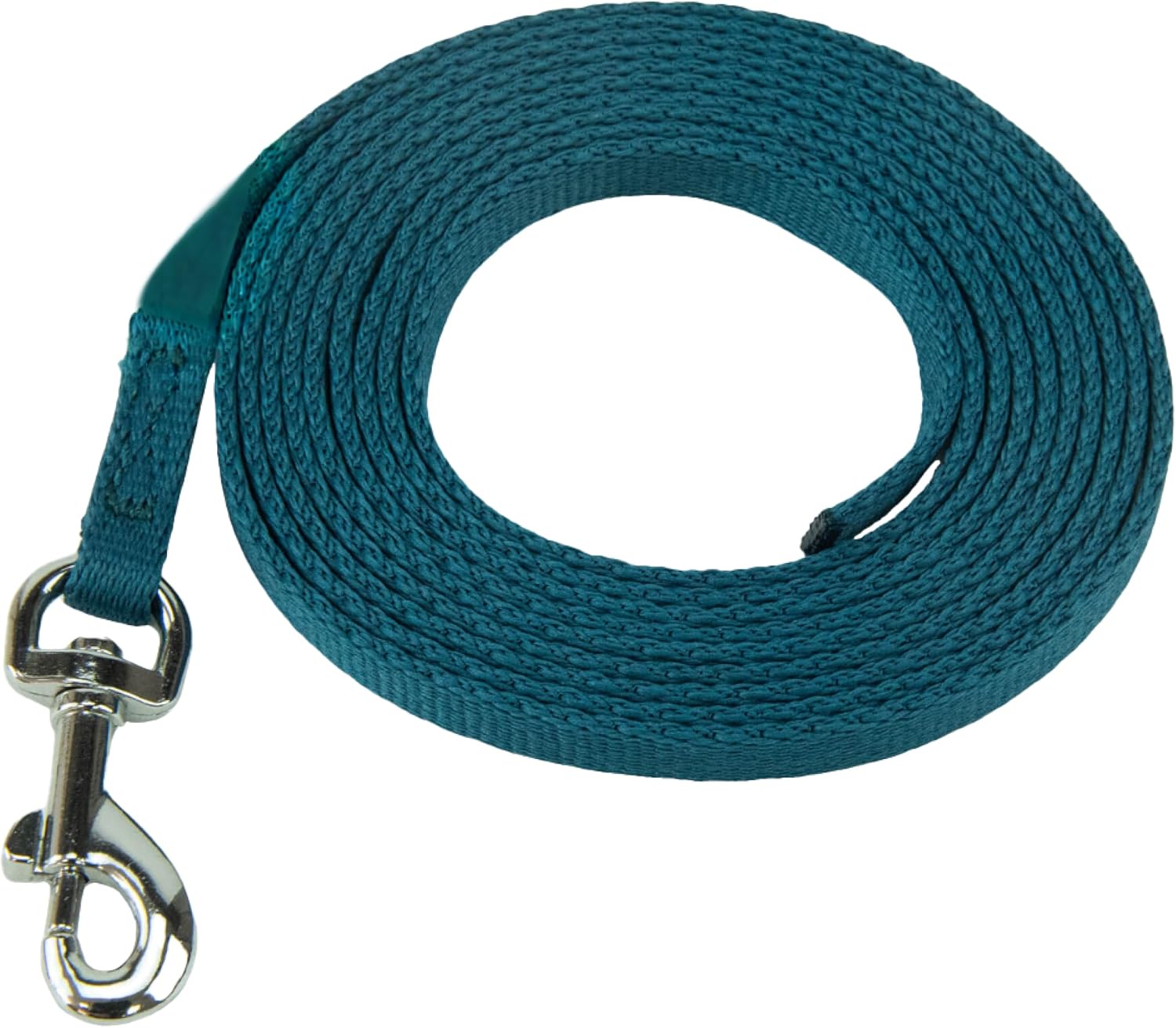
Coachi Puppy & Mini 2.5m (8ft) Indoor Training Line
A 2.5 m (8 ft) training line for practicing recall and loose-leash habits indoors or in a fenced yard before you try them on the trail.
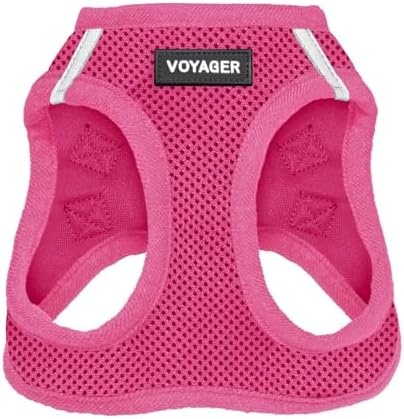
Voyager Step-in Air Dog Vest Harness – Fuchsia, Small
A step-in air vest harness in a small size, designed to go on quickly with minimal fuss. A straightforward option for short walks and easy trails.
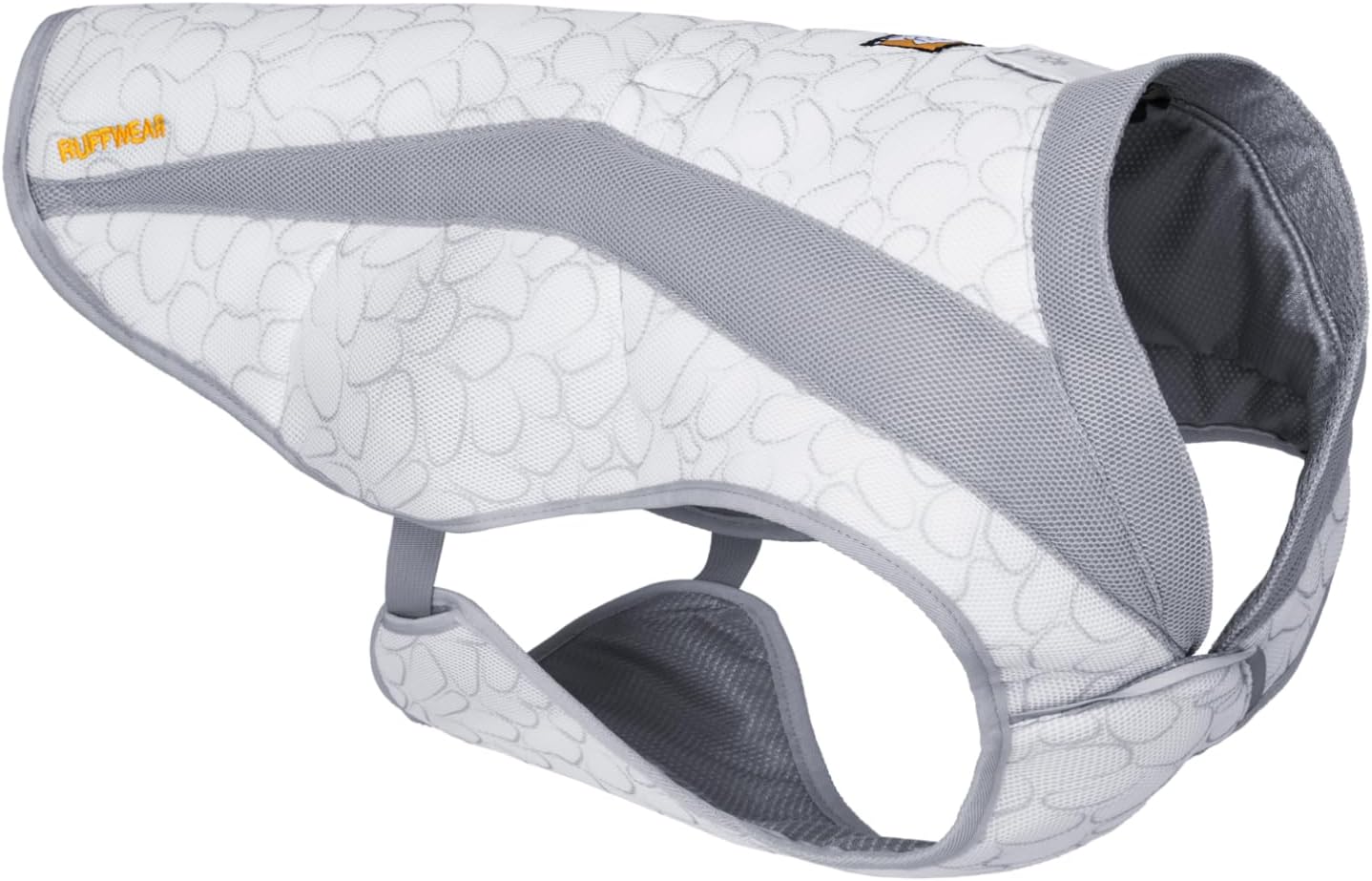
Ruffwear, Swamp Cooler Dog Vest, Graphite Gray, Large
A large cooling vest made with a cooling fabric for exposed trails and hot afternoons. It is a heat-management layer, not a walking harness.
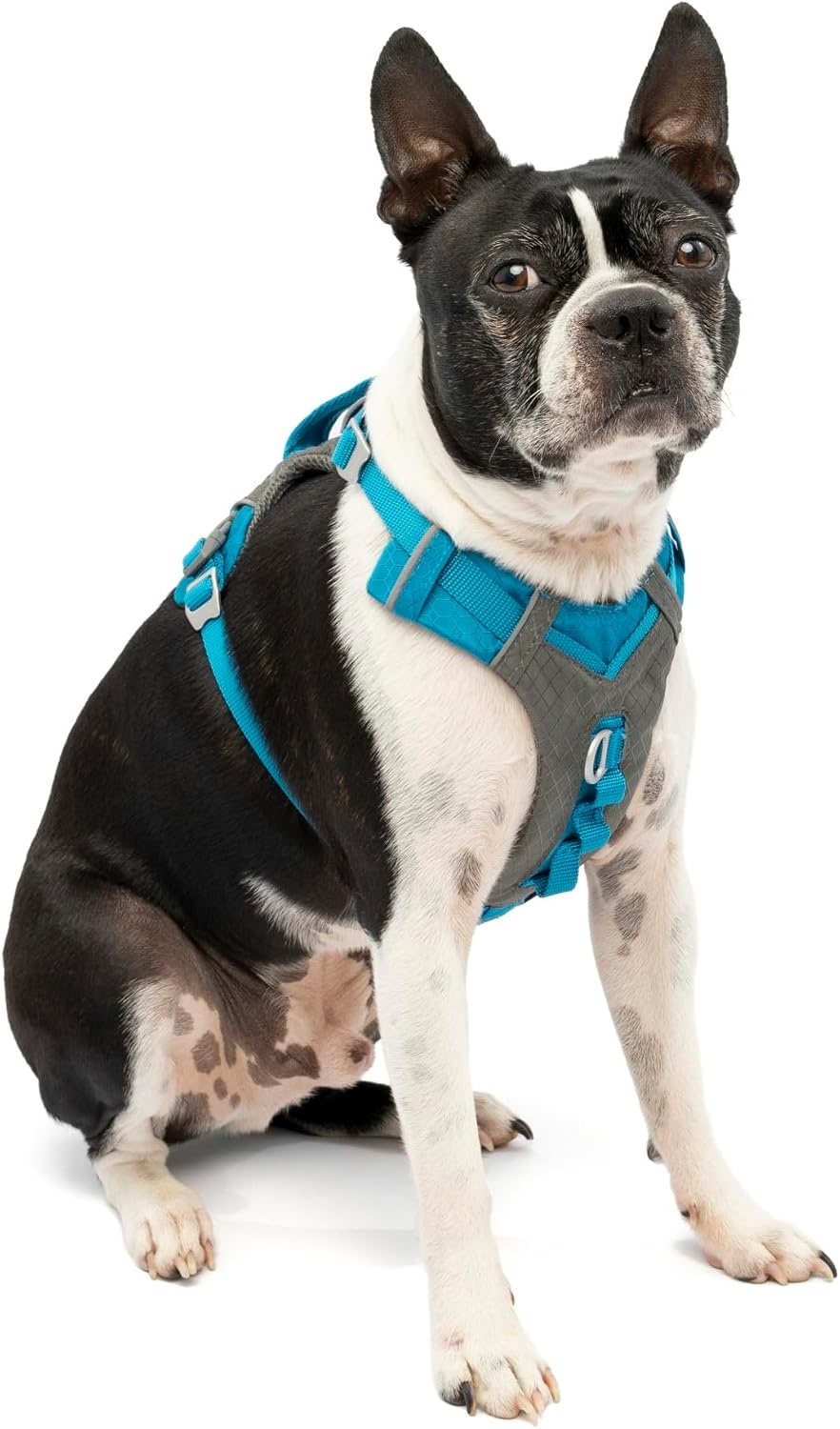
Kurgo Journey Air Dog Harness, Blue, Small
A light air-mesh harness in a small size for dogs that overheat easily. A warm-weather alternative to a heavier padded harness.
How to choose the right dog collar for hiking dogs
Start with the collar your dog already has, then decide what it needs to do. A collar that only holds tags can be light and simple. A collar used as a walking tool needs a buckle that will not slip and a fit that stays put without pressing on the throat. The correct dog collar for hiking dogs is the one that stays on under load and still lets your dog breathe, swallow, and pant freely, which is why most hikers pair a snug collar with a harness that carries the pull.
From there, match the harness to the dog. A dog that pulls benefits from a no-pull design with a front clip. A small dog that overheats easily is better served by an air-mesh harness with thin straps. A dog that hikes in high heat may need a cooling vest as well. If your dog sits between sizes, size up on padded harnesses so the panels do not pinch, and use the adjustment range to take up the slack.
For the drive to the trailhead, a simple restraint that threads onto a seat belt is enough for most dogs, and it is worth keeping in the car permanently so it is never the item you forget. For recall work, a long line in the 8 ft range gives your dog room to make a choice while you keep a hand on the other end. Practice in a hallway or a fenced yard before you try it in the open. If your dog is older or slower than they used to be, the same gear logic still applies with more padding and shorter days, and our guide to harnesses for senior dogs covers the adjustments that matter most. Finally, decide what you will carry: a leash that is comfortable at your chosen leash length, water, and a plan for heat.
Gluckelk No-Pull Reflective Padded Dog Harness
The Gluckelk No-Pull Reflective Padded Dog Harness is the pick here because it covers the three things a trail harness has to get right at once: padding where the straps contact the dog, reflective trim for low-light visibility, and a no-pull design that gives the handler more control when a dog leans into a descent or lunges after a squirrel. It is the harness in this group described as both padded and reflective, which is the combination most hikers end up wanting once they have walked a shaded road at dusk.
The trade-off is straightforward. A padded no-pull harness carries more material than an air-mesh harness, so on a small dog in midsummer it will hold more heat than a lighter design, and the extra webbing takes longer to dry after a stream crossing or a rainy day. If your hikes happen in the cool shoulder seasons or on shaded trails, that trade is easy to accept. If your dog hikes in full sun in July, look at the mesh and cooling options below and treat this one as your cool-weather harness. Confirm the size against your dog's girth measurement before ordering, since padding changes the effective fit.
Alternatives to consider
The Kurgo Journey Air Dog Harness, Blue, Small is better suited to small dogs and warm-weather walks, where a light air-mesh build matters more than heavy padding, while the Voyager Step-in Air Dog Vest Harness – Fuchsia, Small is a stronger fit when you want a step-in design that goes on quickly and stays simple for short, easy trails.
The Ruffwear, Swamp Cooler Dog Vest, Graphite Gray, Large, the EzyDog Universal Dog Seat Belt Restraint for Cars, and the Coachi Puppy & Mini 2.5m (8ft) Indoor Training Line cover the rest of the day: heat management on exposed trails, a safe ride to the trailhead, and a long line for teaching recall before you rely on it outdoors. The Swamp Cooler is a cooling layer rather than a walking harness, so it is worn for heat and removed afterward. The EzyDog restraint is a car safety item, universal by design, and it works with the harness your dog already wears. The Coachi line measures 2.5 m (8 ft), long enough for a puppy to practice coming back and short enough to manage indoors. None of the three replaces a harness, and that is the point: they are the pieces that make the harness workable.
Day-to-day use and maintenance
Trail gear gets dirty, and dirty gear rubs. After a hike, rinse the harness in cool water, work mud out of the webbing and the padding with your hands rather than a stiff brush, and hang it to air dry away from direct heat. Check the stitching at the attachment points and the condition of the buckle every few weeks. A strap that has frayed where it meets the ring is the failure you want to catch at home rather than on a ridge. Collars need the same attention: a collar that has stretched or lost its buckle tension should be replaced, not cinched past its design.
Leave the harness off between walks. A dog that wears one all day can develop rub marks under the front legs, and constant pressure on the same spots is the usual cause. The same goes for the cooling vest: it is a tool for hot conditions, worn for the hike and taken off afterward, and it should be rinsed and dried after every use so the cooling fabric does not sit damp in a gear bag.
Keep the car restraint installed, and check its webbing and buckle at the same time you check the harness, since the restraint takes a similar load in a sudden stop. If your dog wears a GPS tracker, charge it after each trip. Battery life is the specification that quietly fails when you forget it.
Buying checklist
- Measure your dog's girth at the widest part of the ribcage and compare it to the size chart for the exact model.
- Choose the harness style, no-pull, step-in, or air-mesh, based on how your dog walks most days rather than one difficult outing.
- Confirm that the listing you are buying includes the padding, reflective trim, or front clip you are counting on.
- Match each accessory to its job: a car restraint for travel, a long line for recall practice, a cooling vest for heat.
- Read the cleaning instructions before the first hike so you know whether the item is rinse-only or machine washable.
- Verify the current retailer price, availability, and return terms before you order, and re-check the fit when it arrives.
Final recommendation
Choose the Gluckelk No-Pull Reflective Padded Dog Harness when you want one harness that handles control, padding, and visibility on most trails. Choose the Kurgo Journey Air Dog Harness, Blue, Small when your dog is small and the priority is a light air-mesh build for warm weather. For everything else, match the accessory to the day: the Voyager step-in harness for quick walks, the Ruffwear Swamp Cooler vest for heat, the EzyDog restraint for the drive, and the Coachi training line for recall practice.
There is no single ideal dog collar for hiking dogs, and the best dog collar for hiking dogs in practice is the collar that holds your dog's tags paired with the harness that carries the pull. If a product here does not fit your dog's size or your usual conditions, skip it rather than compromise. A harness that fits poorly is worse than the collar you already own.