A double coated dog does not shed the way a single coated dog does. The undercoat traps loose fur close to the skin, holds it there through a wash, and then releases it in drifts across the floor for the next two weeks. That is why the dog dryer vs dog shampoo for double coated dogs question keeps landing in our inbox, and why the honest answer is that neither tool wins on its own. Bathe without a plan and you push dead fur deeper into the coat. Dry without a plan and you bake it in place. What actually breaks the cycle is a sequence, and the gear in the table below covers both ends of it: deshedding brushes that lift the undercoat, and a conditioner that keeps the coat combable long enough for the brush to finish the job.
The best first purchase for most double coated dogs is a deshedding brush, because it works on a dry coat with no water and no noise. The best second purchase is a dryer, because a dense undercoat that stays damp at the skin is how a routine bath turns into a skin problem.
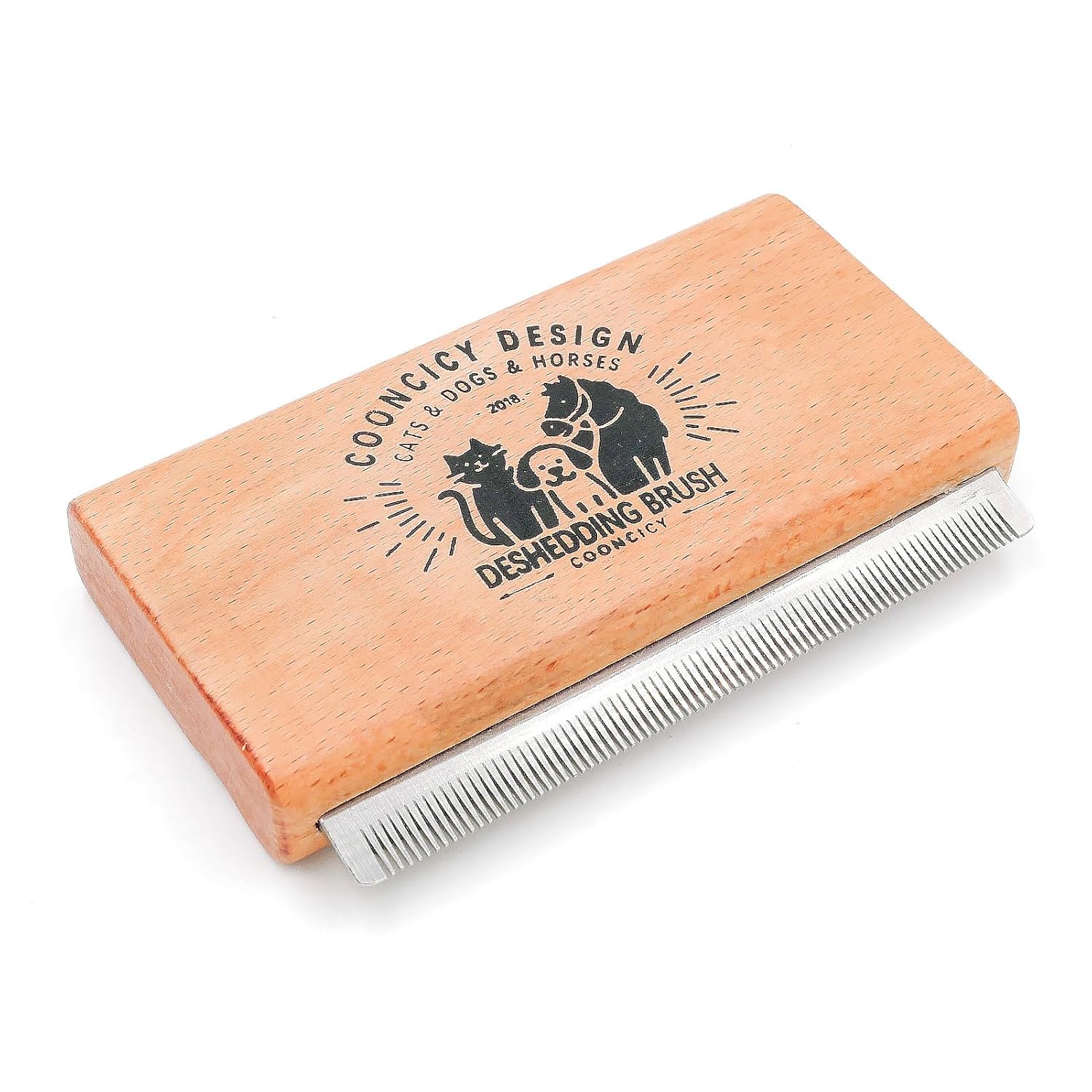
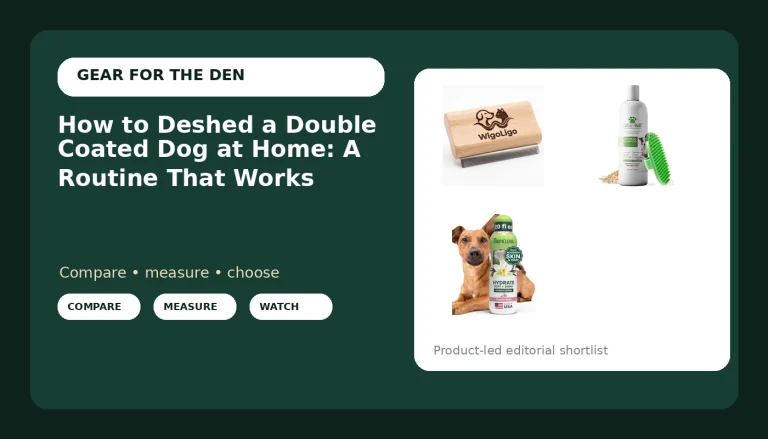
Cooncicy Deshedding Dog Brush with Wood Handle
Wood handle gives a warm, secure grip for long sessions, and a broad head suits sweeping strokes down the back and flanks
Wood and standing water do not mix, so it belongs on a shelf rather than beside the tub
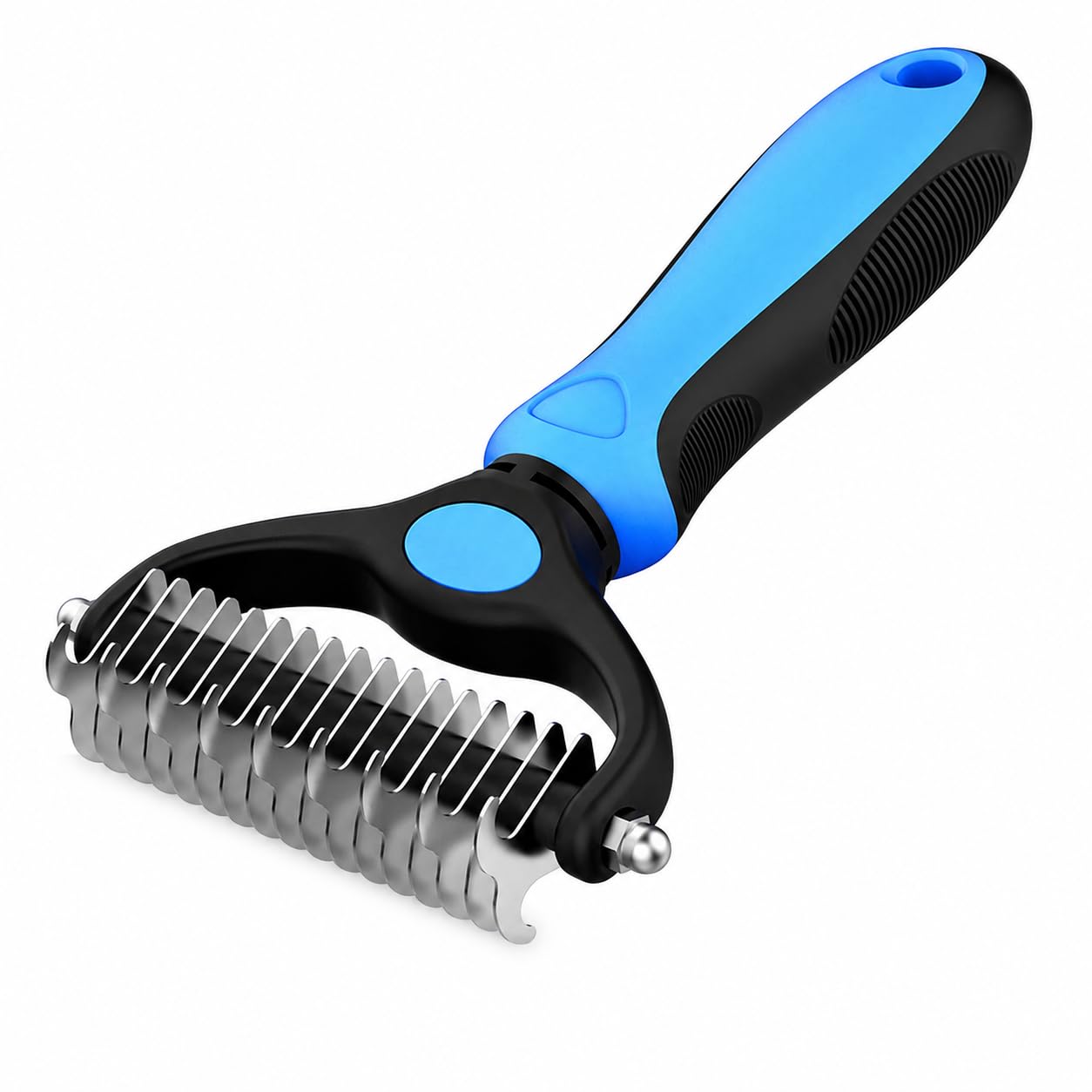
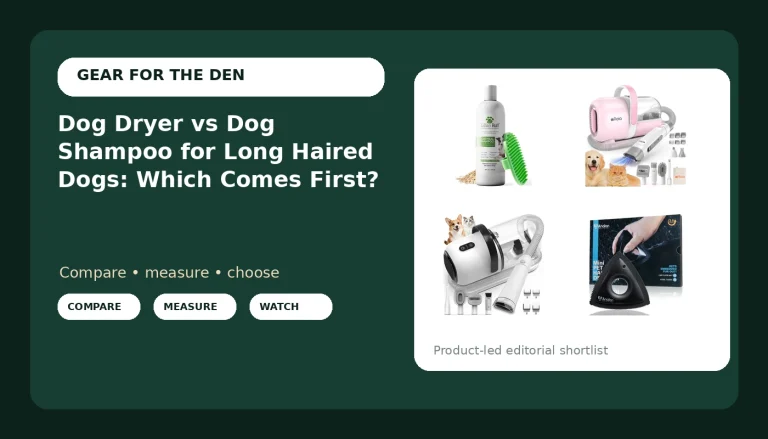
Pet Grooming Tool,Dog Brush For Shedding,Deshedding Dog Brush
A no-nonsense shedding head for a quick pass before a bath or after a walk
The listing says little about bristle type or tooth finish, so it is a harder blind buy for a woolly undercoat
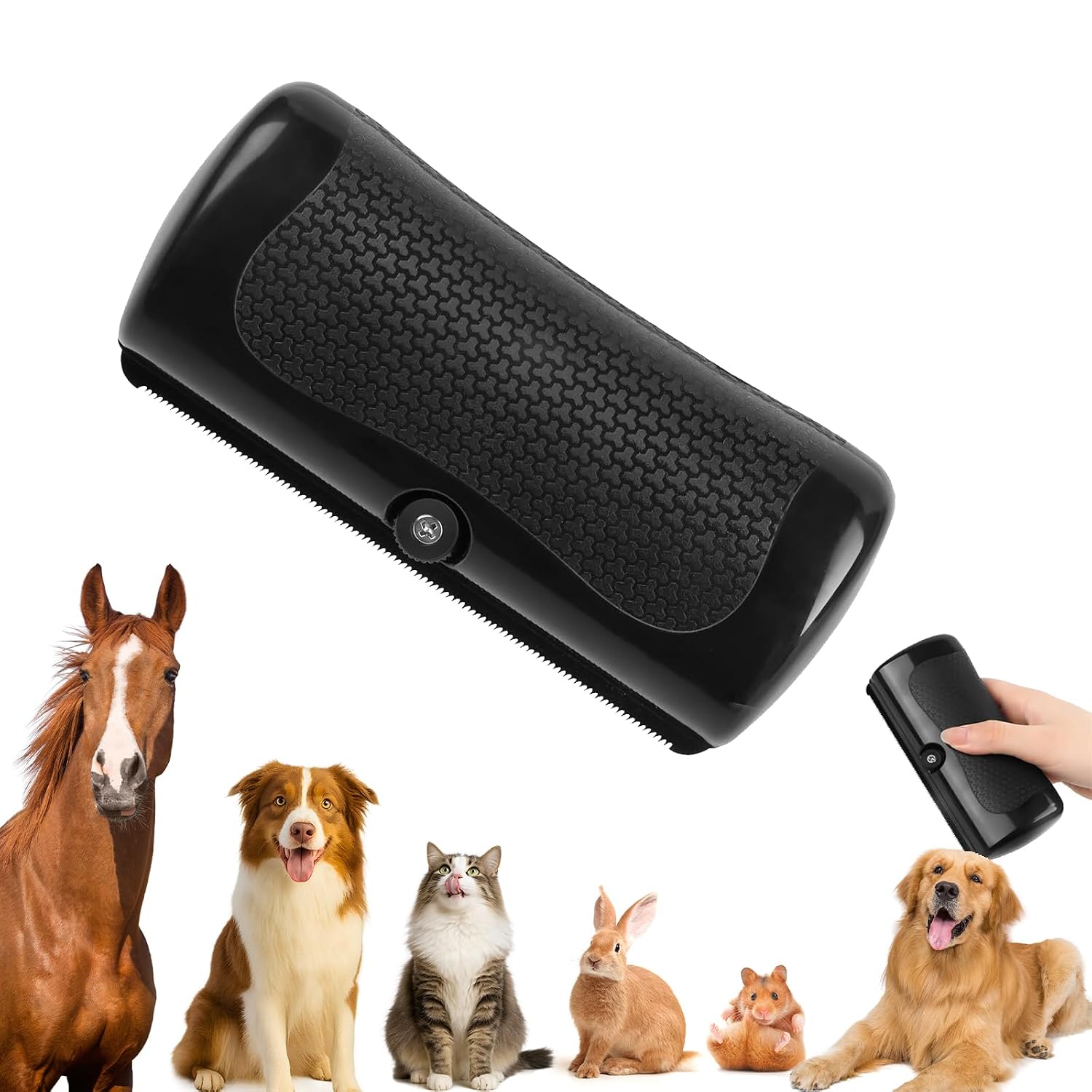
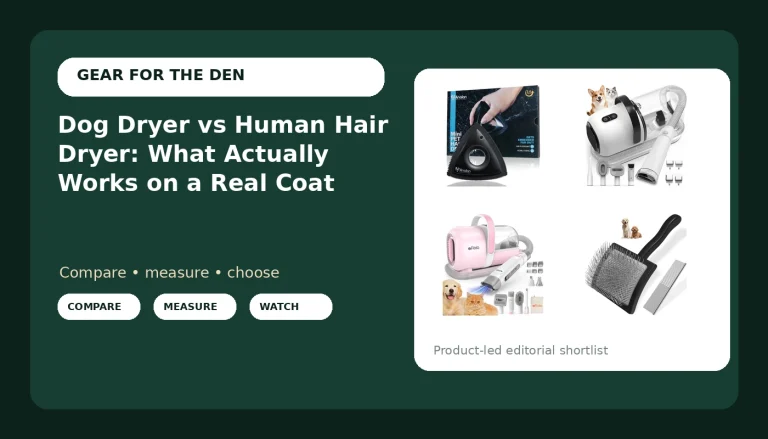
Deshedding Brush for Pets, Easy Hair Removal Tool,Dog Brush for Shedding,Shedding brush for Dogs,Cats, Rabbits, Horses
Listed for dogs, cats, rabbits and horses, so it is the one brush here that can serve a multi-pet house
A tool marketed across that many coat types is usually built to a middle ground rather than for a dense double coat
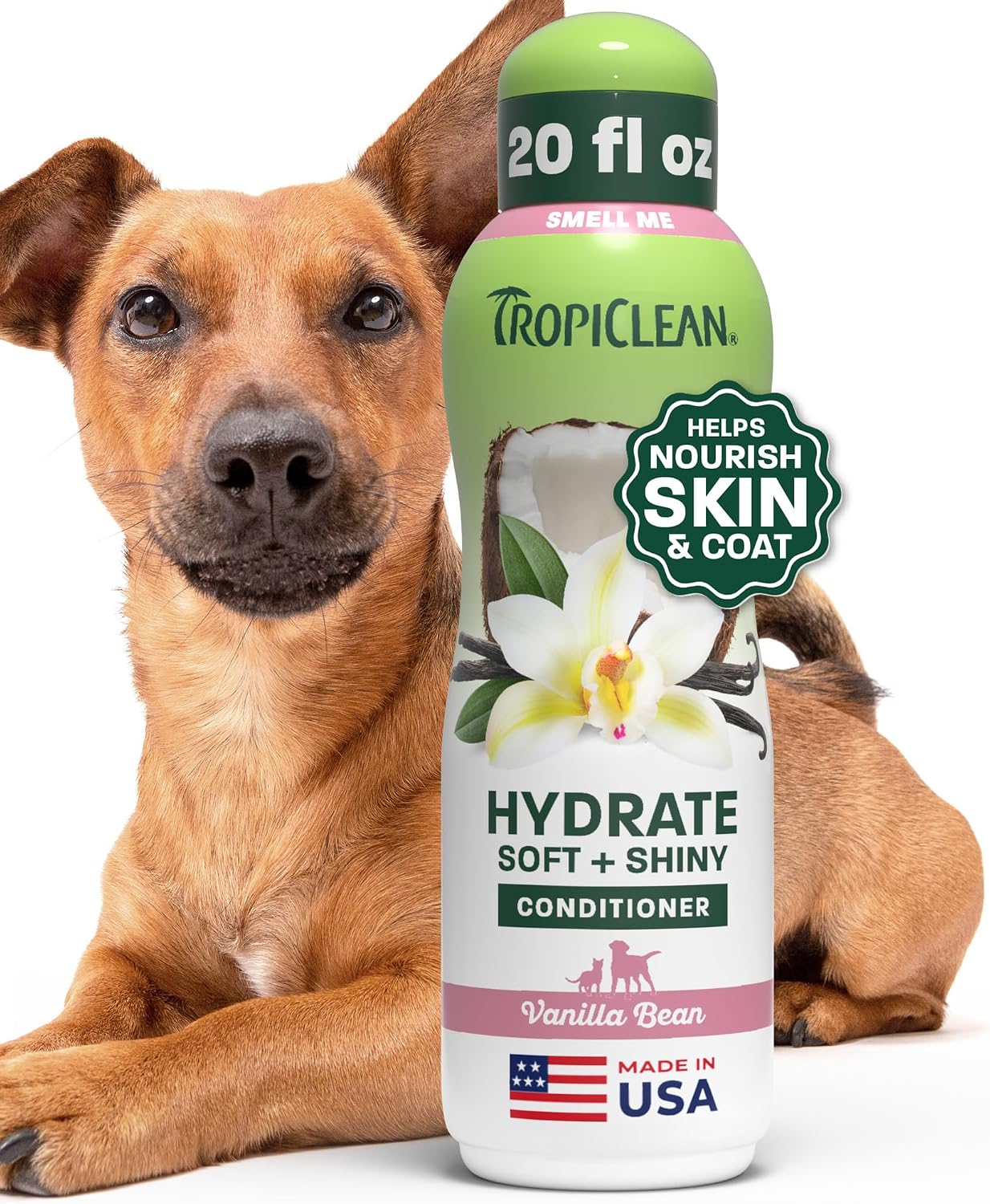
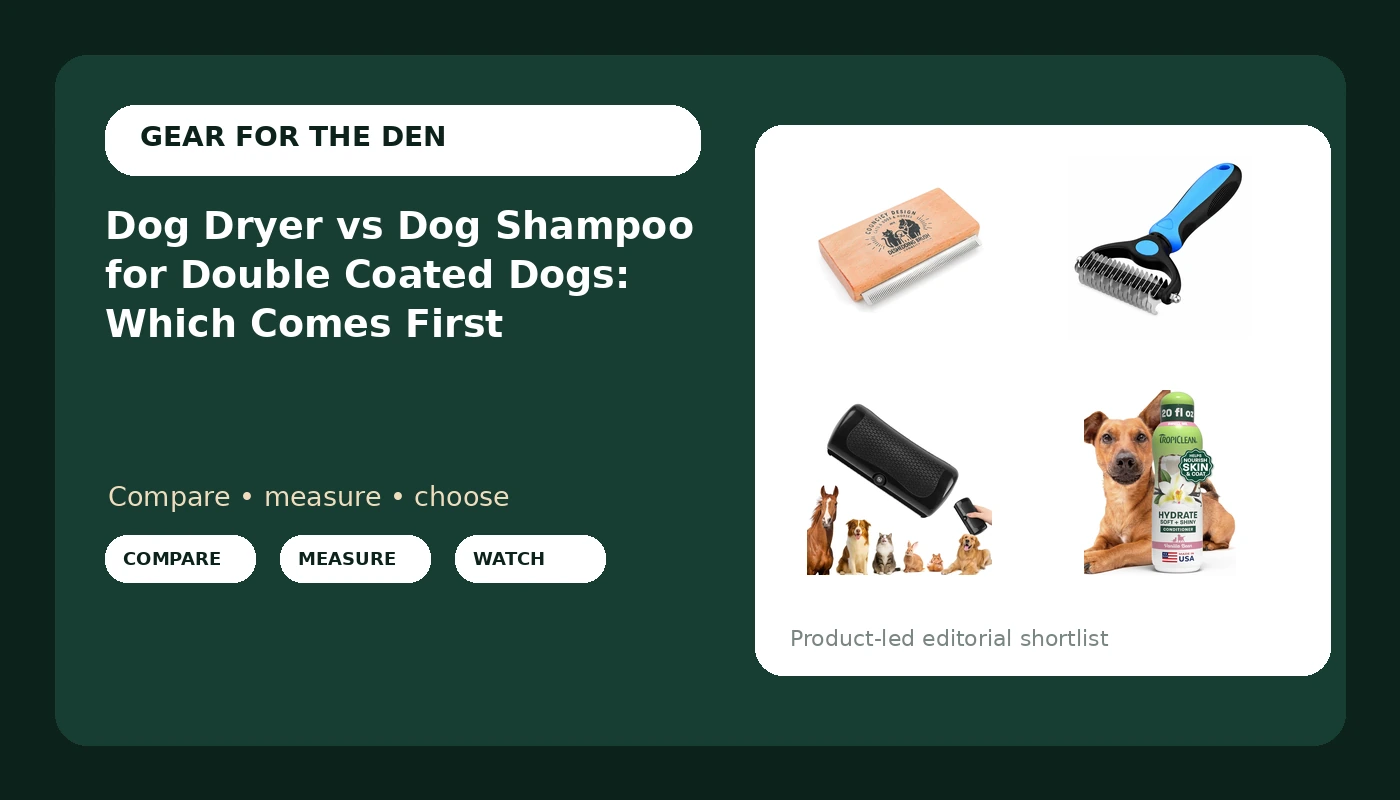
TropiClean Dog Conditioner, Easy Detangling & Moisturizing Conditioner, Puppy Safe, Made in The USA, Kiwi & Cocoa Butter Scent, 20oz.
A detangling, moisturizing conditioner is the step that makes a double coat combable; puppy safe and made in the USA
Conditioner loosens undercoat but does not remove it, so it does nothing without a brush behind it
Prices and availability may change.
What a Double Coat Actually Does
Breeds with a double coat carry two layers: a soft, dense undercoat that insulates against heat and cold, and a longer topcoat of guard hairs that sheds water and dirt. The undercoat is the layer that matters for grooming, because it is the layer that dies and lets go.
On a single coated breed, loose hair works its way out of the coat and lands on the sofa within a day or two. On a double coated breed, the topcoat holds the dead undercoat in place like a thatched roof. That trapped fur mats, blocks airflow to the skin, and holds moisture after a bath, which is how a routine wash turns into a hot spot.
Coat type also decides how often any of this is worth doing. A dense, woolly undercoat on a northern breed can take a full session every two to three weeks during a seasonal blow, while a shorter double coat on a retriever type needs far less. The mistake is treating both the same, then blaming the brush when the fur keeps coming.
Dog Dryer vs Dog Shampoo for Double Coated Dogs: The Order That Matters
Ask the question as a straight either/or and you will pick the wrong tool, because the two do different jobs. Shampoo and conditioner change the coat. A dryer changes the timing. Water swells the hair shaft and lifts the undercoat away from the skin, which is the only window you get where a deshedding tool can reach dead fur efficiently. A dryer closes that window on your schedule rather than the dog's.
The order that works: brush the dry coat first to remove what is already loose, bathe with a shampoo suited to the coat and the skin, apply conditioner and work it through with a comb, rinse until the water runs clear, then dry with airflow rather than heat. The dryer is not optional in that sequence on a double coated dog. A coat that stays damp for hours at the skin is the setup for skin trouble, and a coat that dries slowly mats as it dries.
If you can only buy one thing this month, buy the brush, because it works on a dry coat with no water involved. If you can buy two, add the dryer. The dog dryer vs dog shampoo for double coated dogs comparison only makes sense once you accept that they are two stages of one routine, not two competing answers.
Where a Dryer Earns Its Space
A dryer earns its cost on three specs: airflow, heat control, and motor noise.
Airflow is the whole point. A high velocity dryer pushes a column of air through the topcoat and into the undercoat, which is what separates the layers and blows loose fur out. A low volume dryer just warms the surface. When you read a listing, look for a stated airspeed or velocity rather than wattage, because wattage tells you about the motor's appetite, not the force at the nozzle.
Heat control matters more than most owners expect. Dogs do not sweat through the skin the way we do, and their coat insulates them from a warm stream of air. A dryer that only produces hot air will dry the topcoat while leaving the undercoat damp, and it risks uncomfortable skin. Variable heat, or a cool setting, is worth more than a bigger motor.
Motor noise is the spec nobody mentions until the first session. A high pitched whine at close range will convince most dogs that the dryer is a predator. Quieter units, and ones with a hose long enough to keep the motor away from the dog's head, get used far more often.
For that reason, choosing dog dryer or dog shampoo for double coated dogs is really a question about your dog's tolerance. A dryer that terrifies the dog is worse than no dryer at all, because you will stop using it.
Where Shampoo and Conditioner Earn Theirs
Shampoo does two jobs on a double coat: it lifts dirt and oil out of the undercoat, and it swells the hair shaft enough that dead fur releases. That is why the shampoo you choose matters less than how thoroughly you rinse it out. Residue left in a dense coat attracts dirt and dulls the topcoat within days.
What to look for: oatmeal concentration if your dog has itchy or reactive skin, since colloidal oatmeal is the ingredient most often used for soothing. A lightly scented or fragrance free formula for dogs prone to hot spots. And a conditioner, which is the step most owners skip and the one that makes the biggest difference on a double coat. Conditioner smooths the guard hairs so a brush or comb glides through instead of catching, which means less tugging and a shorter session.
The TropiClean Dog Conditioner in the table is a detangling and moisturizing formula, puppy safe and made in the USA, with a kiwi and cocoa butter scent. A conditioner like that does not remove undercoat. It makes the coat combable so the tool that does remove undercoat can finish the job.
Framed as dog shampoo for double coated dogs vs dog dryer, the argument usually ends with the shampoo, because it is the cheaper purchase. That is the wrong test. The right test is which one your dog will tolerate every three weeks for the next eight years.
The Brushes That Do the Work Between Baths
The three brushes in the table do the same job from different angles, and the differences come down to bristle type, blade guard design, and the grip handle.
The Cooncicy Deshedding Dog Brush with Wood Handle is the one to reach for when you want a long, controlled session. A wood handle absorbs some of the vibration from the strokes and gives you a broader platform to grip than a bare plastic handle. The trade off is care: wood and standing water do not mix, so it belongs on a shelf, not in the tub.
The Pet Grooming Tool, Dog Brush For Shedding, Deshedding Dog Brush is the straightforward option. The listing leans on function rather than detail, which means you are buying a shedding head without much information about the bristle type or how the teeth are finished. For a dog with a moderate coat that is fine. For a dense, woolly undercoat you want to know more before you commit.
The Deshedding Brush for Pets, Easy Hair Removal Tool is listed for dogs, cats, rabbits and horses, which makes it the pick for a multi pet house. A tool marketed across that many coat types is usually built to a middle ground: fine enough not to scratch a cat, sturdy enough not to fold on a horse. On a double coated dog, expect it to handle the topcoat well and the deepest undercoat less aggressively.
Whichever you choose, technique matters more than the tool. Short strokes in the direction of the coat, working in sections, with a light hand over the ribs and hips where the skin is thin. Never rake a matted coat. A blade guard or a comb that parts the coat first will save you a vet visit.
How We Compare Grooming Gear
We do not rank grooming tools by star ratings. We rank them by whether they solve a specific problem on a specific coat type, and by how much the listing actually tells you before you buy.
Three questions. First, does the tool name the coat type it is built for? A brush advertised for every animal in the house is a compromise. Second, does the listing describe the working surface, the bristle type or the tooth spacing, rather than just the handle color? Third, is there a stated size range or use case for the dog it fits?
The difference between dog dryer and dog shampoo for double coated dogs comes down to this same standard. A dryer listing that gives you airflow and noise figures is worth more than one that gives you a color and a wattage. A shampoo or conditioner listing that names the soothing ingredient is worth more than one that talks about the scent.
We also weigh what happens after the purchase. Conditioner and shampoo run out and get rebought. A brush is a one time buy that either works for years or sits in a drawer. That asymmetry is why we treat a cheap brush as a bigger risk than a cheap bottle.
The Trade-Offs Nobody Warns You About
The first is noise. A dryer powerful enough to move undercoat is loud, and a dog that is nervous on session one will be worse on session ten if you push it. Build tolerance with the dryer off, then running at a distance, then near the dog, over a couple of weeks.
The second is over brushing. Deshedding tools are effective enough to irritate skin if you use them daily on the same spots. Two or three sessions a week during a seasonal blow is plenty, and the base of the tail and the back of the thighs take the most punishment.
The third is hidden damp. A double coat can feel dry on the surface while the undercoat is still wet against the skin. That is the failure mode that leads to hot spots, and it is why a dryer with real airflow beats a towel and a warm breeze every time.
The fourth is tool wear. A wood handle looks good for years but has to stay out of standing water. A blade guard on a deshedding head can dull, and a dull guard pulls rather than cuts. Check the edge of any bladed tool before each shedding season.
The fifth is the multi pet compromise. The brush that handles a rabbit and a horse is unlikely to be the best brush for a malamute in full blow. If you have one double coated dog and one cat, buy for the dog and use a softer tool on the cat.
Building the Routine Around Your Coat Type
A workable routine for a double coated dog looks like this:
- Dry brush first. Ten minutes with a deshedding brush on a dry coat removes more fur than an hour of brushing a wet one.
- Bathe with a shampoo chosen for the skin, not the coat. If your dog is itchy, read the oatmeal concentration on the label before you read the scent.
- Condition and comb. Work conditioner through the undercoat with a wide tooth comb, then rinse until the water runs clear.
- Dry with airflow, not heat. Keep the nozzle moving and work in the direction of the coat.
- Brush again once dry. This is where the last of the loose undercoat comes out.
How often depends on coat type. A dense, woolly undercoat on a northern breed during a seasonal blow may need the full routine every two to three weeks. A shorter double coat can go six to eight. The dog dryer vs dog shampoo for double coated dogs question fades once the routine is fixed, because you stop choosing between them and start scheduling them.
What We're Comparing Next
Two comparisons are in progress. The first is entry level velocity dryers: how much airflow you actually get for a modest budget, and whether the noise gap between a cheap unit and a mid range one is as large as owners report. The second is oatmeal shampoos, where the label claims are hard to line up and the ingredient lists are not.
If you are grooming a senior dog with thinner skin, the routine above still applies, but with a lighter hand and a shorter session. Our dog grooming tools for senior dogs roundup covers the softer side of this gear.